
REVIEW · KYOTO TEA CEREMONIES AND MATCHA
Kyoto: Mindful Tea Ceremony in 100-Year-Old Teahouse
Candlelit matcha slows your day to a whisper. In Kyoto at Oboro, you step into a 100-year-old teahouse where candlelight, quiet pacing, and gentle instruction turn one small cup into a real mental reset. It runs about 45 minutes, in a small group with English support.
I love the calming atmosphere most. The host keeps things unhurried, and the room design and soft lighting make it easy to actually pay attention. I also love that it feels welcoming for newcomers, not stiff or punishing, so you can watch the matcha process up close while still feeling at ease.
One consideration: this is a quiet, sock-only experience. Shoes come off, silence is part of the deal, and if you’re more than 10 minutes late, you won’t be able to enter the session.
In This Review
- Key moments that make this tea ceremony worth your time
- Stepping into Oboro’s 100-year-old teahouse
- Candlelight, sound, and the garden view that changes your focus
- Getting ready: socks, shoe rules, and why being 10 minutes early matters
- The 45-minute flow: welcome tea, sweets, then the main ceremony
- What you actually watch: purifying tools and whisking matcha
- Your sip as a mini reset, not a performance
- Tradition without intimidation: how questions fit in
- Candle as a take-home reminder
- Price and value: is $45 for 45 minutes worth it?
- Who should book this tea ceremony, and who should skip it
- Should you book Oboro: Mindful Tea Ceremony?
- FAQ
- How long is the Kyoto mindful tea ceremony at Oboro?
- What is the price per person?
- Is the instruction available in English?
- How big is the small group?
- What should I bring and wear?
- Can I take photos during the ceremony?
- When should I arrive, and what if I am late?
- Is smoking allowed?
- What is included, and are meals included?
- Where is the meeting point?
- Does the tea ceremony change in summer?
Key moments that make this tea ceremony worth your time
- Candlelight instead of harsh lights, so the whole room feels softer and slower
- Small group, capped at 8, meaning you get real attention in English
- A relaxed approach to etiquette, so first-timers don’t feel lost
- Hosts like Naoki and Taku guide you through the flow with clarity
- Seasonal sweets plus a take-home candle, so the experience lingers
Sit down somewhere quieter. Other tea rooms we booked
- Kyoto: Tea Ceremony in a Traditional Tea House in Kiyomizu
★ 4.9 · 3,519 reviews - Kyoto: Tea Ceremony Ju-An at Jotokuji Temple
★ 4.9 · 3,207 reviews - Kyoto: 45-Minute Tea Ceremony Lesson Experience
★ 4.3 · 2,378 reviews - Kyoto: Table-Style Tea Ceremony at a Kyo-Machiya
★ 4.9 · 1,211 reviews
Stepping into Oboro’s 100-year-old teahouse

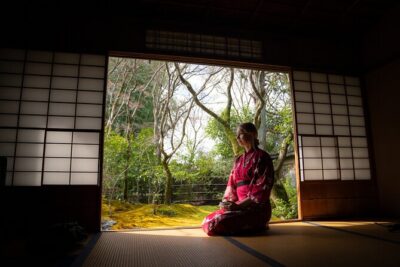
Kyoto has plenty of tea spots. This one hits differently because you’re not just watching a routine, you’re practicing attention in a space built for it. Oboro sits in a 100-year-old teahouse, and that matters. The room feels lived-in, not staged, and it naturally discourages rushing.
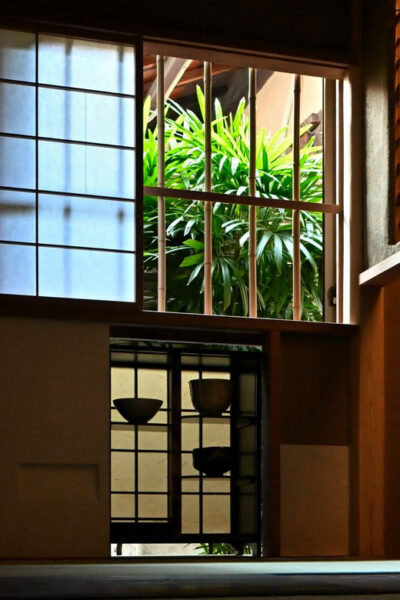
One detail I’d bookmark: the quiet setting feels especially effective if you’ve just been bouncing between busier sights. Reviews consistently point to the calm that kicks in right after you arrive, like the tea ceremony gives your mind a place to land. Even the garden view through the window adds a subtle sense of stillness.
Candlelight, sound, and the garden view that changes your focus
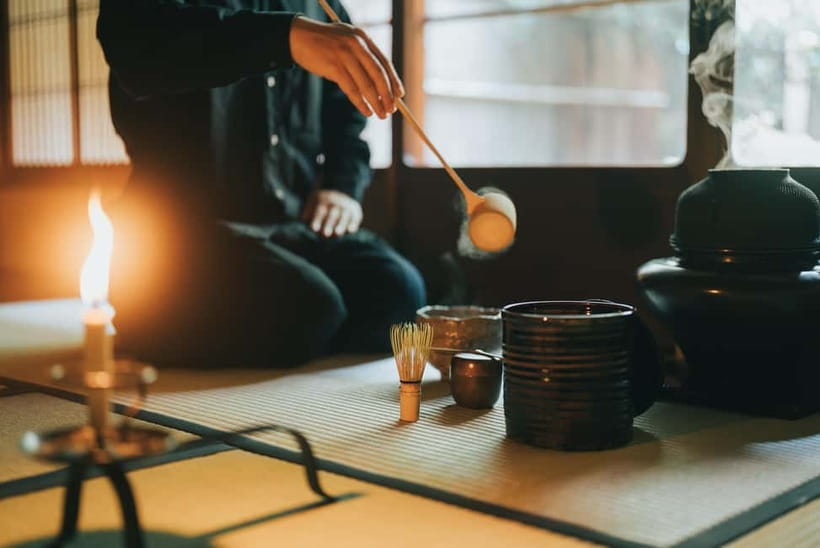
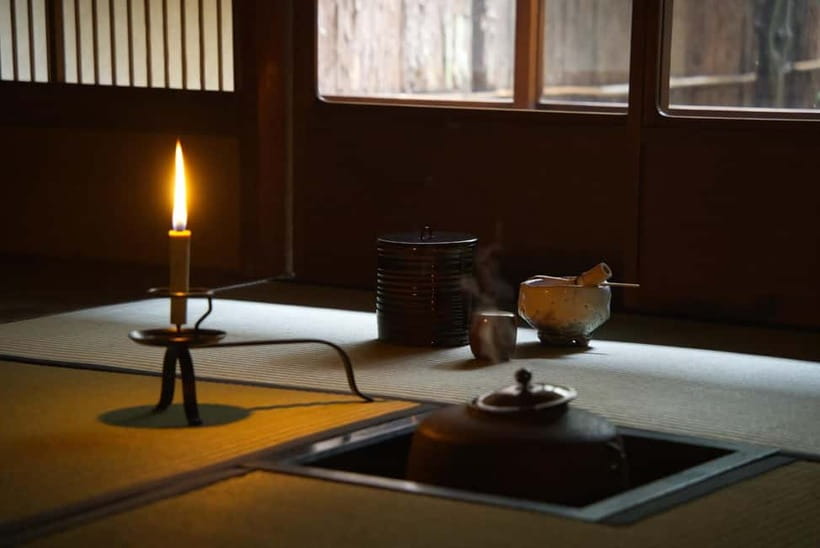
The ceremony room uses candlelight instead of overhead lighting. That tiny shift does a lot of work. With less glare and fewer visual distractions, you notice smaller things, like the quiet rhythm of water warming and the soft movements that accompany each step.
You’ll also notice how the décor is minimal on purpose. There’s less to react to, so your attention naturally moves to sensory cues: aroma, temperature, the feel of the bowl, and the pace of sipping. It’s not theatrical. It’s controlled quiet, designed to help your brain stop sprinting.
Getting ready: socks, shoe rules, and why being 10 minutes early matters
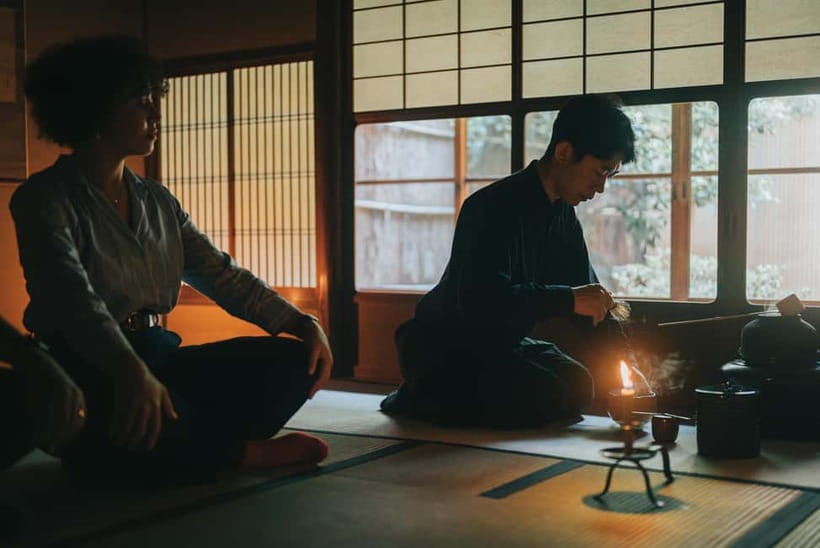
This is one of those experiences where the logistics quietly protect the mood. You should arrive 10 minutes early to prepare. The room requires socks, because you remove your shoes. That means bring comfortable socks that won’t slip and start out feeling relaxed.
Also plan for a strict time window. If you’re more than 10 minutes late, you won’t be allowed to enter the session. This is not a “grab a seat and catch up” situation. The ceremony runs like a guided flow, and late arrivals break it.
And yes, it’s quiet by design. There’s a quiet environment expectation, and you’ll want to keep your voice low if you’re chatting before or after the session. Smoking is not allowed.
- PERFECT KYOTO 1-Day Bus Tour★ 5.0 · 13,518 reviews
- Kyoto: Fushimi Inari, Kinkakuji, Bamboo Grove 1 Day Bus Tour★ 4.8 · 4,316 reviews
- Kyoto: Tea Ceremony in a Traditional Tea House in Kiyomizu★ 4.9 · 3,519 reviews
- Kyoto Geisha Walking Tour: Gion District & Hidden Gems★ 4.7 · 3,273 reviews
- Kyoto: Tea Ceremony Ju-An at Jotokuji Temple★ 4.9 · 3,207 reviews
The 45-minute flow: welcome tea, sweets, then the main ceremony
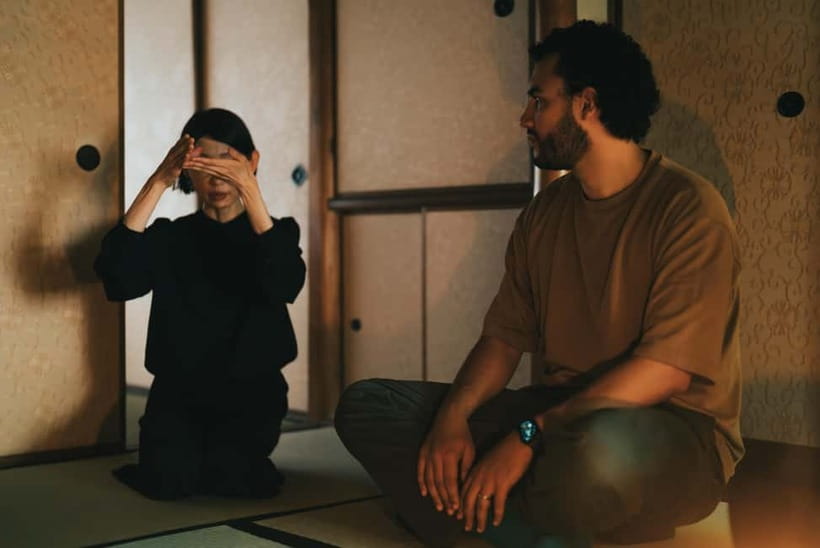
Your evening (or daytime session) moves in clear stages. First, you arrive and are greeted by the host. They’ll help with settling in and store your belongings if you need that. Then you get a short introduction to how the ceremony will unfold.
From there, you start with a welcome tea plus seasonal sweets. This is a smart warm-up. The sweet helps your palate settle, and it also sets the tone: you’re meant to slow down and notice flavors rather than just consume them quickly.
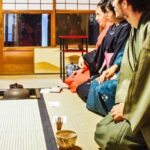
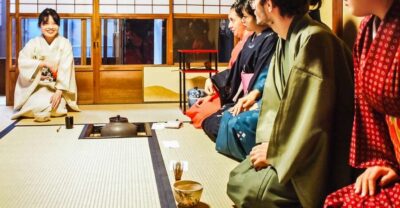
Next comes the main tearoom. You’ll settle onto comfortable seats, and the host guides you through the core ceremony movements. The room is set up to minimize distractions, so the small sensory details can do their job.
What you actually watch: purifying tools and whisking matcha
The ceremony has a sequence of respectful steps, but what makes it approachable at Oboro is the tone. You’re not thrown into strict rules where you’re afraid to mess up. Instead, you observe the process and learn what each motion is doing.
Here’s what you can expect from the host’s work:
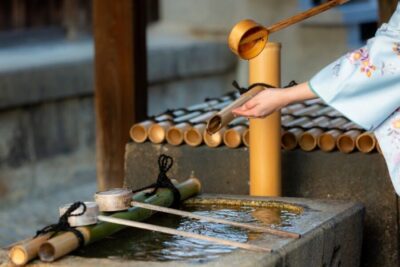
- Purifying the utensils first, so everything feels intentional and clean
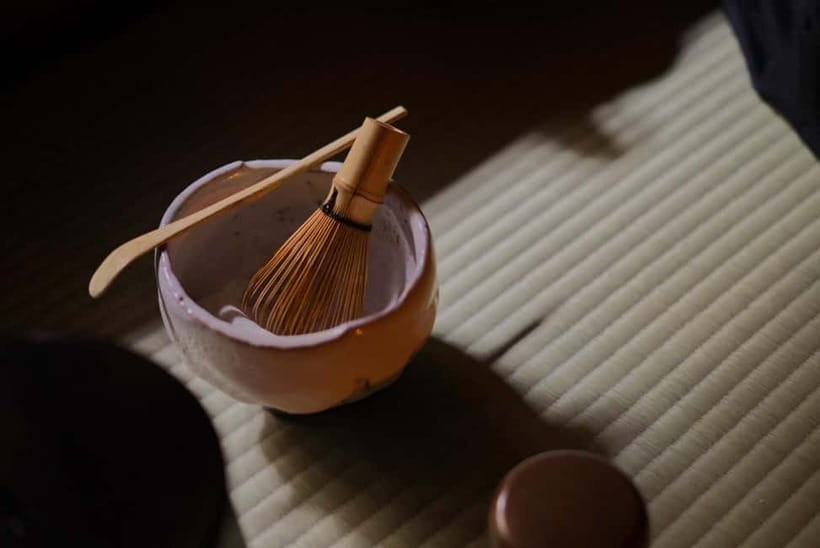
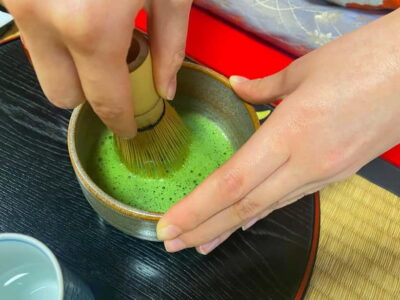
- Whisking the matcha into a bowl, using careful, measured motions
- Presenting the bowl with a graceful bow, which cues you to take the next step slowly
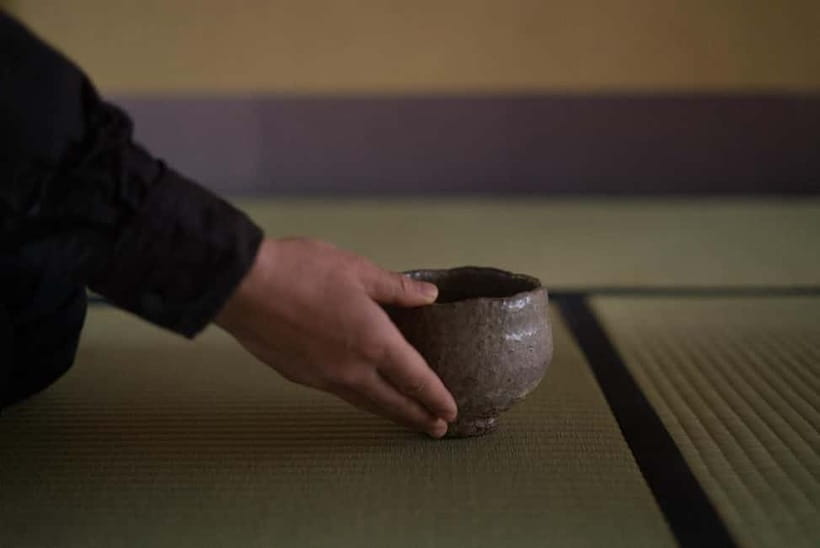
Then it becomes your turn. You’ll lift the bowl gently and take time with the aroma and warmth before you sip. That moment matters. Many people rush through tea because they’re used to it as a drink, not as a process. Here, the pacing forces you to experience it like a small ritual.
A few reviews also mention that the matcha can be served in different forms depending on the welcome flow, and some people specifically noted a smooth cold green as part of the experience. Either way, the emphasis stays the same: subtle taste, not just strong flavor.
Your sip as a mini reset, not a performance
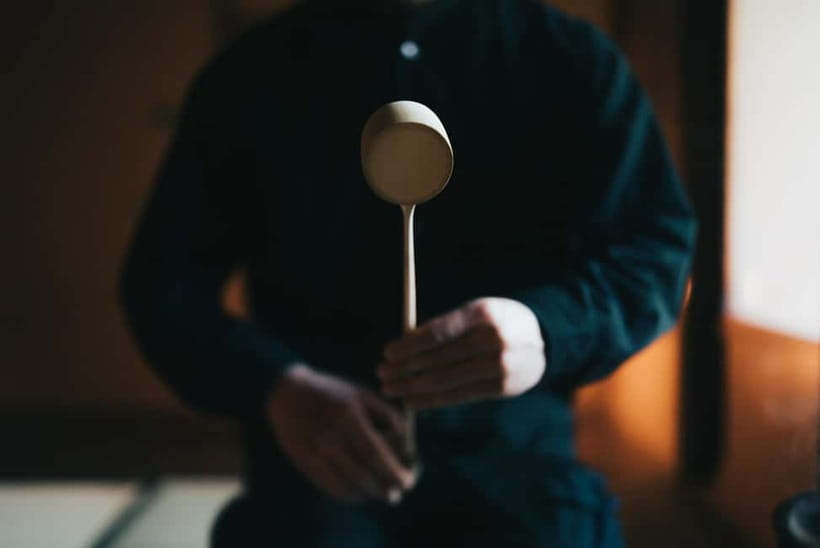
In a good tea ceremony, you don’t just learn the steps. You change your relationship to time. Oboro leans into that. The session is paced mindfully, with quiet attention to temperature, aroma, and texture.
Matcha itself can taste surprisingly complex. When you slow down, you notice more than bitterness or sweetness. You pick up balance, a smoothness that grows clearer as you take smaller sips, and the way warmth can feel grounding.
That sensory focus is the hidden value here. You leave with a memory that’s not just visual. It’s physical and mental: the feeling of the bowl, the sound of the room, the warmth in your hands, and the deliberate pause before you sip.
Tradition without intimidation: how questions fit in
Tea ceremony etiquette can feel intimidating if you expect a strict, silent classroom. Oboro’s approach feels more human. You can observe quietly, but you’re also allowed to ask questions when you want clarity.
This is where hosts like Naoki and Taku show up in the experience in a meaningful way. Reviews highlight that the hosts explain the history and meaning behind the ceremony clearly, while still keeping the atmosphere calm. A few reviews even mention how informed and friendly the hosts were, and how the vibe stayed soothing rather than formal.
If you’re a first-timer, this blend helps. You learn what the steps mean, but you’re not treated like you should already know every rule. That makes it easier to focus on the actual sensory practice.
Candle as a take-home reminder
The experience doesn’t end when you walk out. You’ll receive a small handmade candle to take home. That’s a practical touch because it turns the ceremony’s mood into something you can recreate later.
It’s also a nice check on value. A lot of Kyoto activities are one-and-done photo stops. Here, you get an object tied to the atmosphere: candlelight, calm, and a slower pace.
Price and value: is $45 for 45 minutes worth it?
At $45 per person for about 45 minutes, the cost is not “cheap,” but it also isn’t out of step with what you’re getting. What you’re paying for is not only the tea. You’re paying for:
- Expert instruction in English
- All necessary equipment for the ceremony
- Seasonal sweets to complement the matcha
- A candlelit sensory setting that’s intentionally designed for quiet attention
- A small group size (limited to 8), which keeps it personal
If you’re someone who enjoys food rituals, cultural craft, or mindful experiences, the structure makes sense. If you’re expecting a long show or a big multi-stop tour, you might find the time short. But tea ceremony works best when it stays tight and focused, so 45 minutes often feels right rather than rushed.
Who should book this tea ceremony, and who should skip it
This experience is ideal if you want a calm break from Kyoto’s more crowded, faster-moving attractions. The session is built for quiet attention, so it suits people who like sensory experiences and cultural context that doesn’t require prior knowledge.
It may be less suitable if you have mobility or comfort constraints. The experience is not suitable for children under 6, people with back problems, or wheelchair users. Shoes must come off, and you’ll sit comfortably during the ceremony, so comfort matters.
Also, if you hate quiet environments, this won’t feel like fun. Silence and restraint are part of the design, not optional extras.
Should you book Oboro: Mindful Tea Ceremony?
Book it if you want a meaningful, low-stress cultural experience in Kyoto that slows your brain down. You’ll like it if candlelight, quiet observation, and a guided matcha process sound like your kind of “culture day.”
Skip it if you need a more active itinerary, you’re uncomfortable removing shoes and sitting through a short session, or you prefer lots of ongoing conversation. This isn’t a chatty tour. It’s a mindful pause.
If your schedule is tight, this is still a good fit. It’s short, small-group, and structured in a way that makes it easy to get value quickly, without spending your whole day on one activity.
FAQ
How long is the Kyoto mindful tea ceremony at Oboro?
The ceremony lasts 45 minutes.
What is the price per person?
The price is $45 per person.
Is the instruction available in English?
Yes. The instructor provides instruction in English.
How big is the small group?
The group is limited to 8 participants.
What should I bring and wear?
Bring comfortable clothes and wear socks. Shoes must be removed.
Can I take photos during the ceremony?
Photography is allowed, but flash photography is not allowed.
When should I arrive, and what if I am late?
Arrive 10 minutes early. If you are more than 10 minutes late, you will not be allowed to enter the session.
Is smoking allowed?
No. Smoking is not allowed.
What is included, and are meals included?
Included: expert instruction in English, all necessary tea ceremony equipment, seasonal sweets, and a candlelight matcha experience. Meals are not included.
Where is the meeting point?
If you have trouble finding it, search for Oboro: Mindful Tea Ceremony on Google Maps.
Does the tea ceremony change in summer?
Yes. In summer, the ceremony uses chilled water and ice.
Kyoto by the Bowl
Newest Kyoto write-ups from the Loving Japan desk

Kyoto Tea Ceremonies and Matcha, side by side.
 ★ 4.9Tea Ceremony in a Traditional Tea House in KiyomizuFrom $493,519 reviews
 ★ 4.9Tea Ceremony Ju-An at Jotokuji TempleFrom $293,207 reviews
 ★ 4.345-Minute Tea Ceremony Lesson ExperienceFrom $222,378 reviews
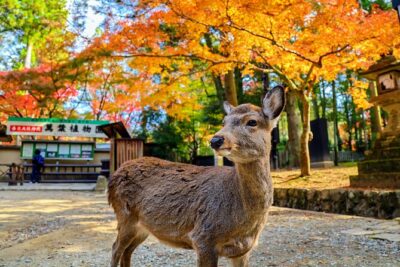 ★ 5.0World Heritage Kyoto & Nara Uji Authentic Matcha ExperienceFrom $1291,573 reviews
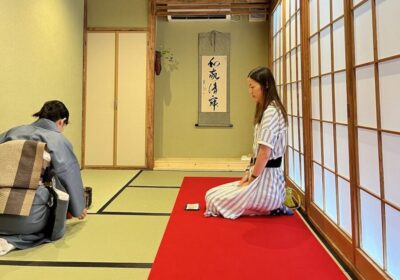 ★ 4.9Tea Ceremony ExperienceFrom $251,426 reviews
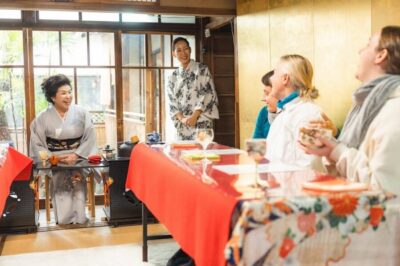 ★ 4.9Table-Style Tea Ceremony at a Kyo-MachiyaFrom $451,211 reviews
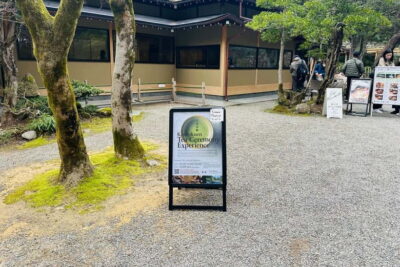 ★ 4.8Kenrokuen Tea Ceremony ExperienceFrom $351,139 reviews
 ★ 5.0Kimono Tea Ceremony at Kyoto Maikoya, NISHIKIFrom $65911 reviews
Filed on these lists too