
REVIEW · KYOTO TEA CEREMONIES AND MATCHA
Kyoto: Newly Opened Tea Ceremony – Sanjo Chasuian
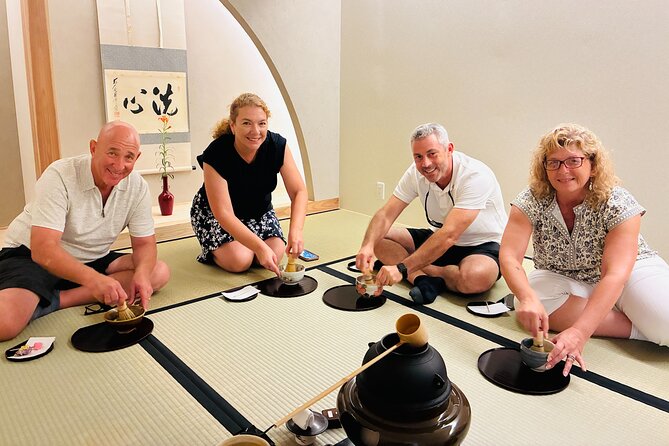
Matcha takes center stage in Kyoto, and this newly opened tea room makes it feel very close up. I really like the two bowls of matcha, one prepared by the host and one you whisk yourself.
Step through the crawl-in entrance and you get hit with the right mood fast. I also love the nijiriguchi setup, which basically tells your brain to shift gears, but you should plan to arrive early because the door locks once the session begins.
Key highlights you will care about
- Newly opened facility with a grand opening discount until September 15th
- 5-minute walk from Karasuma Oike Station, easy to fit into a day of sightseeing
- Two rounds of matcha, host-made then your own whisking practice
- Seasonal wagashi from a Kyoto confectioner with over 100 years of history
- Nijiriguchi crawl-in entrance, chairs available if you prefer not to sit on the floor
- Small group with English guidance, limited to 10 participants
In This Review
- Finding Sanjo Chasuian near Karasuma Oike, Kyoto’s Useful Start Line
- The 1-Hour Flow: History, Wagashi, Then Your Own Matcha Bowl
- Two Bowls of Matcha Plus Seasonal Wagashi, What Your $31 Buys
- Nijiriguchi, the Crawl-In Entrance That Changes Your Mindset
- English Guidance That Still Feels Like a Ceremony, Not a Lecture
- Socks, Seating, and the Optional Uchikake Coat Kimono
- Who Should Book This Kyoto Tea Ceremony, and Who Should Reconsider
- Price and Logistics: A Simple Deal If You Time It Right
- Should You Book Sanjo Chasuian for a Kyoto Tea Ceremony?
- FAQ
- What is the price and duration of the Kyoto tea ceremony at Sanjo Chasuian?
- What is included in the experience?
- Is English provided during the tea ceremony?
- What should I bring?
- What is the nijiriguchi entrance?
- Is this experience suitable for children or wheelchair users?
- Can I wear a kimono or a kimono-style coat?
Finding Sanjo Chasuian near Karasuma Oike, Kyoto’s Useful Start Line
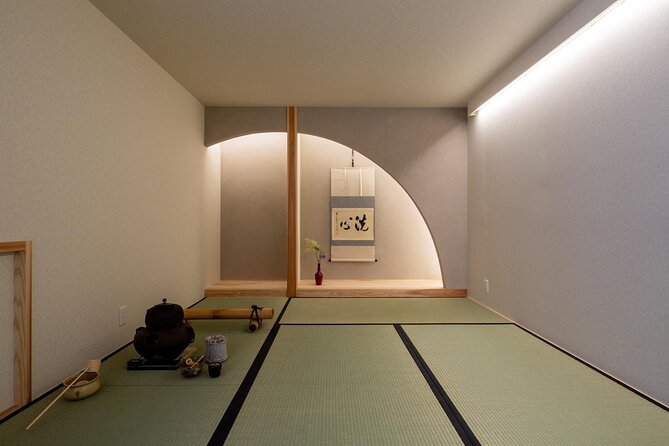
Sanjo Chasuian is set up for people who want an authentic Kyoto moment without a long commute. The big practical win is the location: it is about a 5-minute walk from Karasuma Oike Station, so you can tack this onto your day without it eating your whole afternoon.
You’ll also know you found the right place. The facility uses a clear exterior logo sign, with staff waiting at the entrance. When you arrive, go in on time. This experience depends on calm, and the room is not set up for late arrivals.
There is also a real chance to pair this with nearby sightseeing. One of the best travel feelings is having a peaceful 1-hour pause right in the middle of Kyoto’s busy rhythm, and this spot makes that easy.
Sit down somewhere quieter. Other tea rooms we booked
- Kyoto: Tea Ceremony in a Traditional Tea House in Kiyomizu
★ 4.9 · 3,519 reviews - Kyoto: Tea Ceremony Ju-An at Jotokuji Temple
★ 4.9 · 3,207 reviews - Kyoto: 45-Minute Tea Ceremony Lesson Experience
★ 4.3 · 2,378 reviews - Kyoto: Table-Style Tea Ceremony at a Kyo-Machiya
★ 4.9 · 1,211 reviews
The 1-Hour Flow: History, Wagashi, Then Your Own Matcha Bowl
This is a shared plan that lasts about 1 hour, and the pacing is built to teach you while you’re still paying attention. It starts with an introduction to the tea ceremony and what it is trying to do: slow the mind, focus on the utensils, and treat the moment with respect.
Then you move into the sensory part.
Here is the basic rhythm you should expect:
- You receive an initial round of matcha prepared by the host, along with a seasonal sweet (wagashi).
- After watching and learning the movements, you switch from observer mode to hands-on mode.
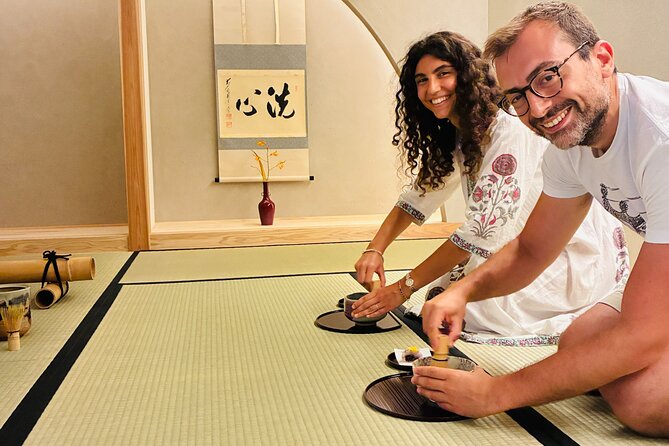
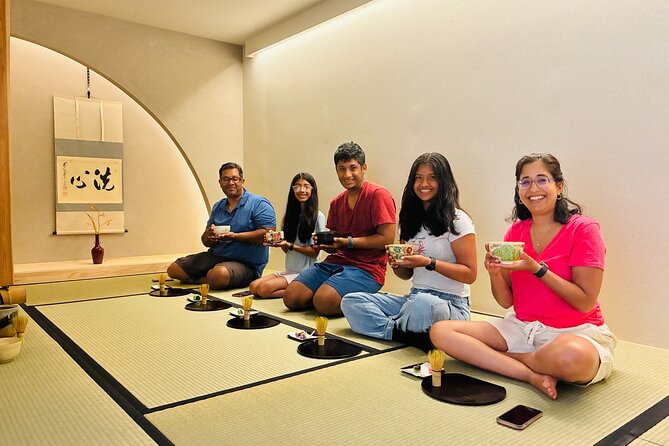
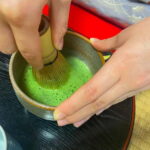
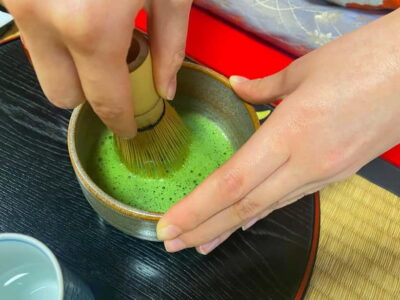
- You choose a tea bowl and then whisk your own matcha, with guidance from the English-speaking instructor.
A nice touch is that the host explains what will happen before it happens, so the room stays respectful and quiet once the ceremony begins. Several reviews mention that the hosts keep things structured, which matters because tea ceremony etiquette is not just about rules, it is about the atmosphere.
If you want a couple of “what to do with your body” reminders, this place has them. You are given clear instructions and then coached while you practice. That is a major reason this kind of class can feel rewarding instead of confusing.
Also, while you are whisking, the staff may help with photos or videos. If you plan to show friends at home what you did, this is one less thing you need to manage during the moment.
Two Bowls of Matcha Plus Seasonal Wagashi, What Your $31 Buys
At $31 per person, the price makes sense because you are not just watching a performance. You get two meaningful parts of the experience:
- Host-prepared matcha
You taste it first, and that sets your reference point for the texture and foam you should aim for.
- Your own whisked matcha
This is where the lesson actually sticks. Reviews repeatedly highlight how much people appreciate being taught the process step-by-step, not just handed a cup.
On top of that, the ceremony includes traditional seasonal Japanese confectionary from a Kyoto sweet shop with over 100 years of history. Wagashi is part of the balance of the ceremony, and it changes with the season. So even if you have tried matcha before, the sweet pairing can make it feel fresh.
You should also know what is included and what is not. This package includes the matcha and the seasonal sweets. A sign outside and venue info indicate the broader facility also offers sake tasting, but the specific shared ceremony plan you book here is clearly centered on tea, matcha making, and the included wagashi.
Finally, there is shopping. Matcha, tea bowls, and select items are available for purchase. If you fall in love with the bowl or want matcha to take home, this is the most realistic way to do it during the same stop rather than hunting later.
Nijiriguchi, the Crawl-In Entrance That Changes Your Mindset
Let’s talk about the defining feature: nijiriguchi. This is the crawl-in style entrance that leads into the heart of the ceremony space. It is not just a gimmick. It does something to you physically. You slow down. You duck in. You stop thinking about your day outside.
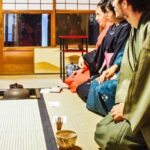
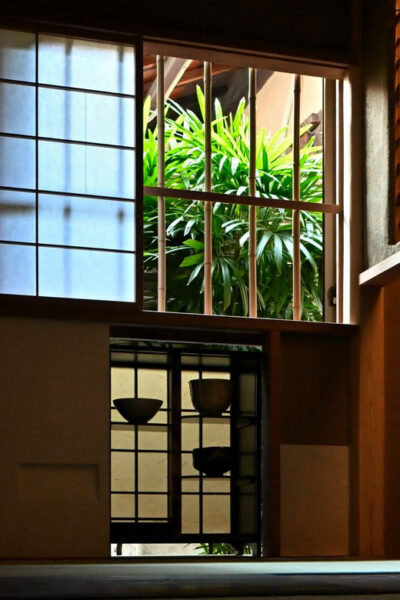
Once you are inside, the room is built for calm. Chairs are available, which helps if you do not want to sit low for the entire ceremony. That said, this setting is designed for serenity, so you should treat it like a quiet performance, even though you will be hands-on.
If you are sensitive to timing, here is the key consideration. Entry is allowed from 5 minutes before the start time, and once the session begins, the door locks. The venue is firm about this. If you arrive late, you will not be able to join, and refunds will not be available.
That sounds strict, but it makes sense for a ceremony that requires everyone to start together and keep the room in a steady rhythm. My practical advice: get there early, use the extra time to settle and breathe, and you’ll enjoy the experience more.
- PERFECT KYOTO 1-Day Bus Tour★ 5.0 · 13,518 reviews
- Kyoto: Fushimi Inari, Kinkakuji, Bamboo Grove 1 Day Bus Tour★ 4.8 · 4,316 reviews
- Kyoto: Tea Ceremony in a Traditional Tea House in Kiyomizu★ 4.9 · 3,519 reviews
- Kyoto Geisha Walking Tour: Gion District & Hidden Gems★ 4.7 · 3,273 reviews
- Kyoto: Tea Ceremony Ju-An at Jotokuji Temple★ 4.9 · 3,207 reviews
English Guidance That Still Feels Like a Ceremony, Not a Lecture
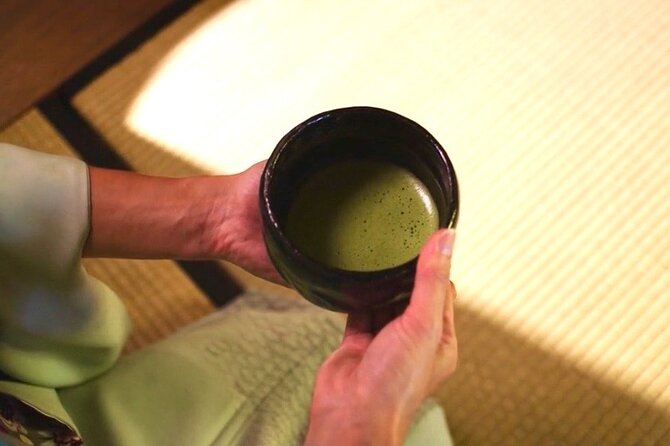
The instructor is listed as English, and the tone from reviews is consistent: hosts explain the meaning and the steps clearly, with patience.
What you are likely to appreciate most is how the teaching blends into the ceremony. The host gives you a guided “before you start” walkthrough so you understand what you are about to do. Then the movements have a purpose, not just a sequence.
Reviews also name multiple hosts, including Yuko and Reina, and mention how warmly they welcome people. Several reviews say the hosts are kind, attentive, and careful about keeping the ceremony structured. There is also mention that they answer questions during the session in a way that does not disrupt the mood.
One small warning based on a single review: if you have trouble with English pronunciation from certain accents, you might want to ask follow-up questions during the teaching portion so you do not miss anything important. Most guidance is described as clear, so this seems more like an edge case than a common issue.
Socks, Seating, and the Optional Uchikake Coat Kimono
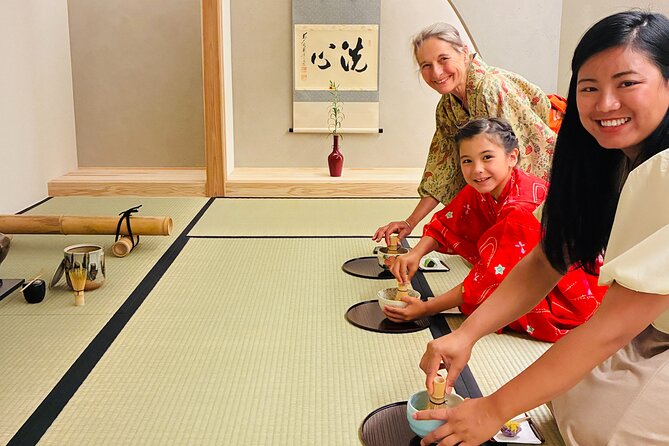
This is a practical detail, but it matters. You are instructed to bring socks. During the ceremony, you will need socks or you should wear them ahead of time. This is not the moment for last-minute shopping.
Seating is flexible. Chairs are available for anyone who wants them. That is a big comfort factor, especially if you are traveling with stiff knees or you just want the experience to be comfortable.
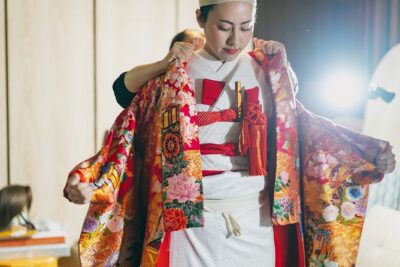
As for costumes: this facility does not offer standard kimono rental and dressing services. However, there is an optional Uchikake experience (a coat-style kimono) for ¥1,500 (tax included). It is offered on the day, with limited quantities, and advance reservations are not accepted.
If you want to add that extra photo-ready touch, plan to ask staff when you arrive. If you do not care about the coat, you can still have a very complete ceremony with no extra add-on.
Who Should Book This Kyoto Tea Ceremony, and Who Should Reconsider
This shared plan is limited to 10 participants, so it stays small and controlled. That size matters because tea ceremony etiquette is easier to maintain with fewer people.
It is also clearly designed for international guests. Explanations and guidance are provided in English, and the hosts are experienced with helping non-Japanese visitors understand the steps.
But there are limits:
- Not suitable for children under 6 years.
- Not suitable for wheelchair users.
There is also a plan choice detail. The venue says that to keep the calm atmosphere, children under 5 or anyone needing an interpreter must book the private plan. If booked incorrectly under the shared plan, participation and refunds are not possible.
If you are traveling as a couple, solo, or with adults who want a quiet break, this is a strong fit. If you are visiting Kyoto on a tight schedule and you need something meaningful that is only 1 hour, this can be one of the easiest “high impact” cultural stops.
Price and Logistics: A Simple Deal If You Time It Right
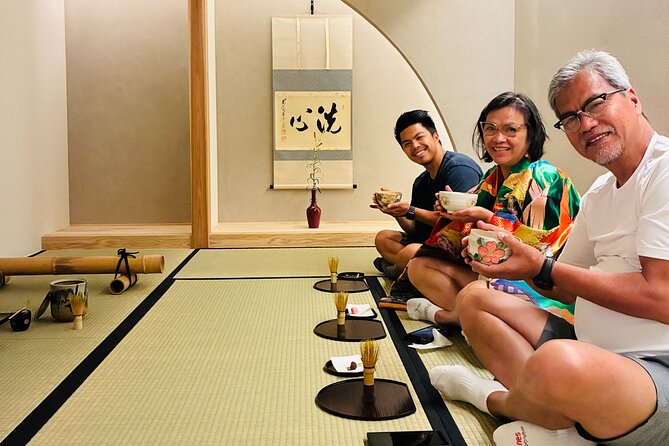
Here’s how I think about the value.
For $31, you get:
- Two cups of matcha (one host-made, one you whisk)
- Seasonal wagashi
- English instruction
- A calm, structured ceremony setting with a hands-on outcome
The main “logistics cost” is your attention to timing. Because the door locks once the session begins, you cannot show up casually. You do not want to spend your first minute stressed about being late. So build in buffer time, especially if your Kyoto day includes subway transfers or you are walking from somewhere slightly off-route.
If you are the type of traveler who wants photos later, you may be able to get support during the whisking. And if you love what you taste, there is a good chance you can buy matcha or a tea set after, so the experience can keep going beyond the hour.
Should You Book Sanjo Chasuian for a Kyoto Tea Ceremony?
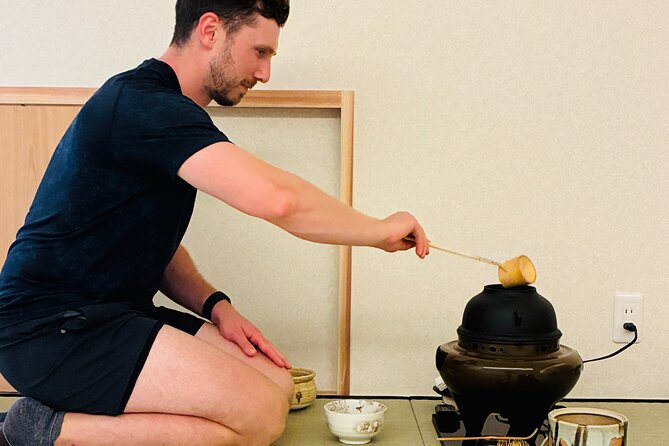
I would book this if you want a Kyoto tea ceremony experience that is short, structured, and genuinely hands-on. The mix of two matcha bowls, included seasonal wagashi, and the unique nijiriguchi crawl-in entrance makes it feel more than a checklist stop.
Choose it with extra care if timing stresses you out. The fixed start and the locked door rule means you have to arrive early. And if you are traveling with a child under 6, or you need wheelchair access, you should not plan on this shared session.
If you want your Kyoto day to include at least one quiet, precise moment, Sanjo Chasuian is a smart bet.
FAQ
What is the price and duration of the Kyoto tea ceremony at Sanjo Chasuian?
The price is $31 per person and the duration is 1 hour.
What is included in the experience?
It includes two cups of matcha (one prepared by the host and one you make yourself or with a companion) and traditional seasonal Japanese confectionary (wagashi).
Is English provided during the tea ceremony?
Yes. The instructor provides guidance and explanations in English.
What should I bring?
Bring or wear socks for the experience.
What is the nijiriguchi entrance?
Nijiriguchi is a crawl-in entrance that leads into the tea room and helps create the atmosphere for the ceremony.
Is this experience suitable for children or wheelchair users?
It is not suitable for children under 6 years and not suitable for wheelchair users. Children under 5 or anyone requiring an interpreter must book the private plan.
Can I wear a kimono or a kimono-style coat?
Standard kimono rental is not provided, but there is an optional Uchikake (coat-style kimono) experience for ¥1,500. It is limited and handled on the day, with no advance reservations.
Kyoto by the Bowl
Newest Kyoto write-ups from the Loving Japan desk
Kyoto Tea Ceremonies and Matcha, side by side.
 ★ 4.9Tea Ceremony in a Traditional Tea House in KiyomizuFrom $493,519 reviews
 ★ 4.9Tea Ceremony Ju-An at Jotokuji TempleFrom $293,207 reviews
 ★ 4.345-Minute Tea Ceremony Lesson ExperienceFrom $222,378 reviews
 ★ 5.0World Heritage Kyoto & Nara Uji Authentic Matcha ExperienceFrom $1291,573 reviews
 ★ 4.9Tea Ceremony ExperienceFrom $251,426 reviews
 ★ 4.9Table-Style Tea Ceremony at a Kyo-MachiyaFrom $451,211 reviews
 ★ 4.8Kenrokuen Tea Ceremony ExperienceFrom $351,139 reviews
 ★ 5.0Kimono Tea Ceremony at Kyoto Maikoya, NISHIKIFrom $65911 reviews
Filed on these lists too