
REVIEW · KYOTO TEA CEREMONIES AND MATCHA
Kyoto: Private Tea Ceremony at local home with tea master
Tea time in Kyoto feels like a reset. This private session in a local home near Nijo Castle and Kyoto Imperial Palace is run by a certified tea master, and you’ll sip Uji matcha while learning what every move means. It’s calm, precise, and easy to follow, even if you’ve never touched a whisk before.
I especially like how hands-on it is, from learning utensil names to preparing matcha yourself. The only downside to keep in mind is pacing, one recent visitor noted it can feel a bit rushed near the end if other groups arrive right after you, so bring an open mind for a quick wrap-up.
In This Review
- Key things to know before you go
- A Tea Room Just Steps From Nijo Castle
- How the 1-Hour Tea Ceremony Flows, Step by Step
- Matcha and Sweets: What You Actually Taste
- Utensils, Etiquette, and the Meaning Behind the Motions
- Practical Rules That Make or Break the Experience
- Price and Value for a Private Ceremony at $101
- Should You Book This Private Kyoto Tea Ceremony?
- FAQ
- How long is the Kyoto private tea ceremony?
- Where is the meeting point for the experience?
- What is included in the price?
- What language is the tea ceremony taught in?
- Is this a private group experience?
- Can the experience accommodate dietary restrictions or preferences?
- Is it wheelchair accessible?
- What should I wear and bring?
- Are video recording or audio recording allowed?
- Is there an age limit?
Key things to know before you go
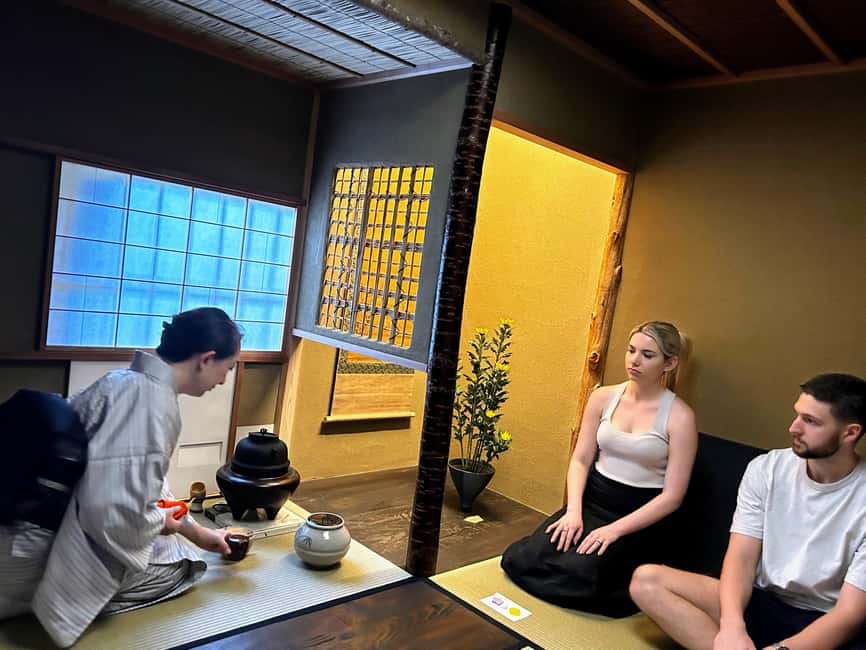
- Local home setting near Nijo Castle rather than a big showroom, so the vibe feels real.
- Certified tea master teaching in English or Japanese, with clear explanations for beginners.
- Uji matcha from Kyoto served as part of the ceremony, plus a chance to prepare it.
- Two seasonal sweets made for your order to balance the matcha flavor.
- Strict tea room etiquette (socks, no perfume, no shoes inside), which actually helps the experience feel respectful.
Sit down somewhere quieter. Other tea rooms we booked
- Kyoto: Tea Ceremony in a Traditional Tea House in Kiyomizu
★ 4.9 · 3,519 reviews - Kyoto: Tea Ceremony Ju-An at Jotokuji Temple
★ 4.9 · 3,207 reviews - Kyoto: 45-Minute Tea Ceremony Lesson Experience
★ 4.3 · 2,378 reviews - Kyoto: Table-Style Tea Ceremony at a Kyo-Machiya
★ 4.9 · 1,211 reviews
A Tea Room Just Steps From Nijo Castle
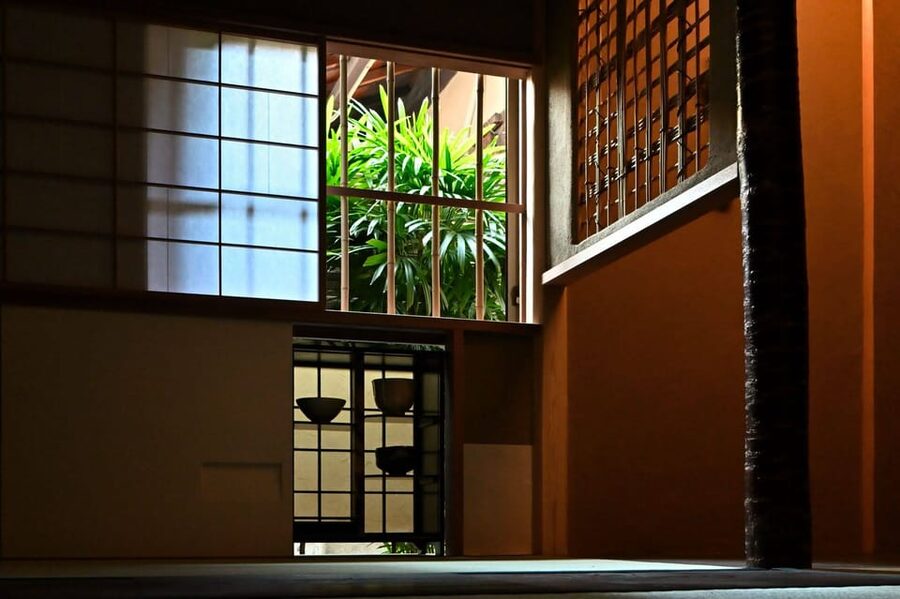
You start at Sakura Nihon Bunkataiken (さくら 日本文化体験), then head to the tea room in central Kyoto, close to Nijo Castle and also within easy reach of Kyoto Imperial Palace. The location matters because it keeps the ceremony from feeling like a separate “big day project.” You can fit it into a normal Kyoto itinerary, especially if you are already walking around the sights nearby.
Timing-wise, the ceremony is one hour. That sounds short, but tea ceremony structure is built for exactly that kind of focused window: introductions, etiquette, watch, hands-on matcha, then Q&A and a quiet finish.
This is a private group, so you are not squeezed into a loud crowd. You can ask questions in the moment, and you can learn at a comfortable pace without feeling lost.
One more thing I appreciate: the host describes the tea tradition as something visitors can understand. The teaching is designed for beginners, with complex terms and actions simplified.
How the 1-Hour Tea Ceremony Flows, Step by Step
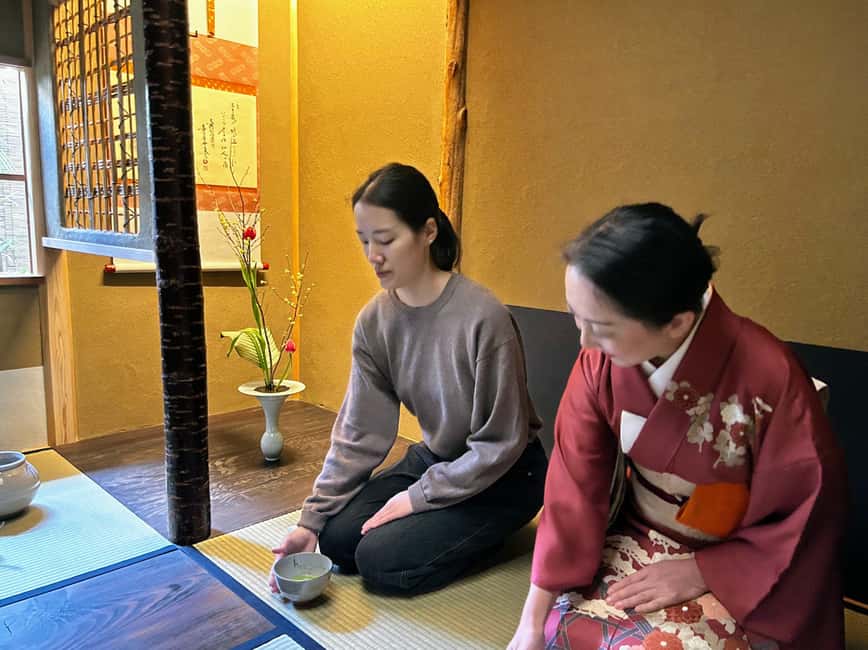
The ceremony begins with an explanation of Japanese tea ceremony basics from the tea master, who is certified and based in Kyoto. Then you move into the tea room where the atmosphere is part instruction, part respect. You quickly realize the tea ceremony is not only about drinking tea. It is about attention, timing, and manners.
Here is the flow you should expect:
You start by learning what to do before tea even reaches your bowl. That includes small gestures like folding the ceremonial cloth and understanding why those steps exist. Then you observe a demonstration of how tea is prepared, including the graceful movements the tea master uses.
Next comes etiquette, which is honestly one of the most useful parts for visitors. You learn how to handle the tea bowl (chawan), how to think about appreciation as you enjoy the tea, and what to avoid in a tea room setting. There is also a tool lesson: the tea whisk (chasen) and tea scoop (chashaku) each have a role, and the tea master explains what they represent in the overall practice.
After watching, you get hands-on. You prepare matcha yourself, which is where the theory becomes real. Whisking matcha is physical, not just visual, and doing it once makes the whole ritual click.
Finally, there is time for Q&A and reflection. Even if you only ask one or two questions, it helps you connect the ceremony to the wider culture instead of treating it like a performance.
Matcha and Sweets: What You Actually Taste
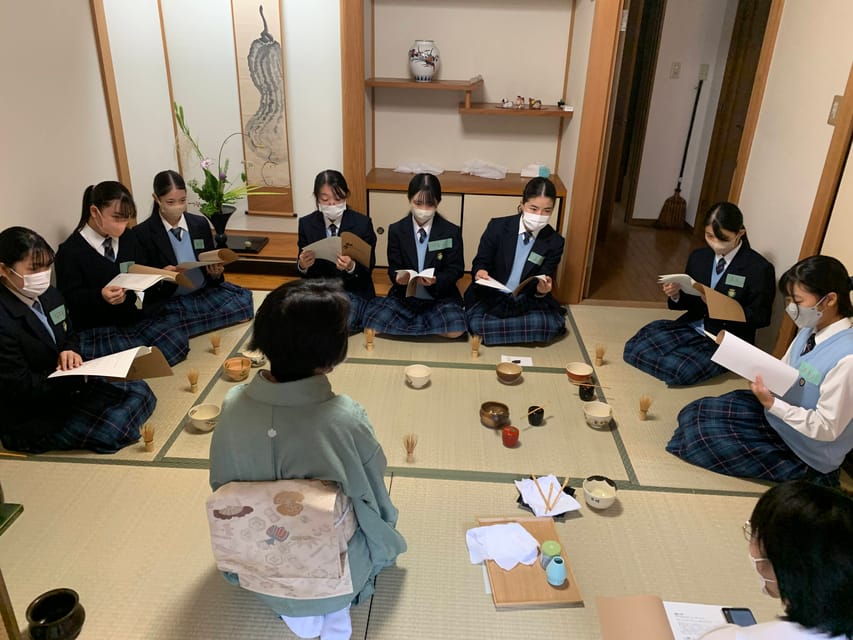
This experience is built around tasting, not just watching. You get 2 cups of matcha, and the matcha is described as high quality from Uji, Kyoto. If you have had matcha in cafes, this is different. In the ceremony format, the flavor has context. The tea master explains how the ritual shape affects how you taste and appreciate it.
You also get sweetness, in two seasonal forms served to order. The sweets are described as beautiful, seasonal Japanese sweets, and they are provided as two kinds of traditional dried sweets. Either way, the idea is the same: the sweets support the matcha, and together they create a balanced bite-and-sip rhythm.
A detail I think matters for value: because the sweets are served as part of the ceremony, you are not left hunting for snacks afterward. You leave satisfied and with the sense that the meal is designed, not accidental.
If you are sensitive to dietary needs, this is a good option to ask about. The activity states they can accommodate Halal, vegan needs, and various allergies, plus LGBTQ-friendly care. That is the kind of flexibility you want in a food-based cultural experience.
- PERFECT KYOTO 1-Day Bus Tour★ 5.0 · 13,518 reviews
- Kyoto: Fushimi Inari, Kinkakuji, Bamboo Grove 1 Day Bus Tour★ 4.8 · 4,316 reviews
- Kyoto: Tea Ceremony in a Traditional Tea House in Kiyomizu★ 4.9 · 3,519 reviews
- Kyoto Geisha Walking Tour: Gion District & Hidden Gems★ 4.7 · 3,273 reviews
- Kyoto: Tea Ceremony Ju-An at Jotokuji Temple★ 4.9 · 3,207 reviews
Utensils, Etiquette, and the Meaning Behind the Motions
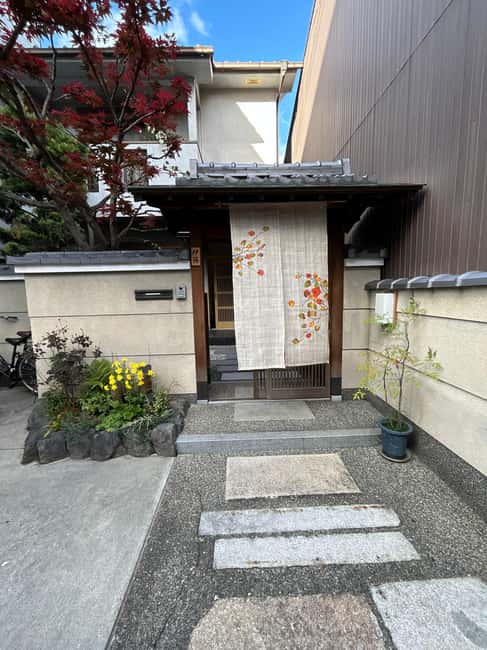
Tea ceremony etiquette is not complicated, but it is strict. And that is part of why the ceremony feels special. You learn that respect is built into the smallest actions.
The tea master walks you through the purpose and significance of key utensils. You hear what the chawan (tea bowl) is for, why the chasen (bamboo whisk) matters, and how the chashaku (tea scoop) fits into the process. You also get practical tips for caring for utensils and using them in a way that makes sense outside the tea room.
Then there is the manners section, which is where most people learn the most. You get handling instructions for the bowl and etiquette rules for appreciating tea. You do not just learn what to do, you learn the mindset behind it: calm attention, patience, and showing the host and space respect.
One reason I think beginners enjoy this is that it is taught as a friendly introduction to Japanese culture. Terms are simplified, and actions are explained so you understand what you are doing. You are not expected to already know the rules to join in.
And if you happen to meet the host Aya-san, that warmth shows up in feedback. People highlight how welcoming the home setting feels and how clearly Aya-san explains Kyoto and tea ceremony traditions.
Practical Rules That Make or Break the Experience
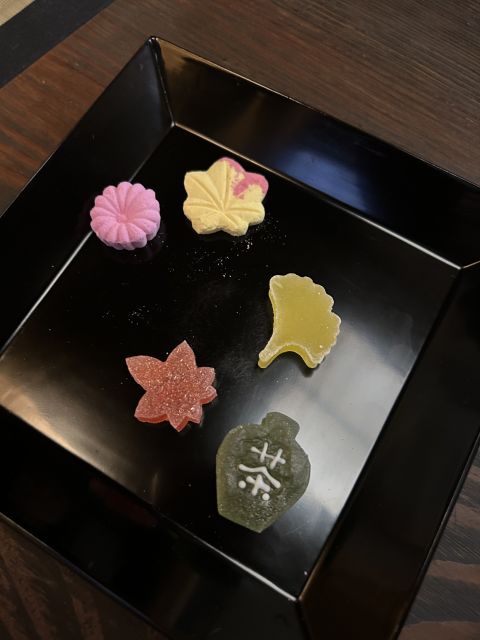
Kyoto tea rooms are small and focused. That means the rules are not picky for fun. They protect comfort, cleanliness, and the atmosphere.
Plan your outfit early. The ceremony requires long pants or a long skirt. Shorts and short skirts are not allowed. You also need socks. If you do not have socks, the experience notes socks are available for purchase.
Leave anything that sparkles at home. Jewelry is not allowed. Hats are also not allowed. Strong fragrances are a problem, including perfume, so come without it. (Yes, that includes perfume you might think is mild.)
Shoes come off. Shoes are not allowed indoors. You should also avoid bare feet. Socks are your move.
Finally, keep your tech put away. Video recording and audio recording are not allowed.
If that sounds like a lot, here is the helpful part: these rules make the room quieter and more respectful, and they help the ceremony feel like a real moment instead of a busy activity.
Also note: this experience is not suitable for children under 13. If you are traveling with kids, plan a different activity for them.
Price and Value for a Private Ceremony at $101
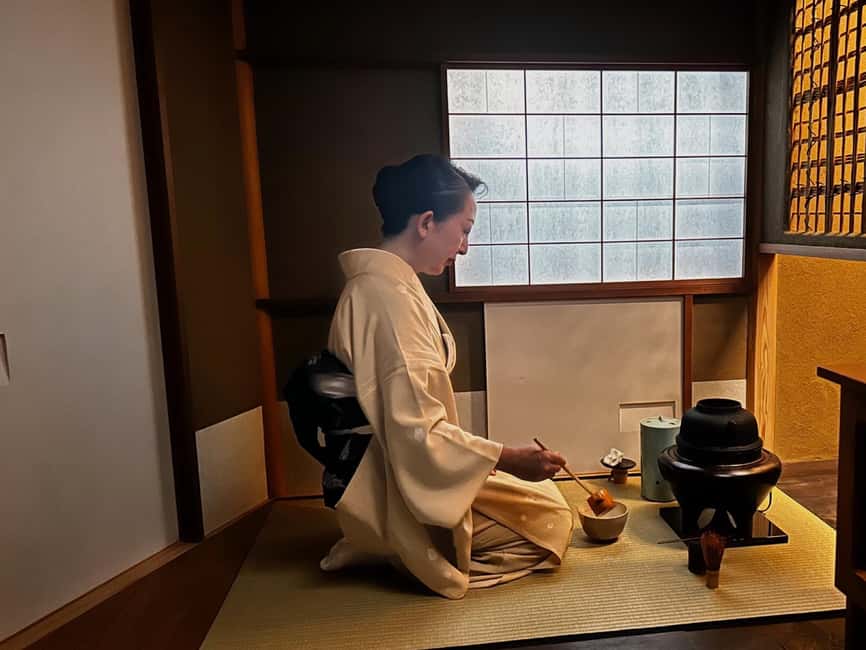
At $101 per person for about one hour, the price can look steep until you connect it to what you get. You are paying for a certified tea master, a private home-style setting, hands-on preparation, and cultural explanation that you can actually understand.
Most tea experiences either feel too theatrical, too rushed, or too generic. This one is built around structure, tools, and etiquette, and it includes matcha plus two types of seasonal sweets. The included certification from a tea master is another tangible takeaway, even if you only remember a few key lessons.
Value is also about pacing and attention. Because it is private, you can ask questions and get personal clarity. If you are the type of person who likes details, you will likely enjoy the utensil and etiquette teaching. If you prefer a quick photo stop, this is not that kind of activity.
If you have dietary needs, the stated ability to accommodate Halal, vegan, and various allergies is a real value point. It reduces the stress of finding food that matches your needs while still keeping the experience authentic.
Should You Book This Private Kyoto Tea Ceremony?
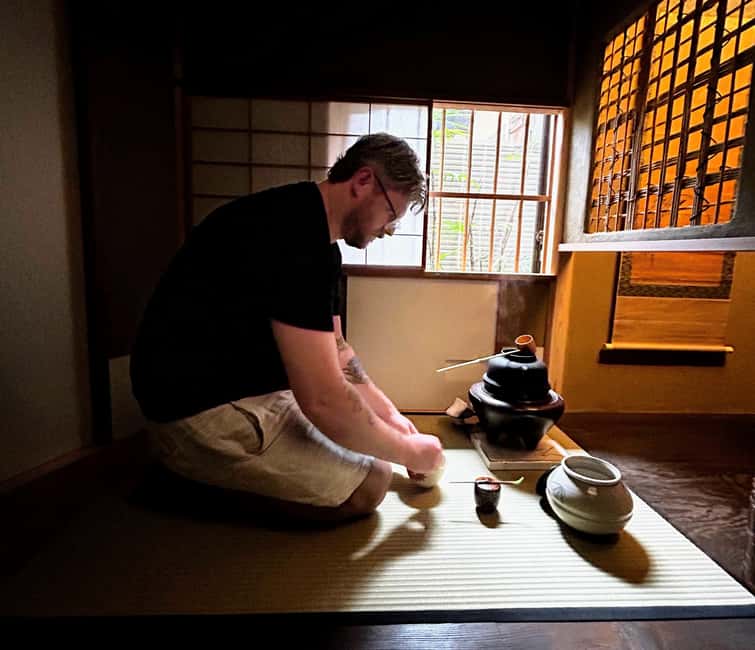
Book it if you want a quiet, structured introduction to tea culture that does not require prior knowledge. You’ll get a clear explanation of the tradition, learn utensil roles, and prepare matcha yourself. The Uji matcha plus the ordered seasonal sweets are the kind of pairing that makes the hour feel complete.
Skip it or consider another option if you hate rules around clothing and fragrances. This tea room is strict about socks, perfume, and indoor shoes. Also, if you are easily bothered by time pressure, keep in mind that at least one recent person felt the end could be a bit rushed when other groups arrived.
If you are close to Nijo Castle and Kyoto Imperial Palace already, this is an efficient cultural stop. It fits well into a day of walking, and it gives your senses a break from the louder parts of Kyoto.
FAQ
How long is the Kyoto private tea ceremony?
The duration is 1 hour.
Where is the meeting point for the experience?
The meeting point is Sakura Nihon Bunkataiken (さくら 日本文化体験). It is listed as about 3 minutes from Nijojo-mae station on the Kyoto subway line by walking, and about 10 minutes from JR Kyoto Station by taxi.
What is included in the price?
The experience includes 2 cups of matcha, 2 kinds of Japanese traditional dried sweets, and certification from a tea master.
What language is the tea ceremony taught in?
The instructor offers English and Japanese.
Is this a private group experience?
Yes, it is a private group.
Can the experience accommodate dietary restrictions or preferences?
The experience states it can accommodate LGBTQ, Halal, vegan needs, and various allergies.
Is it wheelchair accessible?
Yes, the experience is wheelchair accessible.
What should I wear and bring?
Bring comfortable clothes, long pants, and socks. Long trousers or a long skirt are required.
Are video recording or audio recording allowed?
No, video recording and audio recording are not allowed.
Is there an age limit?
It is not suitable for children under 13.
Kyoto by the Bowl
Newest Kyoto write-ups from the Loving Japan desk

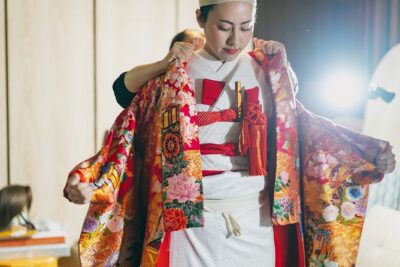
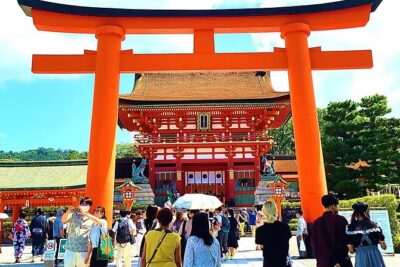
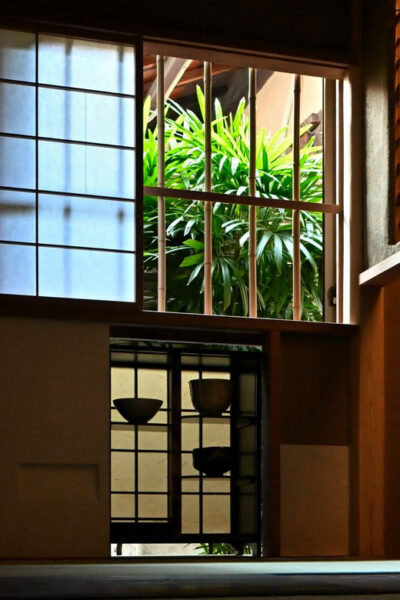
Kyoto Tea Ceremonies and Matcha, side by side.
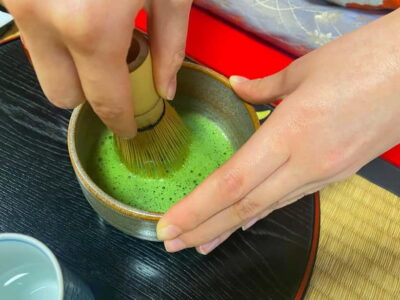 ★ 4.9Tea Ceremony in a Traditional Tea House in KiyomizuFrom $493,519 reviews
 ★ 4.9Tea Ceremony Ju-An at Jotokuji TempleFrom $293,207 reviews
 ★ 4.345-Minute Tea Ceremony Lesson ExperienceFrom $222,378 reviews
 ★ 5.0World Heritage Kyoto & Nara Uji Authentic Matcha ExperienceFrom $1291,573 reviews
 ★ 4.9Tea Ceremony ExperienceFrom $251,426 reviews
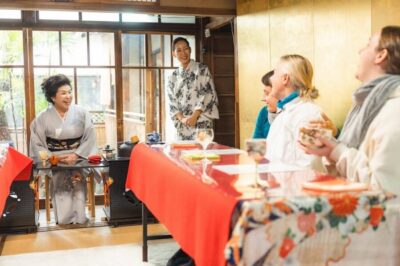 ★ 4.9Table-Style Tea Ceremony at a Kyo-MachiyaFrom $451,211 reviews
 ★ 4.8Kenrokuen Tea Ceremony ExperienceFrom $351,139 reviews
 ★ 5.0Kimono Tea Ceremony at Kyoto Maikoya, NISHIKIFrom $65911 reviews
Filed on these lists too