
REVIEW · KYOTO TEA CEREMONIES AND MATCHA
Kyoto Private Tea Ceremony with Tea Master at Home
Tea in a Kyoto home feels personal.
This private tea ceremony with a tea master lets you learn the real flow of Japanese tea, step inside a local setting, and make matcha using a bamboo whisk before you sip. You also get three seasonal wagashi that are gluten-free and vegan, plus a take-home booklet.
I especially like the hands-on guidance you get from Aya-sensei, including patient step-by-step coaching in a calm tea-room setting (Koma and Hiroma). I also like that the experience doesn’t treat sweets as an afterthought, because the wagashi are chosen carefully, then paired with your matcha, and you leave with a small printed souvenir to remember the etiquette. The main drawback is that the house rules are strict, so if you’re late by more than 15 minutes, or you show up in the wrong outfit or without socks, you may not be able to join.
In This Review
- Key things to know before you go
- A Private Kyoto Tea Room, Just a Short Walk from Nijo Castle
- Entering Koma and Hiroma: How the Ceremony Actually Flows
- Matcha Preparation With a Bamboo Whisk: What You’ll Learn
- Wagashi in Three Types: Gluten-Free and Vegan, With Real Pairing
- The Tea Tools and the Uji Matcha Story Behind Them
- Etiquette and House Rules: The Stuff That Can Trip You Up
- Who This Kyoto Tea Ceremony Fits Best (and Who Might Prefer Something Else)
- Price and Value: Is $99.08 Worth It?
- Should You Book This Kyoto Tea Ceremony at Aya’s Home?
- FAQ
- What is the duration of the Kyoto private tea ceremony?
- Where does the experience start?
- Is this experience private?
- What food and drinks are included?
- Do the sweets have dietary restrictions?
- Do I need to rent a kimono?
- Is there a dress code?
- Do I need to wear socks?
- Are children allowed?
- What if I’m late?
- Can I cancel for a refund?
Key things to know before you go
- Aya-sensei’s tea instruction feels precise and welcoming, with English support and plenty of room for questions
- You’ll drink matcha you help prepare, with two bowls included, not just watch and clap
- Three types of wagashi come from a long-established Kyoto confectioner, and they are gluten-free and vegan
- The tea is built around Uji matcha and thoughtfully used tea tools, including bowls associated with known Kyoto potters
- Tatami etiquette matters: socks are required, perfume is discouraged, and attire needs sleeves and long bottoms
Sit down somewhere quieter. Other tea rooms we booked
- Kyoto: Tea Ceremony in a Traditional Tea House in Kiyomizu
★ 4.9 · 3,519 reviews - Kyoto: Tea Ceremony Ju-An at Jotokuji Temple
★ 4.9 · 3,207 reviews - Kyoto: 45-Minute Tea Ceremony Lesson Experience
★ 4.3 · 2,378 reviews - Kyoto: Table-Style Tea Ceremony at a Kyo-Machiya
★ 4.9 · 1,211 reviews
A Private Kyoto Tea Room, Just a Short Walk from Nijo Castle
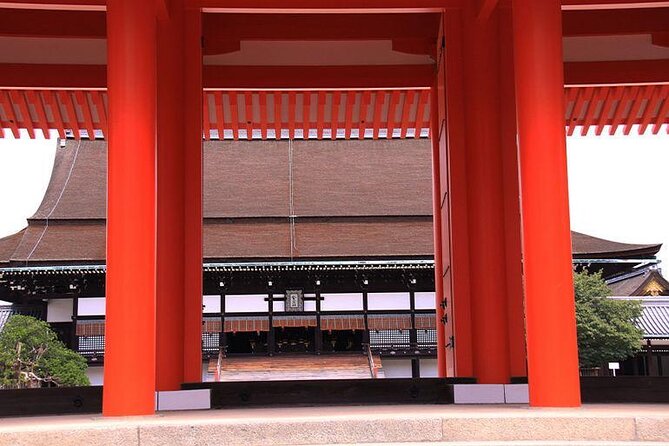
Kyoto does tea in a way that can feel both formal and surprisingly human. This ceremony takes place in a private home setting near Nijo Castle, so you’re not herded through a show. Instead, you’re guided through a ritual where quiet attention is the point.
What you’ll enjoy most is the one-on-one feel. This is a private tour/activity, so you and your group set the pace. Many visitors like that it feels “small and real,” but without the stress of trying to figure out etiquette on your own.
There is also a nice bonus if you’re doing other sights nearby. Because the meeting location is in the same area as Nijo Castle, you can often plan this as an early cultural stop, then walk off to see the castle afterward.
Entering Koma and Hiroma: How the Ceremony Actually Flows
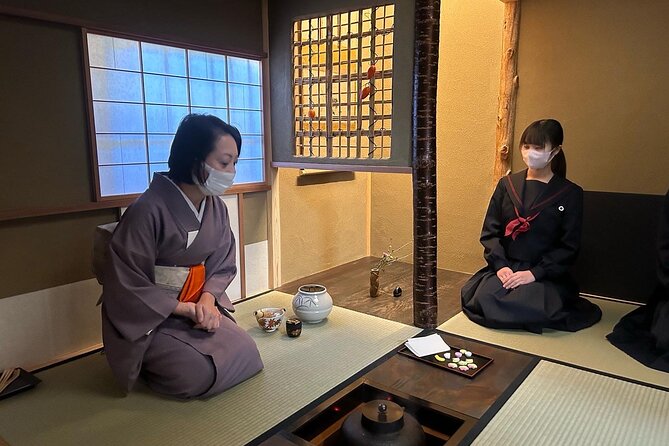
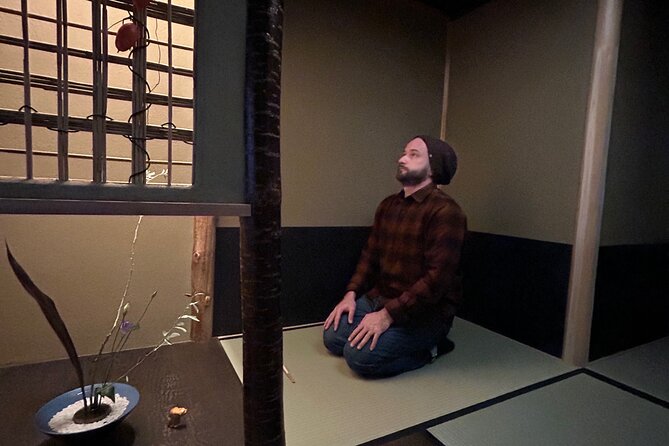
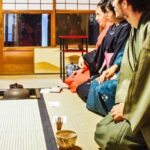
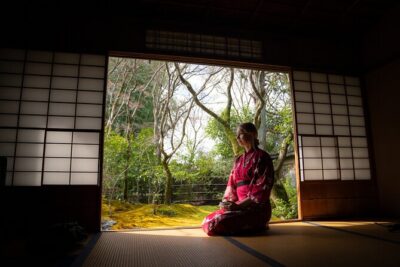
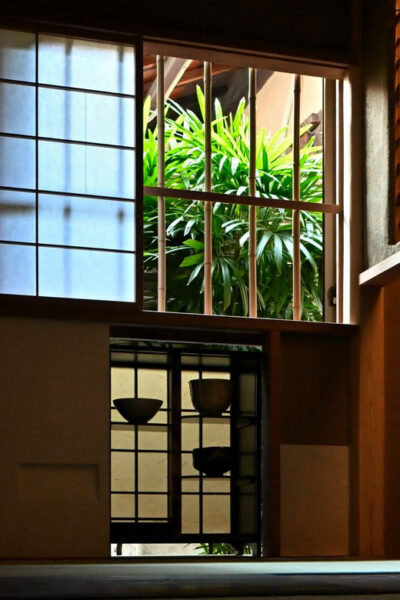
Before anything gets complicated, you’ll step into the tea rooms used for the session: Koma and Hiroma. These rooms are where the ceremony is meant to happen, with the tools set out and the atmosphere kept calm. The vibe is less classroom, more careful host-led ritual.
Expect the tea master to explain the background and key etiquette first, then move into demonstration. After that, you’ll get hands-on time preparing matcha. This structure is why the experience lands so well for people who want more than a photo-op.
It also helps that the team seems to focus on comfort. In multiple accounts, Aya-sensei comes across as warm and friendly, and she makes it easier to ask questions. One detail that stands out is that communication before arrival is supported, and in at least one case a helper took photos throughout so you could stay present without worrying about your camera.
Matcha Preparation With a Bamboo Whisk: What You’ll Learn
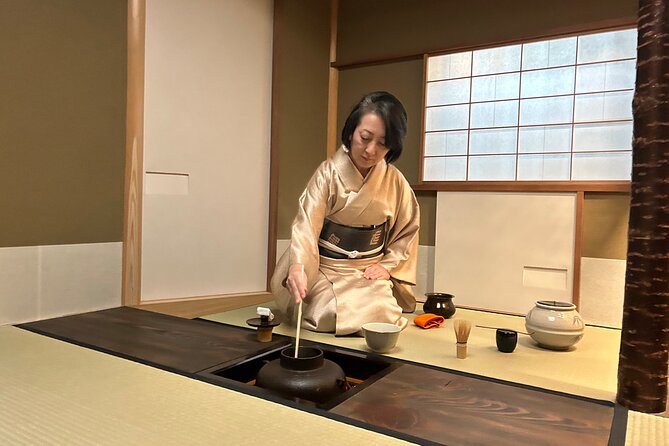
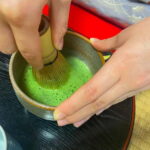
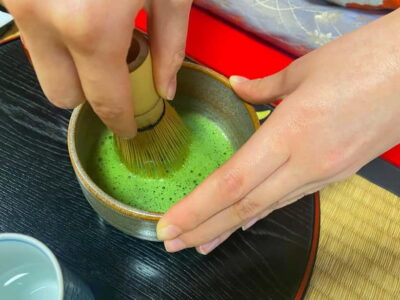
The matcha part is the heart of the class, and it’s where you’ll feel the most “I did this” pride. You’ll prepare matcha traditionally with a bamboo whisk. You’ll also drink matcha from two bowls prepared with the group’s original blended matcha from Uji.
You’re not just tasting tea. You’re learning the rhythm of the ritual: how the host handles utensils, how you follow each step, and how small actions connect to manners. That’s the kind of lesson that sticks, even after you leave Kyoto.
One practical benefit for you as a visitor: Aya-sensei’s instruction style is described as patient, and her English is repeatedly noted. If you’re worried about cultural “gotchas,” this setup helps. You’ll be guided through what to do and how to respond as you learn.
- PERFECT KYOTO 1-Day Bus Tour★ 5.0 · 13,518 reviews
- Kyoto: Fushimi Inari, Kinkakuji, Bamboo Grove 1 Day Bus Tour★ 4.8 · 4,316 reviews
- Kyoto: Tea Ceremony in a Traditional Tea House in Kiyomizu★ 4.9 · 3,519 reviews
- Kyoto Geisha Walking Tour: Gion District & Hidden Gems★ 4.7 · 3,273 reviews
- Kyoto: Tea Ceremony Ju-An at Jotokuji Temple★ 4.9 · 3,207 reviews
Wagashi in Three Types: Gluten-Free and Vegan, With Real Pairing
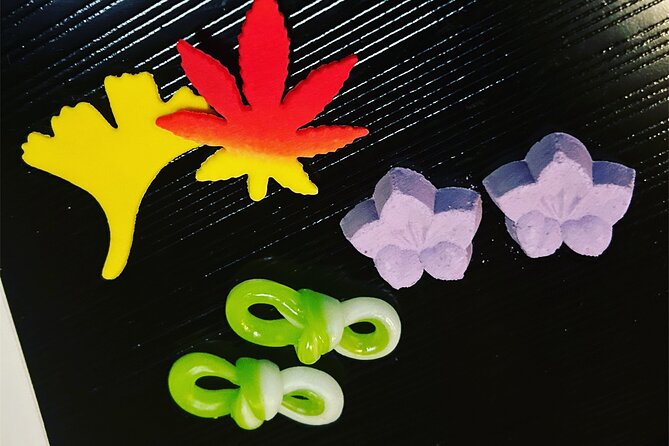
Food is often where tea experiences turn into a generic snack. Here, the sweets are built into the ceremony experience. You’ll have seasonal three types of handcrafted wagashi from a long-established Kyoto confectioner, and the sweets are specifically described as gluten-free and vegan.
That matters because many Japanese desserts can include ingredients that are tough for people with dietary limits. The fact that these wagashi are designed to accommodate more diets means you’re more likely to fully participate, not sit there hoping you can eat.
The pairing approach is the other key value. You’ll be eating sweets, then preparing and drinking matcha in a sequence that makes sense. It’s one of those small things that turns tea from a standalone drink into a full sensory routine.
The Tea Tools and the Uji Matcha Story Behind Them
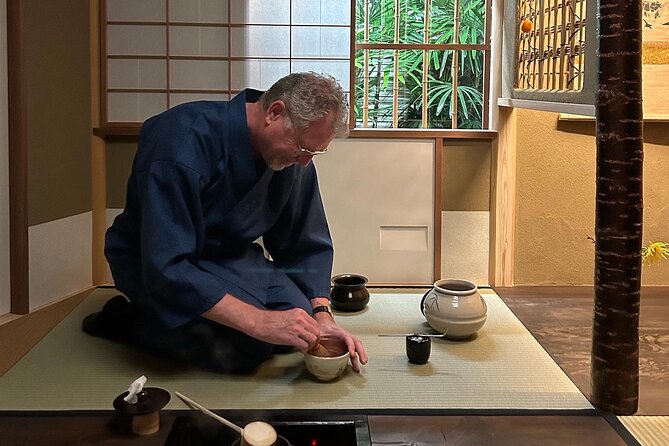
Tea ceremony is famous for its objects, and this one doesn’t ignore that. The experience includes a thoughtful connection to craft: custom-made tea bowls commissioned from Kiyomizu and Raku potters, original matcha sourced from historic tea gardens in Uji, and seasonal wagashi crafted by a long-established Kyoto confectioner.
Why you should care. When you learn the ritual in the context of the tools and ingredients, you stop treating the ceremony as “pretty tradition” and start understanding why each piece exists. You also get a mental shortcut for your future tea enjoyment. Even if you never host a full ceremony, you’ll know what makes matcha and wagashi feel connected rather than random.
Also, if you love ceramics, you may enjoy the way the session highlights bowls as more than serving dishes. It’s the kind of detail that can lead to you wanting a matching cup of your own after the class, since the bowls are part of the emotional payoff.
Etiquette and House Rules: The Stuff That Can Trip You Up
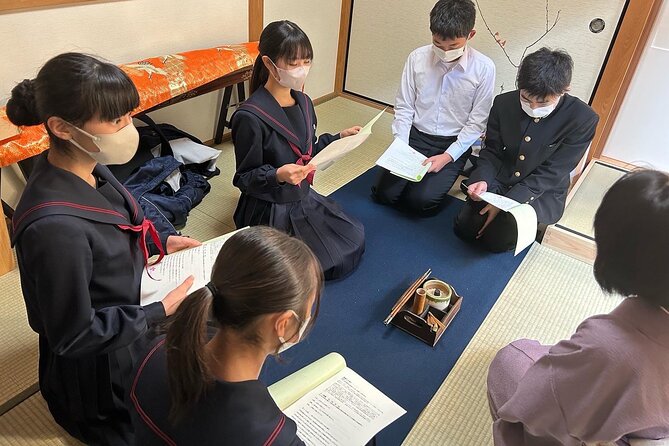
This is a quiet experience in a home, so the rules aren’t decorative. They protect hygiene, comfort, and the calm of the tea room.
Here are the big ones you should plan around:
- Socks are required to protect tatami mats, and you’ll want socks that stay on. If you forget, socks are available to purchase on site.
- Wear long bottoms and sleeves. Sleeveless tops, shorts, and mini skirts are not permitted.
- No perfume or fragrance, including musk-based scents. If you show up scented, you may be asked to remove it.
- Arrive on time. If you’re more than 15 minutes late, you can’t participate and there’s no refund.
- Children aged 13 and under are not permitted, so it’s not a family pick if you’re traveling with younger kids.
If you like structure, you’ll probably find these rules reassuring. They remove guessing. If you hate being told what to do, it might feel overly strict. I’d frame it like this: you’re entering a space with sacred calm, not a restaurant lobby.
Small comfort detail: small chairs are available for guests who need them. If that’s you, it’s worth informing the team in advance.
Who This Kyoto Tea Ceremony Fits Best (and Who Might Prefer Something Else)
This is best for you if you:
- want a quiet, respectful cultural activity rather than a loud production
- like learning by doing, not just watching
- appreciate etiquette and small details
- enjoy matcha and Japanese sweets, especially with dietary needs
It’s also a smart choice if you want a break from temples and crowds. Kyoto can be intense on the feet. This experience is only about 1 hour, so it’s a manageable time block even on a busy itinerary day.
You might prefer a different type of class if you:
- want kimono included. Kimono rental is not included here.
- want a big group tour. This one is private, so you’ll get less of the “see everyone together” energy.
- are traveling with kids under 13, since they aren’t allowed.
Price and Value: Is $99.08 Worth It?
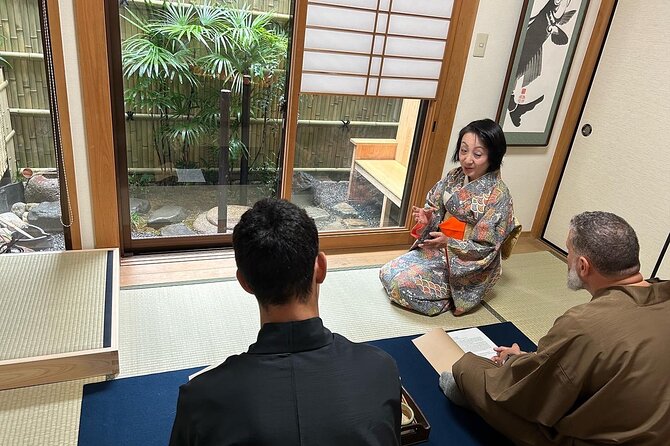
Let’s talk dollars honestly. At $99.08 per person for about an hour, this isn’t the cheapest activity in Kyoto. But the price makes sense when you break down what you’re actually receiving.
You’re paying for:
- a private session with a tea master
- guided etiquette and demonstration
- hands-on matcha prep plus two bowls of matcha
- three types of wagashi that are explicitly gluten-free and vegan
- a take-home booklet that helps you remember what you learned
If you compare it to group workshops, the value shifts fast. Many group options feel like you’re waiting your turn. Here, the focus stays on your pace, your questions, and your participation. And the dietary accommodation is not a throwaway note, it changes who can enjoy the experience fully.
Also, the timing can be efficient. If you’re staying around Nijo Castle, you can pair this with nearby sights. That reduces wasted transport time, which is a real part of travel value.
One more practical point: it’s commonly booked ahead (on average about 48 days), so if you’re traveling during peak seasons, don’t wait until the last minute.
Should You Book This Kyoto Tea Ceremony at Aya’s Home?
If you want the Kyoto tea ceremony the way it’s meant to feel, I’d book it. The private home setting, the step-by-step matcha coaching, and the thoughtful inclusion of gluten-free vegan wagashi make it a strong cultural buy for your time in Kyoto. You’ll also leave with a booklet that turns the experience into something you can reference later, not just a memory.
Book it especially if:
- you like calm, structured learning
- you’re curious about etiquette and the meaning behind details
- you want a private, English-friendly class led by Aya-sensei
Skip it if:
- you need kimono rental included
- you are traveling with a child under 13
- your plans make punctuality difficult
This is the kind of activity that rewards you for slowing down. And in Kyoto, that’s often when the best experiences happen.
FAQ
What is the duration of the Kyoto private tea ceremony?
It runs for about 1 hour.
Where does the experience start?
The meeting point is さくら日本文化体験 二条城教室 / SAKURA Experience Japanese Culture Nijo Home, Izumichō, Nakagyo Ward, Kyoto 604-0015, Japan.
Is this experience private?
Yes. It is a private tour/activity, and only your group participates.
What food and drinks are included?
You’ll receive three types of seasonal handcrafted wagashi, and you’ll be served two bowls of matcha prepared with an original blended matcha from Uji.
Do the sweets have dietary restrictions?
The three wagashi are described as gluten-free and vegan.
Do I need to rent a kimono?
Kimono rental is not included.
Is there a dress code?
Yes. You need long skirts or long pants and a top with sleeves. Sleeveless tops, shorts, and mini skirts are not permitted.
Do I need to wear socks?
Yes. Socks are required for hygiene and to protect the tatami mats. Socks can also be purchased on site if you forget.
Are children allowed?
Children aged 13 and under are not permitted.
What if I’m late?
If you arrive more than 15 minutes after the start time, you cannot participate and no refund can be provided.
Can I cancel for a refund?
Yes, you can cancel up to 24 hours in advance for a full refund. If you cancel less than 24 hours before, the amount paid is not refunded.
Kyoto by the Bowl
Newest Kyoto write-ups from the Loving Japan desk

Kyoto Tea Ceremonies and Matcha, side by side.
 ★ 4.9Tea Ceremony in a Traditional Tea House in KiyomizuFrom $493,519 reviews
 ★ 4.9Tea Ceremony Ju-An at Jotokuji TempleFrom $293,207 reviews
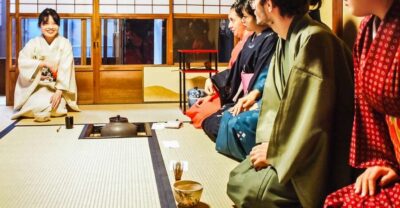 ★ 4.345-Minute Tea Ceremony Lesson ExperienceFrom $222,378 reviews
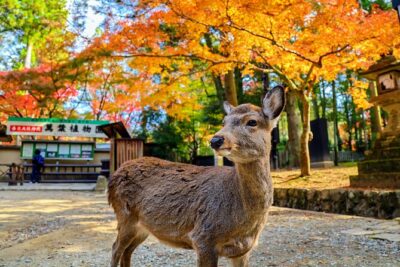 ★ 5.0World Heritage Kyoto & Nara Uji Authentic Matcha ExperienceFrom $1291,573 reviews
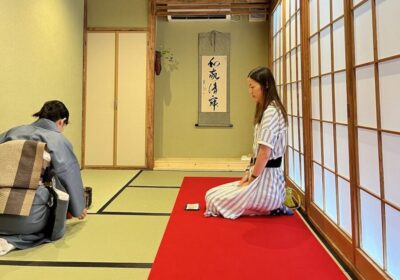 ★ 4.9Tea Ceremony ExperienceFrom $251,426 reviews
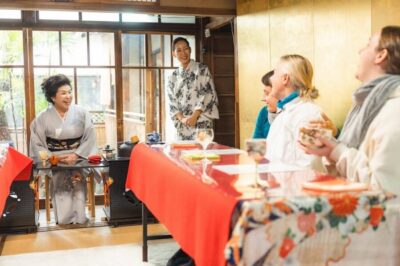 ★ 4.9Table-Style Tea Ceremony at a Kyo-MachiyaFrom $451,211 reviews
 ★ 4.8Kenrokuen Tea Ceremony ExperienceFrom $351,139 reviews
 ★ 5.0Kimono Tea Ceremony at Kyoto Maikoya, NISHIKIFrom $65911 reviews
Filed on these lists too