
REVIEW · SAMURAI, NINJA AND SWORD EXPERIENCES
Kyoto: Ninja Weapon Forging Experience
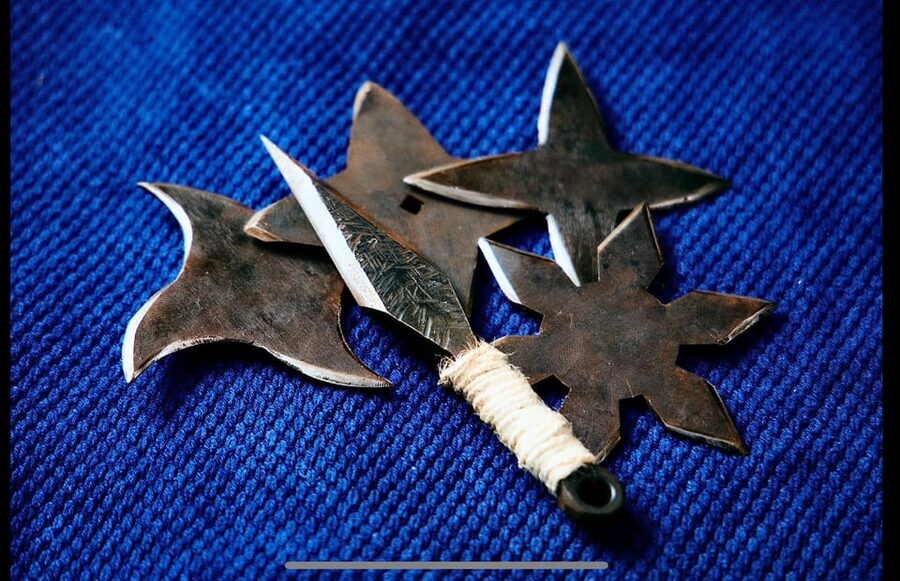
Making ninja blades with your own hands is wild. In Kyoto, this blacksmithing class turns a popular fantasy into a hands-on craft lesson, from suiting up to shaping steel and adding your own kanji.
I really like two things here: first, you work with real steel and actually do the hammering in a hot furnace, not just watch. Second, the finished weapon feels personal, because you choose the kanji signature and leave with the item boxed up to keep.
The one thing to keep in mind is that the time is split across multiple steps, so the experience is more “craft workshop” than constant hammering. You will spend time on grinding, finishing, and the ninja context too, and that may matter if you want only the forging part.
In This Review
- Key highlights you will care about
- A blacksmith workshop in Kyoto, with a one-minute station walk
- Choosing shuriken styles or a kunai, and what costs extra
- Suit up like a blacksmith, then step into disciplined craft mode
- 800°C forging: what it feels like when steel glows
- Grinding, sharpening, and shaping precision you can actually see
- Kanji engraving: your signature, not a factory label
- The ninja knowledge session that connects craft to culture
- Blackening, rust protection, and the final polish moment
- Price and value: is $148 worth it?
- Who this Kyoto workshop fits best, and what to expect
- Should you book the ninja weapon forging experience?
- FAQ
- How long is the Kyoto ninja weapon forging experience?
- Is the instructor available in English?
- What weapons can I make in the class?
- Does making a kunai cost extra?
- What do I take home?
- Can I bring the finished weapon back on a plane?
- Are replica swords available to buy?
- Can I cancel for a refund?
Key highlights you will care about
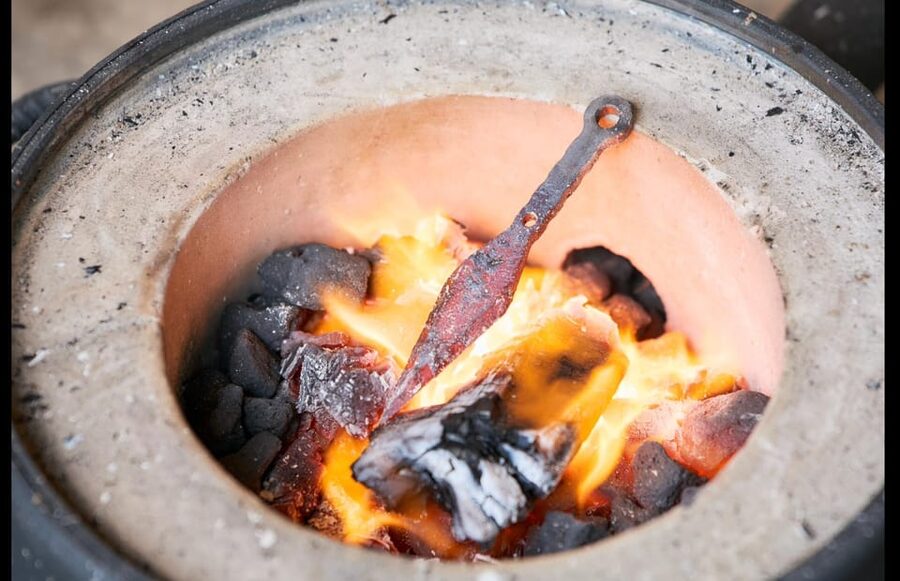
- 800°C furnace time where you see steel heat up and shape change in front of you
- Suit-up in samue and a head wrap that sets the tone for the whole class
- Pick shuriken styles or make a kunai (kunai option costs an extra ¥3,000)
- Kanji engraving so the weapon becomes a true take-home souvenir
- Blackening plus final polish for that dramatic, protected finish
- English instruction with staff like Taka, Mits, Ako, and Yok guiding different steps
Blade work and stagecraft, other sessions
- Kyoto: Kendo and Samurai Experience with Uniform and Gear
★ 4.9 · 815 reviews - Kyoto: Samurai Sword Class by Experts in Traditional Arts
★ 4.9 · 657 reviews - Skip the lines Basic Ticket at SAMURAI NINJA MUSEUM KYOTO
★ 4.5 · 632 reviews - Ninja 1-hour Hands-on Lesson by Japanese master in Kyoto -Entry
★ 5.0 · 489 reviews
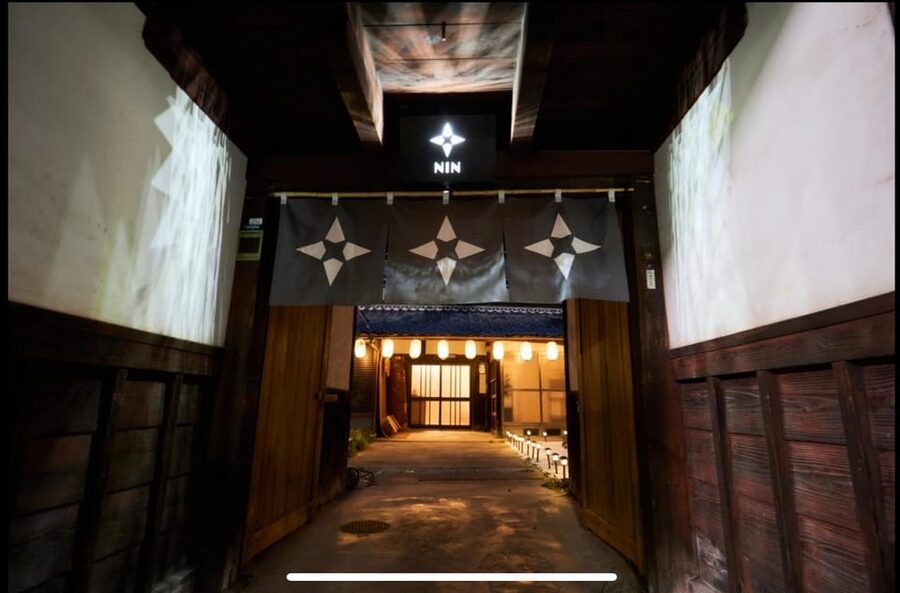
A blacksmith workshop in Kyoto, with a one-minute station walk
This class takes place in Kyoto on Honshu, and the meeting point is easy to find once you know where to look. It is a one-minute walk from Hieizanguchi Station, and you should go up the hill where there is a red postbox in front of the station.
That short walk sounds simple, but in practice you are dealing with a hill. If you are arriving with heavy bags, or you just do not want to climb, a taxi can make the start smoother. The neighborhood atmosphere also helps, because you are not getting pulled into loud tourist crowds. You feel like you showed up to a local workshop.
The studio runs in English, and the team approach feels friendly and structured. In a few of the class notes I saw, different staff members get mentioned by name, including Taka, Mits, Ako, and Yok, and it matches what you want from a workshop: clear help at each step so you are not guessing.
Choosing shuriken styles or a kunai, and what costs extra
Your first real decision is what weapon you want to make. You can select from three shuriken styles, or you can make a kunai.
If you want the kunai, there is an additional fee of ¥3,000. The class info says that extra processing and material cost is included with that option, so it is not a random add-on. It is tied to the specific weapon choice, and it is worth budgeting for if you know you want a kunai.
One practical tip: go into the choice with your end goal in mind. Shuriken designs tend to look great as a compact souvenir and are common for first-time makers. A kunai has a different visual presence, and if you like the classic ninja tool look, it is usually the more satisfying pick.
Also, this is the kind of class where customization starts early. After your forging track is set, you will later add a kanji character that matters to you, so your weapon will not just be shaped for the camera.
Suit up like a blacksmith, then step into disciplined craft mode
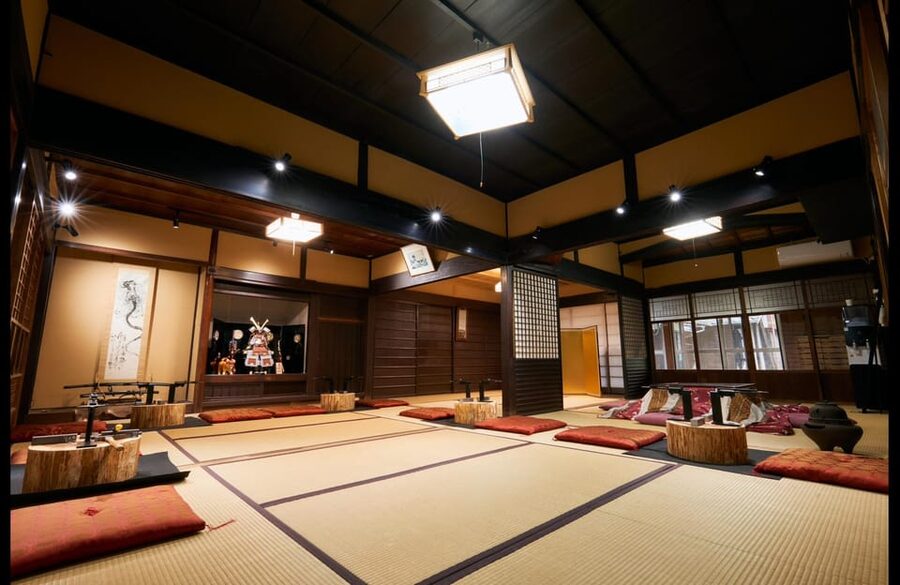
Before you touch the steel, you get into the right mindset. You change into samue, the traditional clothing worn by Japanese blacksmiths, and you wrap a tenugui around your head.
I like this part because it is not just for photos. It actually helps you focus. When you look the role and you feel the uniform, you naturally slow down and follow the process the way craft people do.
And yes, you will likely take photos and videos during the experience. The class style is set up to make it easy to capture the furnace moment and your hands-on work, without it feeling like you are interrupting instruction.
- PERFECT KYOTO 1-Day Bus Tour★ 5.0 · 13,518 reviews
- Kyoto: Fushimi Inari, Kinkakuji, Bamboo Grove 1 Day Bus Tour★ 4.8 · 4,316 reviews
- Kyoto: Tea Ceremony in a Traditional Tea House in Kiyomizu★ 4.9 · 3,519 reviews
- Kyoto Geisha Walking Tour: Gion District & Hidden Gems★ 4.7 · 3,273 reviews
- Kyoto: Tea Ceremony Ju-An at Jotokuji Temple★ 4.9 · 3,207 reviews
800°C forging: what it feels like when steel glows
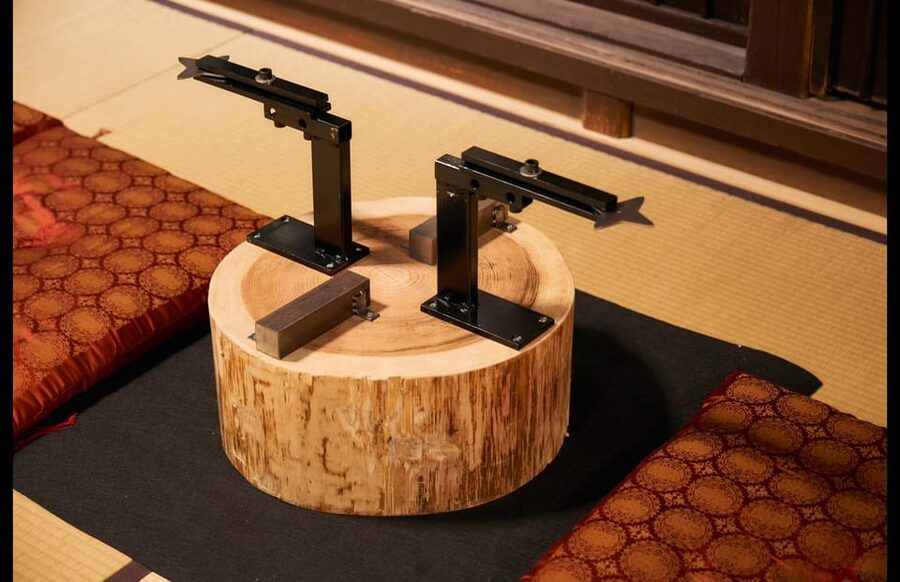
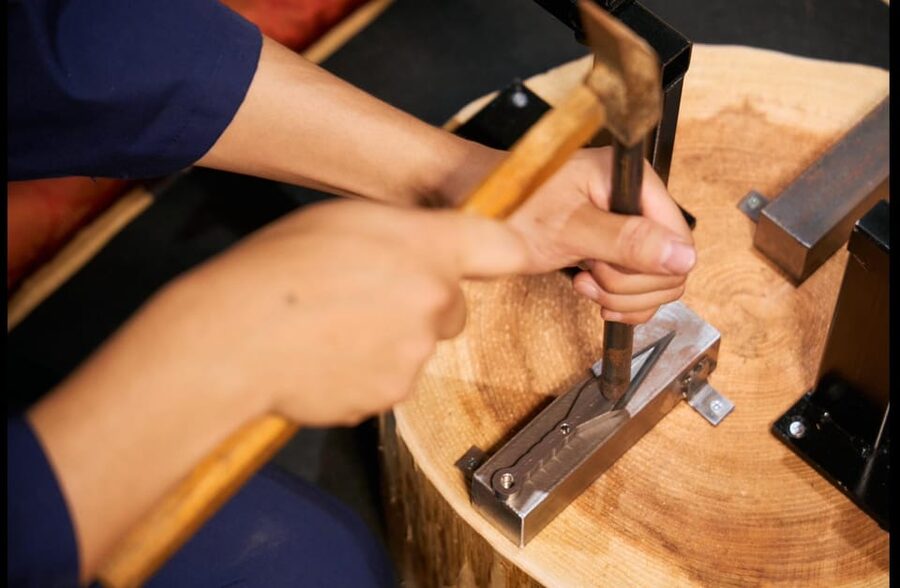
The main event is forging. You will watch your steel glow inside an 800°C furnace, and then you will strike the heated metal with a hammer.
This is the part most people remember because it is physical, fast, and visually dramatic. You can feel the change as the heated steel starts taking shape under guidance. It is also where the staff names you hear in the room start mattering, because good instruction in the forging phase keeps it safe and keeps you from wasting material.
A practical detail that helps: the steps are explained before you do them, and helpers stick close as you hammer and form. That matters for first-timers, especially if you are bringing kids or you have zero metalworking background.
If you love the science of it, pay attention to the heat and the timing. The whole point is that the metal is not just “hot,” it is at the right temperature for shaping. Even if you do not know the temperature rules, you will learn why timing and technique are part of Japanese forging.
Grinding, sharpening, and shaping precision you can actually see
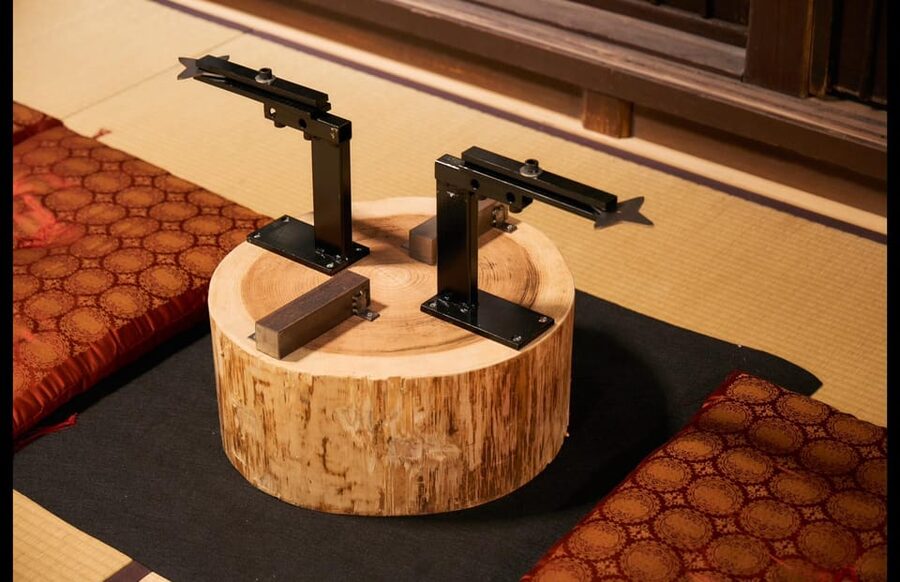
After forging comes shaping and refinement. You use a professional belt sander to refine the blade, working toward clean lines and a more defined shape.
This part feels different from the hammering. Hammering is loud and dramatic. Grinding is patient and visual. You will see your weapon look more intentional as you smooth and define it.
Some people also mention you can influence the sharpness based on what you want to do with your souvenir after. If you are planning to handle it at home or want a safer finish for personal reasons, it is worth asking what options you have during the finishing stage.
Also, if you get tempted to rush this step, do not. The best-looking pieces tend to be the ones finished with care, and you will feel that pride when you see the final polish later.
Kanji engraving: your signature, not a factory label
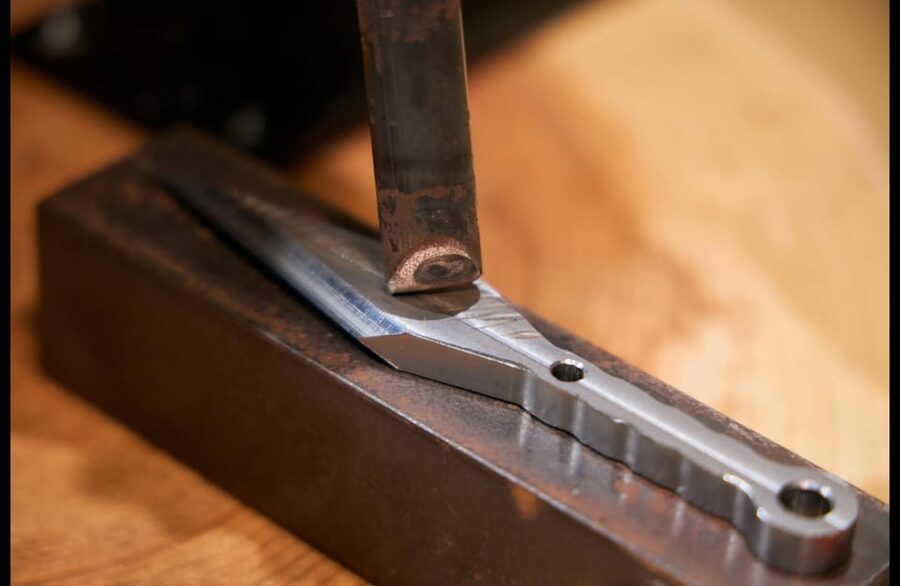
Next is the part that makes your weapon feel like yours. You choose a kanji character you want to use, and staff engrave it with careful precision.
This is the “story” part of the souvenir. Everyone can buy a ninja star at a shop. Not everyone can pick a symbol that has meaning to them and have it carved onto a tool they physically shaped.
From the way instructors get praised, the engraving is also where support shines. People specifically mention staff like Yok for engraving, which tells you the workshop takes the final personal details seriously.
Even if your kanji choice is simple, the engraving stage usually becomes the moment you slow down. It is proof that the craft is not only about metal, it is about identity and intention.
The ninja knowledge session that connects craft to culture
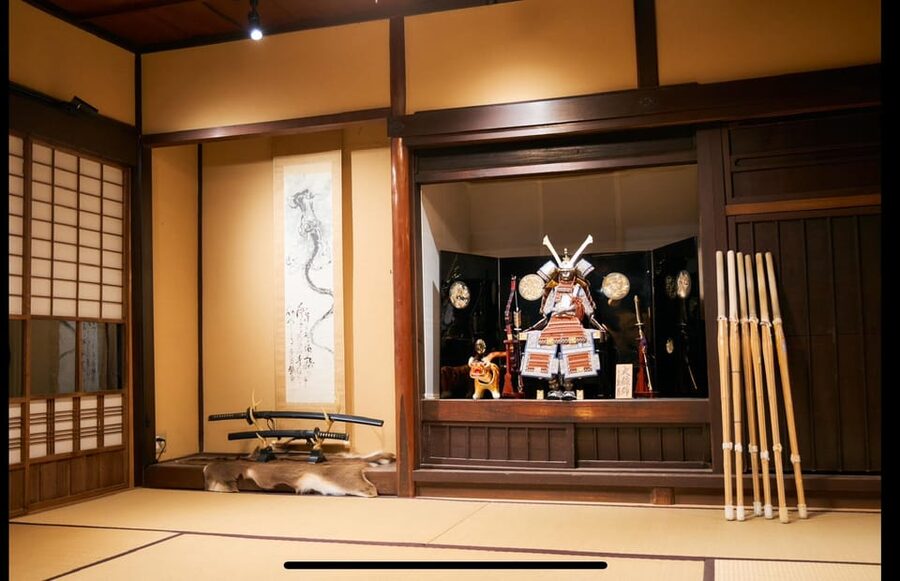
After the shaping and engraving steps, you get a ninja knowledge session. It covers the history, symbolism, and hidden techniques behind ninja craft and tools.
I like that they do not treat the class as pure entertainment. When you understand why certain forms mattered, you appreciate the weapon as a cultural object rather than just a costume prop.
This matters for value. A hands-on class can be fun, but a craft class is more memorable when you know what you are recreating. Here, the history context is part of the experience design, and it makes the kanji feel more grounded too.
Blackening, rust protection, and the final polish moment
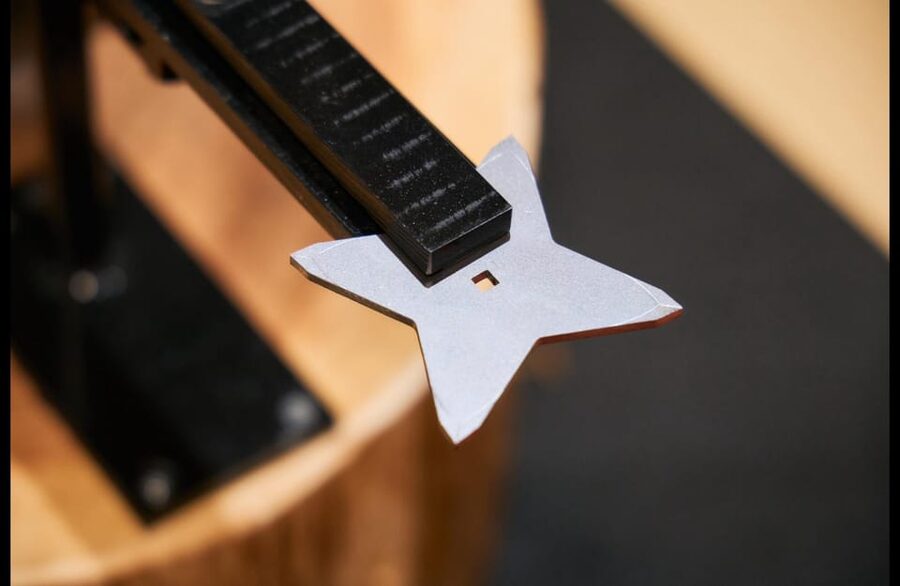
Once your weapon has its shape and kanji, you move into the finishing stage. A special solution is applied to darken the steel and help protect it from rust. Then you finish with a final polish.
This sequence is important. Blackening gives that dramatic tool-like look, and protection helps your souvenir stay presentable after the trip home.
I also think the polish is where you start to understand craftsmanship. It is not about making it shine for show. It is about bringing clarity to edges and surfaces so your final piece looks intentional under light.
And yes, you take it home in a beautiful box, which is great if you want a gift that feels special without extra wrapping work. It also helps with storage, since you are keeping a metal piece you made, not just a fragile souvenir.
Price and value: is $148 worth it?
At $148 per person for about 150 minutes, this is a mid-priced activity. The value comes from three things you cannot fake:
- You make a real steel weapon, not a craft foam or resin replica.
- You do multiple hands-on stages, forging in a hot furnace, then grinding, engraving, and finishing.
- You leave with a boxed souvenir and a personal kanji signature.
The extra ¥3,000 kunai option is a real cost, so if you are tempted by the kunai, plan for it in advance. But compared with typical “make a souvenir” classes that give you something decorative, here you get a true metalworking outcome and a finish designed to look like a cared-for tool.
One more value note: the staff energy seems genuinely high. People mention instructors like Taka and hosts like Mits and how they guide steps and even help with filming. That makes the class easier for first-timers, which is where you get the best money-for-time payoff.
Who this Kyoto workshop fits best, and what to expect
This works especially well if you want hands-on crafting in Kyoto that feels different from temples and food tours. It is also a solid pick for families. In several class stories, kids were able to participate, and the workshop environment was described as safe with helpers guiding each step.
If you are a solo traveler, this can also feel social in a comfortable way. The class flow is group-based, but instruction is personal enough that you are not left behind.
If you hate tours where you stand and watch, you will likely enjoy the structure here. Even the steps that are calmer, like kanji engraving and finishing, still feel like you are making decisions and contributing to the final product.
The one potential downside, again, is your time allocation. You will not spend the entire 150 minutes swinging a hammer. You will also spend time refining, finishing, and taking the culture session seriously. If your dream is pure hammer time, consider that as you plan your expectations.
Also keep travel logistics in mind. You can bring the weapon home, but it can only go in checked luggage, not carry-on. That detail matters for people who travel light or who hate airport restrictions. Plan your packing so you do not scramble on departure day.
Should you book the ninja weapon forging experience?
If you want an activity in Kyoto where you leave with something real you made, I think you should book it. The combination of real steel forging, kanji personalization, and the finished look after blackening and polishing gives you a souvenir with actual craft behind it.
Choose this class if you like hands-on work, enjoy Japanese tool culture, and want a memorable, non-temple afternoon. It also fits families and first-timers, especially with English instruction and staff support across steps.
Skip it only if you are mainly chasing a live-action ninja fantasy and you want a faster, simpler souvenir. This is a craft process, not a show. But for most people, that is exactly the point: you get the satisfaction of making, and you understand why the making matters.
FAQ
How long is the Kyoto ninja weapon forging experience?
The class lasts about 150 minutes.
Is the instructor available in English?
Yes, the instruction is in English.
What weapons can I make in the class?
You can make one of three shuriken styles, or you can choose a kunai option.
Does making a kunai cost extra?
Yes. The kunai option has an additional fee of ¥3,000.
What do I take home?
You take home the weapon you make, and it is provided in a beautiful box.
Can I bring the finished weapon back on a plane?
Yes, but only in checked luggage. It is not allowed as carry-on luggage.
Are replica swords available to buy?
Yes. The studio also sells replica swords for an additional fee.
Can I cancel for a refund?
Yes. You can cancel up to 24 hours in advance for a full refund.
Blade Work and Stagecraft
Newest Kyoto write-ups from the Loving Japan desk


Samurai, Ninja and Sword Experiences, side by side.
 ★ 4.5Samurai Restaurant Show Ticket with 2 DrinksFrom $551,307 reviews
 ★ 5.0Kyoto Samurai ExperienceFrom $1191,294 reviews
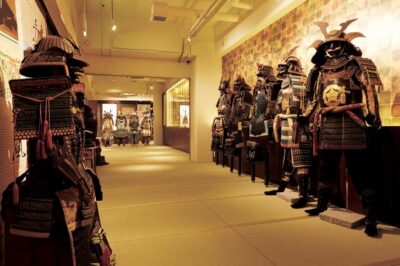 ★ 4.6Samurai Ninja Museum Guided tour and ExperienceFrom $271,010 reviews
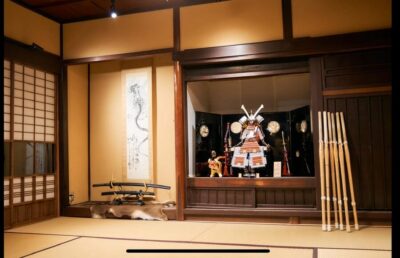 ★ 4.9Kendo and Samurai Experience with Uniform and GearFrom $103815 reviews
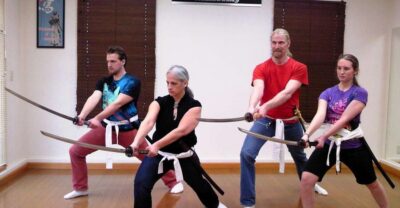 ★ 4.9Samurai Sword Class by Experts in Traditional ArtsFrom $64657 reviews
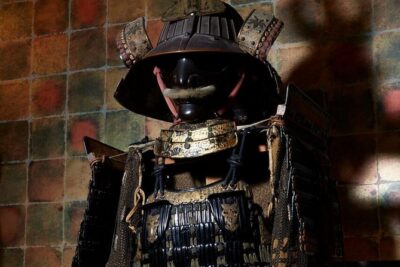 ★ 4.5Skip the lines Basic Ticket at SAMURAI NINJA MUSEUM KYOTOFrom $28632 reviews
 ★ 5.0Samurai Sword & Archery Class from Samurai DescendantFrom $193603 reviews
 ★ 5.0Samurai Training Experience KENDO in OsakaFrom $131515 reviews
Filed on these lists too