
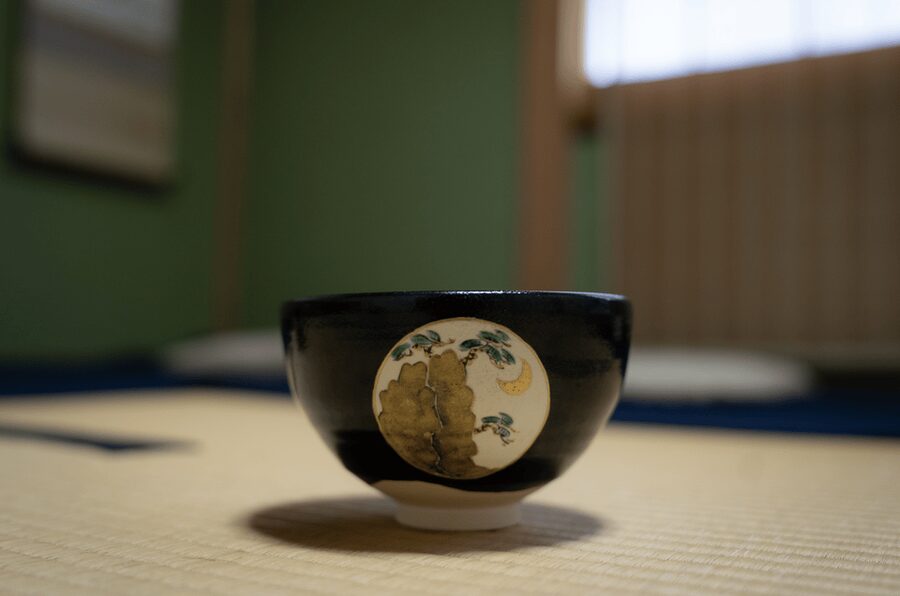
REVIEW · KYOTO TEA CEREMONIES AND MATCHA
Kyoto: Tea Ceremony Experience in a Small Tea Room
Tea time in Kyoto turns your brain off. In a small room near the Kamogawa Delta, I love how the pace is slow and focused, and you get real matcha whisking with guidance.
The teacher, with 30 years of experience, explains every step in English, and I especially liked how Ms Yamazaki’s patience helps beginners keep up. One possible drawback: it’s only 1 hour, so you should expect a starter-level flow, not a long, multi-course ritual.
In This Review
- Key highlights worth circling
- A Kyoto tea ceremony that feels personal, not performative
- Finding the tea room: Tisato sign, easy walking from Demachiyanagi
- Meet your English tea instructor and set the tone
- The matcha routine: what you’re learning and why it matters
- What to focus on during whisking
- The tea room moment: calm, manners, and the real atmosphere
- Traditional dried sweets: the pairing that makes the ceremony feel complete
- Price and value: why $38 for one hour can still be a good deal
- Where this fits in your Kyoto day plan
- Who should book this tea ceremony, and who might want a different length
- Should you book this Kyoto matcha tea ceremony?
- FAQ
- How much does the Kyoto tea ceremony cost?
- How long is the tea ceremony experience?
- What group size is this tea ceremony limited to?
- Is the instructor available in English?
- Can I make matcha during the ceremony?
- Where do I meet for the experience?
- Is there a cancellation option with a refund?
Key highlights worth circling
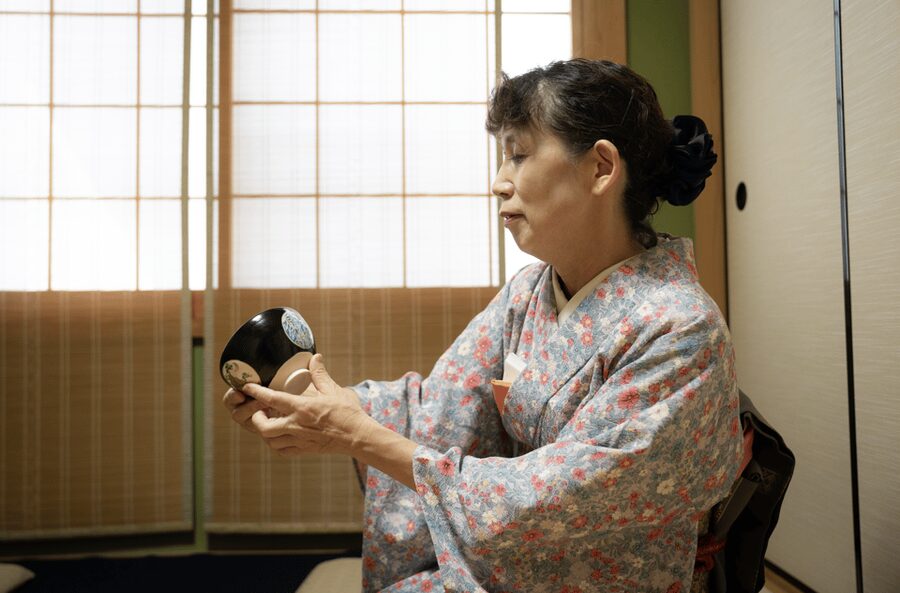
- 30 years of tea experience guiding the whole session, not just a quick demo
- Hands-on matcha prep, with optional steps where you can make your own
- Small group (up to 6 people), so you get real attention and time to ask questions
- Near Kamogawa Delta, close enough to pair with a calm riverside walk
- English instruction, designed for first-timers and curious tea lovers alike
- Traditional dried sweets included, so you taste the full Kyoto tea moment
Sit down somewhere quieter. Other tea rooms we booked
- Kyoto: Tea Ceremony in a Traditional Tea House in Kiyomizu
★ 4.9 · 3,519 reviews - Kyoto: Tea Ceremony Ju-An at Jotokuji Temple
★ 4.9 · 3,207 reviews - Kyoto: 45-Minute Tea Ceremony Lesson Experience
★ 4.3 · 2,378 reviews - Kyoto: Table-Style Tea Ceremony at a Kyo-Machiya
★ 4.9 · 1,211 reviews
A Kyoto tea ceremony that feels personal, not performative
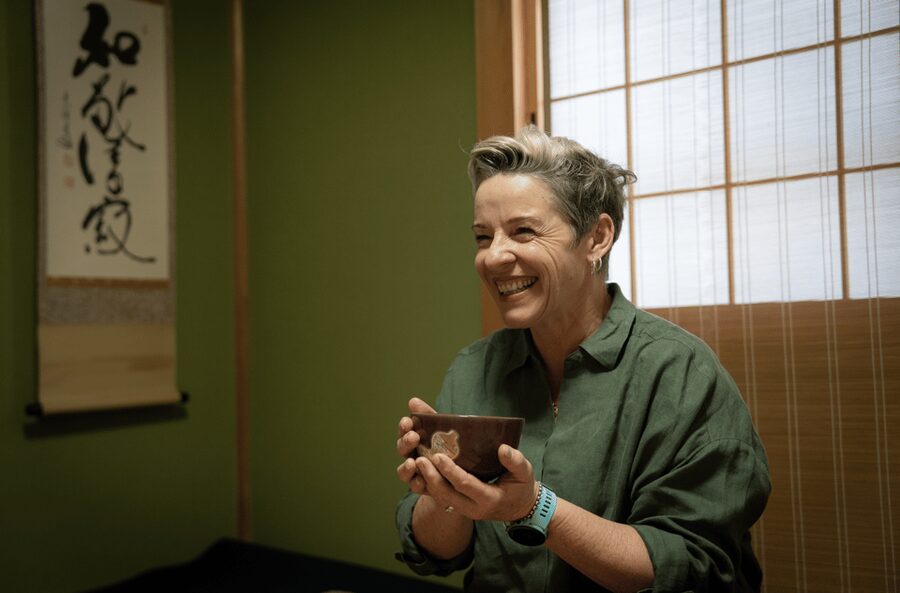
Kyoto has a way of making simple things feel ceremonial. This tea ceremony is built for that exact mood, in a small tea room where the goal is calm focus, not showmanship.
What makes it work for your trip is the combination of a seasoned tea teacher and a hands-on matcha experience. You learn how matcha is prepared and what the motions are trying to express. That turns it from a tourist activity into something you can actually feel.
The other thing I like is the teaching style. The session is led in English and is set up to be welcoming even if you have never done a tea ceremony before. If you are nervous about etiquette, you can breathe, because the focus is on learning, not being judged.
Finding the tea room: Tisato sign, easy walking from Demachiyanagi
You meet at a Japanese house. Look for the sign that says Tisato and enter from there.
You’re also in a useful location for Kyoto sightseeing. The tea room is about a 15-minute walk from Kamogawa Delta, a lovely riverside area where you can reset after the ceremony or take a short slow walk beforehand. It’s also about a 15-minute walk from Demachiyanagi Station, which is handy if you want to build the day around nearby sights.
If you’re coming from the station, do yourself a favor and give yourself a little buffer. Small neighborhood routes can move slower than big-street directions, and you do not want to arrive flustered.
Meet your English tea instructor and set the tone
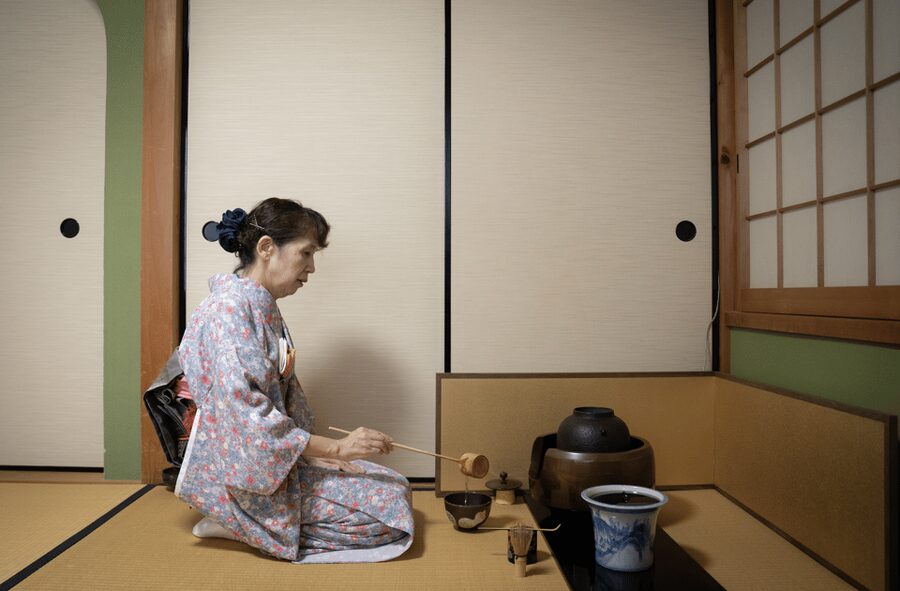
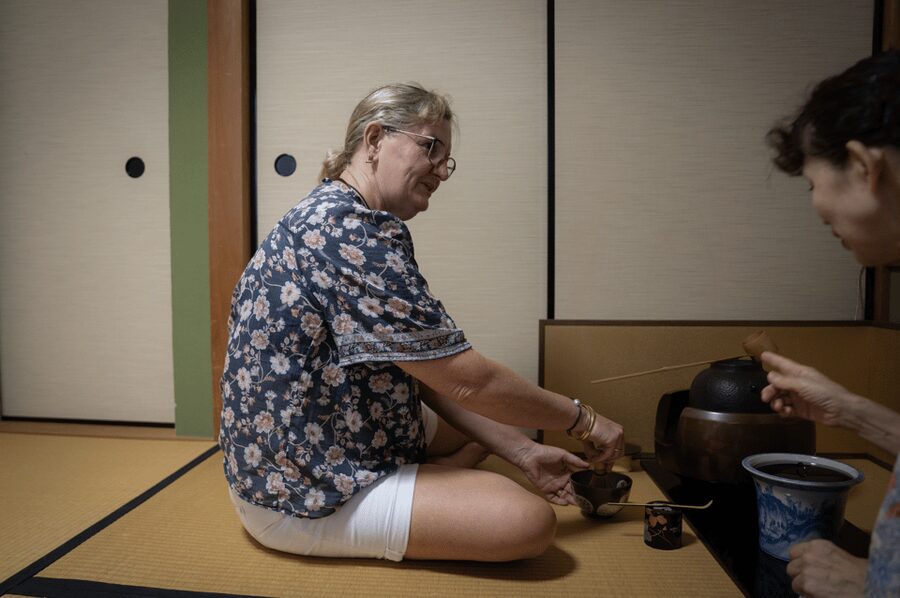
The session is guided by a teacher with 30 years of expertise, and the instruction is in English. That matters more than people think, because tea ceremony basics include small details in movement, posture, and sequence. When you can understand the reasoning right away, the experience clicks faster.
During the start of the session, you’ll get a sense of how the tea room works and what you will be doing. In many Kyoto tea experiences, people worry they will do everything wrong. Here, the setup is designed so you can follow along without feeling like you are ruining the moment.
In particular, the teaching style highlights patience. If your teacher in your session is Ms Yamazaki, you can expect extra care in how steps are explained and how beginners are supported. Even if you are comfortable with matcha, you’ll likely appreciate how clearly the movements are broken down.
- PERFECT KYOTO 1-Day Bus Tour★ 5.0 · 13,518 reviews
- Kyoto: Fushimi Inari, Kinkakuji, Bamboo Grove 1 Day Bus Tour★ 4.8 · 4,316 reviews
- Kyoto: Tea Ceremony in a Traditional Tea House in Kiyomizu★ 4.9 · 3,519 reviews
- Kyoto Geisha Walking Tour: Gion District & Hidden Gems★ 4.7 · 3,273 reviews
- Kyoto: Tea Ceremony Ju-An at Jotokuji Temple★ 4.9 · 3,207 reviews
The matcha routine: what you’re learning and why it matters
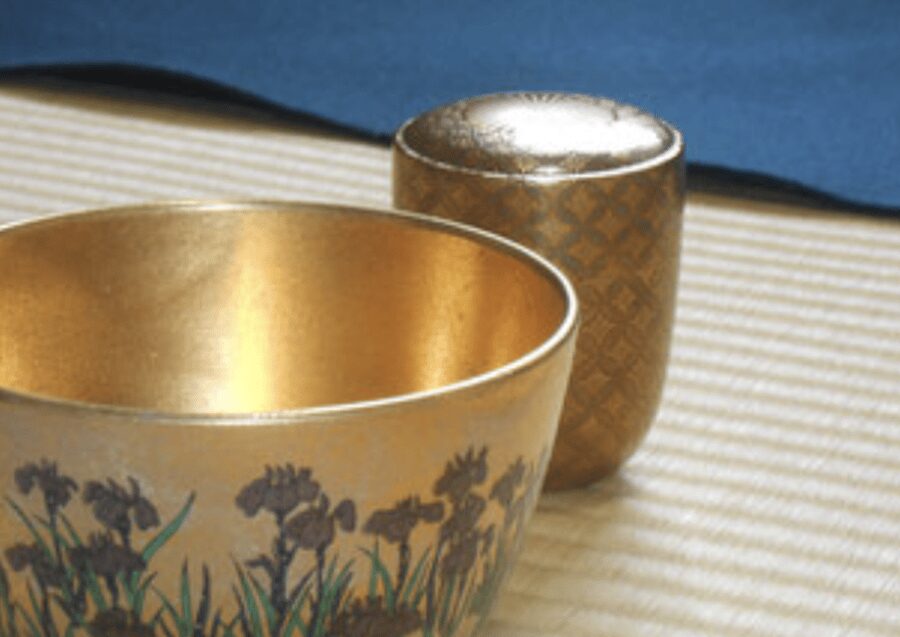
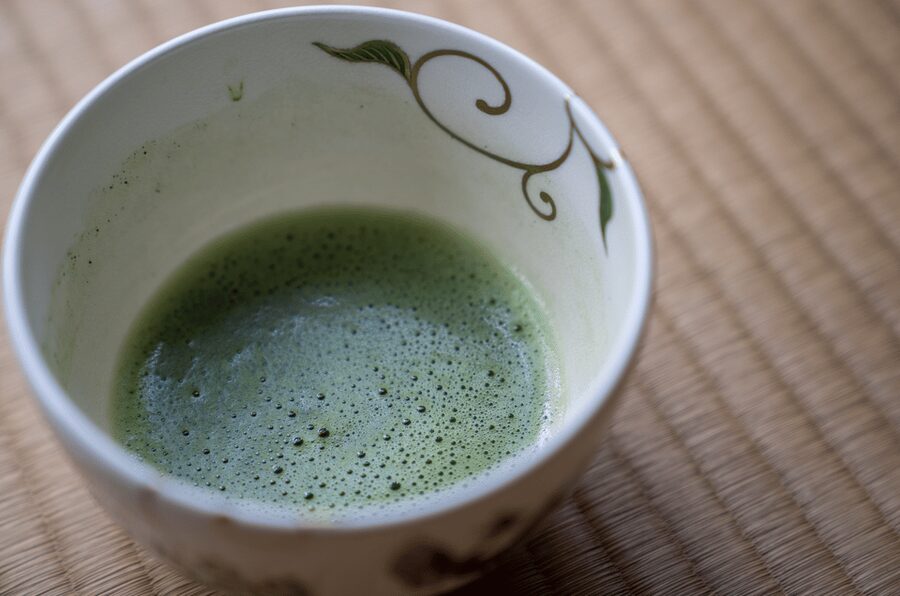
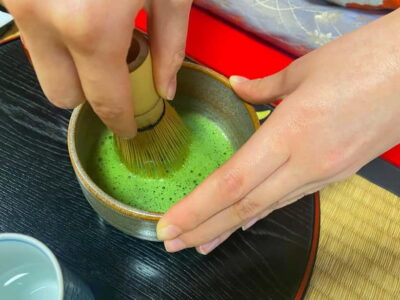
The core of this experience is the matcha. You’ll learn the process step by step, with guidance on whisking the powdered tea and using the precise movements that are part of tea ceremony mindfulness.
Here’s what this teaches you beyond the mechanics. Matcha is not just a drink in this context. It’s treated like a small concentration exercise. The act of whisking is rhythm, attention, and control, all in a few minutes.
You also have an option to make your own tea. That is a big deal for value. A lot of tea experiences are mostly watch-and-sip. This one lets you participate, so you leave with muscle memory you can reuse at home.
What to focus on during whisking
- Aim for the right rhythm, not speed
- Watch your technique and adjust with the instructor’s guidance
- Treat small corrections as part of the lesson, not as mistakes
If you’re someone who likes to understand the why, this part is satisfying. You’re learning a method that people practice for years, but you’re doing it in an approachable way.
The tea room moment: calm, manners, and the real atmosphere
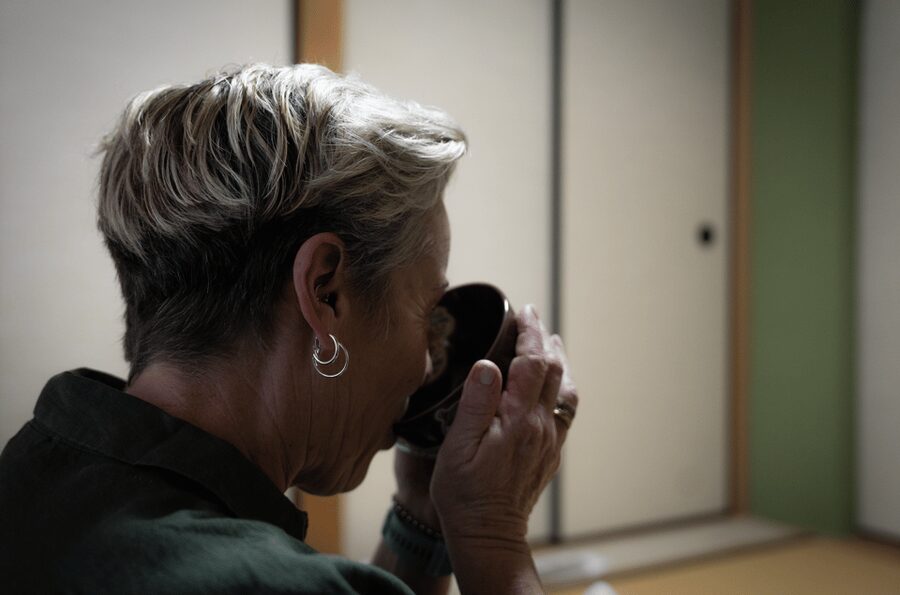
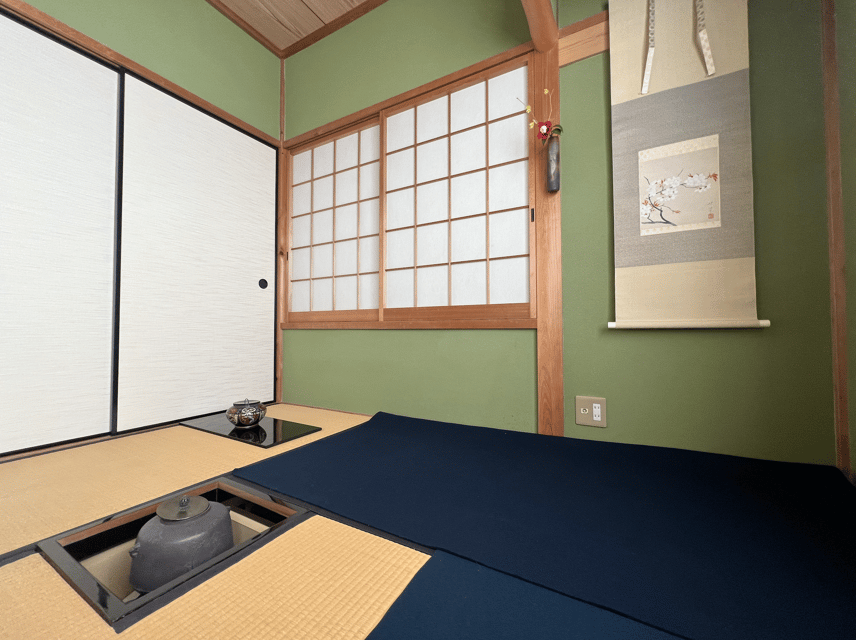
Tea ceremony isn’t only about matcha. The room, the pacing, and the quiet rules all shape how you experience it.
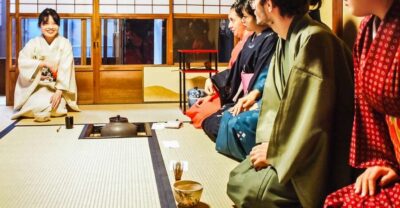
In a small group of up to six participants, the room energy stays gentle. You can concentrate on the teacher’s instructions and notice the rhythm of the tea-making without feeling squeezed by a crowd. That matters in Kyoto, where you can go from packed streets to quiet rituals quickly, and your nervous system needs that transition.
You’ll also get a real sense of how Kyoto people hold space for the tea moment. You do not need to already know the etiquette to enjoy it. You just need to be willing to slow down.
A practical tip: wear something comfortable. This is not a sit-straight-all-day exercise for long stretches, but your body will be more relaxed if your clothes do not restrict movement when you’re learning hand motions.
Traditional dried sweets: the pairing that makes the ceremony feel complete
Included with the session are traditional dried sweets. That pairing is not random. In Japanese tea culture, sweets often balance the experience, adding a subtle sweetness that makes the bitterness of matcha feel smoother and more intentional.
Even if you think you will only care about the tea, don’t skip the sweets. They anchor the ceremony in taste, and they help you understand why tea rituals include more than just one product.
You can also think of the sweets as a gentle pause. They give your mind a break while the ceremony stays steady and quiet.
Price and value: why $38 for one hour can still be a good deal
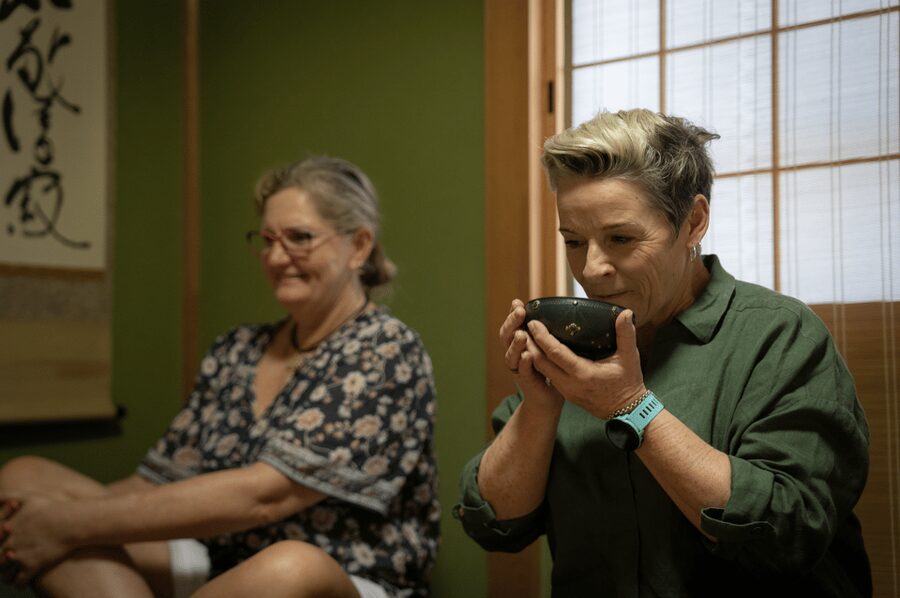
At $38 per person for about 1 hour, the first question is simple: what are you actually paying for?
You’re paying for three high-value things:
- Instruction from a teacher with 30 years of expertise
- Hands-on matcha preparation (and a chance to make your own if you want)
- A small group setting, limited to 6 participants, which reduces the feeling of being rushed
The time is short by design. That can be a drawback if you wanted a long, slow, full-length ritual. But for many travelers, it’s exactly right, because you still get the meaning, without losing half a day.
I also like that the ceremony includes matcha and the dried sweets. That means you’re not guessing whether extra food is required to make it feel worth it. You arrive knowing what the tea moment contains.
Where this fits in your Kyoto day plan
Because you’re only a short walk from both Kamogawa Delta and Demachiyanagi Station, it’s easy to place this in a day that includes scenic strolling.
If you want a calm start, come a bit early and take a slow walk around the Kamogawa Delta area. The goal is not to rush from place to place. It’s to let the river air shift your mood before you step into a quieter room.
If you’re building an afternoon around sights starting near Demachiyanagi, this tea ceremony can work as a grounding break. It’s close to routes that can connect to places like Kibune Shrine and Rurikou Temple. You don’t need to make those your entire plan, but the location makes it easier to combine activities without complicated logistics.
Who should book this tea ceremony, and who might want a different length
This is a great choice if you:
- Want a first-time-friendly tea experience with English guidance
- Like hands-on activities more than watching only
- Prefer small-group settings where you can ask questions
- Enjoy Kyoto culture that is practical, quiet, and sensory
It may not be your best match if you:
- Want a longer ceremony with many stages and courses, since this is 1 hour
- Are looking for a high-energy, sightseeing-heavy experience with lots of time outdoors
But even then, the one-hour format can still work if you treat it as a reset, something that balances a day of temples and streets with a slower ritual.
Should you book this Kyoto matcha tea ceremony?
I think you should book it if you want an experience you can actually use in your memory. The combination of 30 years of teaching, hands-on matcha, and a small group size makes this more than a quick souvenir activity.
Also, the setting near Kamogawa Delta gives you an easy way to round out your visit. You can make the day feel intentional by linking a calm walk to a calm room.
If you’re worried about being new to tea ceremonies, you don’t need prior knowledge here. The session is designed to help beginners feel comfortable, and it moves at a pace where you can learn instead of perform.
FAQ
How much does the Kyoto tea ceremony cost?
It costs $38 per person.
How long is the tea ceremony experience?
The experience lasts 1 hour.
What group size is this tea ceremony limited to?
It is a small group limited to 6 participants.
Is the instructor available in English?
Yes. The instructor speaks English.
Can I make matcha during the ceremony?
Yes. If you wish, you can make your own tea with guidance, including whisking the matcha.
Where do I meet for the experience?
Meet at a Japanese house and look for the sign that says Tisato.
Is there a cancellation option with a refund?
Yes. You can cancel up to 24 hours in advance for a full refund.
Kyoto by the Bowl
Newest Kyoto write-ups from the Loving Japan desk
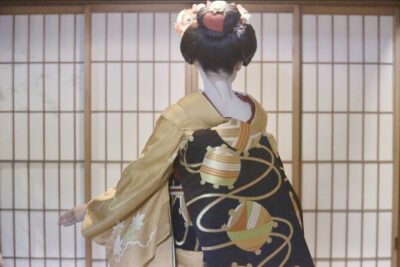
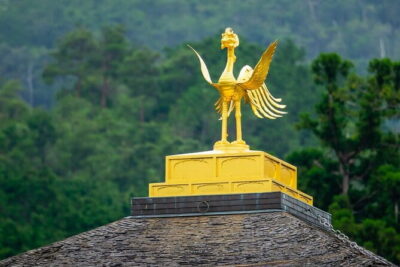
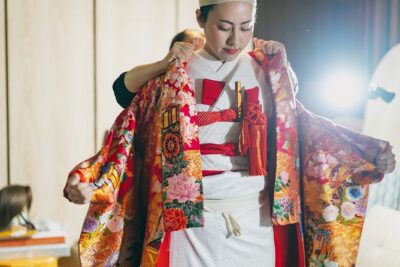
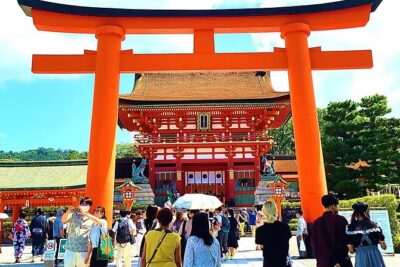
Kyoto Tea Ceremonies and Matcha, side by side.
 ★ 4.9Tea Ceremony in a Traditional Tea House in KiyomizuFrom $493,519 reviews
 ★ 4.9Tea Ceremony Ju-An at Jotokuji TempleFrom $293,207 reviews
 ★ 4.345-Minute Tea Ceremony Lesson ExperienceFrom $222,378 reviews
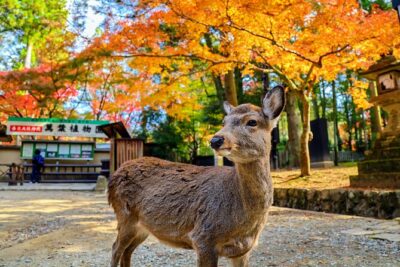 ★ 5.0World Heritage Kyoto & Nara Uji Authentic Matcha ExperienceFrom $1291,573 reviews
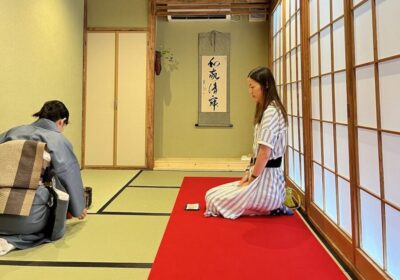 ★ 4.9Tea Ceremony ExperienceFrom $251,426 reviews
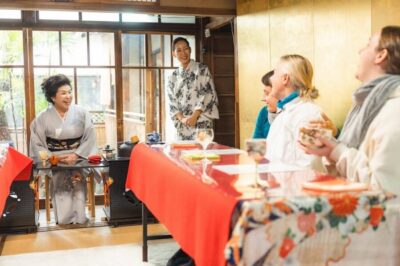 ★ 4.9Table-Style Tea Ceremony at a Kyo-MachiyaFrom $451,211 reviews
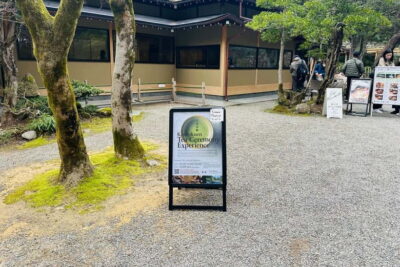 ★ 4.8Kenrokuen Tea Ceremony ExperienceFrom $351,139 reviews
 ★ 5.0Kimono Tea Ceremony at Kyoto Maikoya, NISHIKIFrom $65911 reviews
Filed on these lists too