
REVIEW · KYOTO TEA CEREMONIES AND MATCHA
Kyoto: Tea Ceremony in 100-year-old Kyo-Machiya Townhouse
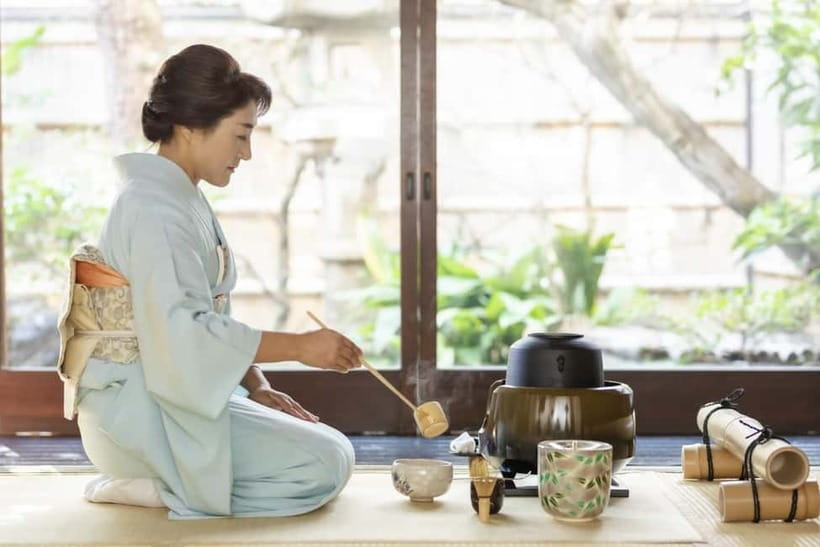
A quiet room, then suddenly you are making tea. This Kyoto experience pairs a matcha lesson with a stay in a 100-year-old machiya townhouse.
I love that you do not just watch, you also prepare your own tea under the master’s supervision. I also love the option to rent a kimono, so you can feel the ritual in two places, indoors for tea and outdoors as you stroll.
One thing to plan around: it is a group session (up to 20), so you will want a calm mindset, and you will likely sit on the floor unless you opt for the small chair.
In This Review
- Key reasons this Kyoto tea ceremony feels special
- Entering the machiya: what the 100-year-old townhouse changes
- Gojo Shop kimono pick-up, then a timed two-hour wait
- The tea ceremony itself: history, etiquette, and watching the ritual
- Making matcha: where you go from viewer to participant
- Sweets and matcha: tasting with manners (and noticing details)
- Optional Machiya moment after tea: architecture, history, and photos
- Group setting realities: up to 20 people, flexible seating
- Practical planning: socks, no flash, and how to not feel awkward
- Price and value: why $31 can make sense in Kyoto
- Who should book this Kyoto tea ceremony
- Should you book? My honest take
- FAQ
- FAQ
- How long is the tea ceremony experience?
- Where do I meet for the kimono option?
- Where do I meet if I book only the tea ceremony?
- When does the tea ceremony start if I choose kimono rental?
- What do I need to bring?
- Are sandals allowed?
- Is there a seating option other than sitting on the floor?
- Can I take flash photos during the ceremony?
- Is it suitable for small children?
Key reasons this Kyoto tea ceremony feels special
- 100-year-old machiya townhouse setting at Yumeyakata Oike Bettei, not a generic studio room
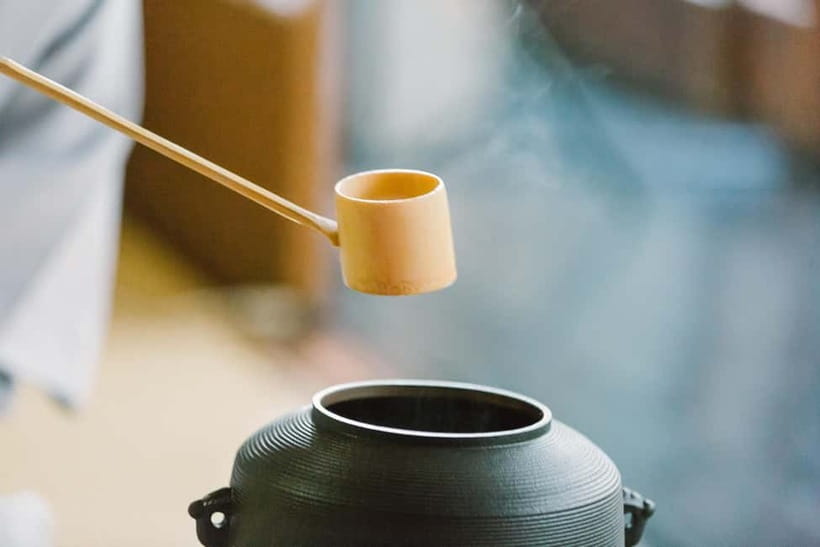
- You make the tea yourself, with the master supervising key steps
- A real introduction to etiquette, including how to bow, greet, eat sweets, and handle the tea bowl
- Kimono add-on with efficient assistance at Gojo Shop, plus optional hair and makeup upgrades for women
- Optional Machiya moment right after tea, with a short tour and selfie time in the same space
- Strong English support, with interpreter roles named by many recent participants (including Lim, Ling, and Maki)
Sit down somewhere quieter. Other tea rooms we booked
- Kyoto: Tea Ceremony in a Traditional Tea House in Kiyomizu
★ 4.9 · 3,519 reviews - Kyoto: Tea Ceremony Ju-An at Jotokuji Temple
★ 4.9 · 3,207 reviews - Kyoto: 45-Minute Tea Ceremony Lesson Experience
★ 4.3 · 2,378 reviews - Kyoto: Table-Style Tea Ceremony at a Kyo-Machiya
★ 4.9 · 1,211 reviews
Entering the machiya: what the 100-year-old townhouse changes
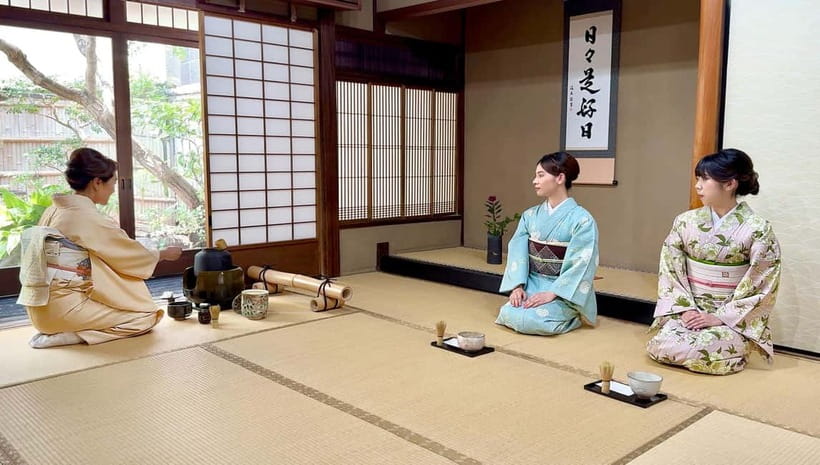
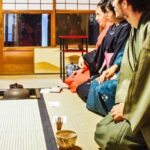
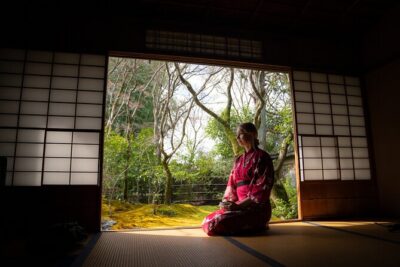
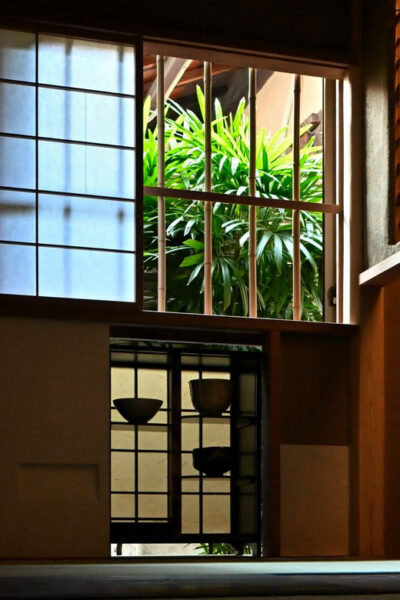
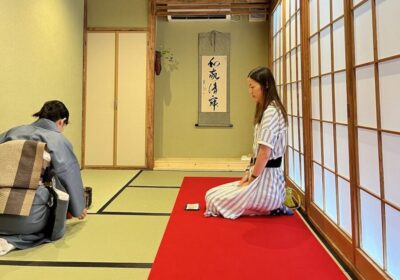
Kyoto does not really do loud. This is the kind of experience that rewards a slower pace. The venue is a traditional machiya townhouse, specifically Yumeyakata Oike Bettei, in a setting connected to the Kyoto Gosho area near the Kyoto Imperial Palace. That matters because machiya architecture is built for quiet living: wood beams, sliding screens, tatami-like flooring, and small, intimate rooms.
You start with a gentle shift in attention. Before the tea starts, you get guided through the purpose of each step. People often think a tea ceremony is only about matcha. In practice, it is also about manners, timing, and small movements done with care. In this type of room, that discipline feels natural, not forced.
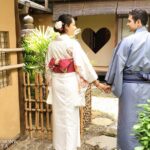
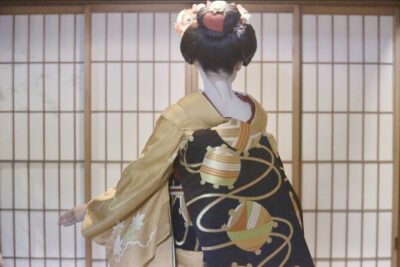
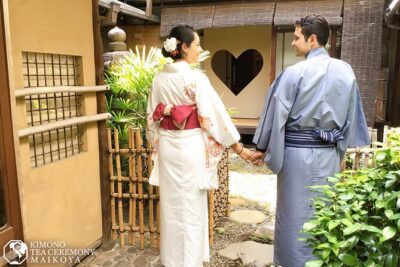
If you choose the kimono option, the atmosphere intensifies. You are literally dressed for the setting. Even after the tea ceremony ends, you can wear the kimono to stroll around Kyoto, which turns the experience into a mini Kyoto day, not a quick ticketed activity.
Gojo Shop kimono pick-up, then a timed two-hour wait
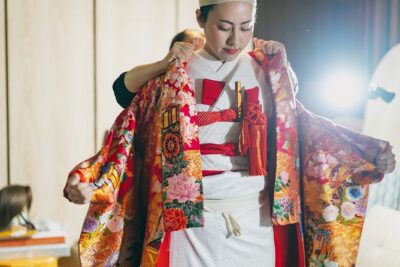
Here is how the timing usually works when you add the kimono rental. You begin at Gojo Shop at the start time on your voucher. You pick your kimono from a range of colors, designs, and sizes. If you pick the add-on for women, there are options like hair styling and makeup, plus an upgrade from casual kimono to formal kimono (Houmongi).
Then there is a key detail: the tea ceremony does not start immediately. It begins two hours after your selected starting time. For example, choose 11:00 AM and the tea starts at 1:00 PM. During that window, you are usually in your kimono already. That is part of the fun, but it means you should plan your schedule around the ceremony start.
If you want just the tea ceremony without kimono, you skip Gojo Shop. You meet at Oike Bettei 5 to 10 minutes before your voucher time.
One practical thought: kimono comfort depends on the day. Some people find a kimono fine, others find it restrictive, especially when weather is hot. If you pick the kimono option, consider wearing comfortable socks and keeping your walking pace slow once you are out.
The tea ceremony itself: history, etiquette, and watching the ritual
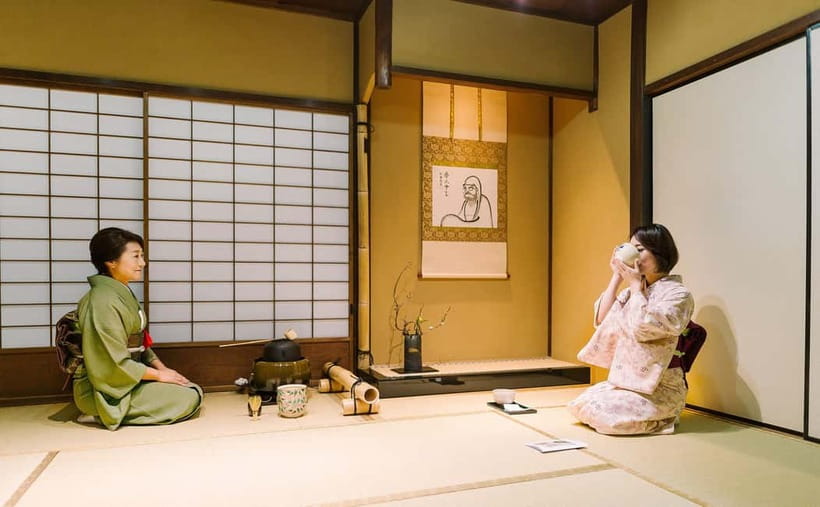
The tea ceremony usually runs from about 50 minutes to 3 hours, depending on which option you choose. The core tea sequence is structured and calm.
You start with an explanation of tea ceremony history. The lesson traces how tea culture arrived in Japan from China about 1,200 years ago, and how it evolved into what many people recognize today as the Japanese Way of Tea. That historical context helps you understand why the ritual looks the way it does. It is not theater for tourists. It is a way of communicating respect.
Next comes etiquette. You will learn how to:
- bow and use proper greeting words
- handle the sweets that come with the tea
- drink matcha in the correct way
- observe and appreciate the tea bowl
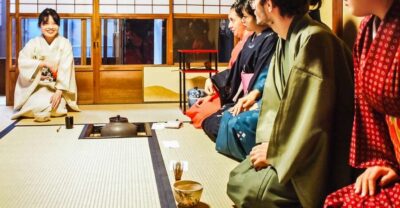
Then the master brings in the necessary tools and prepares the first tea for you. This part is worth paying attention to. Even if you have seen tea ceremony videos, the real pace is different. The movements are slower. The room goes quiet. The master’s process gives you a mental map for when it becomes your turn.
And yes, you get to ask questions before you leave. Many recent participants highlight that the explanations are clear and the hosts are patient, especially when translation is needed.
- PERFECT KYOTO 1-Day Bus Tour★ 5.0 · 13,518 reviews
- Kyoto: Fushimi Inari, Kinkakuji, Bamboo Grove 1 Day Bus Tour★ 4.8 · 4,316 reviews
- Kyoto: Tea Ceremony in a Traditional Tea House in Kiyomizu★ 4.9 · 3,519 reviews
- Kyoto Geisha Walking Tour: Gion District & Hidden Gems★ 4.7 · 3,273 reviews
- Kyoto: Tea Ceremony Ju-An at Jotokuji Temple★ 4.9 · 3,207 reviews
Making matcha: where you go from viewer to participant
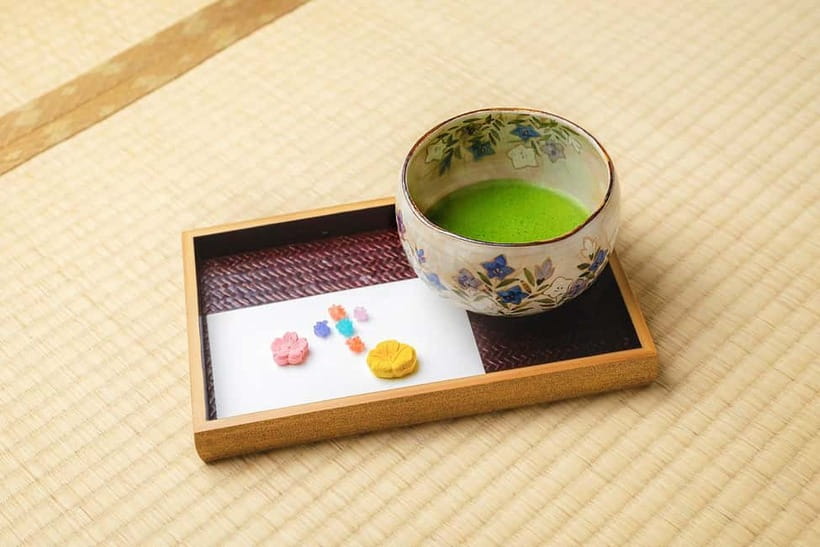
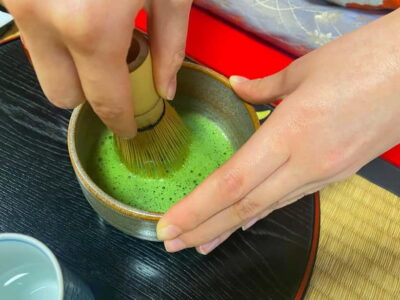
The moment I think is the true value here is the part where you prepare the tea yourself. After the first tea service, the master shifts from demonstration to coaching. You follow the steps, with supervision so you are not just guessing.
This is the difference between doing a tea ceremony as a pass-through experience and learning it as a skill. You learn how to perform the motions in the right order, not just that someone else knows them. People repeatedly mention that making tea surprised them in a good way, because it is more than mixing powder and water. It includes timing, the way you handle tools, and how you focus on the bowl and the tea.
Also, because you are guided while doing it, you can bring questions right into the lesson. Want to know why a step matters? Now is the moment. The experience is designed for you to leave with a better understanding, not just a photo and a warm drink.
Sweets and matcha: tasting with manners (and noticing details)
You will be served matcha tea along with traditional Japanese sweets. The sweets are not random sugar. In a tea ceremony setting, they help you shift palate and mood before the tea. Part of the etiquette instruction includes when and how to eat them.
So what should you actually notice while tasting?
- The tea’s character is often described as smooth and concentrated, especially when matcha is whisked well.
- The tea bowl is treated with respect, because it is part of the aesthetic of the ritual.
- Your drinking pace matters, because the ceremony expects calm attention.
I like that the experience explicitly guides you on how to drink and how to observe the tea bowl. That turns matcha from a drink you sip quickly into something you participate in.
If you are a matcha fan, this is also a confidence builder. You do not just consume, you learn the process well enough to understand what makes a cup taste the way it does.
Optional Machiya moment after tea: architecture, history, and photos
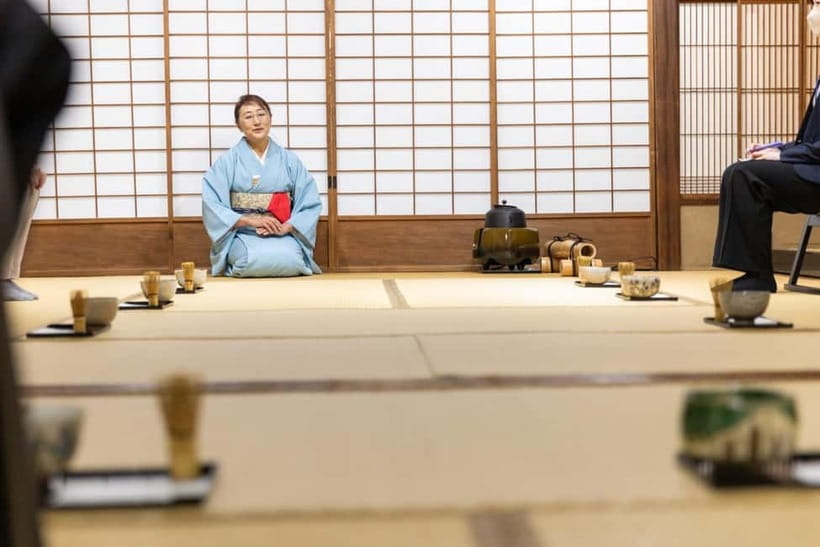
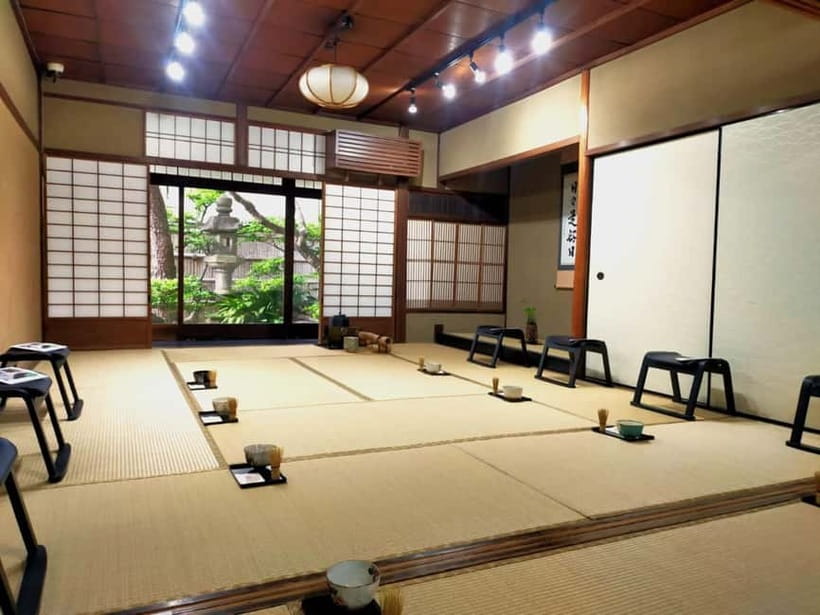
If you select the add-on, there is a 30-minute Machiya moment right after the tea ceremony. It includes a 20-minute townhouse tour plus about 10 minutes for selfie time. Importantly, it happens in the same beautiful place where the tea ceremony took place.
This is a useful add-on if you like to connect culture to physical space. A machiya townhouse is not just a backdrop. It has architectural features and practical functions tied to daily life in Kyoto. The tour is designed to deepen your understanding of how these homes worked and what they meant to the people living around that era.
You also get extra historical context about the Kyoto Gosho area. Near the venue is the former residence of Nijō Yoshimoto (1,320 to 1,388), a high-ranking court noble from the Nanboku-chō period in the 14th century. He was a Daijō Daijin (Grand Minister of State) and one of the founding figures of Renga linked verse poetry culture. That kind of detail helps you see why tea gatherings and poetry recitals were part of the aristocratic world.
If you do not care about architecture or short guided context, the add-on may feel like extra time. But if you want a fuller sense of place, it adds real value without turning your day into a marathon.
Group setting realities: up to 20 people, flexible seating
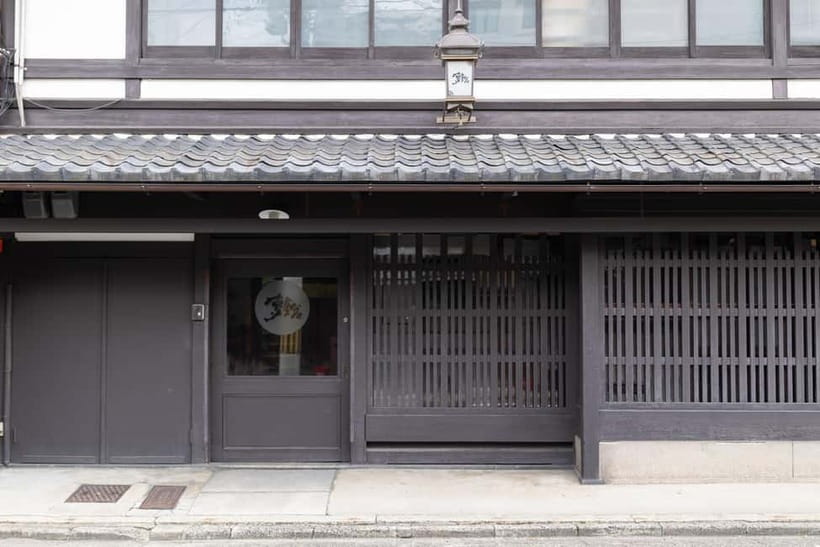
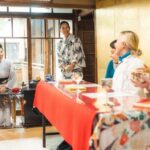
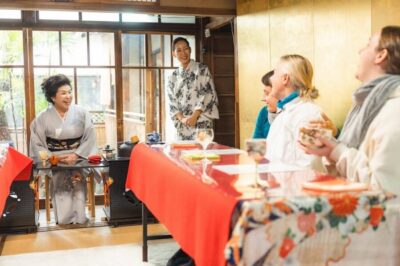
This tea ceremony is held as a group session and can accommodate up to 20 people. The room can vary depending on the number of people in your group. That means your exact seating setup may be different from one time slot to another.
Good news: you do not have to sit on the floor the entire time. The experience notes that those who prefer not to sit on the floor can sit comfortably on a small chair. Also, the guidance is designed to keep the session quiet, so it does not turn into a noisy class.
That quiet expectation is important. The rules ask for a quiet atmosphere and no disruptive behavior, and disruptive behavior can lead to being asked to leave. So if you are the type who needs constant entertainment, a tea ceremony might feel slow. If you are okay with calm, it will feel better than you expect.
Practical planning: socks, no flash, and how to not feel awkward
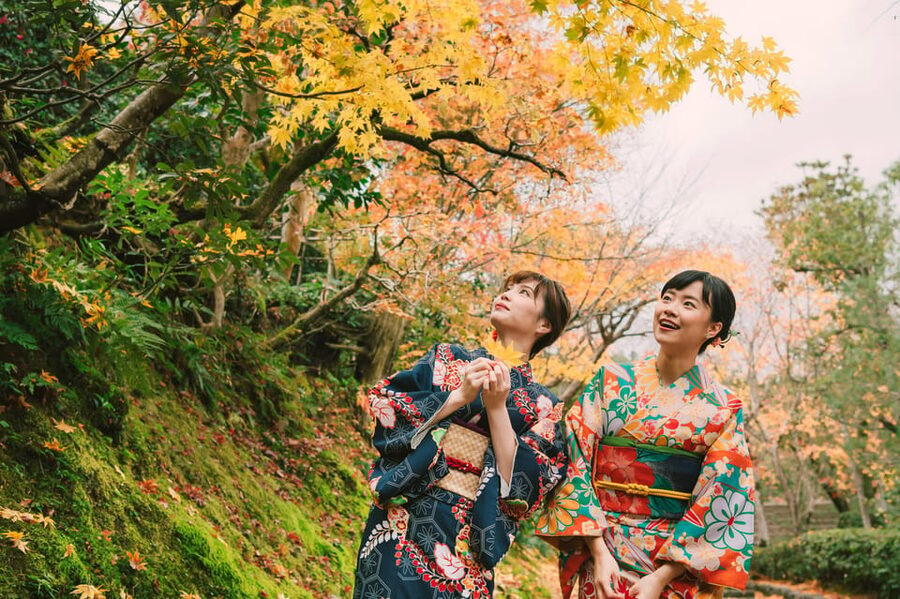
This is where you can make the experience smoother.
You will need:
- Socks
- No sandals or flip-flops
No flash photography indoors. No smoking indoors. No pets. No food and drinks. And you are asked not to make noise.
Those rules might sound strict, but they serve the point. Tea ceremony is quiet theater, but it is also a lesson. The atmosphere is part of the teaching.
Also, if you arrive late, you can still join the session, but the session time will not be extended. That is one reason I think it is smart to arrive a few minutes early, especially if you are also doing kimono pick-up.
If you have any mobility or comfort constraints, pay attention to the stated non-suitability list. This experience is not suitable for pregnant women, wheelchair users, visually impaired people, babies under 1 year, children under 10, and people over 6 ft 6 in (200 cm) or over 209 lbs (95 kg).
Price and value: why $31 can make sense in Kyoto
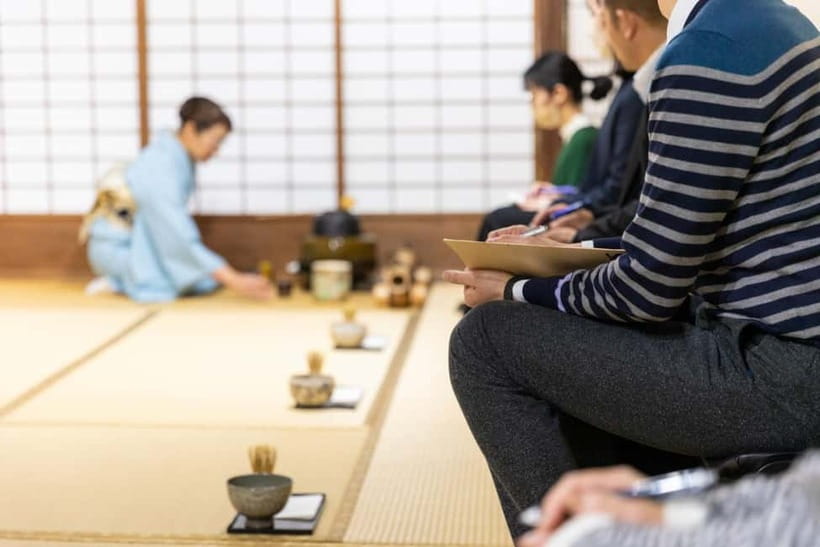
The listed price is $31 per person, with duration ranging from 50 minutes to 3 hours depending on options. On paper, tea ceremonies can sound like you are paying for a drink and a photo. Here, the value is stronger because you get:
- a structured explanation, including history and etiquette
- a live master-led demonstration
- a hands-on section where you prepare your own matcha
- matcha plus traditional sweets
- an English/Japanese interpreter support setup
- a leaflet explaining the tea ceremony
If you add the kimono option, the perceived value rises again. Kimono rental is not free in Kyoto, and the option includes efficient dressing help. For women, add-ons can include hair styling, makeup, and an upgrade to a formal Houmongi style.
So the question is not only whether $31 is cheap. It is whether you want an experience with real teaching time and participation. If you like guided cultural activities where you leave with something you can actually repeat at home, this price is pretty reasonable.
Who should book this Kyoto tea ceremony
This experience is a good match if you:
- want a Kyoto cultural activity that is quiet and meaningful
- like hands-on learning rather than watching only
- are curious about tea etiquette, not just matcha flavor
- want photos, but also want the ritual behind them
- are open to wearing a kimono, at least for the day window
It is less ideal if you:
- need a fully accessible setting for wheelchairs or have constraints that limit floor seating despite the chair option
- are traveling with very young children
- want a fast, casual stop with minimal rules
If you are planning Kyoto around food and temples, I think this is a smart change of pace. It is part of Japanese aesthetics and social etiquette, not just sightseeing.
Should you book? My honest take
I would book this if you want one of the most memorable, structured cultural experiences in Kyoto. The standout for me is the combination of a beautiful machiya setting and the fact that you make the tea yourself, not only watch it.
Book it especially if you can handle a quiet group setting and you are comfortable with the indoor rules, like wearing socks instead of sandals and avoiding flash. If you add the kimono option, it becomes a two-part experience: tea inside, and then a kimono stroll afterward until you return it by 5:30 PM.
If you prefer the simplest version, do the tea ceremony only. Meet on time at Oike Bettei, and you still get the core teaching and the matcha-making.
FAQ
FAQ
How long is the tea ceremony experience?
The duration is listed as 50 minutes to 3 hours, depending on the option you book.
Where do I meet for the kimono option?
You visit Gojo Shop at the starting time shown on your voucher to pick out your kimono.
Where do I meet if I book only the tea ceremony?
You visit Oike Bettei 5 to 10 minutes before the starting time on your voucher.
When does the tea ceremony start if I choose kimono rental?
The tea ceremony begins two hours after your selected starting time. For example, 11:00 AM selection means the ceremony starts at 1:00 PM.
What do I need to bring?
You need to bring socks.
Are sandals allowed?
No. Sandals or flip flops are not allowed.
Is there a seating option other than sitting on the floor?
Yes. If you prefer not to sit on the floor, you can sit on small chairs.
Can I take flash photos during the ceremony?
No. Flash photography is not allowed indoors.
Is it suitable for small children?
It is suitable for guests aged 10 and above, and it is not suitable for children under 10.
Kyoto by the Bowl
Newest Kyoto write-ups from the Loving Japan desk
Kyoto Tea Ceremonies and Matcha, side by side.
 ★ 4.9Tea Ceremony in a Traditional Tea House in KiyomizuFrom $493,519 reviews
 ★ 4.9Tea Ceremony Ju-An at Jotokuji TempleFrom $293,207 reviews
 ★ 4.345-Minute Tea Ceremony Lesson ExperienceFrom $222,378 reviews
 ★ 5.0World Heritage Kyoto & Nara Uji Authentic Matcha ExperienceFrom $1291,573 reviews
 ★ 4.9Tea Ceremony ExperienceFrom $251,426 reviews
 ★ 4.9Table-Style Tea Ceremony at a Kyo-MachiyaFrom $451,211 reviews
 ★ 4.8Kenrokuen Tea Ceremony ExperienceFrom $351,139 reviews
 ★ 5.0Kimono Tea Ceremony at Kyoto Maikoya, NISHIKIFrom $65911 reviews
Filed on these lists too