
REVIEW · FUSHIMI INARI AND THE TEMPLES OF KYOTO
Kyoto Tea Ceremony & Kiyomizu-dera Temple Walking Tour
Tea stops and temple views are a good combo.
This 3-hour Kyoto tour threads together Kiyomizu-dera Temple (a UNESCO World Heritage site) with the calming rhythm of a traditional Japanese tea ceremony, plus snack breaks and photo stops. I especially like how it saves you from map math while you wander Kyoto’s famous lanes, Kiyomizuzaka and nearby Sannenzaka, where the streets feel like they time-traveled into old Kyoto. One thing to plan for is that the walk includes slopes and you start at 9:00 am, so in hot, humid weather you’ll want water and a hat.
You also get the kind of small-group attention that makes the whole day feel less rushed. With a maximum group size of 6 travelers, it is easier to hear the guide and ask questions as you go, from Shinto and Buddhist basics to what the waterfall and temple rituals mean in practice. The tea ceremony and snacks are included, but allergy-free or special dietary handling is not guaranteed, so if you have strict needs, plan carefully.
In This Review
- Key points that make this tour a smart choice
- Where the day starts: Yasaka Shrine and Kiyomizu-zaka lanes
- The route that turns a temple visit into a story
- Kiyomizu-dera Temple: how to get the most from the views
- Otowa Waterfall and the three-stream luck ritual
- Tea ceremony and matcha: the pause Kyoto people live for
- Kiyomizuzaka, Yasakakoshindo, and the “colorful” temple stop
- Sannenzaka and Ninenzaka: the slope legend you can feel
- Price and value: $109.39 for a guided, included-experience day
- Timing, heat, and what to wear for Kyoto slopes
- Who should book this Kyoto tea ceremony and Kiyomizu-dera walk
- A quick guide to expectations inside the ceremony and temple pace
- Should you book it?
- FAQ
- How long is the Kyoto Tea Ceremony and Kiyomizu-dera Temple Walking Tour?
- What time does the tour start, and where do we meet?
- Where does the tour end?
- What is included in the tour price?
- Is this a large group tour?
- Does the tour visit Otowa Waterfall and Kiyomizu-dera?
- Are dietary restrictions or allergies accommodated?
- What should I bring for summer weather?
- Can I cancel for a full refund?
Key points that make this tour a smart choice
- UNESCO Kiyomizu-dera plus the best-known viewing stage area for Kyoto skyline and tree views
- Otowa Waterfall with its three-stream luck ritual, explained as part of local worship
- Tea ceremony experience including matcha and a calmer pause during a busy sightseeing day
- Small group (max 6), so you can actually keep up and ask questions
- Kiyomizuzaka and Sannenzaka slopes on the same walking day, with photo-friendly street time
- Entrance fee, snacks, and photos are included, so you spend less time figuring out logistics
Which temple to give the morning to, reviewed
- Kyoto: Fushimi Inari, Kinkakuji, Bamboo Grove 1 Day Bus Tour
★ 4.8 · 4,316 reviews - Kyoto/Osaka: Nara, Fushimi Inari Taisha, Arashiyama Bus Tour
★ 4.7 · 1,275 reviews - Kyoto: Nijo-jo Castle and Ninomaru Palace Guided Tour
★ 4.7 · 1,020 reviews - Osaka/Kyoto: Arashiyama, Nara & Fushimi Inari Shrine w/Lunch
★ 4.4 · 754 reviews
Where the day starts: Yasaka Shrine and Kiyomizu-zaka lanes
The tour meets at Yasaka Jinja Nishiromon Gate, also called the Western Tower Gate. It is in the Gion area, which is a great location to be near when you want to later wander for dinner, snacks, or a quick nighttime stroll.
From there, you ease into Kyoto by walking through Kiyomizuzaka, the famous slope-and-street area right up toward Kiyomizu-dera. This is where you get the “old Kyoto” feel, with traditional shops, classic street textures, and the sense that you’re moving through a living neighborhood rather than an empty museum set.
This is also a nice way to orient yourself. If you are doing Kyoto for the first time, you will quickly learn how streets and slopes connect here, and you’ll stop spending your energy comparing maps.
The route that turns a temple visit into a story
A major value of this tour is simple: a guide keeps the walking coherent. Instead of arriving at Kiyomizu-dera and feeling like you’re on your own, you learn what to pay attention to as you approach.
You’ll take pictures at photogenic spots along the way, then pass by key street sections near the temple. The route includes Kiyomizu-zaka and the nearby pilgrimage-style corridor where souvenir shops start to line the slope as you get closer.
One detail I like is that the tour doesn’t just point at sights. It helps you understand the purpose of the space, and that turns “I saw a temple” into “I get why this place matters.”
Kiyomizu-dera Temple: how to get the most from the views
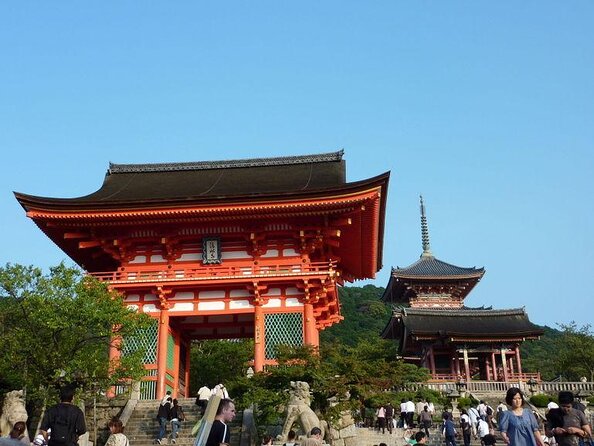
Kiyomizu-dera is one of Japan’s best-known temples, and for good reason. Even when you’ve seen photos before, the approach and the eventual stage area change the feeling. You are up on a wooden platform high above the ground, looking out over Kyoto.
The guide will bring you to the main viewing area at the temple grounds. From there, you can take in views of the city and the surrounding tree canopy, which can be especially striking during seasons when cherry blossoms or maples steal the show.
The biggest practical advantage is timing and focus. You spend less time wandering randomly and more time at the spots that give you the Kyoto postcard picture without feeling like you need to compete with your own itinerary.
Sit down somewhere quieter. Other tea rooms we booked
- Kyoto: Tea Ceremony Ju-An at Jotokuji Temple★ 4.9 · 3,207 reviews
- Kyoto: 45-Minute Tea Ceremony Lesson Experience★ 4.3 · 2,378 reviews
- Kyoto: Table-Style Tea Ceremony at a Kyo-Machiya★ 4.9 · 1,211 reviews
- Kimono Tea Ceremony at Kyoto Maikoya, NISHIKI★ 5.0 · 911 reviews
- Kyoto: Arashiyama Bamboo Forest, Monkeys, Matcha & Temple Tour★ 5.0 · 759 reviews
Otowa Waterfall and the three-stream luck ritual
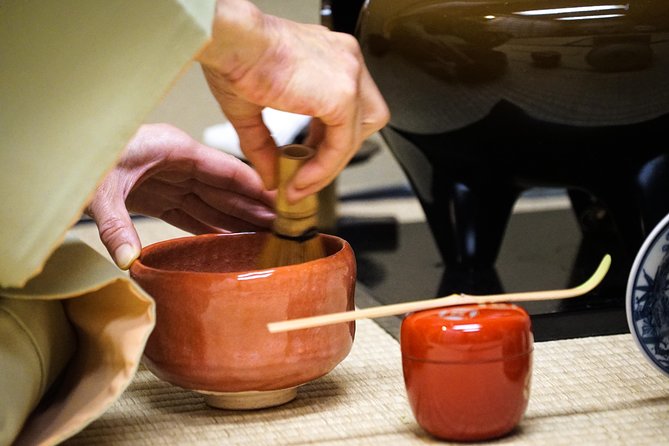
After you settle into the Kiyomizu-dera experience, the tour connects the temple to its famous water source. Otowa Waterfall sits at the heart of this area, and the tour includes time at the waterfall as part of how worship works here.
What makes it memorable is the “three streams” idea. You will learn that the water is divided into three separate flows, and each stream is associated with different benefits. You choose one using the cup attached to a long pole, then drink the water as part of the ritual.
Even if you are not a religious traveler, this is one of those moments that feels human and specific. People aren’t just posing by something pretty. They’re participating in a tradition that has been around for a very long time, and your guide helps you read what you’re seeing instead of guessing.
Tea ceremony and matcha: the pause Kyoto people live for
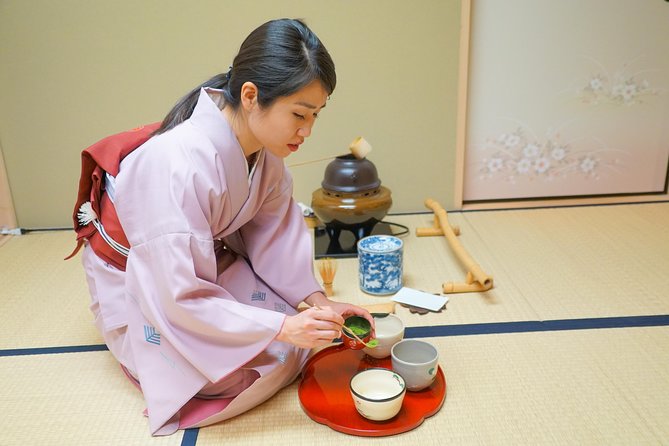
The tea ceremony is the calm centerpiece. This is where the pace flips from walking, looking, and taking photos to sitting, breathing, and paying attention.
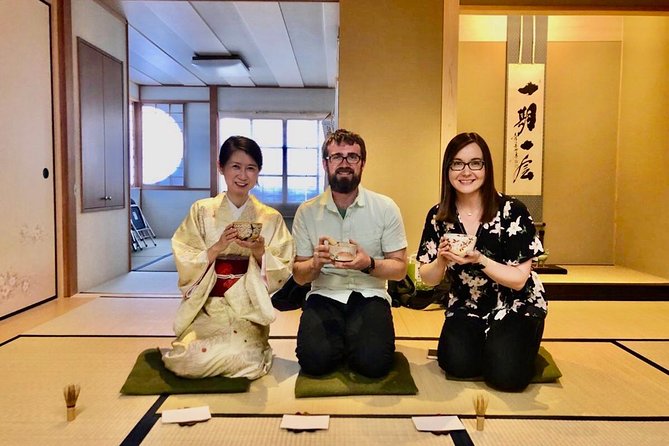
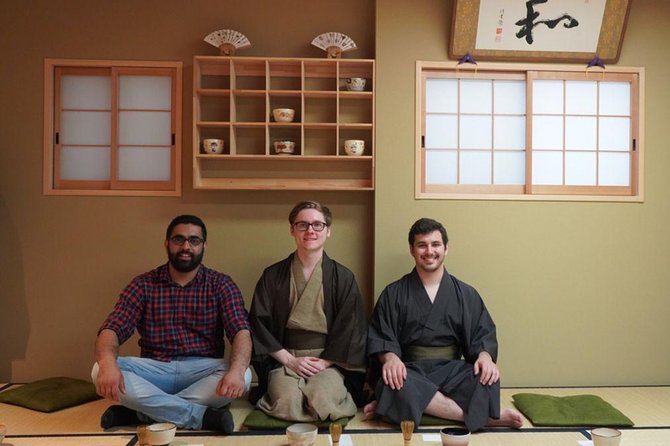
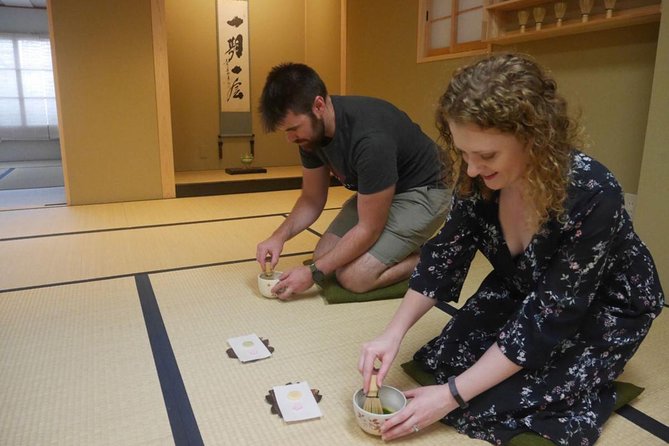
You get a formal tea ceremony experience, plus matcha (green tea). The tour also includes snacks, described as a few food samplings, which is a smart add-on because it keeps you from needing to hunt for a bite mid-walk.
If you’re wondering what you’ll actually do, expect guided instruction around tea presentation and the basic etiquette of the ceremony. The guide may connect it to broader cultural themes, and the format tends to make first-timers feel comfortable fast, even if you have zero background.
On past departures, the tea ceremony host has been described as entertaining and warm, which matters. A good host takes something that can sound stiff on paper and turns it into a relaxing, human experience.
Kiyomizuzaka, Yasakakoshindo, and the “colorful” temple stop
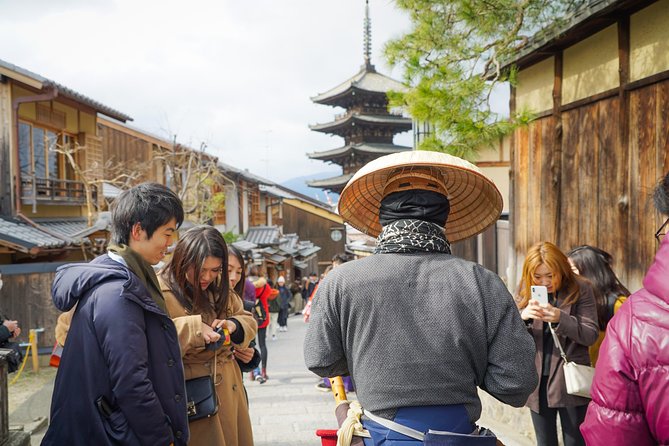
As you move along the Kiyomizuzaka area, you may also pass by Yasakakoshindo, described as one of the more colorful spots in Kyoto. The tour uses this as a street-level way to keep you interested while you’re still en route to the main temple.
This kind of stop is underrated. Kyoto is not only about big headline landmarks. It is also about the small shifts in atmosphere you feel block by block, shop by shop, and shrine by shrine.
So if you like your travel to have texture, you’ll appreciate this mid-walk energy boost. If you prefer only the absolute must-sees, you may still find it useful because it keeps the walk from turning into a straight line.
Sannenzaka and Ninenzaka: the slope legend you can feel
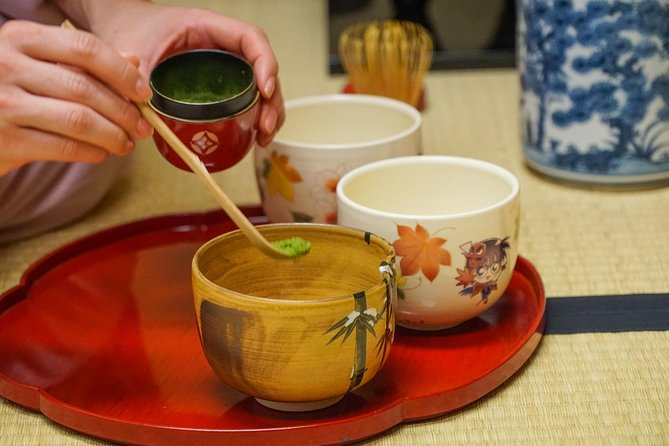
Near Kiyomizu-dera, you also pass by Sannenzaka and Ninenzaka. Sannenzaka is famous not just because it looks historic, but because it comes with legends attached to the slope itself.
One well-known legend explains that if you fall on Sannenzaka, you will supposedly die within three years, or your life span gets shortened by three years. The idea is tied to a burial ground history, and even if you take it with a grain of salt, it’s the kind of story that makes you pay attention to your footing.
Practically, these streets are lined with shops selling Kyoto souvenirs like pickles and yatsuhashi as you near the temple gate area. That means you’ll have chances to snack, browse, and take photos without turning it into a separate shopping mission.
Price and value: $109.39 for a guided, included-experience day
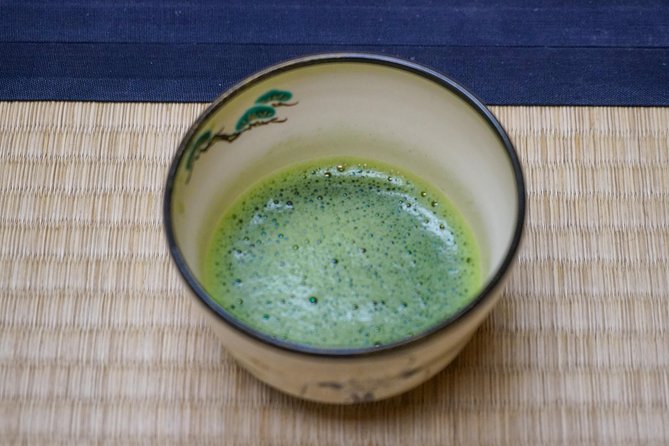
At $109.39 per person for about 3 hours, this tour sits in the “worth it if you hate logistical fuss” zone. You are paying for guidance, included entries, and a structured walk where most time is spent on high-value spots.
Here’s what you’re getting with that price:
- Kiyomizu-dera Temple entrance fee
- Tea ceremony experience, including matcha
- Snacks and a few food samplings
- Photos during the tour
- 3 hours with a Kyoto local guide
- Mobile ticket access
So you are not just booking a “walk and good luck” situation. You’re paying for someone to manage the route, keep you informed, and bring you to places that are hard to maximize without local help.
Small group size also supports the value. With a maximum of 6 travelers, you’re less likely to get lost in the pack or miss key explanations.
One drawback consideration: this is only 3 hours. It is an efficient highlights format, but if you want long, slow time inside the temple buildings, you might want to add extra time before or after on your own.
Timing, heat, and what to wear for Kyoto slopes
You start at 9:00 am. That is a helpful time because Kyoto can get very hot and humid later, and you have a lot of walking on slopes and stairs.
The tour specifically recommends bringing water and wearing a hat in summer. I agree with that advice. Even if you think you’re fine, Kyoto weather can steal your energy fast once you’re moving uphill.
Wear shoes that handle uneven pavement and stone steps. You’ll be on the kind of streets where a misstep is easy, especially on the pilgrimage-style slopes near Kiyomizu-dera.
Also note the tour includes tea and snacks. If you have a strong aversion to sitting for a while, you should still know the tea ceremony is a key part of the value, not an optional add-on.
Who should book this Kyoto tea ceremony and Kiyomizu-dera walk
This tour fits best if you want:
- A first-day Kyoto experience that orients you fast
- A guide to explain what you are seeing at Kiyomizu-dera and at Otowa Waterfall
- A break from constant sightseeing, with a seated cultural experience
- A small group format (max 6) so you can hear and ask questions
- A practical way to hit Kiyomizuzaka and Sannenzaka without juggling routes
If you are traveling with kids, check the age limit: children under 6 years old are not allowed on this tour. If you have allergies or strict dietary needs, the tour notes that it cannot guarantee allergy-free food, because the food is prepared in kitchens that do not belong to the tour operator, and substitutions may not always be possible.
A quick guide to expectations inside the ceremony and temple pace
One of the smartest things you can do for this tour is show up ready to switch modes. You’ll be moving along streets, then you’ll pause for tea, then you’ll be back to walking again toward nearby lanes.
The guide experience matters here. On past tours, the guide has been described as friendly, fun, and able to connect temple and Shinto and Buddhist perspectives in a way that doesn’t feel like homework. Some guides also bring humor and light conversation, which can make the day feel easier.
You’ll also likely get useful photo guidance during the walk. That small detail can turn your camera roll from random shots into better framing of the temple and street scenes.
Should you book it?
Book this tour if you want a guided, small-group way to see Kiyomizu-dera without spending your mental energy on directions, and if you value the tea ceremony as more than a checkbox. The mix of UNESCO temple views, Otowa Waterfall ritual, and matcha time is exactly the kind of Kyoto blend that feels both iconic and calming.
Skip it only if you prefer totally independent temple time and you want to roam at your own slow pace for longer than 3 hours, or if you have strict dietary needs that you can’t compromise on. For most people, this is a solid value package because entrance fee, tea ceremony, matcha, snacks, and guide time are rolled together, and the walking route focuses on the places that make Kiyomizu-dera days work.
FAQ
How long is the Kyoto Tea Ceremony and Kiyomizu-dera Temple Walking Tour?
The tour lasts about 3 hours.
What time does the tour start, and where do we meet?
The tour meets at Yasaka Jinja Nishiromon Gate (Western Tower Gate) at 9:00 am.
Where does the tour end?
This activity ends back at the meeting point.
What is included in the tour price?
Included are the Kiyomizu-dera Temple entrance fee, a tea ceremony experience, snacks, photos during the tour, 3 hours with a Kyoto local guide, and matcha (green tea).
Is this a large group tour?
No. It is a small-group activity with a maximum of 6 travelers.
Does the tour visit Otowa Waterfall and Kiyomizu-dera?
Yes. You’ll visit Kiyomizu-dera and also go to Otowa Waterfall, where the three-stream luck ritual is part of the experience.
Are dietary restrictions or allergies accommodated?
The tour notes it cannot guarantee allergy-free or cater to dietary restrictions because food is prepared in kitchens not belonging to the operator. Substitutions may not always be possible.
What should I bring for summer weather?
Bring water and wear a hat, since summer in Japan can be very hot and humid.
Can I cancel for a full refund?
Yes, you can cancel up to 24 hours in advance for a full refund.
Kyoto by the Bowl
Which Kyoto Temple Gets Your Morning

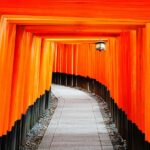
Newest Kyoto write-ups from the Loving Japan desk
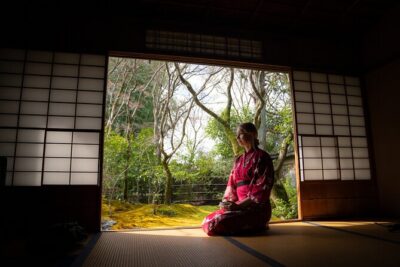
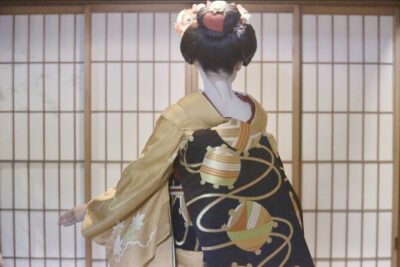
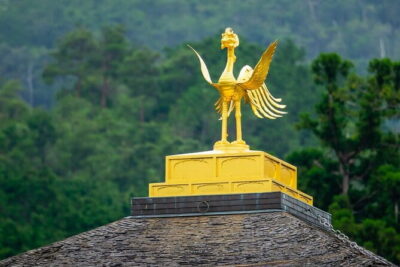

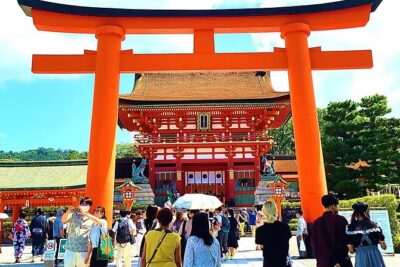
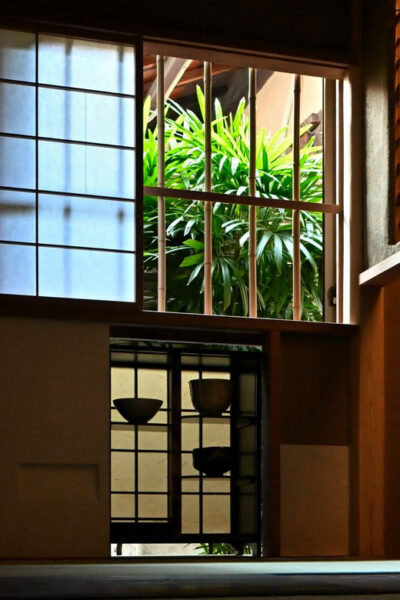
Fushimi Inari and the Temples of Kyoto, side by side.
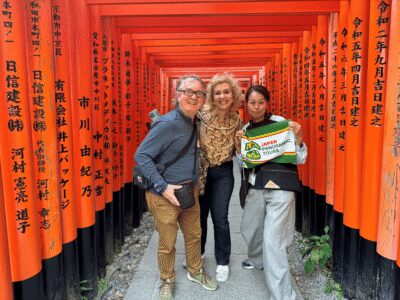 ★ 4.8Fushimi Inari, Kinkakuji, Bamboo Grove 1 Day Bus TourFrom $1224,316 reviews
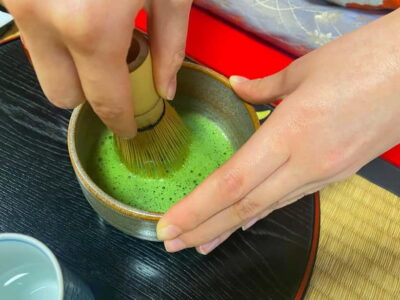 ★ 4.9Tea Ceremony in a Traditional Tea House in KiyomizuFrom $493,519 reviews
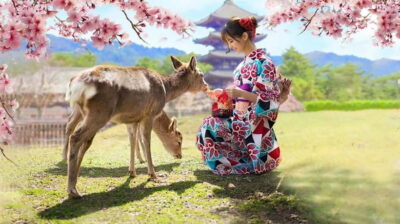 ★ 4.7Kyoto/Osaka: Nara, Fushimi Inari Taisha, Arashiyama Bus TourFrom $521,275 reviews
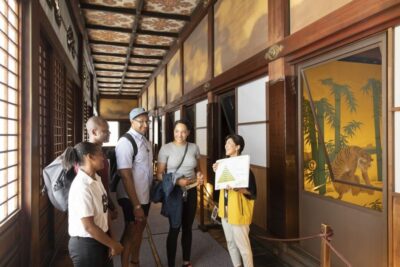 ★ 4.7Nijo-jo Castle and Ninomaru Palace Guided TourFrom $161,020 reviews
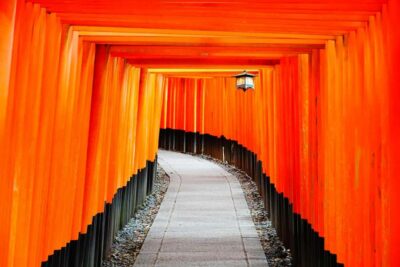 ★ 4.4Osaka/Kyoto: Arashiyama, Nara & Fushimi Inari Shrine w/LunchFrom $61754 reviews
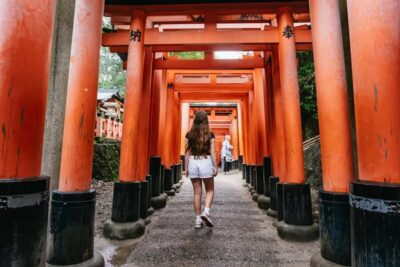 ★ 4.7Nijo Castle, Kiyomizu & Fushimi Inari Guided TourFrom $54700 reviews
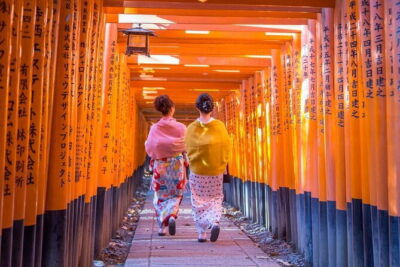 ★ 5.0Nijo, Kinkaku-ji, Arashiyama, Kiyomizu & Fushimi InariFrom $51699 reviews
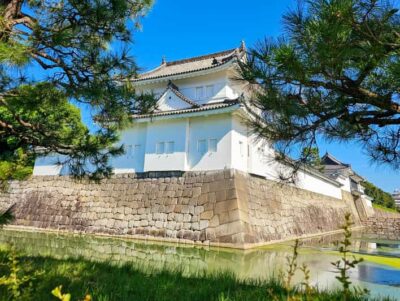 ★ 4.7Imperial Palace & Nijo Castle Guided Walking TourFrom $49453 reviews
Filed on these lists too