
REVIEW · JAPANESE GARDENS AND ZEN MEDITATION
Kyoto: Zen Meditation at a Private Temple with a Monk
Zen gets real when a monk guides you. This Kyoto session gives you rare temple access plus a calm, step by step Zen introduction that’s far more practical than most cultural tours. I also love the matcha tea and traditional snacks after the practice, because it turns a lesson into a full little moment of Kyoto life. One thing to consider: it is only about 1 hour 30 minutes, so if you want a long meditation retreat or lots of sightseeing, this is not that kind of experience.
The group stays small, capped at 9 travelers, which makes the monk’s guidance feel personal. You also start at Kodaiji Park and finish at Nene-no-michi, so plan your next stop nearby and don’t leave it to chance. If you show up ready to sit still and listen, you’ll get a lot out of it.
In This Review
- Key things I’d focus on before you go
- Zen Meditation at a Private Kyoto Temple: Why this feels different
- The monk’s teaching: what you’ll do in the 90 minutes
- 1) Meeting near Kodaiji Park
- 2) A monk-led introduction to Zen meditation
- 3) Trying meditation in the serene temple setting
- The private temple setting, and why it matters for beginners
- Matcha tea and traditional snacks: the Kyoto pause that ties it together
- Itinerary in plain language: start, practice, and where you end up
- Start: Kodaiji Park
- Transition to the hidden temple
- Finish: Nene-no-michi
- Group size and pacing: what small means for you
- Price and value: is $98.83 worth it?
- Who should book this Zen meditation session?
- Practical tips so you get the most out of it
- Should you book this Zen meditation at a private Kyoto temple?
- FAQ
- How long is the Zen meditation experience?
- What is the price per person?
- How many people are in the group?
- Where do we meet?
- Where does the tour end?
- Is a mobile ticket provided?
- Is matcha tea included?
- Is this suitable for most travelers?
- What is the cancellation policy?
- What will I be guided to do during the meditation?
Key things I’d focus on before you go
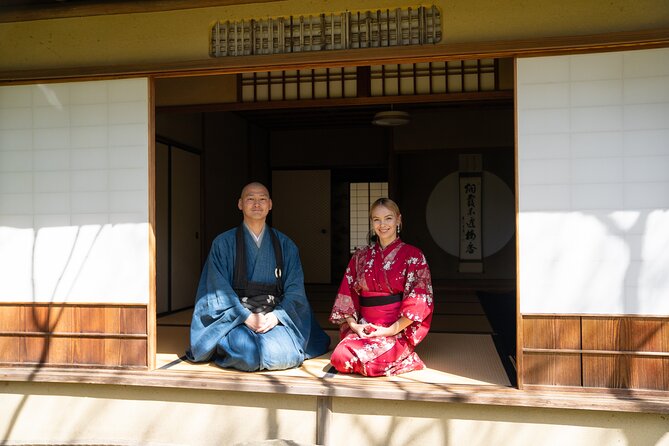
- Private temple access in Kyoto that’s typically closed to the public
- Monk-led Zen guidance with clear tips for how to sit and practice
- A small group size (max 9) for questions and a calmer pace
- Matcha tea and traditional snacks that follow the meditation
- A smooth start and finish in Higashiyama (Kodaiji Park to Nene-no-michi)
Slower gardens, if the schedule allows
- Kyoto Arashiyama Walking Tour: Bamboo, Monkeys, Gardens & Secrets
★ 5.0 · 1,216 reviews - Kyoto Zen Meditation & Garden Tour at a Zen Temple with Lunch
★ 5.0 · 441 reviews - Kyoto: Zen Experience in a Hidden Temple
★ 5.0 · 437 reviews - Kyoto Arashiyama Bamboo forest & Garden Half-Day Walking Tour
★ 5.0 · 413 reviews
Zen Meditation at a Private Kyoto Temple: Why this feels different
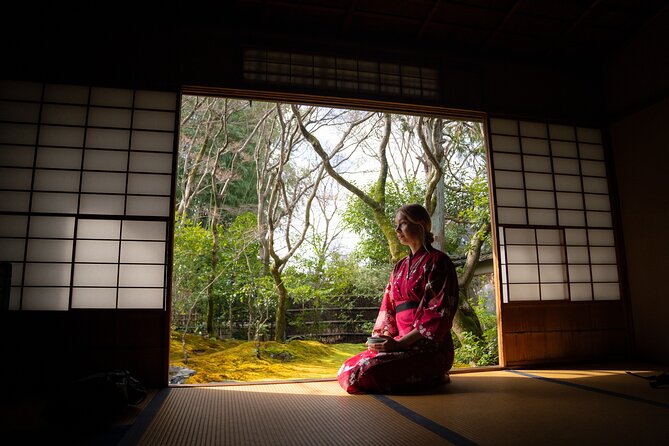
Most Zen experiences you see in Kyoto are either showy, crowded, or both. This one is built around a small group and a real monk teaching in a private temple setting that’s typically not open to the public. That access changes the vibe. It’s quieter. Less performative. More like you are stepping into someone else’s day.
The teaching side matters too. The session is not just sit and hope. You get a core explanation of Zen meditation, plus practical direction you can actually use immediately. In the feedback, people specifically mention posture, like learning how to sit upright correctly. That is exactly the kind of detail that makes meditation feel doable instead of mysterious.
Yes, it’s a cultural experience, but it’s also a skill. You’re learning how to practice. Then you try it in the same calm space where the instruction happens.
The monk’s teaching: what you’ll do in the 90 minutes
The total experience runs about 1 hour 30 minutes. Within that short window, you get a clear flow: introduction, guided meditation, then time to practice in place. It’s designed so you don’t have to already know Zen terminology to participate.
Here’s what you can expect during the session.
1) Meeting near Kodaiji Park
You meet at Kodaiji Park, 463-28 Shimokawarachō, Higashiyama Ward, Kyoto, 605-0825. Starting from a well-known landmark is helpful in Kyoto. It’s also in the Higashiyama area, where you’ll find a lot of old-styled streets and temple neighborhoods.
From there, you head to the hidden temple close by. The experience is set up so you’re not trying to solve Kyoto’s maze before you even sit down.
- PERFECT KYOTO 1-Day Bus Tour★ 5.0 · 13,518 reviews
- Kyoto: Fushimi Inari, Kinkakuji, Bamboo Grove 1 Day Bus Tour★ 4.8 · 4,316 reviews
- Kyoto: Tea Ceremony in a Traditional Tea House in Kiyomizu★ 4.9 · 3,519 reviews
- Kyoto Geisha Walking Tour: Gion District & Hidden Gems★ 4.7 · 3,273 reviews
- Kyoto: Tea Ceremony Ju-An at Jotokuji Temple★ 4.9 · 3,207 reviews
2) A monk-led introduction to Zen meditation
Once you’re at the temple, the monk gives the lesson portion. This is where the experience feels more thoughtful than a basic demo. You’ll hear core principles of Zen meditation in an approachable way, plus guidance that helps you understand what the practice is for, not just what to do with your legs.
Several details show up in the feedback:
- People appreciated the translation and how clearly the points were explained.
- Many highlighted the ceremony feel, and that it felt beautiful, not rushed.
- A number of people said the posture coaching was surprisingly useful, like learning how to sit upright correctly.
Even if you’ve tried meditation before, you might find yourself tweaking basics. That’s a win. Meditation often fails because of small, fixable issues.
3) Trying meditation in the serene temple setting
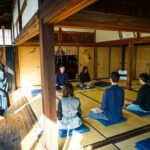
After the intro, you get the chance to do the meditation yourself in that same quiet, atmospheric environment. This is the moment where you stop thinking about technique and start experiencing the rhythm the monk is teaching.
Because it’s a small group, you don’t feel swallowed by the crowd. You’re part of a shared practice session, not a spectator audience.
The private temple setting, and why it matters for beginners
A temple that’s typically closed to the public changes what you bring into the experience. You’re less likely to treat it like a photo stop, and more likely to treat it like a place you need to behave respectfully.
That matters if you’re new to Zen meditation. Newcomers often overthink it, or they worry they’re doing it wrong. When the setting is calm and the teaching is specific, your brain relaxes just enough to practice. That is where the instruction lands.
Also, temple environments can be the best teachers. Quiet makes it easier to notice your mind wandering. It also makes it easier to feel what a centered posture is supposed to feel like, because you can sense the difference between effort and ease.
Matcha tea and traditional snacks: the Kyoto pause that ties it together
After the meditation, you’ll enjoy matcha tea and traditional snacks. This is more than a perk. In practice, food and drink often help your body come back to normal without snapping back too fast.
I like that the experience gives you that gentle landing. You finish the session, you slow down, and you can think about what you learned while you’re still in that quiet mood. For a lot of people, that is when the lesson becomes memorable, because you’re not mentally sprinting to the next attraction.
One practical tip: treat the snacks like part of the experience, not a grab-and-go. Sip the matcha, eat slowly, and let your brain catch up.
Itinerary in plain language: start, practice, and where you end up
This tour is built around two key map points, so you can plan your day.
Start: Kodaiji Park
You start at Kodaiji Park. If you’re arriving by train and you’re deciding how much time to leave, give yourself buffer time to reach the meeting spot. Kyoto timing can be unpredictable when streets are crowded.
Transition to the hidden temple
The temple is described as hidden and close from Kodaiji Park. That means you’re not getting dragged across the city. You’re staying in the neighborhood so the day feels connected.
Finish: Nene-no-michi
The experience ends at Nene-no-michi in Shimokawarachō. Put that into your itinerary when you plan your next move. If you’re headed to another sight, pick something in the area so you’re not rushing across town immediately after your meditation.
Group size and pacing: what small means for you
The maximum group size is 9 travelers. That number might not sound life-changing, but in a meditation setting it matters. Smaller groups tend to reduce distractions. It also makes it easier for the monk to see if you’re struggling, like with posture or attention.
The feedback also points to guidance quality, including translation. With a small group, translation tends to feel more like conversation and less like a lecture you have to decode.
If you’re the type who worries about disrupting others, you’ll probably appreciate this pacing.
Price and value: is $98.83 worth it?
At $98.83 per person for about 1 hour 30 minutes, the price is not bargain-basement. You’re paying for three main things:
1) Rare access to a private temple that’s typically closed
2) A monk-led, small-group teaching session
3) Included matcha tea and traditional snacks
So the value question becomes simple: do you want guided, respectful access with real instruction? If yes, this is a fair deal, especially because meditation teaching is not something most visitors get done well in a public setting.
If you’re only looking for a quick, atmospheric temple photo, you can find free temple experiences in Kyoto. But you won’t get the same practical, beginner-friendly guidance in those settings.
Who should book this Zen meditation session?
This tour fits best if you want one focused cultural experience instead of a packed day.
You’ll likely enjoy it if you:
- Are new to meditation and want posture and technique tips
- Prefer smaller groups and a quieter pace
- Like experiences where learning is part of the activity, not an afterthought
- Want a temple visit that feels more intentional than a standard public entry
It might not be the best fit if you:
- Want a long meditation session or a full retreat style schedule
- Are hoping for lots of major sight stops in one go
- Need to keep moving constantly to stay comfortable
Practical tips so you get the most out of it
You don’t need special gear. But you do need to show up ready to participate.
- Wear comfortable clothing you can sit in for the practice portion. If you’re not sure, choose something loose and easy.
- Arrive on time for the Kodaiji Park meeting point. This experience is short, so late arrivals shrink your actual practice time.
- Mentally switch to beginner mode. Even if you’ve meditated before, the guidance includes specific posture cues like sitting upright correctly.
- Keep your questions simple. In small groups, your best questions are the ones that connect directly to practice.
And yes, bring a calm attitude. Kyoto temples do not need perfection. They need respect.
Should you book this Zen meditation at a private Kyoto temple?
I think it’s a strong choice if you want a genuine, structured Zen experience in a calm, private setting. The biggest selling points are the monk-led instruction, the small group size, and that included tea and snacks that help you land after practice.
Book it if you want something memorable that isn’t just sightseeing. Skip it if you want a longer retreat, or if you’re looking for a busy temple crawl.
If you’re on the fence, here’s my tiebreaker: choose this when you value quality instruction and quiet atmosphere more than ticking off more stops.
FAQ
How long is the Zen meditation experience?
The session runs for about 1 hour 30 minutes.
What is the price per person?
It costs $98.83 per person.
How many people are in the group?
The tour has a maximum of 9 travelers.
Where do we meet?
You meet at Kodaiji Park, 463-28 Shimokawarachō, Higashiyama Ward, Kyoto, 605-0825, Japan.
Where does the tour end?
The tour ends in the Nene-no-michi area, Shimokawarachō, Higashiyama Ward, Kyoto, Japan.
Is a mobile ticket provided?
Yes, the tour uses a mobile ticket.
Is matcha tea included?
Yes. The experience includes matcha tea and traditional snacks.
Is this suitable for most travelers?
The experience notes that most travelers can participate.
What is the cancellation policy?
Free cancellation is offered up to 24 hours before the experience start time for a full refund.
What will I be guided to do during the meditation?
You’ll receive a monk-led introduction to the core principles of Zen meditation, then you’ll have the chance to try meditating in the temple setting, with guidance on proper meditation practice such as how to sit upright correctly.
Gardens Worth Slowing For
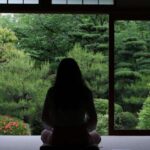
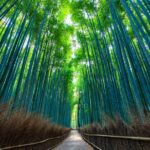
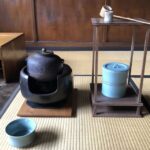
Newest Kyoto write-ups from the Loving Japan desk
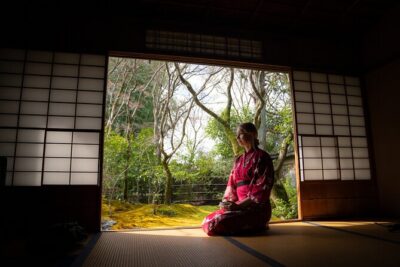

Japanese Gardens and Zen Meditation, side by side.
 ★ 4.5teamLab Botanical Garden Entry TicketFrom $111,710 reviews
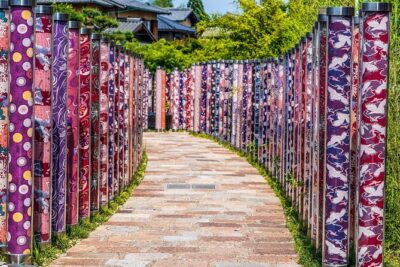 ★ 5.0Kyoto Arashiyama Walking Tour: Bamboo, Monkeys, Gardens & SecretsFrom $651,216 reviews
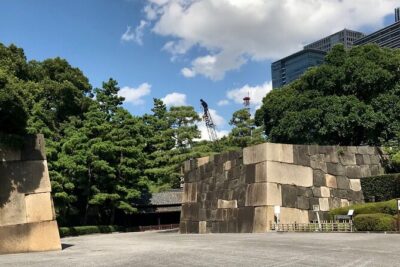 ★ 5.0Imperial Palace East Garden and Edo Castle Walking Tour in TokyoFrom $25510 reviews
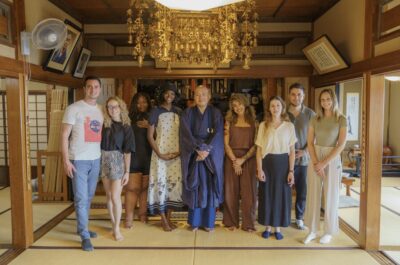 ★ 5.0Zen Meditation at a Private Temple with a MonkFrom $55510 reviews
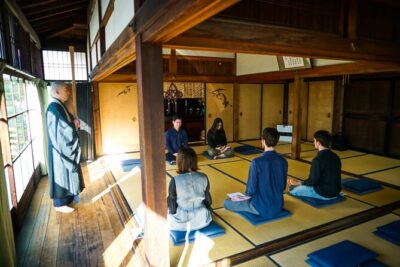 ★ 5.0Kyoto Zen Meditation & Garden Tour at a Zen Temple with LunchFrom $110441 reviews
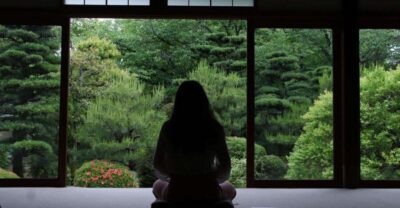 ★ 5.0Zen Experience in a Hidden TempleFrom $109437 reviews
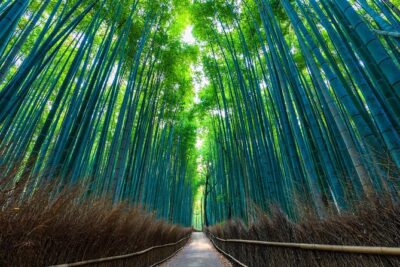 ★ 5.0Kyoto Arashiyama Bamboo forest & Garden Half-Day Walking TourFrom $129413 reviews
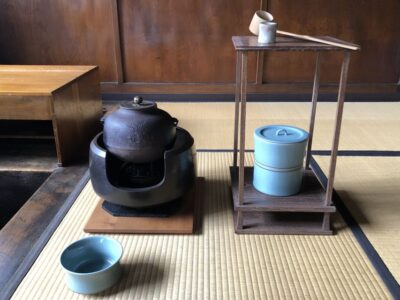 ★ 4.8Tea Ceremony Meditation – Make Matcha with Tea MasterFrom $45406 reviews
Filed on these lists too