
REVIEW · KYOTO TEA CEREMONIES AND MATCHA
Learn Zen in a class of making Matcha tea near Osaka Castle
Tea ceremony classes in Japan can feel fancy and untouchable, until you step inside. This one turns you into the guest of a samurai-style matcha ritual, with kimono dressing, etiquette practice, and wagashi tied to the seasons. I like how it feels structured, not staged.
I also love the way the experience explains the meaning behind what you do. Through wagashi, you connect food beauty to ideas like wabi and sabi and the four seasons, plus you learn the small manners that make the whole ceremony work.
One thing to consider: it is a short, 1-hour session with a tight focus, so if you want a long, hands-on cooking class, this won’t be it. Also, it is not suitable for kids under 10.
In This Review
- Key things to know before you go
- A 1-hour matcha class with Samurai Honor energy
- Enter through the nijiriguchi, then dress like a samurai guest
- Matcha preparation and etiquette, taught as a shared dance
- Wagashi teaches wabi and sabi through the seasons
- Kimono hair, wagami, and photo shooting that keeps you present
- Price, value, and what makes this one worth it
- Getting there in Osaka: meeting point and timing you must respect
- Who should book (and who should skip) this matcha class
- Should you book this matcha and Zen class near Osaka Castle?
- FAQ
- How long is the matcha tea ceremony class?
- What is the group size?
- Where does the class take place?
- What languages are available?
- What is included in the price?
- What should I bring with me?
- What is not included?
- When should I arrive?
- Are there any rules about what is allowed?
- Who is this experience not suitable for?
Key things to know before you go
- Small group (up to 6): You get time and attention, not just a quick photo stop.
- Samurai Honor atmosphere: When you pass through the nijiriguchi entrance, the room is treated like everyone is equal.
- Wagashi is part of the lesson: The sweets are used to teach Japanese aesthetics and seasonal thinking.
- Etiquette training, not just watching: You learn how to sit, bow, stand, and handle the flow of the ceremony.
- Photo shooting is included: You get digital photo data sent to your email after the class.
- English interpreter support: The default guide language is English, with other languages possible by inquiry.
Sit down somewhere quieter. Other tea rooms we booked
- Osaka: Tea Ceremony Experience
★ 4.9 · 1,426 reviews - Tea Ceremony Experience in Osaka Doutonbori
★ 5.0 · 754 reviews - Matcha Making Class in Osaka with Authentic Japanese Sweets Set
★ 5.0 · 509 reviews - Osaka: Matcha Making Experience with Japanese Sweets
★ 5.0 · 146 reviews
A 1-hour matcha class with Samurai Honor energy
This is a compact matcha tea ceremony class near Osaka Castle, run at Bushi no Homare (Samurai Honor). The whole experience is 1 hour, which makes it a good fit if you want something cultural that does not eat your entire afternoon.
What you get for the $40 price is more than “stand there and sip.” You change into traditional clothing, you learn tea ceremony etiquette, you make matcha, and you enjoy wagashi (traditional Japanese sweets) alongside the ritual. Photo shooting is also included, and the digital photos are sent to a designated email address.
The setting matters here. The ceremony room is designed around a specific teaching idea, the way the master entertains and the guests respond, creating one shared atmosphere. That approach helps you feel like you are participating, not just consuming an attraction.
Enter through the nijiriguchi, then dress like a samurai guest
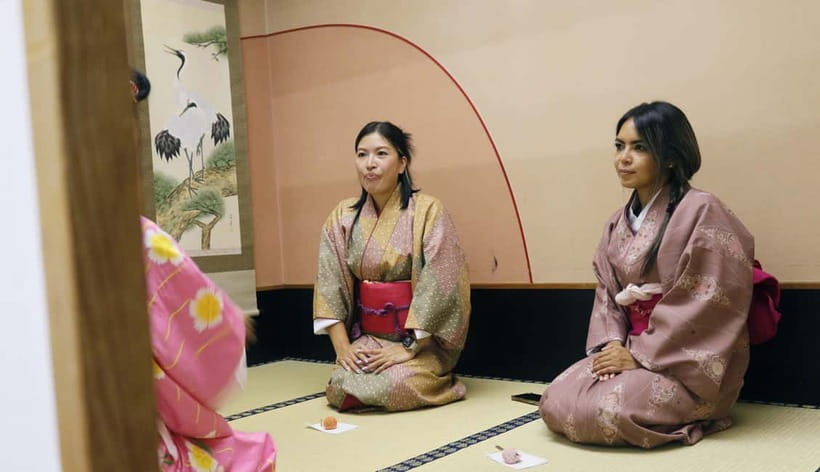
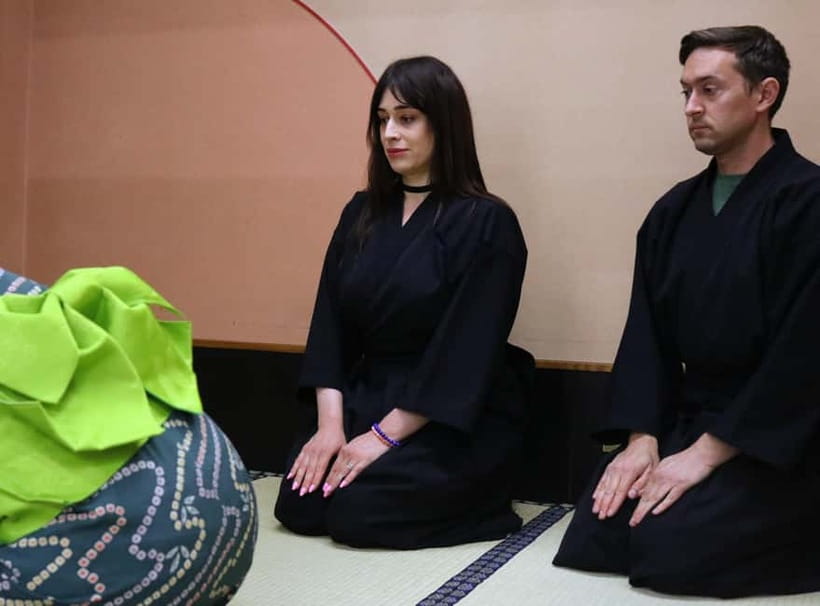
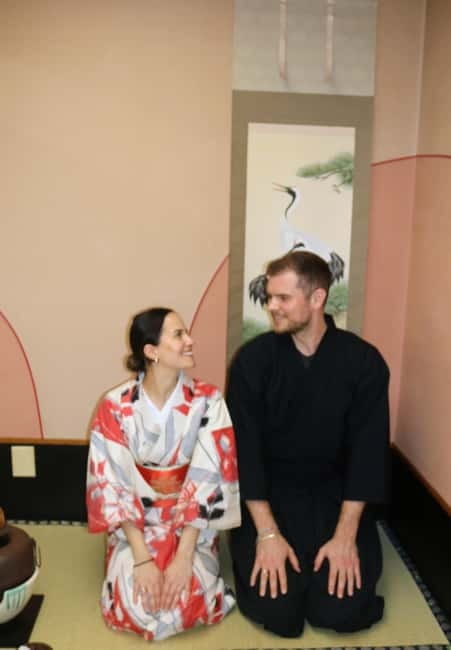
Before the tea ceremony starts, you change clothes. Men wear hakama and dogi, and you are guided to become a samurai for the class. Women are dressed in kimono as a Yamato Nadeshiko.
This costume part is not just for looks. It sets your body into the posture, pace, and respect the ceremony requires. You also get an instant sense of occasion, which makes the etiquette lessons easier to remember because you are doing them in context.
Then comes one of the most meaningful moments in tea culture: you pass through the nijiriguchi, the entrance to the tea room. Once you enter, the class treats everyone equally, regardless of nationality, age, gender, or status. That is a big deal if you travel with a group and usually feel like you are “performing” for tourism cameras. Here, you are asked to slow down and behave like a guest in a shared space.
You are also guided by the hostess and the tea master, who serve and demonstrate the matcha. You learn how to sit, bow, stand, and walk in the style that tea ceremony etiquette expects.
Matcha preparation and etiquette, taught as a shared dance
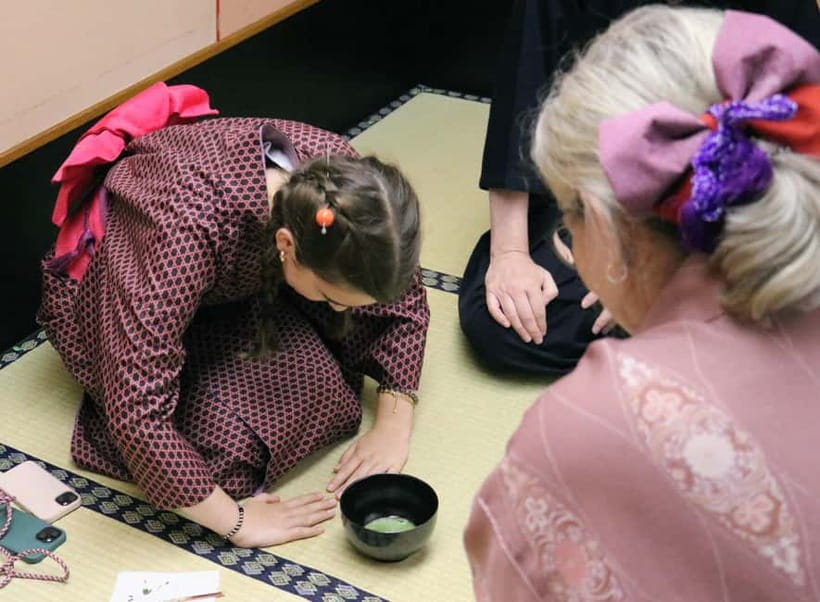
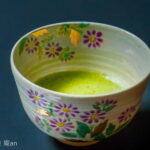
The ceremony is built around manners and flow. The master of the tea ceremony serves matcha to the guests, but the real point is how you react and respond. The class frames hospitality as two-way, meaning you are part of the atmosphere, not just the person being entertained.
In practice, you will learn the basic etiquette steps the class is known for: how to serve and receive tea, and the physical gestures that go with it. Even if you only remember a few of those details after you leave, you still come away with something useful. You learn how to slow down, use your hands with intention, and follow a sequence without rushing.
You can expect a step-by-step approach. In a recent review, Kaori explained things in a way that made the historical and cultural context easier to understand, and also walked through the preparation process step by step. Reviews like that line up with what this format aims to do: make you confident enough to participate.
The rest of central Osaka, ticket by ticket
- Osaka Castle: Museum and Tower Entry Ticket★ 4.5 · 2,380 reviews
- Osaka: Umeda Sky Building Official E-Ticket★ 4.6 · 1,131 reviews
- Osaka Castle Walking Tour and Castle Tower Admission★ 5.0 · 561 reviews
- 5-Hour Osaka Bike Tour to the Neighborhood of Osaka Castle★ 5.0 · 319 reviews
- Osaka Castle Guided Tour★ 4.7 · 249 reviews
Wagashi teaches wabi and sabi through the seasons
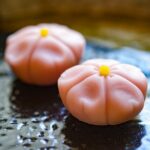
If you love food presentation, this part is a highlight. You do not just eat wagashi as a sweet add-on. The class uses wagashi to teach Japanese aesthetics, including wabi and sabi themes and the four seasons.
Wagashi is described as developed alongside the tea ceremony, with a special focus on seasonal beauty. The sweets are often colorful, handcrafted, and meant to look like they belong to a specific moment in the year. The lesson emphasizes the idea that you appreciate seasons as part of daily life, not as a background detail.
You will likely hear how wagashi reflects a Japanese spirit of seasons, and how the sweets connect to the tea ceremony’s way of seeing beauty. It’s also a practical bridge to Japanese food culture. When you understand the sweets in their seasonal frame, you start noticing that food design is not random here. It is storytelling, with seasons as the main character.
And yes, the experience leans into the “too beautiful to eat” feeling, because the visuals are part of the etiquette. When you treat the wagashi with the right kind of attention, it changes how the tea ceremony lands.
Kimono hair, wagami, and photo shooting that keeps you present
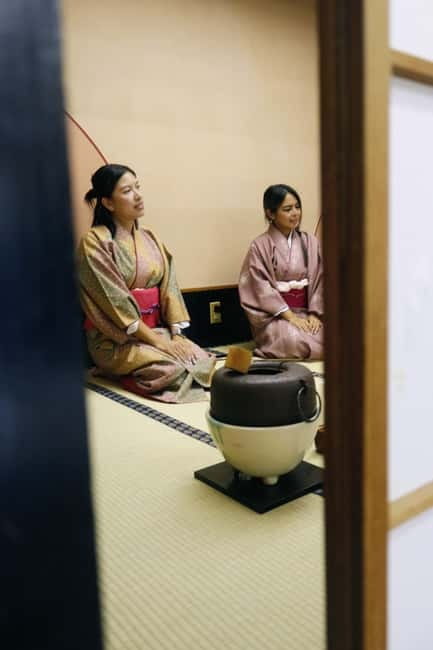
The kimono is included, and that is a major reason this class rates so highly. You get help with the look, including traditional hairstyle styling to complement your kimono. One review mentioned that the person’s kimono colors could be chosen, and that hair could be styled up and decorated with flowers without an extra charge.
That said, not every hair detail is included. Wagami (collected hair plus kanzashi) is listed as not included, and additional options like outdoor photo shoots are also not included. If you want specific extras, you will need to treat it like an add-on decision rather than a default.
Photo shooting is included as part of the experience. The digital photos get sent to your email address. In one recent booking, the photos were emailed the same day, which is a nice bonus if you want memories quickly.
If you are trying to decide whether to book mainly for photos, here is my practical take: the best part of the photo experience is that someone else handles it. You can focus on gestures and etiquette while the photographer captures the moments that match what you are learning. That keeps the ceremony from turning into a self-directed picture sprint.
Price, value, and what makes this one worth it
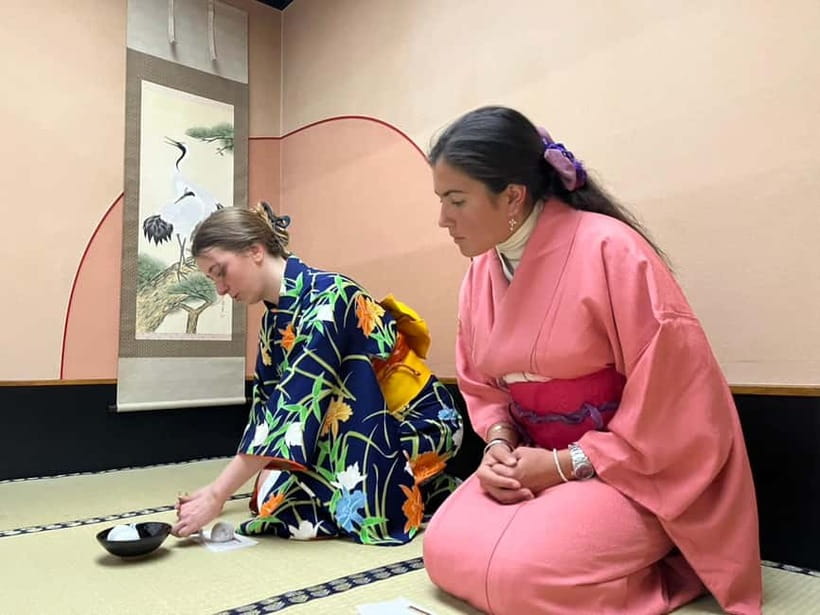
At $40 per person for a 1-hour class, this is positioned as a value option compared with experiences that charge extra for English support, cultural instruction, and photos.
Here is what the price covers, based on the included list:
- kimono clothing
- matcha and wagashi
- an English interpreter guide staff
- a certified professional instructor
- tax and tips
- photo shooting, with digital data sent by email
What you are not paying for in that $40:
- pickup and drop-off at your hotel or station
- transportation
- wagami (hair accessories)
- outdoor photo shoots and movie shooting options (paid)
- anything personal you decide to add on
The “tax and tips included” detail matters because it removes a common travel friction point. You get fewer surprise charges, which is especially helpful when you are booking from abroad and want a straightforward plan.
Also, the small group size helps justify the value. Limited to 6 participants, you are more likely to get hands-on guidance than in larger public demonstrations.
Getting there in Osaka: meeting point and timing you must respect
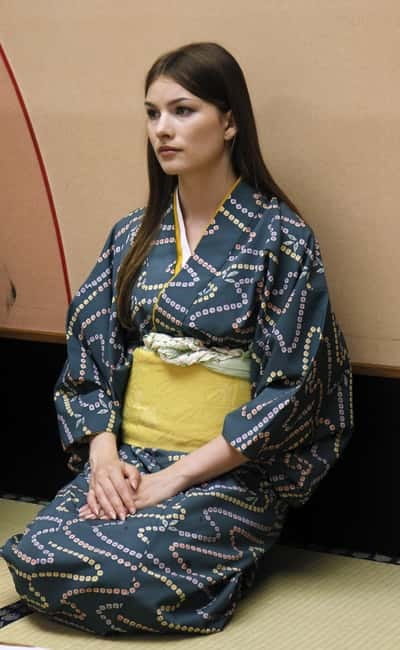
This class takes place at Bushi no Homare (Samurai Honor). The address is:
Excellence Takayama 1F, 2-3-19 Shiginonishi, Joto-ku, Osaka-shi, Osaka 536-0014.
One important detail: the address shown on Apple Maps is incorrect, so use the Google Maps link provided. The meeting point landmark is a wooden sign that reads Honor of the Samurai. It is described as a rack with activity pamphlets in front of the store, and you may also notice kimonos and hakama hanging to dry.
Timing is another key part of having a smooth experience. You should arrive 30 minutes before your reserved time. That buffer is for instructions and changing clothes, and it helps the ceremony start on time without stress.
What to bring is simple: a T-shirt. You are changing into traditional clothing, so a T-shirt makes the transition easier.
Who should book (and who should skip) this matcha class
This is best for you if you want a short, structured introduction to Japanese tea culture with real etiquette practice. It also fits well if you care about visuals, because kimono styling and included photo shooting are built into the class.
It is also a strong option for families with kids who are old enough to participate. The highlights mention sharing experiences and memories together with your children, but the official suitability notes say children under 10 are not suitable.
It is not suitable for people with altitude sickness, and it is not suitable for people over 95 years. It is also not designed for casual drop-in. This is an organized ceremony class, and you will be expected to follow the etiquette and rules.
On the rules side: pets are not allowed, alcohol and drugs are not allowed, and nudity is not allowed.
Should you book this matcha and Zen class near Osaka Castle?
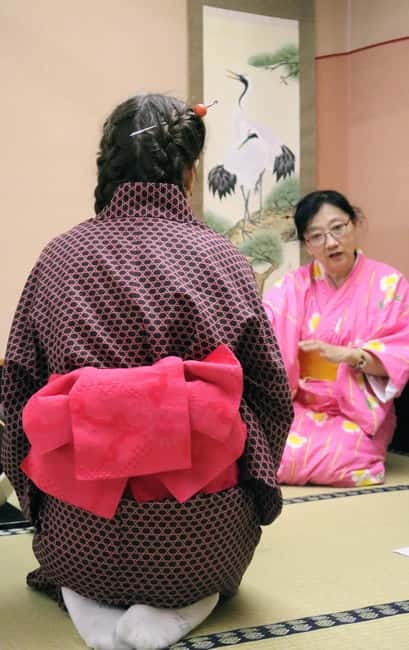
I think you should book if you want a guided tea ceremony experience that treats you like a participant. The combination of kimono dressing, matcha making, etiquette training, and wagashi lessons about seasonal aesthetics is exactly the kind of one-hour cultural activity that gives more meaning than you expected.
Skip it only if you want a long class, deep cooking workshop style, or if you need accessibility that is not addressed in the information provided. Also consider whether you might want wagami or outdoor photo upgrades, because those are not included by default.
If you are pairing this with other Osaka sightseeing, the 1-hour format is a big advantage. You get a memorable cultural moment without derailing your whole day.
FAQ
How long is the matcha tea ceremony class?
The experience lasts 1 hour.
What is the group size?
It is a small group limited to 6 participants.
Where does the class take place?
It is held at Bushi no Homare (Samurai Honor) at Excellence Takayama 1F, 2-3-19 Shiginonishi, Joto-ku, Osaka-shi, Osaka 536-0014. The landmark is a wooden sign that reads Honor of the Samurai.
What languages are available?
English and Japanese are available. The default interpreter language is English. Other languages can be requested, but you need to inquire about staff schedules before reserving.
What is included in the price?
Included are kimono clothing, English interpreter guide staff, matcha, wagashi, a certified professional instructor, tax, tips, and photo shooting with digital data sent to your email.
What should I bring with me?
Bring a T-shirt.
What is not included?
Pickup or drop-off at the train station or hotel, transportation, wagami (collected hair plus kanzashi), paid options like outdoor photo shoots, and paid options like movie shooting are not included. Personal expenses are also not included.
When should I arrive?
Arrive 30 minutes before your reserved experience time for instructions and changing clothes.
Are there any rules about what is allowed?
Pets, alcohol and drugs, and nudity are not allowed.
Who is this experience not suitable for?
It is not suitable for children under 10, people with altitude sickness, and people over 95 years.
Central Osaka, Ticket by Ticket



Kyoto by the Bowl
Newest Osaka write-ups from the Loving Japan desk



Kyoto Tea Ceremonies and Matcha, side by side.
 ★ 4.9Tea Ceremony in a Traditional Tea House in KiyomizuFrom $493,519 reviews
 ★ 4.9Tea Ceremony Ju-An at Jotokuji TempleFrom $293,207 reviews
 ★ 4.345-Minute Tea Ceremony Lesson ExperienceFrom $222,378 reviews
 ★ 5.0World Heritage Kyoto & Nara Uji Authentic Matcha ExperienceFrom $1291,573 reviews
 ★ 4.9Tea Ceremony ExperienceFrom $251,426 reviews
 ★ 4.9Table-Style Tea Ceremony at a Kyo-MachiyaFrom $451,211 reviews
 ★ 4.8Kenrokuen Tea Ceremony ExperienceFrom $351,139 reviews
 ★ 5.0Kimono Tea Ceremony at Kyoto Maikoya, NISHIKIFrom $65911 reviews