
REVIEW · KYOTO TEA CEREMONIES AND MATCHA
Kyoto: Kimono Tea Ceremony with Matcha and Sweet
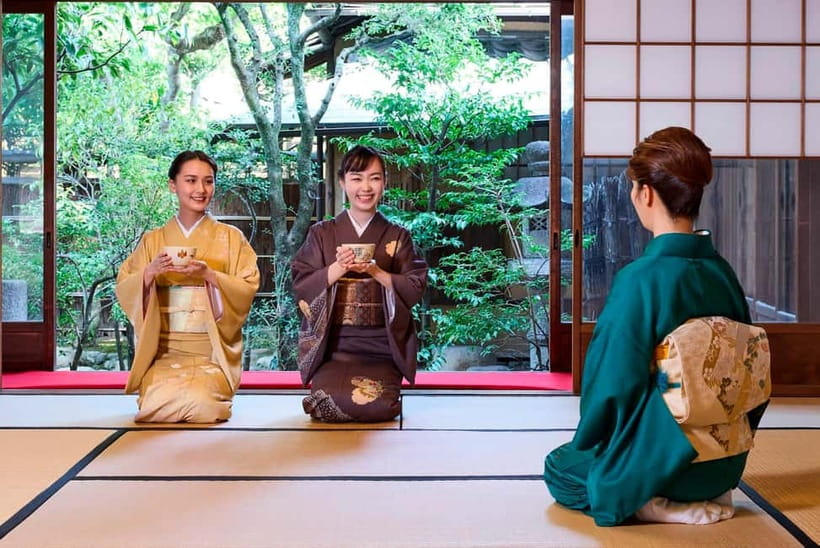
Wearing a kimono, then making matcha, feels special. This Kyoto experience mixes kimono dressing with a hands-on tea ceremony led by an English-speaking tea master, plus seasonal wagashi and matcha Zen lessons. I especially love the small-group feel, where you can ask questions without shouting over anyone. I also love that the matcha part is practical, so you leave knowing how to whisk it properly. One drawback to consider: you are expected to sit through the ceremony steps, and the tatami setup may not suit everyone, even though chairs are available by request.
The overall vibe is calm and structured, not stiff. You learn the meaning behind the ritual, not just the steps, and you get plenty of time to take photos in your kimono before and after the ceremony. If you hate being put into a costume, or you want something like a quick snack tour, this may feel a bit slow.
In This Review
- Key Things You’ll Remember
- Dressing in Kyoto Kimono, and What That Really Adds
- Inside the Tea Room: Tatami Etiquette Without the Guesswork
- The Tea Master Explains the Tools, Not Just the Final Sip
- Making Your Own Matcha with Premium Powder
- Wagashi Sweets and Seasonal Meaning (Not Just Sugar)
- Zen Principles: Wa, Kei, Sei, Jaku in Plain English
- How Long It Takes, and What the Group Size Does to the Mood
- Price and Value: What Your $66 Actually Buys
- Who This Is Best For (And Who Might Hesitate)
- Tips to Make Your Experience Go Smoothly
- Should You Book This Kyoto Kimono and Matcha Tea Ceremony?
- FAQ
- How long is the Kyoto kimono tea ceremony with matcha and sweets?
- Do I need to know Japanese to join the ceremony?
- Is kimono dressing included?
- Are chairs available if I do not want to sit on tatami?
- Can children join this experience?
- Is hair styling included?
- Do I make matcha myself, or do I just watch?
- What food is included?
- Where do I go to participate, and is transportation included?
- What is the typical group size?
Key Things You’ll Remember
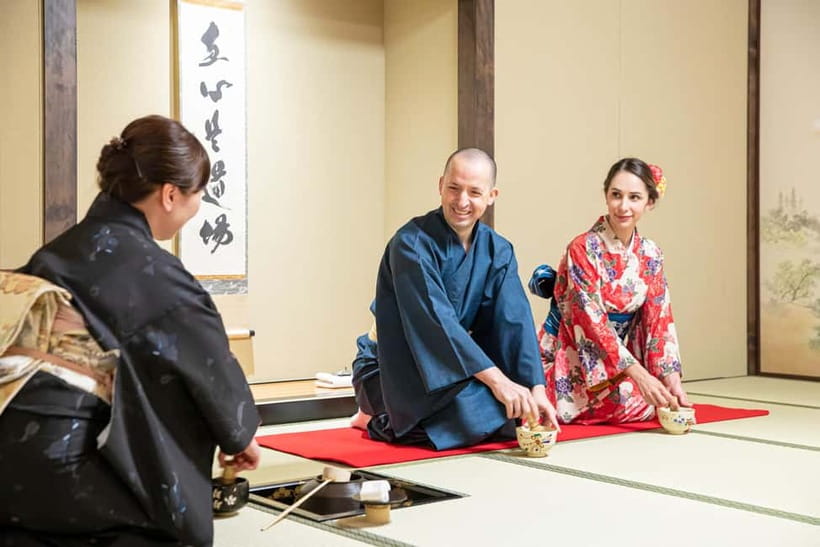
- Kimono fitting that actually teaches you how it should sit (and options like hair styling for long hair)
- Seasonal wagashi that changes with the time of year, not a one-size-fits-all sweet
- Full English guidance so the etiquette makes sense, not like a mystery performance
- Matcha whisking you do yourself, using premium matcha to get a good froth
- A small group setting, often around 12 to 14 people, with some sessions running smaller
- Zen values (Wa, Kei, Sei, Jaku) explained in everyday terms through the ritual
Sit down somewhere quieter. Other tea rooms we booked
- Kyoto: Tea Ceremony in a Traditional Tea House in Kiyomizu
★ 4.9 · 3,519 reviews - Kyoto: Tea Ceremony Ju-An at Jotokuji Temple
★ 4.9 · 3,207 reviews - Kyoto: 45-Minute Tea Ceremony Lesson Experience
★ 4.3 · 2,378 reviews - Kyoto: Table-Style Tea Ceremony at a Kyo-Machiya
★ 4.9 · 1,211 reviews
Dressing in Kyoto Kimono, and What That Really Adds
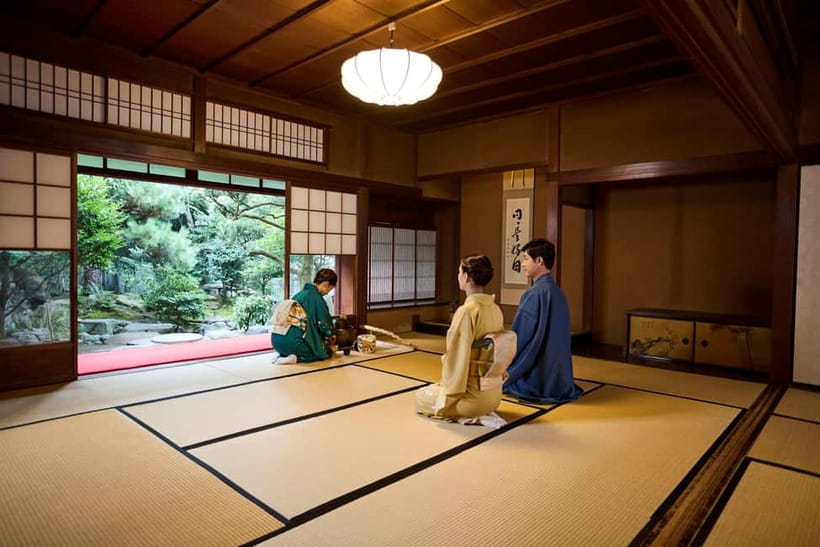
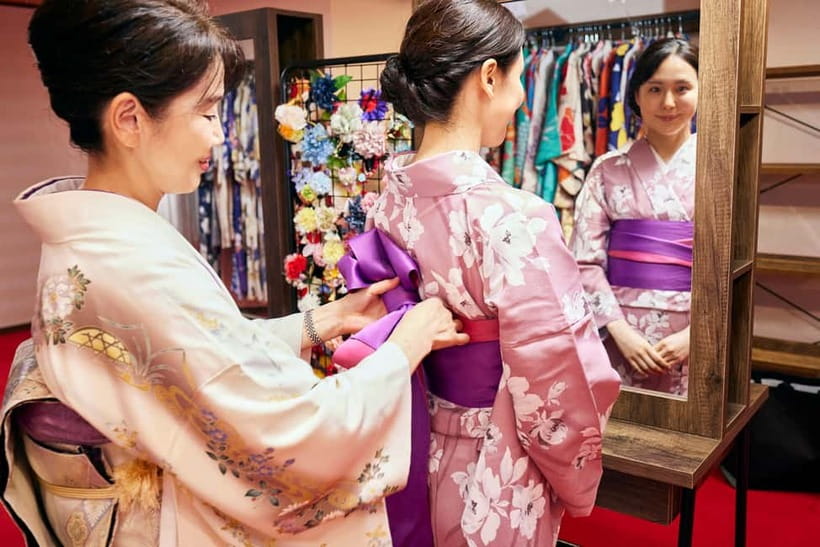
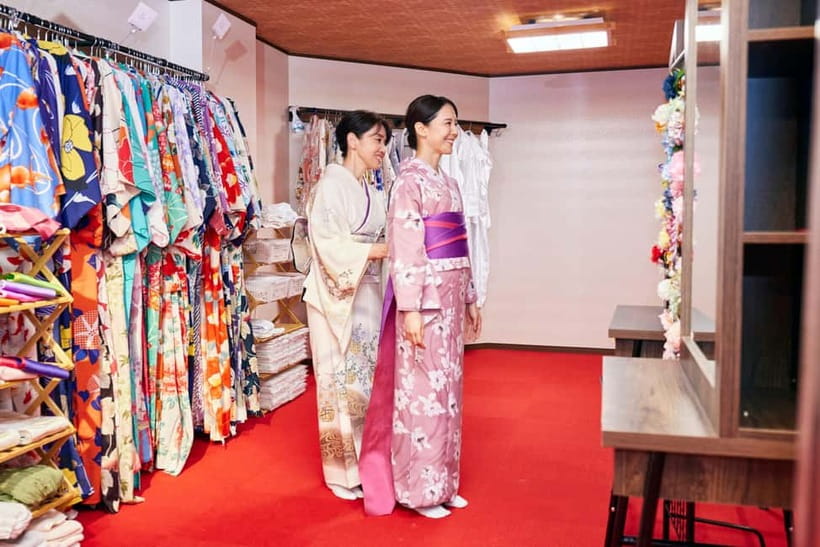
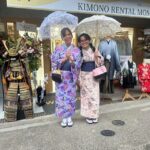
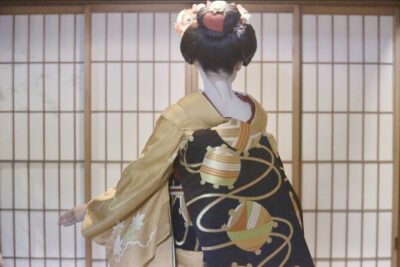
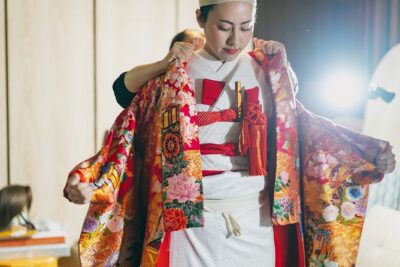
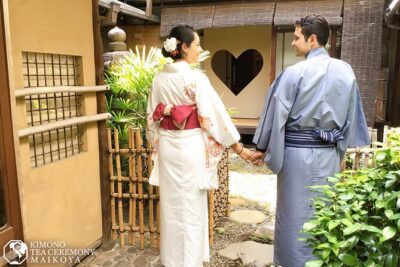
Your first step is choosing a kimono, then getting dressed by staff who take care with the details. This is not a slap-on outfit. You’re assisted through the process so the garment looks right and fits comfortably enough for the ceremony length. Women with long hair can also get hair styling as part of the experience, so the look feels complete rather than half-done.
What I like for your decision-making: kimono time here is built into the activity, not treated as a separate add-on you rush through. Multiple reviews mention patient help during the fitting, and that attention makes a big difference. Even better, you’ll likely get time for photos with your kimono before and after the tea session. That means you can enjoy the moment without feeling like you’re constantly dodging a schedule.
The practical catch: kimono dressing takes time, and if you came in with plans to sprint to multiple sights, you’ll want this to be your main event for that block. Also, kids under 7 aren’t allowed, so it’s geared toward adults and older teens.
Inside the Tea Room: Tatami Etiquette Without the Guesswork
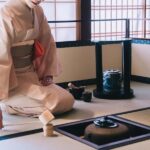
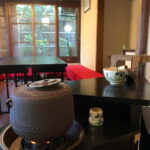
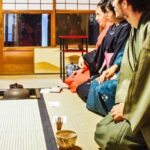
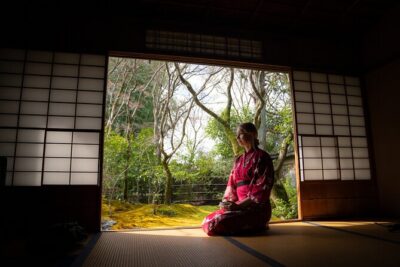
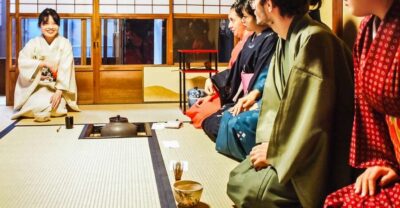
Next you head into the tea room where the tools are arranged for the ritual. Sitting on tatami mats is customary, but you’re not forced into misery. Wooden chairs are available on request, and bamboo chairs can be arranged in advance if you’d rather avoid tatami.
This matters more than people think. Kyoto temples can be a lot of steps and uneven surfaces, but the tea ceremony is a different kind of challenge, sitting still in a precise space. The good news is the staff emphasizes comfort. You can sit however you prefer, and the focus is on learning the flow of the ceremony, not punishing you for real human legs.
Your guidance starts with basic etiquette. You’ll learn how to hold yourself, how to move during key moments, and how to respond during the tea steps. The staff’s English guidance helps you avoid that awkward feeling of nodding without understanding.
The Tea Master Explains the Tools, Not Just the Final Sip
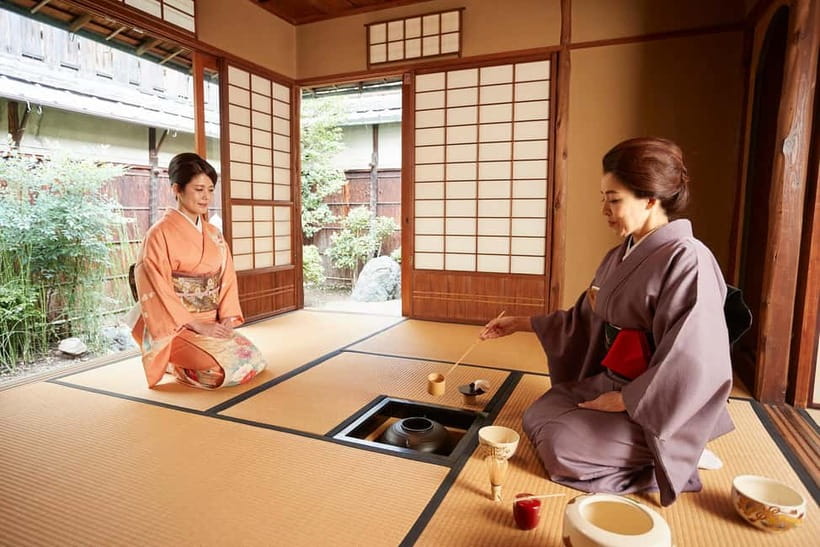
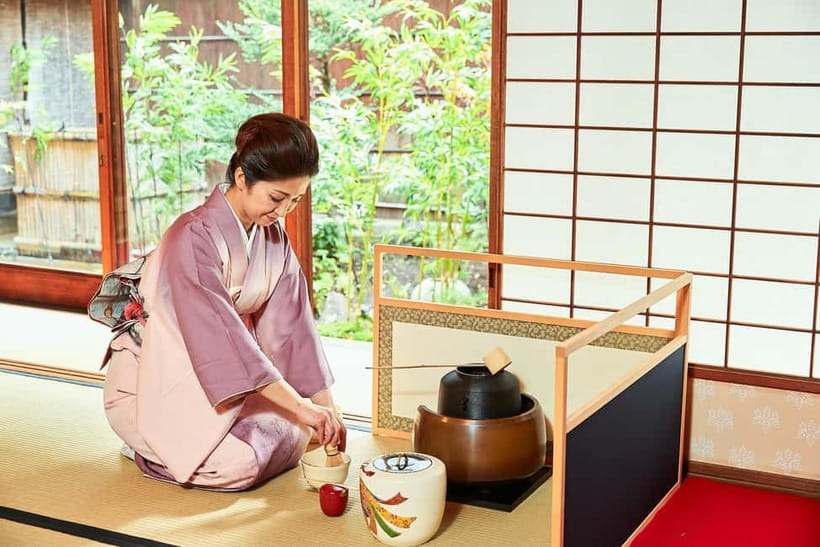
You’ll follow a guided demonstration from a tea master who explains the history, the tools, and the etiquette behind the tea ceremony. This is where the experience stops being a “photo and taste” activity and becomes cultural learning.
Tea ceremonies have a reputation for being formal, but the way this runs is more grounded. Instead of treating everything as a secret code, the tea master breaks down what each object is for and why each step is performed. You learn about the ritual flow, then you watch it long enough to understand what you are trying to reproduce when it’s your turn.
In reviews, hosts named Maki and Megumi come up as examples of especially warm guides. Several people also mention the guides speaking slowly and clearly, which is a big deal if you want to actually absorb the meaning, not just catch a few words.
The possible drawback here is simple: if you prefer silent experiences, you might find the teaching part a bit chatty. But if you like context, you’ll likely feel like the tea ceremony finally clicks.
Rental shops we have actually walked into
- Kimono Tea Ceremony at Kyoto Maikoya, NISHIKI★ 5.0 · 911 reviews
- Kyoto: Kimono Rental with Hairstyling and Accessories★ 4.8 · 653 reviews
- Kyoto: Kimono Tea Ceremony at Orizuruya Gion★ 4.9 · 618 reviews
- KYOTO Tea Ceremony with kimono near by Imamiya Jinjya Shrine★ 5.0 · 343 reviews
- Kyoto: Kimono and Tea Ceremony Experience at Cultural Asset★ 4.3 · 306 reviews
Making Your Own Matcha with Premium Powder
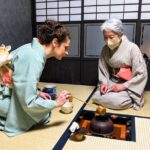
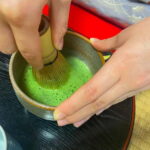
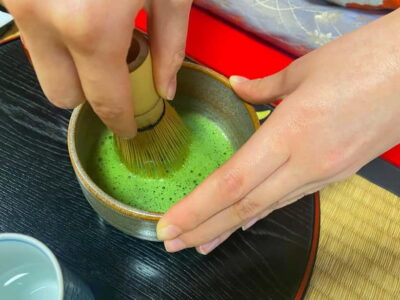
Then comes the best part, at least for your hands: you make your own bowl of matcha. You’re taught how to prepare it using high-quality matcha powder, and you get to do the process yourself with guidance.
Why this is such strong value: most tea tastings stop at drinking. Here, the instruction is procedural. You’ll learn the sequence of actions, how to whisk, and how to aim for the texture people want in good matcha. Reviews repeatedly praise the learning experience and mention matcha quality, including that the end result can get frothy and creamy.
Also, the matcha moment turns the ceremony from museum-like into participatory. You’re not just observing elegance, you’re practicing it. That’s a fast track to feeling that you understand what you’re seeing.
One thing to keep in mind: matcha involves attention. If you’re the type who hates being guided through careful steps, or you keep rushing to the next stop, this part will feel longer than you expect. But if you can slow down, you get a skill you can bring home.
Wagashi Sweets and Seasonal Meaning (Not Just Sugar)
Wagashi are served alongside the tea, and the key detail is that they change with the seasons. That means flavor, color, and design can vary depending on when you go. Instead of receiving the same generic sweet every day, you get a small snapshot of the seasonal tone of Japan.
This is not just about tasting. The wagashi are part of the ceremony rhythm, giving you a way to shift your mindset from the day’s noise into the calm pace of the ritual. Several reviews specifically call out how the sweets match the experience and add to the thoughtful atmosphere.
If you have food allergies, you’ll want to confirm details with the staff ahead of time. The tour data confirms wagashi are included, but it doesn’t list ingredients or allergy controls. When in doubt, ask before you commit.
Zen Principles: Wa, Kei, Sei, Jaku in Plain English
Throughout the experience, staff connect the ceremony to Zen principles: Wa (harmony), Kei (respect), Sei (purity), and Jaku (tranquility). This is one of the reasons the activity tends to feel more meaningful than a typical cultural show.
Here’s what those values mean for your experience. They explain why people handle utensils carefully, why the tea room is treated like a space for quiet attention, and why the ritual asks for respect toward the host and other participants. When you understand that, the gestures stop feeling random.
Multiple reviews mention the atmosphere being peaceful and calming, plus the way the tea ceremony helped people slow down and be fully present. That matches the idea that the Zen principles are not just poster words, they are baked into the steps.
How Long It Takes, and What the Group Size Does to the Mood
The session is listed as about 90 minutes, with the tea ceremony lasting approximately 90 to 120 minutes depending on the flow. In practice, the kimono dressing comes first, so build your day around the idea that you need time to arrive, settle in, and go through the full sequence.
Group size is typically around 12 to 14 participants, with sessions that some people report being smaller. Either way, you’re not in a huge crowd. The advantage of a smaller group is that you can follow the demonstration and still ask questions when you need clarity.
Why timing and group size matter: if Kyoto is in your itinerary right now, you likely have a list of must-sees. This activity works best when you treat it like your one calm anchor for the day, not something squeezed between two frantic train rides. You’ll enjoy it more, and you’ll retain more of the meaning.
Price and Value: What Your $66 Actually Buys
At $66 per person for about 90 minutes, you’re not just paying for a cup of matcha. Your price includes kimono dressing, participation in a traditional tea ceremony led by a tea master, hands-on matcha preparation, Japanese sweets, and bilingual staff assistance.
For women, hair styling for long hair is included as well. That alone can be the difference between feeling like you rented a costume versus feeling like you were guided through a full traditional experience.
Is it expensive? It’s not cheap, but it’s also not one-dimensional. If you compare it to spending separately on kimono rental, plus a generic tea tasting, the bundled teaching and hands-on matcha makes the value easier to justify.
What’s not included is transportation to and from the venue. Plan for that yourself. It’s normal in Kyoto, but it can affect how easy the day feels if you’re staying far from your appointment.
Who This Is Best For (And Who Might Hesitate)
This is a great fit if you:
- Want a hands-on cultural experience, not just watching
- Like learning how traditions work in real life
- Enjoy calm activities that reward slowing down
- Want photos in a kimono without figuring out how to do it safely
It may be less ideal if you:
- Don’t like sitting on tatami, and you didn’t plan for chair options in advance
- Want a short, casual activity with minimal instruction
- Travel with younger kids, since children under 7 aren’t allowed
Couples and solo travelers often enjoy it, and one review notes it as a fun surprise activity. It also works well for families only if everyone meets the age requirement.
Tips to Make Your Experience Go Smoothly
These are practical, worth-it moves:
- Wear clothing you can remove and put back on easily, because kimono dressing happens at the start.
- If you have leg issues or strong discomfort with tatami, request chairs or bamboo chairs in advance.
- Expect a careful pace. Your best result with matcha comes when you follow the steps instead of rushing.
- Save energy for the ceremony. If you go straight from a long temple hike, you may feel stiff by the time you sit down.
- If you want photos, plan to use the time before and after the ceremony, since you’ll be in kimono and looking your best then.
And yes, you’ll likely want to take home the meaning of the steps, not only the flavor. That’s the point of learning Wa, Kei, Sei, and Jaku through actual practice.
Should You Book This Kyoto Kimono and Matcha Tea Ceremony?
If your goal is an authentic Kyoto cultural moment that’s more than a quick taste, I’d book it. The combination of kimono dressing, an English-led tea master session, and hands-on matcha preparation makes it feel complete. Plus, seasonal wagashi and the Zen values give you context, so you leave understanding what you did, not just what you saw.
Skip it only if you want something fast and casual, or if the idea of careful sitting and guided steps sounds exhausting. Otherwise, this is one of those Kyoto activities that turns a day of sightseeing into a calmer story you can actually tell later.
FAQ
How long is the Kyoto kimono tea ceremony with matcha and sweets?
The experience is about 90 minutes, and the tea ceremony itself lasts approximately 90 to 120 minutes.
Do I need to know Japanese to join the ceremony?
No. The guidance is in English, and you’ll have bilingual staff assistance.
Is kimono dressing included?
Yes. Kimono dressing is included, and staff help with the process so you look right for the ceremony.
Are chairs available if I do not want to sit on tatami?
Yes. Wooden chairs are available upon request, and bamboo chairs can be arranged in advance.
Can children join this experience?
Children under 7 are not allowed.
Is hair styling included?
Hair styling is included for women, but only for long hair.
Do I make matcha myself, or do I just watch?
You do hands-on matcha preparation, so you’ll create your own bowl of matcha during the ceremony.
What food is included?
You’ll be served traditional Japanese sweets (wagashi) along with your tea. Wagashi change with the seasons.
Where do I go to participate, and is transportation included?
Transportation to and from the venue is not included. You’ll need to handle getting there yourself.
What is the typical group size?
Your session will typically include about 12 to 14 participants. The session is conducted in a small-group format.
Rental Counters, Compared
Kyoto by the Bowl
Newest Kyoto write-ups from the Loving Japan desk

Kyoto Tea Ceremonies and Matcha, side by side.
 ★ 4.9Tea Ceremony in a Traditional Tea House in KiyomizuFrom $493,519 reviews
 ★ 4.9Tea Ceremony Ju-An at Jotokuji TempleFrom $293,207 reviews
 ★ 4.345-Minute Tea Ceremony Lesson ExperienceFrom $222,378 reviews
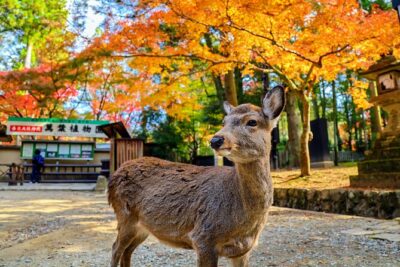 ★ 5.0World Heritage Kyoto & Nara Uji Authentic Matcha ExperienceFrom $1291,573 reviews
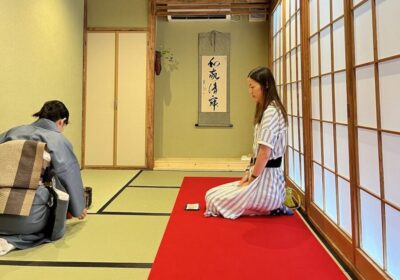 ★ 4.9Tea Ceremony ExperienceFrom $251,426 reviews
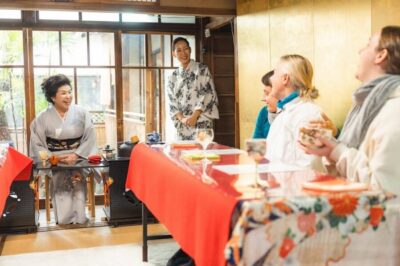 ★ 4.9Table-Style Tea Ceremony at a Kyo-MachiyaFrom $451,211 reviews
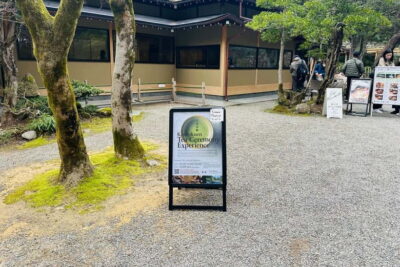 ★ 4.8Kenrokuen Tea Ceremony ExperienceFrom $351,139 reviews
 ★ 5.0Kimono Tea Ceremony at Kyoto Maikoya, NISHIKIFrom $65911 reviews
Filed on these lists too