
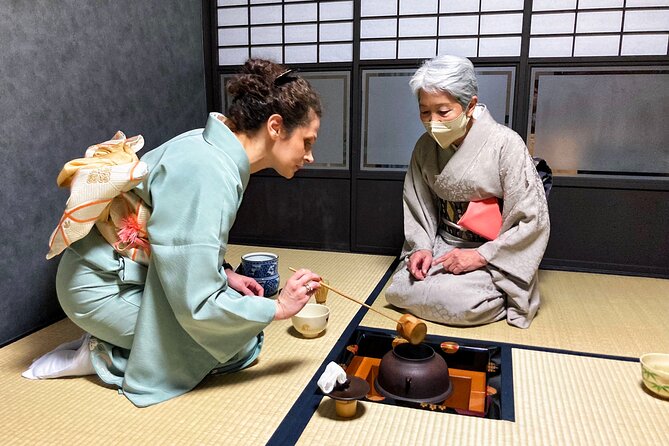
REVIEW · KYOTO TEA CEREMONIES AND MATCHA
KYOTO Tea Ceremony with kimono near by Imamiya Jinjya Shrine
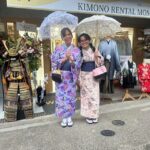
Kyoto can be loud. This experience slows everything down fast with kimono dressing and a real tea ceremony. You choose a kimono pattern and color from the Nishijin collection in Kyoto, get help putting it on, and get a simple photo moment before the ceremony begins.
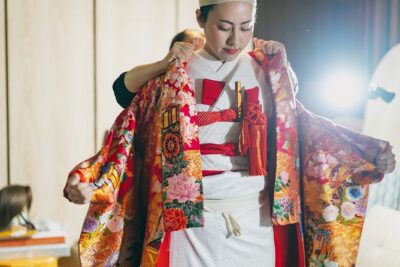
I especially like the care that goes into getting you dressed. The kimono fitting is a multi-step, multi-layer process, and the staff also help with your hair set before you step into the tea room.
One thing to plan for: the tea room is described as a bit old, so comfort depends on the day. Also, like many outdoor-adjacent activities in Kyoto, it requires good weather, and the schedule can shift if conditions are poor.
In This Review
- Key highlights at a glance
- Entering Kimono Mode at Caren (Murasakino Daitokujicho)
- Choosing Your Kimono, Then Getting Help Putting It On
- A Photo Moment That Doesn’t Feel Like a Scam
- Inside a Three-Generation Tea Room Near Daitoku-ji
- The Tea Master Demonstration, History, and Etiquette Coaching
- Your Turn: Brewing Your Own Japanese Tea
- Value for $99.49: What You’re Really Paying For
- Who Should Book This (and Who Might Pass)
- Quick decision: should you book it?
- FAQ
- How long is the tea ceremony experience?
- What’s included in the price?
- Where do I meet for the tour?
- Is the group size limited?
- Do I need private transportation?
- Do I get a mobile ticket?
- What is the cancellation policy?
Key highlights at a glance
- Authentic kimono selection in Nishijin, including guidance on patterns and what they mean
- Hair styling help before you’re dressed, so you don’t have to figure anything out yourself
- Small group size (max 12), which keeps the ceremony feeling personal
- A tea master with about 30 years of study demonstrating the traditional process
- Hands-on practice, including the chance to brew your own cup
- A tea room used for three generations, near the Daitoku-ji tea culture area
Sit down somewhere quieter. Other tea rooms we booked
- Kyoto: Tea Ceremony in a Traditional Tea House in Kiyomizu
★ 4.9 · 3,519 reviews - Kyoto: Tea Ceremony Ju-An at Jotokuji Temple
★ 4.9 · 3,207 reviews - Kyoto: 45-Minute Tea Ceremony Lesson Experience
★ 4.3 · 2,378 reviews - Kyoto: Table-Style Tea Ceremony at a Kyo-Machiya
★ 4.9 · 1,211 reviews
Entering Kimono Mode at Caren (Murasakino Daitokujicho)
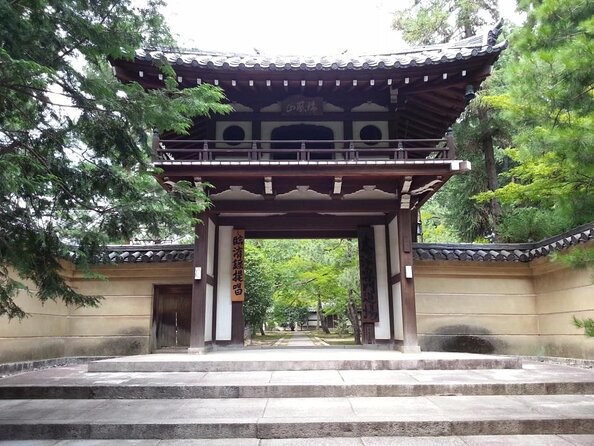
Your day starts at Tea Ceremony – Caren in Kyoto’s Kita Ward, at 74-4 Murasakino Daitokujichō. You’ll also see this experience tied to the Imamiya Jinjya Shrine area in how it’s commonly described, since the whole experience is built around Kyoto’s temple-and-tea neighborhood vibe.
The setup is designed for something you can actually fit into a busy itinerary. It runs about 1 hour 30 minutes, it uses a mobile ticket, and the group is limited to up to 12 people, so you are not stuck watching a performance from the back of a crowd.
Here’s a practical tip that matters: arrive with a little breathing room. Dressing takes time, especially because the kimono process is multi-step and staff will want you relaxed, not rushed.
Choosing Your Kimono, Then Getting Help Putting It On
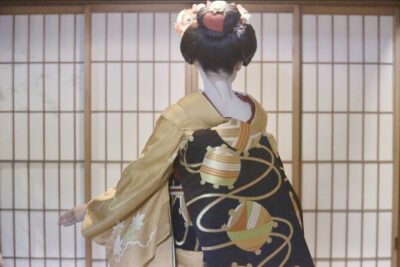
This isn’t a quick costume checkout. You pick a kimono color and pattern from a Kyoto selection described as coming from Nishijin. Then the team helps you get set up, including help putting the kimono on properly and getting your hair prepared.
The highlight here is the attention to detail, because kimono wearing is an art. Patterns are not just decoration, and you’ll get commentary on what different kimono patterns mean and how they connect to tradition and aesthetics in Japan.
If you are wondering whether this is stiff or awkward, the structure helps a lot. People are guided step-by-step, and the staff manage the whole “getting ready” part so you can focus on the experience instead of fighting your sleeves.
Also, if you are traveling as a couple, family, or solo, this still works well. The ceremony is described as small-group and hands-on, not just a couple poses and photos affair.
A Photo Moment That Doesn’t Feel Like a Scam
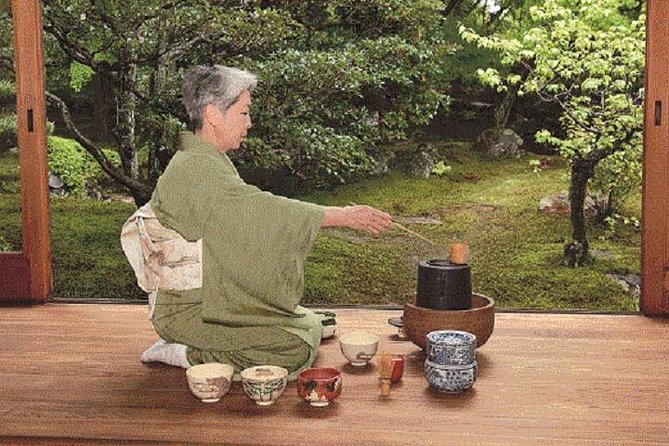
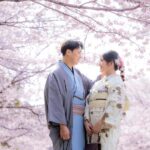
You’ll get a simple photo opportunity once you’re dressed. Think of it as a short buffer before the ceremony, not a long, salesy detour.
In the experience, staff help with posing and taking photos, including an assistant mentioned by name in participant accounts (Akira). That’s helpful because kimono photos are harder than they look. You need small adjustments for posture, sleeves, and how you hold your hands.
If you want your photos to look good, do two things before you go: pick a kimono color you genuinely like, and tell the staff that you want the best possible pictures without rushing. The team will move you along efficiently, but your preferences matter.
Rental shops we have actually walked into
- Kimono Tea Ceremony at Kyoto Maikoya, NISHIKI★ 5.0 · 911 reviews
- Kyoto: Kimono Rental with Hairstyling and Accessories★ 4.8 · 653 reviews
- Kyoto: Kimono Tea Ceremony at Orizuruya Gion★ 4.9 · 618 reviews
- KYOTO Tea Ceremony with kimono near by Imamiya Jinjya Shrine★ 5.0 · 343 reviews
- Kyoto: Kimono and Tea Ceremony Experience at Cultural Asset★ 4.3 · 306 reviews
Inside a Three-Generation Tea Room Near Daitoku-ji
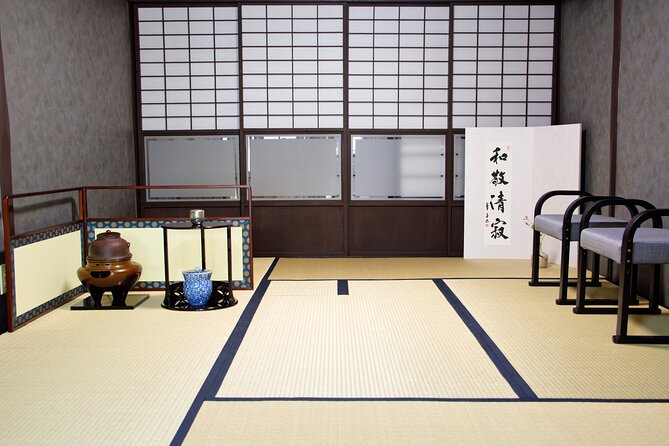
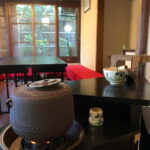
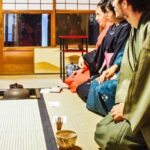
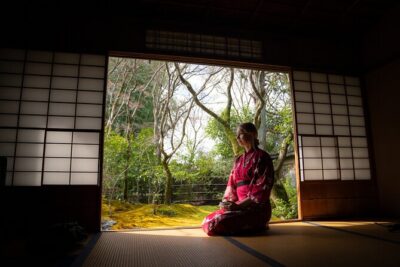
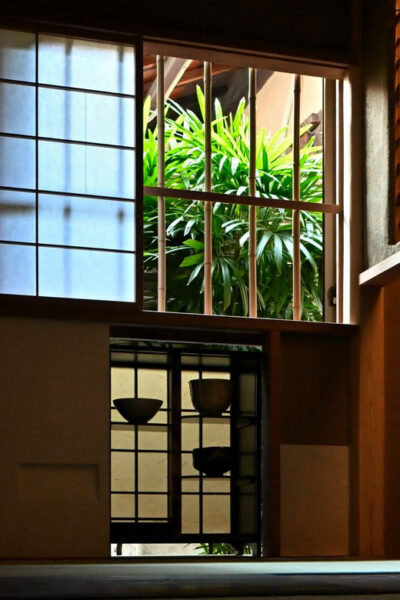
After dressing, you go to the tea room for the ceremony. The tea room is described as being used for three generations, and it’s located near Daitoku-ji Temple, a place deeply tied to Japan’s tea culture.
The setting is part of the value. Tea ceremony is not just about drinking tea, it’s about using space, silence, timing, and attention. A quiet tea room helps you experience that even if you do not know the rules yet.
There is one consideration: the room is described as a bit old. That doesn’t automatically mean uncomfortable, but it does mean you should dress smart for the temperature and be ready for a traditional, lived-in feel.
The Tea Master Demonstration, History, and Etiquette Coaching
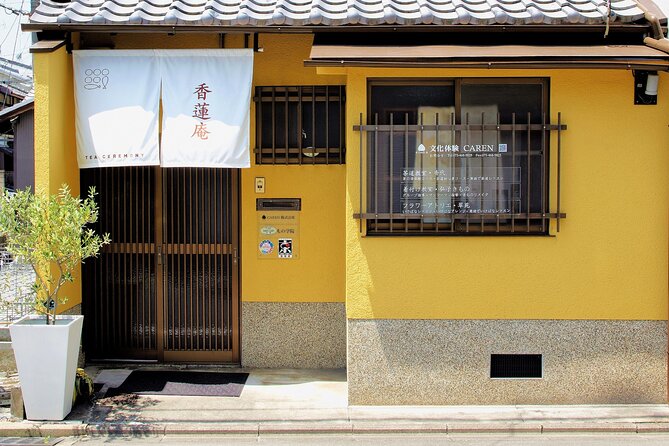
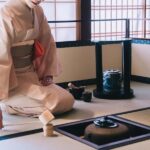
This is the heart of the experience. A tea master, described as having studied tea ceremonies for about 30 years, demonstrates a traditional tea ceremony while your guide provides commentary.
The explanation is not vague. You learn about the history behind the tea ceremony, and you also get practical context on Japanese etiquette during a tea ceremony. That’s what turns matcha time from a photo op into a real cultural lesson.
You’ll also enjoy seasonal sweets with your tea. This matters because the tea ceremony is designed as a full sensory sequence. The sweets are part of how the experience sets mood and timing, not just an add-on snack.
One more detail I found useful from the way the ceremony is described: the team doesn’t treat it like a scripted lecture. They slow down, walk you through what you are seeing, and build the why behind each step so you can follow along with less confusion.
Your Turn: Brewing Your Own Japanese Tea
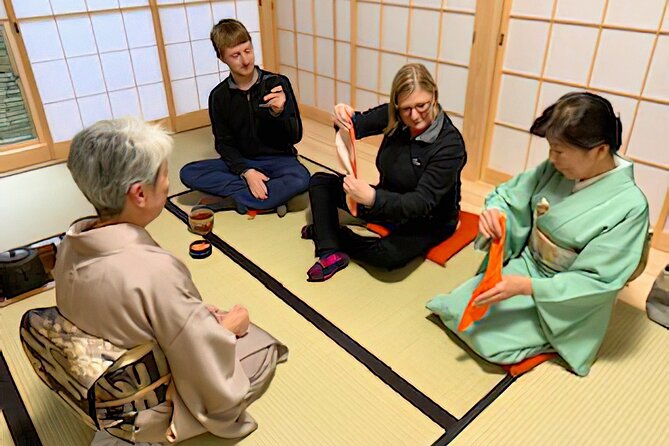
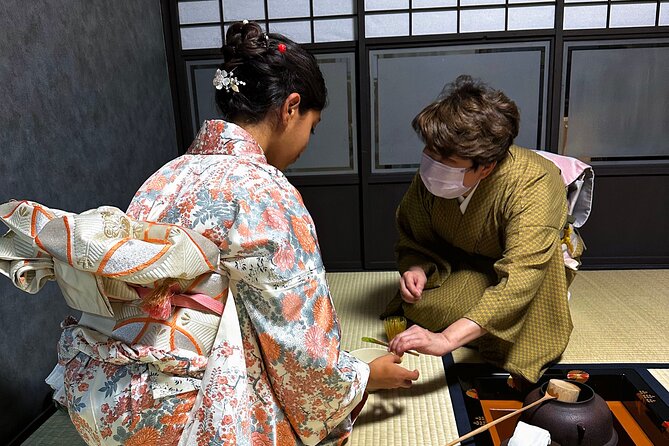
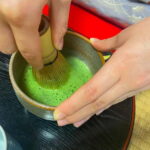
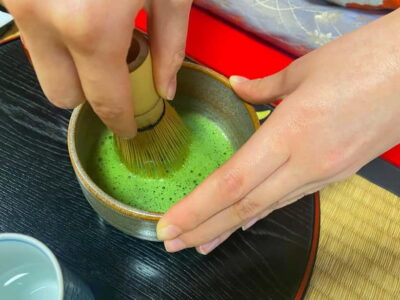
After you watch the tea master, you get to do it yourself. The experience includes the chance to brew your own cup of Japanese tea, guided by the instructor and the team.
That hands-on part is why I think this is worth it. You are not just consuming information or taking photos. You are practicing the gestures and understanding the rhythm that makes a tea ceremony feel deliberate.
It’s also a great confidence boost if you are traveling solo. Accounts describe even solo visitors being given the opportunity to prepare tea themselves, which is a sign the session is designed for real participation, not just “spectators welcome.”
If you care about tea, you’ll likely enjoy the nuance. Even if you are not a tea nerd, tasting and making your own cup helps you notice what the ceremony is trying to teach: calm focus and respect for the moment.
Value for $99.49: What You’re Really Paying For
At $99.49 per person for about 90 minutes, you might wonder if it’s pricey. In Kyoto, the answer depends on whether you want a “do it once” activity or something that actually gives you skills and context.
Here’s the value math that makes sense:
- You get authentic kimono, plus assistance putting it on
- You get hair set help before the ceremony
- You get a guided explanation of tea ceremony history and etiquette
- You get a teacher and tea master performance, plus seasonal sweets
- You get the chance to brew your own cup
- You get photo assistance, which is not guaranteed everywhere
So the cost is not only for tea. It’s for the total package: dressing support, instruction, and participation time with a professional tea specialist in a small group.
The one thing you should know is what is not included: private transportation. If you’re already in the Daitoku-ji temple area or you can reach the meeting point by public transit, this becomes a very straightforward add-on. If you need taxis for everything, that can bump your overall day cost.
Who Should Book This (and Who Might Pass)
Book this if you want a Kyoto activity that is both beautiful and structured. This works especially well for:
- First-time tea ceremony experiences
- People who want to dress in a kimono without worrying about the logistics
- Families with teenagers, since the “hands-on plus photos plus tea” format keeps energy up
- Couples and friends who want a shared cultural moment
You might think twice if your priority is minimal effort. Dressing in a kimono is a careful process with multiple layers, and the experience is designed to keep things formal and slow. If you want a casual, wandering style of sightseeing, a temple stroll plus a tea shop might fit better.
Also consider the weather requirement. If Kyoto is wet or stormy, your date may shift.
Quick decision: should you book it?
If you want real instruction, not just a performance, I’d book it. The biggest win is the combination of kimono setup, guided tea ceremony history and manners, and then the chance to brew your own tea.
If you are unsure, decide based on one question: do you want to participate? When the experience includes dressing help, a tea master demonstration, and your own cup, it’s built for people who want more than a quick glance.
One last practical move: arrive ready to choose a kimono color and to go with the flow during dressing time. When you do that, the experience has a way of turning into one of those Kyoto memories you can actually feel, calm and specific, not just another stop on a checklist.
FAQ
How long is the tea ceremony experience?
It lasts about 1 hour 30 minutes.
What’s included in the price?
The experience includes a professional instructor, and coffee and/or tea is included. The kimono experience and tea ceremony activities described are part of the program.
Where do I meet for the tour?
The start point is Tea Ceremony – Caren at 74-4 Murasakino Daitokujichō, Kita Ward, Kyoto 603-8231, Japan. The tour ends back at the meeting point.
Is the group size limited?
Yes. The maximum group size is 12 travelers.
Do I need private transportation?
Private transportation is not included.
Do I get a mobile ticket?
Yes, the experience uses a mobile ticket.
What is the cancellation policy?
You can cancel for a full refund up to 24 hours in advance of the experience start time. If it’s canceled due to poor weather, you’ll be offered a different date or a full refund.
Rental Counters, Compared
Kyoto by the Bowl
Newest Kyoto write-ups from the Loving Japan desk
Kyoto Tea Ceremonies and Matcha, side by side.
 ★ 4.9Tea Ceremony in a Traditional Tea House in KiyomizuFrom $493,519 reviews
 ★ 4.9Tea Ceremony Ju-An at Jotokuji TempleFrom $293,207 reviews
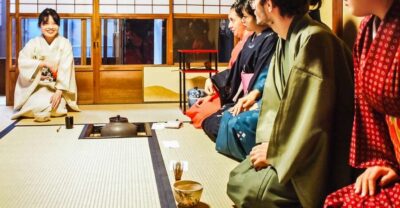 ★ 4.345-Minute Tea Ceremony Lesson ExperienceFrom $222,378 reviews
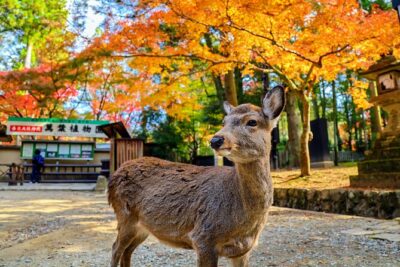 ★ 5.0World Heritage Kyoto & Nara Uji Authentic Matcha ExperienceFrom $1291,573 reviews
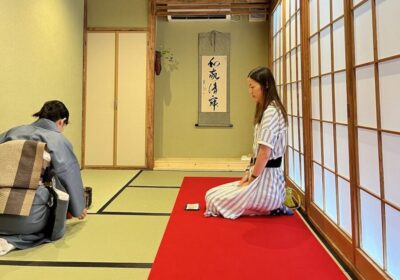 ★ 4.9Tea Ceremony ExperienceFrom $251,426 reviews
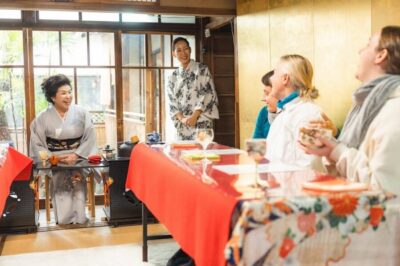 ★ 4.9Table-Style Tea Ceremony at a Kyo-MachiyaFrom $451,211 reviews
 ★ 4.8Kenrokuen Tea Ceremony ExperienceFrom $351,139 reviews
 ★ 5.0Kimono Tea Ceremony at Kyoto Maikoya, NISHIKIFrom $65911 reviews
Filed on these lists too