
REVIEW · KYOTO TEA CEREMONIES AND MATCHA
Matcha Grinding Experience and Walking Tour in Uji Kyoto
Uji turns matcha into a real hands-on story. You walk through tea country, stop at Byodo-in Temple (the 10-yen-coin landmark), and then grind leaves into powder on a stone mill before you drink what you made. I like that this is small-group focused, not a rushed checklist.
I also like the payoff: the workshop ends with your fresh matcha plus Japanese snacks or matcha ice cream. The guide I had, Vincent, explained what we were seeing in a way that actually helped it make sense, including Uji’s place in Japanese tea culture.
One thing to plan for: you need WhatsApp set up before the tour, and you must wear a mask during the matcha-making workshop. Also, there is no hotel pickup, so you’ll want to reach the Kyoto Station meeting point on time.
In This Review
- Key highlights to know before you go
- Why Uji matcha tastes different, and why this tour fits
- Kyoto logistics: the 9:30 am start and why the meeting point matters
- Byodo-in Temple: the UNESCO stop you can recognize fast
- Uji Shrine and the tea-town walk where the guide does the work
- Grinding matcha: the stone mill moment that makes the tour click
- Mask rule during matcha making
- Sweets or matcha ice cream, included
- What you actually learn about Uji tea culture
- Value check: is $130.46 worth it?
- Who this tour suits best (and who might want a different plan)
- Should you book this Uji Matcha Grinding and Walking Tour?
- FAQ
- How long is the Matcha Grinding Experience and Walking Tour in Uji Kyoto?
- Where does the tour start and when?
- What is included in the price?
- Is there hotel pickup?
- What group size should I expect?
- Do I need WhatsApp or a mask?
Key highlights to know before you go
- Byodo-in Temple and the 10-yen-coin view: a UNESCO stop you can connect to immediately.
- Stone mill matcha grinding: hands-on, fresh, and a lot more fun than tasting matcha alone.
- English guided walking tour of Uji: clear context for the sights and the tea.
- Uji Shrine plus additional tea-culture stop: two more anchors beyond the big temple photo spot.
- End with snacks or matcha ice cream: included, and it matches the point of the morning.
- Max 6 travelers: you get time to ask questions and keep a comfortable pace.
Sit down somewhere quieter. Other tea rooms we booked
- Kyoto: Tea Ceremony in a Traditional Tea House in Kiyomizu
★ 4.9 · 3,519 reviews - Kyoto: Tea Ceremony Ju-An at Jotokuji Temple
★ 4.9 · 3,207 reviews - Kyoto: 45-Minute Tea Ceremony Lesson Experience
★ 4.3 · 2,378 reviews - Kyoto: Table-Style Tea Ceremony at a Kyo-Machiya
★ 4.9 · 1,211 reviews
Why Uji matcha tastes different, and why this tour fits
Uji is often called the matcha capital for a reason, and this tour leans into the big idea: matcha is not just something you order, it is something you make and taste while you understand where it comes from. You are not only taking photos. You are learning how Uji became known for high-quality green tea, then translating that into a real taste test.
This matters for you because matcha can feel confusing when you only meet it as a drink at cafes. Here, you grind it yourself, and you see the care that goes into turning leaves into powder. That hands-on step changes how you judge flavor and texture later.
Kyoto logistics: the 9:30 am start and why the meeting point matters
The tour starts at 9:30 am at Shinshindo, right by JR Kyoto Station (Kyoto Station, Central Exit area). The organizer lists it as a central meeting spot, and that is a good thing. You avoid a complicated scavenger hunt in a different neighborhood, especially if you are arriving from outside Kyoto.
This experience runs about 4 hours, and it ends back at the meeting point. That loop is useful if you are trying to plan the rest of your day around train times.
Two practical notes that can affect how smoothly your morning goes:
- No hotel pickup is included, so you do need to get yourself to the meeting point.
- You are in a maximum group size of 6, which usually means the route can be flexible, but you should still be ready to move when the guide is ready.
Also, you’ll use a mobile ticket, so have it on your phone for easy check-in.
Byodo-in Temple: the UNESCO stop you can recognize fast
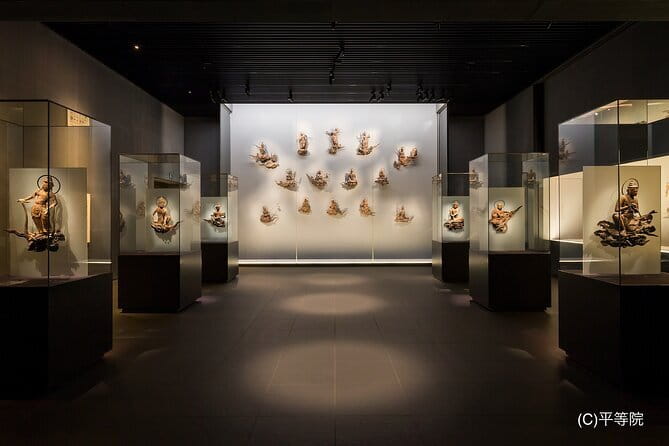
Your first stop is Byodo-in Temple. This is the famous one, the UNESCO World Heritage Site that appears on the 10-yen coin. Even if you have seen it online before, seeing it in person is different. You feel the scale of the grounds and the look of the architecture in daylight, not through a screen.
What I like about starting here is pacing. You begin with a landmark that gives you context for everything else that follows. Once you know you are in the place associated with Uji’s identity, the later tea steps feel connected, not random.
A small heads-up: temples can be busy, and mornings in Kyoto are often active. If you want the calmest photos, show up ready to walk and don’t assume you’ll have the spot to yourself.
- PERFECT KYOTO 1-Day Bus Tour★ 5.0 · 13,518 reviews
- Kyoto: Fushimi Inari, Kinkakuji, Bamboo Grove 1 Day Bus Tour★ 4.8 · 4,316 reviews
- Kyoto: Tea Ceremony in a Traditional Tea House in Kiyomizu★ 4.9 · 3,519 reviews
- Kyoto Geisha Walking Tour: Gion District & Hidden Gems★ 4.7 · 3,273 reviews
- Kyoto: Tea Ceremony Ju-An at Jotokuji Temple★ 4.9 · 3,207 reviews
Uji Shrine and the tea-town walk where the guide does the work
After Byodo-in, the route continues with stops including Uji Shrine. This is where the tour becomes more about feeling like you are actually in Uji, not just moving between major sights.
What makes this part valuable is the guided storytelling. In the experience I took, Vincent explained what we were seeing and tied it back to the local area, so the shrine stop did not feel like an extra detour. You get the sense that Uji’s identity is built on more than matcha, even though matcha is the star.
Then there is a third stop: Fukujuen Ujicha Kobo. The name alone signals a tea focus, and it fits the theme of the morning. You are not just looking at tea from far away. You are moving deeper into the tea culture thread as the walk continues.
Because this is a guided walking tour, your best strategy is simple: wear comfortable shoes and treat the route like part of the experience. Uji is not huge, but it is not designed for flip-flops either.
Grinding matcha: the stone mill moment that makes the tour click
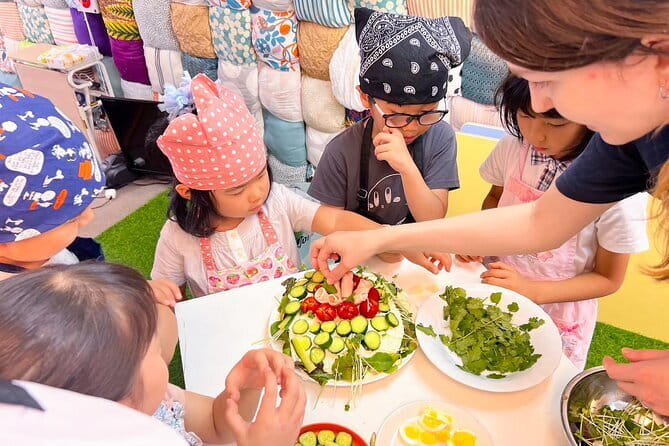
Now for the reason many people book this in the first place: the matcha making class and stone grinding experience.
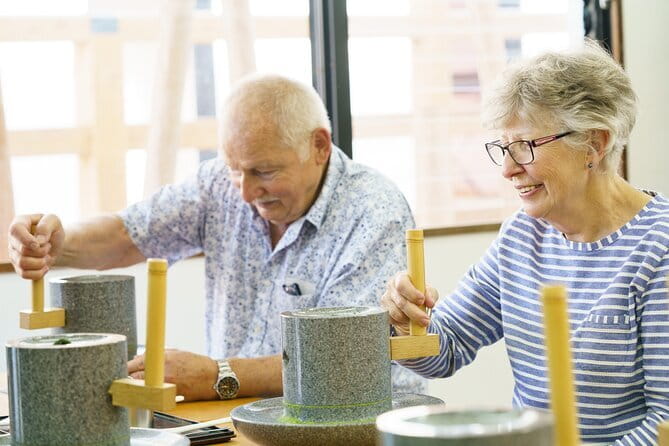
You grind your own matcha powder using a traditional stone mill. That is not a detail you should skip. Grinding is where the tour becomes memorable, because you see the process and you control it. Even if you have had matcha before, making powder from scratch gives you a new baseline for what fresh matcha feels like compared with something pre-made.
You’ll also learn about Uji tea along the way. The tour description frames it as learning why Uji is known as Japan’s top region for quality green tea. When that context lands right before you taste your own drink, you understand what you are tasting in a more meaningful way.
Mask rule during matcha making
One requirement you should take seriously: you are asked to wear a mask during the matcha making workshop. Even if you have strong opinions about masks, this is the kind of rule that can affect whether you can join the activity smoothly, so plan to bring one you can comfortably wear during instructions and grinding.
Sweets or matcha ice cream, included
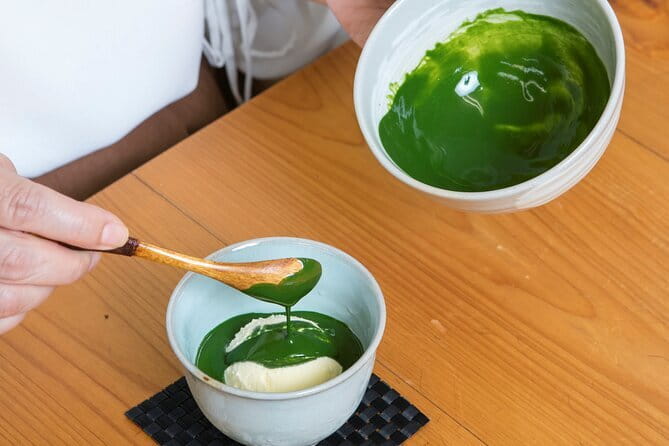
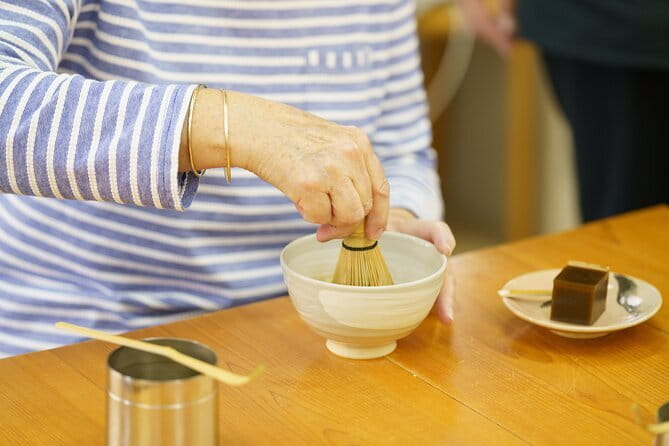
After grinding, you drink your fresh matcha and get either Japanese sweets or matcha ice cream. This is one of those inclusions that genuinely improves value. You get to compare how matcha pairs with something sweet immediately, which makes the taste session more complete.
What you actually learn about Uji tea culture
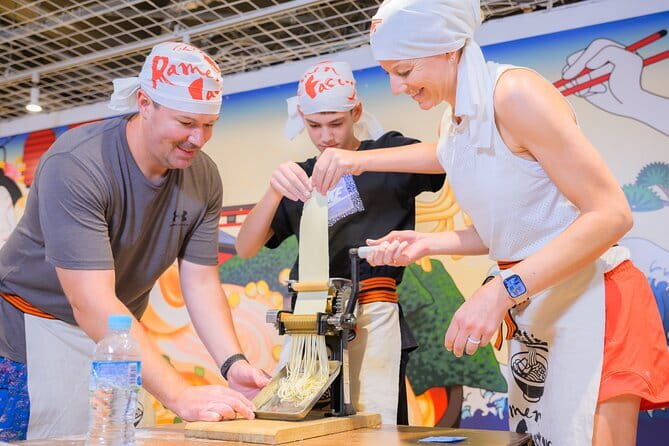
The tour is not only physical work. It is knowledge you can use. The guide’s job is to connect the dots across the walk: what makes Uji important, how tea culture shows up in the local landmarks, and why people care about quality.
I appreciated this because it turns a half-day into something you carry home. Matcha talk can be vague if you only hear marketing lines. When you hear the local history and then taste your own drink, the story becomes personal.
In my experience, Vincent was friendly and the explanations felt practical, not lecture-y. He pointed out what we were seeing and made it easier to understand why each stop mattered to the Uji tea reputation.
Value check: is $130.46 worth it?
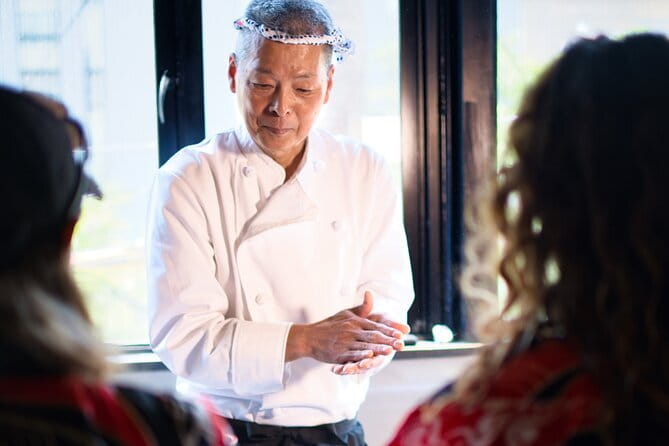
At $130.46 per person for a roughly 4-hour small-group tour, the price is not cheap, but it can be fair when you look at what you get.
Here’s the value math that matters most to you:
- Byodo-in Temple admission fee is included.
- The matcha making class is included, including the stone grinding activity.
- You also get Japanese snacks or matcha ice cream.
- You are getting an English guided tour with a guide who explains what you see.
- Group size is capped at 6, which usually means more interaction and less waiting.
What is not included: hotel pickup. So your cost is really about the guide, the entry fee, and the hands-on workshop, not about door-to-door convenience. If you are already in Kyoto and can get to JR Kyoto Station easily, that helps the value.
If you are traveling with a tight schedule, the half-day length can also be worth it. You get a focused Uji experience without losing your whole day to transit.
Who this tour suits best (and who might want a different plan)
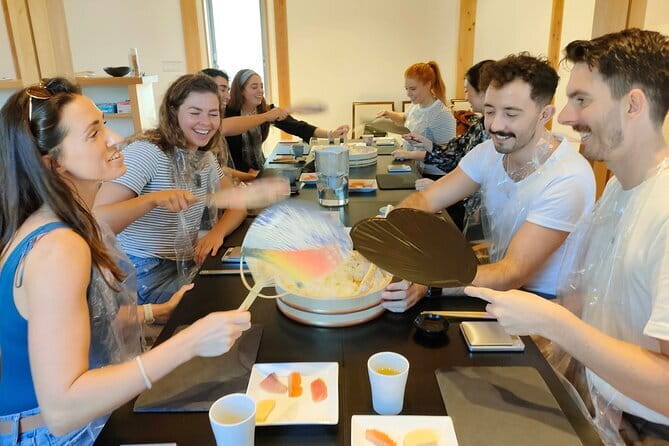
This is a great fit if you:
- Love matcha and want the hands-on story, not just a tasting.
- Want an organized way to see the most famous Uji landmark, plus shrine and tea-culture stops.
- Prefer English guiding with room for questions in a group capped at 6.
- Like experiences that end with what you made, not just where you stood for photos.
You might think twice if:
- You hate any requirement like wearing a mask during the workshop.
- You dislike using WhatsApp for pre-tour communication.
- You do not want to meet at a specific spot near Kyoto Station and take yourself there.
Should you book this Uji Matcha Grinding and Walking Tour?
If you want a Uji morning that connects landmark sightseeing with a real matcha payoff, I think this is a strong booking. The combo of Byodo-in, a guided tea-themed walk, and the stone mill grinding makes the experience feel complete. The small group size is a real plus, and having a guide who can explain the sights clearly, like Vincent did in my case, turns the day from activity into understanding.
If you are picky about convenience, remember the basics: no hotel pickup, and you need your mask for the workshop plus WhatsApp set up ahead of time.
FAQ
How long is the Matcha Grinding Experience and Walking Tour in Uji Kyoto?
The tour lasts about 4 hours.
Where does the tour start and when?
It starts at 9:30 am at Shinshindo – JR Kyoto Station (Kyoto Station, Central Exit area). The tour ends back at the meeting point.
What is included in the price?
The price includes Byodo-in Temple admission, the matcha making class, and Japanese snacks or matcha ice cream.
Is there hotel pickup?
No, hotel pick-up is not included.
What group size should I expect?
This activity has a maximum of 6 travelers.
Do I need WhatsApp or a mask?
You should ensure WhatsApp is available for easy communication before the tour. You also need to wear a mask during the matcha making workshop.
Kyoto by the Bowl
Newest Kyoto write-ups from the Loving Japan desk
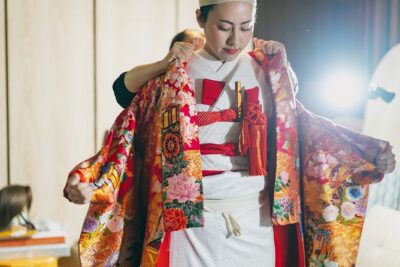
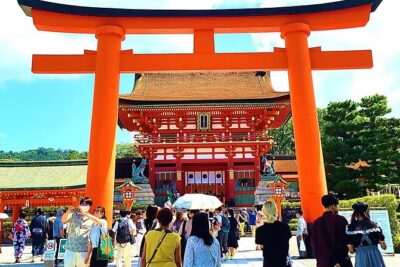
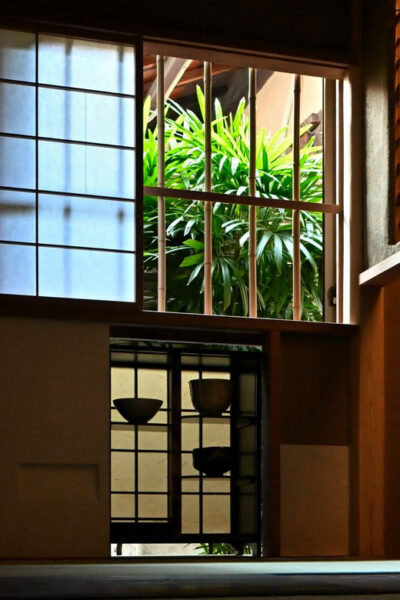
Kyoto Tea Ceremonies and Matcha, side by side.
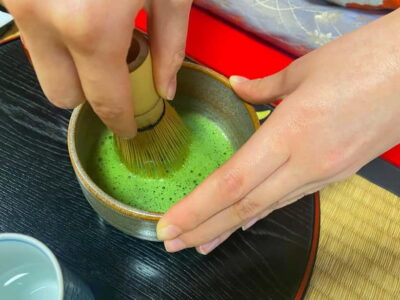 ★ 4.9Tea Ceremony in a Traditional Tea House in KiyomizuFrom $493,519 reviews
 ★ 4.9Tea Ceremony Ju-An at Jotokuji TempleFrom $293,207 reviews
 ★ 4.345-Minute Tea Ceremony Lesson ExperienceFrom $222,378 reviews
 ★ 5.0World Heritage Kyoto & Nara Uji Authentic Matcha ExperienceFrom $1291,573 reviews
 ★ 4.9Tea Ceremony ExperienceFrom $251,426 reviews
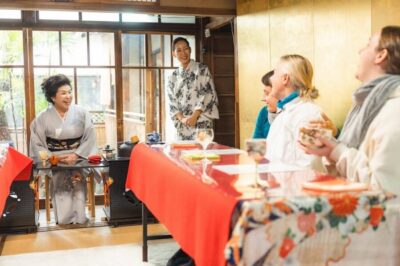 ★ 4.9Table-Style Tea Ceremony at a Kyo-MachiyaFrom $451,211 reviews
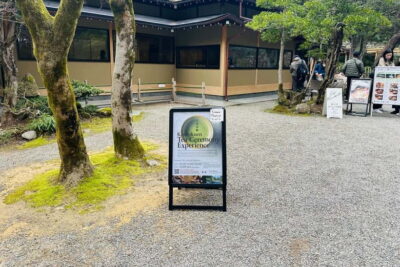 ★ 4.8Kenrokuen Tea Ceremony ExperienceFrom $351,139 reviews
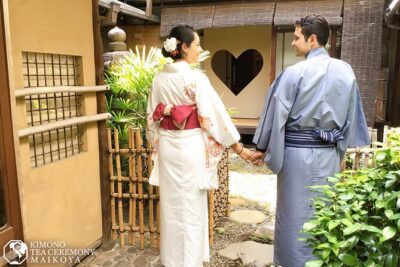 ★ 5.0Kimono Tea Ceremony at Kyoto Maikoya, NISHIKIFrom $65911 reviews
Filed on these lists too