
REVIEW · NAGASAKI MEMORIAL SITES AND CITY TOURS
Nagasaki Private Customizable Half Day Tour
Your Nagasaki, mapped to your pace.
This private half-day tour lets you build a dream route in 4 hours, guided in English, with pickup and drop-off included. You select themes and must-see stops, then your guide handles the reservations and planning so you can spend the time walking, looking, and asking questions.
I really like how the tour stays flexible. You choose the mix, so a day built around peace memory can be paired with a lighter cultural stop like Chinatown or bridge photos. I also like that the format is designed for a small hit list, usually 2 to 3 attractions, which means less sprinting and more time at each place.
One thing to consider is that Nagasaki packs a lot into a small footprint. If you pick ambitious combinations, you may still feel time pressure in a 4-hour window, especially around the most popular sites. The good news is your guide can help you prioritize once you see what’s realistic.
In This Review
- Key highlights at a glance
- How customization actually feels in 4 hours
- Meeting point, pickup, and getting moving fast
- Peace and memory stops that deserve your full attention
- UNESCO-era church and the solemn plus architectural angle
- Dejima, Dutch-style streets, and the photo magnet Meganebashi Bridge
- Chinatown, art collections, and the Chinese connections in Nagasaki
- Temples and shrines: a calm detour with meaning
- Shiroyama School Museum, sunrise views, and choosing the right energy
- Island ruins like Gunkanjima, plus the value of a tight plan
- Tulips, gardens, and the best seasonal switch
- Price and what you’re buying with $203.80 per person
- Who this tour fits best, and who might want something else
- Should you book this Nagasaki private half-day tour?
- FAQ
- What is the duration of the Nagasaki Private Customizable Half Day Tour?
- What time does the tour start?
- Where does the tour begin and end?
- Is hotel pickup and drop-off included?
- How many attractions will I visit during the tour?
- What language is the tour guide?
- Is transportation included during the tour?
- Do I need to complete a form after booking?
- Is there a mobile ticket?
- What is the cancellation policy?
Key highlights at a glance
- Personal itinerary in 4 hours with your interests driving the stop choices
- English-speaking guide who can tailor the day on the spot
- Hotel pickup and drop-off plus city transportation arranged for you
- Peace sites, Dutch-era landmarks, and Chinatown as strong menu options
- Photography-friendly stops like Meganebashi Bridge and viewing areas
- Pro-level prep from guides known for organization, warmth, and tailoring
Further guided walks through Nagasaki and its memorial sites
- Nagasaki: Private Walking Tour with a Local
★ 4.7 · 79 reviews - Nagasaki Full-Day Private Tour with Government-Licensed Guide
★ 5.0 · 66 reviews - Nagasaki Half-Day Private Tour with Government-Licensed Guide
★ 5.0 · 53 reviews - Visit Gunkanjima Island (Battleship Island) in Nagasaki
★ 4.0 · 32 reviews
How customization actually feels in 4 hours
This is a private tour, but it’s not a vague free-for-all. After booking, you fill out a Nagasaki Form where you can flag what you care about: culture, history, cuisine, nature, or special events. Then the guide builds your route around your preferences.
In practice, that matters because Nagasaki is a city with “layers.” You can go from solemn memory to Dutch trading history to Chinese-influenced streets without feeling like you’re forcing it. Your guide’s job is to make the logic of the route click, so you’re not just hopping between pins on a map.
You also get reservations and bookings made on your behalf when needed. That turns your half-day from, “I hope this works out,” into, “I’ll show up and do the fun part.”
Meeting point, pickup, and getting moving fast
The tour starts at Nagasaki Station (Onouemachi area) at 9:00 am and ends back at that same meeting point. Pickup and drop-off are included, so you can be picked up closer to your hotel if your details line up.
You’ll be near public transportation, and the tour includes transportation within the city. Depending on your booking, that can mean public transit or a private vehicle. Either way, the goal is the same: keep your time focused on sights, not logistics.
A practical tip: you’ll want to arrive about 10 minutes early. The guide can wait up to 30 minutes at the start time before the tour is canceled, so don’t test that boundary.
Peace and memory stops that deserve your full attention
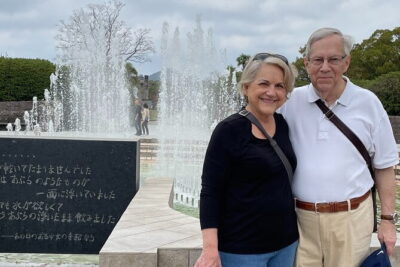
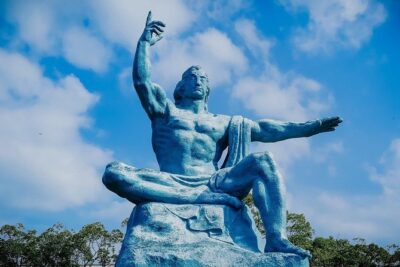
If you choose the peace-focused route, you’re looking at sites tied to the atomic bombing of Nagasaki in 1945. The itinerary options can include a poignant memorial for the victims, plus a key historical site connected to the bombing, and the area around the atomic bombing story.
This kind of stop is powerful, but it’s also a lot emotionally. If you want the day to feel balanced, I’d pair a peace stop with something that gives your brain a breather after. That might be a short stroll, a viewpoint, or a cultural stop like Chinatown.
What to expect at a peace site:
- You’ll slow down. That’s not a bad thing.
- There’s typically more reading and standing time than at a casual photo stop.
- You’ll want comfortable shoes and weather-ready clothing, because you’ll probably be outdoors longer than you think.
If you’re traveling with family, the customization part is especially useful. You can steer the day toward what your group can handle and still keep it respectful and meaningful.
- Taste Local Life: Nagasaki’s Historical Street Walking Tour★ 5.0 · 27 reviews
- Nagasaki Full Day Tour with Licensed Guide and Vehicle★ 5.0 · 27 reviews
- Nagasaki Street Food Adventure: Private Walking Tour with a Local★ 5.0 · 26 reviews
- Nagasaki Private Tour with a Local – Highlights & Hidden Gems★ 5.0 · 24 reviews
- Nagasaki WW2 History and Culture Tour★ 5.0 · 19 reviews
UNESCO-era church and the solemn plus architectural angle
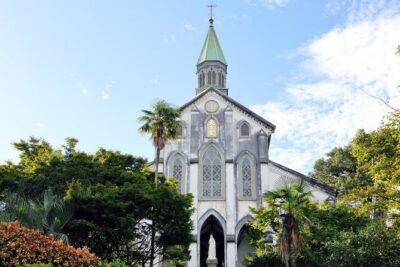
One standout option is a historic Roman Catholic church, described as one of the oldest Christian churches in Japan and a UNESCO World Heritage Site. If your theme includes history, this is a great “architectural anchor.”
Why this works in a half day:
- It adds a clear sense of Nagasaki’s role as a crossroads of faith and culture.
- It gives you something visually specific, not just museum reading.
- It’s a natural bridge between the peace story and Nagasaki’s broader connections to the outside world.
A practical consideration: choose weather-friendly clothing. Churches and memorials can be chilly or still, and you’ll likely spend time taking in details at a slower pace.
Dejima, Dutch-style streets, and the photo magnet Meganebashi Bridge
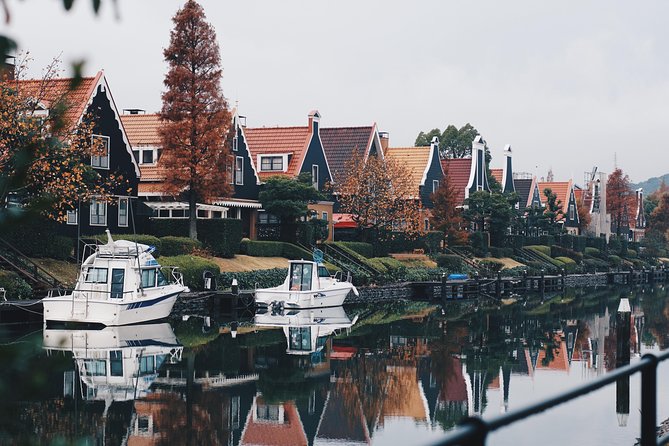
Another popular lane is Nagasaki’s Dutch-era connection. Options include a small artificial island that served as a trading post for the Dutch East India Company from the 17th to the 19th century. You’ll also find a stop option tied to Dutch-style architecture, noted as once part of Dejima.
Even if you’re not a history nerd, the payoff is sensory. Nagasaki looks different in these areas. The architecture and street angles give you a sense of how trade and foreign contact shaped the city’s look and rhythm.
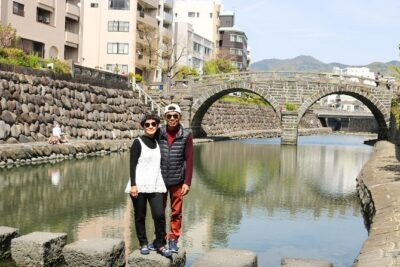
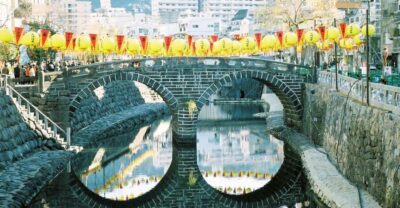
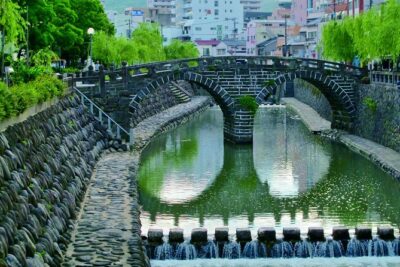
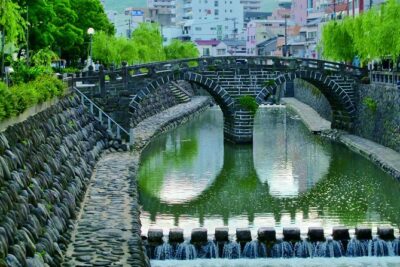
Then there’s Meganebashi Bridge, famous for its role as a symbol of Nagasaki’s heritage and repeatedly called a must-see photography spot. It spans the Nakashima River and is a go-to for capturing reflections and perspective.
How to make this stop work for you:
- If you care about photos, ask your guide when the best light hits based on the day’s plan.
- If you care about walking and atmosphere, treat it as a short “pause” between bigger sites rather than the main event.
It’s a small detour that often feels like the day’s favorite picture.
Chinatown, art collections, and the Chinese connections in Nagasaki
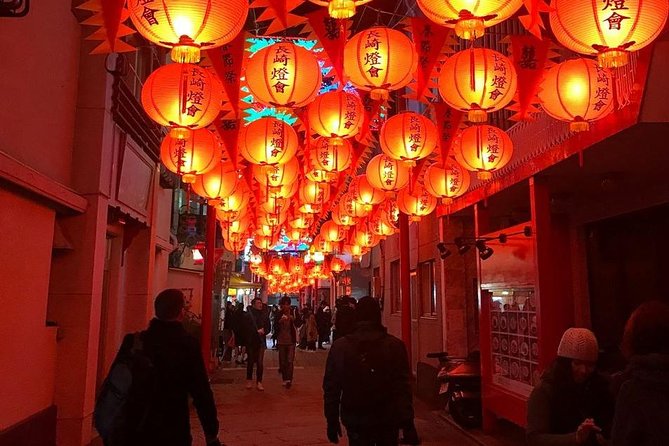
If you want flavor and culture without committing to a full day meal hunt, Chinatown is a smart pairing. One stop option is noted as one of the oldest Chinatowns in Japan with strong cultural influence.
In a customized half day, Chinatown usually plays well in one of two ways:
- A short walking loop where you sample snacks and people-watch
- A calm cultural interlude after a heavy site like the peace memorial
Art and museums also appear as options. There’s a described stop that houses a diverse collection of artworks, including Japanese and Western paintings, plus sculptures and ceramics. Another option is a comprehensive museum focused on Nagasaki Prefecture history and culture.
I like this kind of pairing because it balances “what happened” with “how people live with those memories.” Museums give context, while the streets give your senses something to do.
Temples and shrines: a calm detour with meaning
Nagasaki offers spiritual stops that aren’t just scenic. The tour options can include:
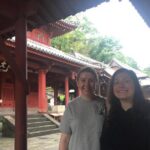
- A Zen Buddhist temple founded in the 14th century by a Chinese monk, with a connection to Chinese Zen Buddhism
- A Confucian shrine built in the 17th century honoring Confucius
These work well when you want your day to breathe. Temples and shrines tend to reset your pace, and the guides can usually explain what you’re looking at without making it lecture-heavy.
A small practical note: give yourself a moment before entering any place of worship. It helps you shift from “tour mode” to “observe mode,” which is how you get the most out of these stops.
Shiroyama School Museum, sunrise views, and choosing the right energy
Some of the most memorable half-day routes combine a major historical site with a viewpoint and a neighborhood-feeling walk. In past guides, I’ve seen plans that include the Shiroyama National School Building and the Shiroyama School Museum as part of a tight program.
The reason that combo works is simple: you get history plus scale. School and education sites often hit differently than more standard memorials, and a viewpoint stop can make the day feel less like a single long emotion.
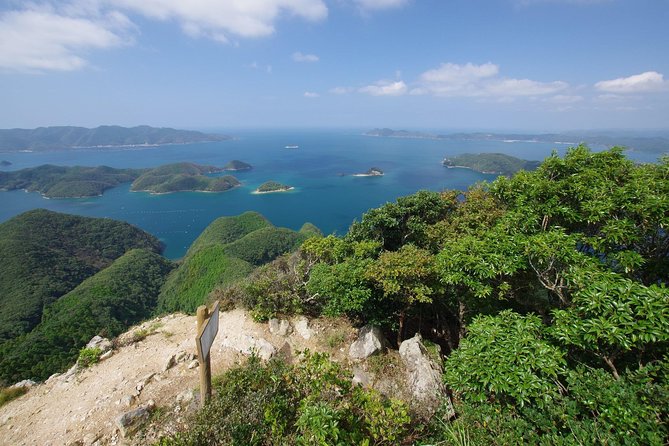
You’ll also see options for views, including a note that certain spots are great around sunrise and sunset. Even if you’re not doing sunrise, a viewpoint can add a reset when your day feels packed.
If you’re choosing between museums and viewpoints, pick based on your group’s pace:
- If you want reading and context, go museum heavy.
- If you want atmosphere and photos, lean viewpoint heavy.
Your guide can steer you either way.
Island ruins like Gunkanjima, plus the value of a tight plan
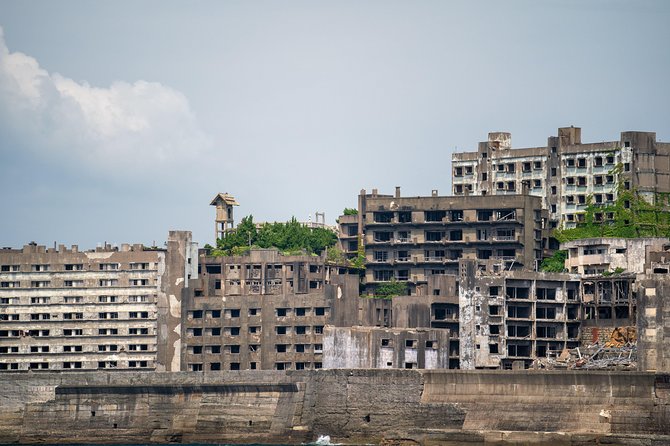
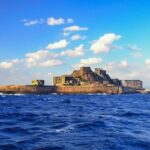
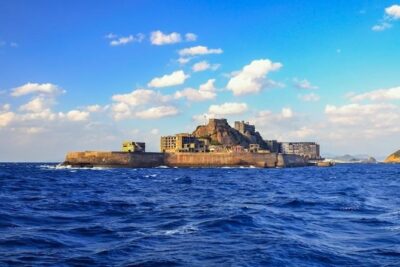
One of the most eye-catching options is Gunkanjima, known for unique industrial ruins and an eerie, abandoned appearance. It’s described as a former thriving mining community that was abandoned after the mines closed in the 1970s.
Even if you’re only spending a short time in the area, these ruins have a strong “wow” factor. They also connect to Nagasaki’s industrial and global story, not just its port-and-architecture story.
A key consideration: because this is described as transportation within the city only, your guide will need to shape the plan so everything fits your half-day. Ask for clarity in advance if island-related stops are part of your dream itinerary, then trust your guide to adjust the timing.
If you’re the type who likes to understand what you’re looking at, build in a few questions. These ruins are the kind of place where a guide’s explanations can turn impressive visuals into real understanding.
Tulips, gardens, and the best seasonal switch
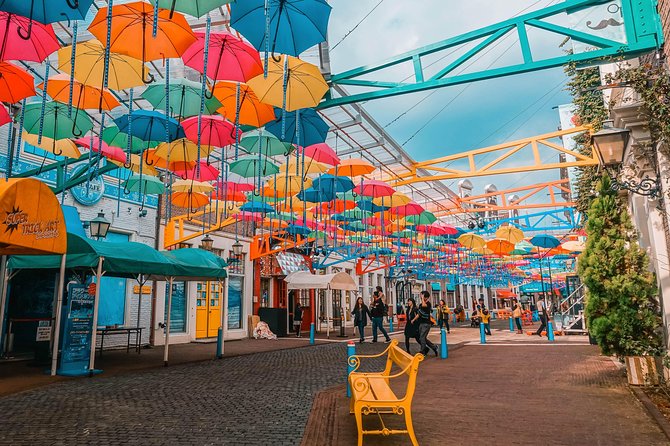
There’s also an option for a tourist area known for flower displays, especially tulips. If you’re visiting in tulip season, this can be an excellent “soft landing” after history.
Flowers are not just pretty here. They help you change gears. Instead of focusing on facts and memory, you focus on color, shape, and light, which makes the overall day feel less heavy.
In a customized route, this is easy to slot in as a final stop if your energy is still good.
Price and what you’re buying with $203.80 per person
At $203.80 per person for about 4 hours, the price can look steep if you’re imagining it as a casual walking tour. But you’re not buying a generic group bus ride.
You’re buying:
- A private experience
- An English-speaking professional guide
- Hotel pickup and drop-off
- Transportation within the city arranged for your plan
- Help with reservations and bookings when needed
- A tight route focusing on 2 to 3 attractions
For couples, solo travelers who hate crowded group schedules, and families who want control over pacing, that added flexibility often feels worth it. If you have specific priorities, this type of custom tour can save you time and frustration, which is its own kind of value.
Also, the booking patterns suggest people plan this far ahead on average. If you’re going during a busy season, that early planning window matters for getting the route you want.
Who this tour fits best, and who might want something else
This tour is best for you if:
- You want a half-day in Nagasaki that feels personal, not prepackaged
- You like having a guide explain what you’re seeing and help you choose priorities
- You want to cover major Nagasaki themes without turning the day into a sprint
It might be less ideal if:
- You want a freewheeling day where you never listen to instructions or schedules
- You’re hoping for a super-long list of stops, because the structure is built around about 2 to 3 attractions
- Your group wants an all-out shopping or restaurant crawl, since meals aren’t included as part of the tour package
The private format helps either way. If you feel unsure, fill out the form clearly. That’s how you get a day that matches your reality.
Should you book this Nagasaki private half-day tour?
I’d book it if you want Nagasaki to feel organized and thoughtful, not random. The combination of customization, pickup, and an English-speaking guide makes it a strong fit for first-timers and returning visitors who want a sharper focus.
I’d also book it if you care about pairing the city’s different faces, peace memory plus Dutch-era landmarks, Chinatown plus viewpoints, temples plus museums. In a few hours, a good guide can help you connect the dots.
If you hate choosing and you want someone else to decide everything, you can still do that through your form. Just be honest about what you want to feel at the end of the day: reflective, energetic, photo-focused, or culture-first. Your route only works if you steer the priorities.
FAQ
What is the duration of the Nagasaki Private Customizable Half Day Tour?
The tour lasts about 4 hours.
What time does the tour start?
The start time is 9:00 am.
Where does the tour begin and end?
It starts at Nagasaki Station (Onouemachi, Nagasaki) and ends back at the meeting point.
Is hotel pickup and drop-off included?
Yes. Hotel pickup and drop-off are included.
How many attractions will I visit during the tour?
The tour is designed to discover 2 to 3 attractions within the timeframe.
What language is the tour guide?
The tour guide is listed as English-speaking. Other languages may be available based on your booking.
Is transportation included during the tour?
Yes, transportation within the city is included, and it can be by public transportation or a private vehicle based on your booking.
Do I need to complete a form after booking?
Yes. You’ll receive a link to a Nagasaki Form, and you should complete it accurately at least 7 days before your tour date.
Is there a mobile ticket?
Yes, the tour includes a mobile ticket.
What is the cancellation policy?
The experience is listed as non-refundable and cannot be changed for any reason.
Nagasaki and Its Memorial Sites
Newest Nagasaki write-ups from the Loving Japan desk
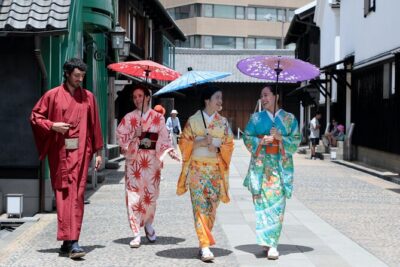
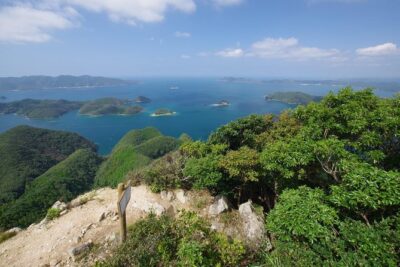
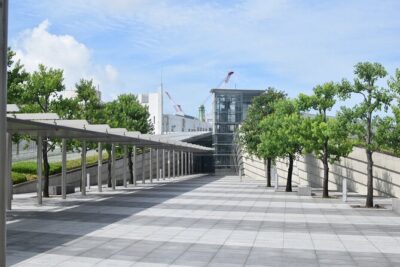
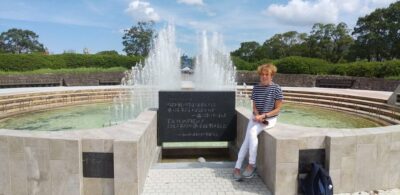
Nagasaki Memorial Sites and City Tours, side by side.
 ★ 4.7Private Walking Tour with a LocalFrom $8279 reviews
 ★ 5.0Nagasaki Full-Day Private Tour with Government-Licensed GuideFrom $15566 reviews
 ★ 5.0Nagasaki Half-Day Private Tour with Government-Licensed GuideFrom $12253 reviews
 ★ 4.0Visit Gunkanjima Island (Battleship Island) in NagasakiFrom $7132 reviews
 ★ 5.0Nagasaki Full Day Tour with Licensed Guide and VehicleFrom $59827 reviews
 ★ 5.0Taste Local Life: Nagasaki’s Historical Street Walking TourFrom $10527 reviews
 ★ 5.0Nagasaki Street Food Adventure: Private Walking Tour with a LocalFrom $22826 reviews
 ★ 5.0Nagasaki Private Tour with a Local – Highlights & Hidden GemsFrom $6424 reviews
Filed on these lists too