
REVIEW · NAGASAKI MEMORIAL SITES AND CITY TOURS
Semi Private Guided Tour of Nagasaki.
Nagasaki is history you can feel. This semi-private guided day lines up big-emotion places with scenic viewpoints, all explained by a long-term Nagasaki resident guide, like Pene, who calls the shots based on your group and the day’s conditions. I like the small groups approach, because you spend less time herding and more time looking.
I also love the clarity of the guide’s native English storytelling. On past days, Pene has been patient with older guests, helped translate for family members who did not speak English well, and adjusted the pace so people could actually absorb what they were seeing.
One consideration: the day can shift with weather and closures, so your exact order and viewpoints may change. Also, the Atomic Bomb Museum and Peace Park are not light stops, so go in ready to slow down and be respectful.
In This Review
- Key things you’ll like about this Nagasaki tour
- A semi-private Nagasaki day with English guidance (and real local context)
- Price and value: what $125 covers, what it does not
- How the 4 to 8 hour timing works in practice
- Mt. Inasa at night: the view that frames the whole city
- Nagasaki Atomic Bomb Museum: strong context, thoughtful pacing
- Peace Park and the Peace Statue: quiet time built in
- Dejima and Shinchi Chinatown: two centuries of trade and culture
- Dejima
- Shinchi Chinatown
- Oura Cathedral and Glover Garden: Western Nagasaki in stone and wood
- Oura Catholic Church (Oura Church)
- Glover Garden
- Backup sights when weather or closures hit
- Who this tour is best for, and who should consider DIY
- Food, water, and comfort: small choices that make the day easier
- Should you book this Nagasaki semi-private tour?
- FAQ
- What is included in the tour price?
- Are meals included?
- How long is the tour?
- Which stops are usually part of the route?
- Are alternate sites available if weather or closures affect the original stops?
- Is entrance to all stops included?
- Is bottled water included?
- What cancellation options do I have?
- Is this tour okay for people with mobility challenges?
Key things you’ll like about this Nagasaki tour
- Native English, long-term resident guide: clear, practical explanations that make the city’s layers make sense fast
- A tight day with serious and scenic stops: Mt. Inasa, Atomic Bomb Museum, Peace Park, Dejima, Chinatown, Oura Church, Glover Garden
- Entrance fees and public transport included: you are not juggling tickets for major sites
- Semi-private group size (max 20): enough structure to be easy, enough flexibility to breathe
- Backup sights when conditions change: alternatives like Suwa Shrine, Nishizaka, or Spectacles Bridge may replace closed stops
Further guided walks through Nagasaki and its memorial sites
- Nagasaki: Private Walking Tour with a Local
★ 4.7 · 79 reviews - Nagasaki Full-Day Private Tour with Government-Licensed Guide
★ 5.0 · 66 reviews - Nagasaki Half-Day Private Tour with Government-Licensed Guide
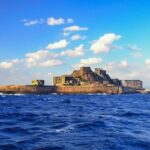
★ 5.0 · 53 reviews - Visit Gunkanjima Island (Battleship Island) in Nagasaki
★ 4.0 · 32 reviews
A semi-private Nagasaki day with English guidance (and real local context)
Nagasaki is one of Japan’s most distinctive ports, shaped by trade, faith, and tragedy. This tour’s big strength is how it stitches those themes together in one go, without turning it into a rushed checklist.
You start with a viewpoint at Mt. Inasa, then move into the August 9, 1945 story through the Atomic Bomb Museum and Peace Park. After that emotional center, the day swings back toward what makes Nagasaki unusual: the Dutch-era Dejima, the long-running Chinese quarter around Shinchi Chinatown, and the Western-era architecture at Oura Cathedral and Glover Garden.
The guide matters here. This is the kind of day where “just showing up” is not enough. A good guide helps you connect names, locations, and timelines, and gives you context for what you are looking at, especially at the sites tied to the atomic bombing.
Price and value: what $125 covers, what it does not
At $125 per person, the value mostly comes from two places.
First, the tour includes entrance fees at the stops that list them as covered, including major paid entries like the Mt. Inasa visit, the Atomic Bomb Museum, Oura Church, and Glover Garden. Second, transportation costs are included, with the operator using a mix of public and private options depending on how many people are on the tour.
What you should budget separately is also clear. Lunch is not included, and the tour does not cover bottled water or any extra transport if you need an emergency taxi back to the tour start point. In practice, that means you will want a plan for a meal, or at least some snacks, because the day can run anywhere from 4 to 8 hours.
One practical tip: because the guide can accommodate interests, you can use the tour as your “structured day,” then eat on your own schedule once you have momentum. This keeps the price feeling fair rather than like you are paying for forced meals you may not want.
How the 4 to 8 hour timing works in practice
The duration is listed as about 4 to 8 hours, so it helps to think in ranges. If the group moves efficiently between stops and conditions are good, you can expect a smooth pace. If something takes longer, if you add time for questions, or if weather affects where you go, the day stretches.
Also, you are not just sitting. This is a mix of walking and transit between viewpoints and multiple neighborhoods. The tour says it’s best for people with moderate physical fitness, so come prepared for stairs, uneven sidewalks, and the general footwork that comes with city sightseeing in Nagasaki.
I like that this is semi-private. With a max of 20 people, the group stays manageable, and the guide can adjust if someone needs a breather or if the group wants to linger at a particular stop.
- Taste Local Life: Nagasaki’s Historical Street Walking Tour★ 5.0 · 27 reviews
- Nagasaki Full Day Tour with Licensed Guide and Vehicle★ 5.0 · 27 reviews
- Nagasaki Street Food Adventure: Private Walking Tour with a Local★ 5.0 · 26 reviews
- Nagasaki Private Tour with a Local – Highlights & Hidden Gems★ 5.0 · 24 reviews
- Nagasaki WW2 History and Culture Tour★ 5.0 · 19 reviews
Mt. Inasa at night: the view that frames the whole city
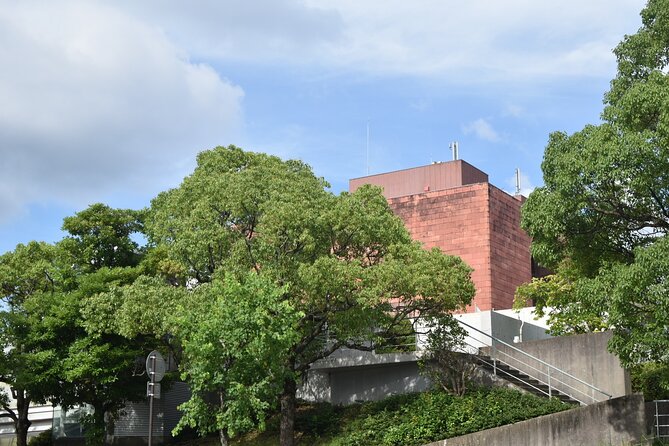
Mt. Inasa is famous for one thing: a panoramic night view where Nagasaki’s lights spill outward below. This is one of the well-known night-view spots in Japan, and the timing is part of why it works so well at the start of the day.
Even if you have seen city views before, this one sets the mood. After you stand there and look, the rest of the tour makes more emotional and geographic sense. The city’s layout, its port identity, and the hills you are moving around in become easier to understand.
The tour allocates about 1 hour, and includes the admission ticket. That means you are not gambling on whether you will have enough time for the view, because you are building the day around it.
If you are sensitive to crowds or lighting, note that viewpoints naturally draw more people. The guide’s pacing helps here, because you do not have to fight for the best angles alone.
Nagasaki Atomic Bomb Museum: strong context, thoughtful pacing
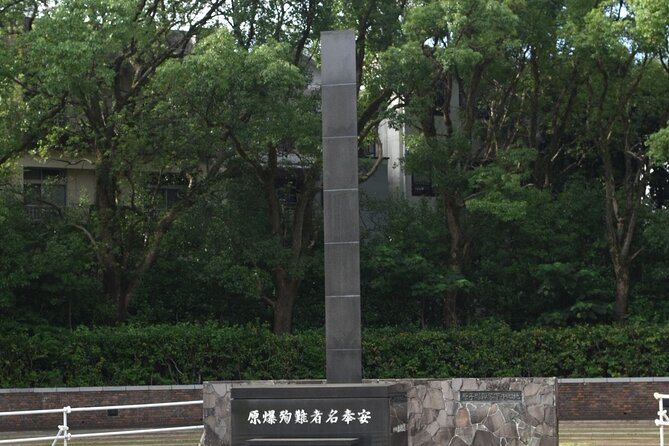
This stop is the heart of the day. The Nagasaki Atomic Bomb Museum looks at what happened on August 9, 1945, using artifacts, photos, and personal accounts.
Plan for this as a reflective hour. You will likely want time to read slowly and look carefully, because the museum is not just informational. It is emotional context, and the artifacts and stories are designed to make you feel the reality of the impact.
One practical value of having a guide here is that you are not left to interpret everything on your own. The guide can help you connect details so you understand why specific items and displays matter.
A good sign from past guests is that Pene does not rush people. He has a style of giving context, then giving space. In other words, you are not forced to sprint through heavy material.
Peace Park and the Peace Statue: quiet time built in
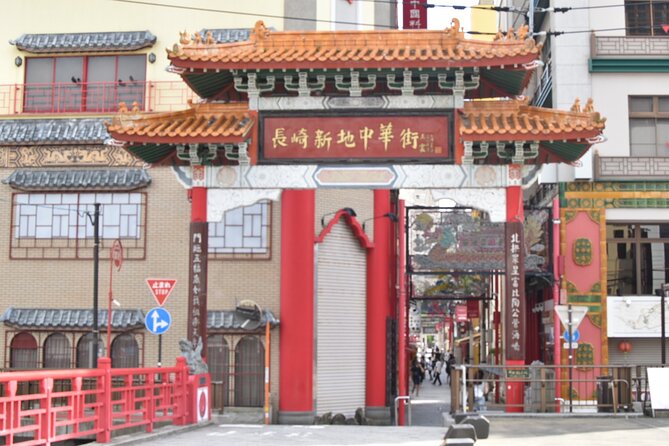
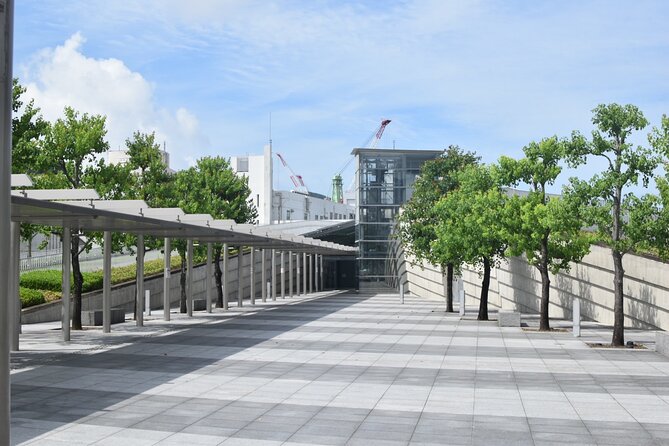
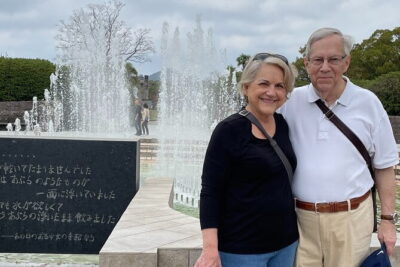
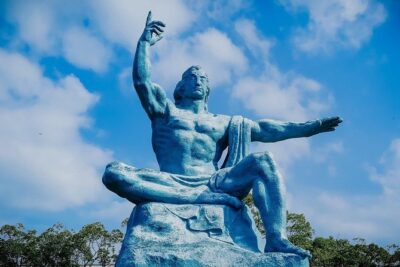
Right after the museum, the tour moves to Peace Park. This is the physical space of remembrance, featuring the Peace Statue and the broader message of hope for peace.
The allotted time is about 30 minutes, and admission is free. That shorter window matters. It prevents the day from turning into a long stretch of emotionally similar content back-to-back. Instead, it gives you a chance to take in the message and reflect, without exhausting you.
If you want a practical approach, use this half-hour to do two things: first, stand back and take in the whole park view, and second, read a few key messages carefully rather than trying to absorb everything at once.
Dejima and Shinchi Chinatown: two centuries of trade and culture
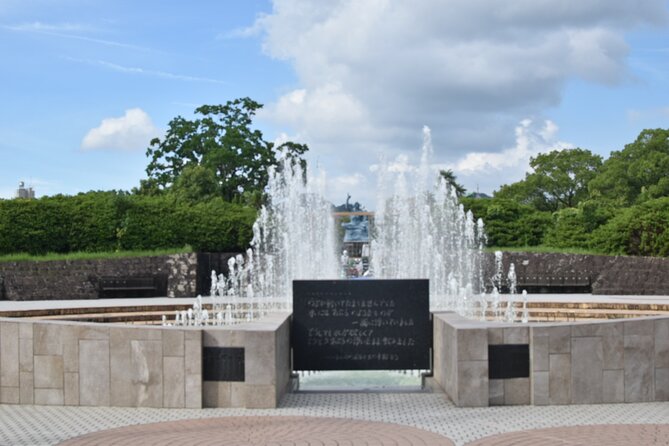
After the atomic legacy sites, the day turns toward what makes Nagasaki unusual historically: its role as a controlled gateway to the outside world.
Dejima
Dejima is a fan-shaped island that served as Japan’s window to the outside during the isolation era. Historically, it was tied to Dutch trading in the 1600s, and today it is a strong place to understand how contact, commerce, and restrictions worked together in this port city.
The tour time here is about 15 minutes, and entrance is not included for this stop. That means you may spend less time than you would at a museum, so it helps to arrive mentally ready to absorb the highlights rather than expecting a deep dive into every detail.
Even in a short visit, Dejima can be powerful, because it is easy to picture how different life must have been for people living through controlled contact with Europe.
Shinchi Chinatown
Next up is Shinchi Chinatown, also noted as Japan’s oldest Chinatown. You get about 45 minutes, and admission is free for the stop.
This is where Nagasaki’s cultural layering becomes visible in daily life. Expect colorful gates and streets that feel distinctly Chinese, plus a sense of food and commerce that is part of why Chinatown neighborhoods exist in the first place.
A short caution: this is a great place to snack, but it can also tempt you to overdo it and then run out of energy for the afternoon. A small meal here is fine, but keep your stamina for Oura Church and Glover Garden later.
Oura Cathedral and Glover Garden: Western Nagasaki in stone and wood
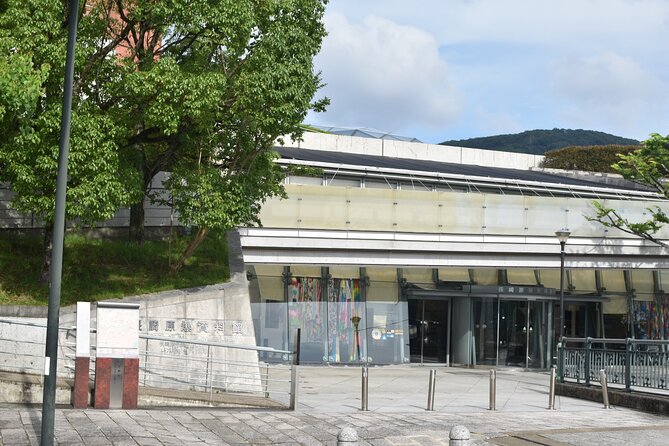
These two stops give you the Western-era side of Nagasaki in a way that feels both architectural and historical.
Oura Catholic Church (Oura Church)
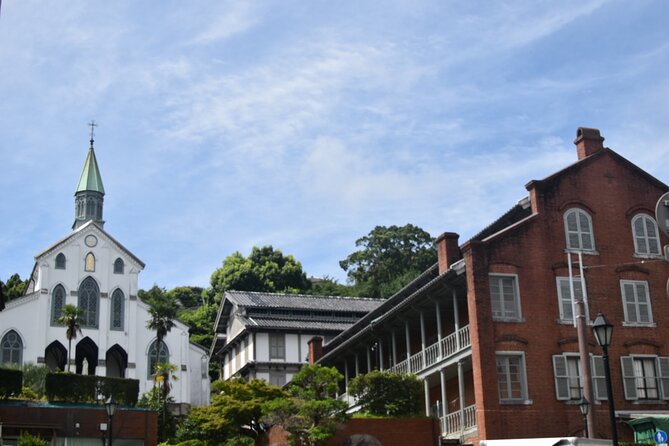
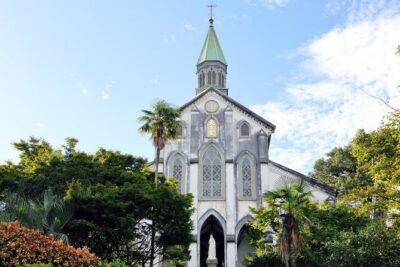
Oura Church is described as Japan’s oldest existing Christian church. It was built in 1864 by French missionaries and is known for its Gothic-style design.
The tour gives about 50 minutes, and admission is included. This length matters because it allows you to look carefully at the structure, read signage, and understand why this church became a symbol of resilience and faith in Nagasaki’s story.
Glover Garden
Then you head to Glover Garden, a scenic historic park with Western-style buildings from the Meiji era. The centerpiece is the Glover Residence, identified as the oldest Western wooden house in Japan.
You get about 1 hour, and admission is included. This is the kind of place where the details are part of the point, not just the big views. You are looking at how Western influence took physical form in this port city, through real buildings that have survived.
When the day has already been heavy, Glover Garden can feel like an emotional exhale. It is not a distraction from history. It’s another chapter of it, showing how Nagasaki carried global influences in everyday structures.
Backup sights when weather or closures hit
Nagasaki weather can change your plans, fast. This tour explicitly notes that stop order and sites may change due to weather and time.
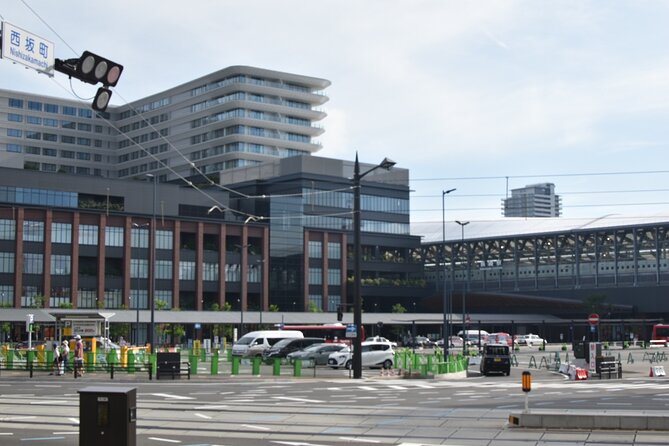
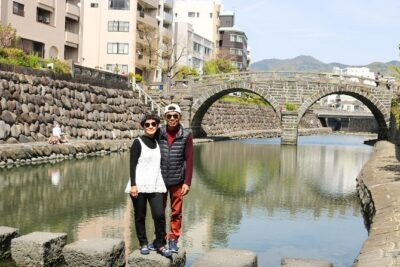
If the original stops are unavailable, alternatives may include Nishizaka, Suwa Shrine, or Spectacles Bridge. The important thing for you is not the replacement list itself, but the fact that the guide keeps the day coherent.
If you are hoping for the exact lineup, your best move is to bring flexibility. If weather forces a change, you are still getting a guided day through Nagasaki’s different historical layers, not an empty schedule.
Who this tour is best for, and who should consider DIY
This tour is a strong fit if you want structure. It’s also a good fit if history is part of your travel style, because the guide’s storytelling turns locations into meaning.
I especially think it suits:
- Cruise passengers who want to see a lot without coordinating transit
- People who appreciate English-first explanations and a paced day
- Families or mixed-age groups, since the guide has shown patience and adaptability
- Anyone who wants the emotional weight of the atomic sites handled with care, not treated like just another stop
Consider DIY instead if:
- You want total control over every minute, including lunch choices and walk times
- You have very specific timing needs that may be disrupted by weather
- You prefer to read and interpret everything entirely on your own, without a guide’s context
Food, water, and comfort: small choices that make the day easier
Food is not included. The tour notes that a lunch break can be arranged or a restaurant reserved if requested, but meals still cost extra. So plan to either:
- Eat early or mid-day based on your energy level, or
- Use the tour as the afternoon structure, then eat after
Also remember bottled water is not included. Hydration matters, especially when you are spending time at viewpoints and walking between neighborhoods.
Bring comfortable shoes. This day is about multiple stops, not one big attraction with long seated time.
Should you book this Nagasaki semi-private tour?
If you want one well-managed day that connects Nagasaki’s night view, atomic legacy, and Western and Chinese influences, I think this tour is a smart booking. The price feels more justified when you remember what you get bundled: guide time, entrance fees for many key stops, and transportation between neighborhoods.
Book it if:
- You value clear English explanations
- You want a guide who adjusts to the group and keeps the pace human
- You want to see both the serious sites and the city’s layered culture
Pass or reassess if:
- You are traveling only for scenery and want minimal emotional content
- Your schedule is so tight that a weather-dependent change would be a problem
If your goal is a guided, meaningful day that is not exhausting to navigate, this is one of the better ways to experience Nagasaki efficiently.
FAQ
What is included in the tour price?
The price includes an in-person English (and French) speaking guide, gratuities, public transportation costs, and entrance fees for the sites that are listed as covered.
Are meals included?
No. Lunch and any beverages are not included. The guide can arrange a lunch break or help reserve a restaurant if you request it, but meal costs are on you.
How long is the tour?
The duration is approximately 4 to 8 hours, depending on time and conditions.
Which stops are usually part of the route?
Common stops include Mt. Inasa, the Atomic Bomb Museum, Peace Park, Dejima, Shinchi Chinatown, Oura Cathedral, and Glover Garden. Specific ordering can change with weather and time.
Are alternate sites available if weather or closures affect the original stops?
Yes. If needed, alternate sites like Nishizaka, Suwa Shrine, or Spectacles Bridge may be visited.
Is entrance to all stops included?
Not for every stop. Entrance is not included for Dejima, while other stops listed as included do have admission covered.
Is bottled water included?
No. Bottled water is not included.
What cancellation options do I have?
You can cancel for a full refund if you cancel at least 24 hours before the experience’s start time. The tour may also be canceled due to poor weather, in which case you will be offered a different date or a full refund. Free cancellation is available.
Is this tour okay for people with mobility challenges?
The tour is described as suitable for travelers with moderate physical fitness. If you have mobility concerns, you should message to check suitability.
Nagasaki and Its Memorial Sites
Newest Nagasaki write-ups from the Loving Japan desk
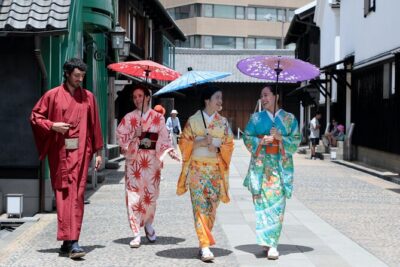
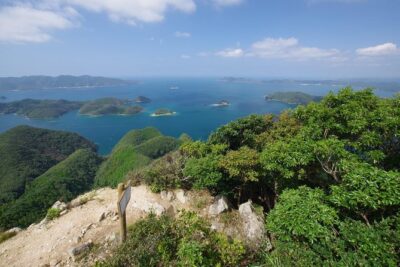
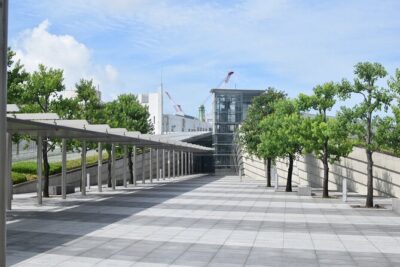
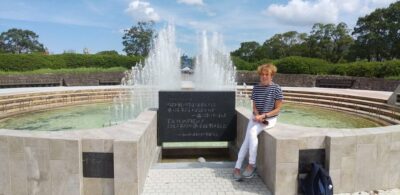
Nagasaki Memorial Sites and City Tours, side by side.
 ★ 4.7Private Walking Tour with a LocalFrom $8279 reviews
 ★ 5.0Nagasaki Full-Day Private Tour with Government-Licensed GuideFrom $15566 reviews
 ★ 5.0Nagasaki Half-Day Private Tour with Government-Licensed GuideFrom $12253 reviews
 ★ 4.0Visit Gunkanjima Island (Battleship Island) in NagasakiFrom $7132 reviews
 ★ 5.0Nagasaki Full Day Tour with Licensed Guide and VehicleFrom $59827 reviews
 ★ 5.0Taste Local Life: Nagasaki’s Historical Street Walking TourFrom $10527 reviews
 ★ 5.0Nagasaki Street Food Adventure: Private Walking Tour with a LocalFrom $22826 reviews
 ★ 5.0Nagasaki Private Tour with a Local – Highlights & Hidden GemsFrom $6424 reviews
Filed on these lists too