
REVIEW · NAGASAKI MEMORIAL SITES AND CITY TOURS
Traditional Kimono Experience in Nagasaki
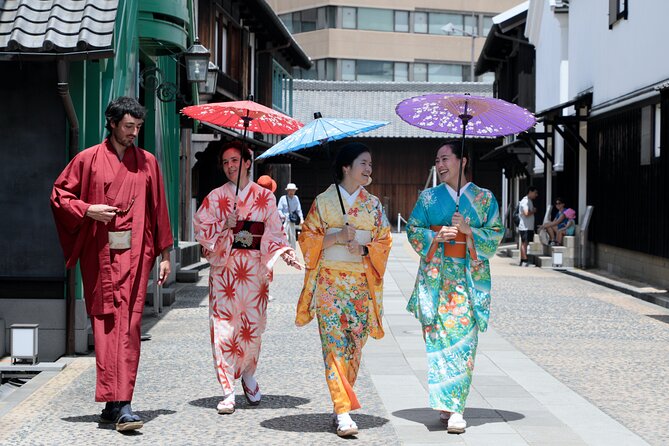
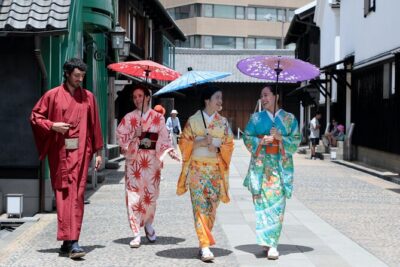
Wearing kimono in Dejima feels like time travel. At 出島ホッペン inside the restored Dejima Dutch Trading Post ruins, you pick from 100-plus styles and a staff member helps you match the right size and look. I love the professional dresser setup so you are not fighting fabric, but you do need to plan for the 5 PM return.
My favorite part is the photo-friendly staging. You get a simple hairstyle plus included accessories, and there are tatami rooms and the Chief Factor’s Residence area where you can take pictures even if the weather goes sideways. One thing to keep in mind: Dejima Museum admission is not included, so extra ticket cost (¥1,100 per person) may apply if you want to go in.
In This Review
- Key Things You’ll Notice at Dejima Hoppen
- Dejima Hoppen Is About More Than a Costume
- Picking the Right Kimono From 100 Plus Choices
- The 20-Minute Dressing Setup (And What’s Included)
- Photos at Dejima: Tatami Rooms and Chief Factor’s Residence
- Walking Dejima in Kimono: What to Do After You’re Dressed
- Weather Backup Plans That Actually Matter
- Price and Value: What $52.55 Buys You
- Family-Friendly Details That Help Everyone
- Practical Logistics That Save Time
- Who Should Book This Kimono Experience at Dejima Hoppen
- Should You Book Dejima Hoppen for Kimono Rental?
- FAQ
- What is included in the kimono rental?
- What is not included?
- How long does the dressing take?
- Can I do this experience in the rain?
- What time do I need to return?
- Where is the meeting point?
Key Things You’ll Notice at Dejima Hoppen
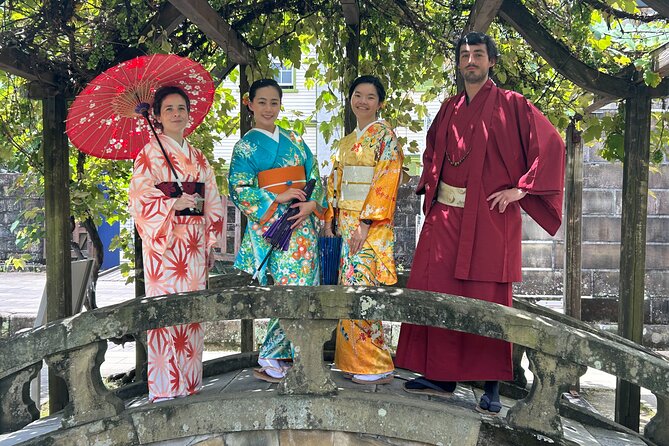
- 100-plus kimono options for men, women, and children age 3+ (sizes up to 5L)
- About 20 minutes per person for dressing, with a simple hairstyle
- Rain-ready photo spots in tatami rooms and the Chief Factor’s Residence
- Included wearables: kimono set gears, hair accessories, zori sandals, and a bag
- A clear time boundary: you need to return to Dejima Hoppen by 5 PM
Still weighing up options in Nagasaki? These are the ones our reviewers rated highest.
- Nagasaki: Private Walking Tour with a Local
★ 4.7 · 79 reviews - Nagasaki Full-Day Private Tour with Government-Licensed Guide
★ 5.0 · 66 reviews - Nagasaki Half-Day Private Tour with Government-Licensed Guide
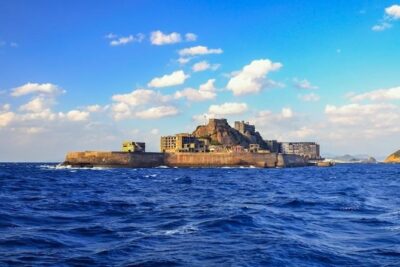
★ 5.0 · 53 reviews - Visit Gunkanjima Island (Battleship Island) in Nagasaki
★ 4.0 · 32 reviews
Dejima Hoppen Is About More Than a Costume
This isn’t just a fast photo-op. The shop is located inside the Dejima Dutch Trading Post Ruins in Nagasaki, a historically important site tied to the Edo period and Japan’s west-facing trading era. The setting matters because it shapes what you do after you put on the kimono.
You arrive, choose your look, get dressed, then step back out into Dejima’s atmosphere. That flow is what makes the experience feel like you are participating in the place, not just renting clothing near it.
Also, this is built for real strolling. You are encouraged to walk outside after you’re dressed, and you can plan your route around Dejima’s historical feel. If the weather turns, they shift you toward indoor enjoyment and indoor photo spots.
Picking the Right Kimono From 100 Plus Choices
Here’s what you will like right away: your selection window is wide. You can choose from more than 100 kimonos for men, women, and children age 3 or older. Pattern choice is a big deal with kimono, since it drives the whole mood of your photos and how you feel wearing it.
Sizing is also handled in a practical way. They have options for women up to 175 cm (5L) and for men up to 190 cm (5L). That matters because it reduces the stress of asking, Will this fit me, or will I need to settle?
If you are going as a family, this variety helps a lot. One person’s pick does not have to match another person’s style, and the shop can handle men and women in the same session. In a couple of the feedback notes, people appreciated having options that made everyone feel included, even dads and kids.
One practical consideration: choosing can take more time than you expect, especially if you are indecisive or want to compare patterns carefully. If you are traveling with kids, you might want to give yourselves a little buffer for decision-making.
The 20-Minute Dressing Setup (And What’s Included)
The dressing itself takes about 20 minutes per person. That is fast enough that you are not stuck inside all morning, but still long enough for the outfit to be put on correctly. A professional dresser handles the process, and staff coordinate with you so the session stays smooth.
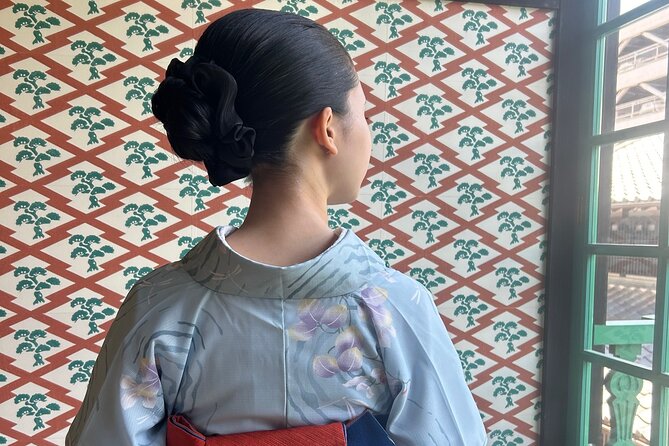
You also get a simple hairstyle. It is not a complicated salon transformation, but it does add that complete kimono look for photos. Accessories matter too. Hair accessories are included, along with the gears you need for wearing kimono and shoes.
Speaking of shoes, you do not need to bring your own. Zori sandals and a bag are included, so your packing list gets shorter. The included bag is handy for keeping your hands free while you walk around, and it is useful for storing small items while you explore.
And they hold your luggage for you, which is a big relief when you are dressed up. Just treat it like travel anywhere: keep valuables on you. The shop specifically reminds you to hold onto your valuables.
Further guided walks through Nagasaki and its memorial sites
- Taste Local Life: Nagasaki’s Historical Street Walking Tour★ 5.0 · 27 reviews
- Nagasaki Full Day Tour with Licensed Guide and Vehicle★ 5.0 · 27 reviews
- Nagasaki Street Food Adventure: Private Walking Tour with a Local★ 5.0 · 26 reviews
- Nagasaki Private Tour with a Local – Highlights & Hidden Gems★ 5.0 · 24 reviews
- Nagasaki WW2 History and Culture Tour★ 5.0 · 19 reviews
Photos at Dejima: Tatami Rooms and Chief Factor’s Residence
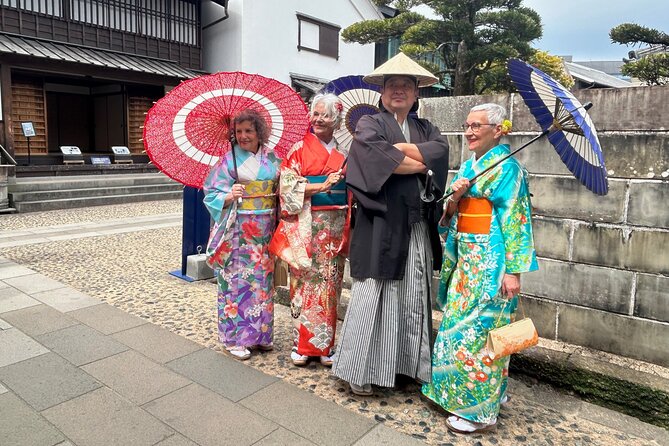
This part can make or break the experience, especially if Nagasaki weather is moody. The good news is that you have indoor photo backdrops built right into the site experience.
Dejima Hoppen includes Japanese-style rooms with tatami mats, plus photo space in the adjacent Chief Factor’s Residence. The key detail is that these spaces are available for photos even if it’s raining. That means you can still get the “Edo look” photos without stressing about umbrellas ruining your kimono sleeves.
If the weather is good, you can do both. You can take pictures indoors, then step outside in kimono and roam around Dejima. That mix gives you variety, and it helps you avoid spending the whole session only in one spot.
One extra benefit from the feedback: people liked the careful photo support. There are mentions of detailed guidance on design elements and styling touches, and that kind of coaching can help you translate your chosen kimono pattern into better photos.
Walking Dejima in Kimono: What to Do After You’re Dressed
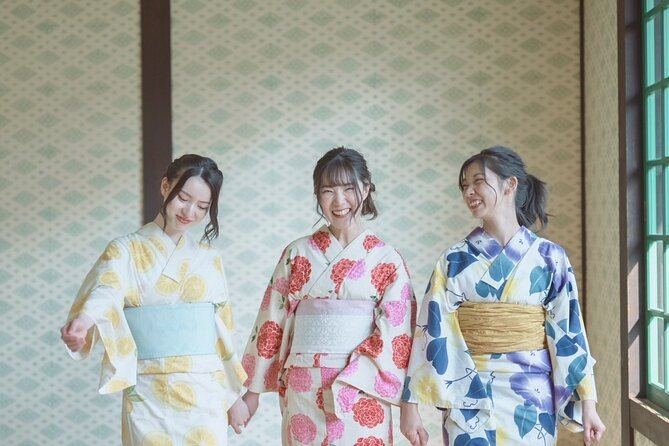
Once you’re dressed, the experience shifts into a walk-and-photo mode. You will be able to go outside and enjoy the atmosphere of the area while wearing kimono. Dejima is a smaller, more concentrated sightseeing zone than many big Japanese cities, so it feels manageable while you are in full costume.
Plan your energy. The experience is about 2 hours total, and you have a clear requirement to return to Dejima Hoppen by 5 PM. That means you should pick a few targets rather than trying to see everything at once.
Here’s a smart approach: treat the first part as getting your look and your photos, then use the outside time for relaxed wandering. If you rush, you will feel it in your shoulders and in your patience, especially while wearing kimono and sandals.
If you also want museum time, build it in early. The Dejima Museum admission fee is not included, so you will need to plan for the extra cost and whatever time it adds to your schedule.
Weather Backup Plans That Actually Matter
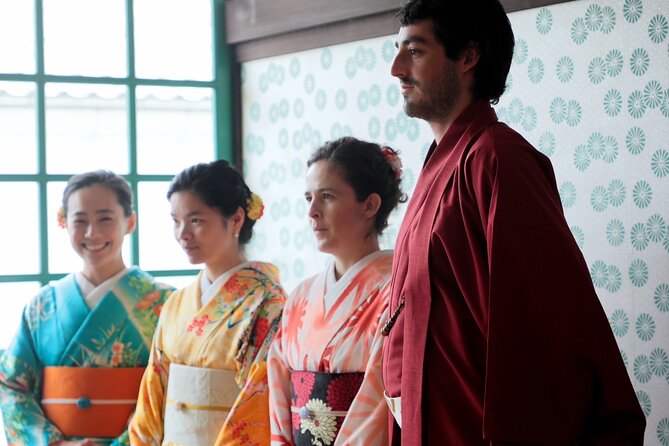
Nagasaki weather can change fast. The experience is designed with that reality in mind.
You can enjoy the setting outdoors after dressing, but if the weather is not good, the experience can be done only inside. That is not a throwaway line. It changes where you spend your time, which matters because you want photos and comfort.
Your best bet is to keep your schedule flexible. If it looks rainy, prioritize the indoor photo spots in tatami rooms and the Chief Factor’s Residence area first. Then you can decide whether you still want any outdoor walking before the 5 PM return.
Also, since this is a private experience for just your group, you can generally adapt within your session. That is more comfortable than squeezing into a crowded flow.
Price and Value: What $52.55 Buys You
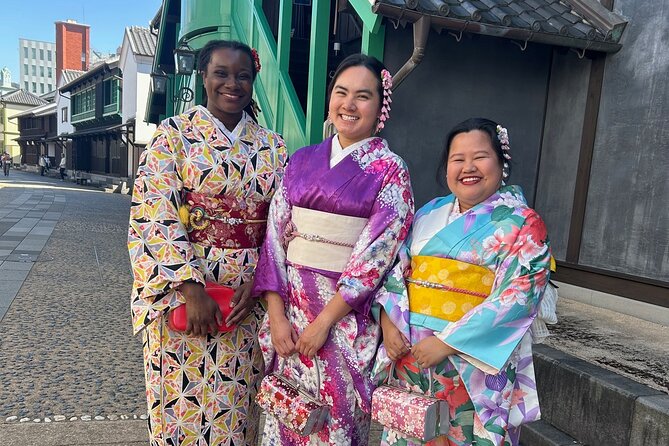
The price is $52.55 per person for an experience lasting about 2 hours, with a mobile ticket. For that money, you are not only paying for the kimono itself.
You are paying for:
- Kimono set gears (what you need to wear it properly)
- Professional dressing (about 20 minutes per person)
- Simple hairstyle
- Included hair accessories
- Zori sandals and a bag
- Luggage storage
That is why it can feel like good value. You skip the trial-and-error of buying or bringing everything yourself, and you also skip the frustration of figuring out how to wear the layers. Even if you are a confident traveler, a properly dressed kimono is still a skill-based thing.
The one extra cost to plan for is Dejima Museum admission (¥1,100 per person). If you only want the costume and the surrounding Dejima atmosphere, you may not need the museum ticket. If you do want it, factor it in so you are not surprised later.
Family-Friendly Details That Help Everyone
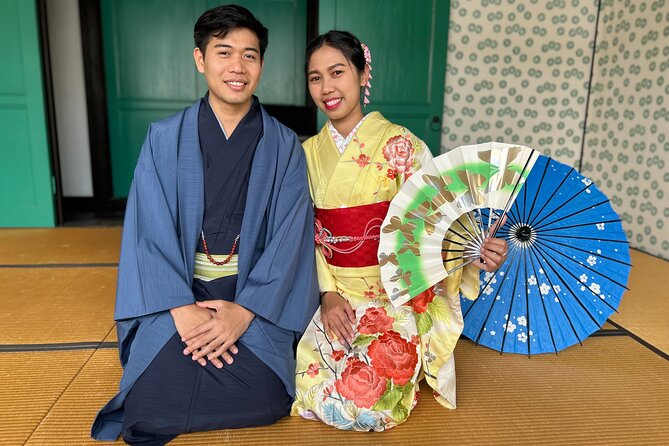
This kimono rental supports families in a practical way.
- Children can participate starting at age 3 for the kimono rental.
- Children over 15 can join without an adult attendance requirement.
- The shop has men’s items too, so mixed-gender family groups do not have to split up.
In real life, families often face one main issue: will everyone feel comfortable and included, and will dressing take too long? The dressing time is stated as about 20 minutes per person, and staff coordinate with you, which should help keep the session on track.
If you are traveling with kids, I suggest you pick your top 2 kimono options quickly, then let the staff final-match as needed. This keeps the pace moving and prevents the session from turning into a slow decision marathon.
Practical Logistics That Save Time
A few details can make your day smoother.
You meet at 出島ホッペン, located at 850-0862 Nagasaki, Dejimamachi, 61 ヘトル部屋 2階. The activity ends back at the meeting point, so you are not dealing with awkward “drop-off but no pickup” confusion.
They also store your luggage, but remember to keep valuables with you. That is one of those small travel rules that matters more when you’re dressed up and moving around.
They remind you to return by 5 PM. Treat that as your anchor point. Everything else, photos, walking, and museum add-ons, should orbit that time.
Who Should Book This Kimono Experience at Dejima Hoppen
You’ll be happiest here if you want:
- A traditional kimono experience tied to a real historic site, not just a generic rental.
- A fast, professional dressing session with simple styling you can trust.
- A place with indoor photo options in case of rain.
- A smooth way to enjoy Edo-era vibes while staying within a clear time window.
This also fits well for first-timers. You do not need kimono knowledge to do it. The staff coordinate with you, and the professional dresser handles the hardest part.
If you are the kind of traveler who loves photo planning, the tatami rooms and Chief Factor’s Residence spots give you backup and variety. If you prefer wandering more than posing, the outside walking time lets you experience Dejima as part of your route.
Should You Book Dejima Hoppen for Kimono Rental?
Yes, if you want a kimono rental that feels connected to the place you are visiting. The location inside Dejima Dutch Trading Post Ruins adds meaning, and the included styling, accessories, and fast dressing make it practical.
Book it especially if you care about photos and you want rain-proof backup. The indoor tatami room and Chief Factor’s Residence photo spaces are a big deal when weather is unpredictable.
One reason to hesitate: if you are hoping for a long, leisurely day in multiple museums and distant neighborhoods, the 2-hour time frame and the 5 PM return can feel limiting. Also plan for the extra Dejima Museum admission if you want to add that on.
If you can work within that schedule and you want the classic Nagasaki kimono look in Dejima, this is the kind of experience you will remember when your photos and your outfit still look right, even months later.
FAQ
What is included in the kimono rental?
The package includes the kimono-set (gears needed to wear kimono and shoes) and simple hairstyling. Hair accessories, zori sandals, and a bag are also included.
What is not included?
Dejima Museum admission is not included. The stated museum admission fee is ¥1,100 per person.
How long does the dressing take?
Dressing takes about 20 minutes per person.
Can I do this experience in the rain?
Yes. If the weather is not good, the experience can be done only inside, and there are Japanese-style indoor photo spots in the adjacent Chief Factor’s Residence.
What time do I need to return?
You should come back to Dejima Hoppen Shop by 5 PM.
Where is the meeting point?
The start location is 出島ホッペン, 850-0862 Nagasaki, Dejimamachi, 61 ヘトル部屋 2階. The activity ends back at the meeting point.
Nagasaki and Its Memorial Sites
Newest Nagasaki write-ups from the Loving Japan desk
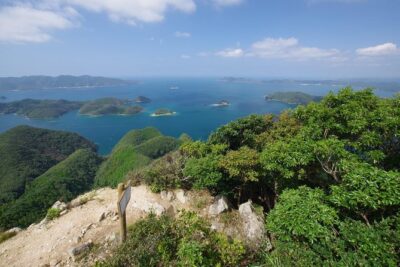
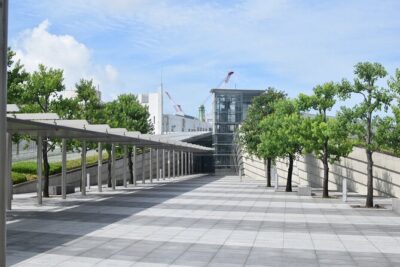
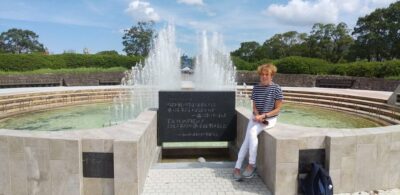
Nagasaki Memorial Sites and City Tours, side by side.
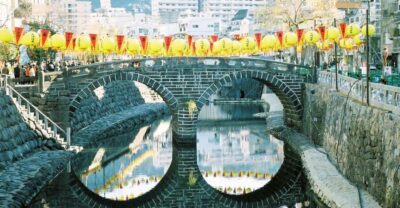 ★ 4.7Private Walking Tour with a LocalFrom $8279 reviews
 ★ 5.0Nagasaki Full-Day Private Tour with Government-Licensed GuideFrom $15566 reviews
 ★ 5.0Nagasaki Half-Day Private Tour with Government-Licensed GuideFrom $12253 reviews
 ★ 4.0Visit Gunkanjima Island (Battleship Island) in NagasakiFrom $7132 reviews
 ★ 5.0Nagasaki Full Day Tour with Licensed Guide and VehicleFrom $59827 reviews
 ★ 5.0Taste Local Life: Nagasaki’s Historical Street Walking TourFrom $10527 reviews
 ★ 5.0Nagasaki Street Food Adventure: Private Walking Tour with a LocalFrom $22826 reviews
 ★ 5.0Nagasaki Private Tour with a Local – Highlights & Hidden GemsFrom $6424 reviews
Filed on these lists too