

REVIEW · TOKYO MUSEUMS, GALLERIES AND TEAMLAB
Nagoya: Toyota Commemorative Museum Guided Tour
Looms that powered Toyota. In Nagoya’s Toyota Commemorative Museum of Industry and Technology, an English guided walk turns Sakichi Toyoda’s G-type automatic loom and hands-on machine demonstrations into a clear story of how Toyota started and why that early know-how mattered. I especially liked how the tour connects the textile era straight to Toyota’s first passenger car, the Toyoda Model AA, instead of treating the auto section like a separate world. When you get a guide like Kono, the explanations feel warm, specific, and grounded in real Japanese industrial progress.
One thing to plan around: this experience is not suitable for people with mobility impairments or wheelchair users, since you move through museum spaces and between pavilions.
If you’re aiming to understand the Toyota brand beyond marketing, you’ll like the pacing. You start at the Textile Machinery Pavilion, then head to the Automotive Pavilion, with a guided format that runs about 90 minutes to 3 hours depending on the time slot you choose.
In This Review
- Key things to know before you go
- Toyota Commemorative Museum entry, the red-brick setting, and finding your guide
- Textile Machinery Pavilion and the G-type automatic loom moment
- Automotive Pavilion and the machinery behind pressing, welding, and assembly
- Toyota’s growth story, sustainability themes, and what you take home
- Price, time choices, and whether the tour fits your style
- Who this Nagoya Toyota museum tour is best for
- Should you book this Toyota Commemorative Museum guided tour?
- FAQ
- Where is the meeting point for this guided tour?
- How long is the Nagoya Toyota museum guided tour?
- Is this tour the same as the Toyota Kaikan Museum in Toyota City?
- Is this tour the same as the Toyota Automobile Museum in Nagakute City?
- What areas of the museum are included?
- What language is the guide?
- Can I take photos inside the museum?
- What should I bring for the tour?
- Is the museum open on Mondays?
Key things to know before you go
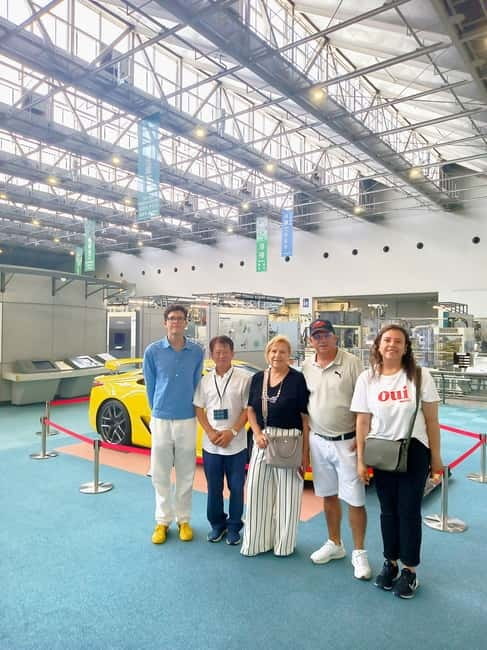
- G-type automatic loom, explained and demonstrated as a turning point in industrial innovation
- Live manufacturing machinery that makes pressing, welding, and assembly easier to grasp
- Toyoda Model AA and other milestones show how the company’s tech evolved
- Textile-to-automotive timeline helps you see the through-line in Toyota’s growth
- Hybrid and hydrogen fuel cell vehicles round out the story with sustainability themes
- Historic red-brick factory building adds atmosphere as you walk between exhibits
Still weighing up options in Nagoya? These are the ones our reviewers rated highest.
- From Nagoya: Gujo, Hida Takayama, and Shirakawa-go Day Tour
★ 4.4 · 398 reviews - Ghibli Park 1-Day Bus Tour from Nagoya
★ 4.5 · 277 reviews - From Nagoya: Hida Takayama & Shirakawa-go Tour w/Opt. Lunch
★ 4.5 · 256 reviews - Hiking the Historic Nakasendo Trail [1 Day Tour from Nagoya]
★ 5.0 · 104 reviews
Toyota Commemorative Museum entry, the red-brick setting, and finding your guide
You’ll meet inside the museum area at the トヨタ産業技術記念館, next to the ticket counter. The guide holds a yellow sign with the DeepExperience logo, so it’s easy to spot once you’re inside. If you’re arriving a bit early, that’s a good move, because you can get your bearings in the main spaces before the group gathers.
The building itself is a big part of the experience. It’s a beautifully preserved red-brick factory setting, so the museum feels less like a showroom and more like a place where work actually used to happen. That matters, because the tour is all about processes and technology, not just names and dates.
A few practical tips to make it smoother: wear comfortable shoes (you’ll be doing a fair amount of walking), bring a camera if you want photos, and pack water since food and drinks aren’t included. Photography is allowed, but flash photography is prohibited in some areas, so keep your flash off and you’ll be fine.
Also, sanity check your calendar. The museum is closed on Mondays, or closed on the following day if Monday is a national holiday. If your Nagoya trip lands on a Monday, you’ll need a different day.
Textile Machinery Pavilion and the G-type automatic loom moment
The tour starts where Toyota started: with textiles. You begin at the Textile Machinery Pavilion, which sets the tone by explaining how the company’s early focus was on making machines for spinning and weaving, not building cars. For a lot of visitors, that’s the first surprise, and it’s a good one. It reframes Toyota as a manufacturing company that grew its engineering brain in one industry, then translated those skills into another.
The star here is the G-type automatic loom, invented by Sakichi Toyoda. Your guide doesn’t just point at a model. You get a dynamic view of historic looms in action and learn what made this kind of automation so important. The key idea is that better machinery can do more than speed up work. It can reduce mistakes, standardize output, and help you scale production without losing control quality.
What I liked about this section is how it makes “industrial innovation” feel concrete. When you see the logic of automation and timing in the loom demonstrations, you start to understand why the company later became serious about building cars using repeatable processes. It’s not just storytelling. It’s the same mindset: design the machine, control the production, then improve.
If you’re the kind of person who likes how things work, you’ll also enjoy the shift from theory to real equipment. The tour language stays practical, so even if you are not an engineering person, you can follow along with what each machine is doing and why it was a breakthrough.
Automotive Pavilion and the machinery behind pressing, welding, and assembly
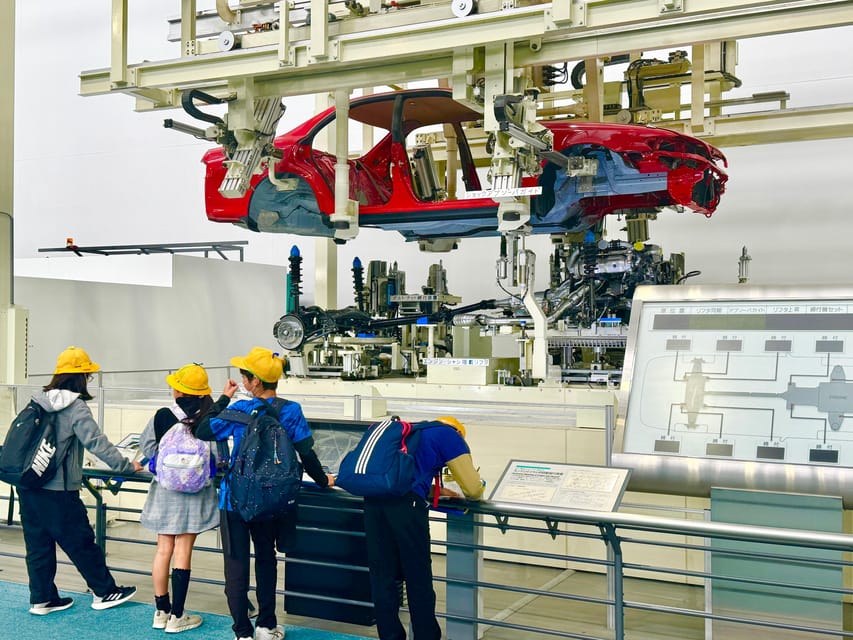
After the textile section, you move into the Automotive Pavilion, where the story turns from looms to engines, chassis, and production lines. This part is where the museum becomes a full-on “how it’s made” experience.
You’ll see detailed exhibits of processes like pressing, welding, and assembly, and the tour uses operational machinery to bring those steps to life. The value here is clarity. Cars can look like a collection of parts, but your guide helps you see them as a sequence of manufacturing decisions. Pressing shapes metal. Welding joins it into structures. Assembly combines subsystems into a working whole. Once you see the processes as steps, the whole Toyota growth story becomes easier to understand.
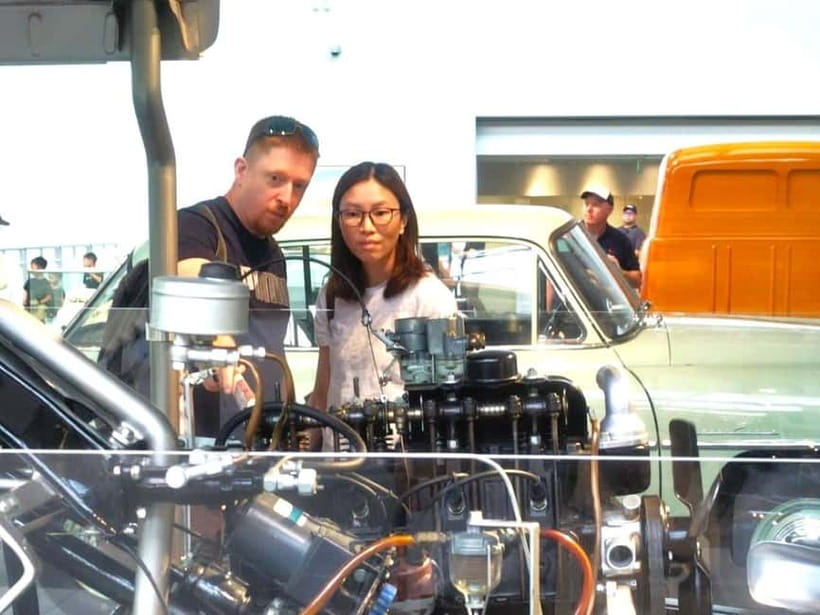
This pavilion also features iconic vehicles, including Toyota’s first passenger car, the Toyoda Model AA. Seeing it in context makes it more meaningful. Instead of viewing old cars as museum artifacts, you start to see them as early proof that Toyota’s industrial capabilities were maturing.
One more thing you’ll notice in this section is the emphasis on operators. Skilled operators bring the machinery to life and explain how key components were developed and manufactured. If you’ve ever watched a craftsperson at work, you’ll get the same feeling here, just with industrial machines instead of a workshop bench.
And yes, there’s still plenty for car fans. Milestone vehicles are a highlight, but the tour keeps the focus on how technology and production methods evolved, not just what the cars looked like.
Central Japan, beyond the obvious stop
- Nagoya Highlight Tour guided by a friendly local★ 5.0 · 86 reviews
- Nagoya: Japanese Traditional Sweets making and Tea Ceremony★ 4.9 · 76 reviews
- Magome-juku, Tsumago-juku & Ena-kyo 1d Bus Tour from Nagoya★ 4.6 · 75 reviews
- Ise’s Sacred Shrines and Captivating Coastlines – From Nagoya★ 5.0 · 45 reviews
- Nagoya: Grand Sumo Tournament Tour★ 4.8 · 44 reviews
Toyota’s growth story, sustainability themes, and what you take home
The tour doesn’t end at the early days. It ties the textile roots and early auto achievements into a longer arc that leads to Toyota’s global position. You’ll learn how the company expanded from a smaller textile business into a worldwide powerhouse, and you’ll see how the same drive for manufacturing improvement keeps showing up in different forms.
I like that this arc stays anchored in real-world processes. It avoids being purely corporate and turns into a practical lesson about scaling production, solving technical problems, and improving repeatability.
You’ll also get sustainability themes as part of the later story, including environmental contributions through hybrid and hydrogen fuel cell vehicles. Even if you don’t plan to geek out on alternative powertrains, this section helps explain why “innovation” in Toyota’s world is still about production choices and long-term technology direction.
For many visitors, the final impression is that Toyota’s identity is not only cars. It’s industrial engineering, and it started long before the first car rolled out. If you’re visiting Nagoya and want more than a quick stop, this museum helps you understand why Aichi Prefecture and the Nagoya region became such a strong industrial hub.
Before you leave, check out the museum-related souvenirs. The tour encourages grabbing items connected to Toyota’s history and technology achievements, which is a nice way to remember what you learned instead of just buying a generic keychain.
Price, time choices, and whether the tour fits your style
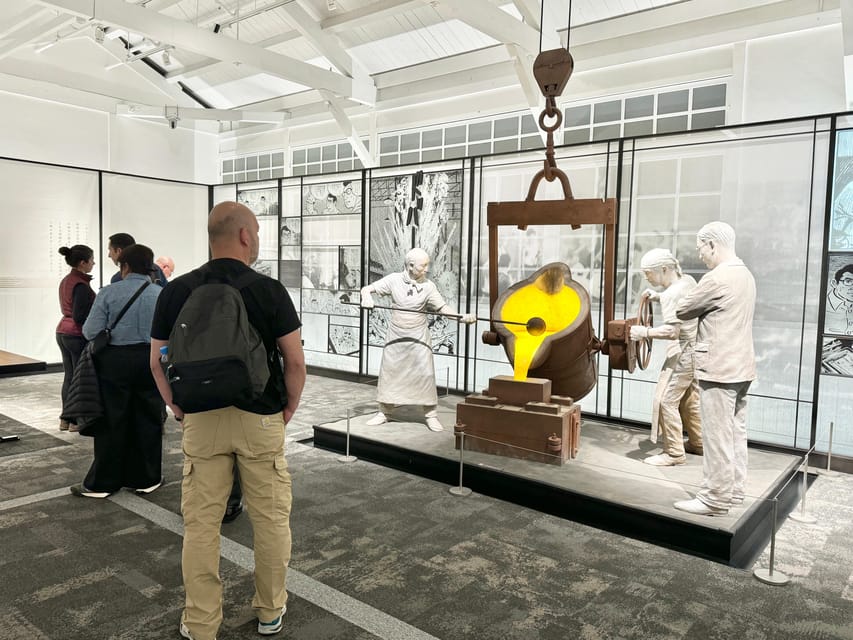
The price is $77 per person, and that’s a key part of the value equation. For that cost, you get admission to the Toyota Commemorative Museum of Industry and Technology plus access to both the Textile Machinery Pavilion and the Automotive Pavilion with a live English guide. If you were planning to do a self-guided museum visit, paying for the guide is what changes the experience. You’re not just reading labels. You’re getting a guided explanation of processes and milestones, with live machinery demonstrations.
Time-wise, you can choose between a shorter guided slot of about 90 minutes and a longer option of about 3 hours. If you’re busy or you just want the highlights, the shorter format is enough to get the main storyline. If you’re the type who likes to stand still and really watch equipment run, go for the longer option so you don’t feel rushed.
English guidance is a real plus for international visitors. The guide is live, and the small-group or private options make the experience feel more personal than a big group bus-style tour.
One more “fit check” that matters: this is the Toyota Commemorative Museum of Industry and Technology in Nagoya. It is not the Toyota Kaikan Museum in Toyota City, and it is not the Toyota Automobile Museum in Nagakute City. So if your itinerary already includes one of those, make sure you’re choosing the right museum experience.
Food is not included, so plan to eat before or after. You can bring water to stay comfortable during the walking and demonstrations.
Who this Nagoya Toyota museum tour is best for
This tour is a strong match if you like practical tech stories, factory processes, and the people behind production. You’ll get extra enjoyment if you enjoy both the “how” and the “why,” because the tour spends time turning machinery into understandable ideas.
It’s also a smart choice for:
- People who want the Toyota story from textile manufacturing to automotive leadership, in one line
- Car fans who still want context about how vehicles are built
- Visitors who prefer live explanations over reading exhibit panels alone
It’s less of a match if:
- You need wheelchair-friendly access, since it is not suitable for mobility impairments
- You want only a modern car collection without time spent on the earlier industrial roots
Should you book this Toyota Commemorative Museum guided tour?
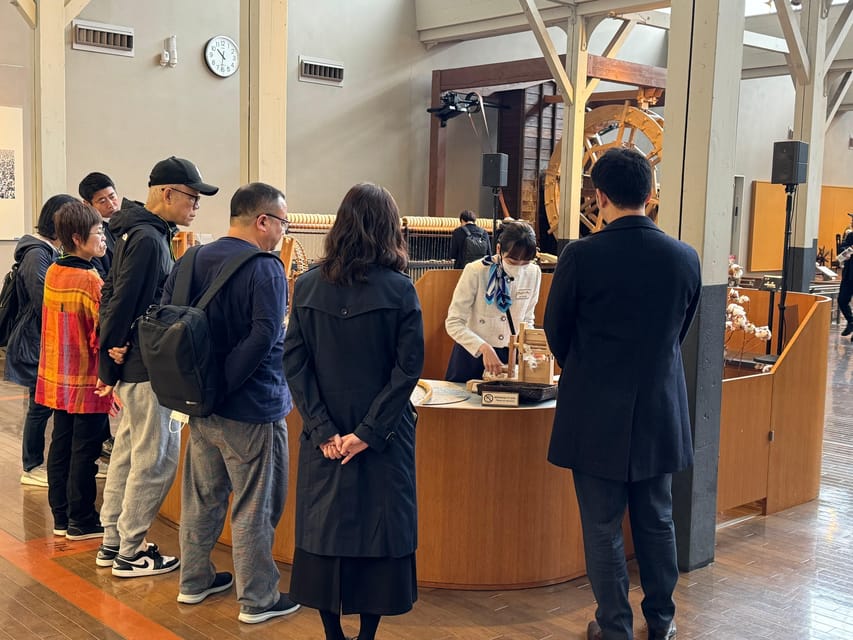
If you want a Nagoya stop that’s more than a quick glance, I think this guided tour is worth booking. The big win is the combination of live machinery demonstrations and an English guide who connects textile origins to automotive production in a way that makes sense. The G-type automatic loom and the Toyoda Model AA are standout moments, but the real value is how the tour teaches you the production logic behind the milestones.
Book it if you like manufacturing, innovation, and the story of how an engineering company grows. Skip it if mobility access is a concern for you, or if you only want a casual car look without stepping into the world of industrial processes.
FAQ
Where is the meeting point for this guided tour?
You meet next to the ticket counter inside the Toyota Commemorative Museum of Industry and Technology. The guide will be holding a yellow sign with the DeepExperience logo.
How long is the Nagoya Toyota museum guided tour?
The tour runs for 90 minutes to 3 hours, depending on the time slot you select.
Is this tour the same as the Toyota Kaikan Museum in Toyota City?
No. This experience is at the Toyota Commemorative Museum of Industry and Technology in Nagoya, not the Toyota Kaikan Museum in Toyota City.
Is this tour the same as the Toyota Automobile Museum in Nagakute City?
No. This tour is at the Toyota Commemorative Museum of Industry and Technology in Nagoya, not the Toyota Automobile Museum in Nagakute City.
What areas of the museum are included?
The tour includes access to both the Textile Machinery Pavilion and the Automotive Pavilion.
What language is the guide?
The guided tour is offered in English.
Can I take photos inside the museum?
Photography is allowed, but flash photography is prohibited in certain areas.
What should I bring for the tour?
Wear comfortable shoes, bring a camera if you want photos, and bring water. Food and drinks are not included.
Is the museum open on Mondays?
No. The museum is closed on Mondays, or closed on the following day if Monday is a national holiday.
Central Japan Beyond the Obvious





Newest Nagoya write-ups from the Loving Japan desk


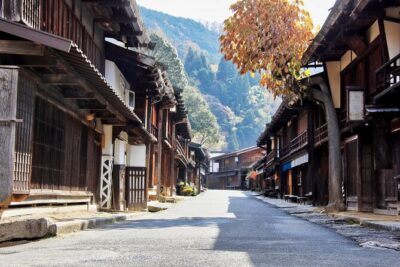
Tokyo Museums, Galleries and teamLab, side by side.
 ★ 4.6teamLab Planets TOKYO Digital Art Museum Entry TicketFrom $259,779 reviews
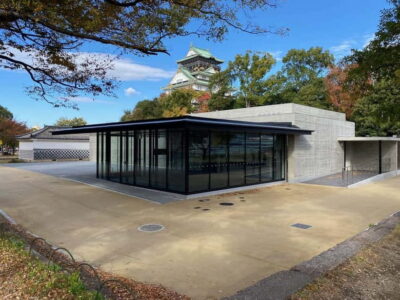 ★ 4.5Osaka Castle: Museum and Tower Entry TicketFrom $72,380 reviews
 ★ 4.5teamLab Botanical Garden Entry TicketFrom $111,710 reviews
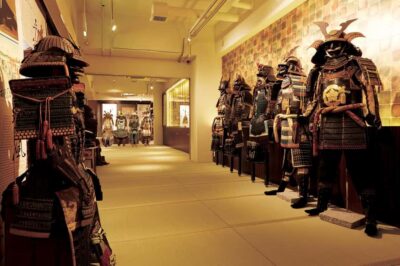 ★ 4.6Samurai Ninja Museum Guided tour and ExperienceFrom $271,010 reviews
 ★ 4.9Tea Museum Tickets and Matcha Grinding ExperienceFrom $23739 reviews
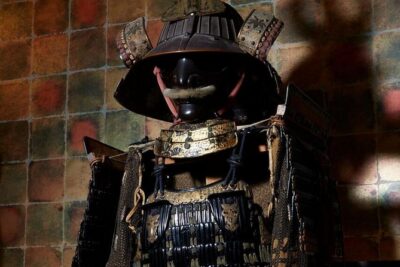 ★ 4.5Skip the lines Basic Ticket at SAMURAI NINJA MUSEUM KYOTOFrom $28632 reviews
 ★ 5.0Ninja Experience (Family Friendly) at Samurai Ninja Museum TOKYOFrom $47441 reviews
 ★ 4.5Tokyo Studio Ghibli Museum and Ghibli Film Appreciation TourFrom $193421 reviews
Filed on these lists too