
REVIEW · NARA DEER PARK AND TODAI-JI
Nara Highlight Walking Tour with Furoshiki Experience with Lunch
Nara feels instantly alive on foot. You’ll work your way through UNESCO highlights, pause for Japan’s most famous free-roaming deer, then wrap your own furoshiki cloth to take home.
What I like most is the tight flow, it covers big-name sights without feeling like a checklist sprint.
Two things I really liked: the Todai-ji time is substantial (you get a real look at the Great Buddha Hall), and the guide makes the stops click with clear, practical context. A small-group size also keeps things relaxed, you’re not stuck behind a crowd.
The one thing to consider is that you’re walking for about 5 hours 30 minutes, so wear shoes you trust and plan for a steady pace.
If you want Nara’s icons plus a hands-on tradition, this is a strong value. The short furoshiki workshop and lunch break turn the day from sightseeing into something you’ll remember in your hands and on your plate.
In This Review
- Key Highlights at a Glance
- How the 5.5-Hour Walking Plan Stays Manageable
- Kasuga Taisha: Lanterns, Space, and Shinto Atmosphere
- Tamukeyama Hachimangu and Nigatsu-do: Small Stops With Big Meaning
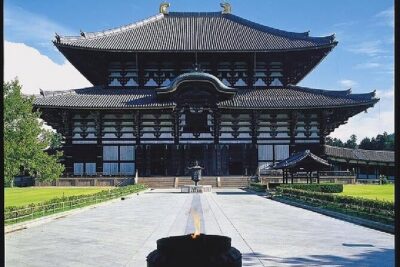
- Todai-ji and the Great Buddha Hall: Why This Is the Main Event
- Nara Park Deer Time, Plus Lunch at Shika no Fune Mayu
- Traditional Lunch That Feels Like Nara
- Furoshiki Wrapping: The Take-Home Souvenir That Actually Helps
- Naramachi Nigiwai-no-Ie: Old Town Atmosphere in 15 Minutes
- Price and Value: What $37 Really Buys You
- Guide Quality Matters More Than You Think
- Who Should Book This Nara Highlight Tour
- Should You Book This Nara Highlight Walking Tour?
- FAQ
- How long is the Nara highlight walking tour?
- Is lunch included?
- What is included in the furoshiki experience?
- Are entrance fees included?
- How big is the group?
- Is there any extra cost for transportation?
Key Highlights at a Glance
- Small group of up to 7 travelers, which makes questions and conversation easy
- UNESCO stops with real time at Kasuga Taisha and Todai-ji
- Free-roaming deer time at Nara Park, part of why Nara feels different
- Hands-on furoshiki wrapping plus a cloth you take home
- Traditional lunch at Shika no Fune Mayu (depends on your option, Wednesday not included)
A half day in Nara goes several ways
- World Heritage Kyoto & Nara Uji Authentic Matcha Experience
★ 5.0 · 1,573 reviews - Nara Half Day Trip Walking Tour (Private Option Available)
★ 5.0 · 937 reviews - Nara Early Morning Tour (Kyoto or Osaka Departure Available)
★ 5.0 · 676 reviews - Osaka: Nara and Uji Day Trip with Deer Park and Hot Spring
★ 4.4 · 302 reviews
How the 5.5-Hour Walking Plan Stays Manageable
This is a 5 hours 30 minutes experience built for a single, satisfying day in Nara. You start at 行基菩薩像27 Higashimuki Nakamachi, Nara, 630-8215, and you finish near the old shopping district at Nakatanidou29 Hashimotochō, Nara, 630-8217, close to JR Nara and Kintetsu Nara stations.
The pacing is practical. You get short visits at a couple of shrines, longer time for Todai-ji, and then you spend a full hour on lunch plus furoshiki. With a maximum of 7 travelers, you can actually follow along, rather than just react to crowds.
One small practical note: the tour is mostly walk-based, but a bus fee of ¥500 per person is listed as not included. If your route includes a bus link, you’ll want that yen ready so you do not slow down when it happens.
Kasuga Taisha: Lanterns, Space, and Shinto Atmosphere
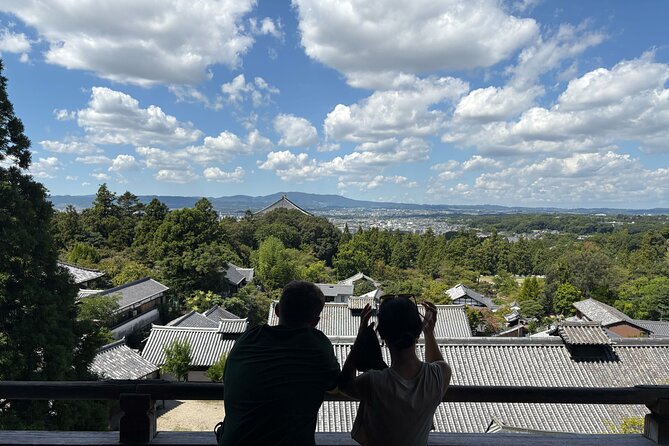
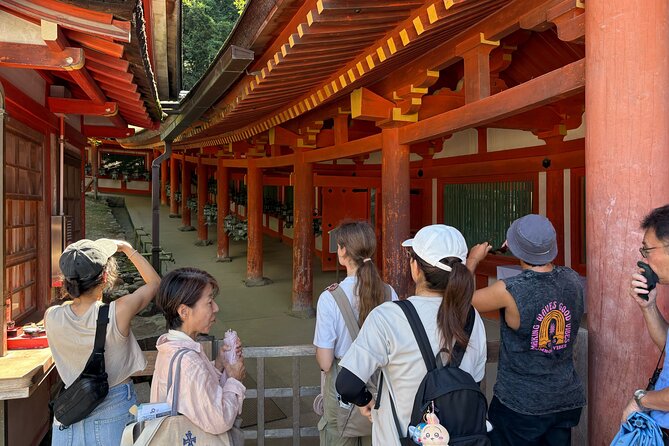
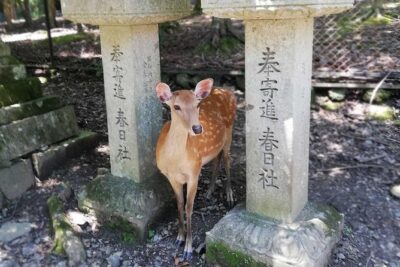
Kasuga Taisha is one of those places that changes the mood the moment you enter. You’ll spend about 20 minutes here, and the admission is included. It is a Shinto shrine founded in 768, and it’s known for the many bronze and stone lanterns that get lit during special festivals.
What I like about starting here is the contrast it gives you. Instead of jumping straight into a huge Buddhist complex, you begin with Shinto space and sightlines, plus the feeling of walking through a place that locals treat as part of everyday life.
A possible drawback: 20 minutes goes fast if you like to linger for photos or slow down to read everything. If you want extra time, you can always return later on your own, but on a highlight tour, this stop is intentionally short.
Tamukeyama Hachimangu and Nigatsu-do: Small Stops With Big Meaning
After Kasuga Taisha, the tour includes a stop at Tamukeyama Hachimangu. This is a smaller Shinto shrine, built in 749, and it was established to protect the nearby Great Buddha Hall of Todai-ji. It’s dedicated to Hachiman, the god of war and protection.
Even when you see it quickly, it adds a useful layer: in Nara, sacred sites are not isolated dots on a map. They connect, they protect, they reference each other across centuries.
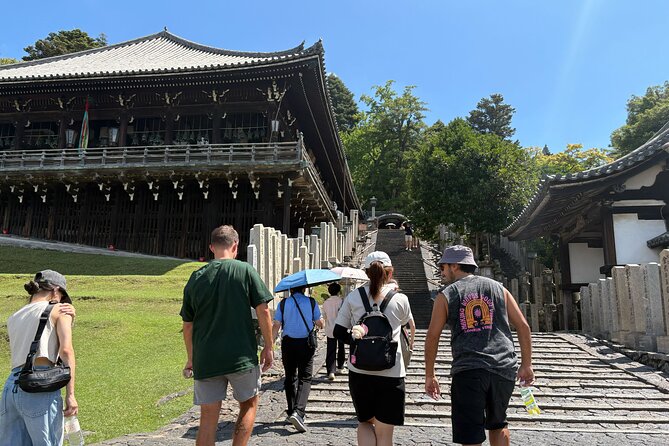
Next up is Nigatsu-do, another 20-minute stop connected to Todai-ji. This hall is famous for the Omizutori (Water-Drawing) ceremony, held every March, with a history over 1,250 years old. Admission here is free, so it is a good stop to take your time on a little without spending extra.
Drawback to keep in mind: if you visit outside the March season, you’re not seeing the ceremony itself, so the experience is more about context and atmosphere than a live event. Still, it’s a memorable way to understand why people time their trips to Nara.
Make something to take home. Other workshops
- Hammer a Pattern on Your Ring Workshop★ 5.0 · 57 reviews
Todai-ji and the Great Buddha Hall: Why This Is the Main Event
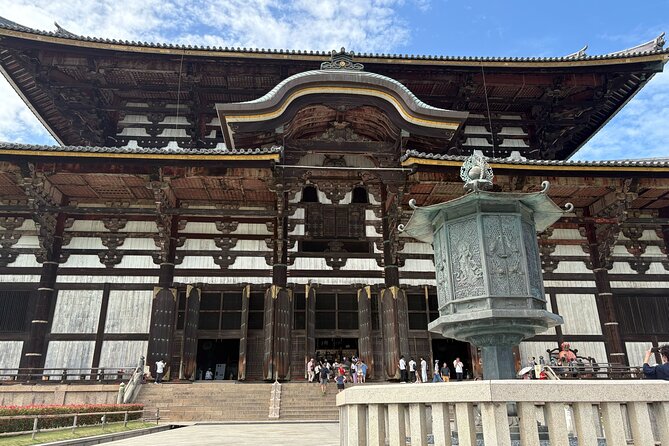
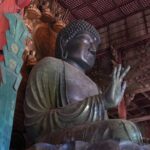
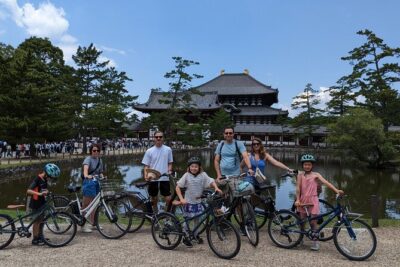
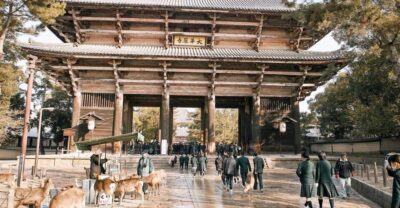
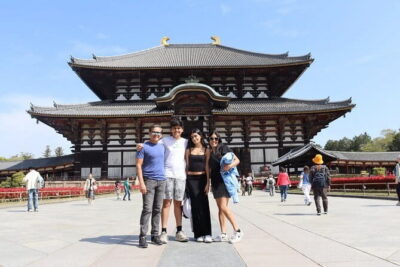
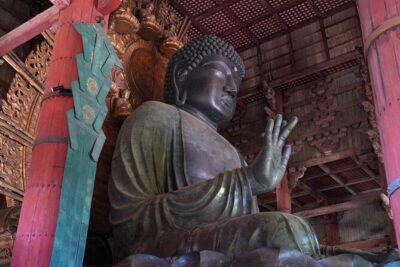
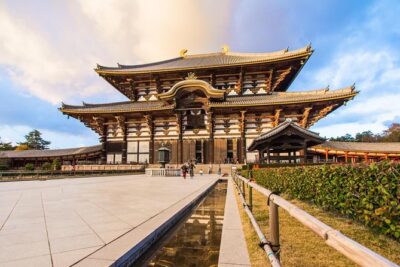
Todai-ji is the big anchor of the day, with about 40 minutes on site. Admission is included, and the headliner is the Great Buddha, one of the largest bronze statues in the world.
I like how this portion gives you breathing room. You can get oriented, take in the scale, and then shift from size to meaning. Nara’s reputation is not exaggeration, this is one of the places that makes you understand why Japan’s temple culture is world-famous.
Practical tip: plan to move slowly for a bit at the start. In large temple interiors, your eyes need time to adjust, and that first minute or two makes photos and mental impressions better.
A possible drawback: Todai-ji is popular. Even with a small group, you may share space with other visitors. The good news is that you’re not stuck moving at a breakneck pace, so you can still find a rhythm.
Nara Park Deer Time, Plus Lunch at Shika no Fune Mayu
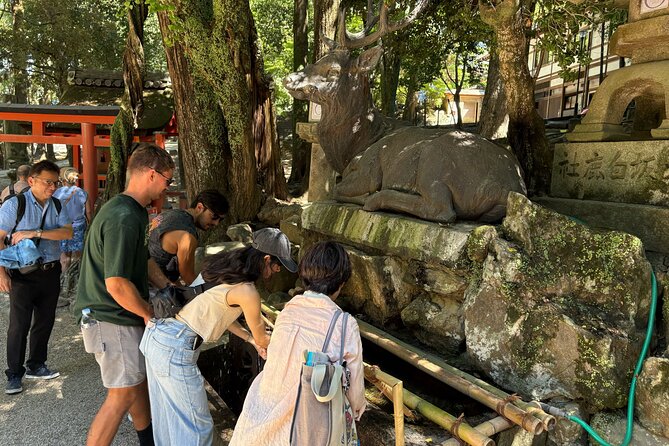
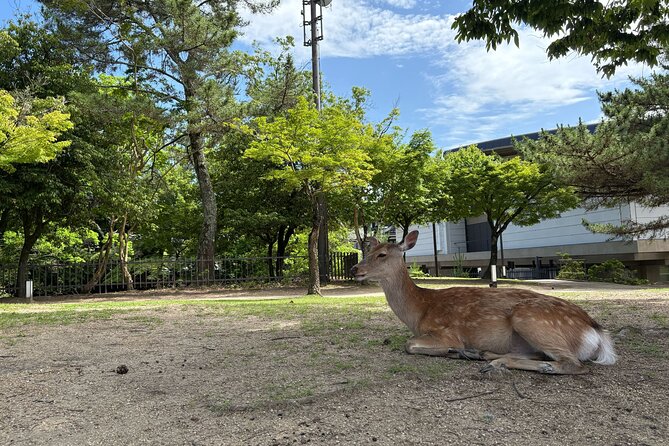
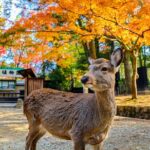
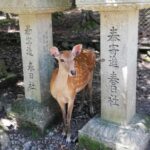
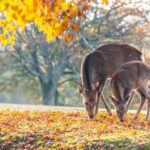
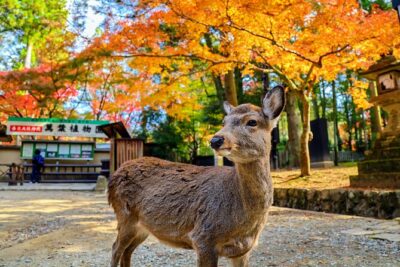
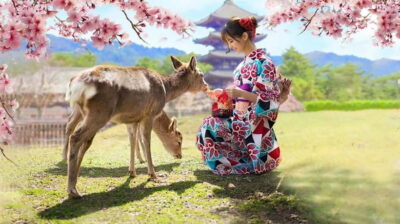
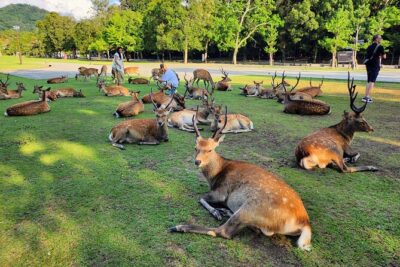
One of the reasons people fall for Nara is the deer. This tour gives you time to meet and interact with Nara’s free-roaming deer in Nara Park. That’s the practical part. The fun part is how the deer turn a normal walk into something slightly chaotic and very memorable.
Keep expectations grounded: deer are animals, they move fast, and they are curious. You’ll want to stay aware, keep your personal space, and listen to your guide so you do not accidentally create a problem.
Then the day shifts into a calmer, more human rhythm at Shika no Fune Mayu, where you get about 1 hour for lunch and the furoshiki experience. Admission is included here, and it’s the place where the tour’s hands-on element comes alive.
Traditional Lunch That Feels Like Nara
Your lunch is described as a traditional Japanese meal, with freshly cooked rice and seasonal vegetables from Nara. That detail matters. In Japan, the best value lunches often show up when the ingredients are local and timed well, and this one is framed that way.
One key consideration: lunch depends on your option, and Wednesday is not included. If your travel dates include a Wednesday, check your option before you assume you’ll have the meal. If lunch is not included for your specific day, it can still be a great tour, but you’ll want a backup plan for food near the route.
Furoshiki Wrapping: The Take-Home Souvenir That Actually Helps
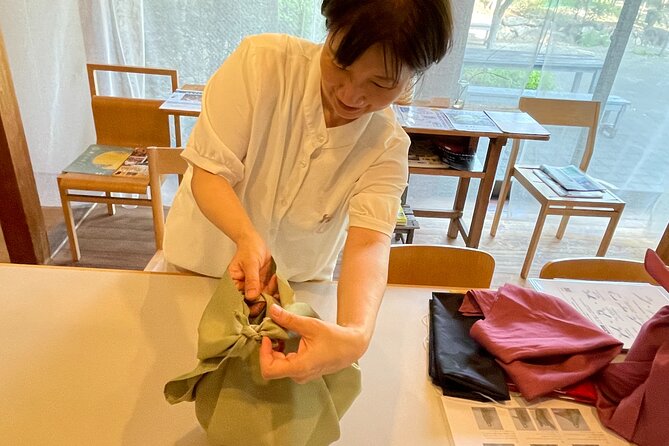
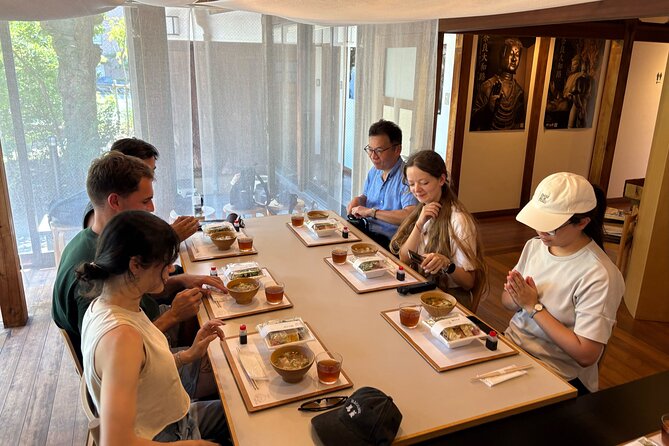
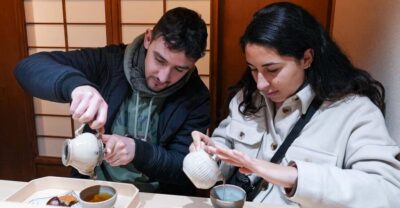
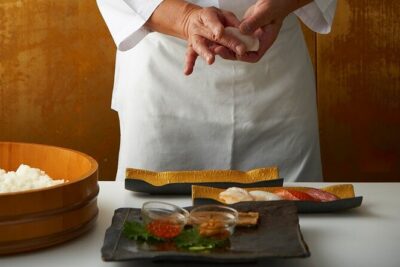
The most hands-on moment is the short furoshiki wrapping workshop. You’ll wrap something using the traditional cloth technique, and the tour notes that you take home your own furoshiki.
This is more than a craft stop. It is practical cultural knowledge. Even if you never wrap a gift again, you learn how cloth can replace plastic and add intention to everyday carrying. It also turns your day into a souvenir that is not just a photo or a fridge magnet.
What I like about pairing furoshiki with lunch: your brain resets. Temples are about vision and scale, furoshiki is hands-on focus. By the time you finish, your day feels complete, not rushed.
Potential drawback: if you have very little patience for crafts, this part can feel slower than pure sightseeing. But the payoff is real, you leave with something you can use.
Naramachi Nigiwai-no-Ie: Old Town Atmosphere in 15 Minutes
The tour finishes with a taste of Nara’s older streets at Naramachi Nigiwai-no-Ie. You get about 15 minutes here, and admission is free.
This is a historic townhouse in the old Naramachi district, built in 1917 by an antique dealer. It is now a Registered Tangible Cultural Property, so it’s not just a pretty backdrop. You get a sense of how the district was shaped for daily life and commerce.
I like this last stop because it changes the ending tone. After Todai-ji scale and Nara Park energy, the old town gives you something gentler to look at. It also sets you up to wander after the tour ends.
Price and Value: What $37 Really Buys You
At $37.00 per person, this tour sits in the good-value category for Nara. Here’s what pushes the value up:
- English-speaking local guide included
- Entrance fees included for the temples and shrines you visit
- A hands-on furoshiki workshop plus a cloth you take home
- Traditional lunch in the standard setup (with the Wednesday note)
What might affect your total cost: the bus fee of ¥500 per person is not included. If you’re only paying entry fees on your own, the included admissions can be a big savings because you hit multiple major sites in one go.
Also pay attention to the lunch detail. Since lunch depends on your option and Wednesday is not included, your out-of-pocket food cost might vary by day. Still, the overall bundle is strong, especially if you want both guided access and the furoshiki experience.
Guide Quality Matters More Than You Think
One theme that really stands out is guide engagement, even when the group is tiny. In a small-group format, your guide does not just point and move on. You can ask questions, and the explanations can match your pace.
I also like that the tour has a maximum of 7 travelers. That number sounds small on paper, but in practice it changes everything about how the day feels. You spend less time waiting, and you spend more time understanding what you are seeing.
Who Should Book This Nara Highlight Tour
This is a great fit if you want a single, well-paced day that covers Nara’s big names without turning the day into a stress test. You’ll probably enjoy it most if:
- you like a guided walk and want help connecting the dots between shrines and temples
- you want UNESCO highlights without doing heavy planning
- you enjoy hands-on experiences and want a furoshiki to take home
- you want time to meet the deer at Nara Park without guessing where you should go next
If you are traveling extremely fast and prefer to DIY everything with no schedule, you might find parts of this tour feel structured. But for most people, the structure is the benefit.
One more practical factor: the tour notes it needs good weather. If your dates are rainy, you may want a flexible plan, since the tour could be offered on a different date or refunded if it is canceled due to poor conditions.
Should You Book This Nara Highlight Walking Tour?
Yes, if you want the best of Nara in one half-day to full-day block. The combination of UNESCO sites, guided context, deer time, and a take-home furoshiki makes this more than a basic temple tour. You finish with both memories and something useful.
Book it especially if you value small-group attention and you want an English-speaking guide to help you understand what you are looking at, not just where to stand.
Hold off or double-check your option if you are visiting on a Wednesday, since lunch is not included then. Also consider whether you’re comfortable walking for about 5.5 hours, even with breaks and shorter stops.
FAQ
How long is the Nara highlight walking tour?
It runs about 5 hours 30 minutes.
Is lunch included?
A traditional Japanese lunch is included depending on the option, and Wednesday is not included.
What is included in the furoshiki experience?
You’ll join a short furoshiki wrapping workshop, and you can take your own furoshiki cloth home.
Are entrance fees included?
Yes. Entrance fees for all of the temples and shrines visited are included.
How big is the group?
The tour has a maximum of 7 travelers.
Is there any extra cost for transportation?
A bus fee of ¥500 per person is not included, so you may want to budget for that if a bus transfer is used during the route.
Made by Hand, and Yours to Keep

Half a Day in Nara
Newest Nara write-ups from the Loving Japan desk
Nara Deer Park and Todai-ji, side by side.
 ★ 5.0World Heritage Kyoto & Nara Uji Authentic Matcha ExperienceFrom $1291,573 reviews
 ★ 4.7Kyoto/Osaka: Nara, Fushimi Inari Taisha, Arashiyama Bus TourFrom $521,275 reviews
 ★ 5.0Nara Half Day Trip Walking Tour (Private Option Available)From $105937 reviews
 ★ 4.4Osaka/Kyoto: Arashiyama, Nara & Fushimi Inari Shrine w/LunchFrom $61754 reviews
 ★ 5.0Nara Early Morning Tour (Kyoto or Osaka Departure Available)From $61676 reviews
 ★ 4.5Kyoto and Nara Day Trip from KyotoFrom $194445 reviews
 ★ 5.0Full Day Guided Tour to Kyoto and Nara from Osaka by VanFrom $106420 reviews
 ★ 4.5Nara Afternoon Tour from Kyoto or OsakaFrom $102390 reviews