
REVIEW · NARA DEER PARK AND TODAI-JI
Nara: Todai-ji y parque de Nara (Spanish Guide)
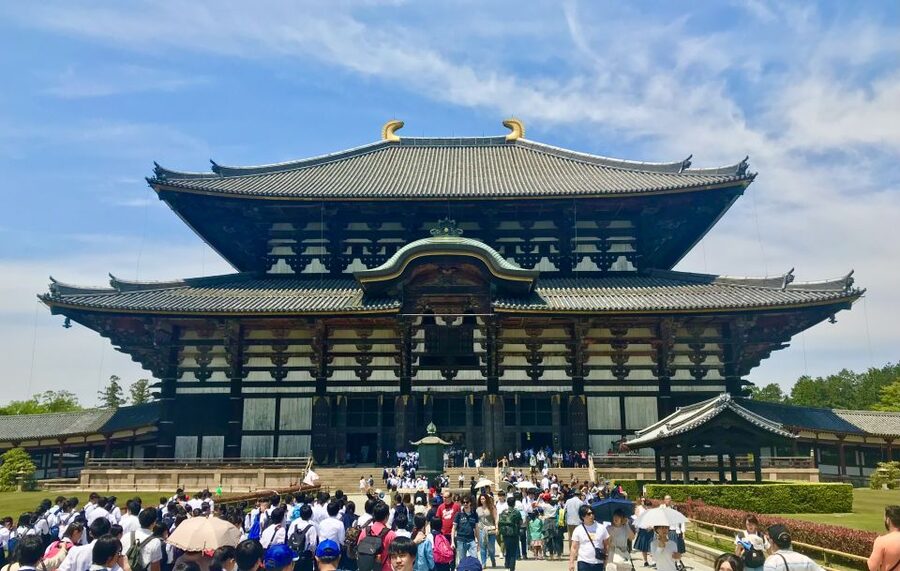
Deer and giant Buddha in one stroll. This 5-hour Spanish-guided walk hits Nara’s most iconic sacred spots, starting with the scale shock of Todai-ji and ending with the quiet wow of Nara Park. If you like history you can see, plus nature that happens right in front of you, this is a great way to spend a day in Honshu.
I especially love two moments: the first, standing before the Great Buddha at Todai-ji, and the second, pausing at Ukimido with deer nearby in the pond setting. It feels like you are getting both the big-ticket temple experience and the gentle, slower side of Nara.
One thing to consider is the pace. The whole route is done on foot, there’s no baby stroller option, and it is not suitable for mobility impairments. Bring good shoes and expect some walking time.
In This Review
- Key highlights worth planning around
- Starting at Kintetsu-Nara Station, Then Letting Nara Stack the Wow
- Entering Todai-ji and the Great Buddha, Big Enough to Reset Your Brain
- Nigatsu-do (February Hall) for Views, Photos, and the Spring Cherry Blossom Moment
- Tamukeyama Hachimangu and the Shift Toward Shrines in the Deer-World
- Kasuga Taisha: The Lantern Forest Feeling You Can Actually Walk Into
- Nara Park, Ukimido Pavilion, and the Deer as Part of the Story
- Kofuku-ji and Its Five-Story Pagoda, Plus the Garden Time
- Price and Value: Is $85 for This 5-Hour Spanish Tour Worth It?
- The Guide Factor, and Why Spanish Storytelling Changes the Day
- Who This Nara Half-Day Tour Fits Best
- Should You Book This Todai-ji and Nara Park Spanish Tour?
Key highlights worth planning around
- Todai-ji first, so the Great Buddha sets the mood right away
- Nigatsu-do panoramic views, with a seasonal cherry blossom bonus in spring
- Kasuga Taisha lantern atmosphere, in a forested shrine setting
- Ukimido pond calm, where deer are part of the scene, not an aside
- Kofuku-ji five-story pagoda, plus gardens and old temple structures
- Spanish live guide, with strong emphasis on explaining what you are seeing
A half day in Nara goes several ways
- World Heritage Kyoto & Nara Uji Authentic Matcha Experience
★ 5.0 · 1,573 reviews - Nara Half Day Trip Walking Tour (Private Option Available)
★ 5.0 · 937 reviews - Nara Early Morning Tour (Kyoto or Osaka Departure Available)
★ 5.0 · 676 reviews - Osaka: Nara and Uji Day Trip with Deer Park and Hot Spring
★ 4.4 · 302 reviews
Starting at Kintetsu-Nara Station, Then Letting Nara Stack the Wow
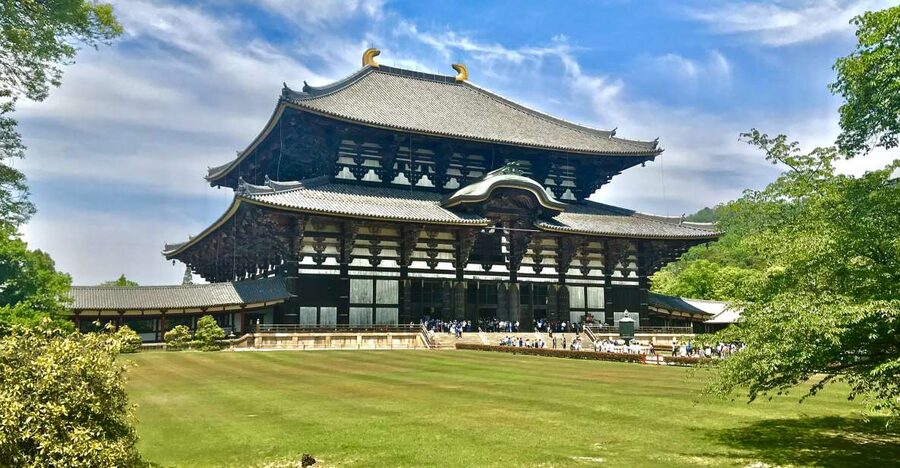
Most people get to Nara by train, and this tour starts at Kintetsu-Nara Station, exit 5, which makes it easy to avoid hunting around. From there, you move step by step through a classic Nara temple arc, with stops chosen for variety, not just one big temple and done.
The whole experience is about 5 hours, and you should assume it is a real walking outing. You will spend time moving between places, taking in views, and stopping for photos. If you like structure, this is ideal. If you hate schedules, you will still enjoy it because the sights are so visual.
One small but important practical note: you will want comfortable shoes and comfortable clothes. This is a foot-first route, not a bus tour with short hops. Also, the tour is in Spanish, so plan around that if you need an interpreter.
Entering Todai-ji and the Great Buddha, Big Enough to Reset Your Brain
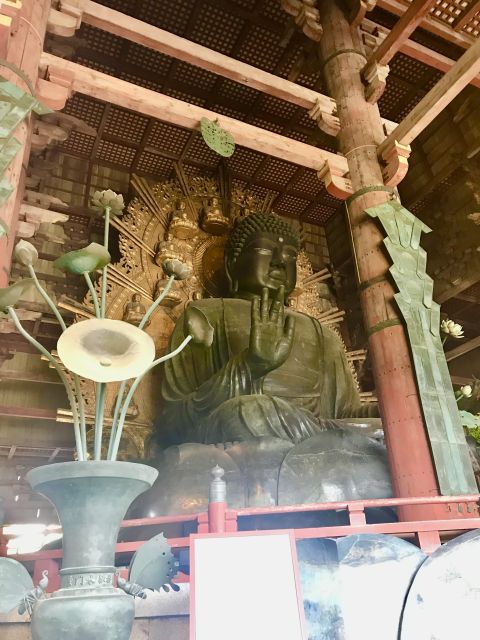
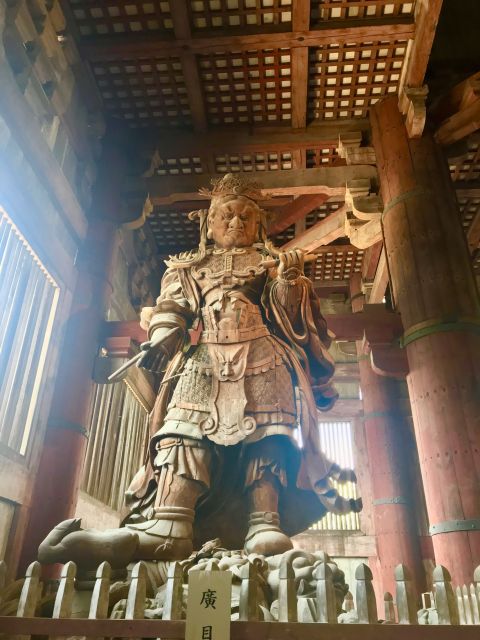
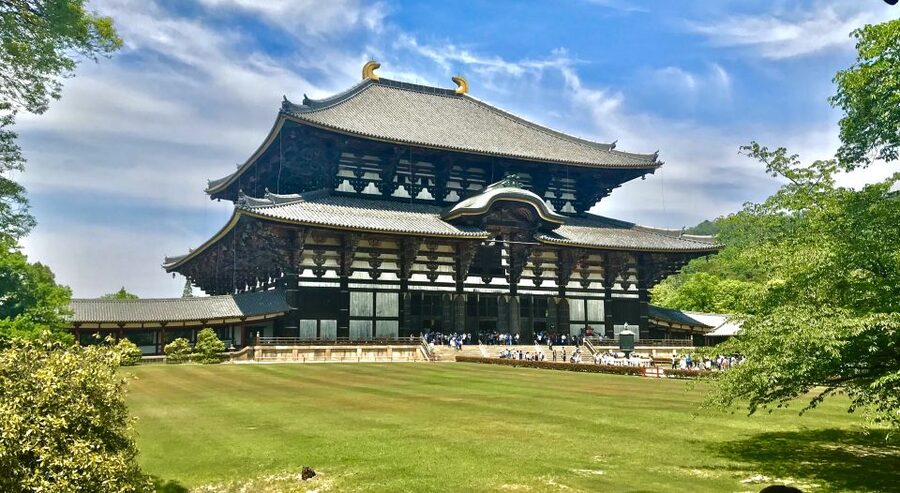
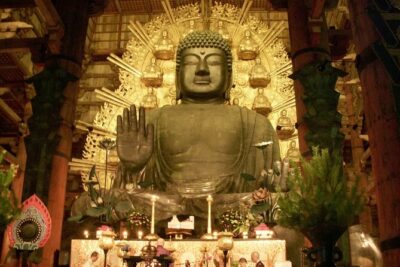
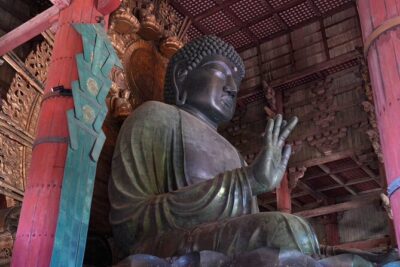
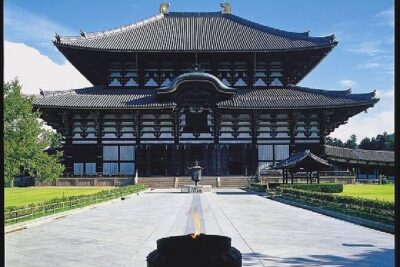
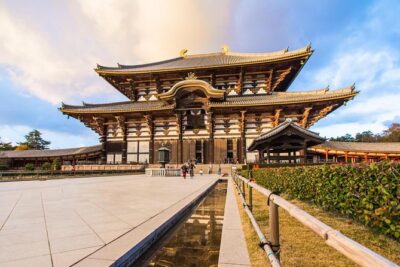
Todai-ji is the reason many travelers come to Nara, and it is a smart move to start here. The temple complex centers on the Great Buddha, a statue on a world scale, and the effect is immediate. You do not just look, you feel small in the best possible way.
What I like about seeing it with a guide is context. You get explanations that help you notice details in the architecture and understand why this site matters. When you know what you are looking for, even “just standing there” becomes an experience instead of waiting in a line.
You also get time for the basics: guided tour, sightseeing, walking, and time for photos. That combination matters. If you rush Todai-ji, you miss the sense of presence. If you linger too long, you lose the rest of the day. This format keeps you moving, without turning the day into a blur.
Nigatsu-do (February Hall) for Views, Photos, and the Spring Cherry Blossom Moment
Next comes Todai-ji Nigatsudo, also called the February Hall, and it changes the mood. Instead of focusing only on the massive indoor centerpiece, you shift toward a higher perspective and a broader sense of Nara around you.
This stop includes break time and guided touring, plus scenic views on the way. The big value here is the panoramic angle, because it helps you connect the dots between temple structures and the city setting. In spring, you might also get a visual bonus with beautiful cherry blossoms, which can add a soft, seasonal layer to what is already an impressive place.
If you are the kind of traveler who likes to photograph from different angles, this is a good segment. It gives you that change of scenery that keeps the day from feeling repetitive.
- Kyoto/Osaka: Kinkakuji, Bamboo Forest, and Nara Deer Park★ 4.4 · 265 reviews
- Nara 6hr Private Tour with Government-Licensed Guide★ 5.0 · 219 reviews
- E-Bike Nara Highlights – Todaiji, Knives, Deer, Shrine★ 4.8 · 186 reviews
- Nara Early Bird Tour (Kyoto Departure Option Available)★ 4.9 · 142 reviews
- Nara:Authentic Tea Ceremony(Max 5 ppl) -Master Matcha Making★ 5.0 · 119 reviews
Tamukeyama Hachimangu and the Shift Toward Shrines in the Deer-World
After the main Todai-ji focus, you move toward nearby sacred spaces, starting with Tamukeyama Hachimangu. This stop is shorter than Todai-ji, but that is not a drawback. It works as a transition, letting you shift from one kind of temple grandeur into shrine atmosphere.
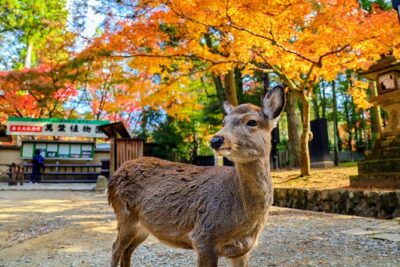
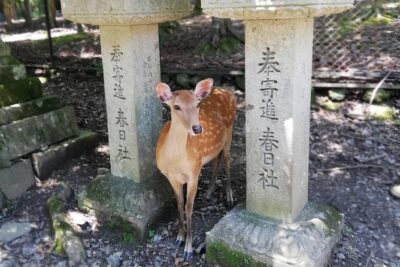
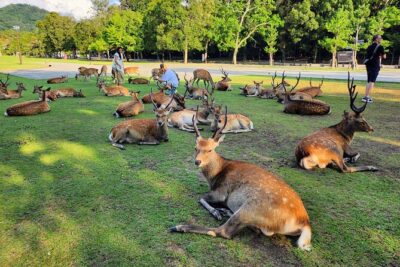
You will also pass by wildlife, and Nara’s deer are not background characters. They are part of the experience, and you will see them consistently as you move around. That means your day is equal parts spiritual sites and real, everyday nature.
A practical tip: keep an eye on where you step. Deer are calm most of the time, but they do cross paths and can be bold near busy areas. If you stay aware and give them space, you get the best version of the Nara “this is Japan” moment.
Kasuga Taisha: The Lantern Forest Feeling You Can Actually Walk Into
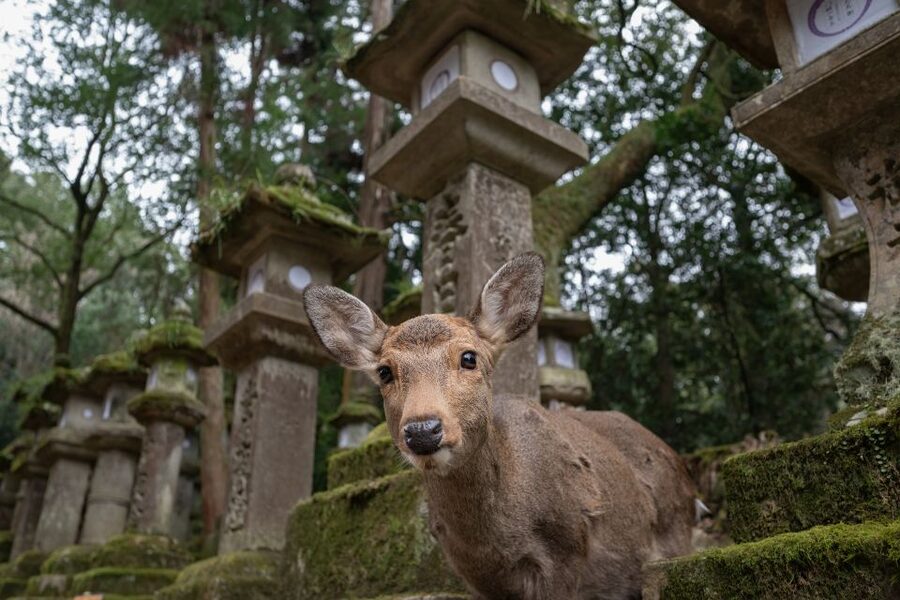
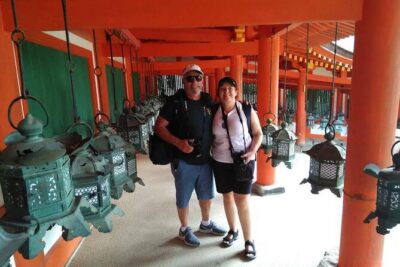
Kasuga Taisha is one of the most striking shrines in Nara, and this tour sets you up for it. The defining feature is the thousands of stone lanterns, plus the setting in a forested surrounding that makes the whole place feel more secluded than you might expect.
This stop includes guided touring, sightseeing time, walking, and time for pass-by wildlife. That structure helps because the shrine area is meant to be experienced slowly. When you do it with guidance, you learn what to notice instead of treating it like a photo stop only.
Here is what I think makes Kasuga Taisha special for your day: it adds atmosphere. Todai-ji hits with scale. Ukimido hits with calm. Kasuga Taisha hits with texture and mood, especially as you move through the lantern-filled paths and see how the forest frames the space.
Nara Park, Ukimido Pavilion, and the Deer as Part of the Story
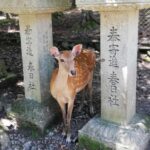
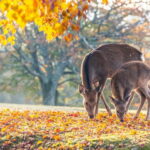
Then you get to the big character of the day, the deer of Nara Park. This is where the tour becomes more than temples. You are walking through a place where wildlife is culturally significant, not just something to spot for fun.
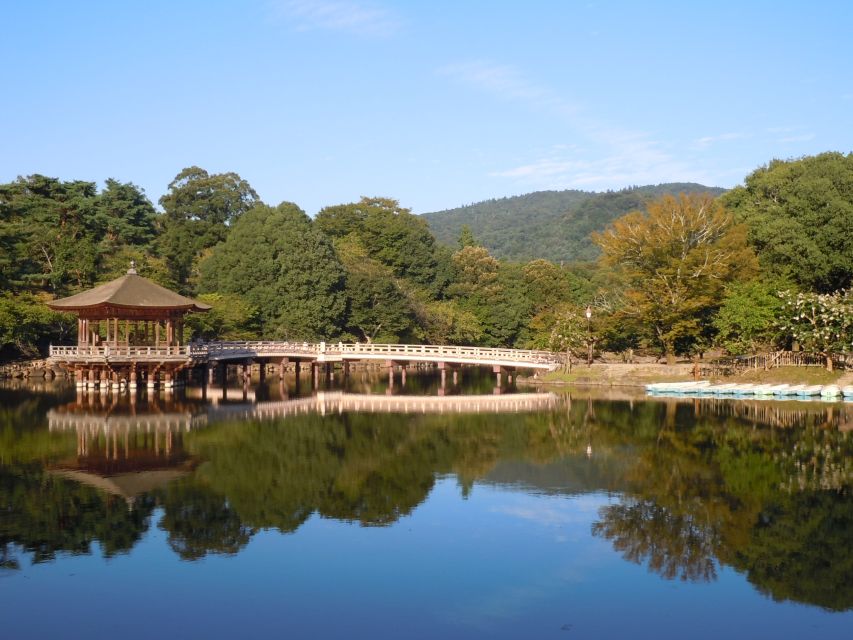
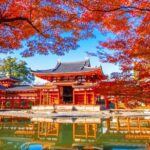
The route includes time for Nara Park, and then a key pause at Ukimido. Ukimido is a small pavilion in the middle of a pond, and the idea is simple: slow down. The break and photo time help you take in the water setting, then watch deer nearby.
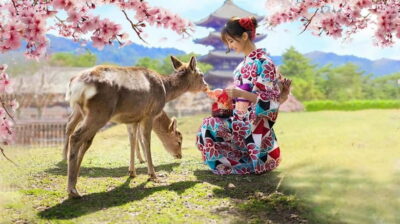
Ukimido is also described as a serene moment where deer are considered divine messengers in Japanese culture. Even if you do not go deep into religion, the practical effect is clear. You treat the space with more respect, and the deer feel less like random animals and more like part of the place’s meaning.
What to do in this segment
- Keep your distance if deer get close, and do not block paths.
- Think of it as a viewing moment, not an interaction contest.
- Use the break time to reset your energy before the final temple.
Kofuku-ji and Its Five-Story Pagoda, Plus the Garden Time
You finish with Kōfuku-ji, a historic temple with an impressive five-story pagoda. This is a great ending because it brings you back to a different type of wow. If Todai-ji is massive scale, Kofuku-ji is layered depth, with old structures and the feeling of time stacked up in one area.
This stop includes a photo stop plus guided touring and walking, along with pass-by time for wildlife. You will also have short viewing moments, which work well at the end of a half-day when energy starts to dip.
If you like temples that reward a second look, Kōfuku-ji is the kind of place where you can keep noticing details as you walk the grounds. Gardens and older architecture also give you a slower, more reflective close.
Price and Value: Is $85 for This 5-Hour Spanish Tour Worth It?
At $85 per person for about 5 hours, the price is not the cheapest way to see Nara. But it is also not trying to be. You are paying for a live Spanish guide, guided time across multiple major sites, and Todai-ji entrance ticket included.
Here is how I judge value on tours like this:
- If you would otherwise spend time figuring out what to see and in what order, the guidance saves stress.
- If you want explanations that connect the places, not just photos, the guide cost makes sense.
- If you would do Todai-ji solo, the included entrance ticket helps offset part of the fee.
The tour’s structure also adds value. You are not only visiting big names, you are also adding panoramic views at Nigatsu-do, shrine atmosphere at Kasuga Taisha, and a calmer pond pause at Ukimido. That combination is hard to duplicate well if you are building the day yourself.
Also, the tour offers flexibility with reserve now and pay later, and free cancellation up to 24 hours in advance. If your plans are still moving around, that matters more than you might think.
The Guide Factor, and Why Spanish Storytelling Changes the Day
A strong guide can turn a checklist into a real day of understanding. In this case, multiple Spanish guides associated with Kansai4U have been praised for teaching the history in a way that feels easy to follow.
You might hear different styles from different guides, but the common thread is what you want: clear explanations that connect Todai-ji, Nigatsu-do, Kasuga Taisha, the Nara Park setting, and Kōfuku-ji into one coherent picture. Even if you only catch part of the details, you will still notice the difference between wandering and having someone help you orient.
If you understand Spanish better than Japanese, this is a real advantage. You get to enjoy the sites without constantly pausing to interpret signs.
Who This Nara Half-Day Tour Fits Best
This tour is a strong match for:
- People who want major sights in one day without spending time planning the route
- Travelers who like guided context, not just sightseeing
- Anyone who enjoys walking between sacred places and seeing how deer fit into the daily flow of Nara Park
It is not a good fit if:
- You need mobility support. The route is on foot and is not suitable for people with mobility impairments.
- You rely on a stroller. Baby strollers are not allowed.
- You are sensitive to walking distance. Even though it is only 5 hours, it is still a full on-foot outing.
If you are traveling with kids, plan carefully. The data says no stroller, and the route involves physical effort. If your child can comfortably walk the full route, you might be fine.
Should You Book This Todai-ji and Nara Park Spanish Tour?
I would book this tour if you want a well-paced, guided day that covers the essentials: Todai-ji and the Great Buddha, Nigatsu-do views, Kasuga Taisha lantern atmosphere, Ukimido pond calm with deer nearby, and Kōfuku-ji to close out strong. The Spanish live guide plus included Todai-ji entrance ticket makes the $85 feel more reasonable than a DIY day where you end up paying for entry anyway.
I would skip or choose another option if you cannot do a fully walking route, or if stroller access is a must. Also, if you hate the idea of sharing your path with Nara deer, you may find the constant deer presence distracting, even though it is usually part of the charm rather than a problem.
If you can handle walking and you want structure, this is a smart way to experience Nara in a single half-day, with just enough quiet moments to balance all the big sights.
Half a Day in Nara

Newest Nara write-ups from the Loving Japan desk

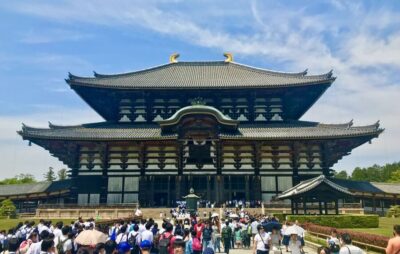


Nara Deer Park and Todai-ji, side by side.
 ★ 5.0World Heritage Kyoto & Nara Uji Authentic Matcha ExperienceFrom $1291,573 reviews
 ★ 4.7Kyoto/Osaka: Nara, Fushimi Inari Taisha, Arashiyama Bus TourFrom $521,275 reviews
 ★ 5.0Nara Half Day Trip Walking Tour (Private Option Available)From $105937 reviews
 ★ 4.4Osaka/Kyoto: Arashiyama, Nara & Fushimi Inari Shrine w/LunchFrom $61754 reviews
 ★ 5.0Nara Early Morning Tour (Kyoto or Osaka Departure Available)From $61676 reviews
 ★ 4.5Kyoto and Nara Day Trip from KyotoFrom $194445 reviews
 ★ 5.0Full Day Guided Tour to Kyoto and Nara from Osaka by VanFrom $106420 reviews
 ★ 4.5Nara Afternoon Tour from Kyoto or OsakaFrom $102390 reviews
Filed on these lists too