
REVIEW · NARA DEER PARK AND TODAI-JI
Kyoto/Osaka: Kinkakuji, Bamboo Forest, and Nara Deer Park
Bamboo rustles, then gold shines. This day trip connects Kyoto’s icons with the calm magic of Kinkaku-ji and the fun chaos of Nara deer. I especially like how the route ties together nature and top temples in a smooth order, and you get guided context so the sights make sense fast. One possible drawback is timing, because the schedule is packed enough that you may feel a little rushed, especially at the bamboo forest and inside popular temple areas.
You’re traveling by an air-conditioned coach with Wi-Fi, so you’re not hopping around on multiple trains with luggage and transfers. If you add lunch, it’s convenient, but the quality and comfort of the buffet can feel hit-or-miss, so I suggest treating lunch as optional unless you really want a sit-down break. The good news is that the plan is set up so you always know where to go next.
In This Review
- Key Takeaways for Kyoto and Nara in One Day
- A Day That Stitches Kyoto and Nara Into One Plan
- Price and Logistics: What You Actually Pay For
- Getting There: Kyoto Station vs Osaka Namba Start
- Arashiyama Bamboo Forest and Togetsukyo: The Nature Stop That Sets the Tone
- Golden Pavilion at Kinkaku-ji: Why This Temple Looks Like a Postcard
- Nara Park Deer Feeding: Fun, Rules, and a Little Comic Timing
- Todaiji Temple and the Great Buddha: The Moment That Changes the Scale
- Lunch Options: Convenience vs Comfort
- How the Guide Makes or Breaks the Day
- Crowds and Timing: How to Feel in Control
- What Makes This Tour a Good Value for Western Japan First-Timers
- Who Should Book This One, and Who Might Want DIY
- Should You Book This Kyoto and Nara Day Trip?
Key Takeaways for Kyoto and Nara in One Day
- Kinkaku-ji Golden Pavilion photos: Gold-leaf sparkle with a mirror-like pond backdrop
- Arashiyama bamboo walk: Heian-period style scenery plus a river and bridge viewpoint
- Nara Park deer feeding rules: You use shika-senbei only, and yes, the deer are trained to bow
- Todaiji temple power stop: The Great Buddha is the kind of sight that resets your brain
- Guide support on the ground and on the bus: Clear meet-up plans and photo help can make the day easier
- Value comes from doing three big stops in one ride: Tickets and transport are bundled when you choose them
Still weighing up options in Nara? These are the ones our reviewers rated highest.
- World Heritage Kyoto & Nara Uji Authentic Matcha Experience
★ 5.0 · 1,573 reviews - Nara Half Day Trip Walking Tour (Private Option Available)
★ 5.0 · 937 reviews - Nara Early Morning Tour (Kyoto or Osaka Departure Available)
★ 5.0 · 676 reviews - Osaka: Nara and Uji Day Trip with Deer Park and Hot Spring
★ 4.4 · 302 reviews
A Day That Stitches Kyoto and Nara Into One Plan
This trip works because it’s built around big, distinct experiences that would be harder to chain together on your own without losing time. You start in the Kyoto area, then move south to Nara for deer and Todaiji. The pace is efficient, not leisurely, but it’s the kind of one-day route that helps you hit the highlights without doing logistics homework.
I like that you’re not just getting dropped at landmarks and left to figure it out. The format is guided, with time set aside to look around, then move to the next stop. That matters because Kyoto and Nara can be overwhelming even when you know what you want to see.
If you’re the type who likes to linger at every turn, you may feel pressure to hurry. Some people love that it’s organized and quick, while others want more breathing room, especially for photos.
Price and Logistics: What You Actually Pay For
The price is $69 per person, and the value mostly comes from what’s included: an English-speaking guide, air-conditioned coach with Wi-Fi, and optional entries plus optional lunch depending on what you select. For many visitors, the real cost is not only money, it’s time and brainpower. This tour buys you both back.
Two details matter for your planning. First, hotel pickup and drop-off are not included, so you’ll meet the group at a set location. Second, the schedule can shift due to traffic or weather for safety. That means you should build your day with a little flexibility, not a tight, overbooked itinerary.
If you choose the entry options, you get tickets for Kinkaku-ji and Todaiji. That’s a practical way to avoid lines and decision fatigue when you arrive. If you skip lunch, the tour still covers the sights, and you can eat on your own when you find a place that fits your taste.
Getting There: Kyoto Station vs Osaka Namba Start
Your start point changes depending on whether you begin in Kyoto or Osaka. In Kyoto, the meeting time is 9:05 AM at Kyoto Station Hachijo Exit Tourist Bus Parking. In Osaka (Namba), the meeting time is 8:50 AM at OCAT Building 1F.
I like starting in Osaka if you want to sleep in a bit and you’re already based there. But Kyoto start can be smoother if you’re already near Kyoto Station. Either way, arrive a few minutes early. In a group setting, the small stuff matters, like knowing exactly where the bus or coach is staged.
One practical tip: take a screenshot of the meeting instruction page or any group details your provider sends. Some people find it easy once they’re there, while others say it can take a moment to match with the correct group when the area is busy.
A half day in Nara goes several ways
- Nara Half Day Trip Walking Tour (Private Option Available)★ 5.0 · 937 reviews
- Nara Early Morning Tour (Kyoto or Osaka Departure Available)★ 5.0 · 676 reviews
- Kyoto/Osaka: Kinkakuji, Bamboo Forest, and Nara Deer Park★ 4.4 · 265 reviews
- Nara 6hr Private Tour with Government-Licensed Guide★ 5.0 · 219 reviews
- E-Bike Nara Highlights – Todaiji, Knives, Deer, Shrine★ 4.8 · 186 reviews
Arashiyama Bamboo Forest and Togetsukyo: The Nature Stop That Sets the Tone
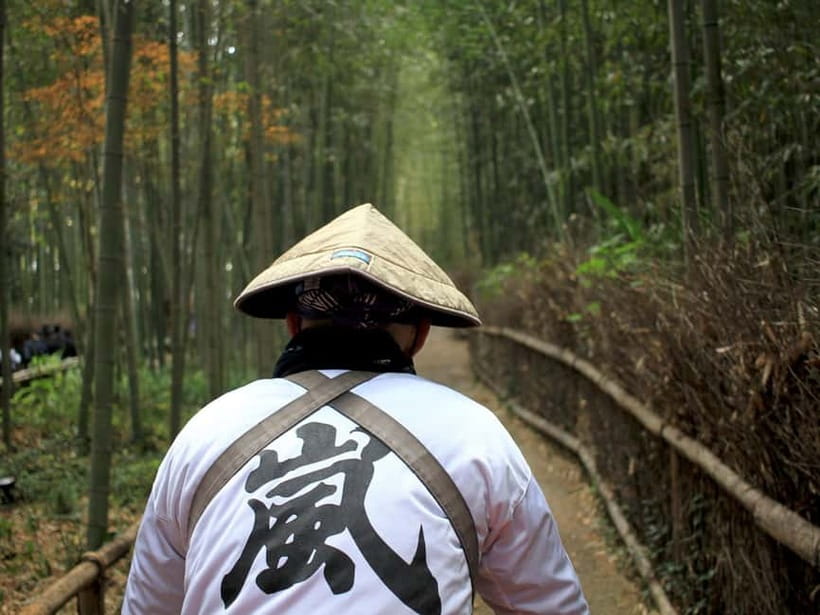
After you get rolling, the first major scene is Arashiyama’s Sagano Bamboo Forest. This place has been a destination since the Heian Period, and walking through those bamboo paths feels different from typical city greenery. You’re surrounded by moving green and the soft rustle of leaves, so even before you reach the temples, the mood shifts to calmer and more atmospheric.
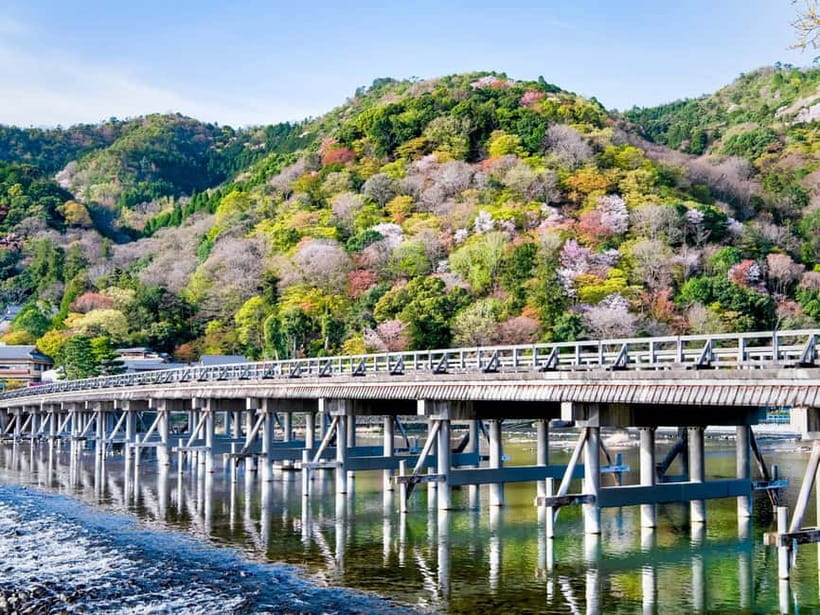
The route also includes a look at Togetsukyo, the moon-crossing bridge, as you walk near the Katsura River. Even if you don’t plan to linger for ages, seeing the bridge and water gives you context for why people come here. It’s not just bamboo, it’s bamboo plus landscape framing.
Here’s the downside: the bamboo forest is popular. Expect crowds. The trick is to adjust your expectations. Instead of chasing the perfect empty shot, focus on walking at a comfortable pace, catching the way light falls between stalks, and stepping aside when you want a clearer frame.
Good shoes help because you’ll be walking in temple and park-style terrain. I’d also keep water handy, since you’ll be on the go for most of the day.
Golden Pavilion at Kinkaku-ji: Why This Temple Looks Like a Postcard
Next up is Kinkaku-ji, the Golden Pavilion, and this is the part that justifies the hype. The temple is covered in gold leaf, and on sunny days it can look almost unreal. The pond below and around the viewpoint matters a lot because the reflection is part of the experience, not just a photo bonus.
What I like most is that you get time not only to see the pavilion, but also to walk the sprawling original gardens. Those grounds keep a design from the 14th century, so it’s not a random walk. Even if you’re not a history person, the layout gives you a sense of intention: where you pause, where you see the pavilion again, and where the garden opens up.
The only consideration is crowd pressure. Kinkaku-ji draws lines of people who stop, look, and stop again. Your guide can help you manage where to aim first, but your best move is to keep moving in short bursts. Walk, stop for a photo, then walk again. That keeps the day from feeling gridlocked.
If you care about pictures, this is one of the best stops on the whole route because gold leaf plus water reflection gives you multiple angles without chasing far distances.
Nara Park Deer Feeding: Fun, Rules, and a Little Comic Timing
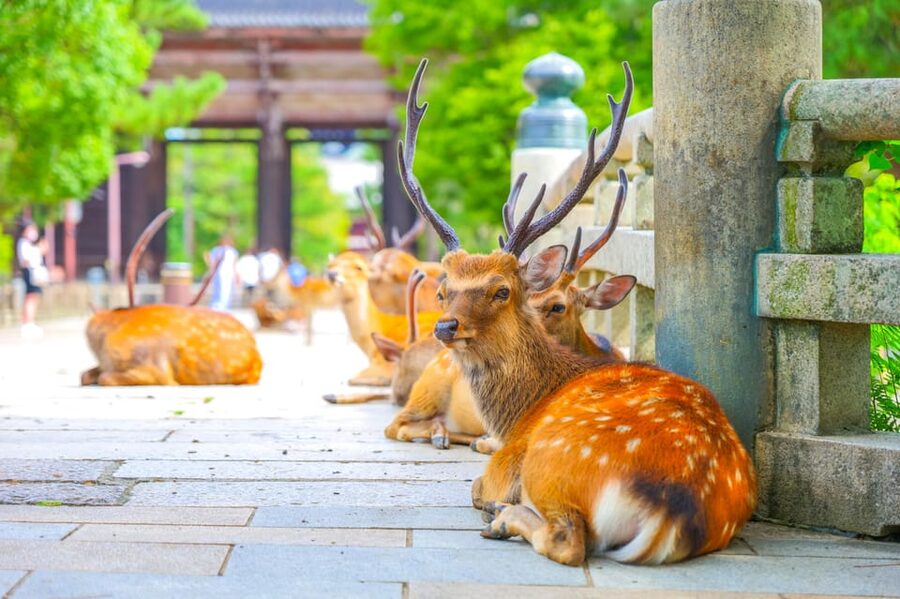
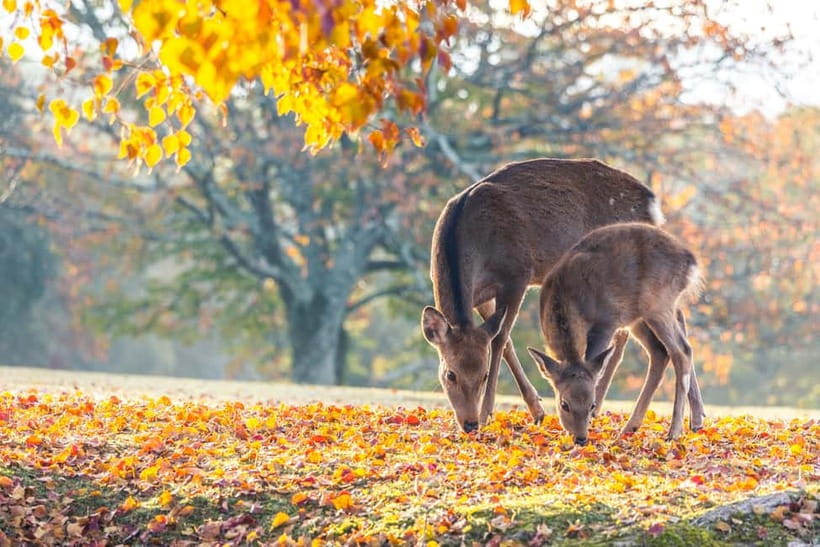
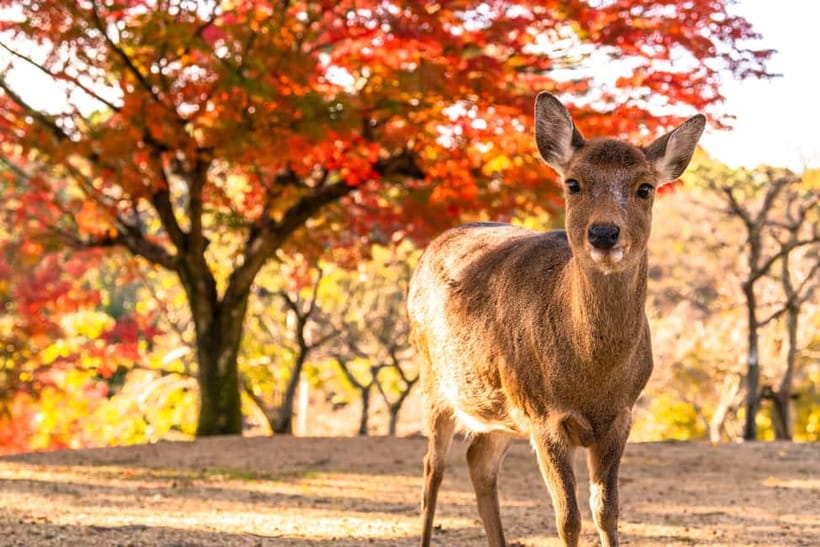
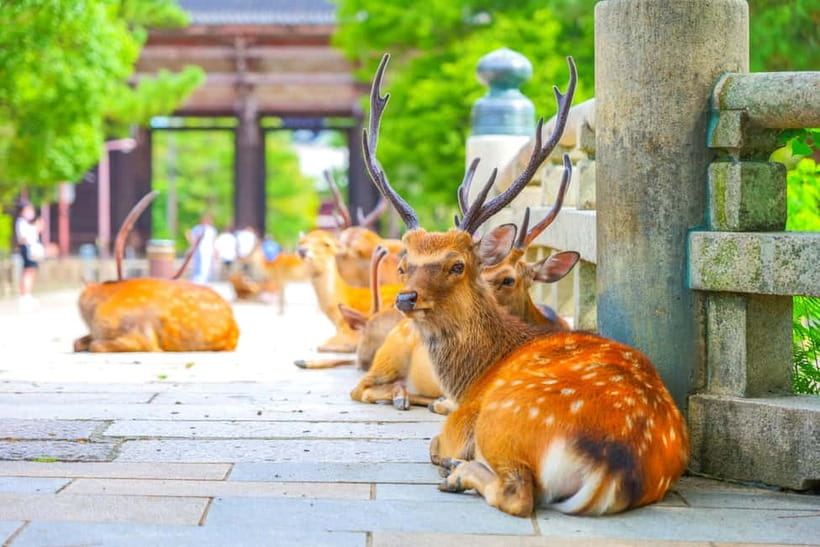
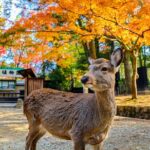
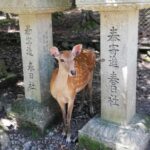
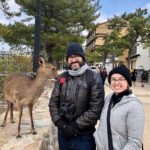
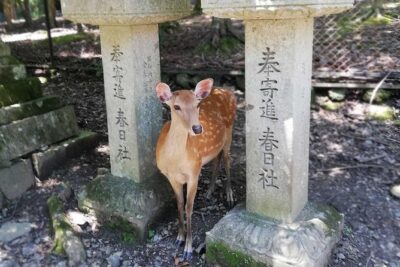
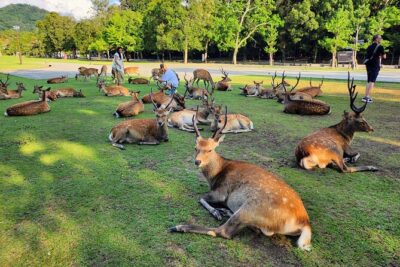
Then you head to Nara Park, where wild deer roam freely. The park is famous for roughly 1,200 deer, and the vibe is playful. This is also where the guided nature of the day helps: you’ll get the rules and the approach so it stays safe and respectful.
You can feed the deer using shika-senbei, and the deer are known for bowing as they take the crackers. It’s surprisingly delightful to watch, and it’s easy to participate without feeling like you’re doing something staged.
Important rule: do not feed the deer anything other than the shika-senbei. Stick to that exactly. It’s the kind of rule that keeps the experience fun for you and for the animals, without creating bad habits.
Crowds vary. One day might feel like controlled chaos, and another day might feel calmer. Either way, keep your phone secure, hold food only when instructed, and don’t wave crackers around like confetti. The deer notice movement fast.
Todaiji Temple and the Great Buddha: The Moment That Changes the Scale
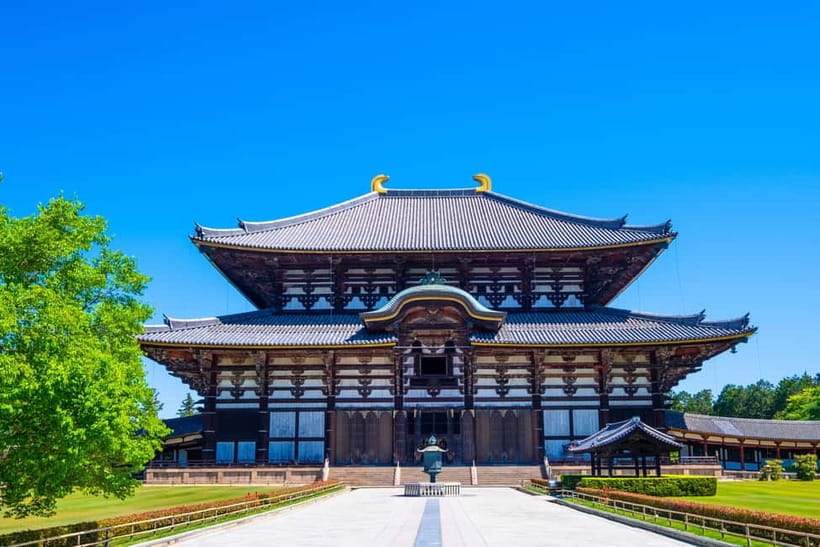
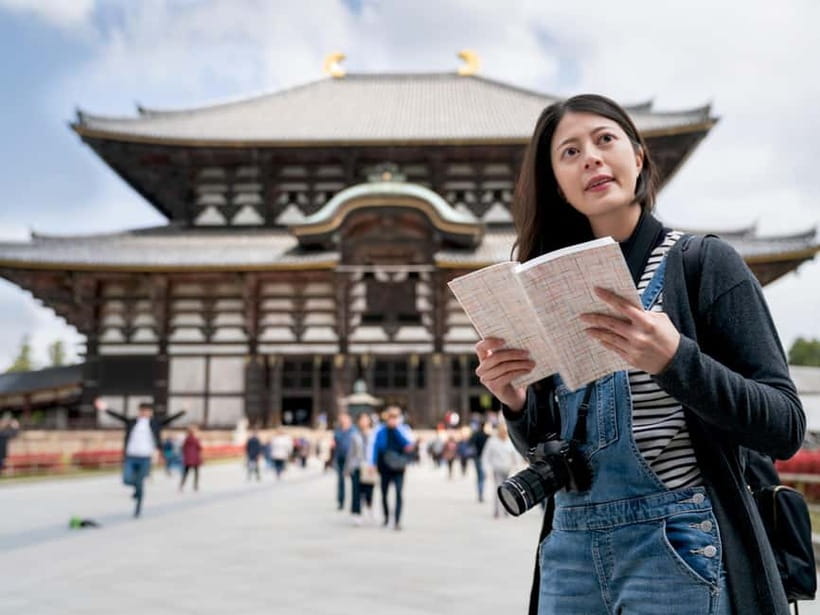
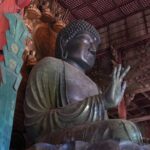
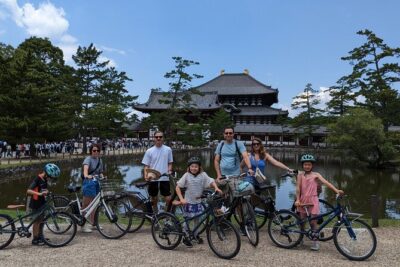
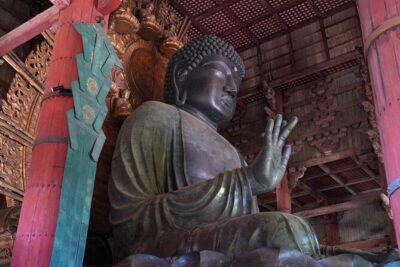
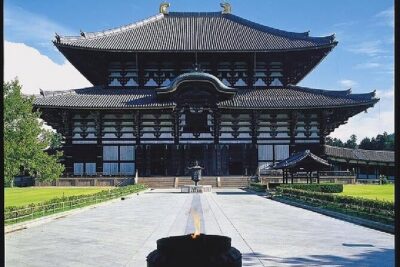
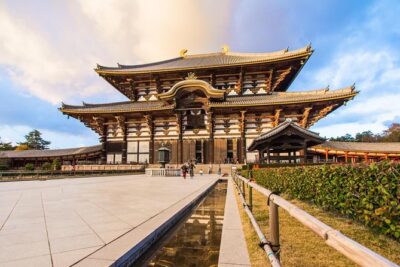
Inside Nara Park, you also visit Todaiji Temple, a UNESCO World Heritage site. This is the serious stop on the route. Todaiji is home to one of Japan’s three huge Great Buddha Statues.
Even if you’ve seen photos, the real impact hits once you’re there. The scale makes everything else feel smaller, and it’s the kind of sight where you start looking up even if you weren’t planning to.
What I like about putting Todaiji after the deer is the reset in tone. Deer feeding is light and social. Todaiji is calm, monumental, and quiet. The contrast makes the day feel complete.
You’ll want to keep your head in two modes. First, appreciate the structure and size. Second, slow down enough to notice details that show up once you stop rushing. With a guided day, you won’t get unlimited time, but you can still get the key feeling if you plan to pause for long enough to take it in.
Lunch Options: Convenience vs Comfort

Lunch is included only if you select the lunch option. The tour describes it as a traditional Japanese lunch with seasonal Kyoto specialties, served as a buffet in some cases.
Here’s my balanced take: the lunch is convenient, and some people rate it as delicious with lots of options. Others describe it as cramped or not worth adding if you’re picky about food. There’s also a clear limitation: halal and vegan lunches are not available. Vegetarian requests may be possible, but you need to contact the provider at least three days in advance.
So how do you decide? If you want the easiest day with fewer decisions, add lunch. If you’re the type who likes choosing a restaurant based on your mood, I’d skip lunch and eat on your own near one of the stops you enjoy most.
For whatever you choose, bring water. It’s the simplest way to stay comfortable during the walking and photo breaks.
How the Guide Makes or Breaks the Day
This tour is built around an English-speaking guide, and the guide quality shows up in two places: what you hear while traveling and how you navigate at the sites. People praised guides for being kind, for giving background stories on sacred places, and for walking with the group long enough to point out what matters.
You may also see guides who are especially good at practical problem-solving, like giving clear meet-up instructions and helping with timing at crowded spots. Some guides even help with photos at specific viewpoints, which is a big deal if you’re traveling as a pair or solo.
One thing to watch for is clarity of instruction. Not every guide seems to land the same way for every person, especially if your listening comfort depends on precise English. If you’re concerned, ask for the meeting point detail early and confirm where you’ll regroup at each stop.
Crowds and Timing: How to Feel in Control
The schedule is designed to fit three major areas in one day: bamboo and Kinkaku-ji, then Nara for deer and Todaiji. That means you’ll move fairly consistently, with designated free time blocks.
Some people love this because it feels organized and efficient, with enough time to see everything. Others felt it could be rushed, especially when crowds stack up at each location. The bamboo forest is the usual pressure point, and Nara Park can be another if you get separated.
Here’s how to avoid the stress:
- Stay close to your group when crowds thicken.
- Don’t assume you’ll easily find the bus later, especially at the end of the day.
- Keep an eye on your exact meeting spot each time you break away, not just the general area.
In one downside story, a small group missed the final bus after getting lost in Nara crowds. To protect yourself, make sure you know what to do if you’re separated, and keep your phone charged.
What Makes This Tour a Good Value for Western Japan First-Timers
If you’re seeing Japan’s major ancient capitals for the first time, the big win is reducing the amount of planning you need. Kyoto and Nara are not hard to visit on your own, but doing it well in one day is. This tour takes away the back-and-forth and turns it into a guided sweep with transport.
At $69, you’re paying for:
- A guided day connecting Arashiyama, Kinkaku-ji, and Nara
- Coach transport with A/C and Wi-Fi
- Optional entry tickets for the two biggest temple stops
- Optional lunch, if you choose it
That bundle is where the value lives. If you were doing this yourself, you’d spend time figuring out routes, dealing with transfers, and maybe losing half a day to travel. Here, you trade money for convenience, and you still get hands-on moments like deer feeding with clear rules.
Who Should Book This One, and Who Might Want DIY
This tour is ideal if you want a high-impact day and you prefer to avoid public-transport juggling. It also suits families and first-timers because the itinerary is structured and guided, and you’re not guessing what matters at each site.
You might want a different plan if:
- You dislike group pacing and prefer quiet, slow exploration.
- You want top-notch food and comfort every day, since lunch quality can vary and halal or vegan options are not available.
- You’re sensitive to crowds and stress at popular photo stops.
If your goal is to see the Golden Pavilion and a Great Buddha without spending days planning, this hits your marks.
Should You Book This Kyoto and Nara Day Trip?
Yes, book it if you want the smartest one-day taste of Kyoto and Nara, with transport handled, major entrances covered when you select them, and guided context for Kinkaku-ji and Todaiji. It’s also a great choice if you enjoy nature walks and don’t mind that Arashiyama can be crowded.
Skip the lunch option if you’re picky or you’re traveling for specific dietary needs, since halal and vegan lunches are not available and the buffet experience can feel uneven. And if you hate the idea of feeling rushed, go in knowing this is a see-it-all day, not a slow ramble.
Overall, this is a solid value when you want three unforgettable stops in one day, with the practical comfort of an A/C coach and a guide keeping the day moving.
Half a Day in Nara
Newest Nara write-ups from the Loving Japan desk

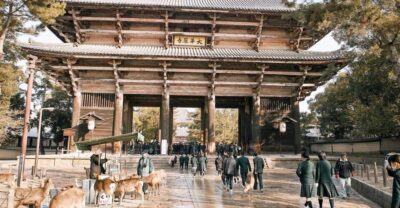
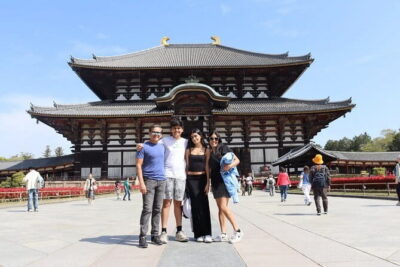
Nara Deer Park and Todai-ji, side by side.
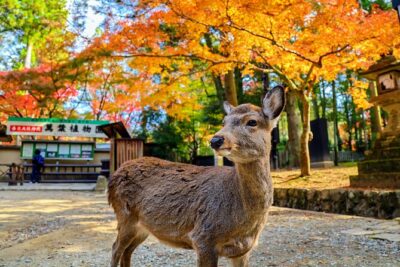 ★ 5.0World Heritage Kyoto & Nara Uji Authentic Matcha ExperienceFrom $1291,573 reviews
 ★ 4.7Kyoto/Osaka: Nara, Fushimi Inari Taisha, Arashiyama Bus TourFrom $521,275 reviews
 ★ 5.0Nara Half Day Trip Walking Tour (Private Option Available)From $105937 reviews
 ★ 4.4Osaka/Kyoto: Arashiyama, Nara & Fushimi Inari Shrine w/LunchFrom $61754 reviews
 ★ 5.0Nara Early Morning Tour (Kyoto or Osaka Departure Available)From $61676 reviews
 ★ 4.5Kyoto and Nara Day Trip from KyotoFrom $194445 reviews
 ★ 5.0Full Day Guided Tour to Kyoto and Nara from Osaka by VanFrom $106420 reviews
 ★ 4.5Nara Afternoon Tour from Kyoto or OsakaFrom $102390 reviews
Filed on these lists too