
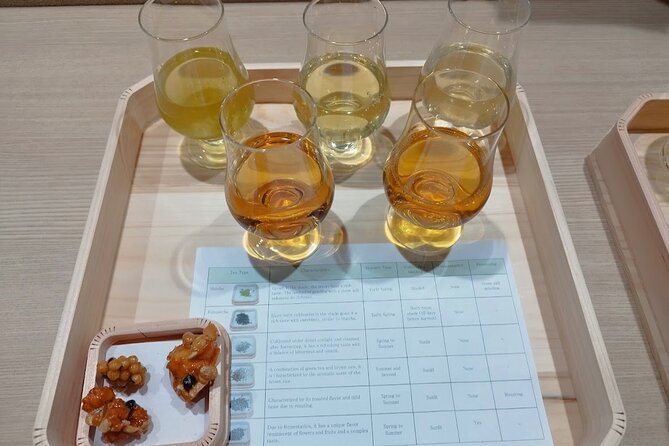
REVIEW · NARA DEER PARK AND TODAI-JI
Nara:Tea Tasting&Private Tea Ceremony -Master Matcha Making-
Five teas, one quiet afternoon in Nara. This private ceremony takes place in a renovated traditional Japanese house, where the focus is on tasting, learning etiquette, and getting your own matcha right. You sit down with a tea master, and you do not rush through it.
I especially love the five-tea flight from Nara prefecture, because each pour has a distinct mood, from aromatic matcha to mellow roasted teas. I also love the one-on-one matcha practice, with personalized guidance so you can adjust as you whisk.
One possible drawback: at 1 hour 30 minutes, this is not a long sightseeing stop, so plan it like a reset button, not your main activity.
In This Review
- Key highlights you will notice right away
- Entering a renovated Naramachi tea room
- Your five-tea tasting flight, then a pot-brewed favorite
- Matcha practice with one-on-one feedback from Mike
- Tea etiquette, tools, and why the ceremony feels calm
- Wagashi pairings that actually teach flavor balance
- Price and value: what 63 dollars buys in 90 minutes
- Time, meeting point, and how to fit it into your Nara day
- Should you book this Nara matcha tasting?
- FAQ
- Where does the experience start?
- How long is the tea tasting and ceremony?
- Is this a private experience?
- What is included in the tea experience?
- Do you get to make matcha, or only taste it?
- What setting is the ceremony held in?
- Is a mobile ticket provided?
- How close is it to public transportation?
- What does it cost, and is the price per person?
- Can I cancel for free, and until when?
Key highlights you will notice right away
- Renovated Japanese house setting in Naramachi, calm and comfortable for a slower pace
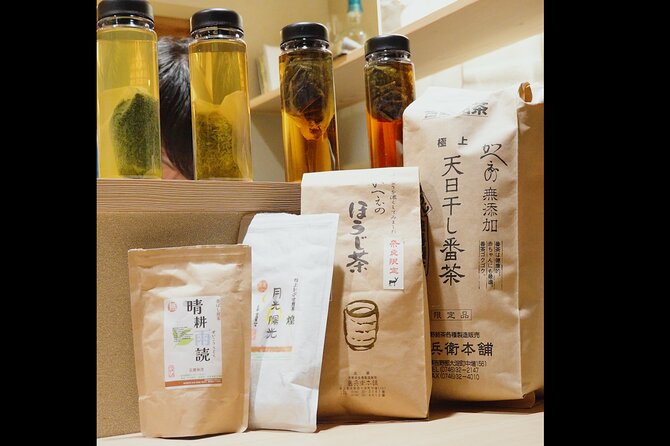
- Taste five local teas from Nara prefecture, then choose one for a special pot-brewed serving
- Matcha whisking with feedback, so you are not just watching
- Tea etiquette and tools explained by a tea master, making the whole ritual click
- Seasonal wagashi pairings that match the tea you just tasted
- Host Mike sets a friendly tone, including being great with kids in at least one experience
Sit down somewhere quieter. Other tea rooms we booked
- World Heritage Kyoto & Nara Uji Authentic Matcha Experience
★ 5.0 · 1,573 reviews - Osaka: Nara and Uji Day Trip with Deer Park and Hot Spring
★ 4.4 · 302 reviews - Nara:5 Type of Tea Tasting & Mindful Tea Ceremony
★ 5.0 · 28 reviews - Nara:Tea Tasting&Private Tea Ceremony -Master Matcha Making-
★ 5.0 · 19 reviews
Entering a renovated Naramachi tea room
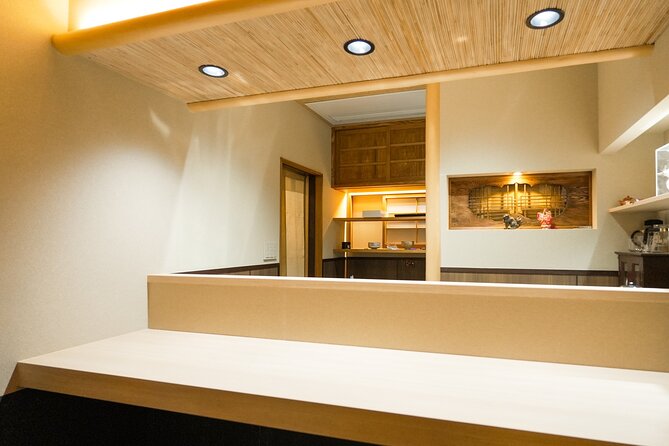
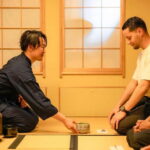
The experience starts at Guesthouse Naramachi (30 Kitakyōbatechō, Nara). From there, you settle into a tea room set in a renovated traditional Japanese house. That matters more than you might think. Nara can be lively outside, with temples and streets pulling your attention every direction. This ceremony flips the switch, so you can hear yourself think and focus on subtle flavors.
You also get a private format. It is only your group, so the tea master can tailor the pace and answers. That is useful if you are the type who asks questions, or if you just want your own calm corner without translating in your head.
In this setting, the tea master introduces the basics first: the tradition behind the tools, how etiquette works, and why certain movements matter. It is not just rules for the sake of rules. You learn the logic, so when you later whisk matcha and take a sip, you know what you are looking for.
And yes, the vibe is meant to feel serene. People do not come here to speedrun Japanese culture. You come for a short, gentle experience that makes Nara feel more human.
Your five-tea tasting flight, then a pot-brewed favorite
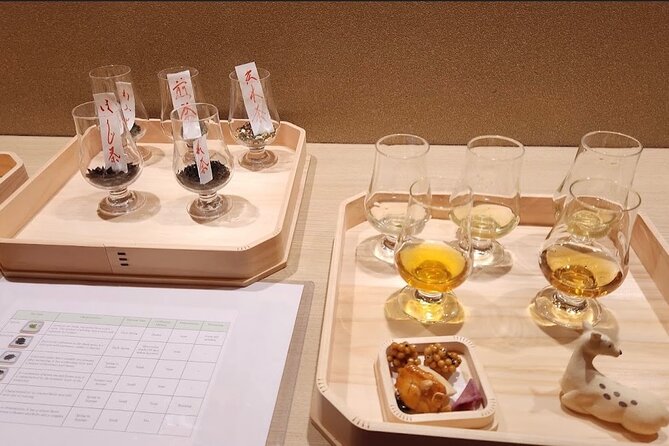
The core of the tasting is a flight of five teas, carefully selected for you by the tea master. These are sourced locally from Nara prefecture, which is a big part of why the tasting feels grounded. Instead of a random sampler, you taste what the region offers and how different processing and serving styles shift the flavor.
What you are sampling can include both hot and cold preparations, depending on the lineup. That is especially handy if you are visiting on a hot day, or if you simply want to compare how temperature changes bitterness, sweetness, and aroma.
After you try the five teas, you get to choose your favorite. Then the tea master serves it again in a special pot-brewed way. This is a smart move for your palate. One steep can tell you the basic character, but a pot-brewed serving helps you notice how the flavor settles, and it gives you a second chance to appreciate aroma and finish.
Here is how I think about this part: the five-tea flight teaches you vocabulary for tea, and the pot-brewed pick lets you apply it immediately. You go from guessing to understanding within the same session. That is the best kind of learning, because it sticks.
And during the pours, the tea master is guiding you on what to notice. Some people focus only on taste, but tea tasting is also about smell and aftertaste. Once someone shows you where to look, it is easier to enjoy every cup without overthinking it.
Matcha practice with one-on-one feedback from Mike
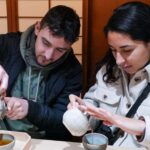
The hands-on highlight is master matcha making. After the tasting and etiquette basics, you whisk your own matcha with guidance. This is where the private, one-on-one format really pays off.
Instead of doing the ceremony like a performance you watch from the side, you become the person making it. You are guided through the steps, and you get personalized feedback while you whisk. That matters because matcha is easy to ruin if you rush or if you whisk without paying attention to texture and foam.
Your senses do the work here. As you whisk, you start to notice the aroma. Then, when you taste your bowl, you can connect what you did with what you got. If it tastes sharper, you learn why. If the texture feels off, you learn what to adjust next time. That is a practical skill, not just a souvenir moment.
Also, the host tone makes a difference. In experiences with Mike, the instruction style is described as friendly and fun. In at least one case, he was great with kids, which tells you the approach is adaptable. If you are traveling with family, this can work well because the ceremony does not feel overly stiff.
By the end, you should feel like matcha is no longer a mystery powder. You will have a mental map for aroma, texture, and flavor balance, and you will understand the importance of the motions, not just the myth that whisking is magical.
A half day in Nara goes several ways
- Nara Half Day Trip Walking Tour (Private Option Available)★ 5.0 · 937 reviews
- Nara Early Morning Tour (Kyoto or Osaka Departure Available)★ 5.0 · 676 reviews
- Kyoto/Osaka: Kinkakuji, Bamboo Forest, and Nara Deer Park★ 4.4 · 265 reviews
- Nara 6hr Private Tour with Government-Licensed Guide★ 5.0 · 219 reviews
- E-Bike Nara Highlights – Todaiji, Knives, Deer, Shrine★ 4.8 · 186 reviews
Tea etiquette, tools, and why the ceremony feels calm
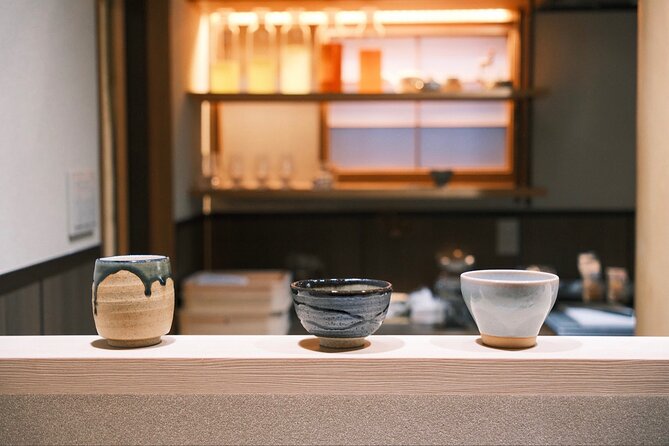
The tea master explains tradition in a clear way, including history, etiquette, and the tools. This is the difference between a tasting and a real cultural experience. You want the why behind the actions.
Etiquette can sound intimidating until it is explained. Here, it becomes practical. You learn how to handle the cup and how to approach each sip with attention. The goal is not to impress anyone. It is to keep your body and mind aligned with the taste.
The tool part also helps. Tea tools are not decorative. They shape how matcha is whisked and how tea is poured. Understanding what the tools do helps you stop treating the ceremony like a photo op and start experiencing it like a craft.
The setting supports this focus. Being in a renovated traditional Japanese house encourages you to slow down naturally. You are not juggling a lot of movement between stops. You are sitting, tasting, listening, whisking, and eating. It becomes easy to notice details like aroma changes as tea cools a touch.
One more thing I appreciate: the experience includes a chance to talk with locals for inside tips on places to visit while in Japan. Tea ceremonies are not only about drinking tea. When you chat with someone who lives in the area, your next day plans improve fast. You might learn which streets are worth wandering, what to skip, or how to time a visit so you are not stuck in the wrong crowd.
If you are the type who likes travel grounded in daily life rather than only landmarks, this is a strong match.
Wagashi pairings that actually teach flavor balance
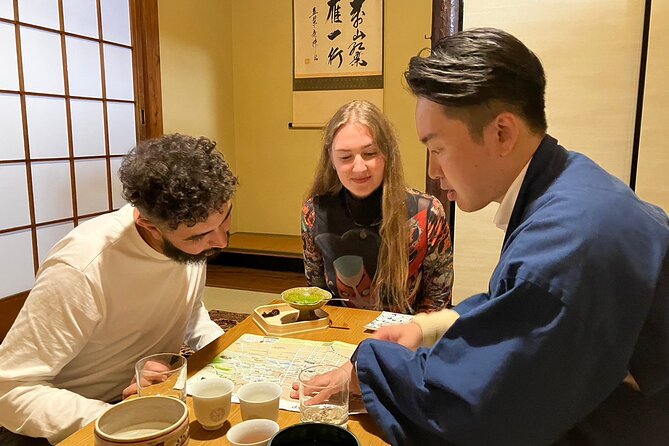
You finish with seasonal wagashi, traditional Japanese sweets that pair with your tea. This is not a random dessert add-on. The sweet is meant to complement the tea you just tasted, and it changes your perception of flavor.
A good wagashi pairing can soften a tea’s sharp edge or highlight its aroma. It can also reset your palate between tastings so each cup feels distinct. That matters because tea tasting is a short window. If you only drink, flavors can blend together in your head.
The ceremony also gives you a nice rhythm. Taste first, learn second, make matcha third, then slow down with sweets. That structure makes the whole experience feel complete, not just instructional.
Seasonal matters too. The wagashi you get is tied to what is in season. That is one of the reasons food-and-drink experiences in Japan often feel more meaningful. They are not stuck in a permanent menu. They reflect the moment.
If you are picky about sweets, you can still enjoy this part by treating wagashi as a learning tool rather than a sugar challenge. Take a small bite, notice texture and sweetness level, then compare how it changes your next sip.
Price and value: what 63 dollars buys in 90 minutes
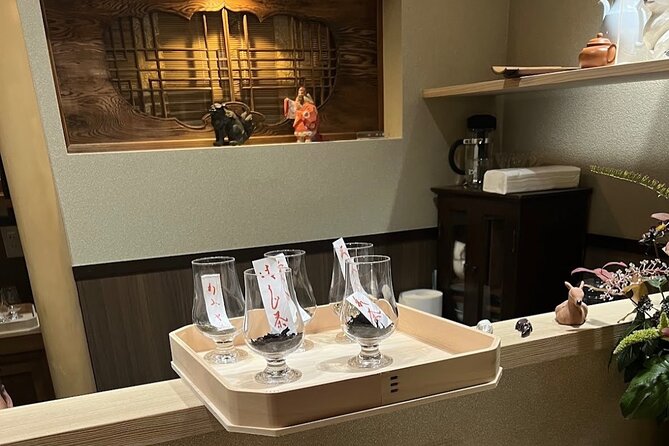
The price is $63.06 per person, for about 1 hour 30 minutes. On paper, that can sound steep compared to a cheaper tea shop tasting. But the value is in what you get.
You are not just buying access to tea. You are buying:
- a private, one-on-one guided session
- a five-tea flight plus a pot-brewed serving of your favorite
- hands-on matcha practice with personalized feedback
- wagashi included
- explanations of etiquette and tools
- a host who sets a friendly tone and can adapt to the group
That combination is hard to replicate for less money, especially with personalized instruction. If you have ever tried to learn a technique from a video, you know how frustrating it can be. Here, you get correction in real time, while you still have tea in front of you.
It also helps that the experience is well regarded. The rating is 5 out of 5 with 19 reviews, and it is recommended by 100%. That kind of consistency is a good sign when you are paying for an instructor-led activity.
One practical value point: the mobile ticket and the fact it is near public transportation make it easier to fit in. You are not committing to a full day of logistics just to enjoy a focused cultural moment.
If your Japan trip includes a lot of temples and long walks, this ceremony offers a clean break where you sit down and reset.
Time, meeting point, and how to fit it into your Nara day
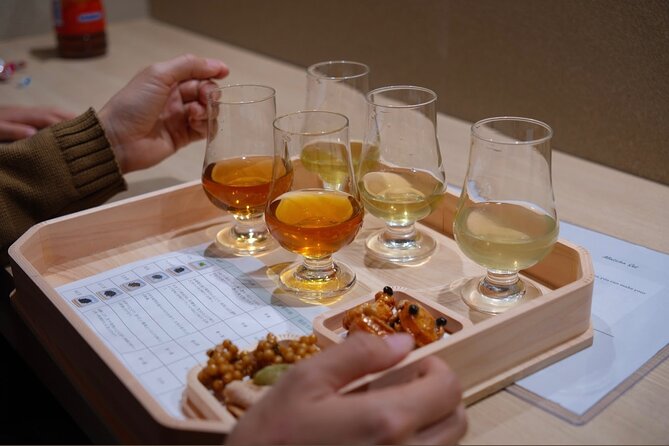
Plan this like a palate appointment. Because it is about 1 hour 30 minutes, you should avoid scheduling it too late in the day when you are already wiped out.
Starting at Guesthouse Naramachi also makes it convenient if you are already exploring Naramachi areas. Since it ends back at the meeting point, you can treat it as an easy anchor. You can pair it with temple time before or after, and you will not feel like you lost half your day in transit.
Also, given the private format, you can use the conversation time to steer your itinerary. Ask what to see nearby, what to skip, and when to go for the vibe you want. Tea is the activity, but the local tips are the travel upgrade.
If you are visiting with kids, this kind of structured, interactive session can be a lifesaver. One experience noted Mike was great with kids, and that suggests the host knows how to keep things engaging without making it feel chaotic.
Should you book this Nara matcha tasting?
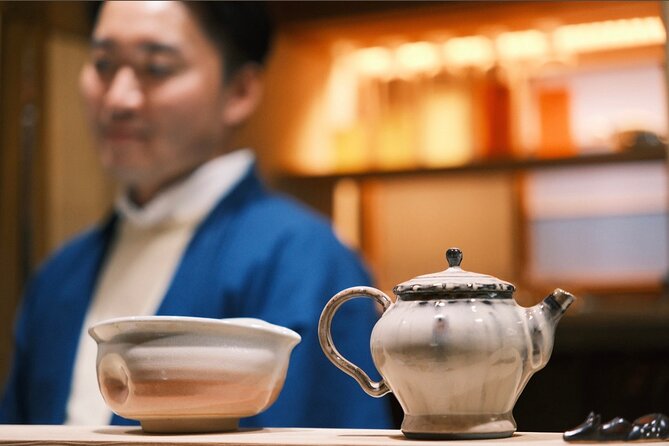
Book it if you want a calm, hands-on cultural activity that teaches more than just facts. You get five teas, wagashi, and a real chance to whisk matcha with guidance. The private one-on-one format makes the instruction practical, so you leave with skills you can use again later.
You might skip it if you prefer self-guided experiences and you hate sitting still with a schedule. This is a focused ceremony, not a roaming food tour. Also, if you already feel confident making matcha, you may not get the same surprise factor. But even then, the tasting flight and etiquette explanation can still deepen your understanding quickly.
My take: this is a strong value for the type of learning you get. It is short, structured, and personal, and it gives you a quieter side of Nara that is easy to remember when the rest of your trip is busy.
FAQ
Where does the experience start?
It starts at Guesthouse Naramachi, 30 Kitakyōbatechō, Nara, 630-8322, Japan. The activity also ends back at the meeting point.
How long is the tea tasting and ceremony?
It lasts about 1 hour 30 minutes.
Is this a private experience?
Yes. It is private, and only your group participates.
What is included in the tea experience?
You’ll taste five types of Japanese tea sourced in Nara prefecture, learn about tea traditions including etiquette and tools, whisk your own matcha with guidance, and enjoy authentic wagashi.
Do you get to make matcha, or only taste it?
You get to whisk your own matcha as part of the experience, with personalized feedback.
What setting is the ceremony held in?
Your tea room is set in a renovated traditional Japanese house.
Is a mobile ticket provided?
Yes, you receive a mobile ticket.
How close is it to public transportation?
It is described as near public transportation.
What does it cost, and is the price per person?
The price is $63.06 per person.
Can I cancel for free, and until when?
Yes, free cancellation is available. You can cancel up to 24 hours in advance for a full refund.
Half a Day in Nara


Kyoto by the Bowl
Newest Nara write-ups from the Loving Japan desk

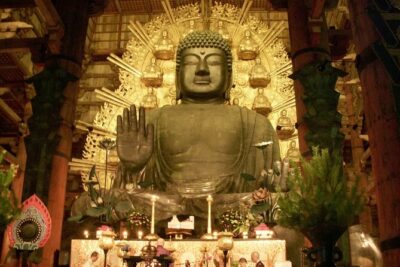
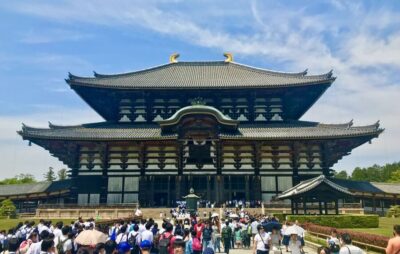
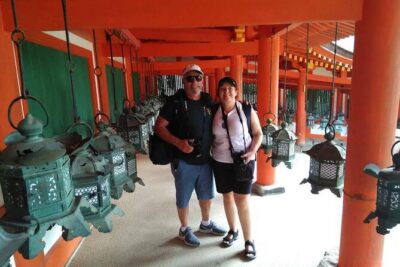


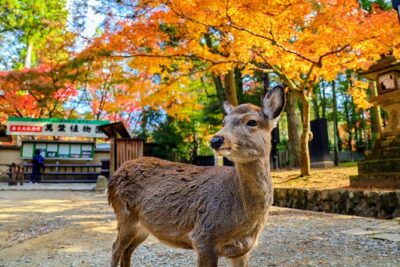
Nara Deer Park and Todai-ji, side by side.
 ★ 5.0World Heritage Kyoto & Nara Uji Authentic Matcha ExperienceFrom $1291,573 reviews
 ★ 4.7Kyoto/Osaka: Nara, Fushimi Inari Taisha, Arashiyama Bus TourFrom $521,275 reviews
 ★ 5.0Nara Half Day Trip Walking Tour (Private Option Available)From $105937 reviews
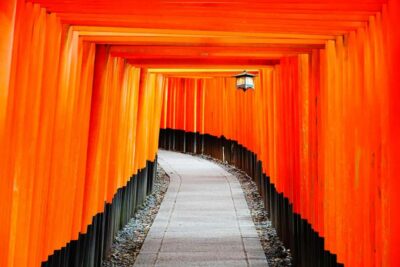 ★ 4.4Osaka/Kyoto: Arashiyama, Nara & Fushimi Inari Shrine w/LunchFrom $61754 reviews
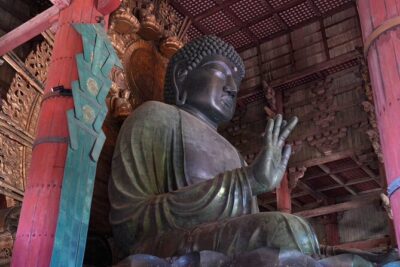 ★ 5.0Nara Early Morning Tour (Kyoto or Osaka Departure Available)From $61676 reviews
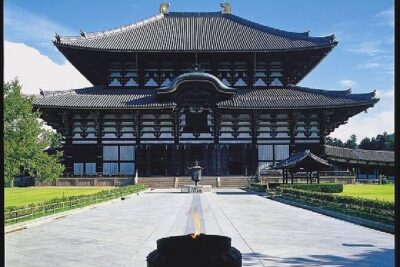 ★ 4.5Kyoto and Nara Day Trip from KyotoFrom $194445 reviews
 ★ 5.0Full Day Guided Tour to Kyoto and Nara from Osaka by VanFrom $106420 reviews
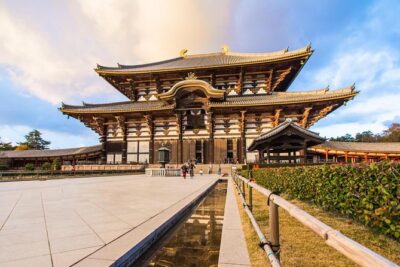 ★ 4.5Nara Afternoon Tour from Kyoto or OsakaFrom $102390 reviews
Filed on these lists too