
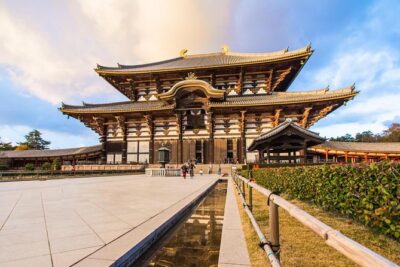
REVIEW · NARA DEER PARK AND TODAI-JI
Nara – Heart of Nature Cross Bike Tour
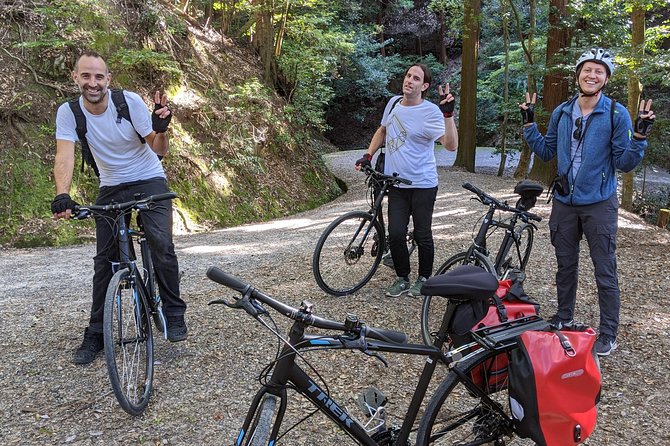
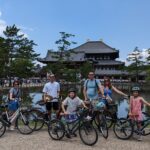
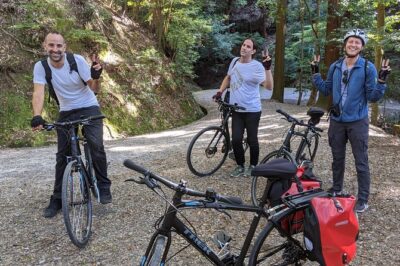
Small groups beat big-city rush. This half-day bike tour trades crowds for forest calm. I especially liked the small group size (max 10) and the way guides like Elodie and Rémi keep the pacing friendly and the stories clear.
I also really liked that everything you need for riding is handled for you. Helmet and cycling sunglasses are included, plus water refills help you stay comfortable while you hop from temple sides to hillside viewpoints.
One thing to think about up front: this is real biking, with hills and no e-bike option. If you prefer flat routes or easy spinning only, you may find it a bit of a workout.
In This Review
- Key things you’ll notice on this Nara nature bike tour
- Why Nara feels different from the seat of a cross bike
- Small-group guidance with Elodie and Rémi keeping it human
- The included riding setup (and why it matters more than you think)
- The route in plain English: temples, craft shops, then forest backroads
- Nigatsu-do Temple: ritual views and a calligraphy moment
- The traditional knife shop: learning craft through hands-on curiosity
- Wakakusayama Hill: the viewpoint reward that makes the hills worth it
- Kyofukuji in the forest: when nature starts taking the stage back
- Uguisu Waterfall: a preserved bridge and forest wildlife awareness
- Mt. Kasuga Sekkutsubutsu: carved stone statues for those who like quiet discoveries
- Sagi Pond: finish calm, then head back smiling
- Fitness reality check: hybrid bikes help, but you’ll still work
- Food and water: what’s covered, what you must bring
- Value and pricing: about $276 a person for a lot of setup
- Where it starts, how long it takes, and what to wear
- Who this Nara cross bike tour fits best
- Should you book this Nara Heart of Nature cross bike tour?
- FAQ
- What’s the duration of the Nara Heart of Nature Cross Bike Tour?
- How big are the groups?
- What bike gear is included?
- Is water provided during the tour?
- Do I need to bring lunch?
- Is the tour suitable for children?
- Is an e-bike available?
- What’s the cancellation policy?
Key things you’ll notice on this Nara nature bike tour
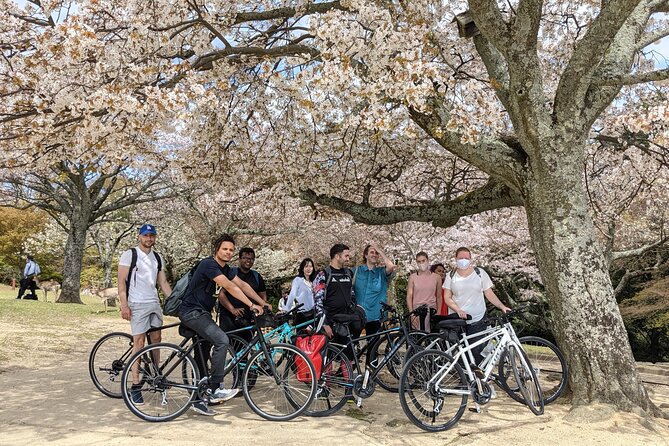
- Max 10 riders, so the guide can slow down, answer questions, and regroup without drama
- All riding gear included, including helmet and cycling sunglasses
- Water refills with zero plastic waste, using paper cups if you stop for refills
- Craft-focused stops, including calligraphy and a traditional knife shop with about 750 years of history
- Mountain and forest highlights, from Wakakusayama views to a long-forgotten temple in the woods
- Built-in rhythm for photos, with brief stops that lead to a steady string of viewpoints and shrine scenery
A half day in Nara goes several ways
- World Heritage Kyoto & Nara Uji Authentic Matcha Experience
★ 5.0 · 1,573 reviews - Nara Half Day Trip Walking Tour (Private Option Available)
★ 5.0 · 937 reviews - Nara Early Morning Tour (Kyoto or Osaka Departure Available)
★ 5.0 · 676 reviews - Osaka: Nara and Uji Day Trip with Deer Park and Hot Spring
★ 4.4 · 302 reviews
Why Nara feels different from the seat of a cross bike
Nara is famous for temples, but most days it feels like you’re pushing through the same few photo angles. This tour changes that. You still start close to major sights, but you quickly shift into quieter lanes and forest edges where the city feels less like a checklist and more like a lived-in place.
The “cross bike” style is part of the magic here. You’re not on a stiff road-racing setup, and you’re not stuck with a slow, wobbly ride either. That matters because you spend a lot of your time making short transitions: from one viewpoint to the next, from temple courtyards toward wooded paths, then up to a hill that rewards your effort.
Small-group guidance with Elodie and Rémi keeping it human
I love small tours for one simple reason: you can actually interact with the person guiding you. This group tops out at 10 people, and it shows. The route has multiple stops, but the guide isn’t just herding. You get pacing adjustments and time to look around, not just shuffle forward.
On the craft and history stops, a good guide makes the difference between memorizing facts and understanding what you’re seeing. Guides such as Elodie and Rémi bring the stories down to something practical, like how artisans work and why certain temple areas feel connected to the natural setting.
Bilingual guidance is also a big deal on a half-day tour. You’re getting context at each stop, and you’re not stuck guessing why a place is important.
The included riding setup (and why it matters more than you think)
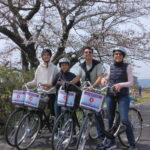
Let’s be honest, bike tours can get annoying when you have to improvise. Here you don’t. You get all bike gear, including a helmet and cycling sunglasses, so you can focus on the day instead of worrying about your comfort.
You also get water support built into the plan. Bottled water is included, and water refills are available during the ride. The guide provides paper cups at refill points, and the tour is designed with a zero plastic waste approach. If you like having your own bottle, you can bring one too.
These “small logistics” are not small at all when you are biking for about 5 to 6 hours. You’ll feel it when the route turns uphill or when the forest paths slow you just enough that thirst sneaks up.
Cover Nara on two wheels instead
- E-Bike Nara Highlights – Todaiji, Knives, Deer, Shrine★ 4.8 · 186 reviews
- Nara – Highlights Bike Tour★ 4.5 · 89 reviews
- Nara: Bike Tour in Ancient Capital UNESCO World Heritage★ 5.0 · 43 reviews
- E-Bike Nara Highlights – Todaiji, Knives, Deer, Shrine, and Gems★ 4.5 · 34 reviews
- Nara: City Highlights Shared Group or Private Bike Tour★ 4.9 · 34 reviews
The route in plain English: temples, craft shops, then forest backroads
This is a half-day adventure starting at 10:00 am, running about 5 to 6 hours total, and ending back near where you start in Nara. You’ll ride and walk briefly at different stops, but the flow stays steady.
Below is what the day looks like, stop by stop, and what each one gives you.
Nigatsu-do Temple: ritual views and a calligraphy moment
Your first stop is Nigatsu-do Temple, near Todaiji. This is where they hold a ritual of water once a year. That detail helps you see the place as more than an old building. It’s part of a living tradition with a yearly rhythm.
You’ll also get access to a main balcony view over the Todaiji area. It’s a classic “get your bearings fast” moment. Then the tour adds a calligraphy expert who signs your seal. Even if you’re not an art person, this is a tangible souvenir that connects the craft directly to where you are.
The stop time is short, about 20 minutes, but it’s the kind of start that makes you feel like the day has intention, not just movement.
The traditional knife shop: learning craft through hands-on curiosity
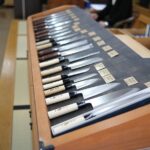
Next comes a craft and history stop centered around Kikuichi Monju Shiro Kanenaga. The focus here is how Japanese craftsmanship is passed down, with special attention to knives and the technique behind them.
You visit a traditional knife shop with a history of roughly 750 years. That age matters, because it explains why the shop isn’t just selling tools. It’s preserving methods and standards.
If you want, you can even try the blade on paper. It’s not a test you need to pass, it’s curiosity you can satisfy in a safe, simple way. And it ties into the day’s theme: Nara isn’t only about temples, it’s also about how people make things.
Wakakusayama Hill: the viewpoint reward that makes the hills worth it
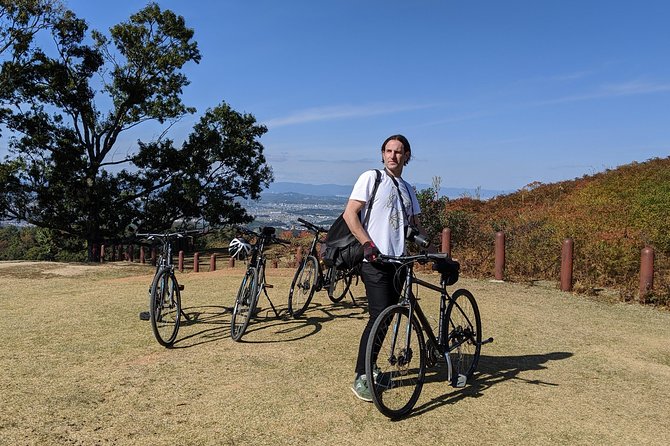
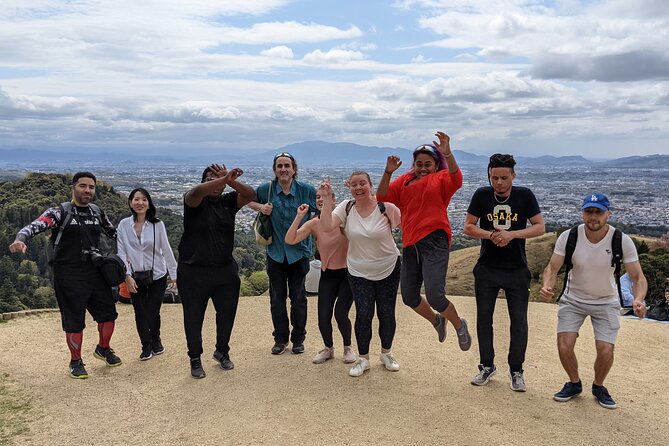
Then you ride up to Wakakusayama Hill. The top gives you a wide view over Nara, and it’s specifically framed as the kind of picture spot you’ll remember. Stop time is about 15 minutes, but the payoff is the view.
At the summit, you get a snack and water refill. This is a smart choice because it prevents the classic bike tour problem: you reach the best view exhausted and under-fueled. Here, you get your moment and then you’re ready to keep going.
Kyofukuji in the forest: when nature starts taking the stage back
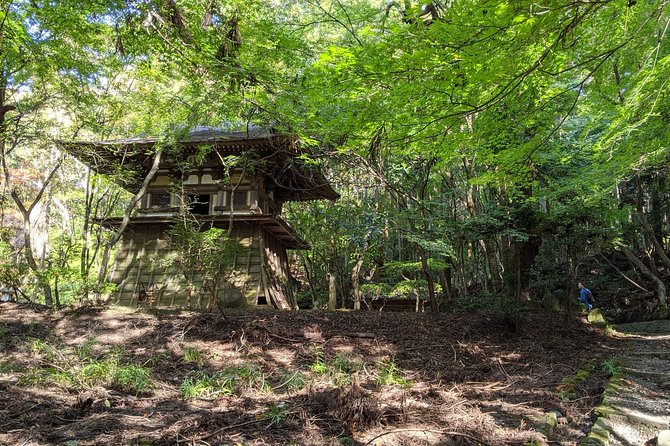
After the hill, the tone shifts. You head toward a long-forgotten temple area called 興福寺別院鶯滝歓喜天, often referred to as Kyofukuji, located in the middle of the forest.
This stop is about how nature progresses and reclaims space. You’ll see a mix of Buddhist architectural elements and the way the forest takes over around them. The result is quiet and slightly mysterious, like you’re stepping into a place that isn’t designed for maximum foot traffic.
Time here is about 15 minutes, but it’s enough to slow down, look up, and notice the contrast between stone, structure, and growing life.
Uguisu Waterfall: a preserved bridge and forest wildlife awareness
You then move to Uguisu Waterfall. You walk a few minutes to reach Uguisuno Falls, and the standout feature is an old, preserved bridge in the middle of the forest.
This is one of those stops where the setting does half the work for you. You hear water, you see the green frame around it, and you feel the temperature change just a touch once you’re deeper under the trees.
The tour also encourages you to mind wildlife while you look around. You might meet insects, tiny creatures, or just notice how alive the forest is. It’s not scary, it’s part of what makes this feel real.
Mt. Kasuga Sekkutsubutsu: carved stone statues for those who like quiet discoveries
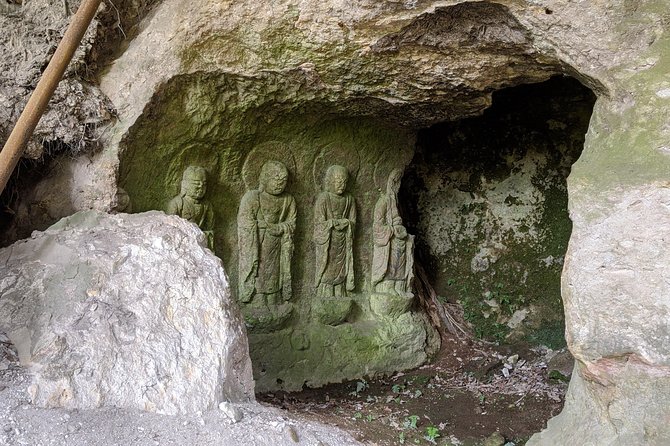
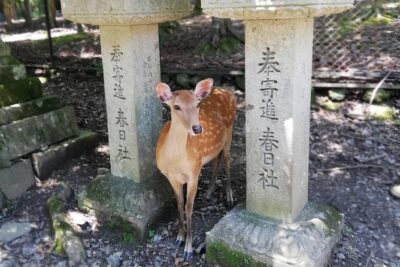
Next is Mt. Kasuga Sekkutsubutsu in the forest of Kasugayama. Here the focus is on hidden Buddhist statues carved in stone. These remain connected to an old Buddhist community and are protected now.
This is a good stop if you like “small discovery” moments. It’s not the big temple crowds. It’s the slow satisfaction of seeing protected remnants in a wooded setting.
Time is about 15 minutes, so you get enough to appreciate the theme without the day dragging.
Sagi Pond: finish calm, then head back smiling
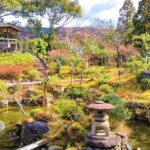
The last stop is Sagi Pond, south of Nara Park, in an area that’s peaceful and a bit away from main tourist flow.
It’s the kind of place that makes sense as a wrap-up. After temples, hills, and forest paths, you end with a quiet pond moment where you can catch one last photo and reset your energy.
Then you ride back and the tour ends at the meeting point.
Fitness reality check: hybrid bikes help, but you’ll still work
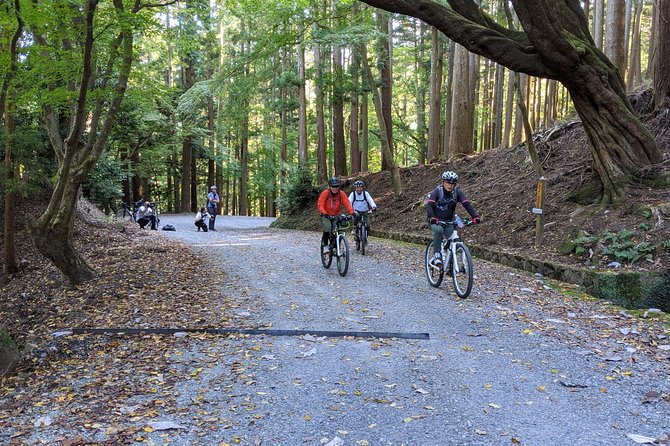
This tour is not listed as a beginner pedal-around. It’s recommended for people with strong physical fitness, and that’s consistent with the overall plan: you’re riding for hours and you hit a hill at Wakakusayama.
There’s no e-bike option. That’s a big deal. You should plan on some huffing and puffing, especially if you’re not used to steady climbs.
That said, the bikes are hybrid/cross style, and that helps a lot with comfort and stability. In the day’s best moment, you’ll be standing at the summit, snack in hand, after doing the work to get there.
If you’re unsure, be honest with yourself. If you can handle a few hills and you’re okay with a workout pace, you’ll likely love it.
Food and water: what’s covered, what you must bring
Food is not included, so you’ll want a plan before you go. For safety and personal needs, lunch isn’t part of the tour, and the tour explicitly asks you to bring your own lunch.
If you need anything extra, the tour will stop at a convenience store before leaving the city for anyone who needs to pick something up. Still, don’t count on that as your lunch plan. Bring what you prefer so you can eat on your schedule.
Water is handled well. Bottled water is included, and you can refill with the guide’s help. The tour uses paper cups at refill points, so you don’t need to hunt for trash bins either.
Value and pricing: about $276 a person for a lot of setup
At $275.89 per person, this isn’t a budget throwaway. But half-day bike tours can be expensive when everything is extra. Here, the key cost reducers are the included bike and riding gear plus the guide, plus all fees and taxes.
You also get several value-added experiences in the same window:
- calligraphy with a seal signature moment
- a traditional knife shop visit with a long history and a chance to try the blade on paper
- access to views and forest sites that feel different from a standard walking circuit
For me, the best value signal is that you are not paying for “just riding.” The route includes meaningful stops where the guide’s interpretation matters.
Also, this tour is typically booked about 27 days in advance on average. That usually means it’s popular for a reason, and you should not wait until the last minute.
Where it starts, how long it takes, and what to wear
The meeting point is Japan Tour Adventure in Nara at 297-9 Furuichichō, Nara, 630-8424. The tour starts at 10:00 am, and it ends back at the meeting point.
Because it’s a bike tour, your clothing choices matter. Wear comfortable clothes you can move in, and bring layers. Even in seasons that feel mild in the city, the forest areas can feel cooler once you’re riding under trees.
Also, because lunch is not included, you’ll want a small plan for carrying food until you’re ready to eat.
Who this Nara cross bike tour fits best
This tour is a strong match if you want:
- a break from Nara’s busiest temple pathways
- a day that mixes viewpoints with quieter forest areas
- hands-on interest in crafts, not just photos
- a guide-led plan with a maximum of 10 people
It may be a less ideal match if:
- you dislike hills or want an easy flat route
- you need an e-bike option
- you’re traveling with kids under 14 (it’s not recommended)
- you want lunch provided and handled for you
Should you book this Nara Heart of Nature cross bike tour?
I’d book it if you want a half-day that feels like Nara with room to breathe. The combination of small group riding, included gear, and craft stops like calligraphy and the long-history knife shop gives you more than just scenery. And the forest temple areas plus Wakakusayama views are the kind of contrast that makes Nara feel fresh.
I would hesitate only if you want zero effort or totally relaxed pacing. With no e-bike option and some climbs on the route, you should be ready for a real workout.
If that sounds like your kind of day, you’re likely to have a memorable Nara experience, the kind where the city’s natural side and its traditions both show up in the same ride.
FAQ
What’s the duration of the Nara Heart of Nature Cross Bike Tour?
The tour lasts about 5 to 6 hours.
How big are the groups?
The tour has a maximum of 10 travelers per group.
What bike gear is included?
The tour includes use of the bicycle, plus bike gear including a helmet and cycling sunglasses.
Is water provided during the tour?
Yes. Bottled water is included, and water refills are available during the excursion. The guide provides paper cups, and you can also bring your own bottle.
Do I need to bring lunch?
Yes. Lunch is not included for safety, diet, and allergy reasons, so you should bring your own lunch.
Is the tour suitable for children?
It is not recommended for children under 14 years old. If you have a specific case, you should contact the provider.
Is an e-bike available?
No e-bike option is mentioned, so plan for cycling on the included bicycle.
What’s the cancellation policy?
Free cancellation is available up to 24 hours before the experience start time for a full refund. If canceled less than 24 hours before, the amount paid is not refunded. The tour may also be canceled for poor weather or if the minimum number of travelers is not met, with a different date offered or a full refund.
Bicycles and E-Bikes We Have Ridden

Half a Day in Nara
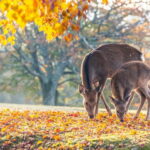
Newest Nara write-ups from the Loving Japan desk

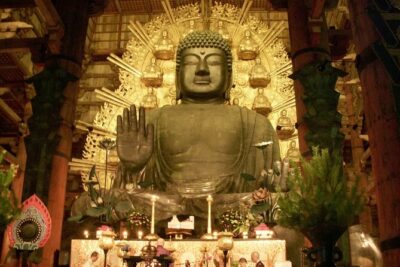
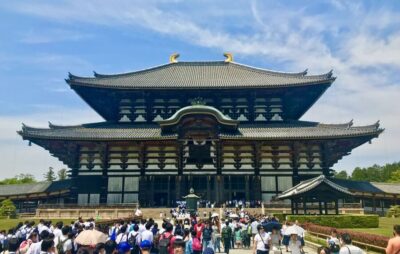
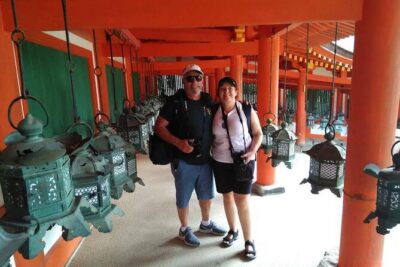

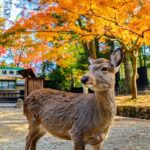
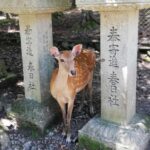
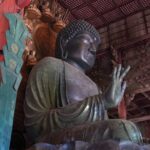
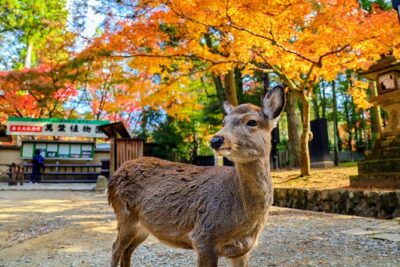
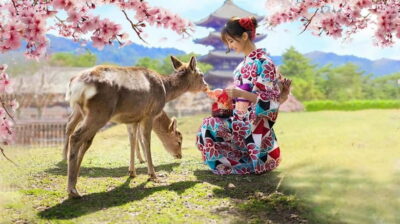
Nara Deer Park and Todai-ji, side by side.
 ★ 5.0World Heritage Kyoto & Nara Uji Authentic Matcha ExperienceFrom $1291,573 reviews
 ★ 4.7Kyoto/Osaka: Nara, Fushimi Inari Taisha, Arashiyama Bus TourFrom $521,275 reviews
 ★ 5.0Nara Half Day Trip Walking Tour (Private Option Available)From $105937 reviews
 ★ 4.4Osaka/Kyoto: Arashiyama, Nara & Fushimi Inari Shrine w/LunchFrom $61754 reviews
 ★ 5.0Nara Early Morning Tour (Kyoto or Osaka Departure Available)From $61676 reviews
 ★ 4.5Kyoto and Nara Day Trip from KyotoFrom $194445 reviews
 ★ 5.0Full Day Guided Tour to Kyoto and Nara from Osaka by VanFrom $106420 reviews
 ★ 4.5Nara Afternoon Tour from Kyoto or OsakaFrom $102390 reviews
Filed on these lists too