
REVIEW · NARA DEER PARK AND TODAI-JI
Nara Private Tour: Flexible Pickup from Kyoto, Osaka, or Nara
Nara hits different when you move through it with a local. This private tour gives you a flexible plan and a friendly guide to connect the dots between temples, shrines, and the old merchant streets of Nara. I especially like the fact that you choose how many top sights to hit, and you get route efficiency without feeling rushed.
The one thing to plan for is cost creep: several major stops list admission as not included, plus meals and transport for you and the guide are also not included. Also, you will walk a moderate amount, and the tour runs rain or shine.
In This Review
- Key Highlights I’d Prioritize in Nara
- Nara Private Tour: Why This Works Better Than a Checklist
- Where You’ll Start: Pickup Options and the JR Nara Station Base
- Choosing Your 3 to 4 Spots: How to Pick the Right Nara Mix
- Naramachi Old Town Stroll: Machiya Streets and Merchant-Story Energy
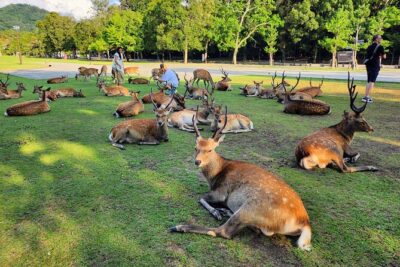
- Nara Park and Deer Moments: A Fun Welcome That Sets Up Todai-ji
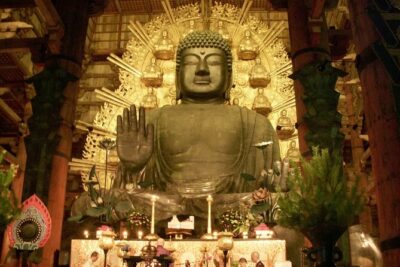
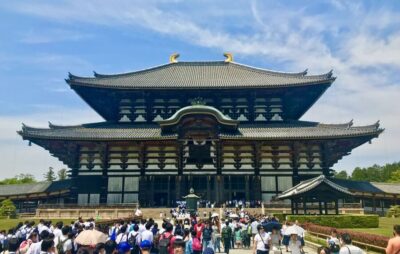
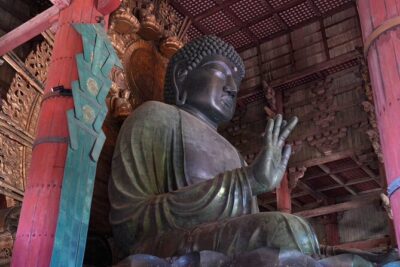
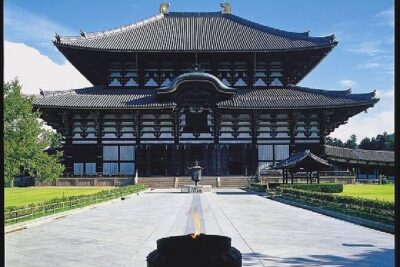
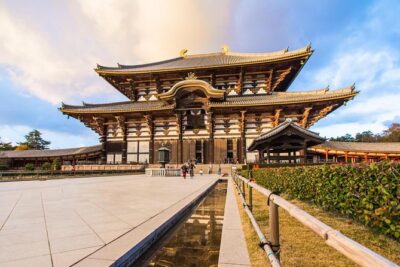
- Todai-ji Temple: The Great Buddha and the Daibutsuden Scale
- Shosoin Temple: Imperial Treasures Without the Crowds of a Full Museum Day
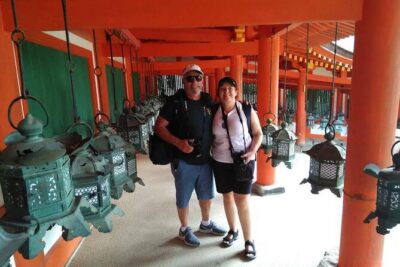
- Kasuga Grand Shrine: Lanterns, Deer, and a Forest That Feels Sacred
- Heijō Palace Site Historical Park: Reconstructions That Make Court Life Understandable
- Yakushi-ji Temple: Twin Pagodas and a Healing-Buddha Atmosphere
- Horyu-ji Temple: UNESCO, the Oldest Wooden Buildings, and the Prince Shotoku Connection
- Walking Pace, Rain or Shine, and What to Wear
- Guide Value: Flexibility Is a Feature, Not a Bonus
- Price and Value: Is $131.38 Per Person Fair?
- Who This Private Nara Tour Suits Best
- Should You Book This Nara Private Tour?
- FAQ
- FAQ
- Can I get pickup from Kyoto, Osaka, or Nara?
- Where do we meet, and where does the tour end?
- How many stops can I choose?
- Is the entrance fee included?
- What is included in the tour price?
- Is the tour canceled if it rains?
- Can I cancel for a full refund?
Key Highlights I’d Prioritize in Nara
- Pick 3 to 4 must-see stops, so you control the pace and how heavy you go on temples
- Nara Park to Todai-ji pairing, deer first, then the Great Buddha in a massive wooden hall
- Shosoin Temple as a culture shortcut, where you see imperial Nara-period treasures and Silk Road influences
- Kasuga Grand Shrine lantern atmosphere, thousands of stone and bronze lanterns plus deer treated like messengers
- Heijō Palace site for “how court life worked”, with reconstructions that make the capital feel less abstract
- Guide quality shows up in the reviews, names like Toshi, Kiyoto, and Chiko are praised for sharing context and adjusting on the fly
A half day in Nara goes several ways
- World Heritage Kyoto & Nara Uji Authentic Matcha Experience
★ 5.0 · 1,573 reviews - Nara Half Day Trip Walking Tour (Private Option Available)
★ 5.0 · 937 reviews - Nara Early Morning Tour (Kyoto or Osaka Departure Available)
★ 5.0 · 676 reviews - Osaka: Nara and Uji Day Trip with Deer Park and Hot Spring
★ 4.4 · 302 reviews
Nara Private Tour: Why This Works Better Than a Checklist
Nara is one of those places where it is easy to get lost in “famous sights” mode. A private format helps you connect themes instead of just collecting photos. You are in Nara, the first permanent capital of Japan, so you want explanations that turn temples and shrines into living stories.
I like that the tour is designed around flexible choice. You are not locked into a rigid loop that ignores your energy level. Choose fewer stops if you want space for quiet paths and views, or go heavier if you love architecture and ritual spaces.
The guides are another big reason this feels practical. Reviews highlight guide names like Toshi, Kiyoto, and Chiko, and the pattern is consistent: people felt they learned a lot and also stayed comfortable, with route planning that avoids dead time.
Where You’ll Start: Pickup Options and the JR Nara Station Base
The tour offers flexible pickup from Kyoto, Osaka, or Nara. If you are already based in those cities, that alone can save you the hassle of figuring out local connections and timing. When pickup is not used, the meeting point is listed as near JR Nara Station at 1 Sanjohonmachi.
Plan on this being a one-day arc that returns you to the same meeting point area. That matters because it lets you build the rest of your day around a predictable drop-off.
If you are pairing this with other Nara plans, note the duration range: 4 to 8 hours. The time window is wide because you choose 3 to 4 locations, and that choice determines how far you go.
Choosing Your 3 to 4 Spots: How to Pick the Right Nara Mix
This tour is structured around selecting the sites you want from the available options. That means you can tailor the day to your interests, instead of accepting a one-size-fits-all route.
Here is how I would choose, based on what each stop tends to satisfy:
- If you want the classic Nara atmosphere fast, start with Nara Park and then Todai-ji.
- If you love “objects and stories,” add Shosoin, because it is about preserved artifacts rather than buildings alone.
- If you want mood and ritual details, Kasuga Grand Shrine is the move, especially for the lantern scene and the forest setting.
- If you care about early Japanese governance and court life, Heijō Palace site is more your style.
- If you prefer something quieter and more architectural, Yakushi-ji brings a calm, healing vibe.
- If you want a UNESCO anchor with extreme historical depth, Horyu-ji is your final “wow” stop.
One practical point: the tour includes a moderate walking amount. So even if you pick four stops, you will want comfortable shoes and an easy mindset.
- Kyoto/Osaka: Kinkakuji, Bamboo Forest, and Nara Deer Park★ 4.4 · 265 reviews
- Nara 6hr Private Tour with Government-Licensed Guide★ 5.0 · 219 reviews
- E-Bike Nara Highlights – Todaiji, Knives, Deer, Shrine★ 4.8 · 186 reviews
- Nara Early Bird Tour (Kyoto Departure Option Available)★ 4.9 · 142 reviews
- Nara:Authentic Tea Ceremony(Max 5 ppl) -Master Matcha Making★ 5.0 · 119 reviews
Naramachi Old Town Stroll: Machiya Streets and Merchant-Story Energy
You start with a well-preserved old town area known for machiya townhouses, boutique shops, and cozy cafés. This part is more than a warm-up. It sets the tone for how Nara functioned socially and economically, not just spiritually.
I like this sequence because it slows you down early. Before temples and shrine bells, you get human-scale streets, wood-fronted buildings, and small corners to look at. It is also a good spot to reset if you are jet-lagged or arriving from Kyoto or Osaka.
If you love street-level travel, do not rush this block. Give yourself time to look at storefront styles and street texture. You can keep it light, and the rest of the day still delivers the big-ticket sights.
Nara Park and Deer Moments: A Fun Welcome That Sets Up Todai-ji
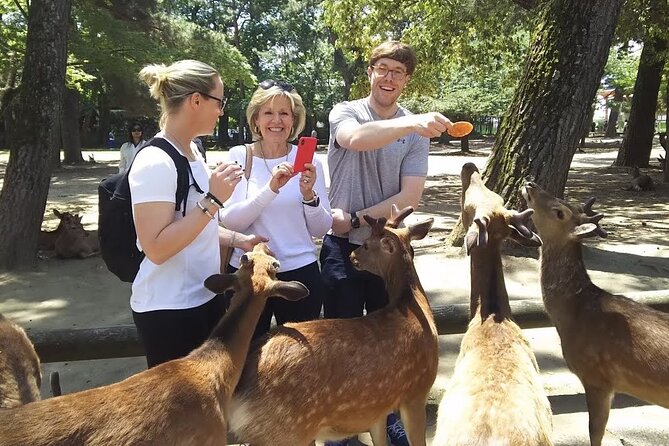
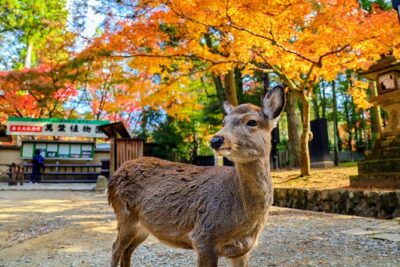
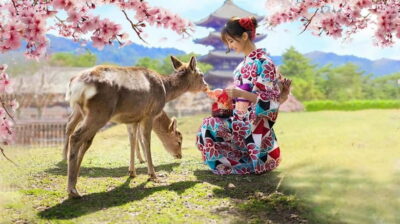
Nara Park is famous for free-roaming deer, and the experience is built right into the route. Expect a mix of calm grazing and occasional boldness as deer approach. The tour also calls out that Todai-ji and Kasuga Taisha are central sights connected to the area, which is a smart way to think about geography.
Nara Park works well early because your brain is ready for the iconic visuals. The deer are part of the atmosphere, and once you see how playful and tame they can be, you stop treating them like a random tourist nuisance and start enjoying them.
From there, the day naturally escalates.
Todai-ji Temple: The Great Buddha and the Daibutsuden Scale
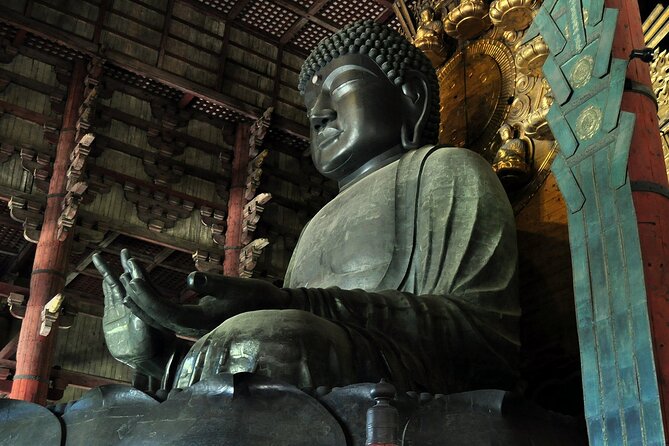
Todai-ji is one of the most iconic temples in Japan, and the headline is the Great Buddha (Daibutsu). The main hall, called the Daibutsuden, is a huge wooden structure, and that scale hits even if you are not a hardcore temple person.
This is the kind of stop where a good guide helps you read the space. Instead of just admiring size, you learn why this building mattered and what it was built to communicate.
In the tour info, Todai-ji is listed with admission ticket as free, and that is a nice value perk. Just keep in mind it still takes time, because the main hall experience is about more than a quick peek.
Shosoin Temple: Imperial Treasures Without the Crowds of a Full Museum Day
Shosoin Temple is described as a historical treasure house that preserves imperial artifacts from the 8th century. The standout details include silk textiles, musical instruments, and items with influences linked to the Silk Road.
This stop is short in time, about 15 minutes, and that can be perfect if you want variety without blowing up your schedule. It is also a smart counterbalance to long hallways and big staircases.
I like it because it answers a common Nara question: what did daily court culture and imperial life actually look like? You get a tangible sense of refinement, trade influences, and the level of craftsmanship tied to the period.
Also, Shosoin is listed as free admission ticket for this tour. That makes it a solid value stop.
Kasuga Grand Shrine: Lanterns, Deer, and a Forest That Feels Sacred
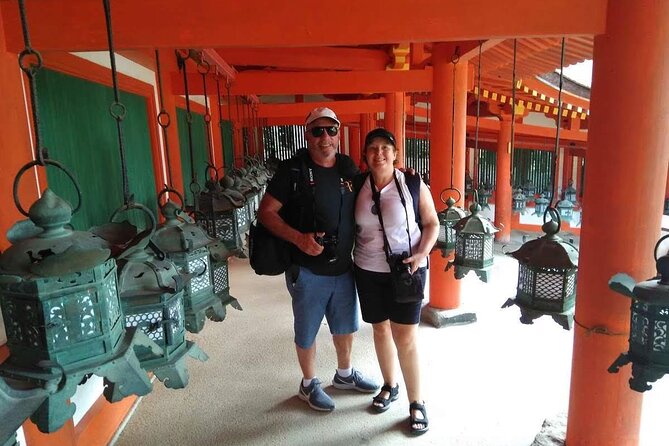
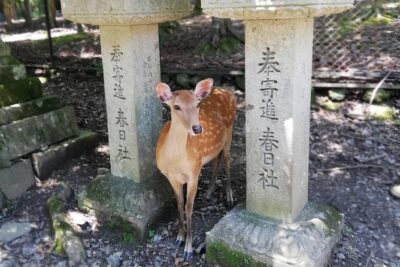
Kasuga Grand Shrine is known for thousands of lanterns, both stone and bronze. If you have a soft spot for atmospheric light and ritual space, this is a top pick.
The shrine area also connects to the deer theme. Here, the deer are treated as messengers of the gods, which adds meaning beyond the cute photo factor. You might see deer lingering close by during your visit, and that religious connection changes the tone of the moment.
The tour schedule lists Kasuga Grand Shrine as about 1.5 hours, and admission ticket is noted as not included. That means you will likely pay separately for entry here, so budget a bit extra.
Heijō Palace Site Historical Park: Reconstructions That Make Court Life Understandable
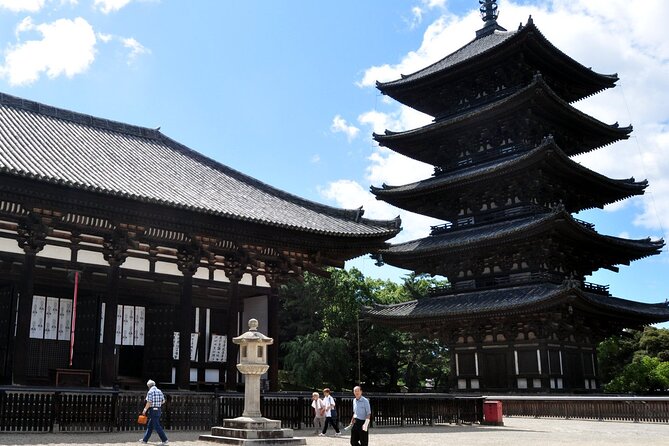
If temples are your main interest, Heijō Palace Site Historical Park may not sound as dramatic at first. But this is the stop that helps you picture how Japan’s first permanent capital worked.
The tour notes reconstructions of the Audience Hall and other structures. Those reconstructions are exactly what you want when history feels too theoretical. You can walk the site and understand layout and purpose instead of reading a map that never clicks.
This stop is listed as about 1.5 hours, and admission is not included. So think of it as a value trade: you pay for the entry, but you get a clear sense of governance and ceremony through the space design.
Yakushi-ji Temple: Twin Pagodas and a Healing-Buddha Atmosphere
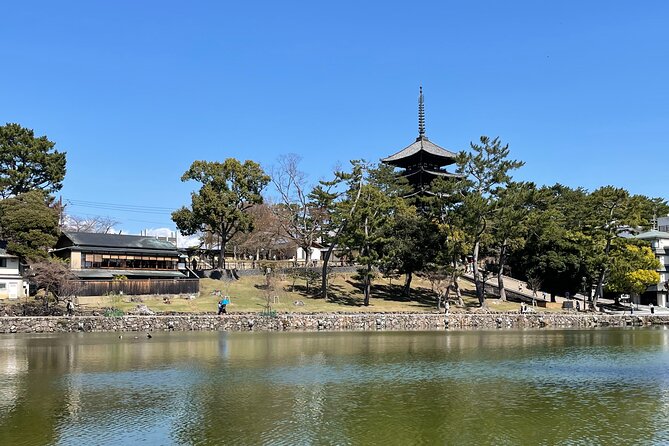
Yakushi-ji is framed as a significant Buddhist temple known for twin pagodas and architecture that feels more composed and inward. The dedication is to Yakushi Nyorai, the Buddha of healing.
This is a good mid-to-late day stop if you want a softer atmosphere after the big “wow” scale of Todai-ji or the lantern energy of Kasuga. The tour time estimate is about 30 minutes, so it is not heavy on logistics.
Admission is listed as not included. Still, if you like design details, it is worth considering because the stop’s focus is specific: the healing theme plus the pagoda pairing.
Horyu-ji Temple: UNESCO, the Oldest Wooden Buildings, and the Prince Shotoku Connection
Horyu-ji Temple is a UNESCO World Heritage site and is noted for being home to some of the oldest wooden buildings in the world. The tour also links the founding to Prince Shotoku, which gives the complex a strong historical anchor.
If you want one “deep history” moment without spending all day in indoor exhibits, this is your best bet. The tour time estimate is about 2 hours, which is long enough to see the pagoda and main hall areas without feeling like you are sprinting.
Admission is listed as not included, so budget accordingly. But if you care about how early Buddhist architecture survived and evolved, this stop is the kind that makes the day feel bigger than just a deer and temple photo run.
Walking Pace, Rain or Shine, and What to Wear
This is a walking-in-Nara day with a moderate amount of walking. The tour is described for travelers with a moderate physical fitness level, and it runs rain or shine.
So I would treat it like a normal urban day in Japan: comfortable shoes, a light layer, and a plan for weather. If it is raining, outdoor time around parks and shrine grounds can slow you down, even if the stops themselves are timed.
Also, because it is private, you are not stuck behind a tour bus crowd. That can help the experience feel calmer, but it does not remove weather effects.
Guide Value: Flexibility Is a Feature, Not a Bonus
The private guide angle is where this tour earns its money. In reviews, guides like Kiyoto were praised for adapting on the fly to match needs, and Chiko was described as friendly and patient with strong packing of the day.
That adaptability matters because Nara can be unpredictable. Deer behavior can be playful, shrine paths can feel crowded, and weather can change how long you want to linger.
I also like that the tour aims for efficient site order. Instead of bouncing between far-apart areas, the stops are grouped around the most logical Nara geography. Even if you choose different combinations, the guide focus on efficient movement helps your time feel well spent.
Price and Value: Is $131.38 Per Person Fair?
At $131.38 per person, this is not a budget group bus tour. But it is also not priced like a fancy luxury car day, and the tour includes a professional local guide plus mobile ticket.
Where value gets tricky is in what is not included. The tour info lists entrance fees for you and the guide, meals and drinks, and public transportation fares as not included. Private transportation is optional with an additional fee.
So I would think of it like this: you are paying for the guide and the private format, then paying separately for the physical entry fees and daily needs based on your chosen stops. Stops like Todai-ji and Shosoin are listed with free admission ticket in the tour info, which helps offset the extra costs, while Kasuga Taisha, Heijō Palace, Yakushi-ji, and Horyu-ji are listed as not included.
If you choose three stops that include at least one free-entry site, you can keep total costs reasonable. If you pick four paid-entry stops, the value becomes more about the guide quality and how well the day fits your priorities.
Who This Private Nara Tour Suits Best
This tour fits you if you want:
- A guide-led day that explains more than the basics
- Flexibility in how many stops you tackle
- Nara highlights that balance big structures with meaningful cultural context
- A comfortable pace with moderate walking and practical routing
It may be less ideal if you want to travel with zero extra fees and zero walking. Also, if you are the type who prefers pure self-guided wandering with no structure at all, you might feel the private plan nudges you into set windows.
Still, for most people visiting Nara as part of a Kyoto or Osaka trip, this is a strong way to avoid coordination headaches and focus on the best sights in the time you have.
Should You Book This Nara Private Tour?
I would book it if you care about getting meaning out of the famous stops, not just checking them off. The biggest draw is the private guide plus flexible stop selection, and the reviews consistently point to guides who are friendly, patient, and willing to adjust.
Before you commit, run a quick cost reality check: several top sites have admission not included, and meals and transport are also not included. If you budget for that, the day can feel like a well-priced experience rather than a surprise bill.
FAQ
FAQ
Can I get pickup from Kyoto, Osaka, or Nara?
Yes. The tour is described as offering flexible pickup from Kyoto, Osaka, or Nara.
Where do we meet, and where does the tour end?
The listed meeting point is JR Nara Station at 1 Sanjohonmachi, Nara. The tour ends back at the meeting point.
How many stops can I choose?
You choose 3 to 4 must-see spots from the available options.
Is the entrance fee included?
No. Entrance fee and admission fees are listed as not included for you and the guide.
What is included in the tour price?
A professional local guide is included. The tour also includes features like mobile ticket and group discounts, depending on your booking.
Is the tour canceled if it rains?
No. The tour runs rain or shine.
Can I cancel for a full refund?
Yes. You can cancel up to 24 hours in advance for a full refund. If you cancel less than 24 hours before the start time, the amount paid is not refunded.
Half a Day in Nara

Newest Nara write-ups from the Loving Japan desk



Nara Deer Park and Todai-ji, side by side.
 ★ 5.0World Heritage Kyoto & Nara Uji Authentic Matcha ExperienceFrom $1291,573 reviews
 ★ 4.7Kyoto/Osaka: Nara, Fushimi Inari Taisha, Arashiyama Bus TourFrom $521,275 reviews
 ★ 5.0Nara Half Day Trip Walking Tour (Private Option Available)From $105937 reviews
 ★ 4.4Osaka/Kyoto: Arashiyama, Nara & Fushimi Inari Shrine w/LunchFrom $61754 reviews
 ★ 5.0Nara Early Morning Tour (Kyoto or Osaka Departure Available)From $61676 reviews
 ★ 4.5Kyoto and Nara Day Trip from KyotoFrom $194445 reviews
 ★ 5.0Full Day Guided Tour to Kyoto and Nara from Osaka by VanFrom $106420 reviews
 ★ 4.5Nara Afternoon Tour from Kyoto or OsakaFrom $102390 reviews
Filed on these lists too