
REVIEW · KYOTO TEA CEREMONIES AND MATCHA
Nerikiri and Matcha Making Class in Kyoto
Kyoto has a way of slowing you down. This Nerikiri and matcha making class turns a tea tradition into a hands-on, calm skill session, with you shaping five sweets and tasting your work. I like that it is structured, not vague, so you can learn technique you can actually repeat later.
I especially appreciate the peaceful pace and the small group size, capped at 8 people. A likely drawback: the class is hands-on, and the guidance moves quickly through several designs, so if you want a slow, leisurely hobby workshop, you may feel a bit rushed.
In This Review
- The Nerikiri and Matcha Making Class in Kyoto, at a Glance
- Key highlights
- Why Nerikiri Works Better Than Watching a Demo
- Getting There: Matsugasaki Station and a Home-Base Feel
- Class Size, Tickets, and What This Means for You
- Your Two-Step Start: Dough Basics, Then Five Designs
- Step 1: Learning Nerikiri Dough and Handling
- Step 2: Make Five Nerikiri Designs with Different Techniques
- Tools and Shaping: What to Watch For
- Matcha, Table-Style: Tea That Fits the Workshop
- Enjoying Your Work: Why the Tasting Moment Matters
- Take Your Nerikiri Home, plus the Recipe Follow-Up
- Price and Value: What $84.92 Really Covers
- Logistics That Matter: Time, Duration, and Focus
- Who This Class Is Best For
- Should You Book This Nerikiri and Matcha Making Class?
- FAQ
- How long is the Nerikiri and matcha making class?
- What do I get included in the price?
- Can I take the Nerikiri home after the class?
- Where is the meeting point?
- What time does the class start?
- Is there an age requirement?
- What is the cancellation policy?
The Nerikiri and Matcha Making Class in Kyoto, at a Glance
If you want Kyoto culture that you can touch and taste, this is a strong pick. It is also a great option when you want something different from temple photos, shopping streets, and the usual food stops.
Sit down somewhere quieter. Other tea rooms we booked
- Kyoto: Tea Ceremony in a Traditional Tea House in Kiyomizu
★ 4.9 · 3,519 reviews - Kyoto: Tea Ceremony Ju-An at Jotokuji Temple
★ 4.9 · 3,207 reviews - Kyoto: 45-Minute Tea Ceremony Lesson Experience
★ 4.3 · 2,378 reviews - Kyoto: Table-Style Tea Ceremony at a Kyo-Machiya
★ 4.9 · 1,211 reviews
Key highlights
- Five Nerikiri designs: you shape multiple patterns using different techniques
- Table-style matcha: you make and taste matcha along with your sweets
- Small class, max 8: more attention, less waiting, better for beginners
- You take Nerikiri home: container provided, so you do not leave empty-handed
- Email follow-up recipes: ask for two versions of Nerikiri dough recipes after class
Why Nerikiri Works Better Than Watching a Demo
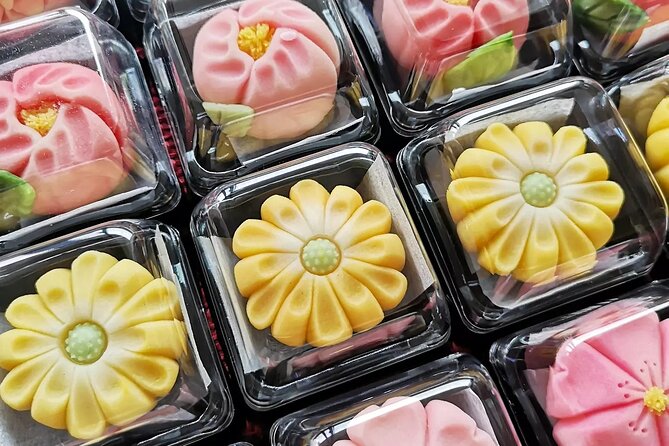
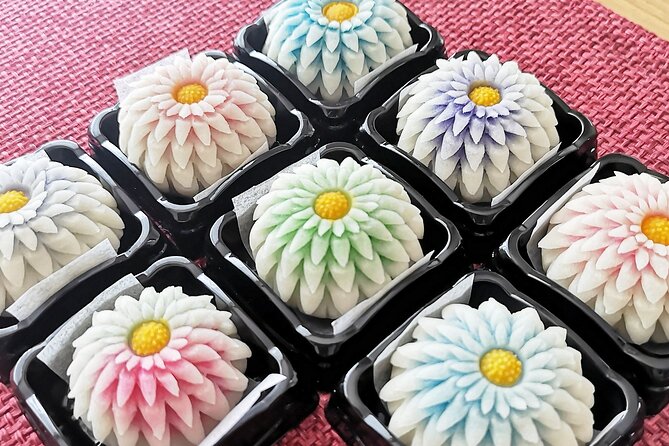
Nerikiri are Japanese confections served with tea ceremony, shaped with care so they look almost like tiny artworks. They are usually made from sweet white bean paste, then molded into design patterns that follow classic tea-season aesthetics.
The payoff here is not just eating a sweet. It is learning why the shapes matter. When you shape Nerikiri, you practice gentle pressure, controlled pinching, and smooth joining so the finished surface looks clean rather than lumpy. That is the kind of skill that sticks, because you see the result immediately.
Getting There: Matsugasaki Station and a Home-Base Feel
The class meets at Matsugasaki Station, at Matsugasaki Rokunotsubocho in Sakyo Ward. It starts at 10:00 am and ends back at the meeting point, so you do not need to coordinate transport afterward.
This is a smart setup if you are staying in central Kyoto or planning a morning of sightseeing nearby. Matsugasaki is not the busiest tourist hub, which helps keep the mood quieter before class.
- PERFECT KYOTO 1-Day Bus Tour★ 5.0 · 13,518 reviews
- Kyoto: Fushimi Inari, Kinkakuji, Bamboo Grove 1 Day Bus Tour★ 4.8 · 4,316 reviews
- Kyoto: Tea Ceremony in a Traditional Tea House in Kiyomizu★ 4.9 · 3,519 reviews
- Kyoto: Tea Ceremony Ju-An at Jotokuji Temple★ 4.9 · 3,207 reviews
- Kyoto: 45-Minute Tea Ceremony Lesson Experience★ 4.3 · 2,378 reviews
Class Size, Tickets, and What This Means for You
You will get a mobile ticket, and the group size is limited to a maximum of 8 travelers. That matters more than it sounds. With fewer people, the instructor can correct your hand position and shaping technique without you waiting in a line.
It is also age-restricted: participants must be older than 10. There is no spectator option, so the time stays focused on active participants only.
One more timing note: you should expect a confirmation within 48 hours of booking, based on availability. If you are traveling during peak weeks, booking earlier helps, since the average booking window is about 29 days in advance.
Your Two-Step Start: Dough Basics, Then Five Designs
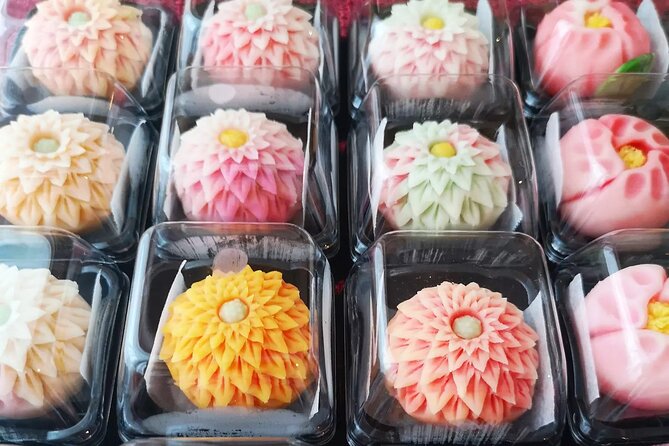
Here is how the session flows. First, you learn the dough process and how to shape Nerikiri step by step. Then you put it into practice by making five different designs.
Important detail: the Nerikiri dough will be prepared by the instructor before class. That keeps things from turning into a chemistry lesson or turning your morning into a bean-paste marathon. Instead, you focus on what you came for, shaping and finishing.
Step 1: Learning Nerikiri Dough and Handling
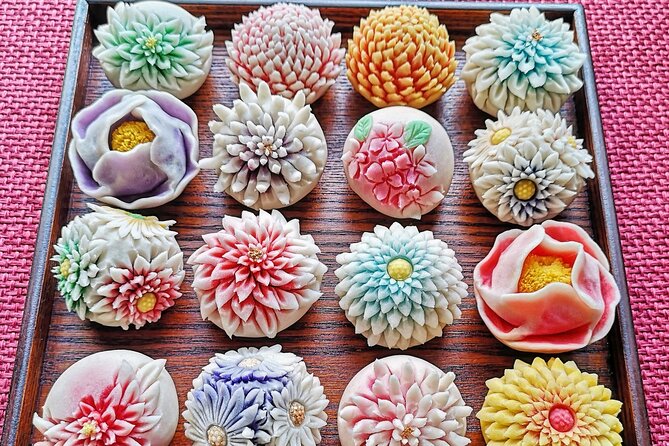
You begin with an explanation and demonstration of how the dough is made and handled. Even though the dough is prepared ahead, the instructor shows the process so your shaping makes sense, not just your results.
In practice, this is where you learn the basics that prevent the most common beginner problems. If the dough feels too dry, too sticky, or you are applying uneven pressure, your shape can crack or lose its crisp edges. When you understand what the dough is like and how to treat it, you can adjust while you work.
You will not just watch. You learn the steps and then start shaping, guided by the instructor as you build muscle memory.
Step 2: Make Five Nerikiri Designs with Different Techniques
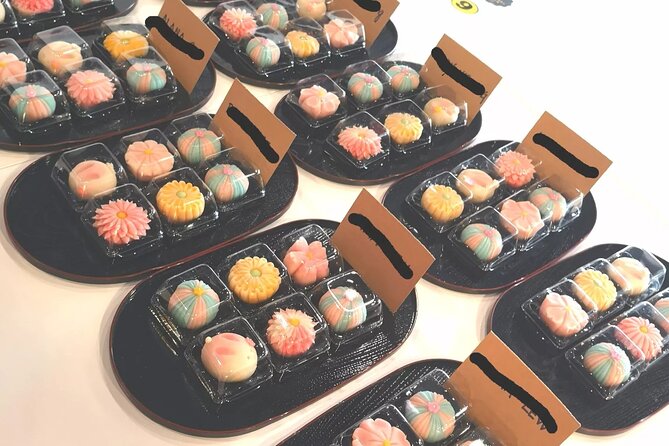
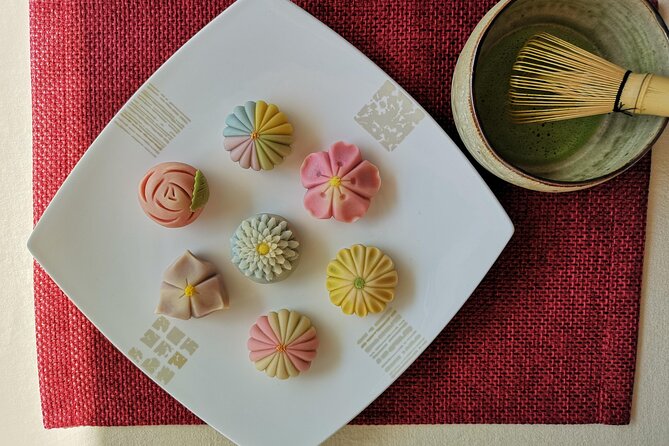
After the dough lesson, you make five Nerikiri designs. Each one uses a different technique, and this is where the class earns its reputation for being both fun and instructional.
The value of doing five designs in one sitting is that you can compare what works. You quickly notice patterns, like how certain tool shapes create cleaner contours, or how one technique better preserves a delicate detail on the finished surface.
It also keeps the session from becoming repetitive. Instead of doing one design over and over, you practice variety in shaping methods, which is what makes Nerikiri feel like real technique rather than just following a single recipe.
Tools and Shaping: What to Watch For
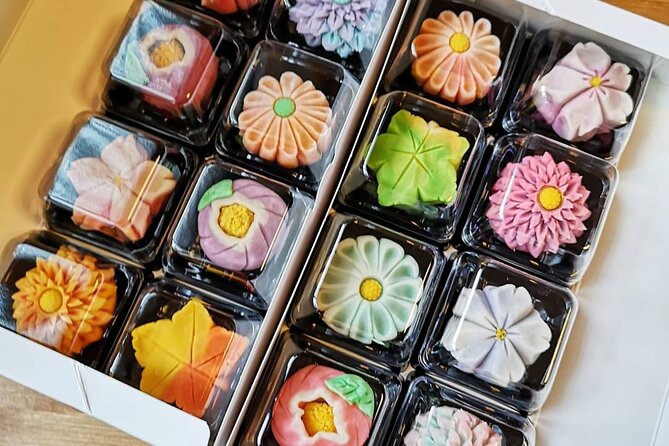
You will use Nerikiri tools during shaping, and the instruction is designed to help you create the design you see in your mind. Tools are not just for fun. They help you get sharp lines and consistent forms without relying only on finger work.
As you shape, focus on three things:
First, keep your pressure even. Uneven pressure creates flat spots or distorted edges. Second, move slowly on the detail work. The finishing touches are where the design looks “right,” not where you speed-run through the bulk of the mold.
Third, aim for smooth transitions where parts meet. Nerikiri designs often require joining pieces cleanly, so the seam does not show. When the join is smooth, your final shape looks intentional.
Matcha, Table-Style: Tea That Fits the Workshop
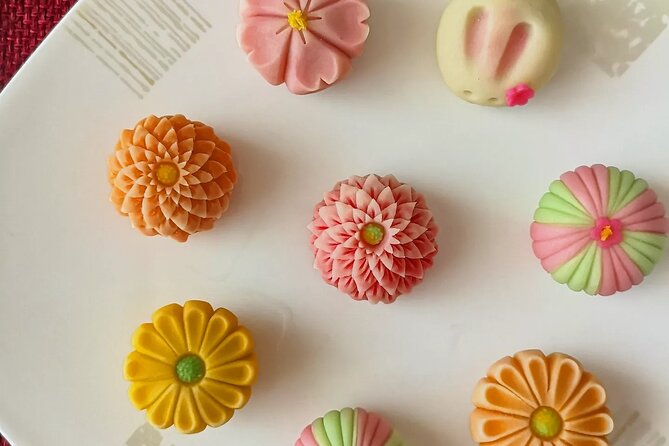
Once your five Nerikiri are shaped, you make matcha and then taste it. This is table-style matcha, which means you are preparing tea in a practical workshop format rather than sitting through a full, multi-course ceremony.
That format is a plus for many travelers. It keeps the focus on hands-on learning, and you still get the essential matcha experience: whisking, drinking, and pairing it with the sweets you just made.
When you taste, pay attention to the balance. Nerikiri sweetness can feel rich, and matcha provides the needed contrast with its earthy bitterness. That contrast is part of why this combo works so well.
Also, take a moment to notice the temperature and texture. Matcha is not just flavor. It is a foam, a body, and an aftertaste. Your brain tends to link that with what you shaped, which helps you remember the steps.
Enjoying Your Work: Why the Tasting Moment Matters
This class gives you time to eat what you made, not just finish and rush out. That tasting is where the learning clicks.
It is easier to understand Nerikiri technique when you connect it to how the sweet feels. If a design is slightly thicker, it can taste differently because of the proportion of bean paste. If the surface is shaped with more detail, it can affect how the sweet breaks or melts in your mouth.
You also get a small but real confidence boost. Many food classes leave you with a souvenir snack. This one leaves you with a skill story you can explain later.
Take Your Nerikiri Home, plus the Recipe Follow-Up
You can take the remaining Nerikiri home, and a container is provided. That is practical for two reasons. First, you can share with someone later without needing to find a dessert box at the last minute. Second, keeping a few pieces lets you test what they taste like after a pause.
There is also a recipe follow-up. The instructor will send you two versions of Nerikiri dough recipes by email after the class, as long as you provide your email address if you want them. This is a big value add. It helps you recreate the dough process later, instead of only having the five designs as a one-day memory.
If you like experimenting at home, those two recipes can give you options depending on what texture or result you prefer.
Price and Value: What $84.92 Really Covers
At $84.92 per person for about 2 hours 30 minutes, the pricing can feel high at first glance. But here is where the value shows up.
You receive:
- Five Nerikiri included
- Matcha included
- A container to take sweets home
That is more than a basic tasting class. You are paying for ingredients, instructor guidance, tool use, and the time to make multiple sweets, then make and taste matcha.
Also, the small group size matters again. If you were trying to learn Nerikiri on your own with tools and ingredients, you would likely spend money and still miss the technique corrections that help beginners succeed.
If you are already planning to buy sweets in Kyoto, this class can feel like a better use of time than random tastings, because you leave with both food and skill.
Logistics That Matter: Time, Duration, and Focus
The session is about 2 hours 30 minutes and starts at 10:00 am. That fits well into a travel day with a morning activity, then lunch afterward or a relaxed afternoon stroll.
The class ends back at the meeting point, which is another quiet convenience. You do not have to figure out a new pickup location when you are done.
And since the space is limited, only participants attend. No spectators keeps the room quieter and helps maintain that calm, focused learning environment.
Who This Class Is Best For
This experience is a strong match if you want:
- A calmer, hands-on cultural activity in Kyoto
- A structured lesson where you learn techniques, not just eat
- A beginner-friendly chance to make something delicate but manageable
- An edible souvenir, plus extras you can take home
It also works well as a group activity for friends who want something interactive rather than a guided walk. The maximum of 8 people keeps it from turning into chaos.
The one group that might struggle is people who dislike focused instruction or who want a strictly casual “watch and graze” vibe. This is work with your hands, and it moves through five designs.
Should You Book This Nerikiri and Matcha Making Class?
Book it if you want a Kyoto experience that is peaceful, practical, and memorable in a way that goes beyond photos. The combination of five shaped sweets, table-style matcha, and taking leftovers home makes it feel complete.
Skip it if you only want a quick snack stop or if you strongly prefer activities that do not involve detailed handwork. The class is designed to teach technique, so you will be actively shaping the whole time.
If you do book, go with a beginner mindset. Slow, careful work wins here, and the payoff is that you end up with five cute Nerikiri you genuinely understand how to make.
FAQ
How long is the Nerikiri and matcha making class?
It lasts about 2 hours 30 minutes.
What do I get included in the price?
The class includes 5 Nerikiri, matcha, and a container to take the Nerikiri home.
Can I take the Nerikiri home after the class?
Yes. You can take the remaining Nerikiri home, and the container is provided.
Where is the meeting point?
The class meets at Matsugasaki Station in Kyoto.
What time does the class start?
The start time is 10:00 am.
Is there an age requirement?
Yes, participants must be older than 10.
What is the cancellation policy?
This experience is non-refundable and cannot be changed for any reason. If you cancel or request an amendment, you will not receive a refund.
Kyoto by the Bowl
Newest Kyoto write-ups from the Loving Japan desk
Kyoto Tea Ceremonies and Matcha, side by side.
 ★ 4.9Tea Ceremony in a Traditional Tea House in KiyomizuFrom $493,519 reviews
 ★ 4.9Tea Ceremony Ju-An at Jotokuji TempleFrom $293,207 reviews
 ★ 4.345-Minute Tea Ceremony Lesson ExperienceFrom $222,378 reviews
 ★ 5.0World Heritage Kyoto & Nara Uji Authentic Matcha ExperienceFrom $1291,573 reviews
 ★ 4.9Tea Ceremony ExperienceFrom $251,426 reviews
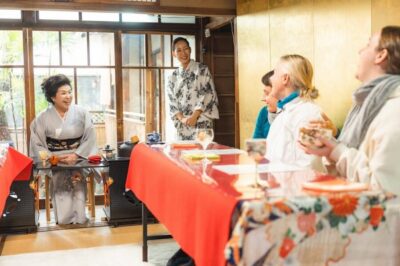 ★ 4.9Table-Style Tea Ceremony at a Kyo-MachiyaFrom $451,211 reviews
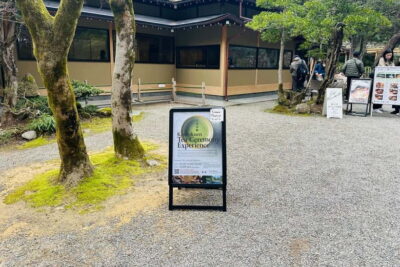 ★ 4.8Kenrokuen Tea Ceremony ExperienceFrom $351,139 reviews
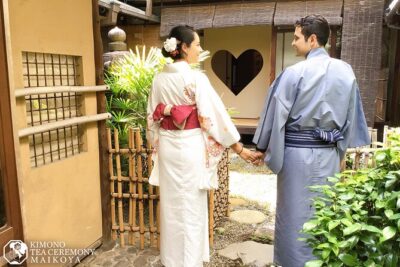 ★ 5.0Kimono Tea Ceremony at Kyoto Maikoya, NISHIKIFrom $65911 reviews
Filed on these lists too