
REVIEW · KYOTO TEA CEREMONIES AND MATCHA
Oboro | Mindful Tea Ceremony in a 100-Year-Old Kyoto Teahouse
Candlelit tea turns Kyoto quieter. I love the matcha preparation up close, and I love the small-group feel that keeps the room calm and personal. One thing to consider, it is only about 50 minutes, so it is not a long, deep class.
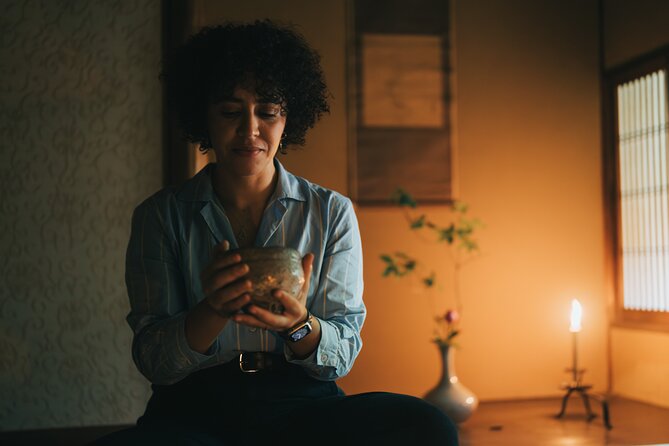
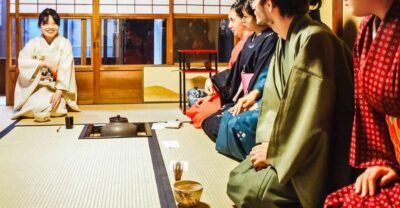
In a minimally decorated, candlelit tearoom, the host guides you through the ritual with clear pacing and English support, so you are not stuck guessing what is happening. You start with a welcome tea and sweets, then watch utensils get cleaned and the matcha whisked into one bowl at a time. The ceremony ends with a small handmade candle you can take home, which makes the whole experience feel more like reflection than consumption.
If you want Kyoto culture that does not rely on loud performance, this is a great fit. It is also priced like a focused cultural moment, not a bargain, so you will get the best value if you are the type who enjoys small sensory details and respectful quiet.
In This Review
- Key things that make Oboro special
- A candlelit tea ceremony that feels like Kyoto, not a show
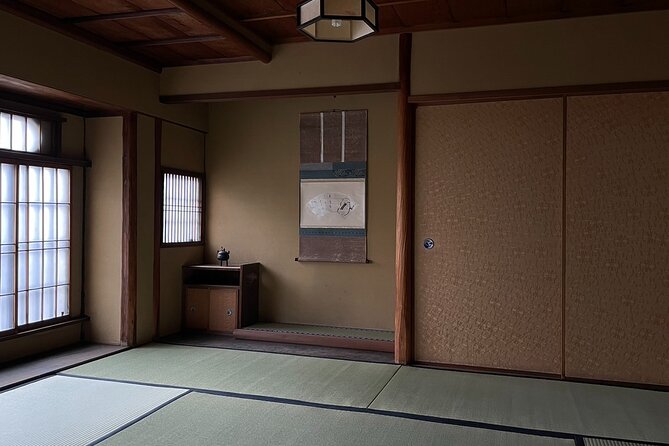
- Stepping into the 100-year-old teahouse atmosphere
- Welcome tea and sweets, before the real matcha moment
- How matcha is prepared, and why it is more than tasting green tea
- What the guide adds in English (and the names you might hear)
- The pace, candles, and the sensory tricks your brain will thank you for
- Price and value: is $45.98 for about 50 minutes worth it?
- Timing, how strict it is, and where you meet
- Who this tea ceremony suits best
- Should you book Oboro? My decision checklist
- FAQ
- How long is the Oboro tea ceremony?
- What does the ceremony cost?
- Is there an English speaking guide?
- What is included in the price?
- Is there a group size limit?
- What is not included?
- What if I arrive late?
- What happens if bad weather affects the experience?
Key things that make Oboro special
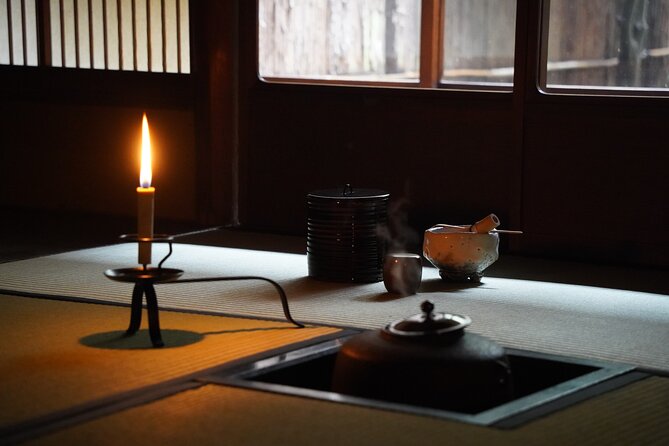
- A candlelit 100-year-old Kyoto teahouse setting, not a modern cafeteria vibe
- Matcha whisking and serving as a ritual, one bowl at a time
- English translation built in, so you can follow the steps and the meaning
- Small group limit (max 8) for an uncrowded, patient experience
- Welcome tea and sweets, then a rare organic green tea served during the ceremony
- A handmade candle take-home token, tying the moment to something physical
Sit down somewhere quieter. Other tea rooms we booked
- Kyoto: Tea Ceremony in a Traditional Tea House in Kiyomizu
★ 4.9 · 3,519 reviews - Kyoto: Tea Ceremony Ju-An at Jotokuji Temple
★ 4.9 · 3,207 reviews - Kyoto: 45-Minute Tea Ceremony Lesson Experience
★ 4.3 · 2,378 reviews - Kyoto: Table-Style Tea Ceremony at a Kyo-Machiya
★ 4.9 · 1,211 reviews
A candlelit tea ceremony that feels like Kyoto, not a show
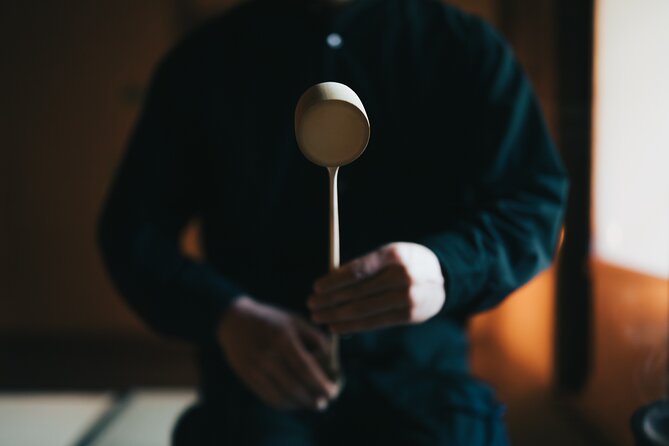
Kyoto has a way of rewarding slow attention. This tea ceremony leans hard into that idea. Instead of a busy restaurant counter, you get a quiet, meditative space with handmade candles and minimal décor.
What I like most is the focus. You are watching ceremonial technique, not just ordering a drink and moving on. The ritual has a rhythm you can feel in your body, especially when the room is softly lit and the host keeps things calm and deliberate.
There is also a practical bonus: the experience is designed for non-Japanese speakers. An English-speaking guide translates for you, so you can actually understand what you are seeing, from the utensil setup to the final tasting.
Stepping into the 100-year-old teahouse atmosphere
The tea house setting matters more than people expect. Here, the space is intentionally simple, with gentle sounds and a stripped-down look that puts your attention where it belongs, on the ceremony.
You will start in a softly lit area and then move into the tearoom as the host transitions the experience. This matters because it changes how your senses respond. Candlelight makes a big difference to smell, warmth, and even how long each moment feels.
The tearoom setup is also part of why this works for mindful travel. You are not multitasking, you are not scanning a menu, you are watching hands and tools move with purpose. That is a rare kind of calm in a city that can be hectic outside your hotel room.
Welcome tea and sweets, before the real matcha moment
Most tea experiences rush the best part. This one starts with a welcome tea and sweets, so you ease into the mood instead of being thrown into the ritual cold.
You are guided into the space, then you slow down as your attention shifts from everyday routine to what is happening in the room. That first drink and sweet course is like a mental warmup. It helps you notice how the host handles the pace, how utensils are arranged, and how the group settles in.
This is also where you get a feel for the ceremony’s style. It is not presented as stiff or overly formal. The overall emphasis is shared respect and quiet wonder, which makes it easier to participate even if you are shy about rituals.
- PERFECT KYOTO 1-Day Bus Tour★ 5.0 · 13,518 reviews
- Kyoto: Fushimi Inari, Kinkakuji, Bamboo Grove 1 Day Bus Tour★ 4.8 · 4,316 reviews
- Kyoto: Tea Ceremony in a Traditional Tea House in Kiyomizu★ 4.9 · 3,519 reviews
- Kyoto Geisha Walking Tour: Gion District & Hidden Gems★ 4.7 · 3,273 reviews
- Kyoto: Tea Ceremony Ju-An at Jotokuji Temple★ 4.9 · 3,207 reviews
How matcha is prepared, and why it is more than tasting green tea
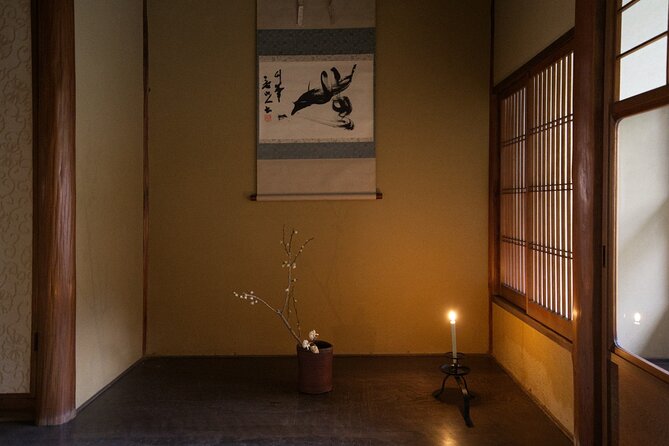
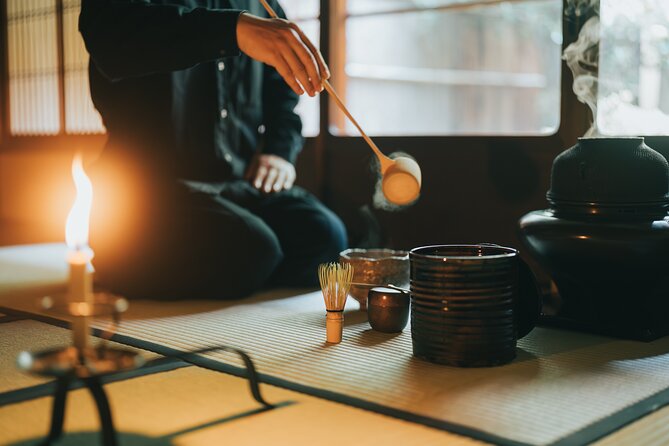
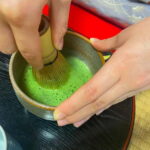
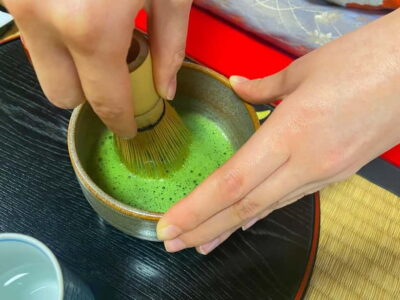
The center of the experience is the matcha preparation, and you can expect real technique, not vague explanation. The host carefully cleans and prepares the utensils first, then whiskes the matcha into a bowl and serves it to you one bowl at a time.
That one-bowl-at-a-time detail is small, but it changes the whole experience. You are not trying to time your sip with a group line. You get a moment where you can hold the tea bowl, notice its warmth, and taste without rushing.
The matcha itself is served as a rare organic green tea, and the host invites you to notice subtle flavors rather than treating it like a quick caffeine hit. You will likely pay attention to the texture, the aroma, and how the flavor develops as the bowl warms in your hands.
A practical point: if you go in expecting a lecture, you might feel a bit “hands-on but quiet.” This is a ritual you observe with your senses. If you like that kind of slow attention, you will get a lot out of it.
What the guide adds in English (and the names you might hear)
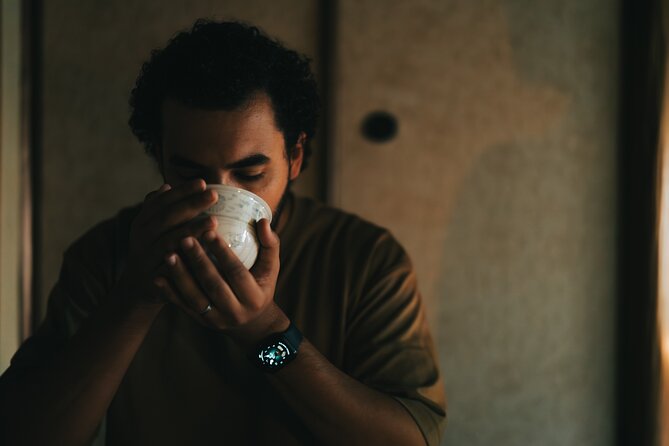
No language barriers is one of the key promises here, and it matters because tea ceremonies are full of small meanings. The host translates so you can follow what each step represents, and you can ask questions.
From past sessions, names like Taku and Naoki show up in feedback, and Ryoko is also referenced. The main provider is Taku Okamoto, so you may recognize that name when you book or if it comes up in conversation.
Even if you know nothing about matcha, the English explanation helps you build a mental picture: what the tools are for, why the whisking matters, and how the ceremony is meant to be experienced in a calm, focused way.
And because it is a small group, translation is more than “read this quickly.” You get time. You can see the hands close enough to understand, then the guide puts words to it.
The pace, candles, and the sensory tricks your brain will thank you for
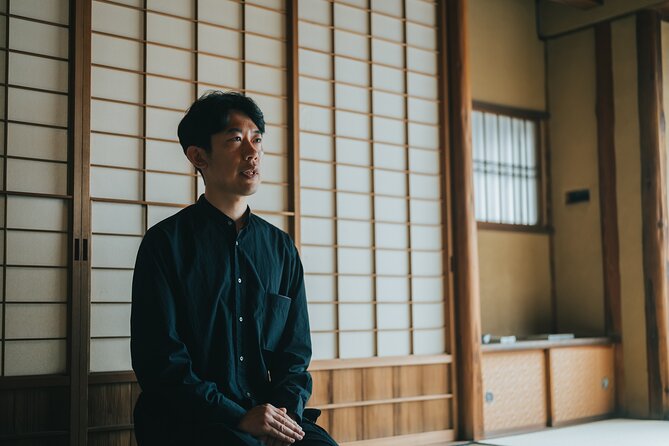
This ceremony uses atmosphere on purpose. You will be in a candlelit space, and the flicker of the light becomes part of the pacing. The room is minimally decorated, with gentle sounds that keep the mind from sprinting.
The host invites you to pay attention as you transition between parts of the ritual, from welcome tea and sweets to the whisking and tasting. When you are in that kind of quiet, your senses actually start working. You notice warmth from the bowl, you notice aroma before you even sip, and you notice how the flavor sits in your mouth.
That is also why this can feel like a reset during a Kyoto itinerary. If your days are packed with shrines and photo stops, this gives you a different kind of cultural engagement, one that does not end in a souvenir shop.
Price and value: is $45.98 for about 50 minutes worth it?
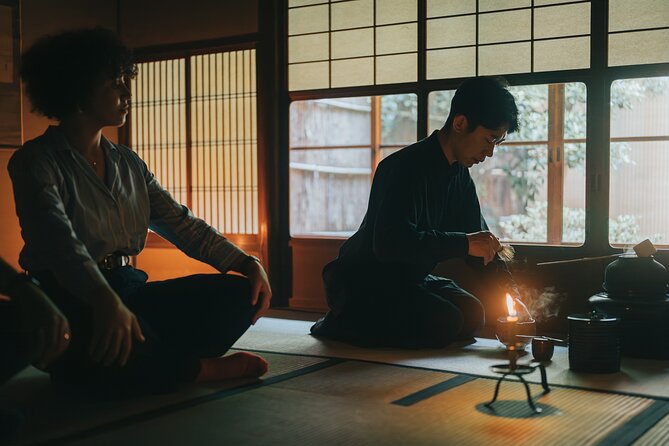
At $45.98 per person, this is not a budget activity. But it is also not “just a tea.” You are paying for a specific setting, a host-led ceremony, English translation, and a small group limit.
You get roughly 50 minutes of guided, structured ritual in a tearoom context, and the experience includes coffee and/or tea plus welcome sweets, with matcha as the main highlight. You also get a take-home handmade candle, which is a small detail, but it makes the experience feel complete.
Where you win value is in the format. A max group size of 8 means you are not swallowed by a crowd. That matters because tea ceremonies only work when the room stays calm and you can actually watch. If you prefer quieter, more personal cultural moments, the price tends to feel fair.
If you only want a quick drink and you do not care about ritual or explanation, you could find cheaper tea options. But if you want Kyoto culture that slows you down and teaches you how to notice, this price is in the right neighborhood.
Timing, how strict it is, and where you meet
The ceremony starts at 237 Nakaogawachō, Kamigyo Ward, Kyoto, 602-0053. It is near public transportation, which helps you fit it between temple and neighborhood wandering.
There is also a clear time rule: you cannot participate if you arrive more than 10 minutes after the start time. So plan like a pro. Build in buffer time, especially if your Kyoto day runs late.
The session ends back at the meeting point, so you are not stuck figuring out your next move. That makes it easier to pair with nearby sightseeing, or simply to return to your lodging area and decompress.
Who this tea ceremony suits best
This experience is a strong match if you:
- like calm, structured cultural activities
- enjoy matcha or want to learn how it is prepared
- want English explanation rather than a silent self-guided show
- prefer small groups and patient pacing
It is also a good option for first-timers. Several experiences in the feedback emphasize it as a first tea ceremony, and that makes sense. The ceremony is built to guide your senses, step by step, without requiring prior knowledge.
One caution: this is not a loud entertainment stop. If you are traveling for action-packed activities, or you dislike quiet moments, you might find it slow. The payoff is for people who enjoy reflection and attention.
Should you book Oboro? My decision checklist
Book it if you want Kyoto culture you can feel in your hands. The candlelit 100-year-old setting, the small group size, and the guided English translation are the big reasons this works. You will likely leave with a better understanding of matcha prep and a calmer mindset than you had when you arrived.
Skip it, or treat it as optional, if you are only chasing caffeine or you need a faster, more interactive experience. The ceremony is short, about 50 minutes, and it is designed for quiet focus rather than hands-on chaos.
Also, make sure your schedule can handle a strict start window. If you tend to run late, choose a different plan. If you can arrive on time and you like being present, Oboro is one of those “Kyoto weeks” experiences that just changes the tone of your day.
FAQ
How long is the Oboro tea ceremony?
It runs for about 50 minutes (approx.).
What does the ceremony cost?
The price is $45.98 per person.
Is there an English speaking guide?
Yes. The experience includes an English speaking guide, and you get translation so you can follow along.
What is included in the price?
Coffee and/or tea is included, along with the English speaking guide. The experience also includes the welcome tea and sweets and the tea served during the ceremony.
Is there a group size limit?
Yes. The maximum group size is 8 travelers.
What is not included?
Tips and gratuities are not included.
What if I arrive late?
If you pass the 10-minute mark after the start time, you cannot participate.
What happens if bad weather affects the experience?
This experience requires good weather. If it is canceled due to poor weather, you will be offered a different date or a full refund.
Kyoto by the Bowl
Newest Kyoto write-ups from the Loving Japan desk
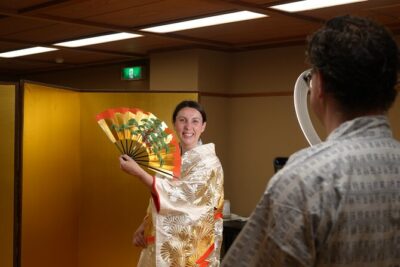
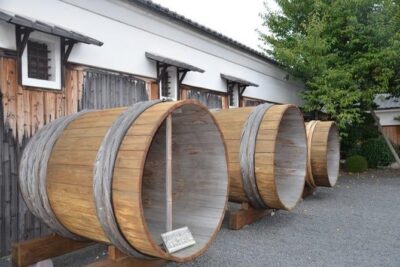
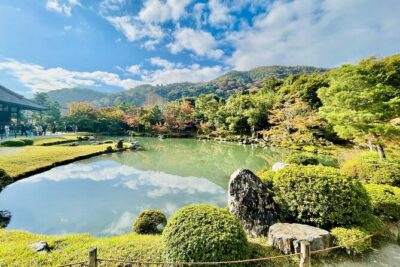
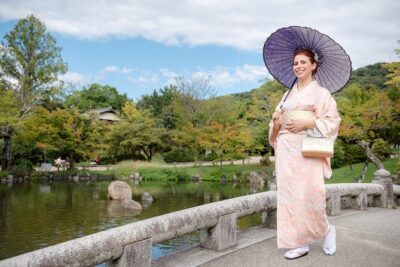
Kyoto Tea Ceremonies and Matcha, side by side.
 ★ 4.9Tea Ceremony in a Traditional Tea House in KiyomizuFrom $493,519 reviews
 ★ 4.9Tea Ceremony Ju-An at Jotokuji TempleFrom $293,207 reviews
 ★ 4.345-Minute Tea Ceremony Lesson ExperienceFrom $222,378 reviews
 ★ 5.0World Heritage Kyoto & Nara Uji Authentic Matcha ExperienceFrom $1291,573 reviews
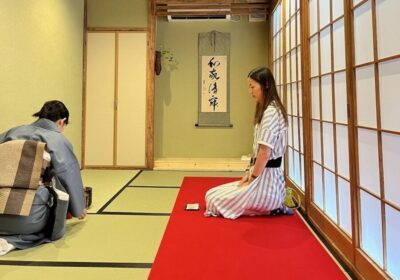 ★ 4.9Tea Ceremony ExperienceFrom $251,426 reviews
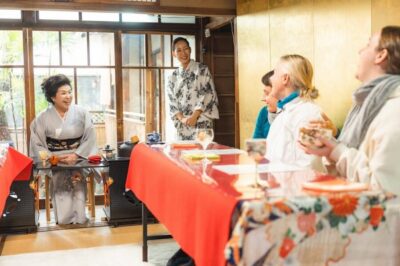 ★ 4.9Table-Style Tea Ceremony at a Kyo-MachiyaFrom $451,211 reviews
 ★ 4.8Kenrokuen Tea Ceremony ExperienceFrom $351,139 reviews
 ★ 5.0Kimono Tea Ceremony at Kyoto Maikoya, NISHIKIFrom $65911 reviews
Filed on these lists too