
REVIEW · DOTONBORI AND OSAKA STREET FOOD
Okonomiyaki & Gyoza Cooking Class with Local Supermarket Visit
Sizzle, steam, and a real Tokyo kitchen lesson. This small-group class at YUCa’s Japanese Cooking lets you make okonomiyaki and gyoza, then eat what you cook, with an optional local supermarket stop and a one-way taxi ride included. It is part cooking workshop, part everyday-food education, set in a residential neighborhood.
I especially like the hands-on format and the fact you learn by doing, not by watching from the sidelines. I also like that it is a small group experience (maximum 7), which means more time for clear back-and-forth while you cook, and you can ask questions as you go.
One consideration: both dishes call for pork, so if you avoid pork for any reason, this might not fit your needs.
In This Review
- Key Highlights Worth Planning For
- A Tokyo Home-Kitchen Class That Feels Local
- Where The Day Starts (and How the One-Way Taxi Helps)
- The Intro Lecture: Food Culture and Ingredient Basics (Before You Cook)
- Cooking Session 10:30 to 12:30, Two Dishes, One Practical Skill Set
- Making Okonomiyaki: Savory Pancake Logic You Can Rebuild
- Making Gyoza: Dumpling Technique That Builds Confidence
- Lunch and Tasting: Eating With Purpose
- Optional 12:30 to 13:00 Supermarket Tour: Learn Ingredients You Will Actually Buy
- Price and Value for $121.89 in Tokyo
- What You Need to Know Before You Go
- Who This Works Best For
- Should You Book This Okonomiyaki and Gyoza Class?
- FAQ
- What dishes will I learn to make?
- Is lunch included?
- How long is the class?
- How big is the group?
- Do I have to go on the supermarket tour?
- Is there transportation included?
- Where does the experience start and end?
- Is this near public transportation?
- What is the cancellation policy?
Key Highlights Worth Planning For
- Maximum group size of 7 for real coaching while you cook
- Two signature dishes in one session, okonomiyaki and gyoza
- Lunch included, so you leave satisfied, not just fed with tips
- Optional supermarket tour to learn ingredient names you will actually use later
- One-way taxi ride included, which saves time and stress in the area
- Mobile ticket for an easier day, less paper juggling
Still hungry on Dotonbori? A few more crawls
- Vegan Friendly Sushi & Okonomiyaki Shibuya Night Foodie Tour
★ 5.0 · 124 reviews - Takoyaki cooking experience in Kabukicho, Shinjuku
★ 4.8 · 36 reviews
A Tokyo Home-Kitchen Class That Feels Local
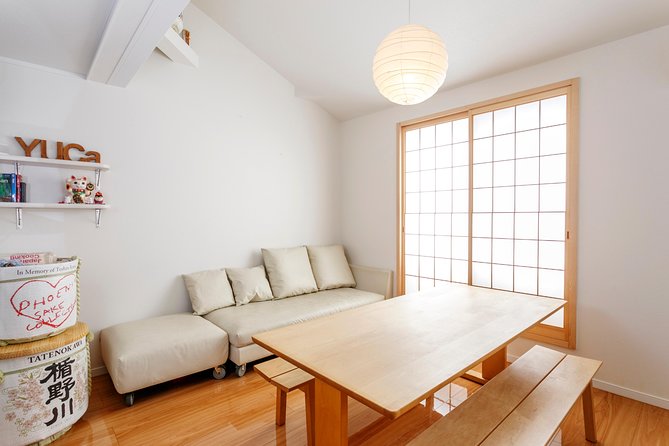
This is the kind of Tokyo experience you do to get out of the restaurant-only loop. You meet at YUCa’s Japanese Cooking in Arakawa City, then spend the morning learning the rhythm of two comfort foods: okonomiyaki and gyoza. The best part is that you are not just tasting Japanese food, you are making it with your own hands.
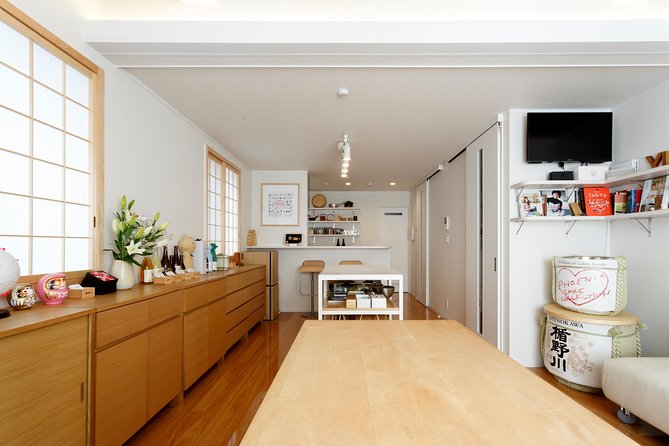
I like that the teaching happens in a home kitchen setting. It often makes the whole thing feel less staged and more practical, like someone is showing you how they cook on a normal day. And because the group is capped at 7, it stays interactive rather than chaotic.
Where The Day Starts (and How the One-Way Taxi Helps)
You meet in the morning near public transportation, at YUCa’s Japanese Cooking (Nishiogu, Arakawa City). The schedule lists a meeting window around 9:50 to 10:00, with the experience beginning at 10:00 am.
The one-way taxi ride included is a quiet win. Tokyo public transit is excellent, but a class that starts in a residential area can mean one extra “wait, walk, figure it out” moment. Having that one-way transport handled helps you focus on the lesson instead of navigating with a timeline.
If you like smooth mornings, this matters more than it sounds. You show up, you settle in, and the day stays on track.
The Intro Lecture: Food Culture and Ingredient Basics (Before You Cook)
The first structured chunk is a lecture from 10:15 to 10:30. This is where you get the ingredient context that makes Japanese cooking click faster. You learn about how Japanese food culture shapes flavors, texture, and what goes into each dish.
What I find useful here is that it is short and practical. You are not stuck in a long talk before you cook. You get just enough to understand why you are doing each step, and then you move into hands-on work.
It also helps you ask better questions during cooking. If you know what you are aiming for, you can correct small issues immediately, like getting the right thickness, managing pan heat, or balancing filling components.
Cook it yourself instead. Other kitchens in Tokyo
- Sushi Making Tokyo Roll and Authentic Japanese Sushi Class★ 5.0 · 3,971 reviews
- Tokyo: Sushi Making Class in a Happi Coat near a Famous Spot★ 4.9 · 1,377 reviews
- Tokyo Sushi Making Class in Tsukiji with Professional Chef★ 5.0 · 1,177 reviews
- Ramen & Gyoza Cooking Class in Tokyo with Local Supermarket Visit★ 5.0 · 823 reviews
- Tsukiji Fish Market Guided Tour and Sushi Making with Pro Chef★ 5.0 · 775 reviews
Cooking Session 10:30 to 12:30, Two Dishes, One Practical Skill Set
Most of your time is cooking and tasting from 10:30 to 12:30. The class is designed so you learn techniques you can repeat later, not just memorize steps.
Here is the practical benefit: once you make okonomiyaki once and gyoza once, you understand the workflow. You learn what feels right, what looks right, and how the timing works. That is where value lives. Food classes that end with instructions printed on paper can be fun, but they rarely translate into real cooking at home.
Making Okonomiyaki: Savory Pancake Logic You Can Rebuild
Okonomiyaki is often described as a savory pancake, but it is really a mixing-and-cooking exercise. The dish typically brings vegetables, pork, and noodles together with an egg base to create something sturdy enough to flip and satisfying enough to eat hot.
In your class session, the goal is to learn how to:
- Combine ingredients so the pancake cooks evenly
- Manage heat so the outside sets while the inside stays tender
- Time it so you get that satisfying texture, not a pancake that feels undercooked or dry
This is one of the best choices for beginners because the form is forgiving. You can adjust as you cook, and tasting is part of the process.
Making Gyoza: Dumpling Technique That Builds Confidence
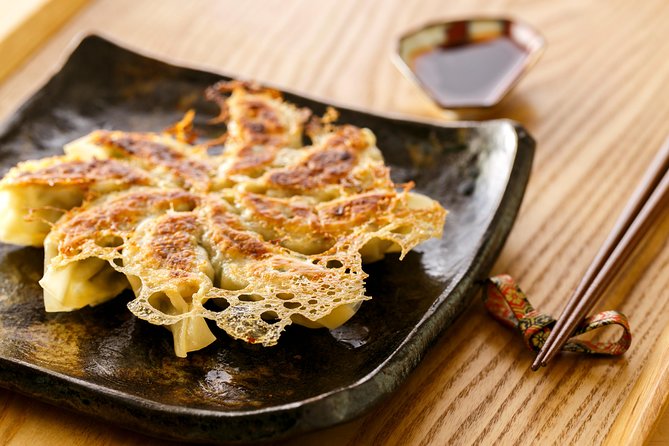
Gyoza is a different challenge. It is dumpling making, with minced pork and vegetables as the filling, then a method that turns into crisp edges and a juicy center.
This is where a class like this shines. Dumplings teach patience, not just cooking. You learn how to portion filling, manage the fold, and then cook so the wrappers reach the right texture.
Even if you have cooked at home before, gyoza tends to reset your expectations. The difference between a dumpling that tastes good and one that tastes great is often in the final minutes of cooking, and that is exactly where hands-on instruction matters.
Also, because it is a class, you get feedback in real time. That matters for technique.
Lunch and Tasting: Eating With Purpose
The experience includes a delicious lunch, and it is not just an afterthought. You taste what you made, which helps you connect the steps you performed with the results you liked.
This is where the whole class stops being “a fun activity” and becomes “skills you can repeat.” If something tastes off, you can often trace it back to a step you performed minutes earlier. That makes the learning stick.
From the way past participants describe the results, the food lands where it should, meaning you leave with the confidence that your version is not just edible, it is genuinely enjoyable.
Optional 12:30 to 13:00 Supermarket Tour: Learn Ingredients You Will Actually Buy
After cooking, you have the option of a supermarket tour from 12:30 to 13:00. This is a short stop, but it is the kind of add-on that helps you cook later with less guessing.
Why it matters: in Japan, many ingredients have names and forms that do not map neatly to what you already know. Seeing products in context helps you learn what to look for, how they are packaged, and how you might swap in a similar item at home.
This is also where your confidence grows if you are the type who wants to recreate meals. Without the supermarket part, cooking classes can leave you with techniques but not a clear shopping path.
One practical tip for you: if you want to recreate okonomiyaki or gyoza later, come prepared to ask what goes where. The supermarket segment is your chance to learn brand-level practicalities, not just theory.
Price and Value for $121.89 in Tokyo
At $121.89 per person for about 2 hours 30 minutes, it is not a budget activity. But the value is in what is bundled, not in the headline price.
Here is what you get in the package:
- Two full dishes you make yourself (okonomiyaki and gyoza)
- Lunch included, so you are not spending extra time or money finding food afterward
- A one-way taxi ride included, which reduces friction in a city where timing matters
- A small group size of up to 7
- An optional supermarket tour, which increases what you can do after the class
For me, that combination is what makes the price feel fair. You are paying for instruction time plus meals plus a guided ingredient shopping layer. If you only wanted the food, you could eat it elsewhere. If you only wanted cooking tips, you could find videos. This format gives you hands-on results plus a way to shop with confidence.
Also, it is typically booked about 47 days in advance on average. If your trip date is fixed, that is your cue to lock it in earlier rather than later.
What You Need to Know Before You Go
A few practical points help you enjoy the day more.
First, this is a cooking class that involves pork, because the dishes are described with pork in both the okonomiyaki and gyoza components. Plan accordingly if you have dietary rules.
Second, expect it to be active. You will be standing, mixing, cooking, and tasting. Wear comfortable clothes that can handle kitchen smells.
Third, language should not be a barrier for most people. The class is run by Yuca, and participants highlight that she speaks very good English and gives easy-to-follow instructions. You will still want to bring curiosity, but you do not need to be fluent in Japanese to participate.
Finally, the class ends back at the meeting point. That makes your afternoon plans simpler.
Who This Works Best For
This class is ideal if you:
- Want a Tokyo cooking experience that stays hands-on
- Like learning ingredients you can actually buy later, especially via the supermarket portion
- Travel with family, including kids, because the setup supports participation in a home-kitchen environment
- Prefer small-group instruction over a big crowd session
It may not be the best fit if:
- You avoid pork for dietary reasons
- You want a purely sightseeing day instead of cooking, even if the supermarket stop adds a bit of local wandering
Should You Book This Okonomiyaki and Gyoza Class?
If your goal is to leave Tokyo with something practical, book it. This is not just eating, it is learning how two classic dishes work in real time, and getting guided ingredient context afterward.
I would especially recommend it if you like guided structure but still want freedom to get your hands moving. The small group cap, the lunch you do not have to plan, and the optional supermarket tour make it one of the more complete food experiences in a city full of good meals.
If you love Japanese cooking already, it will sharpen what you think you know. If you are brand new to cooking, it gives you repeatable basics you can actually use when you are back home.
FAQ
What dishes will I learn to make?
You will learn to make okonomiyaki and gyoza.
Is lunch included?
Yes. A delicious lunch is included with the experience.
How long is the class?
The total duration is about 2 hours 30 minutes.
How big is the group?
The class has a maximum of 7 travelers.
Do I have to go on the supermarket tour?
No. The supermarket tour is optional and runs from about 12:30 to 13:00.
Is there transportation included?
Yes, there is a one-way taxi ride included. The exact pickup and drop-off details are not specified in the provided information.
Where does the experience start and end?
It starts at YUCa’s Japanese Cooking in Nishiogu, Arakawa City, Tokyo, and ends back at the meeting point.
Is this near public transportation?
Yes, the tour/activity is near public transportation.
What is the cancellation policy?
Free cancellation is available. You can cancel up to 24 hours in advance for a full refund. If you cancel less than 24 hours before the experience start time, the amount paid will not be refunded.
Kitchens You Can Book Into

Dotonbori, Still Hungry
Newest Tokyo write-ups from the Loving Japan desk



Dotonbori and Osaka Street Food, side by side.
 ★ 4.8Shinsekai Food Tour with 13-15 Dishes at 5 EateriesFrom $532,204 reviews
 ★ 5.0Osaka Local Foodie Walking Tour in Dotonbori and ShinsekaiFrom $111985 reviews
 ★ 5.0Osaka Bar Hopping Night Walking Tour in Namba (3 bars, 6 tastes)From $98958 reviews
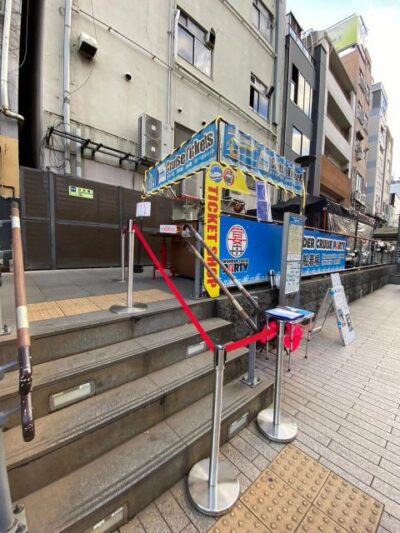 ★ 4.2Dotonbori District River Cruise with Drink DiscountFrom $12876 reviews
 ★ 5.0Ultimate Osaka Walking Tour: Castle, Dotonbori & Hidden GemsFrom $73862 reviews
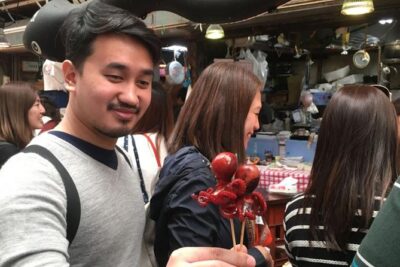 ★ 5.0Kuromon Market Food Walking Tour in Osaka (6 stops, 6 tastes)From $50550 reviews
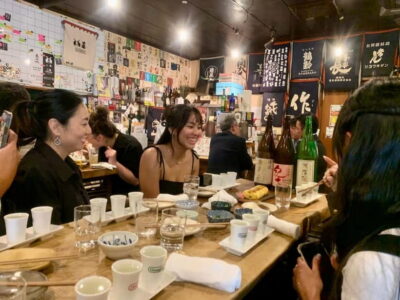 ★ 4.9Namba Pub Bar Crawl with a Local GuideFrom $30424 reviews
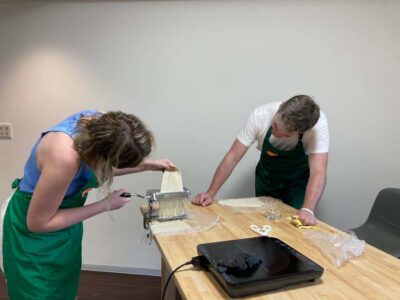 ★ 5.0Ramen and Gyoza Cooking Class in DotonboriFrom $70378 reviews
Filed on these lists too