
REVIEW · DOTONBORI AND OSAKA STREET FOOD
Small-Group Osaka-Style Okonomiyaki Cooking Class
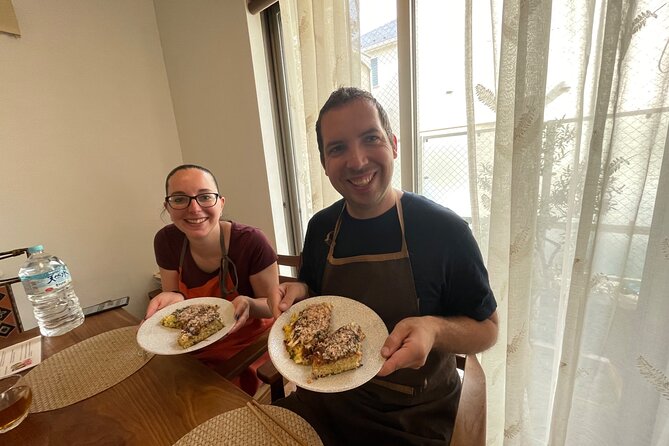
You get home-cook guidance, not tourist theater. This small-group Osaka-style okonomiyaki class feels like a homestay visit, limited to five people at a local home (not a restaurant demo), with instruction geared toward real results. Two big wins for me are the focus on fluffy technique and the way you learn practical substitutions for dashi, sauce, and other key ingredients after you go home.
One consideration: it is a hands-on class in a residential setting, so you will want to be comfortable with close quarters, a bit of kitchen noise, and cooking over a hot griddle for the full 2 hours. If you want a quiet sit-down meal, this is not that kind of experience.
In This Review
- Key Highlights You Will Actually Care About
- A Homestay-Style Class in Asagaya, Not a Show
- Fluffy Okonomiyaki Starts With the Basics, Not Guesswork
- Choosing Your Fillings, Layering, and Toppings
- The Griddle Moment, Flipping Confidence, and Timing Tricks
- While You Wait: Stir-Fried Pork and Kimuchi
- Ingredient Substitutions That Keep the Recipe Alive at Home
- English-Friendly, Conversation-Driven, and Truly Hands-On
- Price and Value for a 2-Hour Small Group Class
- Who Should Book This (And Who Might Skip It)
- Getting There: A Simple Start in Asagaya
- Should You Book This Okonomiyaki Class?
- FAQ
- How many people are in the group?
- How long does the cooking class last?
- Is there a vegetarian or vegan option?
- Where does the class meet?
- How does ticketing work?
- What is the cancellation policy?
Key Highlights You Will Actually Care About
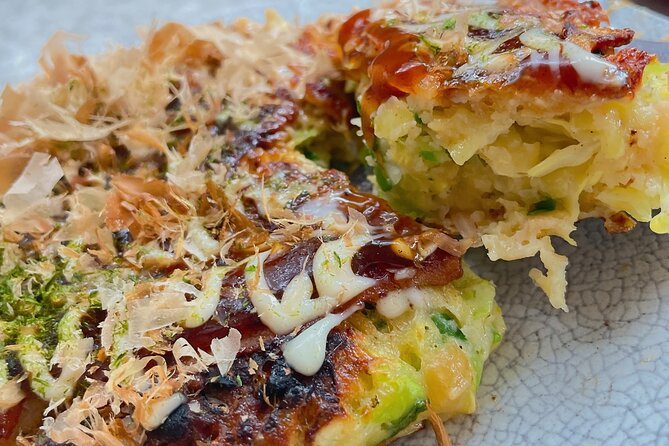
- Max five people for a more personal lesson and plenty of time for questions
- Homestay-like setup at a local home, not a studio line
- Fluffy okonomiyaki technique with specific tips for batter and cooking
- Ingredient freedom so you can build your version and make it vegetarian or vegan
- Smart ingredient swaps so you can recreate it even when you cannot find Japanese items
- While-you-wait comfort food of stir-fried pork and kimuchi to keep the mood savory
Still hungry on Dotonbori? A few more crawls
- Vegan Friendly Sushi & Okonomiyaki Shibuya Night Foodie Tour
★ 5.0 · 124 reviews - Takoyaki cooking experience in Kabukicho, Shinjuku
★ 4.8 · 36 reviews - Okonomiyaki & Gyoza Cooking Class with Local Supermarket Visit
★ 5.0 · 31 reviews
A Homestay-Style Class in Asagaya, Not a Show
The experience starts near JR Asagaya Station in Suginami City, with the meeting point set by NewDaysJapan at Asagayakita (Asagaya Station, exit area). The plan ends back at the same spot, so you are not stuck figuring out transportation after your hands get floury.
What makes this class special is the setting. Instead of showing up to a polished cooking studio, you cook in a local home where the flow feels more like someone inviting you in for a meal. That matters, because it usually means you get more practical guidance and less performance. In a group of only five, you are not shouting your questions across a room.
Eri, the teacher I met during similar experiences, speaks English well enough to handle both technique and ingredient questions. She also makes room for conversation about daily life, which helps the class feel less like a task list and more like a real interaction.
Fluffy Okonomiyaki Starts With the Basics, Not Guesswork
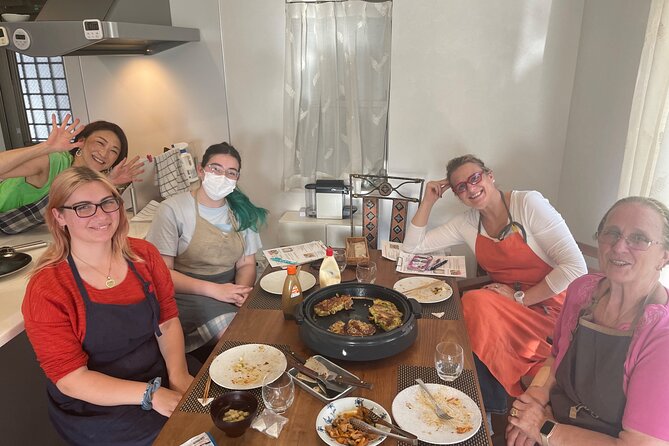
Okonomiyaki sounds simple, but the texture is where it lives or dies. The class begins with an explanation of the core Japanese ingredients you will use, including things like dashi and okonomiyaki sauce concepts. Even if you have cooked before, these building blocks can change everything about flavor and mouthfeel.
The real value is how the lesson translates technique into something you can repeat. You will learn specific tips meant to help your okonomiyaki turn out fluffy, not flat and bready. That typically comes down to how you treat the batter, how you layer ingredients, and how you cook without rushing the structure.
And then comes the part many cooking classes skip: substitutes. You will get guidance on what you can swap when you cannot find a specific ingredient in your home country. That turns this from a fun day in Tokyo into a recipe you can use again.
Choosing Your Fillings, Layering, and Toppings
One of the nicest parts of this class is that okonomiyaki is customizable. You are not locked into a single filling list. Instead, you choose the ingredients you want, and you build your own version with support.
This matters for two reasons. First, it helps you tailor the flavor to what you already like, so you end up eating something you genuinely chose. Second, it makes dietary needs easier to accommodate. Vegetarian and vegan options are available, and adjustments can be made for other dietary restrictions.
During cooking, you also practice the signature actions that make okonomiyaki fun. You will layer ingredients in a way that helps the cake cook evenly. You will flip it after it is cooked, which is the moment when many people realize cooking is part science, part confidence. Finally, you add toppings and finish it the way you like.
If you are the type who enjoys getting hands-on, this is where the class really clicks. You are not just assembling, you are learning how the dish behaves on the griddle.
Cook it yourself instead. Other kitchens in Tokyo
- Sushi Making Tokyo Roll and Authentic Japanese Sushi Class★ 5.0 · 3,971 reviews
- Tokyo: Sushi Making Class in a Happi Coat near a Famous Spot★ 4.9 · 1,377 reviews
- Tokyo Sushi Making Class in Tsukiji with Professional Chef★ 5.0 · 1,177 reviews
- Ramen & Gyoza Cooking Class in Tokyo with Local Supermarket Visit★ 5.0 · 823 reviews
- Tsukiji Fish Market Guided Tour and Sushi Making with Pro Chef★ 5.0 · 775 reviews
The Griddle Moment, Flipping Confidence, and Timing Tricks
This class gives you more than the how-to of flipping. It is also about reading timing. If you flip too early, the structure may not hold. If you wait too long, you risk overcooking and losing that tender, fluffy interior.
The instructor’s tips focus on how to cook for structure, not just color. That is especially important for Osaka-style okonomiyaki, where fluffiness is the goal. You learn how the surface should look before you attempt the flip, and you get guidance on keeping heat and cooking time under control.
Here is a practical way to think about it for your own cooking later. Do not chase a single visual cue. Use a combination: how the batter looks set, how the edges behave, and how the whole piece responds when you flip. This class trains you to use those cues instead of guessing.
While You Wait: Stir-Fried Pork and Kimuchi
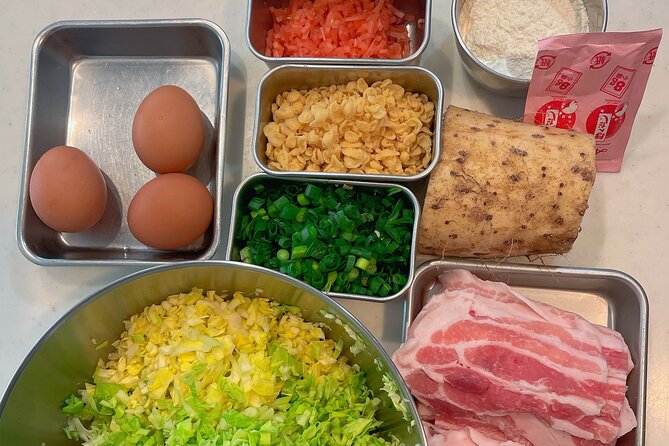
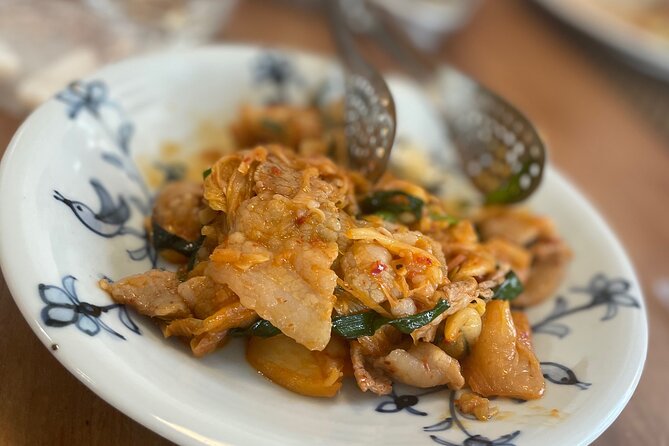
Okonomiyaki takes time, and the class fills that gap with something you will enjoy. While one part of your meal cooks, you make stir-fried pork and kimuchi.
This add-on is more than a side dish. It changes the pacing so you are not standing around waiting with nothing to do. It also gives you a second flavor profile to take home in your mind, which can help you expand what you cook beyond one recipe.
Kimuchi also brings a savory, tangy note that pairs well with the comforting richness of okonomiyaki. Even if you do not plan to recreate the pork dish perfectly later, learning how it is prepared gives you a more complete sense of the meal as a whole.
You then gather for the meal with the usual shared start, like saying Itadakimasu, and you get to eat what you made with your own hands.
Ingredient Substitutions That Keep the Recipe Alive at Home
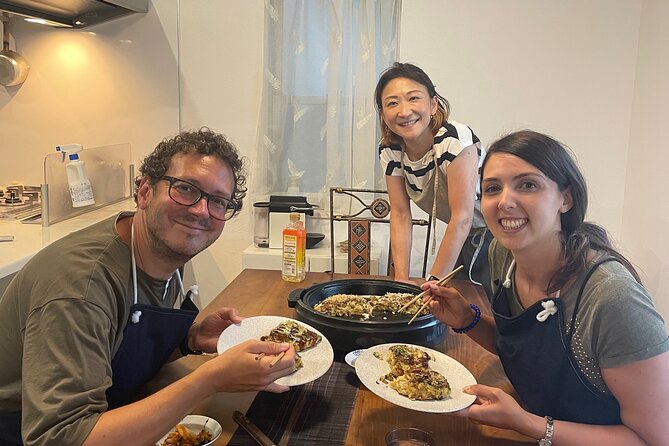
If you want your Tokyo souvenir to turn into a repeat dinner, pay attention to the substitution part. This class explicitly covers substitutes for ingredients that can be hard to find outside Japan, including key components used in Japanese cooking like dashi and various sauces.
You will learn how to replace items without losing the basic role they play in the dish. That is important because taste is not just brand. It is function. A substitute needs to match what the original ingredient contributes, like umami, saltiness, sweetness, or acidity.
Practical example, without inventing your exact swaps: if a specific dashi product is not available where you live, you will likely be pointed toward a workable alternative, then taught how to adjust so the batter still cooks and flavors still land correctly. That is the kind of guidance that saves you from frustrated re-cooking attempts.
English-Friendly, Conversation-Driven, and Truly Hands-On
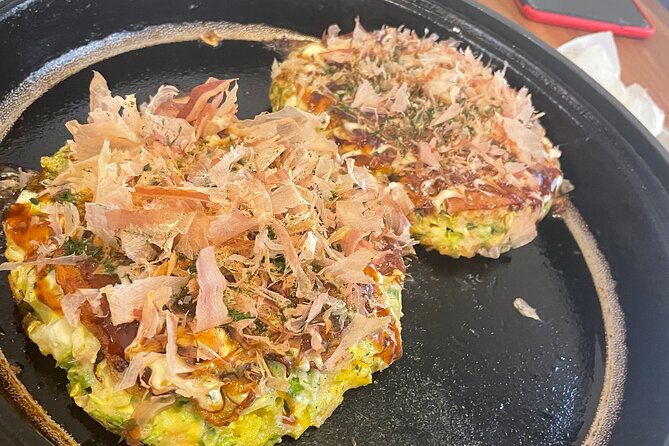
The class is built for people who want both technique and interaction. The instructor’s English level is strong enough that you can ask questions as you cook, not just at the start or end. That makes it easier to correct mistakes in the moment.
What I also like is the invitation to treat this like a daily-life experience. The lesson includes conversation, and it is not limited to cooking talk. You learn about everyday routines and food culture in a way that feels human, not scripted.
Group size matters here too. With only five people, you are not turning your cooking into a spectator event. You are sharing the workspace, asking questions, and getting responses without feeling rushed.
Price and Value for a 2-Hour Small Group Class
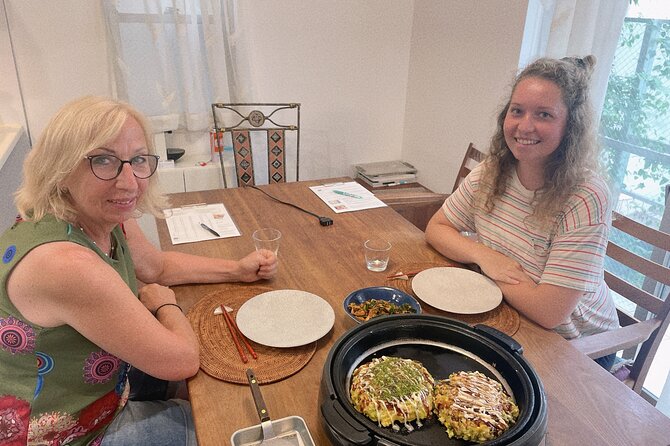
At $150 per person for about 2 hours, this is not a budget activity. But value is not just the sticker price. It is what you get: a small group, a home setting, hands-on flipping and layering, and structured tips for fluffy results plus ingredient swaps you can use later.
A studio class might save money, but you often lose the benefits you care about, like slower teaching, more attention, and personalized adjustments. Here, the cap of five travelers is a strong argument for the cost.
Also, you get a meal out of it. You make okonomiyaki and also handle stir-fried pork and kimuchi. That turns the class into a full food experience, not just a tasting.
If you are in Tokyo for a short time and you want one activity that gives you something to repeat at home, this price can feel reasonable. If you are chasing multiple cheap experiences, you might prefer other options. But for cooking confidence and a specific Tokyo specialty, it is a solid match.
Who Should Book This (And Who Might Skip It)
This is a great choice if you want an authentic, hands-on Tokyo food experience with room to ask questions. It also fits well if you care about making a dish correctly, not just assembling ingredients. The emphasis on fluffiness and flipping technique is exactly what you want if you have ever tried okonomiyaki at home and wondered why it turned out dense.
It also works for dietary needs. Vegetarian and vegan options are offered, with adjustments for restrictions.
You might skip it if you have limited tolerance for heat and cooking steps. This is active. You will be involved from start to finish, and you should expect a real kitchen pace.
Getting There: A Simple Start in Asagaya
Plan to meet near the NewDaysJapan location connected to JR Asagaya Station exit areas. The address is listed for Asagayakita in Suginami City, and you will be able to find the meeting spot by the station vicinity. Because the start and end are the same, it is easier to build into your day without figuring out a separate pickup point after.
The class uses a mobile ticket, so you can keep everything in your phone. Also, service animals are allowed, which is helpful if that applies to you.
If you can, arrive a bit early. Even with a nearby station, residential locations can take a minute or two to orient to.
Should You Book This Okonomiyaki Class?
Yes, if you want more than a meal. Book it if you care about learning technique you can reproduce, especially the part about making okonomiyaki fluffy. The combination of home-style teaching, small group attention, and substitution guidance is what makes it worth your time.
I would also book it if you enjoy conversation and want a kitchen visit that feels warm and personal. The class is designed so you can ask questions, and the meal feels shared rather than transactional.
Skip it only if you are looking for a quick, low-effort food stop. This one is for people who want to cook, flip, and learn.
FAQ
How many people are in the group?
The class is limited to a maximum of five travelers, so you get a more personal experience.
How long does the cooking class last?
It is scheduled for about 2 hours.
Is there a vegetarian or vegan option?
Yes. Vegetarian and vegan options are available, and adjustments can be made for dietary restrictions.
Where does the class meet?
The meeting point is near NewDaysJapan at JR Asagaya Station area in Suginami City, Asagayakita.
How does ticketing work?
The experience includes a mobile ticket, and it ends back at the meeting point.
What is the cancellation policy?
You can cancel for a full refund up to 24 hours before the experience starts. If you cancel within 24 hours, the amount paid is not refunded.
Kitchens You Can Book Into



Dotonbori, Still Hungry

Newest Tokyo write-ups from the Loving Japan desk






Dotonbori and Osaka Street Food, side by side.
 ★ 4.8Shinsekai Food Tour with 13-15 Dishes at 5 EateriesFrom $532,204 reviews
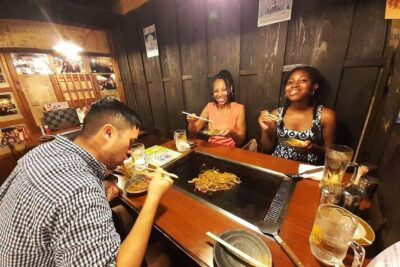 ★ 5.0Osaka Local Foodie Walking Tour in Dotonbori and ShinsekaiFrom $111985 reviews
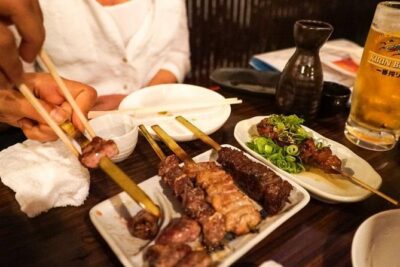 ★ 5.0Osaka Bar Hopping Night Walking Tour in Namba (3 bars, 6 tastes)From $98958 reviews
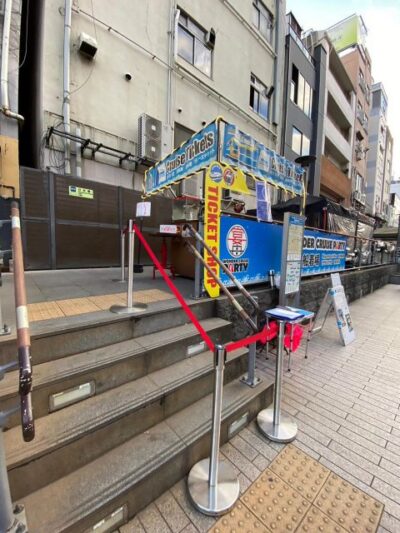 ★ 4.2Dotonbori District River Cruise with Drink DiscountFrom $12876 reviews
 ★ 5.0Ultimate Osaka Walking Tour: Castle, Dotonbori & Hidden GemsFrom $73862 reviews
 ★ 5.0Kuromon Market Food Walking Tour in Osaka (6 stops, 6 tastes)From $50550 reviews
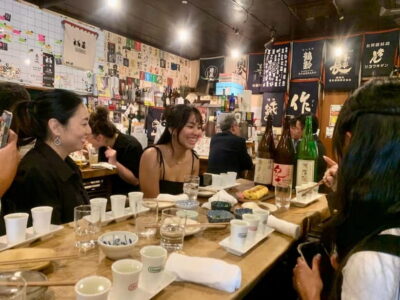 ★ 4.9Namba Pub Bar Crawl with a Local GuideFrom $30424 reviews
 ★ 5.0Ramen and Gyoza Cooking Class in DotonboriFrom $70378 reviews
Filed on these lists too