
REVIEW · KYOTO TEA CEREMONIES AND MATCHA
Osaka Japanese Cooking And Matcha Class near Osaka Castle
Matcha and Osaka cooking in two hours. This class is a friendly, hands-on way to learn Japanese home cooking and how to make matcha at home, right by the Osaka Castle area. You can go for lunch or dinner, and the small group format keeps the questions coming.
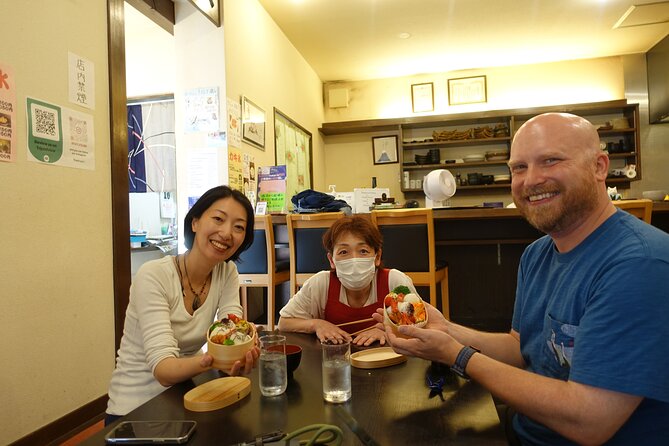
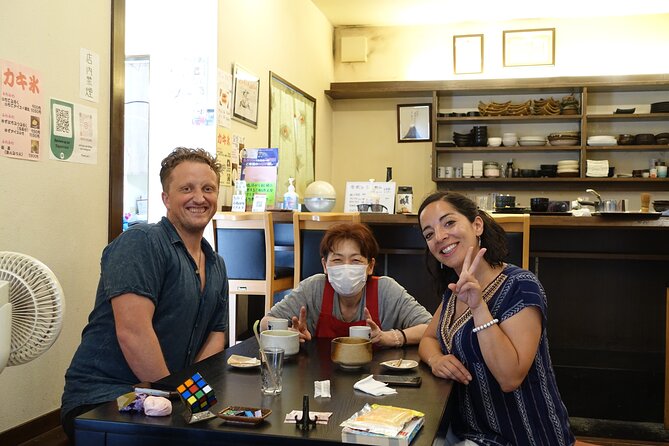
What I like most is the way the host, Ikuko, and her son Takumi create a calm, welcoming table, even when English is limited. I also like that you leave with real skills, not just a full stomach. One thing to consider: you only cook one dish from your chosen category, so your hunger for variety depends on what you pick that day.
In This Review
- Key Points That Matter Before You Go
- Osaka Castle Area, But You’re Cooking the Real Stuff
- Your Meal Setup: Pick Lunch or Dinner, Then Choose One Dish
- Learning Matcha Like a Skill, Not a Shortcut
- The Host Family Energy: Why This Class Feels Personal
- Okonomiyaki, Bento, or Home Cooking: What Each Option Gives You
- Home-cooked dishes
- Okonomiyaki
- Bento
- Sake Tasting Upgrade: Worth It If You Want the Pairing
- Timing and Getting There: A 5:30 pm Style Plan
- Price and Value: What You’re Really Paying For
- The Most Praised Parts, and What to Expect When You Arrive
- Who This Cooking and Matcha Class Is Best For
- Should You Book This Osaka Cooking and Matcha Class?
- FAQ
- How long is the Osaka Japanese cooking and matcha class?
- Can I choose lunch or dinner?
- What dishes can I choose from?
- Is matcha included in the class?
- Do I need to pay extra for sake?
- What is the meeting point and start time?
- Is there a cancellation option?
Key Points That Matter Before You Go
- Small group size (max 10): more attention and more time for questions
- Lunch or dinner choice: a simple fit with Osaka sightseeing plans
- Matcha lesson included: learn how to make it at home, not just drink it
- Optional sake tasting: add-on that pairs with your meal
- Osaka Castle area access: easy to reach from JR and nearby stations
Sit down somewhere quieter. Other tea rooms we booked
- Osaka: Tea Ceremony Experience
★ 4.9 · 1,426 reviews - Tea Ceremony Experience in Osaka Doutonbori
★ 5.0 · 754 reviews - Matcha Making Class in Osaka with Authentic Japanese Sweets Set
★ 5.0 · 509 reviews - Osaka: Matcha Making Experience with Japanese Sweets
★ 5.0 · 146 reviews
Osaka Castle Area, But You’re Cooking the Real Stuff
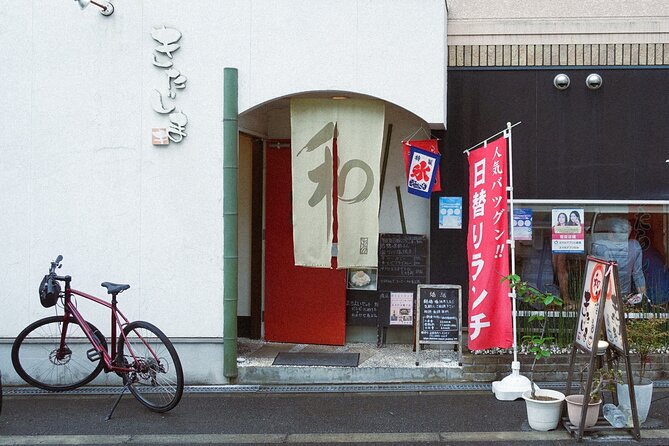
This class lives in that sweet spot between classic Osaka sights and daily life. You’re near Osaka Castle, but you’re not stuck in a souvenir shop or a one-time demo. Instead, you’re at a working cafe space where you cook, eat, and learn.
The location is also practical. It’s one JR stop from Osaka Castle Station and about a 7-minute walk from Morinomiya Station. If you’re basing yourself around Shinsaibashi or Namba, you can make this a natural stop before or after sightseeing, without feeling like you’re losing half a day to transit.
Another small detail that helps your mood: since the provider operates a cafe, you can usually grab a coffee before the class starts. That matters if you’re doing castle photos first, or if you arrive a little hungry and want to settle in.
Your Meal Setup: Pick Lunch or Dinner, Then Choose One Dish
The format is clean and easy to plan around. You’ll take a cooking and matcha class scheduled for about 2 hours. You can choose either a lunch class or a dinner class depending on your schedule.
Then comes the key decision: you pick one dish from the class’s options. The categories are:
- Home-cooked dishes
- Okonomiyaki
- Bento
That “one dish” approach keeps things organized for a small class, but it also means you should pick thoughtfully. If you’re hoping for a buffet of everything Osaka, you might feel a little constrained. If you’d rather focus on learning a technique you can repeat later, this structure is a plus.
Recent class experiences show how hands-on it can feel. Some groups reported making dishes like takoyaki and salmon-based items, and others talked about rolled omelette styles. The takeaway for you is this: the instruction tends to be practical, step-by-step, and focused on getting you comfortable cooking Japanese food yourself.
Learning Matcha Like a Skill, Not a Shortcut
Lots of Osaka food experiences give you a drink or a quick explanation. This one includes matcha training as part of the class, which changes what you get out of the experience.
I like that it’s framed as learning how to make matcha at home. That means you’re not only tasting the tea culture, you’re building a repeatable habit. When you go home, matcha becomes something you can recreate, and that’s where value really shows up.
Because details can vary by day, I’ll keep expectations flexible, but you can count on guided practice. You’ll get the chance to work through the process with the instructor, ask questions, and compare what you’re doing with what the recipe is aiming for.
If you’ve ever been tempted to buy matcha gear but weren’t sure how to use it, this type of class can help you make sense of what you actually need.
The rest of central Osaka, ticket by ticket
- Osaka Castle: Museum and Tower Entry Ticket★ 4.5 · 2,380 reviews
- Osaka: Umeda Sky Building Official E-Ticket★ 4.6 · 1,131 reviews
- Osaka Castle Walking Tour and Castle Tower Admission★ 5.0 · 561 reviews
- 5-Hour Osaka Bike Tour to the Neighborhood of Osaka Castle★ 5.0 · 319 reviews
- Osaka Castle Guided Tour★ 4.7 · 249 reviews
The Host Family Energy: Why This Class Feels Personal
A big reason this class earns top marks is how the instruction lands emotionally. The host, Ikuko, is described as sweet and friendly, and many people highlight how comfortable she makes everyone feel at the table.
Takumi, her son, shows up as well, including for translation support. That matters more than you might think. When you’re cooking, misunderstandings are easy, especially with knife work, cooking timing, or ingredient terms. Having someone there to help you get the instruction clearly is what turns a class from stressful to fun.
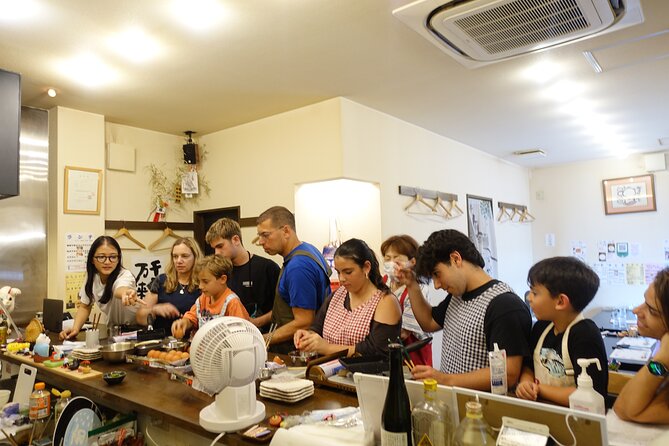
You’ll also notice that the class is capped at a maximum of 10 travelers. In a group that size, you’re not stuck watching from the sidelines. You can ask questions, and the instructor can spot small issues before they become mistakes.
Even if your Japanese is limited, this is the kind of experience where you can rely on demonstrations, close guidance, and the overall tone of the room.
Okonomiyaki, Bento, or Home Cooking: What Each Option Gives You
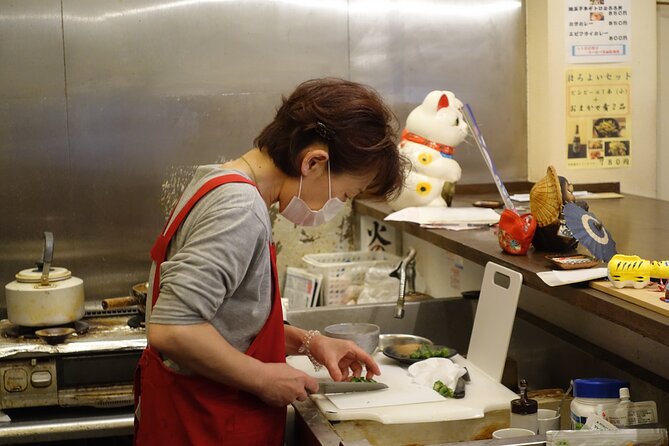
Since you choose one category, it’s worth thinking about what you want to learn.
Home-cooked dishes
If you want the broader idea of Japanese home meals, home-cooked dishes can be a good choice. You’re more likely to focus on everyday techniques that feel like what you’d actually make at home. This is also a solid option if you’re not chasing one specific Osaka signature dish.
Okonomiyaki
Okonomiyaki is a classic Osaka pick for a reason. Choosing it means you’re learning a dish that’s tied to the city’s food identity. It also tends to be hands-on and social to cook, and it gives you something easy to picture on your own stove later.
Bento
Bento is all about the structure of a meal. If you like portioning, planning, and making food look organized, bento can feel very satisfying. It also teaches you how to assemble meals in a way that feels practical for real life, not just a restaurant plate.
No matter which category you pick, the class is designed to give you authentic techniques in a small group. The specific dishes can vary by class, but the learning style seems consistent: clear steps, personal attention, and an emphasis on doing it yourself.
Sake Tasting Upgrade: Worth It If You Want the Pairing
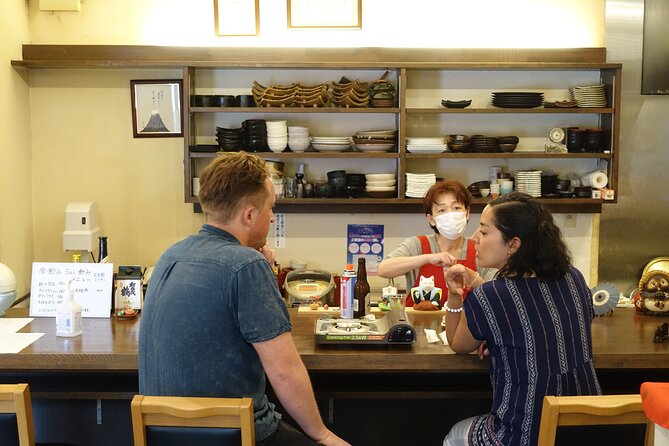
You can upgrade your class to include a sake tasting with your meal. This is an easy add-on to consider if you already like Japanese drinks, or if you’re the kind of person who enjoys learning how food and alcohol pair.
What I like about this is the timing. You’re not doing a separate lecture or a standalone tasting. The sake is paired with your meal experience, which keeps everything connected to what you actually cooked.
Is it required? No. But if you’re paying for a food-focused class and want one more layer of Japanese culture, it’s a logical choice.
Timing and Getting There: A 5:30 pm Style Plan
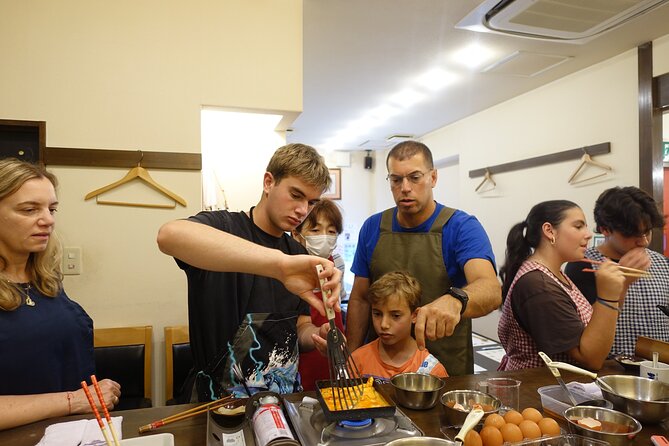
One listed start time is 5:30 pm, and the experience runs about 2 hours. If you book the dinner class, you can think of it as a smart early evening plan.
Here’s how it can fit into a day in Osaka:
- Morning or early afternoon for Osaka Castle area walking and photos
- Late afternoon for a snack break and coffee
- Dinner cooking class in the early evening
- Then you’re free to continue exploring without feeling like it turns into midnight
Arrival-wise, the meeting point is at 3-chōme-8-2 Nakamichi, Higashinari Ward, Osaka 537-0025, Japan. The end point returns you to the meeting point, so you don’t have to plan a separate route afterward.
If you’re coming from Osaka Castle Station, you’ll take JR for one stop, then do the short walk. From Morinomiya Station, it’s about a 7-minute walk. That’s close enough that you can keep your energy for cooking, not just navigating.
Price and Value: What You’re Really Paying For
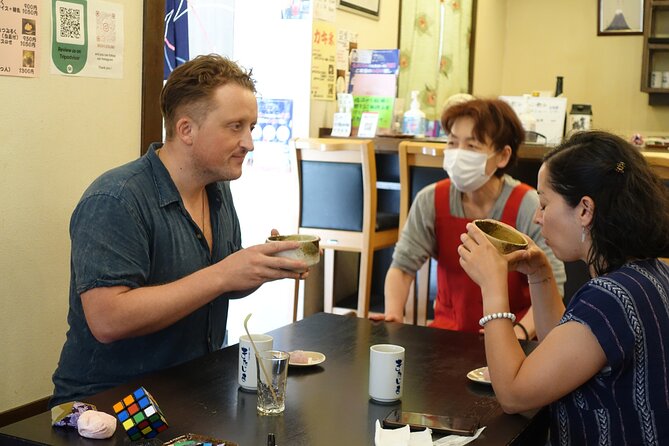
At $65.69 per person for a roughly 2-hour class, this isn’t a cheap “taste and go” activity. The value comes from what you actually do: you cook, you learn matcha, and you sit down for a meal that matches your work.
This kind of pricing usually covers:
- Instructor time and hands-on guidance
- Use of ingredients and cooking support
- The small group experience, capped at 10 people
- The matcha component that gives you a practical skill to take home
You’re also paying for a class atmosphere that people describe as warm and personal, not robotic. The translation support via Takumi also adds real value. When language barriers are softened, your learning improves and your experience feels easier.
If you’ve ever taken a cooking class where you stand around waiting, you’ll probably appreciate this format more. The structure is built for participation, not watching.
The Most Praised Parts, and What to Expect When You Arrive
The reviews concentrate on a few recurring strengths, and you can use those to guide your expectations.
1) The friendliness of Ikuko and Takumi
People highlight how welcoming they are, and how they help everyone feel comfortable. That shows up in the tone of the class and the way questions get answered.
2) Step-by-step cooking guidance
One comment called out making takoyaki with guidance through each step. Another mentioned that the host made everyone feel comfortable while cooking dishes like salmon and daishiki rolled omelette. Translation plus step-by-step instruction is the recipe for a class that feels doable.
3) A true authentic cooking experience
The repeated theme is that it’s not a performance. It’s family-style cooking instruction, centered on Japanese methods and a meal that feels like it belongs to real life in Osaka.
Who This Cooking and Matcha Class Is Best For
I’d point you to this class if you:
- Want a small-group hands-on Japanese cooking experience
- Care about learning matcha so you can repeat it at home
- Prefer something more personal than a big group tour
- Are traveling as a couple or even a small group and want a shared activity
It’s also a great option for people who want food to be more than eating. If you enjoy watching how dishes are built and you want techniques you can use later, this fits.
If your main goal is collecting as many different dishes as possible in one sitting, you might find the “choose one dish category” structure limiting. But if you choose a category that matches your tastes, you’ll likely feel satisfied.
Should You Book This Osaka Cooking and Matcha Class?
Book it if you want an evening or lunch experience that mixes Japanese home cooking with an actual skill lesson. The small group size, the warmth of the host family, and the inclusion of matcha make it feel worth the price. Add the sake tasting if you like pairing food and drinks and you want the full cultural experience.
Skip or reconsider if you’re looking for a class that covers multiple Osaka icons in one go. Since you choose one dish category, you’ll learn deeply rather than sample everything.
If you’re in Osaka Castle area already, or you’re building a food day around Osaka classics, this is one of those activities that leaves you with memories and, more importantly, something you can make back home.
FAQ
How long is the Osaka Japanese cooking and matcha class?
The class runs for about 2 hours.
Can I choose lunch or dinner?
Yes. You can choose either a lunch or a dinner class option to fit your schedule.
What dishes can I choose from?
You can choose one dish category: home-cooked dishes, okonomiyaki, or bento.
Is matcha included in the class?
Yes. The experience includes learning how to make authentic matcha at home.
Do I need to pay extra for sake?
There is an optional upgrade that includes sake tasting with your meal.
What is the meeting point and start time?
The meeting point is 3-chōme-8-2 Nakamichi, Higashinari Ward, Osaka 537-0025, Japan. One start time listed is 5:30 pm, and the activity ends back at the meeting point.
Is there a cancellation option?
Yes, free cancellation is available. You can cancel up to 24 hours in advance for a full refund.
Central Osaka, Ticket by Ticket

Kyoto by the Bowl

Newest Osaka write-ups from the Loving Japan desk


Kyoto Tea Ceremonies and Matcha, side by side.
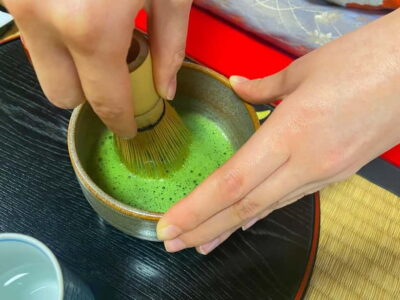 ★ 4.9Tea Ceremony in a Traditional Tea House in KiyomizuFrom $493,519 reviews
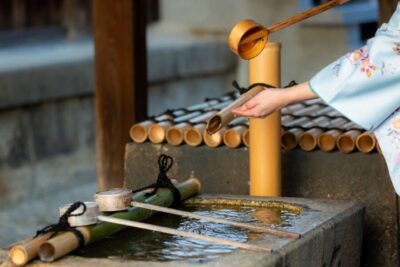 ★ 4.9Tea Ceremony Ju-An at Jotokuji TempleFrom $293,207 reviews
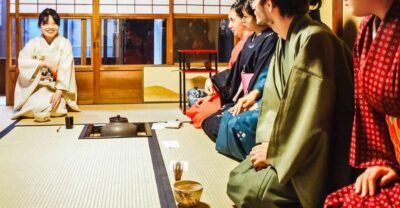 ★ 4.345-Minute Tea Ceremony Lesson ExperienceFrom $222,378 reviews
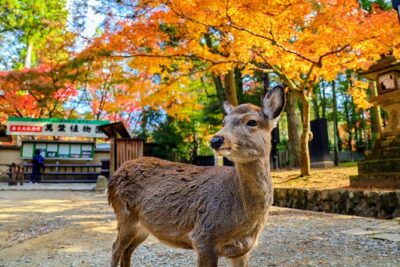 ★ 5.0World Heritage Kyoto & Nara Uji Authentic Matcha ExperienceFrom $1291,573 reviews
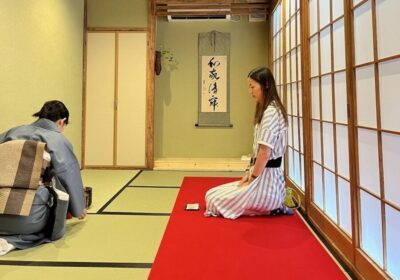 ★ 4.9Tea Ceremony ExperienceFrom $251,426 reviews
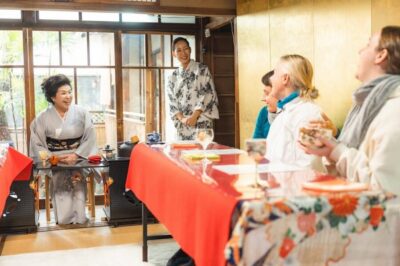 ★ 4.9Table-Style Tea Ceremony at a Kyo-MachiyaFrom $451,211 reviews
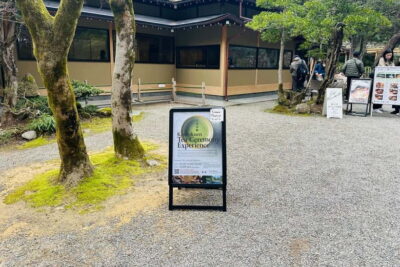 ★ 4.8Kenrokuen Tea Ceremony ExperienceFrom $351,139 reviews
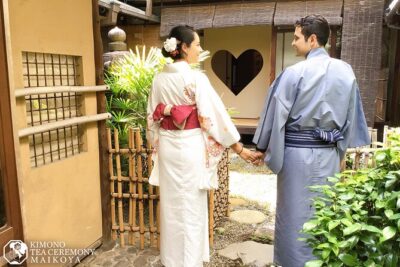 ★ 5.0Kimono Tea Ceremony at Kyoto Maikoya, NISHIKIFrom $65911 reviews