
REVIEW · KYOTO TEA CEREMONIES AND MATCHA
Osaka; Japanese Tea ceremony experience, Macha and Sencha
A cup of calm in Osaka. In just one hour, you get a traditional tea ceremony lesson from tea master Yuko, and I like how she explains the history and spirit in clear English while you watch and learn.
The main thing to plan around is the sweets. If you have food allergies, this experience may not be a good fit since Japanese confections are part of the tasting.
In This Review
- Quick Hits Before You Go
- Meeting Point Reality Check: Find Exit 3, Then Slow Down
- Tatami Room Welcome: Traditional Setting With Clear Guidance
- Matcha Step One: Watching Preparation, Then Making Tea Yourself
- Etiquette and Meaning: Learning the History and Spirit From a Tea Master
- Sweets Pairing: Japanese Confectionery and a Real Allergy Consideration
- Sencha Second Course: Learn the Tea You’ll See Everywhere in Japan
- Photo Moment and Optional Yukata: Dress Up Without Overdoing It
- Price and Value in Osaka: What $25 Buys You
- Who Should Book This Tea Ceremony (and Who Might Not)
- Should You Book? My Practical Call
- FAQ
- How long is the Osaka tea ceremony experience?
- What is included in the price?
- Do I get to make the tea myself?
- Is the tea master able to speak English?
- Can I wear a yukata during the ceremony?
- Are Japanese sweets included in the tasting?
- Is this activity suitable for people with food allergies?
- Where do I meet the group?
- Is there a cancellation option?
Quick Hits Before You Go
- Tatami room tea setting: A traditional space designed for quiet attention, not a fast demo.
- Matcha then sencha: You experience two classic Japanese teas in one session.
- Hands-on etiquette: You do the making, not just the watching.
- English guidance: The tea master speaks English (and Japanese), which helps the lessons land.
- Optional yukata and photo: Dress up is available if you add the rental and photo option.
Sit down somewhere quieter. Other tea rooms we booked
- Osaka: Tea Ceremony Experience
★ 4.9 · 1,426 reviews - Tea Ceremony Experience in Osaka Doutonbori
★ 5.0 · 754 reviews - Matcha Making Class in Osaka with Authentic Japanese Sweets Set
★ 5.0 · 509 reviews - Osaka: Matcha Making Experience with Japanese Sweets
★ 5.0 · 146 reviews
Meeting Point Reality Check: Find Exit 3, Then Slow Down
This is a simple meet-up, but it helps to be on time because the session starts as soon as everyone is gathered. Your meeting point is at the underground Midosuji Line, Exit 3, ground floor. From there, you’ll be guided into the tea space.
You should plan to arrive a few minutes early, especially if it is your first time navigating Osaka metro stations. Once you’re inside, the whole tone changes. The room is set up for calm focus, and the pacing feels respectful of the process, not rushed.
One practical note: this is not a silent meditation class where you never talk. You can expect conversation and instruction, and the tea master will guide you through what to do next. That is part of why this feels more like learning than watching a performance.
Tatami Room Welcome: Traditional Setting With Clear Guidance
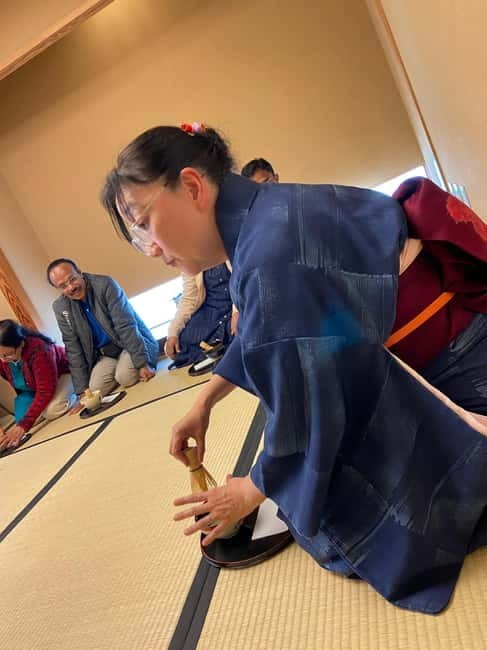
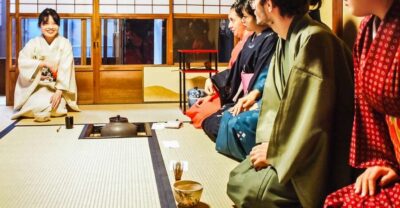
You’ll be welcomed by an English-speaking tea master in a traditional Japanese tatami room. Tatami matters here. It is part of the sensory experience. The low, indoor atmosphere naturally slows you down, so you can pay attention to small movements and timing, like how the tea is prepared and served.
The tea master’s job is to help you understand what you are seeing and why it matters. Expect them to set the tone, explain what comes next, and then bring you into the activity step by step. Even if your knowledge of tea ceremony is zero, you’ll have a straightforward path to follow.
From the reviews, one name shows up again and again: Yuko. People highlight how kind and capable she is, and that she speaks English well. If you are hoping for a guided experience that feels personal and not awkward, that is a big plus.
Matcha Step One: Watching Preparation, Then Making Tea Yourself
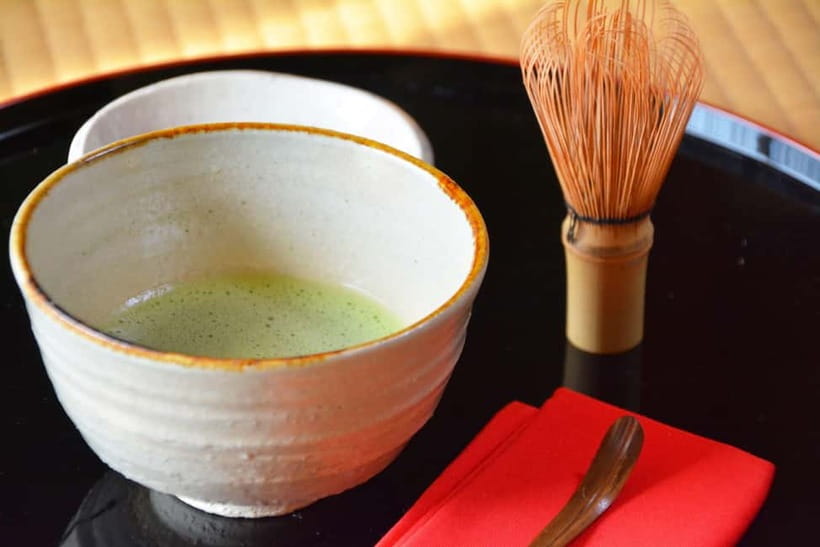
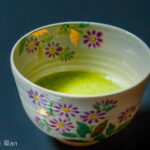
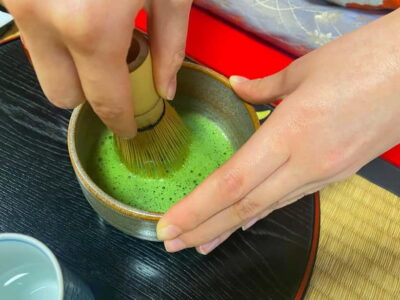
The ceremony begins with matcha green tea. First, you watch the tea master prepare matcha in the tea ceremony style. This is where you get the visual rhythm of the ceremony: the order, the care, and the small details that make it feel deliberate.
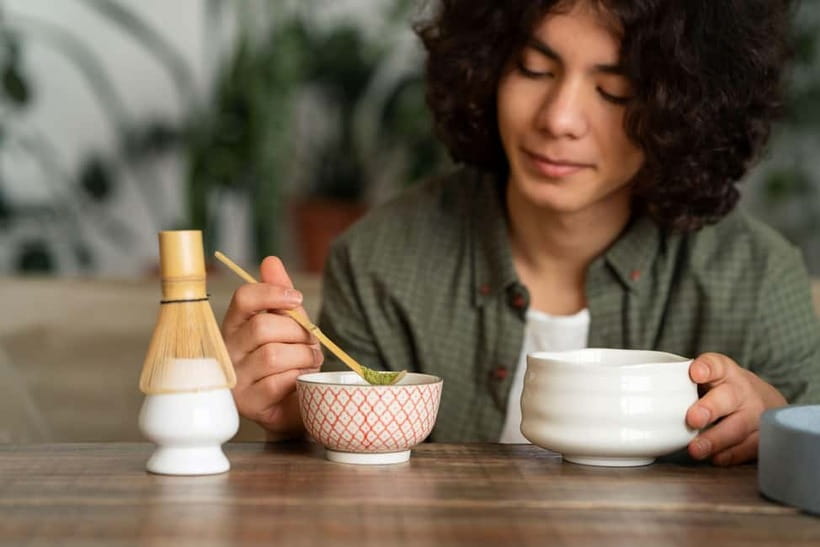
Then comes the best part if you want to learn instead of just observe. The tea master explains the history and spiritual role of the tea ceremony while you experience making tea yourself. You are not left to figure it out alone. You get guidance in how to handle the process according to etiquette.
I like that the experience is structured this way. Watching helps you understand the sequence. Hands-on practice helps you turn that sequence into memory. By the time you sit down to taste, you already know what the tea master was doing and why the steps matter.
If you’re the kind of traveler who wants your photos, sure, there is one later. But what makes this worth your time is that you leave with a small skill, not just a picture of tatami and matcha.
- Osaka Go Karting Tour with Funny Costume★ 5.0 · 2,658 reviews
- Osaka Castle: Museum and Tower Entry Ticket★ 4.5 · 2,380 reviews
- Osaka: Shinsekai Food Tour with 13-15 Dishes at 5 Eateries★ 4.8 · 2,204 reviews
- Osaka Food Tour: 13 Dishes at 5 Local Eateries★ 5.0 · 2,149 reviews
- Hungry Osaka Street Food Tour:15 Tastings & 3 Drinks with a Local★ 5.0 · 1,727 reviews
Etiquette and Meaning: Learning the History and Spirit From a Tea Master
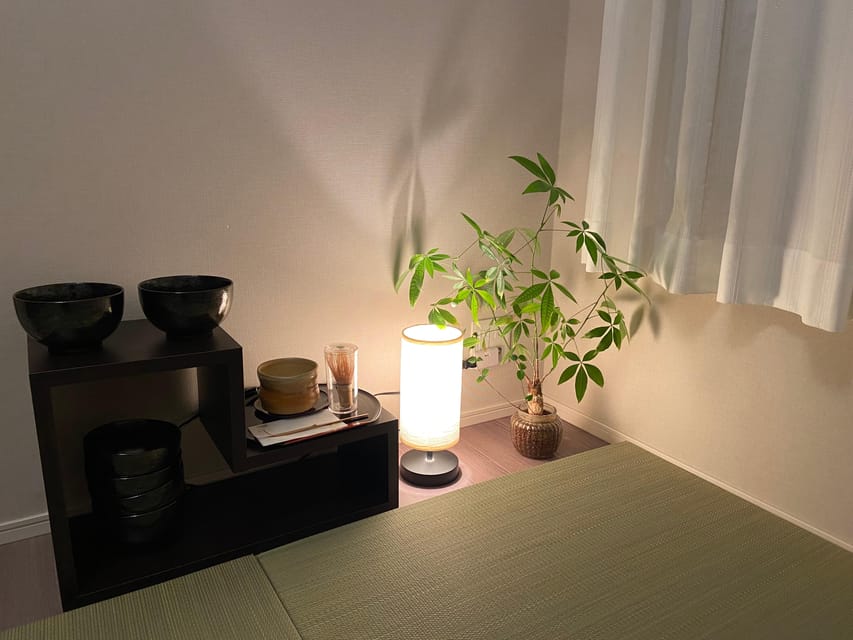
Tea ceremony can sound formal and intimidating. Here, the instruction is framed so you actually connect to it. The tea master will explain the history and spiritual role of the tea ceremony as the experience unfolds.
Think of this as the cultural backbone of the session. The etiquette is not just about doing things the correct way. It is tied to a mindset: attention, respect, and appreciation. Even if you cannot name every concept, you’ll feel the practical result. The process is slower, quieter, and more intentional than most sightseeing.
This is also where an English-speaking instructor helps most. Without that translation layer, you can miss the point and just watch hands. With clear English, you understand what you’re learning while you learn it. That is one reason the experience consistently earns very high ratings.
Sweets Pairing: Japanese Confectionery and a Real Allergy Consideration
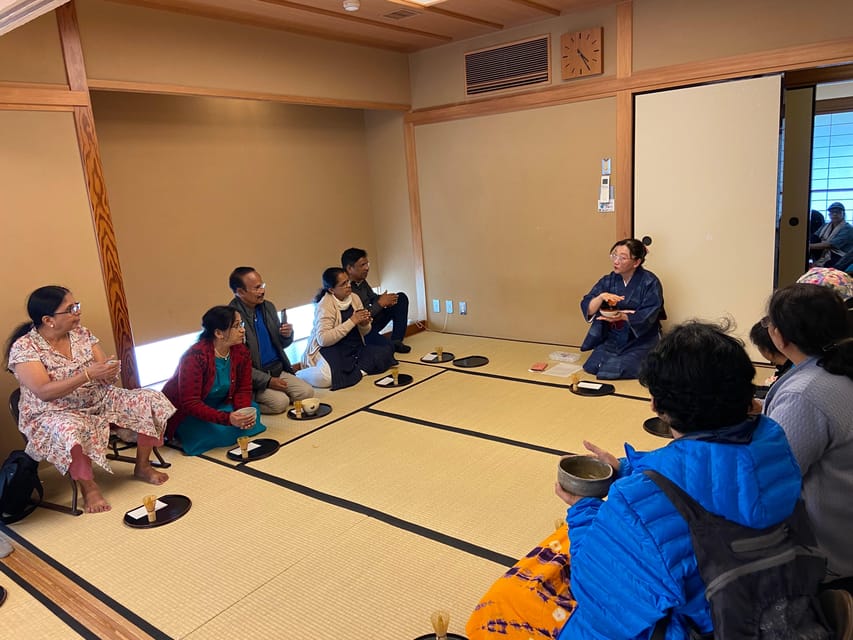
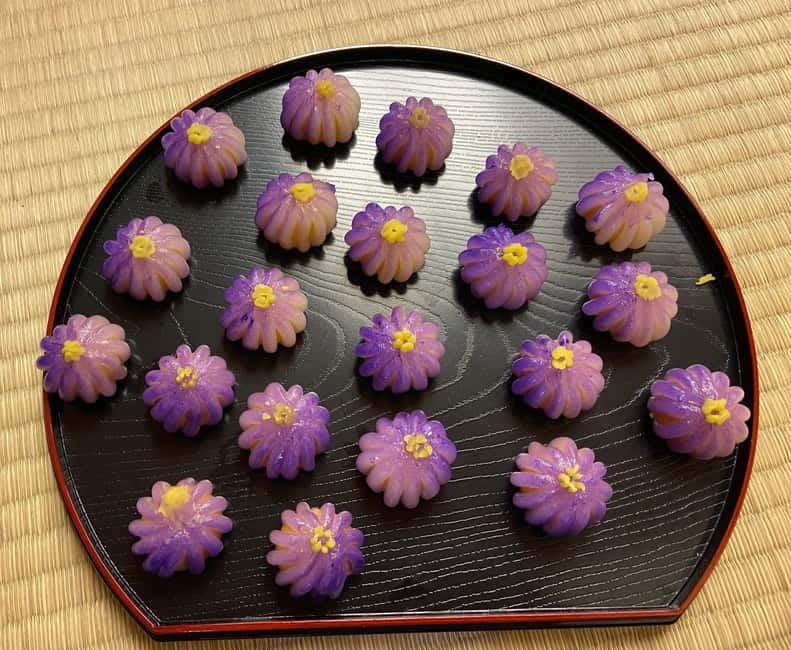
Traditional sweets are part of the tasting, and they are included. After you make matcha and take in the ceremony lesson, you taste traditional Japanese sweets.
Then later, you’ll taste additional sweets with sencha as well. So sweets are not an afterthought. They are part of the tea experience, and they affect who should or should not book.
Here is the key drawback to be honest about: persons with food allergies should not eat the Japanese sweets and confectionery. If you have allergies, you might be turned away from the tasting portion, or the activity might not be recommended for you. You should treat this as a deal breaker, not a minor detail, because it is explicitly part of the structure.
If you do not have allergies, the sweets help round out the session. Matcha can taste intense to newcomers, and the sweetness and texture of Japanese confectionery is a common way to balance the flavor while keeping the experience cohesive.
Sencha Second Course: Learn the Tea You’ll See Everywhere in Japan
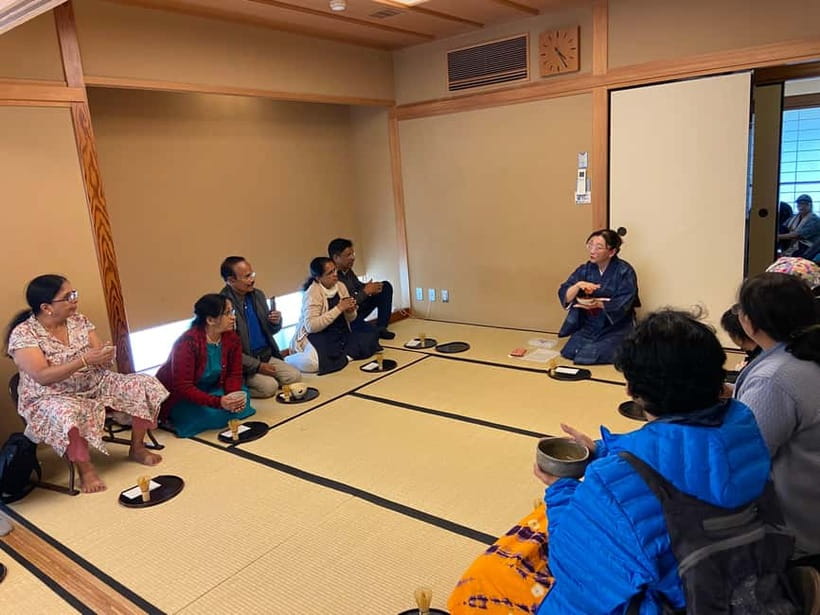
After matcha, you move to sencha green tea, which is commonly drunk in Japan today. The tea master will explain the history of sencha and other aspects of sencha as you taste it, along with current Japanese confectionery.
This part is a smart contrast. Matcha is often treated as a formal ritual. Sencha is more everyday. By including both, you get a bridge from special-occasion tea to the tea you might order or spot in regular Japanese life.
You are also tasting along with instruction. So you are not just sipping and hoping it makes sense. The tea master gives context and ties the flavor to the larger story of what tea means and how different types fit different moments.
If you want value from a short activity, this two-tea format is one of the best ways to do it. In one hour, you experience two flavors, two styles, and two teaching angles.
Photo Moment and Optional Yukata: Dress Up Without Overdoing It
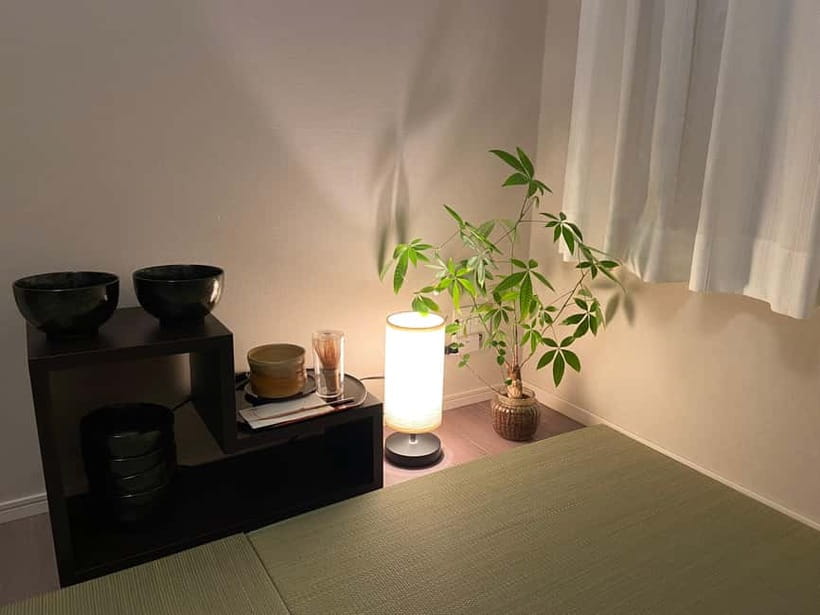
After the ceremony, you can have your photograph taken. This is a fun extra, especially if you want one nice, themed memory instead of a random selfie in a street photo.
There is also the option to wear a yukata during the tea ceremony experience, but it is not included in the base price. If you want the yukata and photo, you need to select the additional option when booking.
I like optional dressing because it lets you decide your comfort level and budget. If you just want the tea knowledge, you can skip it. If you love traditional clothing and want the full atmosphere, this is an easy way to get it without trying to arrange rental services on your own.
Price and Value in Osaka: What $25 Buys You
At about $25 per person for a one-hour experience, the value depends on what you want.
Here’s what you get included:
- Matcha green tea and traditional Japanese sweets
- Sencha green tea and current Japanese confectionery
- Tea ceremony instructors
So you are paying for more than a tasting. You are paying for guided instruction in matcha etiquette, plus a second guided tea with context, plus sweets. Many tea experiences charge similarly for a more passive format. This one is designed so you experience making tea yourself, which increases the value if you want to learn.
Also, the session is short. One hour is long enough to do matcha properly, sit down with sweets, and then cover sencha too. It fits easily into a day of Osaka walking. If your schedule is tight, you get a high-cultural payoff without turning it into a half-day project.
If you care about comfort and ease, you may appreciate that the instructor provides both English and Japanese. That reduces the friction for non-Japanese speakers.
Who Should Book This Tea Ceremony (and Who Might Not)
This experience is a great match if you:
- Want an authentic-feeling cultural activity in a calm setting
- Prefer guided learning with an instructor who speaks English
- Enjoy structured experiences where you do something with your hands, not just watch
- Like the idea of tasting both matcha and sencha, with sweets
You may want to rethink it if you:
- Have food allergies (the sweets are part of the tasting, and it is not recommended)
- Need wheelchair accessibility, because wheelchair users are not suitable for this activity
- Are bringing any items or behaviors that are not allowed (like smoking, intoxication, or making noise)
It is also not designed for parties. Bachelor and bachelorette party groups are not allowed, and the atmosphere stays focused on the ceremony.
If you are traveling solo, this can still work well. It is the kind of activity where you are guided through steps and you get personal attention from the instructor. If you are traveling with friends, it is also a pleasant shared experience, as long as your group fits the activity rules and keeps the vibe respectful.
Should You Book? My Practical Call
Yes, I think you should book this Osaka tea ceremony if you want a short, high-impact cultural experience that teaches more than it performs. The two-tea structure, matcha plus sencha, is a smart way to learn and taste in a single hour. And if you are hoping for an instructor who can explain the history and spirit clearly in English, the mention of Yuko gives confidence that the guidance quality is real.
I would not book if you have food allergies, because the sweets are central to the tasting and you should not assume you can swap them out. I also would not book if wheelchair accessibility is a requirement.
If you fit the sweet spot, this is one of those Osaka activities that leaves you with more than a souvenir. You walk away with a better understanding of how Japanese tea culture can be practiced with care, plus the flavor memory of matcha and sencha in the same session.
FAQ
How long is the Osaka tea ceremony experience?
It lasts 1 hour.
What is included in the price?
You get matcha green tea and traditional Japanese sweets, plus sencha green tea and current Japanese confectionery, along with tea ceremony instructors.
Do I get to make the tea myself?
Yes. After watching the preparation, you will experience making tea according to the ceremony etiquette.
Is the tea master able to speak English?
Yes. The instruction is available in English and Japanese.
Can I wear a yukata during the ceremony?
You can wear a yukata if you select the relevant additional option when booking. Yukata rental is not included in the base price.
Are Japanese sweets included in the tasting?
Yes. Japanese sweets and confectionery are included with both matcha and sencha tastings.
Is this activity suitable for people with food allergies?
No. Persons with food allergies should not eat the Japanese sweets and confectionery, so it is not suitable for people with food allergies.
Where do I meet the group?
Meet at the underground Midosuji Line, Exit 3, ground floor.
Is there a cancellation option?
Yes. You can cancel up to 24 hours in advance for a full refund.
Kyoto by the Bowl
Newest Osaka write-ups from the Loving Japan desk

Kyoto Tea Ceremonies and Matcha, side by side.
 ★ 4.9Tea Ceremony in a Traditional Tea House in KiyomizuFrom $493,519 reviews
 ★ 4.9Tea Ceremony Ju-An at Jotokuji TempleFrom $293,207 reviews
 ★ 4.345-Minute Tea Ceremony Lesson ExperienceFrom $222,378 reviews
 ★ 5.0World Heritage Kyoto & Nara Uji Authentic Matcha ExperienceFrom $1291,573 reviews
 ★ 4.9Tea Ceremony ExperienceFrom $251,426 reviews
 ★ 4.9Table-Style Tea Ceremony at a Kyo-MachiyaFrom $451,211 reviews
 ★ 4.8Kenrokuen Tea Ceremony ExperienceFrom $351,139 reviews
 ★ 5.0Kimono Tea Ceremony at Kyoto Maikoya, NISHIKIFrom $65911 reviews
Filed on these lists too