
REVIEW · SUMO WRESTLING EXPERIENCES
Osaka Sumo Experience with Live Show and Audience Challenge
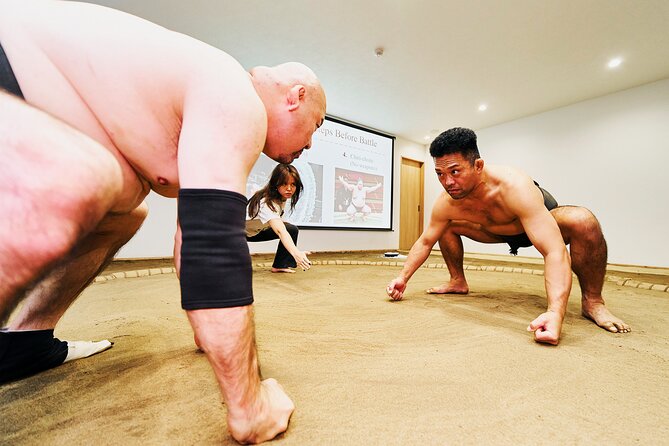
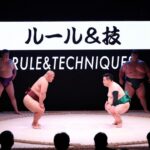
Sumo is louder up close. In Osaka, this live show mixes training demonstrations, a dramatic first-charge battle called tachiai, and a chance for you to join the action through an audience challenge. I like that it is not just sit-and-watch, you also get clear explanations so you can follow what you are seeing instead of guessing.
The main thing to consider is that the ring portion uses provided sumo clothing and sandals, and a few people note sizes may not fit everyone well. Still, if you show up ready to participate and listen closely, this format turns sumo from a TV sport into a hands-on cultural experience.
In This Review
- Key highlights
- Why this Osaka sumo experience feels real, not staged
- Price and logistics: what you actually get for $55.50
- Inside the 1 hour 30 minutes: how the show is paced
- The tachiai moment: the first charge that changes everything
- Audience challenge: stepping into the ring (and learning fast)
- The guide and the explanations that make sumo make sense
- Group size and atmosphere: why 50 people works
- Who should book this Osaka sumo show and challenge
- The main downside, and how to work around it
- Planning your day around the show
- Should you book this Osaka sumo experience?
Key highlights
- Tachiai viewing up close: the first contact moment that sets the tone for each bout
- English-speaking guide: explanations that help you understand rules and rituals fast
- Audience challenge with limited spots: a real chance to face a sumo wrestler
- Retired wrestlers in the dramatic match: higher drama, easier to follow
- A friendly group vibe: a max group size of 50 keeps it personal
Morning practice or an evening show. Both reviewed
- Osaka: Sumo Show & Experience w/ Optional Kimono & Hot Pot
★ 4.5 · 609 reviews - Osaka: Sumo Stage Show with Bento or Snack + Fight & Photo
★ 4.3 · 364 reviews - Osaka:SUMO BEATS SHOWCASE: Taiko Drum and Wagyu burger!
★ 4.2 · 37 reviews
Why this Osaka sumo experience feels real, not staged
Osaka sumo has a way of breaking the usual travel routine. You walk in expecting spectacle, but you leave with better instincts for what sumo values, how the ceremony works, and why movement starts so carefully. The show centers on more than throwing people around. It shows discipline, technique, and the respect built into the sport.
Two things drive that feeling. First, the format is explained by an English-speaking guide, so you understand what matters during each phase, including the pacing and the rules. Second, the energy is shared. The audience challenge changes your role from observer to participant, even if you only watch and cheer.
The biggest payoff is for people who think sumo is simple. It is not. Once you see how much goes into positioning, timing, and the way wrestlers reset, you start to notice details instead of only outcomes.
Price and logistics: what you actually get for $55.50
At $55.50 per person, you are paying for a live show plus an English-speaking guide, not just a generic ticket. For many visitors, that is the real value. Sumo is full of small signals, and a guide helps you catch them instead of spending the hour translating in your head.
The experience runs about 1 hour 30 minutes. That is a good length in Osaka, especially if you want something hands-on without losing your whole evening. You also get a mobile ticket, which is handy when you are hopping between neighborhoods.
Practical note: the meeting point is in Nishinari Ward, at Japan, 557-0032 Osaka, Nishinari Ward, Asahi, 1-chōme51 AIビル. It is listed as near public transportation, so you should not need to plan around a car or taxi for this one. Meals and private transportation are not included, so eat before or plan a nearby post-show dinner.
Inside the 1 hour 30 minutes: how the show is paced
This is one main stop, Osaka, and the whole session stays focused. Think of it as a structured mini lesson that still has big moments.
Here is the flow you should expect:
You start with an introduction. The guide explains sumo basics and the logic behind what you see. That matters because sumo can look like chaos if you do not know what you are looking for.
Then you move into the show portion. You get training and technique demonstrations, the kind that show how wrestlers build power and balance rather than just chasing speed. This part is where the sport turns from rumor to reality.
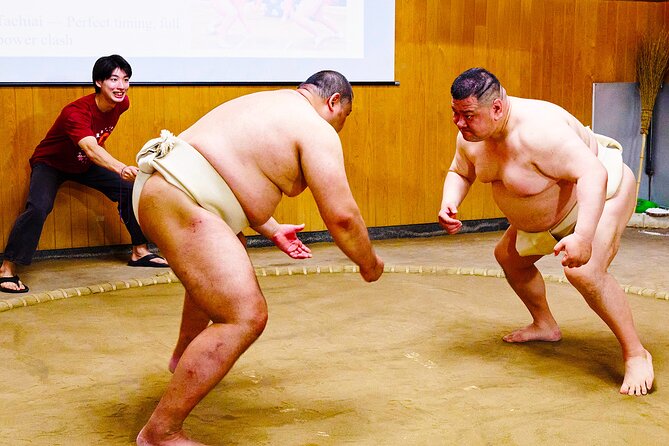
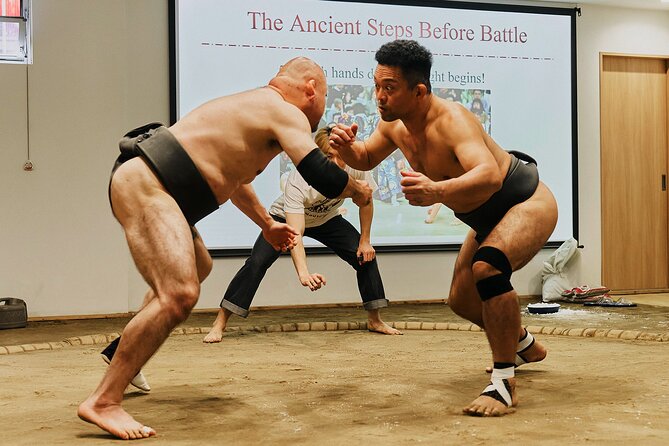
Next comes the centerpiece: the tachiai, the dramatic first-charge moment. The format includes a match featuring retired sumo wrestlers, which helps keep the action exciting while still being easier to follow. It is the kind of moment where you feel the impact through the room, even from your seat.
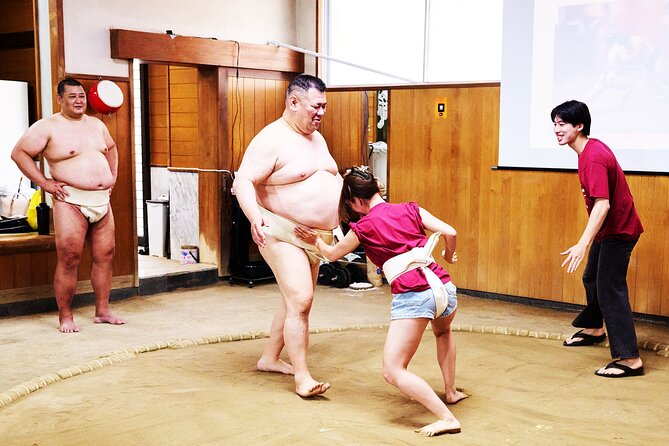
Finally, if you are eligible and spots are available, the audience challenge brings you into the mix. You do not just watch. You get the chance to face a sumo wrestler yourself. It is limited, so do not treat participation as guaranteed, but it is a real feature of the experience.
- Osaka Go Karting Tour with Funny Costume★ 5.0 · 2,658 reviews
- Osaka Castle: Museum and Tower Entry Ticket★ 4.5 · 2,380 reviews
- Osaka: Shinsekai Food Tour with 13-15 Dishes at 5 Eateries★ 4.8 · 2,204 reviews
- Osaka Food Tour: 13 Dishes at 5 Local Eateries★ 5.0 · 2,149 reviews
- Hungry Osaka Street Food Tour:15 Tastings & 3 Drinks with a Local★ 5.0 · 1,727 reviews
The tachiai moment: the first charge that changes everything
If you only remember one part, make it tachiai. It is called the first-charge, but it is really about timing, posture, and control. In sumo, the start is where momentum gets chosen. Wrestlers close distance with intention, and that first contact tells you who is driving the situation.
What makes this show special is that it puts that moment front and center. Instead of watching a slow build with guesswork, you see the impact of the start and the reaction that follows. For a lot of visitors, this is the exact switch where interest turns into excitement.
It also helps that the match uses retired sumo wrestlers. They can deliver the action with clarity and showmanship, while the guide helps you understand what is unfolding. Even if you are new to sumo, you should be able to follow the main ideas.
Audience challenge: stepping into the ring (and learning fast)
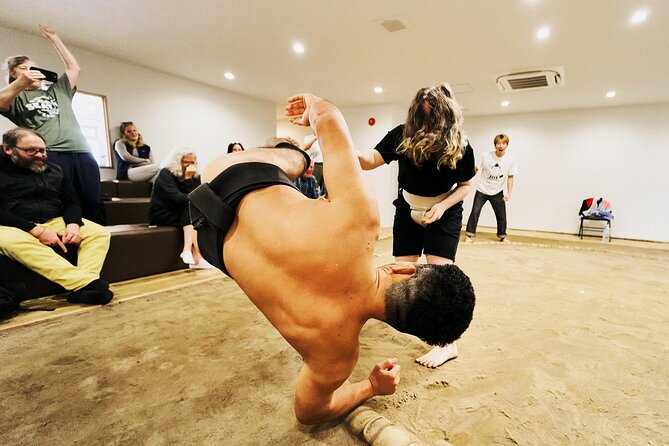
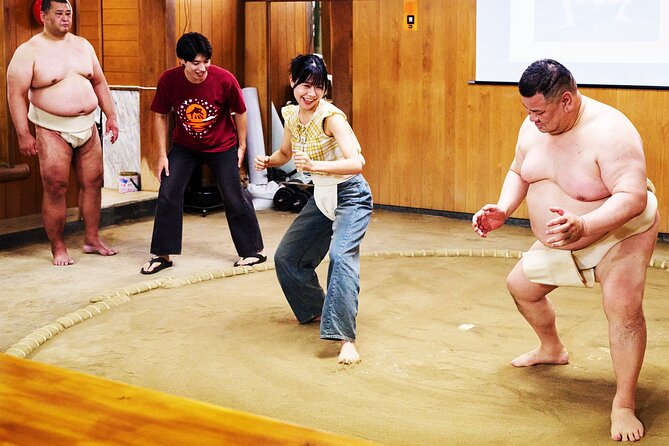
The audience challenge is the reason many people book this experience. The tour is designed so that you are not only learning. You also get a chance to test yourself against a sumo wrestler in a controlled, guided setting.
A key detail: participation is not open-ended. Spots are limited. That means if your priority is to go into the ring, be ready to commit when your turn comes. The best attitude is to treat it like a short practice moment with performance pressure, not like a competitive fight.
What can surprise you is how physical and specific sumo is. Even when rules and movement are simplified for the show, facing someone trained for balance, grip, and leverage is humbling. You learn quickly why proper stance and timing beat raw strength.
One consideration to plan for: provided clothing and footwear may not fit perfectly. Some people specifically requested larger clothes and sandals in the future, which suggests sizing can be an issue. If you are between sizes or have trouble with uncomfortable footwear, it is worth mentally preparing for a less-than-perfect fit for the short ring moment.
The guide and the explanations that make sumo make sense
A lot of sumo coverage on the internet is just highlights. This show aims for understanding. The guide role matters because sumo is built on ritual as much as combat.
You should expect explanations of the sport’s history, how it developed into what you see today, and the rules that shape bouts. People also highlight that the staff are kind and welcoming, and that the wrestlers stay respectful throughout. That combination makes the experience feel more like cultural education than a gimmick.
English communication is a big deal here. When the explanations are clear, you can follow what happens during training and the match rhythm without constantly checking your phone. That is a quality-of-life win, especially when you are traveling in Japan and your schedule is packed.
If you like learning by doing, this setup works well. You are watching and participating, and the guide helps connect those experiences to the bigger idea of sumo discipline and tradition.
Group size and atmosphere: why 50 people works
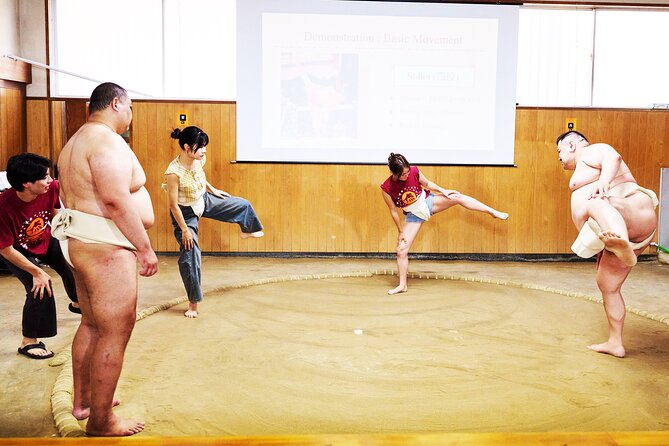
The group size tops out at 50 travelers. That is large enough to feel lively, but small enough to avoid that rushed, assembly-line vibe. In practical terms, it should be easier for the guide to manage questions and keep the pacing moving.
This also supports the best kind of audience participation. You get laughter and energy in the room, but it stays respectful to the sport. The tone you are looking for here is friendly, not rowdy.
Who should book this Osaka sumo show and challenge
This experience is a good match if you want one of these travel wins:
- You love sports, but you want the cultural layer too
- You are a sumo newcomer who needs rules and context explained
- You want something interactive in Osaka that still stays family-friendly in spirit
- You prefer a guided experience over reading and guessing on your own
It is also a strong choice for people traveling in pairs. Many visitors come with a friend or sibling and enjoy sharing the ring challenge moment, even if only one person participates. If you like social travel, this one gives you an instant conversation topic afterward.
The main downside, and how to work around it
The biggest downside is not the show itself. It is the practical matter of the ring gear. If you are picky about fit or you have comfort needs for footwear, the provided clothing and sandals might feel tight.
How to handle it:
Arrive in comfortable clothes you can move in. The session lasts about 90 minutes, so you will want to focus on participation, not adjusting clothes.
Have a flexible mindset for the challenge. Even if you do not get perfect gear, you still get a memorable, guided introduction to sumo positioning and effort.
Planning your day around the show
Since meals are not included, you should eat before you go. Osaka has plenty of easy options nearby, and eating ahead helps you stay relaxed during the session. Also plan your schedule so you are not rushing across town right before check-in.
Transportation is another reason to keep your plan simple. The meeting point is near public transportation, so you can usually set your route with less stress. Just be mindful that Nishinari Ward can feel quieter than central areas, so leave a little extra time to find the AIビル entrance confidently.
Should you book this Osaka sumo experience?
Yes, if you want sumo that is explained, not just displayed. The combination of English-speaking guidance, a close-up look at tachiai, and the chance to take part in an audience challenge makes this feel like good value rather than a one-dimensional show.
Book it if you are curious about how sumo works and you like travel moments where you learn and laugh at the same time. Skip it only if you mainly want passive entertainment, or if you know you would struggle with potentially uncomfortable provided ring gear.
If you are in Osaka and you want one activity that turns a big cultural symbol into an actual experience, this is a smart choice.
Practice Rooms and Show Nights

Newest Osaka write-ups from the Loving Japan desk
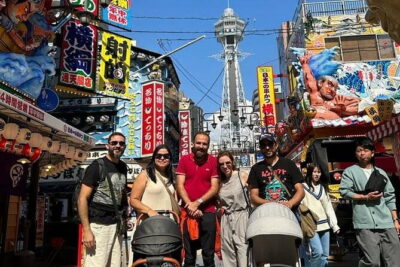
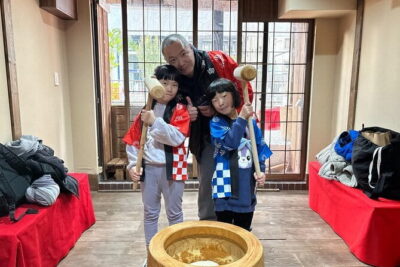
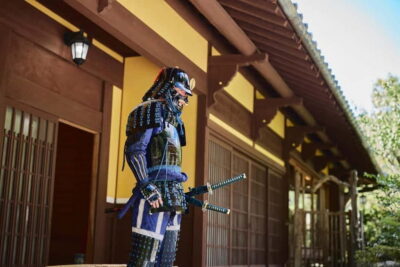
Sumo Wrestling Experiences, side by side.
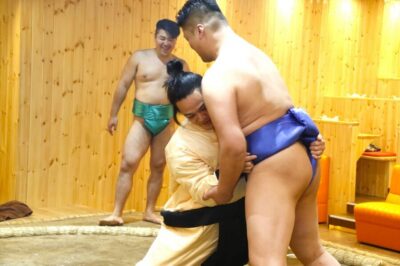 ★ 4.8Sumo Show Experience with Chicken Hot Pot and a PhotoFrom $1036,678 reviews
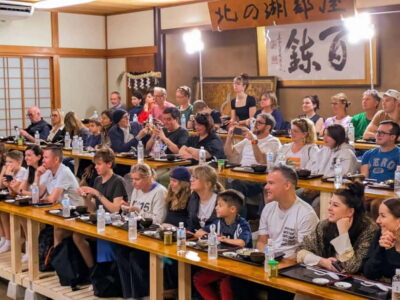 ★ 4.8Sumo Show and Dining ExperienceFrom $792,742 reviews
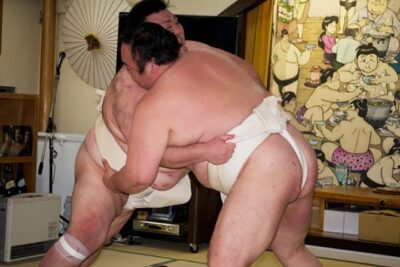 ★ 5.0the SUMO showFrom $891,960 reviews
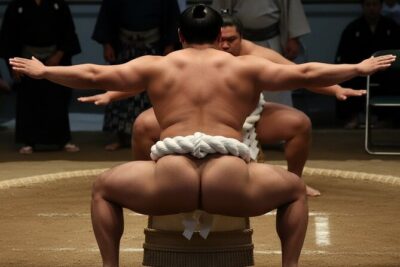 ★ 5.0Tokyo Shinjuku Sumo Show & Experience with PhotoFrom $791,750 reviews
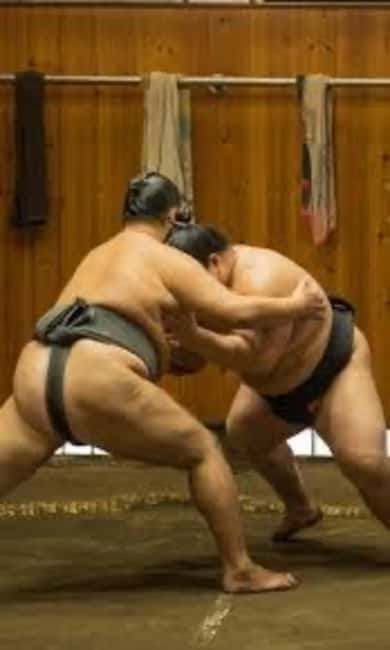 ★ 4.8Sumo Show and Experience in ShinjukuFrom $691,001 reviews
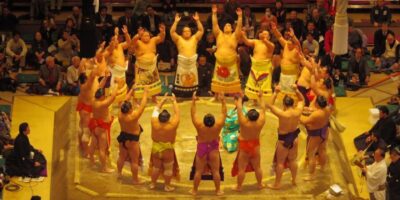 ★ 4.6Sumo Tournament Tour with Chair Seat TicketsFrom $141753 reviews
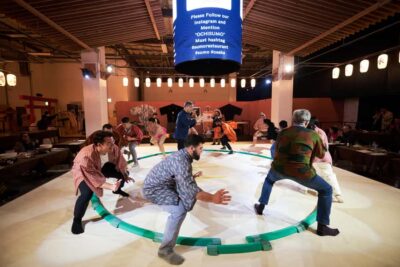 ★ 4.5Sumo Show & Experience w/ Optional Kimono & Hot PotFrom $77609 reviews
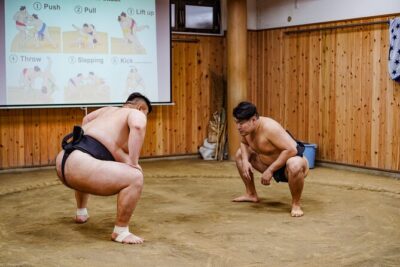 ★ 5.0Authentic Sumo Experience in Tokyo: Enter the SanctuaryFrom $171603 reviews
Filed on these lists too