
REVIEW · JAPANESE COOKING CLASSES
Private Sushi Making with a Sushi Master
One knife, one rice ball, and suddenly you get sushi.
This private workshop puts you in a Michelin-starred sushi kitchen in Tokyo and walks you through making nigiri, maki, and gunkan step by step. I especially like the mix of technique and storytelling, because you get sushi history plus hands-on practice, not just a performance. I also like the private pace, since the sushi master can steer you while you slice, shape, and roll. The main drawback to plan for is timing, since a no-contact grace window of 5 minutes after the start time can lead to a no-show and no refund.
You meet near public transportation in Azabu (Nishiazabu, Minato City), and you leave with the food you made, not a ticket stub and regrets. The session runs about 1 hour 45 minutes, and it ends back at the meeting point, which keeps the whole day simple. If you are the type who wants silent, hands-off sightseeing, this is more active than that, so come with patience and an appetite.
In This Review
- Key highlights at a glance
- Michelin-starred sushi, taught like a real skill
- Your 1 hour 45 minutes: history, a quiz, then hands-on sushi
- The three sushi styles you will make, and what each one teaches
- Nigiri: fish on rice, the clean and classic test
- Maki: the roll, where technique beats luck
- Gunkan (battleship-style): seaweed cups and toppings
- How the private setup changes the lesson
- Slicing, selecting, and building: what you are actually learning
- Slicing raw fish, with precision
- Selecting seasonal ingredients
- Making fresh rolls and nigiri
- The meal, the photo shoot, and why the order matters
- Where you start in Azabu, and how to avoid the no-show problem
- Price and value: what $130.81 really buys you
- Who this class suits best, and who might feel it is not for them
- Small tips to make your class go smoothly
- Should you book this sushi-making workshop?
- FAQ
- What sushi types will I make?
- How long is the workshop?
- Is this a private experience?
- Can you accommodate dietary restrictions or allergies?
- Where do I meet for the class?
- What if I am late at the start time?
Key highlights at a glance
- Michelin-starred sushi setting for a real, high-standard cooking environment
- Three styles of sushi you actually make: nigiri, maki, and gunkan
- Quiz plus sushi history so the techniques have context
- English-capable team and personalized attention inside a private group
- Photo time with your creations, before you eat
Cook it yourself instead. Other kitchens in Tokyo
- Tokyo: Roll and Authentic Sushi Making Class in Asakusa
★ 4.9 · 1,957 reviews - Tokyo: Sushi Making Class in a Happi Coat near a Famous Spot
★ 4.9 · 1,377 reviews - Tokyo Sushi Making Class in Tsukiji with Professional Chef
★ 5.0 · 1,177 reviews - Ramen & Gyoza Cooking Class in Tokyo with Local Supermarket Visit
★ 5.0 · 823 reviews
Michelin-starred sushi, taught like a real skill
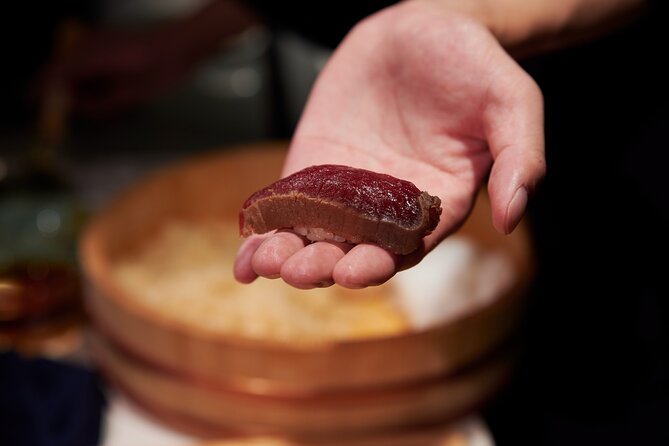
Tokyo has plenty of top sushi. The tricky part is turning the experience into something you understand and can repeat at home. This class does that by putting you into a professional sushi restaurant kitchen and having a sushi master guide you through the logic behind what looks effortless.
The big reason I like this setup for you is the standard of ingredients and the way the room is run. In a Michelin-starred restaurant, people take small details seriously, from how rice is handled to how fish is sliced and portioned. That matters because sushi is not just flavor, it is texture and precision working together.
Another strong point is the format: you are not passively watching. You are shaping rice, practicing assembly, and learning what to do differently depending on the sushi style. That is where the class becomes more than a meal. It becomes training.
The only real thing to consider is your energy level. You will be active for about 1 hour 45 minutes, and the class expects you to come hungry. If you arrive cranky, rushed, or half-fed, it is harder to focus on rice technique and the timing between steps.
Your 1 hour 45 minutes: history, a quiz, then hands-on sushi
The workshop follows a clear flow, and that is part of why it works. You start with an introduction to sushi history. Then you get quizzed on sushi history, which sounds like a gimmick until you realize it is a simple way to get your brain to pay attention to details. When you learn the why behind the how, it is easier to remember what the sushi master is correcting.
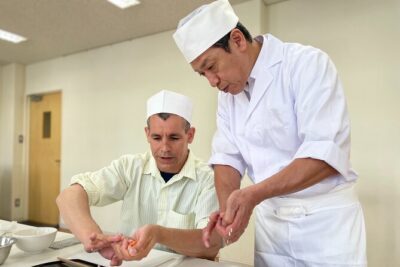
After that, the sushi master demonstrates. This is the stage that often separates good cooking classes from forgettable ones. Even if you already know what nigiri is, watching a pro handle rice and fish is a reality check. You see how much pressure to use, how to keep fish from tearing, and how to align ingredients so the final bite makes sense.
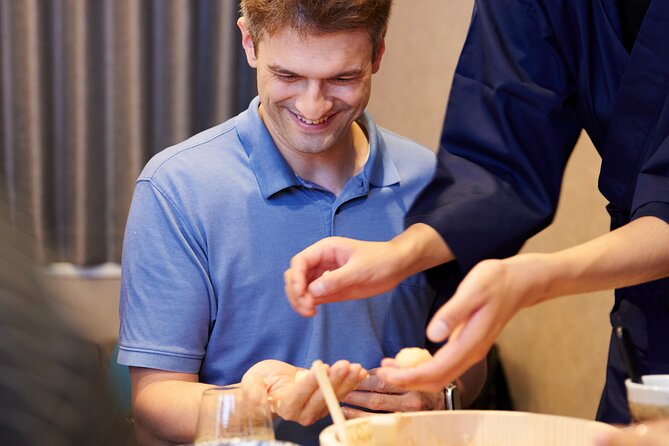
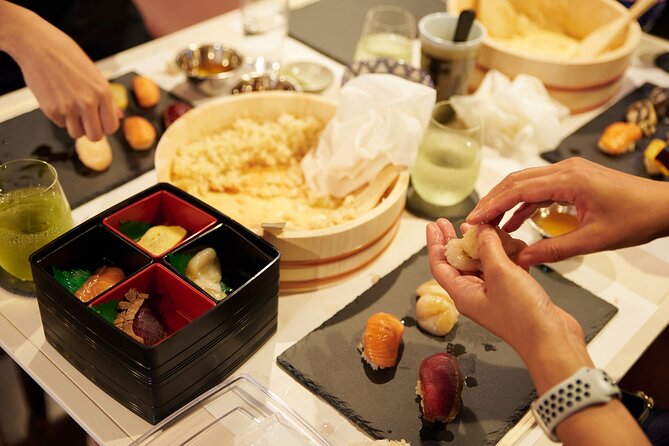
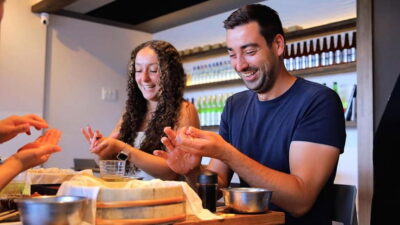
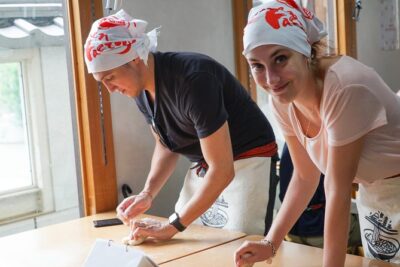
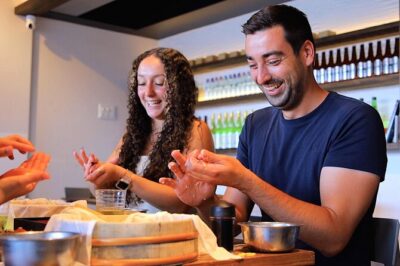
Then comes the hands-on portion, and it is the part you will be talking about later. You make three types of sushi, at your own pace within your private session. You also get time for photos before you eat everything you made.
If you like structure, you will appreciate this schedule. If you prefer lots of open-ended free time, this might feel a bit guided, but the tradeoff is you get an actual result on your plate.
The three sushi styles you will make, and what each one teaches
This class is built around three distinct forms, and that is smart. Each one teaches a different skill, so you come away with more than a single recipe.
Counters and courses we sat at around Tokyo
- Sushi Making Tokyo Roll and Authentic Japanese Sushi Class★ 5.0 · 3,971 reviews
- Make Sushi and Create Unforgettable Memories in Tokyo★ 5.0 · 1,413 reviews
- Tokyo: Sushi Making Class in a Happi Coat near a Famous Spot★ 4.9 · 1,377 reviews
- Tokyo Sushi Making Class in Tsukiji with Professional Chef★ 5.0 · 1,177 reviews
- Tokyo Night Foodie Tour in Shinjuku – Seasonal Sushi, Wagyu Beef★ 5.0 · 1,161 reviews
Nigiri: fish on rice, the clean and classic test
Nigiri is the classic: a slice of fish on top of rice. This teaches you how rice should feel and how it should sit. Nigiri is not about stuffing. It is about balance.
When you build nigiri correctly, it looks simple and it eats even better. The rice has to be firm enough to hold shape, but not dry. The fish has to sit cleanly so each bite is fish first, then rice.
Maki: the roll, where technique beats luck
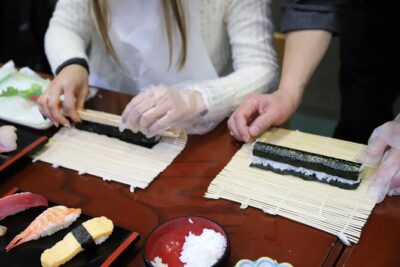
Maki is the traditional sushi roll wrapped in seaweed. Rolling is where most beginners get humbled, because the goal is even pressure and neat edges. Too loose, and it falls apart. Too tight, and the texture gets weird.
In this class, your sushi master handles ingredient selection and prep so you can focus on the mechanics. You learn how to assemble, how to control the roll, and how to cut so the roll stays intact.
Gunkan (battleship-style): seaweed cups and toppings
Gunkan is the battleship-style sushi, with seaweed wrapped like a cup and topped with various ingredients. It is different from nigiri and maki because it is about creating a vessel. The seaweed has to hold the topping without collapsing.
This teaches a practical lesson: sushi is designed, not just assembled. Each form is engineered for a specific mouthfeel and topping behavior.
Across all three types, the class mentions that ingredients are carefully selected and prepared to pristine condition. That matters, because if you are practicing knife work and assembly with inconsistent ingredients, your results will be inconsistent too. Here, the ingredients do you a favor.
How the private setup changes the lesson
Eating great sushi is one thing. Getting coached while you make it is another. This is a private experience, meaning only your group participates, and that usually translates to faster corrections and less waiting.
In a small class, a chef can fix your rice shape before it becomes a habit. They can show you the exact way to slice or place fish so you do not fight your own technique. They can also adapt if you are vegetarian, vegan, gluten-free, or dealing with allergies, since the class is described as allergy-friendly and accommodating.
The practical win for you is confidence. After you build three different types of sushi and finish the session with a meal, you will have a mental map for what good sushi technique looks like. You will know what to watch for if you try this again later.
Slicing, selecting, and building: what you are actually learning
The workshop focuses on practical skills: slicing raw fish, selecting seasonal ingredients, and making fresh rolls and nigiri. Even if you never plan to become a sushi chef, these are transferable cooking skills.
Slicing raw fish, with precision
Fish slicing is the part that scares people, and that makes it the most valuable. You learn that precision is not about being flashy. It is about controlling thickness and texture so the fish works with the rice.
Selecting seasonal ingredients
Seasonal selection might sound like a fancy phrase, but it is a real flavor system. It shapes sweetness, umami, and how the fish tastes in a specific season. That helps you understand why sushi chefs pay attention to sourcing and timing.
Making fresh rolls and nigiri
Freshness is the silent ingredient in sushi. The class emphasizes that ingredients are prepared to pristine condition. When freshness is handled for you, you can focus on your shaping and assembly, which is what you actually need to learn.
The meal, the photo shoot, and why the order matters
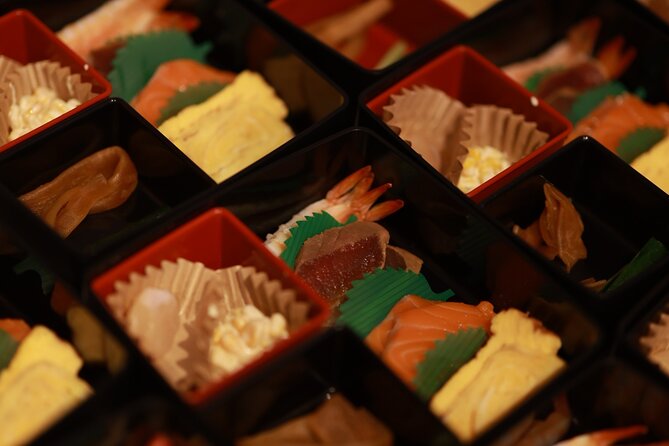
You make the sushi, then you eat your own work. That order is more important than it sounds.
If you eat first, you treat the class like entertainment. If you make first, you treat it like a skill session. You also pick up what works by tasting your own creations while the technique is still in your hands and your memory.
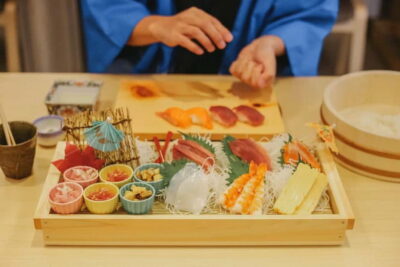
There is also a fun photo shoot time built into the schedule. In practice, this means you get a moment to show your work, then you move on to eating. That pacing keeps the class from turning into a rushed plating moment where you worry about Instagram instead of learning.
From guest notes, the meal experience can include soup and green tea alongside what you made. Even if your version varies slightly, the key idea is consistent: the workshop ends with a freshly prepared meal that reflects the sushi you just created.
Where you start in Azabu, and how to avoid the no-show problem
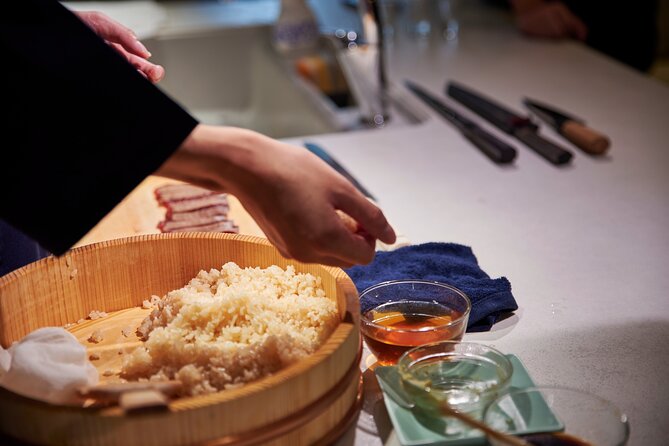
You meet at A-PULSE AZABU STUDIO, エーパルス3-chōme-8-18 Nishiazabu, Minato City, Tokyo 106-0031, Japan. The activity ends back at the meeting point, so you do not need to plan extra transport after you finish.
Because the schedule is tight and the workshop is private, it runs on start time. The rules are clear: if you do not contact the team within 5 minutes after the scheduled start time, your reservation is treated as a no-show and there is no refund. In a city like Tokyo, trains can be great and still be late. My advice is simple: aim to arrive early, then relax. Do not gamble with your sushi.
The meeting point is near public transportation, and the tour includes a mobile ticket. That is the kind of small detail that makes the day smoother, especially when you are moving between neighborhoods.
Price and value: what $130.81 really buys you
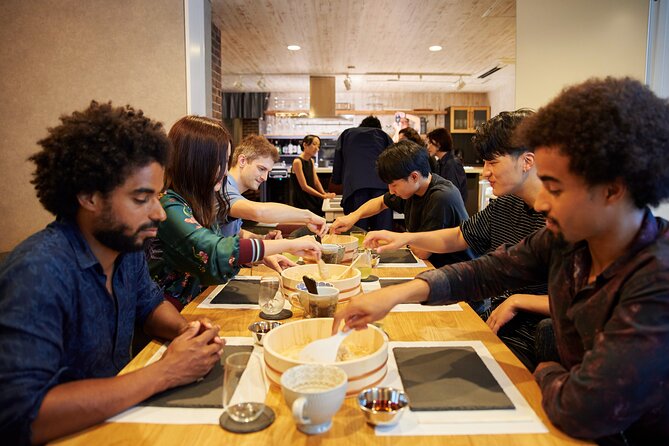
At $130.81 per person, this is not a cheap meal. But you are not just paying for fish. You are paying for the kitchen, the sushi master’s time, and the structure of a lesson that ends with you eating what you made.
Here is the value math that matters:
- You get three sushi types worth of technique, not one.
- You are working in a Michelin-starred environment, so quality control is built in.
- It is private, so you are not stuck waiting while someone else gets help.
- You leave with a meal, which turns the class into a full experience rather than a short demo.
If your goal is to eat the best sushi and nothing else, you might choose a traditional counter meal. If your goal is to learn a craft and take the knowledge with you, the price starts to look fair.
Also, the class can accommodate dietary restrictions including vegetarian, vegan, and gluten-free. That can be a huge value factor in Tokyo, where finding a good fit can be harder than you expect.
Who this class suits best, and who might feel it is not for them
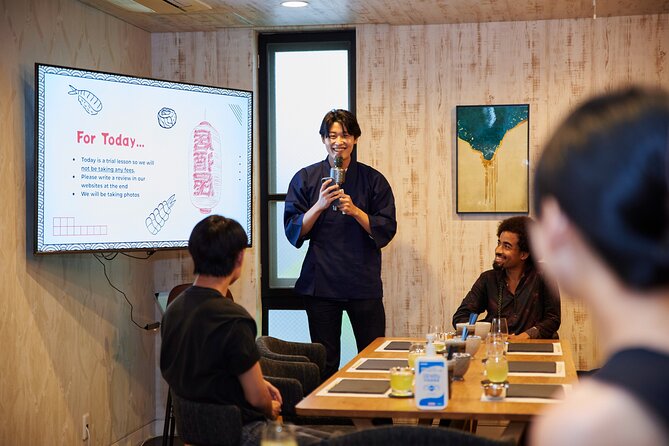
This workshop is ideal if you:
- Want a hands-on experience instead of just dining
- Like learning food technique and not only eating the final product
- Travel with dietary needs, since the class is designed to accommodate restrictions
- Prefer a private pace over group classes
It might not be your best match if:
- You hate structured activities or you prefer wandering with no schedule
- You are running late often, since the no-show rule is strict
- You want a long cooking lecture with no practice, because this is very hands-on
If you are a solo traveler, the private format can be especially pleasant. You are not blending into a larger group, and the attention stays focused.
Small tips to make your class go smoothly
A few practical things help you get more from the session:
- Come hungry. The class is structured so you eat after making.
- Expect to learn by doing. The quiz and history are there to help you remember the technique, not just fill time.
- Stay calm about timing. Arrive early so the 5-minute start-time rule does not become a stress point.
- If you have allergies, say so clearly. The experience is described as allergy-friendly and able to accommodate restrictions.
Should you book this sushi-making workshop?
Yes, if you want sushi knowledge you can actually use. The biggest reasons to book are the three sushi styles, the private attention, and the Michelin-starred setting that raises the quality of what you learn.
I would skip it only if you are mainly after an eating-only splurge or you know you struggle with strict start times. Otherwise, this is a smart way to get more than a dinner out of your Tokyo trip.
If you want, tell me your travel dates and whether you have any dietary restrictions. I can help you decide the best timing in your Tokyo schedule so you do not feel rushed getting to the Azabu meeting point.
FAQ
What sushi types will I make?
You will make three types: nigiri, maki, and gunkan (battleship-style sushi wrapped with seaweed and topped with ingredients).
How long is the workshop?
The workshop lasts about 1 hour 45 minutes.
Is this a private experience?
Yes. It is private, so only your group will participate.
Can you accommodate dietary restrictions or allergies?
Yes. Allergy-friendly options are available, including vegetarian, vegan, and gluten-free accommodations.
Where do I meet for the class?
You meet at A-PULSE AZABU STUDIO, エーパルス3-chōme-8-18 Nishiazabu, Minato City, Tokyo 106-0031.
What if I am late at the start time?
If you do not contact the team within 5 minutes after the scheduled start time, the reservation is treated as a no-show and no refund is provided.
Counters and Courses

Kitchens You Can Book Into

Newest Tokyo write-ups from the Loving Japan desk



Japanese Cooking Classes, side by side.
 ★ 5.0Sushi Making Tokyo Roll and Authentic Japanese Sushi ClassFrom $593,971 reviews
 ★ 4.9Roll and Authentic Sushi Making Class in AsakusaFrom $581,957 reviews
 ★ 5.0Ramen Cooking Class at Ramen Factory in KyotoFrom $1311,937 reviews
 ★ 4.9Sushi Making Class in a Happi Coat near a Famous SpotFrom $421,377 reviews
 ★ 5.0Sushi Making Osaka Roll and Authentic Japanese Sushi ClassFrom $311,220 reviews
 ★ 5.0Tokyo Sushi Making Class in Tsukiji with Professional ChefFrom $491,177 reviews
 ★ 5.0Ramen & Gyoza Cooking Class in Tokyo with Local Supermarket VisitFrom $122823 reviews
 ★ 5.0Tsukiji Fish Market Guided Tour and Sushi Making with Pro ChefFrom $104775 reviews
Filed on these lists too