
REVIEW · ASAKUSA, SENSO-JI AND TOKYO SKYTREE
Samurai Sword & Sushi Experience with Chef Live Shows in Asakusa
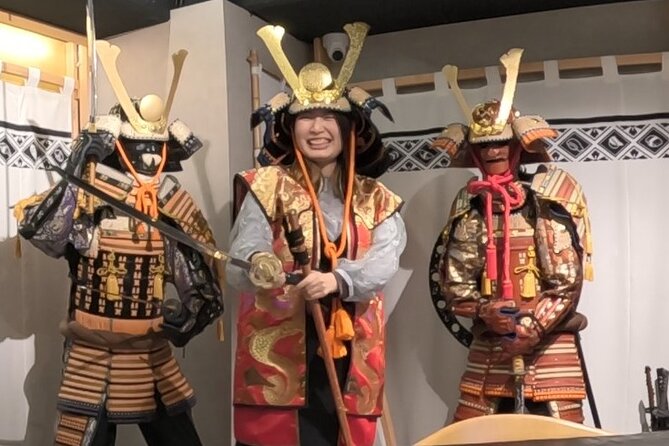
Samurai armor and sushi in one class. I love how this experience turns sushi practice into a full-on cultural scene, starting with samurai armor and swords made for photos. Then you move right into an interactive sushi session led by the chef team at JIN-ASAKUSA in Asakusa.
My second big favorite is the hands-on teaching. You get guided instruction, including dashimaki cooked right in front of you, plus a tasting spread that goes well beyond standard restaurant sets.
One thing to consider: this is a workshop first, not an all-you-can-eat feast. If you mainly want to eat a lot of sushi, you may wish you had more time or paid less.
In This Review
- Key Highlights You Will Actually Feel
- First Steps in Asakusa, Samurai-Style
- Samurai Outfit Photos, Without Losing Time
- The Chef-Led Sushi Class: What You Learn and Why It Matters
- The Hands-On Part: Nigiri and Shaping Skills
- The Sushi Tasting Menu: Wagyu, Caviar, Crab, and More
- What Makes This Class Feel Special: Small Group Energy and Games
- Location Payoff: Asakusa by Transit and Sensoji Nearby
- Price and Value: Is $49.54 a Good Deal?
- Who Should Book This (and Who Might Skip It)
- Practical Tips So You Enjoy It More
- Should You Book This Samurai Sword and Sushi Experience?
- FAQ
- How long is the sushi experience?
- Where is the meeting point?
- Is it a mobile ticket?
- How many people are in the group?
- What is included in the price?
- Are drinks included?
- What kinds of sushi are offered?
- Is the class beginner-friendly?
- Does the chef provide instructions in English?
- Can I cancel for a full refund?
Key Highlights You Will Actually Feel
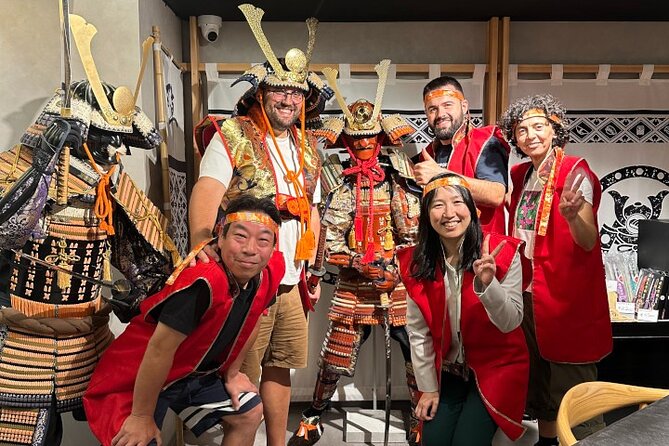
- Samurai outfit and armor-sword photo set right before you start eating or cooking
- Chef-led hands-on sushi making with English support you can follow easily
- Dashimaki grilled in front of you, not just described
- 10 sushi varieties plus alpha, including Wagyu, caviar, and crab tastings
- Small group (max 12), so questions and corrections happen in real time
- Perfect Asakusa location, 1 minute from Asakusa Station and 3 minutes from Sensoji, with Skytree views
Still on the Sumida side? A few more Asakusa options
- Tokyo: Japanese Dance Cabaret Theater Asakusa-Kaguwa Ticket
★ 4.8 · 2,270 reviews - Tokyo: Meiji Shrine, Asakusa, Skytree Bus Tour and Cruise
★ 4.7 · 1,986 reviews - Tokyo: Roll and Authentic Sushi Making Class in Asakusa
★ 4.9 · 1,957 reviews - Tokyo: Asakusa Walking Tour with Sensoji Temple Visit
★ 4.8 · 1,583 reviews
First Steps in Asakusa, Samurai-Style
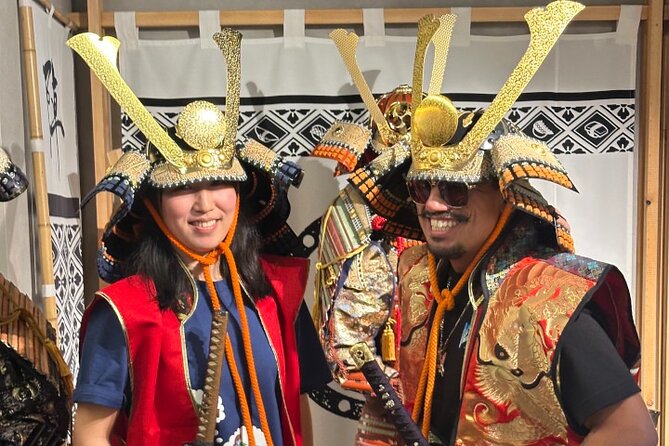
This is the kind of activity that grabs you fast. You start at JIN-ASAKUSA (CREAL Asakusa Sky View Square, 4F), and the moment you enter, the room leans hard into samurai atmosphere. Expect armor, swords, bamboo, and torch-like lighting that makes photos feel less like a chore and more like a scene change.
I like that the samurai part is not just costume and call it done. You actually get time to dress up and enjoy the setting, so your pictures look like they belong in Japan, not like a quick theme-park stop. If you care about getting at least a few great shots, this format is efficient.
The meeting point is close to everything, which matters in Tokyo. It is about a minute walk from Asakusa Station and around 3 minutes from Sensoji Temple, and you can even catch panoramic Skytree views from the area. That means you can plan this before or after sightseeing without building your day around it.
Samurai Outfit Photos, Without Losing Time
Dress-up experiences are hit or miss in Tokyo. Here, the value comes from the setup: armor-inspired decor, swords as part of the visual world, and a space designed for photos.
Get your practical plan straight first. Wear comfortable clothes you can move in, because you’ll be getting positioned for pictures and stepping around the tasting area. Also, bring an open mind about looking a little silly for a little while, because it helps you relax and enjoy the moment.
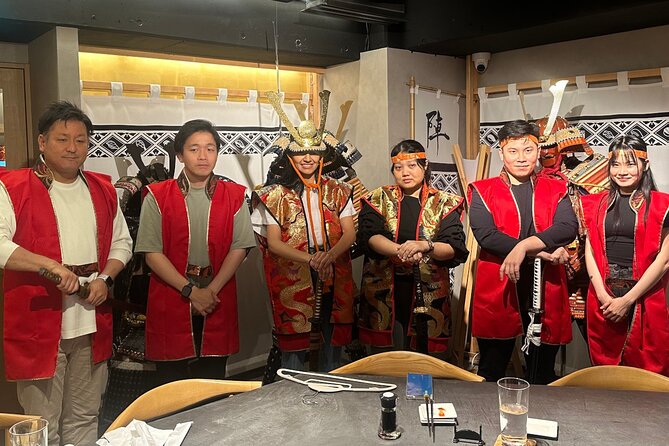
If you’re traveling as a couple or family, the photo moment is a natural shared activity. You’re not waiting for one person to finish while others stand around, because you’re moving through a guided start. And with a small group size capped at 12, you usually won’t feel like you’re fighting crowds for space.
The Chef-Led Sushi Class: What You Learn and Why It Matters
After the samurai-photo start, you shift into the part that makes this experience worth paying for: learning sushi techniques you won’t usually get in normal dining. This is not a passive tasting where someone hands you food and moves on.
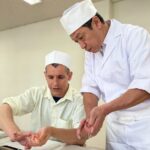
A Japanese sushi chef demonstrates and teaches you step-by-step, with English explanations available. That matters if you’re a beginner, because sushi can feel intimidating when you are trying to figure out rice, shaping, and technique on your own. You’ll be actively instructed, not just watching from the sidelines.
One standout element is dashimaki grilled right in front of you. Dashimaki is one of those Japanese items that tastes different when you see and hear it made. Watching it cook, and then eating it as part of your meal, makes the lesson stick.
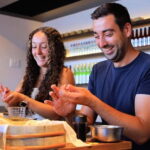
I also like that the class includes an interactive section where the chef directly instructs you while you work. The point is not to make perfect sushi on your first try, but to learn the fundamentals you can repeat later. That’s the kind of skill that turns into dinner at home.
Counters and courses we sat at around Tokyo
- Sushi Making Tokyo Roll and Authentic Japanese Sushi Class★ 5.0 · 3,971 reviews
- Make Sushi and Create Unforgettable Memories in Tokyo★ 5.0 · 1,413 reviews
- Tokyo: Sushi Making Class in a Happi Coat near a Famous Spot★ 4.9 · 1,377 reviews
- Tokyo Sushi Making Class in Tsukiji with Professional Chef★ 5.0 · 1,177 reviews
- Tokyo Night Foodie Tour in Shinjuku – Seasonal Sushi, Wagyu Beef★ 5.0 · 1,161 reviews
The Hands-On Part: Nigiri and Shaping Skills
This class is hands-on, so expect to actually make sushi, not just assemble a plate. The teaching focuses on forming pieces correctly and understanding what the chef is trying to achieve with texture and shape.
If you’ve never made sushi before, good news. The whole setup is designed for people who need guidance, including beginners who are not already fluent in sushi vocabulary. The chef’s English explanations help, and the small group size helps too, because you can ask questions without shouting over other people.
You may also get chances to try different sushi styles during the session, since the menu includes multiple varieties and the teaching covers several techniques. The key takeaway is that you leave understanding more than just one type of nigiri.
Tip from the “make it work at home” angle: pay attention to how the chef handles rice and how they correct your hand position. Those small corrections are usually what separate a decent bite from a great one.
The Sushi Tasting Menu: Wagyu, Caviar, Crab, and More
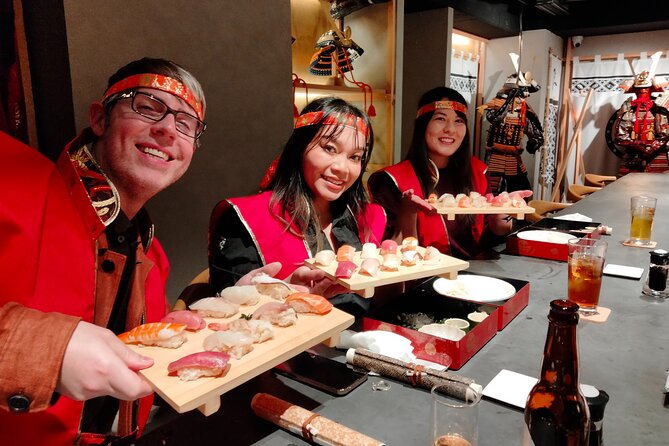
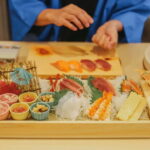
After you learn techniques, you get to enjoy a tasting that feels like a mini sampling event. You’ll try a total of 10 types plus alpha, with items made using high-quality ingredients like tuna and salmon.
The standouts on the tasting side are the premium ingredients. You may encounter options such as Wagyu beef, caviar, and crab. That combination matters because it gives you a range of flavors and textures you rarely see together, especially in a single class.
Also, the tasting is not just about luxury add-ons. It is about seeing how sushi changes by ingredient and preparation. One piece can be rich and fatty, another can be cleaner and more delicate, and another can surprise you with briny notes.
If you’re on the fence because you think sushi classes are all the same, this menu diversity is one of the reasons people keep talking about it. You get the education component, plus the satisfaction of eating a variety of impressive bites.
Come hungry, and bring an appetite for small pieces. Sushi tastings are often bite-sized, so if you show up already full from lunch, you’ll miss part of the value.
What Makes This Class Feel Special: Small Group Energy and Games
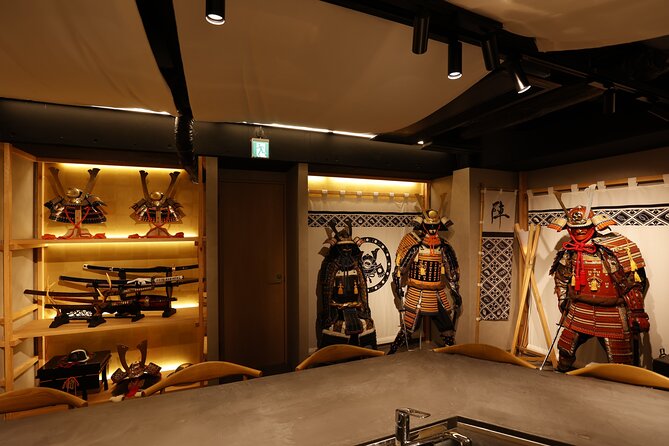
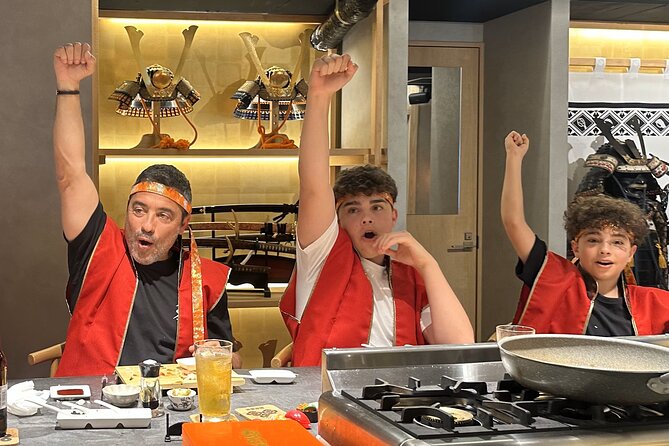
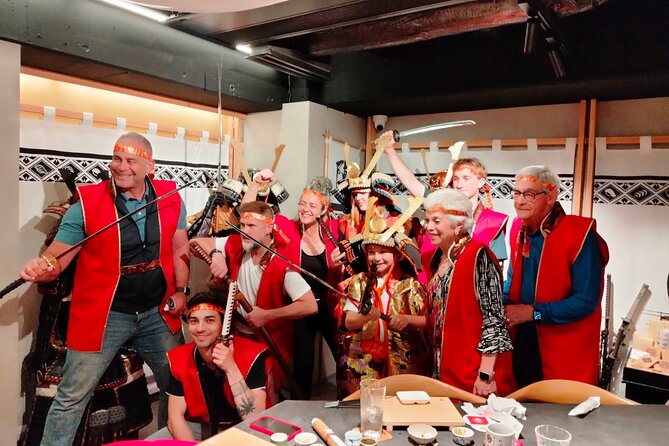
This is capped at a maximum of 12 travelers. That detail is more important than it looks, because it changes the whole rhythm of the experience. With fewer people, you get closer interaction with the chef team, quicker help when you need it, and more time where you can actually participate.
Some sessions also include games and trivia-style challenges during the overall flow. Those moments keep attention up, and they tend to make the class feel less like a lesson and more like an event. Even if you are shy, the structure helps you join in without pressure.
On the chef side, the names people mention include Taisho, and staff support like Saung. Having friendly, calm guidance makes a big difference when you are handling rice and trying to shape sushi without getting flustered.
Location Payoff: Asakusa by Transit and Sensoji Nearby
You don’t need a car here. The venue is near public transportation, with Asakusa Station about a minute away. Sensoji Temple is roughly 3 minutes on foot, so you can pair this with a morning or late afternoon visit.
If you like planning efficient days, this location helps. You can do the sushi class, then walk straight into the Asakusa sights without burning time on transit.
The setting also offers panoramic Skytree views from the area. You may not stare at it the whole time, but it adds to the sense that you are in the right neighborhood for photos and night views later.
Price and Value: Is $49.54 a Good Deal?
At $49.54 per person, this is priced like a specialty experience, not like a casual street snack. The question is whether you’re paying for food, for photos, or for skills.
You are paying for all three, but the main value driver is the hands-on instruction plus a premium tasting spread. Included in the price are meal costs, service charge, and consumption tax. Drinks beyond water and green tea are not included, so plan on keeping extras to a minimum if you want to stay close to the base price.
Also consider timing and demand. It tends to be booked about 20 days in advance on average, which suggests popular slots can go early. If you want a specific time window, you’ll want to book ahead.
If you compare it to doing sushi dinner plus a separate activity, the structure often wins. You get one event that blends culture, instruction, and a multi-piece tasting.
Who Should Book This (and Who Might Skip It)
This fits best if you want something more interactive than just eating. If you like learning how food is made, and you want skills you can try at home, this is a strong pick.
It also works well for couples and families because the experience is structured, playful, and guided. The hands-on format keeps kids engaged when they are old enough to enjoy making food (and the overall pace helps).
If you are only interested in maximizing quantity of sushi at the lowest cost, you might find the workshop pacing less satisfying. In that case, a standard sushi meal could feel more direct.
Practical Tips So You Enjoy It More
Here’s how to get the most out of the experience based on how it runs.
First, check that you can arrive ready to participate. You’ll be dressing for photos and then working on sushi steps, so comfortable clothes and a relaxed mindset help.
Second, plan your day so you’re not rushing. The venue ends back at the meeting point, so you can flow into nearby Asakusa sights right after. Keeping a buffer reduces stress, especially if you also want Sensoji time.
Third, don’t treat this like a quick bite. It is about a 2-hour experience, and the pacing matters. The teaching and tasting are both part of the value.
Should You Book This Samurai Sword and Sushi Experience?
If you want an Asakusa activity that mixes culture, photos, and real sushi technique, I think you should book it. The small group size, English-supported instruction, and the premium tasting spread including items like Wagyu, caviar, and crab make it feel like more than a themed gimmick.
The only reason not to book is if your priority is unlimited sushi quantity, not learning and tasting variety. Otherwise, this is a fun, structured way to take sushi beyond the restaurant table and into your own dinner plans later.
FAQ
How long is the sushi experience?
It runs about 2 hours.
Where is the meeting point?
The start location is JIN-ASAKUSA 陣-浅草 Japan, at CREAL Asakusa Sky View Square 4F, 1-chōme 10-14, Taito City, Tokyo 111-0033.
Is it a mobile ticket?
Yes, it uses a mobile ticket.
How many people are in the group?
The maximum group size is 12 travelers.
What is included in the price?
Meal costs, service charge, and consumption tax are included.
Are drinks included?
Water and green tea are included. Additional drink orders are not included.
What kinds of sushi are offered?
The experience includes 10 types plus alpha, with high-quality items such as tuna and salmon. Tastings can also include options like Wagyu beef, caviar, and crab.
Is the class beginner-friendly?
The experience includes instruction led by a sushi chef, and it is described as interactive, with explanations that you can follow even as a beginner.
Does the chef provide instructions in English?
English explanations are included.
Can I cancel for a full refund?
Yes. You can cancel up to 24 hours in advance for a full refund. If you cancel less than 24 hours before the start time, it is not refunded.
Counters and Courses


Asakusa and the Skytree, Keep Going

Newest Tokyo write-ups from the Loving Japan desk


Asakusa, Senso-ji and Tokyo Skytree, side by side.
 ★ 4.5TOKYO SKYTREE® Admission ticketFrom $1311,192 reviews
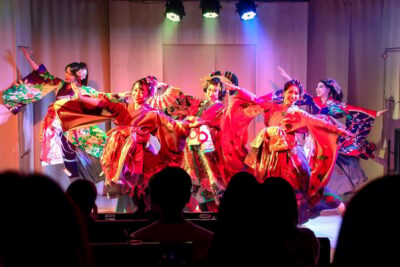 ★ 4.8Japanese Dance Cabaret Theater Asakusa-Kaguwa TicketFrom $492,270 reviews
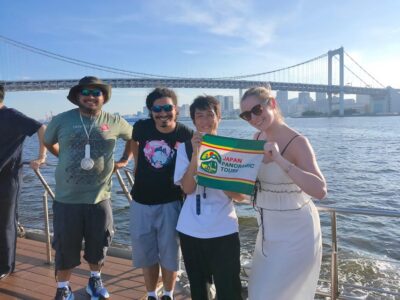 ★ 4.7Meiji Shrine, Asakusa, Skytree Bus Tour and CruiseFrom $1221,986 reviews
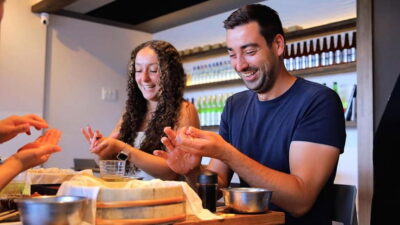 ★ 4.9Roll and Authentic Sushi Making Class in AsakusaFrom $581,957 reviews
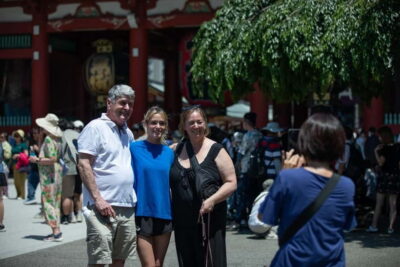 ★ 4.8Asakusa Walking Tour with Sensoji Temple VisitFrom $221,583 reviews
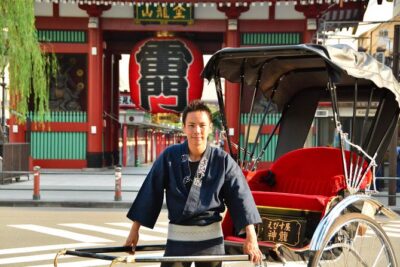 ★ 5.0Tokyo Asakusa Rickshaw TourFrom $421,375 reviews
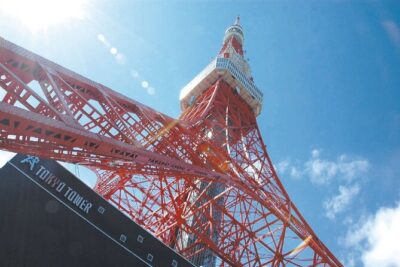 ★ 4.5Tokyo Panoramic 1 Day: Meiji Shrine, Asakusa, Odaiba and SKYTREE®From $851,222 reviews
 ★ 5.0Tokyo Go Kart: Asakusa, Skytree, and Akihabara **IDP MUST**From $99988 reviews