
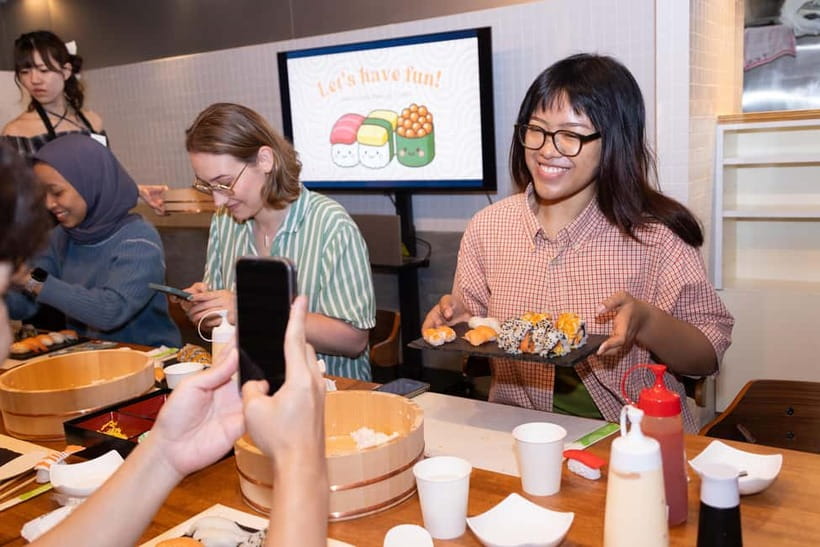
REVIEW · SHIBUYA, SHINJUKU AND HARAJUKU WALKS
Shibuya Tokyo: Sushi Making Class (Vegan/Vegetarian/Halal)
Sushi class in busy Shibuya. This hands-on sushi making experience in the heart of Shibuya starts with a quick sushi quiz, then gets you rolling your own California rolls and shaping nigiri. The studio is only a 7-minute walk from Shibuya Station, so you are not fighting Tokyo logistics just to learn a fun skill.
I really like how the class is built to fit different diets. Options include vegan, vegetarian, and halal-friendly menus, plus gluten-free (normal) where offered, so your sushi experience stays comfortable. One thing to plan for: you need to indicate your preferences when you book, because menu changes on the day of the activity are not accommodated.
In This Review
- Key highlights that make this class worth your time
- Why Shibuya works so well for a sushi class
- The 90 minutes: quiz, roll, shape, eat
- Step one: a quick sushi quiz that sets the vibe
- Step two: hands-on sushi making with fresh ingredients
- Step three: sit down, eat what you made
- Vegan, vegetarian, halal, and gluten-free options that actually fit
- The instructors: clear steps, friendly energy, real explanations
- What you are learning beyond the rolls
- Why the sushi types matter
- Finding the studio and timing it without stress
- What is included, and why that affects value
- Small rules to know before you show up
- Who this sushi class is best for
- Should you book this Shibuya vegan sushi class?
- FAQ
- How long is the sushi making class?
- Is the class offered in English?
- What dietary options are available?
- What do I make during the class?
- Where is the meeting point?
- Is audio recording allowed?
- What is the cancellation policy?
Key highlights that make this class worth your time
- English-speaking instruction that keeps the steps clear, even if your Japanese is zero
- A sushi history quiz to start, short and fun, so the class feels social right away
- You make California rolls and nigiri, not just watch
- Diet-friendly options including vegan, vegetarian, halal, and gluten-free (normal)
- Photo-friendly moments, with staff able to take pictures before you eat
Other routes through the west side of Tokyo, compared
- Tokyo: Shinjuku Food Tour (13 Dishes at 4 Local Eateries)
★ 5.0 · 6,603 reviews - Tokyo Bar Hopping Tour in Shinjuku (All-You-Can-Drink + Dinner)
★ 5.0 · 3,587 reviews - Official Street Go-Kart in Shibuya
★ 5.0 · 3,435 reviews - Tokyo: Shinjuku Food Tour (15 Dishes and 4 Eateries)
★ 4.9 · 2,033 reviews
Why Shibuya works so well for a sushi class
Shibuya is not the “quiet backstreet Japan” people dream about. It is intense, bright, and constantly moving. That is exactly why a sushi-making class here is smart. You get a break from the crowds, and you still stay in the part of Tokyo where you can easily pair the class with other plans.
Also, the location matters more than you think. A 7-minute walk from Shibuya Station keeps the class feeling relaxed. You will not arrive stressed, and you are less likely to show up rushed, which is when cooking classes get awkward.
And sushi, of all things, plays well in Shibuya. It is a food people associate with Tokyo, but many people never get a real “how it is made” moment. Here, the lesson is practical: ingredients, tools, rolling technique, and nigiri shaping, all explained in English.
The 90 minutes: quiz, roll, shape, eat
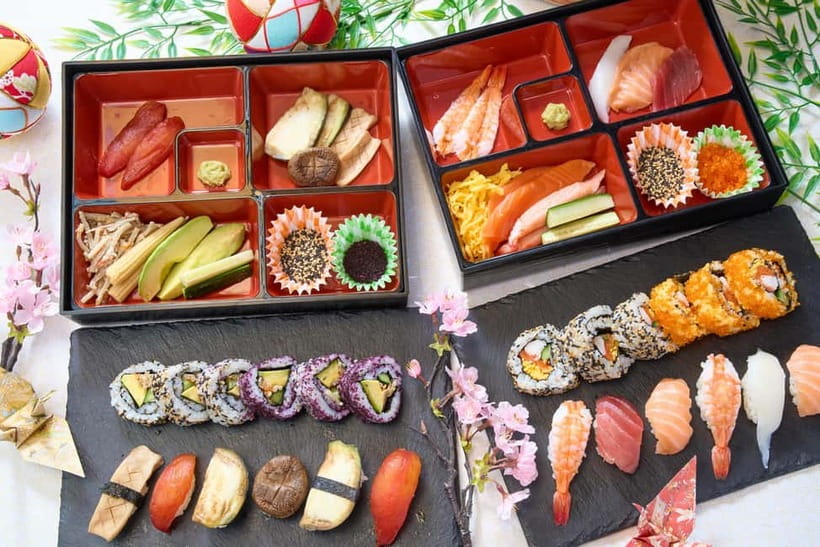
This is a straightforward, 90-minute format. That is a good thing. You can treat it like a fun meal upgrade, not a whole-day commitment.
Step one: a quick sushi quiz that sets the vibe
Before cooking starts, you get a welcome quiz about sushi history. It is not presented like a boring lecture. The point is to get everyone thinking about what sushi is, where it came from, and why it matters in Japanese culture.
I like this opener because it does two things at once:
- It helps first-timers connect the dots.
- It breaks the ice when you are in a mixed group.
You also end up more “aware” while you cook, which makes the final sushi more satisfying.
Cook it yourself instead. Other kitchens in Tokyo
- Sushi Making Tokyo Roll and Authentic Japanese Sushi Class★ 5.0 · 3,971 reviews
- Tokyo: Sushi Making Class in a Happi Coat near a Famous Spot★ 4.9 · 1,377 reviews
- Tokyo Sushi Making Class in Tsukiji with Professional Chef★ 5.0 · 1,177 reviews
- Ramen & Gyoza Cooking Class in Tokyo with Local Supermarket Visit★ 5.0 · 823 reviews
- Tsukiji Fish Market Guided Tour and Sushi Making with Pro Chef★ 5.0 · 775 reviews
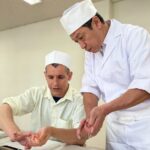
Step two: hands-on sushi making with fresh ingredients
The main course is making sushi yourself. The class includes hands-on instruction and uses fresh ingredients. For vegan and vegetarian options, you are working with plant-based ingredients such as eggplant, mushroom, tomato, and avocado.
You will learn:
- Key ingredients and how they behave in sushi
- Rolling technique for California rolls
- Nigiri shaping, step by step
What makes this part valuable is the structure. Even if you have never rolled anything tight before, you get guidance that turns a messy attempt into something you can repeat later.
Step three: sit down, eat what you made
After your sushi is ready, you eat it. Staff are happy to help with photos of your sushi before you dig in, which is a nice touch because your first instinct is usually to just eat.
This is not a class where you watch your creation disappear from the table. You get to taste what you made, right there in the studio.
Vegan, vegetarian, halal, and gluten-free options that actually fit
Tokyo has options, but dietary needs can still feel like a gamble in some settings. This class is designed around flexibility, as long as you tell them your needs in advance.
Included diet options:
- Vegan
- Vegetarian
- Halal-friendly
- Gluten-free (normal)
The practical takeaway for you is simple: book with your preferences clearly stated. The class notes that menu changes on the day cannot be accommodated. So you want everything set before you arrive.
This matters because sushi is picky. A sushi roll is not just “whatever filling.” Ingredients affect flavor balance and texture. Having a plan for your diet means you are more likely to get a sushi experience that tastes intentional, not improvised.
The instructors: clear steps, friendly energy, real explanations
The class leans on English instruction, which is huge for confidence. You are not stuck translating. You can focus on the hands-on part.
From the instructors named in feedback, Momoyo and Kaito come up often. People describe them as patient, friendly, and good at explaining steps clearly. That matches what you want in a sushi workshop: calm guidance when your roll is not cooperating.
One small detail I appreciate: the class includes conversations and casual teaching moments, not just a strict script. That makes it feel like an experience, not a task.
What you are learning beyond the rolls
Sushi classes can go two ways. Some are mostly for show, where you get a cool photo and a vague memory of “something with rice.” This one is more skill-focused.
Because you make both:
- California rolls
- Nigiri
You learn two different ways of thinking about sushi. Rolls teach you consistency and tightness. Nigiri teaches you portion, shape, and the idea that topping and rice need to sit together properly.
And the class is designed for you to take skills home. The goal is not only to eat in Shibuya. It is to understand enough to try again later.
Why the sushi types matter
Nigiri has a reputation for being “fancy.” But the technique is teachable when someone breaks it down in clear steps. California rolls also help you practice rolling without needing ultra-traditional ingredients.
So even if you are vegan, vegetarian, or halal-friendly, you still get to learn sushi basics that transfer to your kitchen.
Finding the studio and timing it without stress
You do not need to build your whole day around the class, but you should respect the start time. It is 90 minutes total, so plan to arrive a little early and stay un-rushed.
Here is the practical approach I would use:
- Aim to be at the studio around 10 minutes before the class starts.
- Keep your phone charged. You might be confirming the exact meeting point since it can vary by option.
- Wear comfortable clothes. Sushi class is light cooking, but you will be leaning, rolling, and concentrating.
The meeting point can vary depending on the option booked, so double-check details after you book.
What is included, and why that affects value
At $58 per person, the value depends on what you actually get. Here, you are paying for:
- An English-speaking instructor
- A sushi history welcome quiz
- Fresh ingredients appropriate to your selected diet
- Cooking utensils and sushi-making tools
- A hands-on lesson where you make California rolls and nigiri
- Customization for vegan, vegetarian, halal, and gluten-free (normal)
If you compare it to the cost of buying supplies plus a class somewhere else, the price feels reasonable because you are not just eating. You are learning technique, using tools, and working with prepared ingredients on-site.
And because Shibuya Station is close, you are also saving time. Time is money in Tokyo. Less transit stress usually makes experiences feel better.
Small rules to know before you show up
A few details can shape your comfort level.
- Audio recording is not allowed.
- Dietary preferences should be submitted at booking, because menu changes on the day cannot be accommodated.
- You are expected to pick from the offered diet types (vegan, vegetarian, halal-friendly, gluten-free normal).
If you are planning to make video content, keep your camera use simple and respectful. No audio recording means do not rely on automatic mic capture.
Who this sushi class is best for
This experience is a great fit if you want something hands-on and friendly in English in Tokyo.
It is especially good for:
- Food lovers who want to understand the process, not just taste it
- Vegans and vegetarians who worry about being served something “close enough”
- Solo travelers who like small-group social energy
- Couples who want a shared activity that feels different from typical sightseeing
- Beginners who need step-by-step guidance
If you already know how to roll sushi, you might still enjoy it for the nigiri practice and the structured instructions. But if you are chasing advanced chef-level knife technique, this is not described that way.
Should you book this Shibuya vegan sushi class?
I think you should book if you want a confident, diet-friendly way to learn sushi in a prime location. The English instruction, the practical hands-on focus, and the fact that you make both California rolls and nigiri are strong reasons to choose it over a typical food-only outing.
Book it sooner if:
- You already know you want vegan, halal-friendly, vegetarian, or gluten-free (normal) sushi.
- You prefer a short commitment that fits easily into a busy Tokyo day.
- You value clear steps and a relaxed atmosphere.
Skip or reconsider if:
- You might want to change your menu plan at the last minute, because day-of menu changes are not accommodated.
- You specifically need audio recording for personal use, since audio recording is not allowed.
If you want a doable Tokyo activity that ends with you eating what you made, this is a very solid choice.
FAQ
How long is the sushi making class?
The class lasts 90 minutes.
Is the class offered in English?
Yes. The instruction is English.
What dietary options are available?
You can choose vegan, vegetarian, halal-friendly, and gluten-free (normal) options. You should indicate your dietary restrictions when you book.
What do I make during the class?
You make sushi as part of the hands-on lesson, including California rolls and nigiri.
Where is the meeting point?
The meeting point may vary depending on the option booked, but the studio is in the heart of Shibuya and is about a 7-minute walk from Shibuya Station.
Is audio recording allowed?
No. Audio recording is not allowed.
What is the cancellation policy?
You can cancel up to 24 hours in advance for a full refund.
Kitchens You Can Book Into


West Tokyo on Foot: Seven More



Newest Tokyo write-ups from the Loving Japan desk



Shibuya, Shinjuku and Harajuku Walks, side by side.
 ★ 5.0Shinjuku Food Tour (13 Dishes at 4 Local Eateries)From $866,603 reviews
 ★ 5.0Tokyo Bar Hopping Tour in Shinjuku (All-You-Can-Drink + Dinner)From $1063,587 reviews
 ★ 5.0Official Street Go-Kart in ShibuyaFrom $763,435 reviews
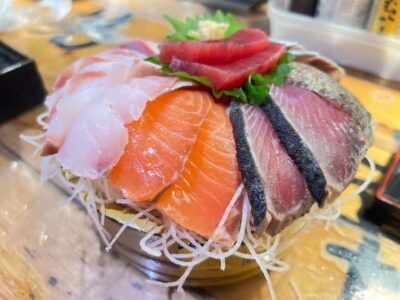 ★ 4.9Shinjuku Food Tour (15 Dishes and 4 Eateries)From $852,033 reviews
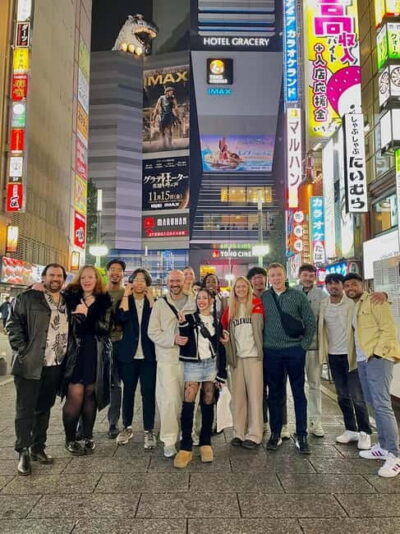 ★ 4.9Shinjuku Local Bar and Izakaya Guided Walking TourFrom $341,794 reviews
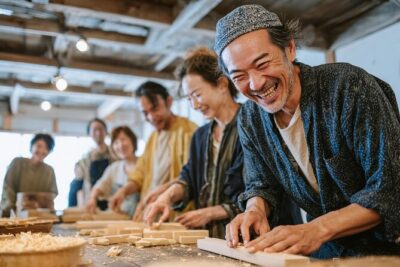 ★ 5.0Tokyo Shinjuku Chopsticks Making ClassFrom $201,763 reviews
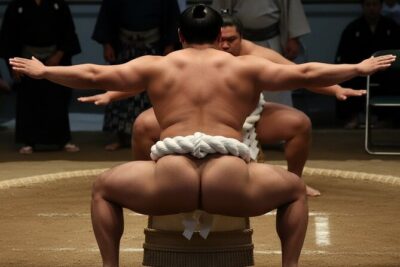 ★ 5.0Tokyo Shinjuku Sumo Show & Experience with PhotoFrom $791,750 reviews
 ★ 4.9Street Kart Experience in ShibuyaFrom $741,484 reviews