
REVIEW · SHIBUYA, SHINJUKU AND HARAJUKU WALKS
Shinjuku Tokyo: Authentic Japanese Home-Style Culinary Class
A Tokyo cooking class that feels like real home cooking. You get a hands-on meal session near Shinjuku, with menu choices like okonomiyaki or gozen, and you cook, then eat together. It is taught in English and designed to work with dietary needs, including vegetarians or vegans, which makes it easier than many “just watch” food tours.
Two things I really like: you choose from multiple popular sets before you arrive, and the instructors (like Kana, Kayo, Miyuki, Lulu, and Chieko) focus on technique and answering questions. One thing to consider is that if another group shares the class day, your exact menu pick might be limited, so check early and be flexible.
In This Review
- Key things that make this Shinjuku Japanese home-cooking class worth your time
- Why this Shinjuku kitchen class feels more like Japan than a restaurant meal
- Menu choices: what you cook near Shinjuku (and what each set teaches)
- A) Okonomiyaki and yakisoba set with sides
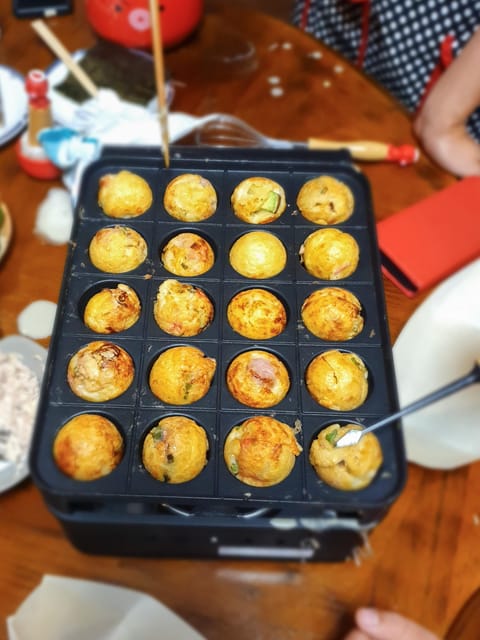
- B) Gyoza and takoyaki set with sides
- C) Rolled sushi and teriyaki set with sides
- D) Traditional gozen set with sides
- E) A menu by request
- What the 150-minute class flow feels like, from prep to your first bite
- How dietary needs and allergies are handled in a real, practical way
- Instructors in action: English teaching, technique coaching, and real personality
- Price and value: why $88 can feel like a bargain in Tokyo
- Getting to the kitchen studio near Shinjuku without stress
- Who should book, and who might want a different kind of activity
- Should you book this Shinjuku Japanese home-cooking class?
- FAQ
- Where is the meeting point for the class?
- What menu options can I choose from?
- If there are other groups in the class, can I still choose my menu?
- Does the class accommodate vegetarian or vegan diets?
- What about food allergies?
- How long is the cooking class?
- What is included in the price?
- Is private transportation included?
Key things that make this Shinjuku Japanese home-cooking class worth your time
- Choose one of four menu sets, from okonomiyaki to gyoza and takoyaki, sushi and teriyaki, or a gozen assortment
- Hands-on cooking, not just sightseeing or tasting
- English instruction, with lots of time to ask what ingredients and sauces mean
- Dietary accommodation including vegetarian or vegan preferences, plus allergy discussion in advance
- Take-home help, like recipes and photos shared after the lesson in many cases
Other routes through the west side of Tokyo, compared
- Tokyo: Shinjuku Food Tour (13 Dishes at 4 Local Eateries)
★ 5.0 · 6,603 reviews - Tokyo Bar Hopping Tour in Shinjuku (All-You-Can-Drink + Dinner)
★ 5.0 · 3,587 reviews - Official Street Go-Kart in Shibuya
★ 5.0 · 3,435 reviews - Tokyo: Shinjuku Food Tour (15 Dishes and 4 Eateries)
★ 4.9 · 2,033 reviews
Why this Shinjuku kitchen class feels more like Japan than a restaurant meal
Tokyo is great at feeding you, but sometimes you get stuck as a spectator. This class flips that. You are in a kitchen studio near Shinjuku, and the goal is simple: make Japanese home-style food with guidance, then eat what you made while everything is fresh and hot.
The “home cooking” angle matters. You are not just learning famous dishes as a list of names. You learn how the pieces fit together, like how a sauce changes the flavor of yakisoba, or how a miso soup rounds out a gozen plate.
This is also one of those experiences where the teacher personality shows up fast. In the class, instructors such as Kana, Kayo, Miyuki, Lulu, and Chieko are repeatedly described as friendly and patient, with English that makes ingredients and techniques click instead of getting lost in translation.
Menu choices: what you cook near Shinjuku (and what each set teaches)
When you book, you can pick one of several well-known sets. The menu options listed are A through D, plus an E option by request, where you discuss what you want and what is available. That’s a big deal because Japanese cooking has “core” dishes, but the learning value changes depending on what you make.
Here is what each menu trains you to do, in practical terms:
A) Okonomiyaki and yakisoba set with sides
This set gives you two very Tokyo-and-beyond comfort staples, built around griddle cooking and sauce balance.
- Okonomiyaki is a savory batter with chopped cabbage and other ingredients, cooked on a teppan-style surface, then finished with sauces and toppings. You learn how batter texture and heat control affect the final bite.
- Yakisoba is stir-fried with ramen noodles and typically paired with meat (seafood or pork are common), plus vegetables and a thick sweet-salty sauce.
It is a satisfying option if you like that classic “hot plate” style cooking and want to learn how Japanese sauces and toppings work together.
Cook it yourself instead. Other kitchens in Tokyo
- Sushi Making Tokyo Roll and Authentic Japanese Sushi Class★ 5.0 · 3,971 reviews
- Tokyo: Sushi Making Class in a Happi Coat near a Famous Spot★ 4.9 · 1,377 reviews
- Tokyo Sushi Making Class in Tsukiji with Professional Chef★ 5.0 · 1,177 reviews
- Ramen & Gyoza Cooking Class in Tokyo with Local Supermarket Visit★ 5.0 · 823 reviews
- Tsukiji Fish Market Guided Tour and Sushi Making with Pro Chef★ 5.0 · 775 reviews
B) Gyoza and takoyaki set with sides
If you want crisp edges and playful shape-making, this is a strong pick.
- Gyoza are pan-fried until crisp, then finished so the inside stays tender. You learn timing and how to manage heat for crunch without burning.
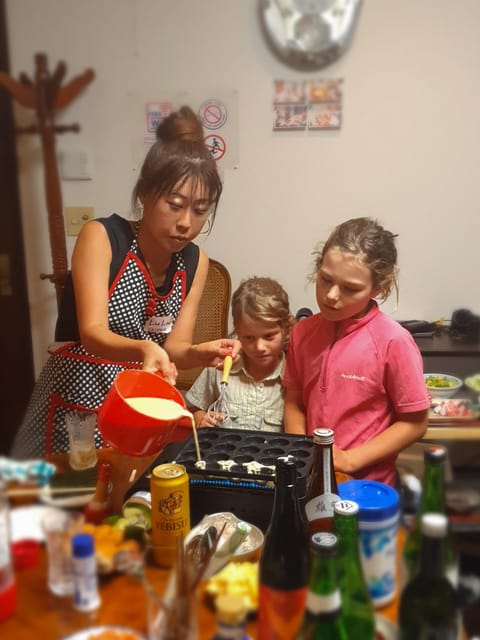
- Takoyaki are famous Osaka-style dumplings cooked in a special mold. You learn the rhythm of filling and turning so they become round, browned balls.
This menu often feels like the most fun to make because you do more shaped, hands-on work than some other options.
C) Rolled sushi and teriyaki set with sides
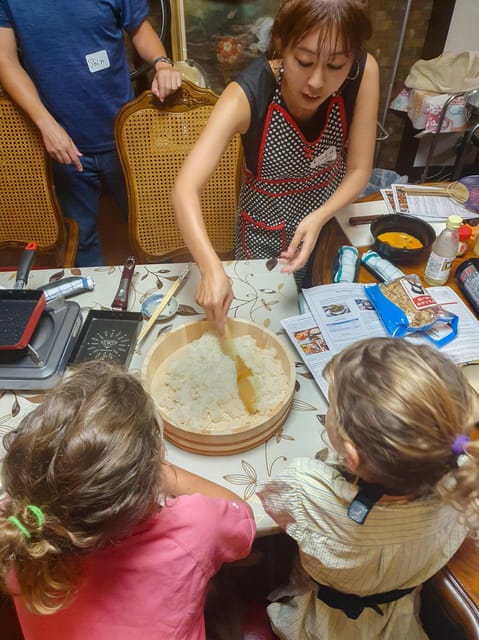
This one is for sushi fans who want to stop eating and start building.
- You make rolled sushi and chop your own pieces. The big skill here is assembly, not just cutting.
- You pair it with a teriyaki dish, plus miso soup.
The learning value is practical: you see how seasonings and sauces turn simple ingredients into “restaurant-style” flavors at home.
D) Traditional gozen set with sides
This is the best option if you want to understand the Japanese idea of a balanced meal.
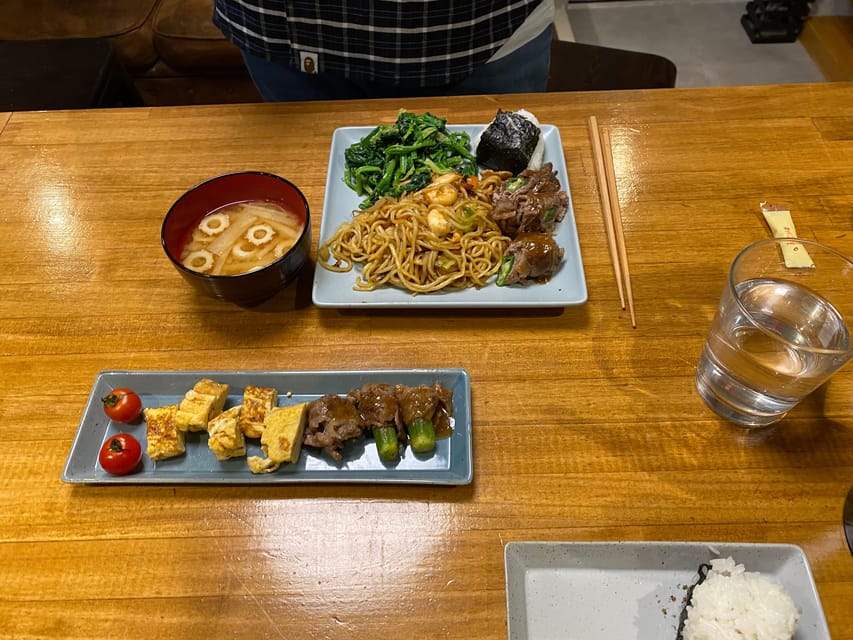
Your gozen includes a little of everything: a meat plate, a fish plate, a side dish, miso soup, and an onigiri rice ball. Even if you are not chasing a hardcore “Japanese bento” aesthetic, this set is a good window into how Japanese home meals are structured.
E) A menu by request
If you ask for something specific, you can discuss and decide together what options are available. This is ideal when you have a strong preference but still want to keep the class format.
What the 150-minute class flow feels like, from prep to your first bite
The class runs about 150 minutes, which is a sweet spot. Long enough to cook multiple dishes, short enough that you do not lose focus.
While the exact minute-by-minute schedule can vary with the menu, the experience follows a clear rhythm:
- Get oriented and confirm your needs. You talk with your instructor about what you chose, and if you have allergies you should mention them in advance so they can discuss what can be made safely.
- Hands-on prep. Instructors have your ingredients ready ahead of time, and then you help with prep steps tied to your menu. This is where you learn what matters, like cutting styles, mixing, or how fillings should feel before cooking.
- Cook in stages. You cook the main dishes you selected, usually with griddle or pan techniques depending on the menu. You get feedback as you go, which is especially helpful for gyoza crisping or okonomiyaki turning.
- Finish and plate. You learn how the dishes should look when done, then serve the meal you made.
- Eat together and ask questions. This is not a silent production. Instructors spend time explaining ingredients and techniques, and you can ask about taste, substitutions, and how Japanese home kitchens approach the same dish.
- Take-home support. Many classes end with recipes shared afterward and photos from the experience. Some people also buy a pan later so they can recreate the cooking at home.
A recurring theme in the feedback is that this class can leave you full well past the end, because you make enough food to really eat, not just nibble.
How dietary needs and allergies are handled in a real, practical way
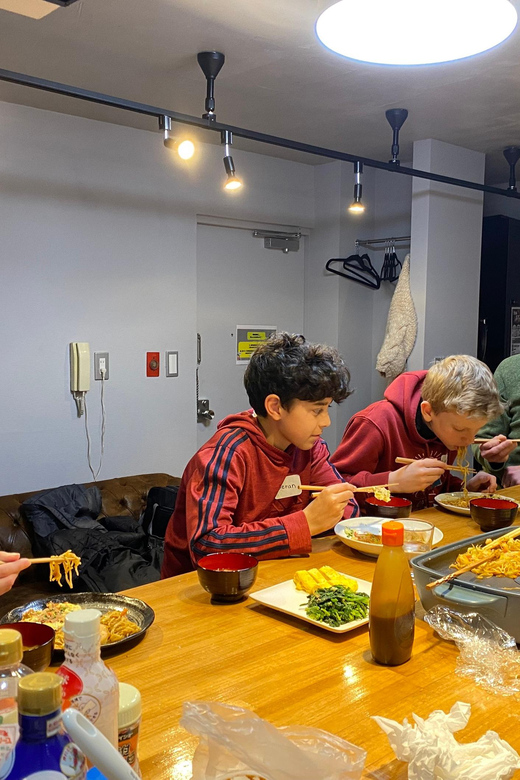
This is one of the most reassuring parts of the class. The experience is designed to accommodate dietary preferences, including vegetarians or vegans. That means the class is not only marketed as “food for everyone,” it is set up to respond to how you eat.
For allergies, the key is communication. If you have allergies, you should tell the instructor in advance so they can discuss what menu options and ingredient substitutions are possible.
What I like about this approach is that it treats allergies as a planning issue, not an on-the-spot crisis. You get a conversation early, which usually leads to better outcomes than improvising.
One more practical tip: when you book, be clear about what you cannot eat. The smoother your message, the easier it is for the instructor to choose or adjust options.
Instructors in action: English teaching, technique coaching, and real personality
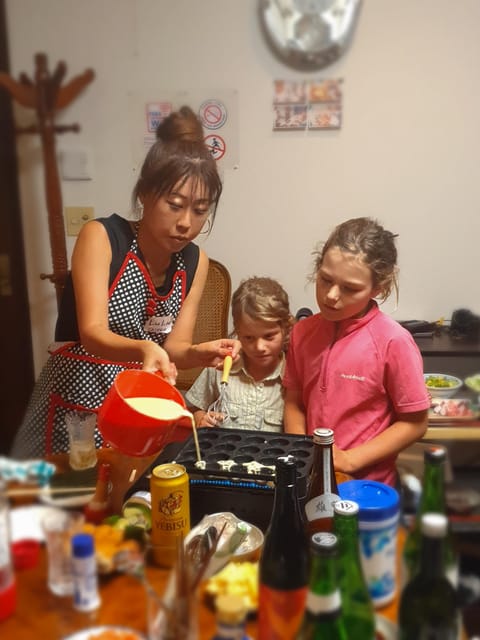
This is not a script read off a card. The instructors are described as warm, patient, funny at times, and focused on making sure you understand what you are doing.
English instruction is a major plus. When you are learning why a sauce thickens, or how miso soup timing affects flavor, you do not want to be guessing. Multiple instructors get praised, including Kana, Kayo, Miyuki, Lulu, Chieko, Mika, and others, plus an assistant named Yuki in at least one class.
Another detail that shows up again and again: instructors share cultural context alongside the cooking. That does not mean you get a lecture. It is more like short, useful background while you work, so the dish makes sense beyond taste.
Also, classes can be tailored to who is in the room. Some groups report they were the only attendees, which made the attention feel very personal and easy for questions. Even when you are not the only group, you can still expect interaction because the teaching happens through doing.
Price and value: why $88 can feel like a bargain in Tokyo
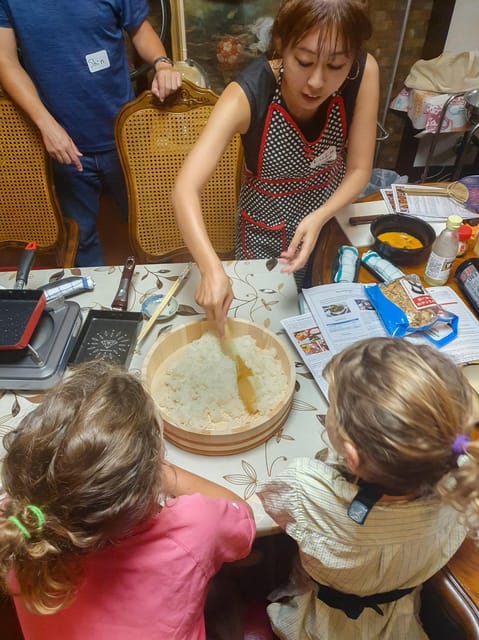
At $88 per person for about 150 minutes, this sits in the “active experience” category, not the “quick tasting” category. The biggest reason it can feel like value is what is included.
Your price includes:
- all fees and taxes
- cooking tools
- ingredients
- drinking water
Transportation is not included, so you handle getting there yourself. But once you are in the studio, you are not paying extra for ingredients, utensils, or the meal itself.
Then there is the skill value. Many people leave with recipes and a sense of technique they can reproduce. Some even buy a pan after the class to recreate what they made, which is about as practical as a souvenir gets.
If your goal is to spend money on something that changes what you can cook at home, this class usually makes more sense than a single dinner meal.
Getting to the kitchen studio near Shinjuku without stress
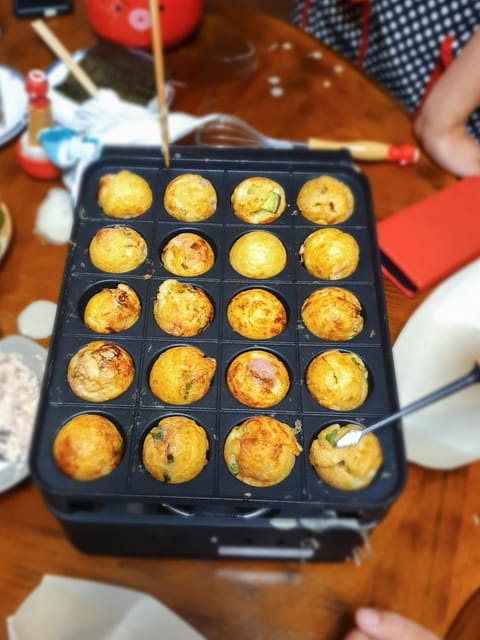
The meeting point is a kitchen studio in or around Shinjuku. The exact address is provided after you book, and you should wait for the message with the location details.
That is normal for classes like this, but it means you should not assume your map pin will be perfect. Plan for a little buffer time. One review mentions an address confusion that caused a short delay, which is the kind of issue you can avoid by confirming the final address before leaving.
Also, private transportation is not included, so plan your route using public transit or a taxi if you are tired. Shinjuku is a big hub, so transit access is typically straightforward, even if the studio itself is not on a main shopping street.
Who should book, and who might want a different kind of activity
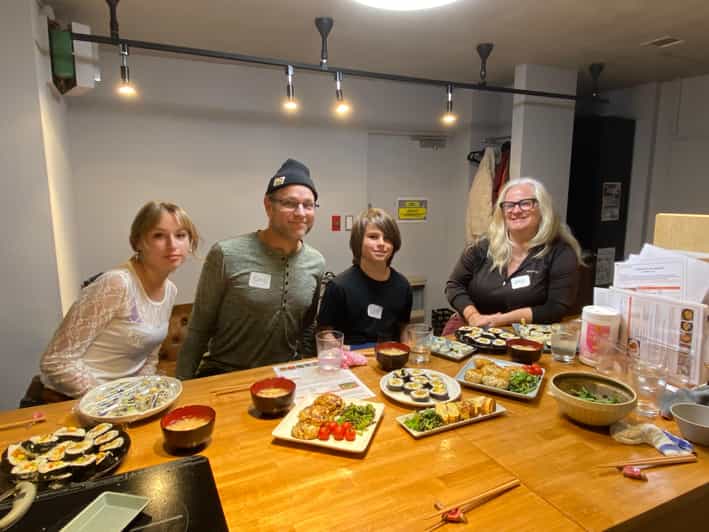
This class is a great fit if you want:
- hands-on cooking with real guidance
- familiar Japanese comfort foods like okonomiyaki, yakisoba, gyoza, takoyaki, sushi, teriyaki, and gozen
- a lesson that works with dietary needs, including vegetarian or vegan preferences
- English instruction and lots of chances to ask questions
It is also a solid choice for families. One class is described as enjoyable for both adults and kids, including children around ages 7 to 12.
You might consider a different option if you are the type who wants minimal cooking and maximum eating. A few people note they would have liked to do more of the cooking versus watching. In general, though, this is still a participatory class, just with some steps handled by the instructor to keep things moving and safe.
Should you book this Shinjuku Japanese home-cooking class?
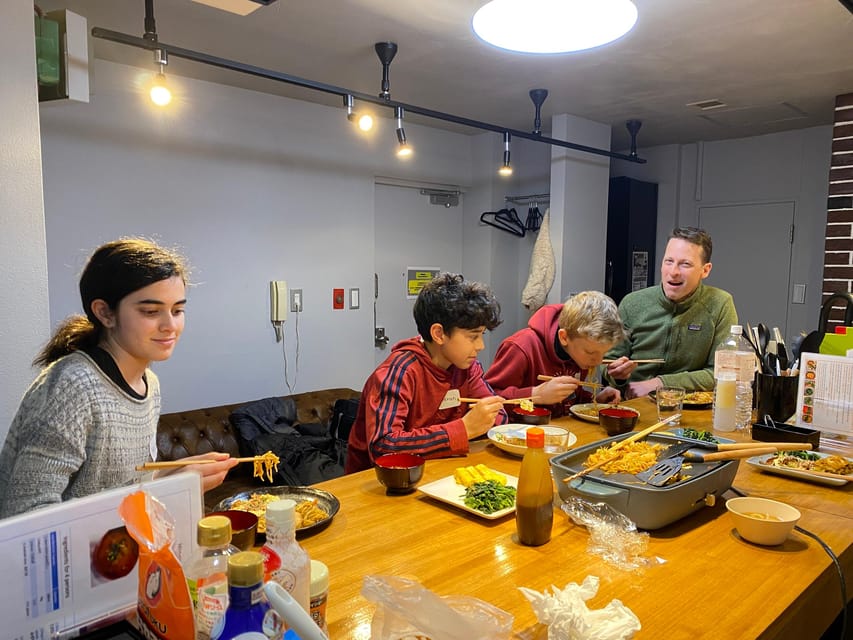
If you are in Tokyo and you want more than a meal, I think booking makes sense. You cook classic dishes, you learn techniques you can reuse, and you get a guided meal that is structured, not chaotic.
Book it if:
- you want Japanese cooking basics you can replicate at home
- you care about dietary accommodation and allergy planning
- you like interactive experiences, not just tasting
Skip it or rethink it if:
- you have no interest in cooking and only want to observe
- you are very strict about a single menu item and you dislike the possibility that menu choices can be limited when other groups attend the same day
If you do decide to go, pick the menu that matches what you actually want to practice at home. Okonomiyaki and yakisoba is griddle comfort. Gyoza and takoyaki is shape and crisp control. Sushi and teriyaki is assembly and sauce flavor. Gozen is balance and structure. Any one of them can turn your Tokyo trip into a cooking skill you keep.
FAQ
Where is the meeting point for the class?
The meeting point is a kitchen studio in or around Shinjuku, Tokyo. The exact address is sent to you after you book.
What menu options can I choose from?
You can select from one of four menu options, which include okonomiyaki and yakisoba, gyoza and takoyaki, rolled sushi and teriyaki, or a traditional gozen set. There is also an option to request a menu (E) and discuss it together.
If there are other groups in the class, can I still choose my menu?
You can choose a menu when you book, but the information notes that if another group also attends the same class, you may not be able to choose your menu.
Does the class accommodate vegetarian or vegan diets?
Yes. The class is designed to accommodate dietary preferences, including vegetarians or vegans.
What about food allergies?
If you have food allergies, you should let the organizers know in advance so they can discuss what menu options and adjustments will be available.
How long is the cooking class?
The duration is about 150 minutes.
What is included in the price?
The price includes cooking tools, ingredients, drinking water, and all fees and taxes.
Is private transportation included?
No. Private transportation is not included.
Kitchens You Can Book Into


West Tokyo on Foot: Seven More



Newest Tokyo write-ups from the Loving Japan desk



Shibuya, Shinjuku and Harajuku Walks, side by side.
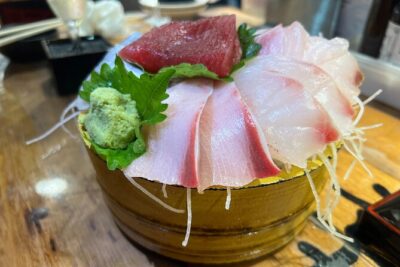 ★ 5.0Shinjuku Food Tour (13 Dishes at 4 Local Eateries)From $866,603 reviews
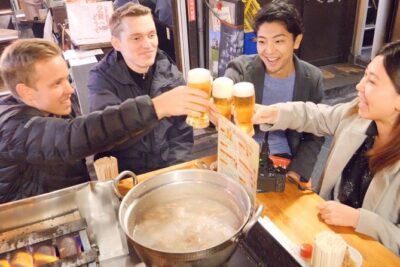 ★ 5.0Tokyo Bar Hopping Tour in Shinjuku (All-You-Can-Drink + Dinner)From $1063,587 reviews
 ★ 5.0Official Street Go-Kart in ShibuyaFrom $763,435 reviews
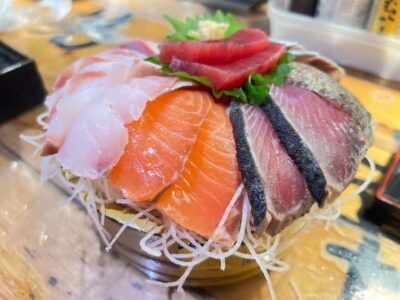 ★ 4.9Shinjuku Food Tour (15 Dishes and 4 Eateries)From $852,033 reviews
 ★ 4.9Shinjuku Local Bar and Izakaya Guided Walking TourFrom $341,794 reviews
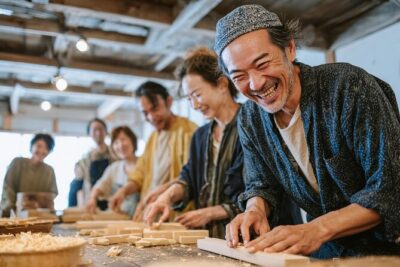 ★ 5.0Tokyo Shinjuku Chopsticks Making ClassFrom $201,763 reviews
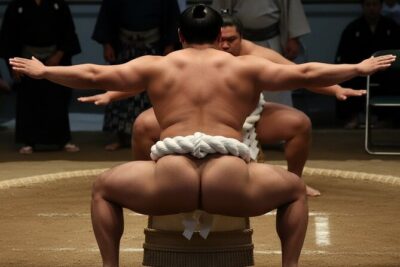 ★ 5.0Tokyo Shinjuku Sumo Show & Experience with PhotoFrom $791,750 reviews
 ★ 4.9Street Kart Experience in ShibuyaFrom $741,484 reviews
Filed on these lists too