
REVIEW · ASAKUSA, SENSO-JI AND TOKYO SKYTREE
Sumo Wrestlers Morning Practice Tour – Tokyo Sumida District
Sumo before breakfast is the real deal. This morning tour takes you to a sumo stable for daily training in Tokyo, plus clear explanations of rules and culture that go way beyond match-day watching. You also get a photo chance with the wrestlers after practice, and then you are back near Tokyo Skytree for the rest of your day.
I love the ringside access. Watching the wrestlers up close while they run their routine quietly and methodically is different from sitting in a loud arena. I also like that the guide helps you navigate the culture, including guidance on what to do in the stable and how to avoid cultural missteps.
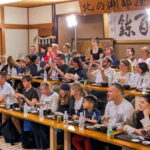
One big consideration is seating. There are NO CHAIRS in the stable, so you sit on the floor (cross-legged) for about 1.5 hours, and you will be asked to follow strict etiquette. If that is not doable for you, the experience will feel stressful instead of special.
In This Review
- Key Points Worth Getting Up Early For
- Morning Sumo Practice Is Not a Show, and That Is the Point
- Oshiage Meet-Up, Then a Short Walk to the Stable
- Stable Etiquette: What You Must Do Once the Practice Starts
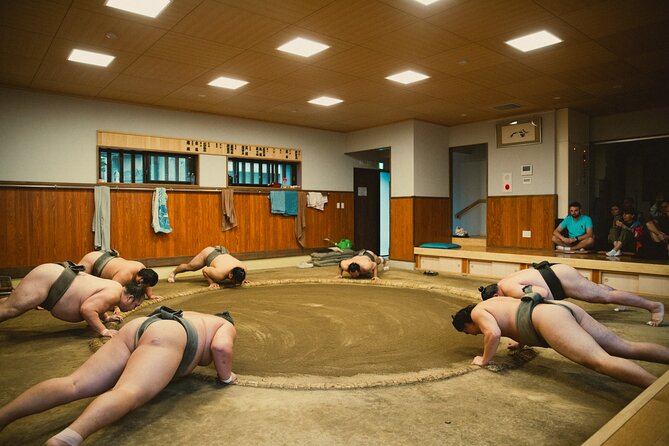
- Quiet Viewing in Sumida: What Morning Training Looks Like
- Learning Sumo Rules Without Feeling Lost
- Q&A With the Stable Master: Where the Best Insights Usually Happen
- Photo Time With the Wrestlers, Plus the Reality of Timing
- How This Tour Leaves the Rest of Your Tokyo Day Wide Open
- Price and Value: Paying $83.23 for Access and Understanding
- Who Should Book This Sumo Morning Practice Tour, and Who Might Hate It
- Should You Book This Sumo Morning Practice Tour?
- FAQ
- How long is the Sumo Wrestlers Morning Practice Tour?
- Where do we meet, and what time do we start?
- Is there a place to sit in the sumo stable?
- Can I take photos or videos during the practice?
- What should I do when I arrive at the stable?
- Is this tour suitable for children?
Key Points Worth Getting Up Early For
- Truly up-close training with quiet, respectful viewing while wrestlers do their daily routine
- English support that helps you understand what you are seeing, not just watch it
- Stable etiquette made simple, including no shoes, silent phones, and no flash photos
- Photo time after practice (if practice timing allows on the day you go)
- Small group size (maximum 25) for a more personal experience
Still on the Sumida side? A few more Asakusa options
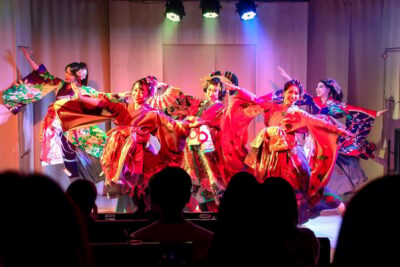
- Tokyo: Japanese Dance Cabaret Theater Asakusa-Kaguwa Ticket
★ 4.8 · 2,270 reviews - Tokyo: Meiji Shrine, Asakusa, Skytree Bus Tour and Cruise
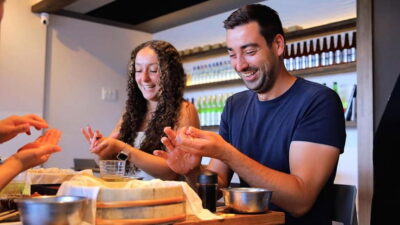
★ 4.7 · 1,986 reviews - Tokyo: Roll and Authentic Sushi Making Class in Asakusa
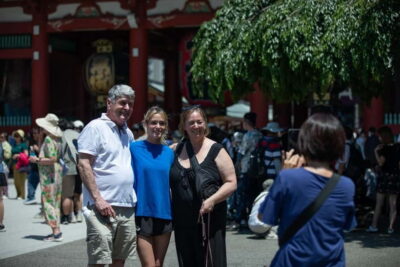
★ 4.9 · 1,957 reviews - Tokyo: Asakusa Walking Tour with Sensoji Temple Visit
★ 4.8 · 1,583 reviews
Morning Sumo Practice Is Not a Show, and That Is the Point
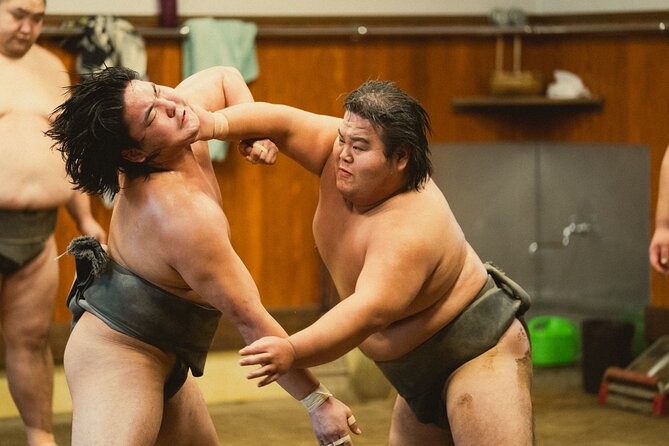
Tournament sumo is about drama, crowds, and big moments. This tour is about discipline, repetition, and the “craft” side of the sport. You will see the wrestlers doing work, not performing for your entertainment.
That difference matters. You learn the rules and cultural context, and you get a sense of how much routine drives performance. One review called it an eye-opener for how much discipline sumo requires, and that rings true from the way the tour is set up.
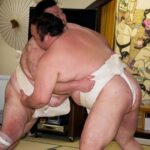
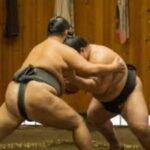
You should also adjust expectations about contact. This practice is for training, and you are likely to see snippets of wrestling rather than full match-style action.
Oshiage Meet-Up, Then a Short Walk to the Stable
The tour starts at 7:30am sharp. You meet at 7:10am at the address in Oshiage (1-chōme-8-21 Oshiage, Sumida City), and then you walk about 15 minutes to the stable.
That early timing is not random. Morning practice keeps you close to real daily life in sumo culture, and it also means you finish while the rest of Tokyo is just getting going. It is also near Tokyo Skytree, so after the tour you are not stuck crossing the city for the rest of your day.
Bring a small towel if it is rainy. The walk to the stable can get your feet wet, and inside you will be removing shoes right away.
Stable Etiquette: What You Must Do Once the Practice Starts
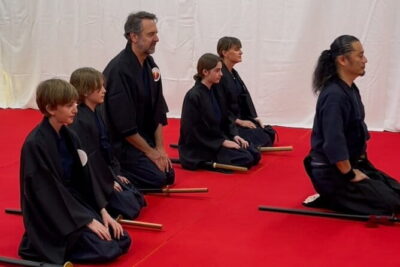
Inside the stable, you follow strict rules. No shoes on the raised wooden floor. You take them off as soon as you enter, then you settle in and watch quietly.
Seating rules are part of the etiquette and part of the experience. You sit on the floor cross-legged for around 1.5 hours, and you should not stretch your legs toward the ring, since showing soles of feet is considered impolite. You also should not stand up or move around during practice.
Phone and camera rules are clear. Cellphones must be on silent. Photos are allowed as long as you do not use flash or any shutter sounds. Videos are allowed, but you cannot upload photos or videos on social media platforms.
And yes, there are food and cleanliness rules too. No food, no chewing gum or candies, and no smoking. You can bring and drink water, which is a smart way to stay comfortable during a quiet session.
Finally, dress modestly. Sunglasses and hats are not allowed in the stable, and your group will be following the guide’s instructions closely from start to finish.
Morning practice or an evening show. Both reviewed
- Tokyo: Sumo Show and Dining Experience★ 4.8 · 2,742 reviews
- the SUMO show★ 5.0 · 1,960 reviews
- Tokyo: Sumo Show and Experience in Shinjuku★ 4.8 · 1,001 reviews
- Tokyo:Luxury Sumo Show Experience & Japanese cuisine & Drink★ 4.7 · 577 reviews
- Tokyo: Sumo Morning Practice Viewing Tour★ 4.8 · 570 reviews
Quiet Viewing in Sumida: What Morning Training Looks Like
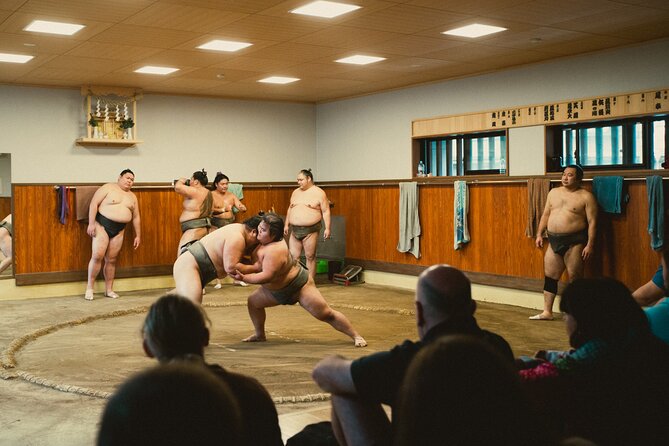
Once you arrive, you watch respectfully as the wrestlers go through their daily routine. The main session is long enough to let you see patterns in how they train, not just a brief highlight reel.
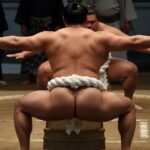
It is also fascinating because sumo is physical in ways people do not always expect. One review highlighted how the wrestlers showed agility despite their size. Another called it incredible to see flexibility up close, which is the kind of thing you understand only when you are actually watching them work.
You will also likely notice that training is not random movement. Even when you do not read every detail, you can see the structure: warm-up style work, repetition, and a focus on form. The tour is designed so you learn the meaning of the exercises rather than just watching bodies moving.
Learning Sumo Rules Without Feeling Lost
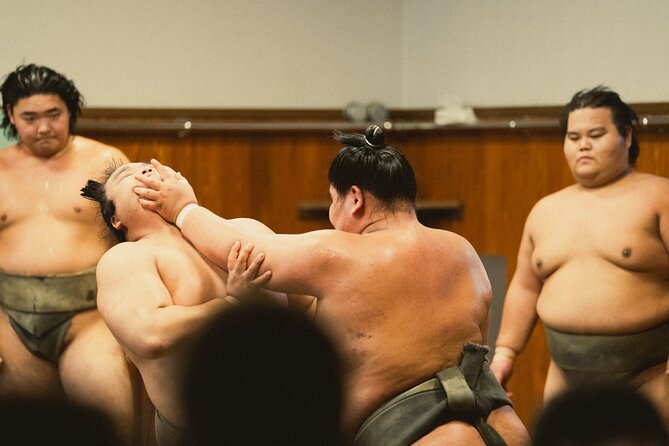
This is where the guide earns their fee. The tour is structured so you can understand what you are seeing, including history and the rules and regulations of sumo that most people could not pick up on their own in a short morning.
If you are the type who likes context, you will enjoy how the tour connects sumo to cultural roots. The training is framed as a sport that originated from Shinto, and the guide also helps explain what matters and why, not just what happens.
Guide support is also practical. One review said the guide translated from Japanese to English perfectly. Another mentioned that both the guide and the master were open and approachable, with real time to ask questions.
And if you get Yuriko as your guide, you are in good hands. One reviewer specifically called out Yuriko as patient and knowledgeable, and that matches the way this tour is described as a language and culture bridge.
Q&A With the Stable Master: Where the Best Insights Usually Happen
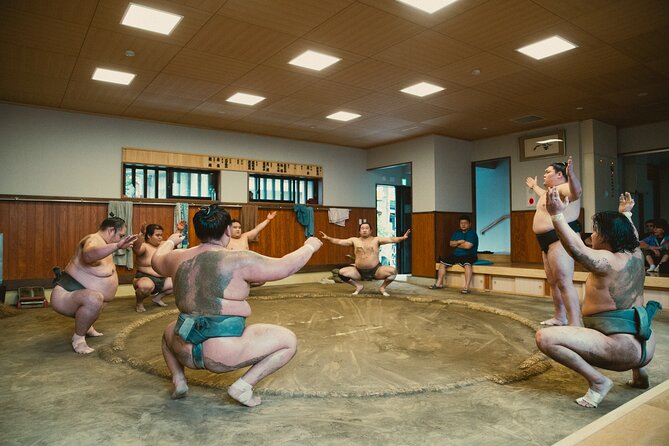
Practice is impressive, but the best learning often comes after. Many tours keep you watching and then move you along, but this one builds in time for deeper conversation.
You may get Q&A with the stable manager or stable master, depending on the day’s flow. Reviews mention asking questions after the session, including insight into diet. That kind of answer turns sumo from a spectacle into a system, because you start to understand what the wrestlers eat and how that supports training.
This is also the moment when questions stop sounding basic. Once you have watched the routine quietly for a while, you know what to ask. You can connect your observations to the bigger picture, like how training relates to body type, discipline, and long-term performance.
Just be prepared that this part is real conversation, not a scripted lecture. You will get the most out of it if you can share one or two questions you actually care about.
Photo Time With the Wrestlers, Plus the Reality of Timing
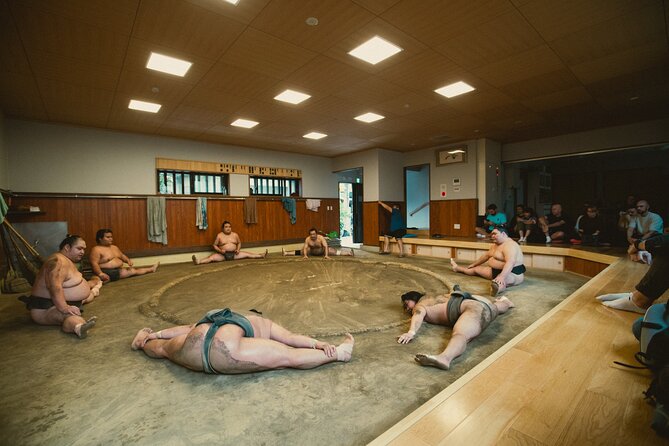
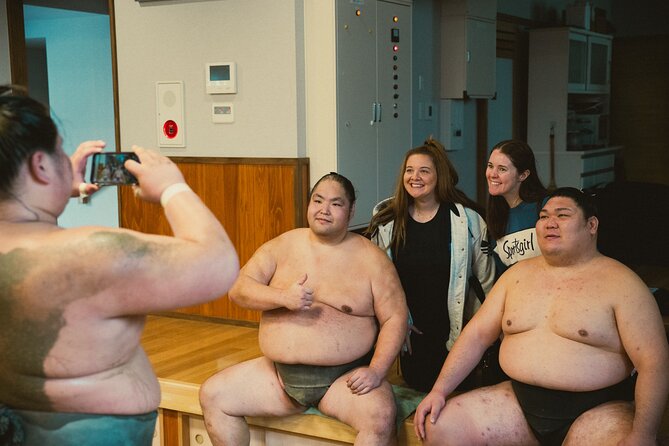
The tour ends with a photo opportunity with the wrestlers. In practice, this is a short finale, designed to give you a memorable moment after you have already earned access through quiet attention.
One important note: practice can end earlier than usual. That means the full schedule may run shorter on the day you go. If you are trying to squeeze this tour into a tight itinerary, plan some breathing room for variability.
Also, ask your guide about what is possible for photos on the day. The rules say photos are okay without flash or shutter sounds, but the exact photo flow depends on the stable’s timing.
How This Tour Leaves the Rest of Your Tokyo Day Wide Open
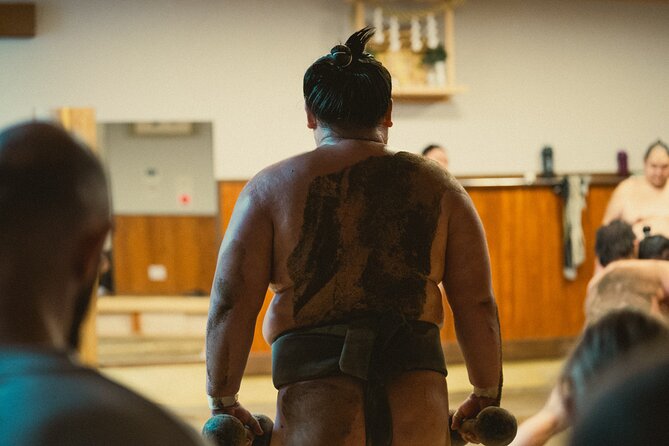
This tour is about a 2-hour window, approximately, and it returns you back to the meeting point near Skytree. That matters because you are not stuck committing to an all-day plan just to get one meaningful activity.
You start early, finish early, and then you can pivot. Spend the late morning and afternoon exploring neighborhoods, temples, markets, or just taking your time around the Skytree area.
It also helps that the tour is mobile-ticket based. You do not have to chase paper, and you can focus on being there on time and following stable etiquette.
Price and Value: Paying $83.23 for Access and Understanding
At $83.23 per person, this is not a cheap add-on. But it is priced like an experience that combines access, translation, and cultural instruction.
Here is the value equation you are buying:
- A morning window that is hard to replicate on your own without local language and know-how
- An English guide who helps you understand the sport and follow strict stable rules
- A small-group setting (maximum 25) that makes it easier to manage etiquette and viewing
- A photo moment after practice, which is often the part people remember most
It is also worth noting that the stops include free admission tickets for the tour flow. You are not paying an extra museum-type fee on top of the experience. Instead, the cost mostly goes toward guided access and interpretation.
If you want a match-day spectacle, this may feel pricey for what you actually see. But if you want to understand sumo as a discipline and get close to training, it is strong value for the time invested.
Who Should Book This Sumo Morning Practice Tour, and Who Might Hate It
This tour fits best if you:
- Like early mornings when the city is calm
- Want more than a photo and prefer learning the rules and cultural context
- Can commit to silent, respectful behavior for around 1.5 hours
- Are comfortable sitting cross-legged on the floor
It may be a poor fit if you:
- Need chairs or cannot sit on the floor for the full stretch
- Expect full-contact, match-level action during practice
- Have trouble with strict instruction and quiet rules, especially if traveling with a child
Group size can also affect viewing. One review noted a front-row view for most people, but one row of people in front for their group, so your exact spot may vary depending on how everyone lines up.
Finally, kids need to behave. The minimum age is 6, and noisy behavior or moving around can lead to being asked to leave the stable during the tour.
Should You Book This Sumo Morning Practice Tour?
I think you should book it if you want authentic sumo culture, not just a quick spectacle. The biggest win is the combination of quiet, up-close training plus real explanation. You leave understanding the sport’s rules and the daily discipline behind the drama of tournament days.
Skip it if your comfort matters more than cultural etiquette. No chairs is a deal-breaker for some people, and this tour expects you to sit and watch with patience. Also, if you are chasing nonstop action like you might see in a match, set your expectations that this is training, not a performance.
If you want a Tokyo morning activity that feels both practical and deeply Japanese, this one is a smart choice. You will come away with a new respect for how sumo works, one routine at a time.
FAQ
How long is the Sumo Wrestlers Morning Practice Tour?
The tour is about 2 hours. The practice may end earlier than usual depending on the day, so the tour can be shorter.
Where do we meet, and what time do we start?
You meet at 1-chōme-8-21 Oshiage, Sumida City, Tokyo 131-0045. Please arrive by 7:10am, and the group leaves at 7:30am sharp.
Is there a place to sit in the sumo stable?
No. There are no chairs in the stable, and you should be able to sit cross-legged on the floor for about 1.5 hours.
Can I take photos or videos during the practice?
Yes for photos, as long as there is no flash and no shutter sounds. Videos are allowed, but you cannot upload photos and videos to social media platforms.
What should I do when I arrive at the stable?
Remove your shoes right away, since shoes are not allowed on the raised wooden floor. Watch quietly, do not stand up, and follow the guide’s instructions.
Is this tour suitable for children?
The minimum age is 6. If children are noisy or cannot watch quietly, they may be asked to leave the stable during the tour.
Practice Rooms and Show Nights

Asakusa and the Skytree, Keep Going


Newest Tokyo write-ups from the Loving Japan desk

Asakusa, Senso-ji and Tokyo Skytree, side by side.
 ★ 4.5TOKYO SKYTREE® Admission ticketFrom $1311,192 reviews
 ★ 4.8Japanese Dance Cabaret Theater Asakusa-Kaguwa TicketFrom $492,270 reviews
 ★ 4.7Meiji Shrine, Asakusa, Skytree Bus Tour and CruiseFrom $1221,986 reviews
 ★ 4.9Roll and Authentic Sushi Making Class in AsakusaFrom $581,957 reviews
 ★ 4.8Asakusa Walking Tour with Sensoji Temple VisitFrom $221,583 reviews
 ★ 5.0Tokyo Asakusa Rickshaw TourFrom $421,375 reviews
 ★ 4.5Tokyo Panoramic 1 Day: Meiji Shrine, Asakusa, Odaiba and SKYTREE®From $851,222 reviews
 ★ 5.0Tokyo Go Kart: Asakusa, Skytree, and Akihabara **IDP MUST**From $99988 reviews
Filed on these lists too