
REVIEW · JAPANESE COOKING CLASSES
Sushi Cooking Class: AKEMI’s SUSHiKiTCHEN in Tokyo
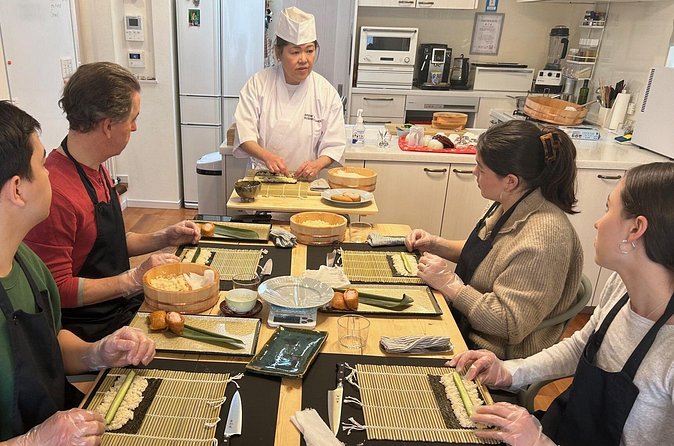
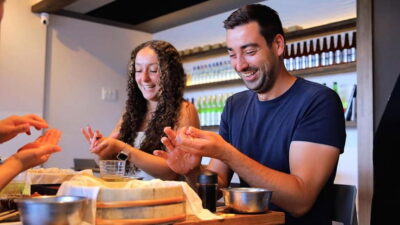
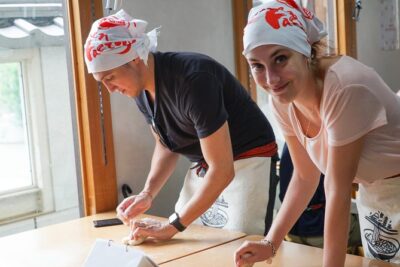
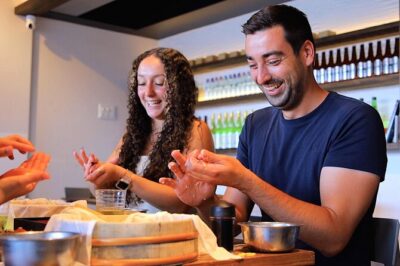
Sushi here is hands-on, in a real home. You’ll step into Akemi’s SUSHiKiTCHEN for a small-group sushi class where cooking and culture travel together. The focus is practical: you make sushi, you learn the why, and then you eat what you made.
I really like the small-group format. With a maximum of five students, you get personalized guidance instead of watching from the sidelines. I also like that the lesson is taught by Akemi, who has 7 years in the restaurant industry and completed the Edomae Sushi Technique Acquisition Course through the Tokyo Sushi School.
One drawback to consider is that this is a cooking-first experience, not a sightseeing tour. You’ll spend your time learning and eating, so you’ll want to plan Tokyo exploring before or after.
In This Review
- Key highlights at a glance
- Akemi’s home kitchen: why this Shibuya-area class feels personal
- Inside the lesson: making four types of sushi you can actually eat
- Kyoto rice and Toyosu and Tsukiji fish: the ingredient story you’ll remember
- Edomae technique, English instruction, and the skill you’ll reuse
- Sushi history and etiquette: more than a recipe sheet
- Price and value: is $105.68 worth it for a 2.5-hour class?
- Who should book, and who might feel mismatched
- Should you book Akemi’s Sushi Cooking Class?
- FAQ
- How long is the sushi cooking class?
- What is the price per person?
- How many people are in the class?
- Where does the class meet?
- What will I make during the class?
- What is the cancellation policy?
Key highlights at a glance
- Small-group coaching for real feedback while you work
- Kyoto Hachidaime Gihey blended rice paired with carefully sourced fish
- Fresh neta from Toyosu and Tsukiji fish markets
- Edomae training plus English-friendly instruction in a Tokyo home
- Sushi history, terminology, and eating etiquette, learned as you cook
Cook it yourself instead. Other kitchens in Tokyo
- Tokyo: Roll and Authentic Sushi Making Class in Asakusa
★ 4.9 · 1,957 reviews - Tokyo: Sushi Making Class in a Happi Coat near a Famous Spot
★ 4.9 · 1,377 reviews - Tokyo Sushi Making Class in Tsukiji with Professional Chef
★ 5.0 · 1,177 reviews - Ramen & Gyoza Cooking Class in Tokyo with Local Supermarket Visit
★ 5.0 · 823 reviews
Akemi’s home kitchen: why this Shibuya-area class feels personal
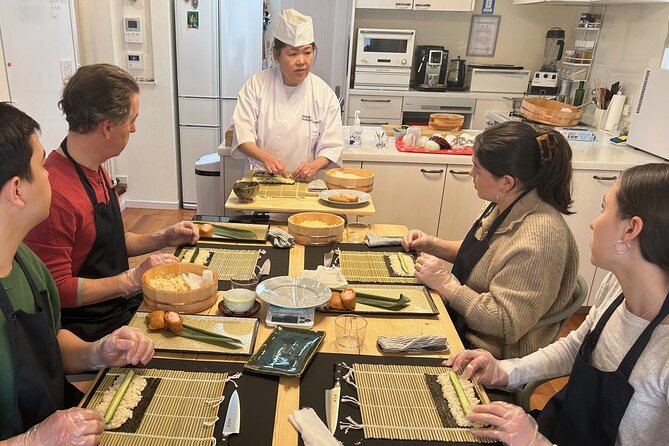
This class takes place in Akemi’s home, not a studio and not a restaurant kitchen. That matters, because you get a calmer setting where you can actually ask questions while you cook. The atmosphere is described as lovely and residential, which makes the whole experience feel like a genuine Tokyo dinner invitation, just with a teaching plan.
The lesson also runs in a small group, limited to a maximum of six travelers, with lessons limited to five students. In practice, that means you aren’t squeezed around a counter while someone calls out instructions for a crowd. You can slow down, learn the motions, and get corrected while it still matters.
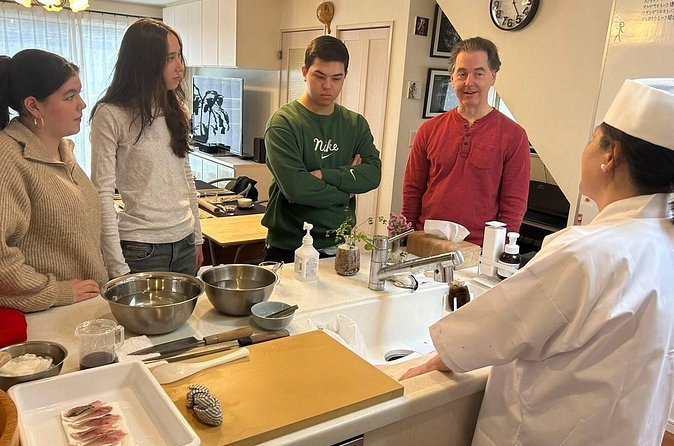
Akemi is the main teacher, and in the hosting setup there’s also Dan, who comes across as friendly and supportive. If you’re worried about language barriers, you’ll appreciate that Akemi uses English to explain the process and the culture behind the food. Even Japanese food fans can learn from the explanations, which is a good sign you’ll cover more than just recipes.
You’ll meet at Tamanosato Sasazukaten 1-chōme-56-18 Sasazuka, Shibuya, Tokyo 151-0073. From there, the experience ends back at the same meeting point. It’s a straightforward loop, which is helpful when you’re stacking plans for a busy Tokyo day.
Finally, the total time is about 2 hours 30 minutes. That’s long enough to learn technique and make several sushi styles, but short enough that you should still feel free to roam Tokyo afterward.
Inside the lesson: making four types of sushi you can actually eat
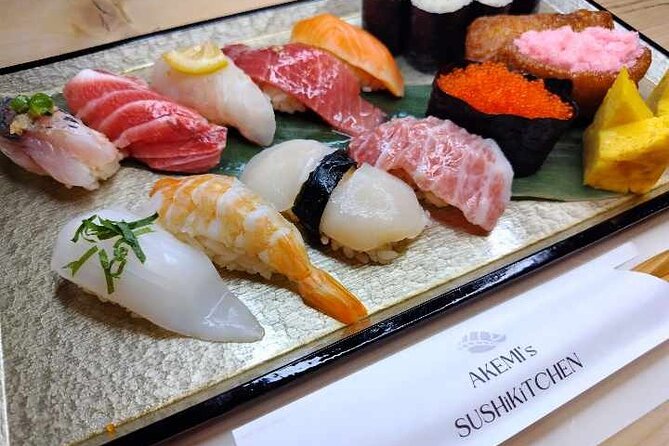
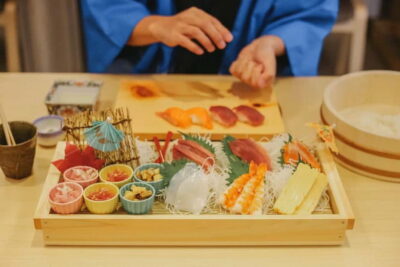
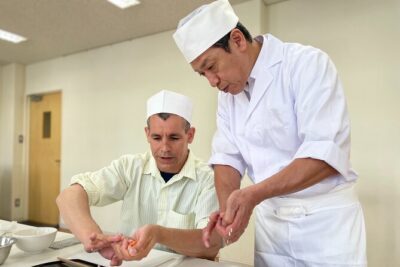
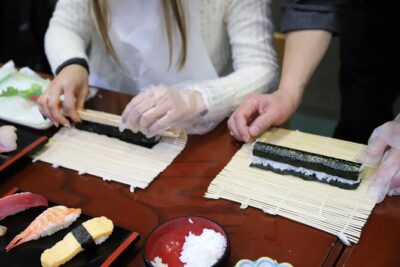
The main activity is cooking: you will learn how to make sushi through a guided, hands-on session. The class teaches you to create four types of sushi, and the lesson culminates in a meal that you eat. That combination, instruction plus eating your own results, is what turns this from a demo into a real skill-building experience.
Expect the flow to follow a rhythm that makes sense for beginners and non-experts. You’ll get personalized guidance, then you’ll practice what you were shown. Since the class includes terminology and etiquette, you’re not only learning what to do, you’re also learning what the words mean and how to behave while eating.
If you’re new to sushi, don’t worry. The description specifically notes that even people who have never tried sushi before can still have a satisfying outcome. That’s because the class is built around technique and fresh ingredients, not just “good luck rolling correctly” vibes.
Here’s why that matters for you: when you learn sushi in a home setup, the small details suddenly click. You stop treating sushi like a restaurant product and start understanding it as a balance of rice, fish, and assembly. And since the meal is what you produce, you get immediate feedback from taste, texture, and presentation.
Kyoto rice and Toyosu and Tsukiji fish: the ingredient story you’ll remember
Sushi is often talked about like it’s all technique. In reality, ingredients drive a huge part of the result. This class leans into that truth in a big way by using high-quality components you might not think to seek out on your own.
For the rice, Akemi sources specially ordered blended rice from Hachidaime Gihey in Kyoto, established in 1787. That’s not just a fancy label. In sushi, rice is the foundation. If the rice is right, everything else feels more forgiving. If the rice is wrong, even good fish can taste off.
For the toppings, the class uses fresh fish, or neta, sourced directly from major fish markets including Toyosu and Tsukiji. That gives your lesson a real-world Tokyo edge. You aren’t working with mystery seafood or a packaged substitute. You’re using fresh fish sourced from the kinds of places sushi chefs think about every day.
Why you should care: when your ingredients are excellent, you’re learning faster. You can taste the differences in seasoning, texture, and balance. And when you understand what fresh components do to flavor, you get better at judging sushi back in the city.
Also, the ingredient sourcing supports the cultural side of the class. Rice that’s been carefully chosen, plus fish from Tokyo’s markets, is part of how Edomae-style sushi culture is built. Even if you never become a sushi chef, you leave with a sharper sense of what quality looks like.
Counters and courses we sat at around Tokyo
- Sushi Making Tokyo Roll and Authentic Japanese Sushi Class★ 5.0 · 3,971 reviews
- Make Sushi and Create Unforgettable Memories in Tokyo★ 5.0 · 1,413 reviews
- Tokyo: Sushi Making Class in a Happi Coat near a Famous Spot★ 4.9 · 1,377 reviews
- Tokyo Sushi Making Class in Tsukiji with Professional Chef★ 5.0 · 1,177 reviews
- Tokyo Night Foodie Tour in Shinjuku – Seasonal Sushi, Wagyu Beef★ 5.0 · 1,161 reviews
Edomae technique, English instruction, and the skill you’ll reuse
Akemi’s background is built for teaching. She has 7 years of experience in the restaurant industry in Japan and completed the Edomae Sushi Technique Acquisition Course at the Tokyo Sushi School. That combination usually means two things: she understands how sushi works in the real world, and she also knows how to explain it in a way students can follow.
The class is structured as a cooking lesson inside her home, with personalized guidance throughout. In other words, you’re not stuck copying blindly. You should get help correcting what you’re doing while you’re doing it, which is exactly when corrections are useful.
Because the instruction is offered in English, you can focus on learning the process without constantly translating in your head. It also makes the cultural sections easier to absorb, since you can connect words like terminology and etiquette directly to what you’re making.
You’ll also learn the terminology around sushi. That might sound minor, but it’s one of the best ways to make your future sushi meals in Tokyo more satisfying. Once you can name what you’re eating, you get more out of each bite.
This is also the kind of lesson where you come away feeling practical. Not just “I ate sushi in Tokyo,” but “I understand how to assemble sushi in a way that tastes correct.”
Sushi history and etiquette: more than a recipe sheet
This class doesn’t treat sushi as only a culinary technique. You also get lessons on the history of sushi, sushi-related terminology, and traditional Japanese eating etiquette. The idea is that sushi is a cultural system, not just a dish.
That’s why I like this approach: it turns the meal into something you can read. You learn what sushi represents, how it developed, and how people are expected to eat it. When you know the etiquette, eating becomes less stressful. You stop guessing what’s polite and start enjoying the food with confidence.
One useful detail is that even Japanese visitors have said the class helped them learn more about their own food culture. That’s a strong signal that the etiquette and cultural explanations aren’t just tourist basics. They’re offered in a way that lands, even for people who already know sushi.
Here’s what this means for you on the day: as you cook, you’re also building context. You’re learning why something is done a certain way, and that makes the final meal feel more intentional. You’re not just eating to be fed, you’re eating with understanding.
And if you’re the kind of person who wants to buy one or two things and repeat the experience later, this is the type of class that gives you that ability. Terminology and technique help you find the right sushi choices later, rather than ordering by guesswork.
Price and value: is $105.68 worth it for a 2.5-hour class?
The price is $105.68 per person for roughly 2 hours 30 minutes, and the class uses a mobile ticket. What makes the value feel fair here is what’s included, and who it’s for.
You’re paying for:
- a small-group teaching setup that limits how many people can get hands-on help
- high-quality, specific ingredients, including Kyoto rice and fresh fish sourced from Tokyo markets
- instruction that covers not only how to assemble sushi but also history, terminology, and etiquette
- a meal that you actively cook and then eat
If you compare this to a basic sushi meal, you should think of the class as more like a private lesson plus dinner, not just an expensive plate of sushi. The ingredients themselves also suggest you’re not working with generic supplies. Special rice ordered from a long-running Kyoto maker and fresh neta from market sources are real costs.
Also, this activity is booked on average about 49 days in advance. That often reflects demand for exactly this kind of experience: smaller groups, home setting, and a teacher who can explain in English. If you want your preferred time slot, it helps to book early rather than waiting.
So is it worth it? If you want hands-on learning and cultural context, you’ll likely feel it is. If you’re only looking for a quick, casual meal with no instruction, you might prefer a restaurant. This is built for learning.
Who should book, and who might feel mismatched
This sushi cooking class is a great match if you:
- want a hands-on Tokyo food experience, not a passive tasting
- are curious about sushi culture, including terminology and etiquette
- would rather learn in a small setting with personal feedback
- want to make fresh sushi and eat it immediately
- feel comfortable with the idea that the class focuses on fish-based sushi made with neta
It may be less ideal if you:
- want a long sightseeing block or a day packed with attractions
- prefer large-group energy or a performance style instead of coaching
- are expecting a flexible, choose-your-own menu type of experience (this class centers on learning four types of sushi)
One more practical note: because this happens in a residential area, you’ll want to treat it like you would a class appointment. Plan to arrive on time, and don’t stack too many last-minute plans right before it.
Should you book Akemi’s Sushi Cooking Class?
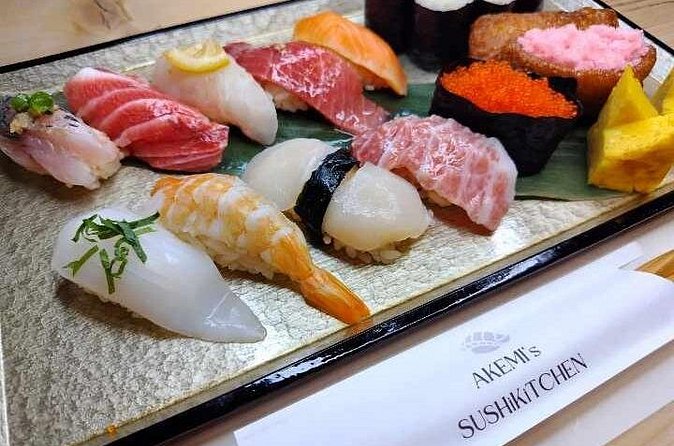
I think you should book this class if sushi is on your Tokyo “must do” list and you want more than just eating. The combination of small-group coaching, ingredient quality (Kyoto rice and fresh fish from Toyosu and Tsukiji), and the added cultural lessons on history and eating etiquette creates a strong value mix for the price.
It also works well if you’re a beginner. The class is designed to guide you, and it ends with you eating what you make, so you leave satisfied, not confused.
If you only want a casual meal and you’re not interested in technique or etiquette, then it might feel like overkill. But if you want to learn, taste, and understand sushi in a way that stays with you after you leave the table, this one is easy to recommend.
FAQ
How long is the sushi cooking class?
It lasts about 2 hours 30 minutes.
What is the price per person?
The price is $105.68 per person.
How many people are in the class?
Lessons are limited to a maximum of five students, and the activity has a maximum of six travelers.
Where does the class meet?
The meeting point is Tamanosato Sasazukaten 1-chōme-56-18 Sasazuka, Shibuya, Tokyo 151-0073, Japan.
What will I make during the class?
You will learn how to make sushi, creating four types of sushi, and then you’ll enjoy a meal made by you.
What is the cancellation policy?
You can cancel for a full refund up to 24 hours before the experience start time. After that window, the amount paid is not refunded.
Counters and Courses


Kitchens You Can Book Into

Newest Tokyo write-ups from the Loving Japan desk



Japanese Cooking Classes, side by side.
 ★ 5.0Sushi Making Tokyo Roll and Authentic Japanese Sushi ClassFrom $593,971 reviews
 ★ 4.9Roll and Authentic Sushi Making Class in AsakusaFrom $581,957 reviews
 ★ 5.0Ramen Cooking Class at Ramen Factory in KyotoFrom $1311,937 reviews
 ★ 4.9Sushi Making Class in a Happi Coat near a Famous SpotFrom $421,377 reviews
 ★ 5.0Sushi Making Osaka Roll and Authentic Japanese Sushi ClassFrom $311,220 reviews
 ★ 5.0Tokyo Sushi Making Class in Tsukiji with Professional ChefFrom $491,177 reviews
 ★ 5.0Ramen & Gyoza Cooking Class in Tokyo with Local Supermarket VisitFrom $122823 reviews
 ★ 5.0Tsukiji Fish Market Guided Tour and Sushi Making with Pro ChefFrom $104775 reviews
Filed on these lists too