
REVIEW · JAPANESE COOKING CLASSES
Sushi Making in Tokyo at a Michelin-Listed Restaurant
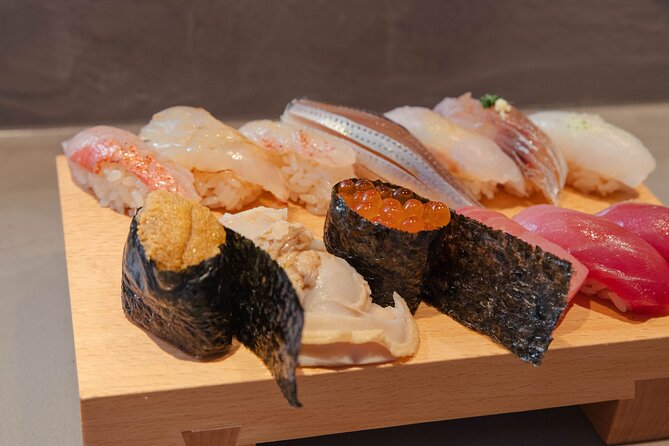
Nigiri looks easy until you try. In Tokyo’s Shibuya, this small-group sushi lesson at Tachiguisushi Sushikawa turns that temptation into a real skill, with you making 10 nigiri pieces and then tasting another 10 pieces made by the chef.
I especially like the hands-on pace, and how the chef’s own tasting portion uses upgraded ingredients, so you get a clear before-and-after comparison for your technique. The main drawback to keep in mind is that one booking reported the restaurant being closed on arrival due to an internal oversight, so it’s smart to double-check your confirmation and keep the local contact method handy.
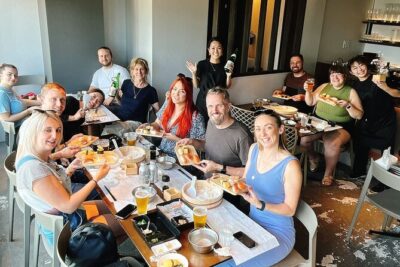
The class runs about 1 hour 30 minutes for up to 10 people, and you also get a sushi chef costume, all tools, an English guide, and a simple drink choice of Japanese tea or sake. You finish with a souvenir pair of commemorative chopsticks, plus the kind of confidence you can actually use at home.
In This Review
- Key Highlights You’ll Actually Care About
- Tachiguisushi Sushikawa in Shibuya: Michelin-Listed, Standing, and Up Close
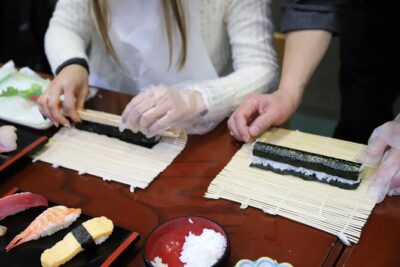
- Costume On, Tools Ready: What You Do Before Your First Nigiri
- Your 10 Nigiri Pieces: Learning the Method Without the Guesswork
- Chef’s 10 Pieces Plus Tea or Sake: Taste, Compare, Repeat
- What You Take Home: Commemorative Chopsticks and Real Practice Material
- Price and Value: Is $99.08 Worth 1.5 Hours in Tokyo?
- Who Should Book This Sushi-Making Class (and Who Might Rethink It)
- Logistics and a Small Caution for a Smooth Arrival
- Should You Book This Tokyo Sushi Class?
- FAQ
- How long is the sushi making experience in Tokyo?
- How much does the Tokyo sushi class cost?
- What will I make and what will I eat during the class?
- Is there an English guide?
- What is included besides the sushi and drink?
- What if I have food restrictions or vegetarian preferences?
Key Highlights You’ll Actually Care About
- Make 10 nigiri pieces with chef guidance, not just watch and snack
- Taste 10 chef-made pieces, including upgraded ingredients for better comparison
- Costume and tools included, so you can show up ready to work
- Small group limit of 10, which keeps questions and corrections practical
- Tea or sake included, pairing taste with what you’re learning
- Commemorative chopsticks included, a simple keepsake you’ll use later
Cook it yourself instead. Other kitchens in Tokyo
- Tokyo: Roll and Authentic Sushi Making Class in Asakusa
★ 4.9 · 1,957 reviews - Tokyo: Sushi Making Class in a Happi Coat near a Famous Spot
★ 4.9 · 1,377 reviews - Tokyo Sushi Making Class in Tsukiji with Professional Chef
★ 5.0 · 1,177 reviews - Ramen & Gyoza Cooking Class in Tokyo with Local Supermarket Visit
★ 5.0 · 823 reviews
Tachiguisushi Sushikawa in Shibuya: Michelin-Listed, Standing, and Up Close
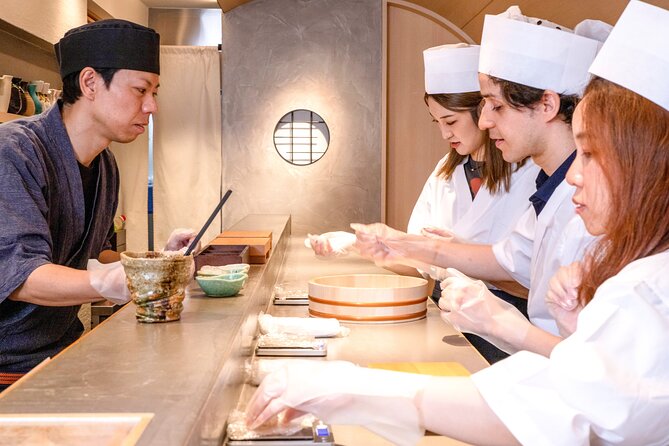
Tokyo sushi has a million ways to be “touristy.” This one aims for the opposite, with instruction at a Michelin-listed standing sushi counter in Shibuya. Standing matters more than you might think, because it keeps you connected to the flow of the counter, the rhythm of the chef’s work, and the quick, precise pace that makes nigiri feel like a craft instead of a cooking show.
You’ll meet at 151-0073 Tokyo, Shibuya, Sasazuka, 1-chōme626, Prime Bliss Sasazuka. The location is near public transportation, which is a big deal in Tokyo, because it keeps the day from turning into a logistics puzzle. The class size is capped at 10 travelers max, so you’re not lost in a crowd, and the chef guidance is more likely to be direct.
One more practical point: the experience uses a mobile ticket, which is convenient, but only if you have your phone charged and accessible. I like that this kind of setup reduces paper chaos on busy streets.
Costume On, Tools Ready: What You Do Before Your First Nigiri
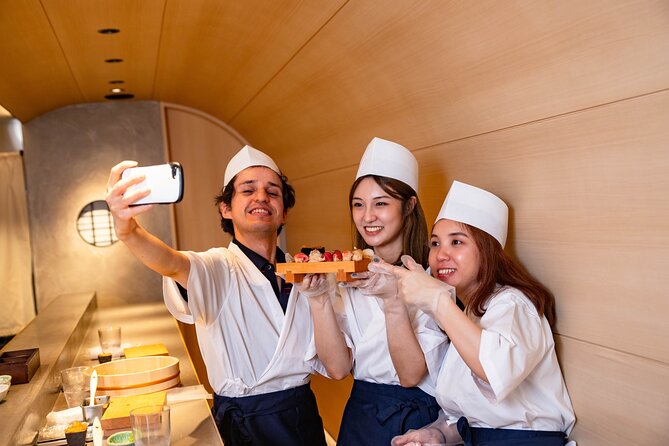
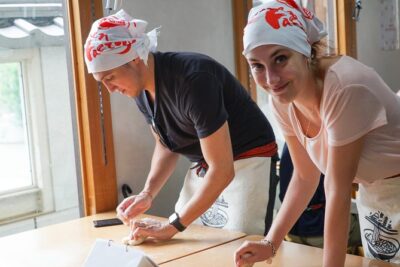
The first thing you’ll do is dress as a sushi chef. It’s playful, sure, but it also helps the mood. You’re not just learning “a recipe,” you’re stepping into the mindset of working at a sushi counter where technique and focus matter.
Then the essentials are handled for you. The class includes all the tools required for sushi making, plus the chef costume. That means you don’t need to hunt down anything before you go, and you don’t need to worry about missing gear once you’re in Tokyo.
An English guide is included, so you’re not translating every instruction in your head while holding something delicate. That’s a quiet quality-of-life win. When you’re learning a skill you can mess up in seconds, clarity matters.
The setting is also described as an authentic Edo-style experience. You should expect an atmosphere that feels more like an old-school counter than a modern cooking studio. That’s where this class earns its value: you’re learning within the format sushi is actually served in, not in a generic classroom detached from the tradition.
Your 10 Nigiri Pieces: Learning the Method Without the Guesswork
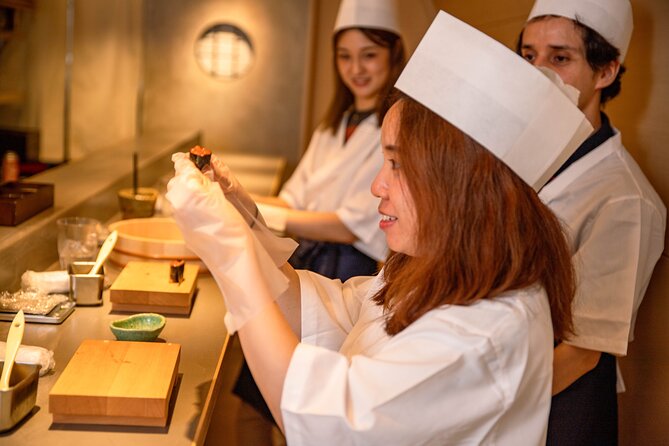
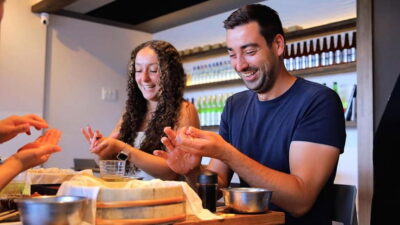
Here’s the heart of the experience: you make 10 pieces of nigiri sushi yourself. This is not a “try one” demo. You’ll spend enough time working that mistakes become lessons instead of just embarrassment.
From the teaching approach described, the class focuses on the method, not magic. One key reality you should know going in is that nigiri looks deceptively simple. It’s hard to make it look as polished as what the chef produces, even when the taste is close. That mismatch is actually useful, because it tells you what to practice when you’re back home.
A smart way to think about those 10 pieces: treat them like an on-ramp. Your goal isn’t to produce perfect restaurant nigiri on the first try. Your goal is to learn what the chef is correcting, what movements matter, and what it feels like when the piece is assembled with confidence.
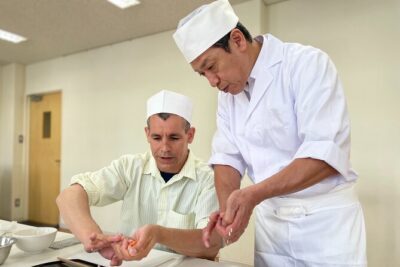
If you care about accuracy, this is also where the small-group size helps. With a maximum group of 10, you’re more likely to get adjustments that actually match what you’re doing in the moment. That’s what turns the class from entertainment into skill building.
Counters and courses we sat at around Tokyo
- Sushi Making Tokyo Roll and Authentic Japanese Sushi Class★ 5.0 · 3,971 reviews
- Make Sushi and Create Unforgettable Memories in Tokyo★ 5.0 · 1,413 reviews
- Tokyo: Sushi Making Class in a Happi Coat near a Famous Spot★ 4.9 · 1,377 reviews
- Tokyo Sushi Making Class in Tsukiji with Professional Chef★ 5.0 · 1,177 reviews
- Tokyo Night Foodie Tour in Shinjuku – Seasonal Sushi, Wagyu Beef★ 5.0 · 1,161 reviews
Chef’s 10 Pieces Plus Tea or Sake: Taste, Compare, Repeat
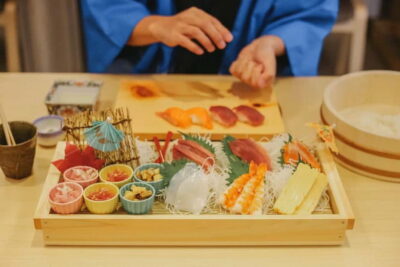
After you make your pieces, you get to eat what you made, and then you taste 10 sushi pieces made by the chef. The chef’s portion is called out as using upgraded ingredients, which is a practical gift: you can taste the difference between your first attempts and the version that comes from a practiced hand and better-selected components.
This part is also where you learn faster. Sushi tasting in Tokyo can be confusing if you only know what you like. Here, you’re pairing taste with technique you just tried. You’ll likely notice things like texture, balance, and how the bite lands when the pieces are assembled with the right feel.
You also get a Japanese tea or sake set included. The class gives you a choice, and that matters because it lets you pick what fits your comfort level. If you prefer something mild and easy with delicate flavors, tea is usually the safer bet. If you like pairing with a social meal vibe, sake can make the tasting feel more like a true counter experience.
Even if your palate is new to sushi, the structure helps. You don’t just eat. You compare. That’s the difference between “I had sushi” and “I learned something I can repeat.”
What You Take Home: Commemorative Chopsticks and Real Practice Material
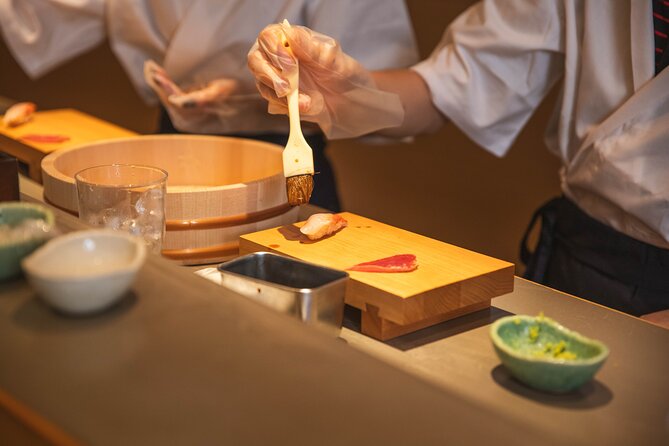
Most cooking classes end with a full stomach and a memory. This one includes a tangible keepsake: a pair of commemorative chopsticks. It’s not a fancy souvenir, but it’s useful and personal. If you actually plan to eat with chopsticks at home, you’ll see that reminder every time you use them.
More importantly, you leave with something that can work as practice material. The class is designed around learning the steps of making nigiri, so you’re not walking away only with ideas. You have a mental checklist you can try to recreate at home, and you’ll remember the contrast between your pieces and the chef’s pieces.
That contrast is underrated. Back home, it’s easy to overcorrect or undercorrect. Knowing what “chef-made” feels like in your mouth helps you adjust with less frustration.
Price and Value: Is $99.08 Worth 1.5 Hours in Tokyo?
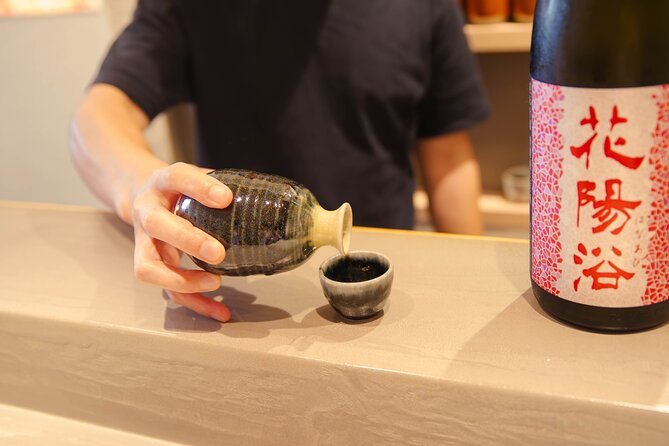
At $99.08 per person, you’re paying for more than ingredients. You’re paying for instruction at a Michelin-listed standing sushi counter format, plus:
- making 10 nigiri pieces yourself
- tasting 10 chef-made pieces
- a tea or sake set included
- sushi tools and a chef costume included
- an English guide included
- a souvenir pair of commemorative chopsticks
Time-wise, you only spend about 1 hour 30 minutes. That’s the right length for a skill like nigiri, because it gives you enough repetitions to learn, but it doesn’t hog your whole evening. Tokyo is expensive, and time has a cost too, so shorter classes can be a good value if they still include real hands-on work.
The Michelin-listed element isn’t just a label here. Standing counter instruction changes the feel of the class. You’re learning in the environment sushi is actually practiced, which makes the lesson easier to transfer later.
Could it be cheaper elsewhere? Maybe. But the combination of chef-led assembly, you making real pieces, and the inclusion of both your meal and the chef’s meal is what makes this cost feel justified.
Who Should Book This Sushi-Making Class (and Who Might Rethink It)
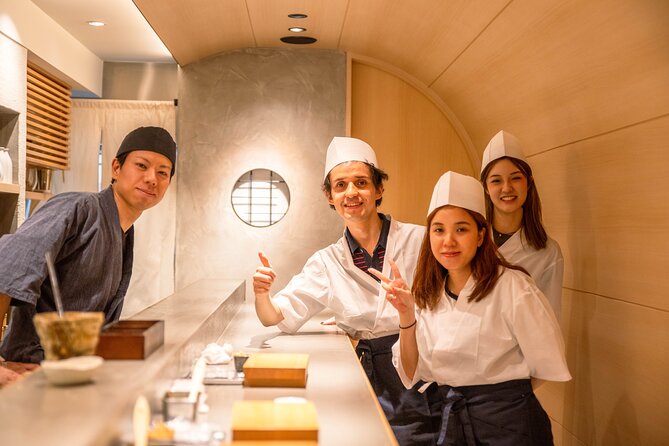
This is a great fit if you want a practical Tokyo cooking experience. Specifically, it suits:
- first-timers who want to learn the core of nigiri, not just order sushi
- food lovers who like learning technique, not only eating
- anyone traveling with a short schedule and a desire for something hands-on
- people who prefer a small-group format over large classes
You should also know that dietary needs can be supported, but you need to handle it early. The class asks that you inform them in advance if you have food restrictions or vegetarian preferences, and they will consult to see what’s available. That’s the key word: consult. So message in advance and be realistic about what can change.
One more “fit” note: because it’s nigiri-focused and includes fish-based sushi as part of the experience, it may not match everyone’s preferences. If you avoid fish, plan for that during the consultation.
Logistics and a Small Caution for a Smooth Arrival
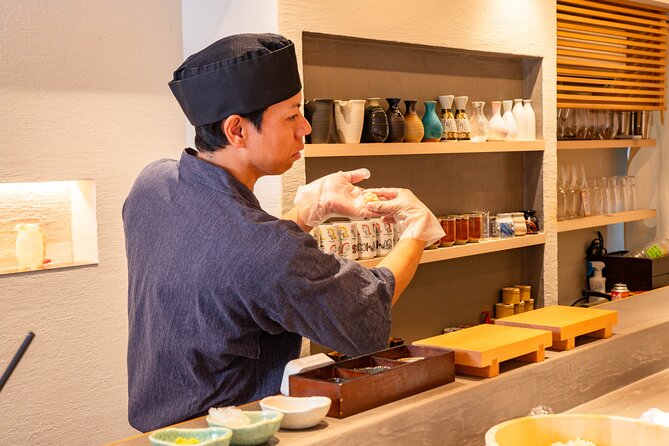
This experience includes a mobile ticket, uses a set meeting point in Shibuya, and ends back at the meeting point. It’s near public transport, which helps you arrive without stress.
Still, I want you to take one issue seriously: there has been at least one reported case where the venue was closed upon arrival due to an internal oversight. That kind of problem is rare, and the overall recommendation rate is high, but it’s enough that I’d treat confirmation like a must-do, not a nice-to-have. If you can, confirm close to the day, and save the provider contact method in your phone.
Also, if you’re celebrating or you have a strict dinner plan afterward, I’d avoid booking an event that starts immediately after class. You’ll likely be fine, but Tokyo days can run on tight schedules, and it’s better to have a buffer.
Should You Book This Tokyo Sushi Class?
If you want a sushi experience that teaches you something real, this is an easy yes. The biggest reason: you make 10 nigiri pieces yourself, then you taste 10 chef-made pieces with upgraded ingredients. That structure gives you fast feedback, and feedback is what makes skill stick.
Book it if you like small-group formats, want an included drink like tea or sake, and prefer learning at a counter-style restaurant setting rather than a generic kitchen. The chef costume and commemorative chopsticks are fun, but the real value is the practice time plus the chef comparison.
Skip or reconsider if you have strict dietary needs that may be hard to adjust, or if you feel uncomfortable with the possibility of last-minute venue issues. In general, for most people, this is strong value for a Michelin-linked Tokyo counter experience that doesn’t waste your time.
FAQ
How long is the sushi making experience in Tokyo?
It lasts about 1 hour 30 minutes.
How much does the Tokyo sushi class cost?
The price is listed as $99.08 per person.
What will I make and what will I eat during the class?
You will make 10 pieces of nigiri sushi and also eat 10 pieces made by the chef. Tea or sake is included with the set.
Is there an English guide?
Yes, an English guide is included.
What is included besides the sushi and drink?
All tools needed for sushi making and the sushi chef costume are included, along with the meal (your sushi and the chef’s sushi), the Japanese tea or sake set, and a souvenir pair of commemorative chopsticks.
What if I have food restrictions or vegetarian preferences?
You should inform the provider in advance, and they will consult to help ensure suitable options are available.
Counters and Courses


Kitchens You Can Book Into

Newest Tokyo write-ups from the Loving Japan desk



Japanese Cooking Classes, side by side.
 ★ 5.0Sushi Making Tokyo Roll and Authentic Japanese Sushi ClassFrom $593,971 reviews
 ★ 4.9Roll and Authentic Sushi Making Class in AsakusaFrom $581,957 reviews
 ★ 5.0Ramen Cooking Class at Ramen Factory in KyotoFrom $1311,937 reviews
 ★ 4.9Sushi Making Class in a Happi Coat near a Famous SpotFrom $421,377 reviews
 ★ 5.0Sushi Making Osaka Roll and Authentic Japanese Sushi ClassFrom $311,220 reviews
 ★ 5.0Tokyo Sushi Making Class in Tsukiji with Professional ChefFrom $491,177 reviews
 ★ 5.0Ramen & Gyoza Cooking Class in Tokyo with Local Supermarket VisitFrom $122823 reviews
 ★ 5.0Tsukiji Fish Market Guided Tour and Sushi Making with Pro ChefFrom $104775 reviews
Filed on these lists too