
REVIEW · JAPANESE COOKING CLASSES
Taisho Sushi Making Class in Tokyo
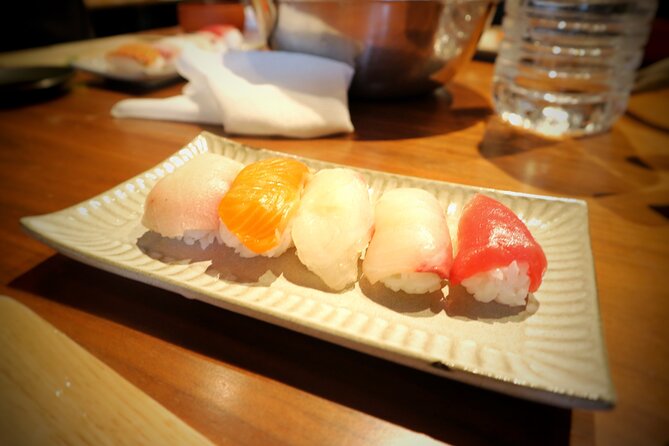
Sushi, fast, and with real technique. This hands-on Taisho class focuses on maki and nigiri basics with guided practice, then you eat what you make. It is an efficient way to get more than just a bite of Tokyo sushi culture.
I especially like that you show up empty-handed and everything you need is provided. I also appreciate the vegan and vegetarian options, so you are not stuck watching while others cook.
One thing to consider: the time window is short, so you will learn key movements and fundamentals more than a deep, long training session, even though there is model practice before you touch the real stuff.
In This Review
- Key Things I’d Put on Your Must-Know List
- Why Taisho Sushi Making Works When You Are Short on Time
- What You Learn First: Grip Practice With Models
- Nigiri Step: Seasonal Fish, Real Rice, and Portion Control
- Gunkan and Nori Details: Rolling Like a Chef
- How the Eating Part Fits In (And Sushi Etiquette Tips)
- Vegan and Vegetarian Options That Do Not Feel Like an Afterthought
- Group Size, Duration, and Chiyoda Location: What to Expect in Real Life
- Price and Value: Why $109.01 Can Make Sense Here
- Who This Class Suits Best (And Who Might Want Something Else)
- Should You Book Taisho Sushi Making? My Practical Take
- FAQ
- How long is the Taisho sushi making class?
- Do I need to bring anything?
- Are vegan or vegetarian options available?
- What will I make during the class?
- Is there a practice step before using real ingredients?
- How many people are in the group?
- Where does the class meet?
- What is the cancellation policy?
Key Things I’d Put on Your Must-Know List

- Empty-handed setup: all equipment and materials are provided, including the ingredients you will use.
- Model grip practice first: you rehearse hand positions before making nigiri with real fish and rice.
- Seasonal nigiri variety: the fish topping changes by season, aiming for a satisfying mix.
- Gunkan training with nori details: you learn how to roll gunkan-style and which side of nori matters.
- Eat your creations: your workshop ends with the chance to consume what you make, with sushi-eating etiquette guidance.
Cook it yourself instead. Other kitchens in Tokyo
- Tokyo: Roll and Authentic Sushi Making Class in Asakusa
★ 4.9 · 1,957 reviews - Tokyo: Sushi Making Class in a Happi Coat near a Famous Spot
★ 4.9 · 1,377 reviews - Tokyo Sushi Making Class in Tsukiji with Professional Chef
★ 5.0 · 1,177 reviews - Ramen & Gyoza Cooking Class in Tokyo with Local Supermarket Visit
★ 5.0 · 823 reviews
Why Taisho Sushi Making Works When You Are Short on Time
Tokyo sushi can feel like a deep rabbit hole. You can spend hours researching, tracking down the right place, and still not leave with a clear sense of how the technique actually works. This class solves a very practical problem, you get the movements, the logic, and the etiquette in a compact format.
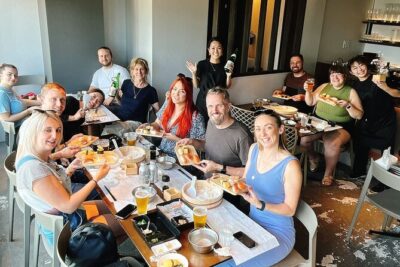
The vibe is also social in a useful way. You mix with other sushi lovers, but it is not a sit-and-watch show. You are doing the work, and the instructor keeps you pointed at what matters most for good results.
This is not a themed food tour where you graze and move on. It is structured like a chef training approach: practice the hands first, then move to real rice and fish.
What You Learn First: Grip Practice With Models
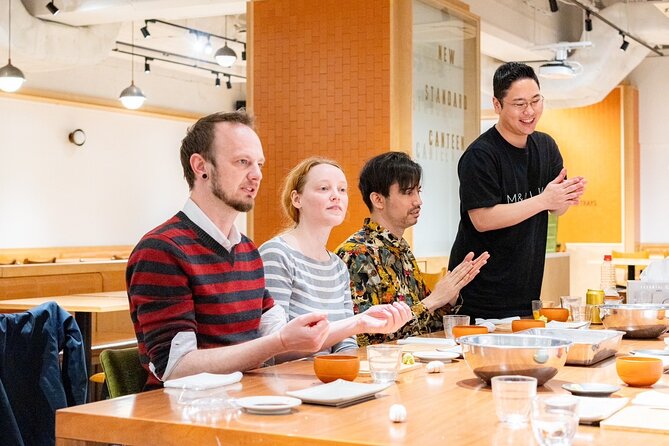
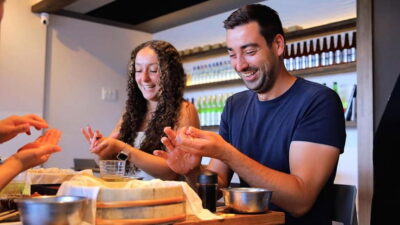
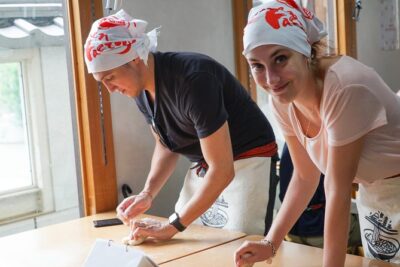
Before you touch fish, you work with practice models. The class specifically starts with grip procedures using models, and you repeat that step several times.
That detail matters more than it sounds. Sushi is mostly about muscle memory: how you handle rice, how you control pressure, and how your hands move in a consistent rhythm. If you start with real ingredients right away, you usually spend all your time fighting your own technique.
With the model practice, the goal is simple: you get your hand positions and grip right first. By the time real nigiri comes around, you are not starting from zero. You are refining movements you already rehearsed.
Nigiri Step: Seasonal Fish, Real Rice, and Portion Control
Once the foundation is in place, you get the lecture on nigiri. Then you make nigirizushi using real fish and rice.
A neat practical bonus is that the topping variety is tied to season. The class notes that the neta changes, which means you are not doing the same one-note repeat no matter when you book. You are also guided toward getting a range and quantity that can leave you full.
This is one of the reasons the class consistently earns high scores. People highlight that you get a good amount of fish and a satisfying amount of time for the experience. For a sushi class that ends quickly, that matters. It is easy to book a workshop and then discover you spent more time standing around than producing.
Here, the goal is production. You learn, you form, and you eat.
Counters and courses we sat at around Tokyo
- Sushi Making Tokyo Roll and Authentic Japanese Sushi Class★ 5.0 · 3,971 reviews
- Make Sushi and Create Unforgettable Memories in Tokyo★ 5.0 · 1,413 reviews
- Tokyo: Sushi Making Class in a Happi Coat near a Famous Spot★ 4.9 · 1,377 reviews
- Tokyo Sushi Making Class in Tsukiji with Professional Chef★ 5.0 · 1,177 reviews
- Tokyo Night Foodie Tour in Shinjuku – Seasonal Sushi, Wagyu Beef★ 5.0 · 1,161 reviews
Gunkan and Nori Details: Rolling Like a Chef
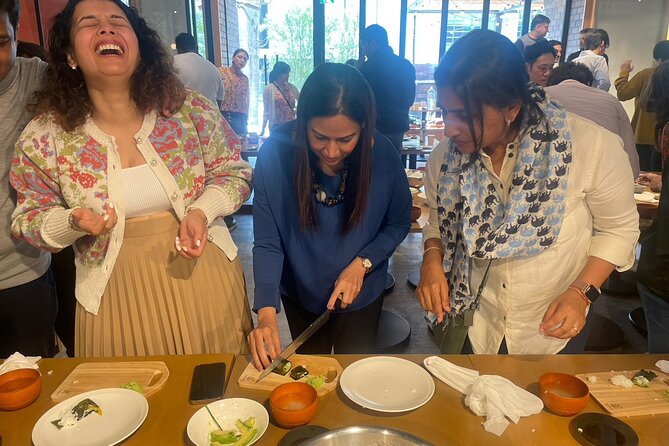
After nigiri practice, you move into gunkan, described as having a warship-like shape. This part helps you understand a key sushi concept: form affects experience.
You also learn about specific gunkan-style ingredients such as salmon roe and negitoro. And you get a practical lecture on the nori itself. The class points out that nori has a front and back, and you learn how to roll it correctly.
That nori tip is the kind of detail most visitors never hear. If you ever tried making sushi at home, you know the wrapper can be the difference between something that holds together and something that turns limp. Learning the correct side and roll technique gives you a real takeaway you can use later.
How the Eating Part Fits In (And Sushi Etiquette Tips)
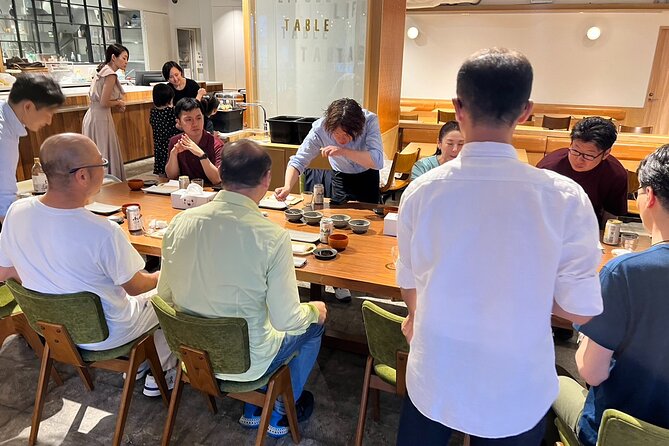
This workshop is not complete until you eat what you make. The class ends with you consuming your creations, so you can judge results immediately rather than guessing how it turned out.
There is also instruction on proper sushi-eating etiquette. That can include basic timing and handling manners. It is not about rules for their own sake. Etiquette is the finishing layer that makes restaurant sushi feel different from random homemade attempts.
This matters for value. If you only learned movements but never tested them, you would miss half the lesson. Here, you get the feedback loop: you make it, you eat it, you learn.
Vegan and Vegetarian Options That Do Not Feel Like an Afterthought
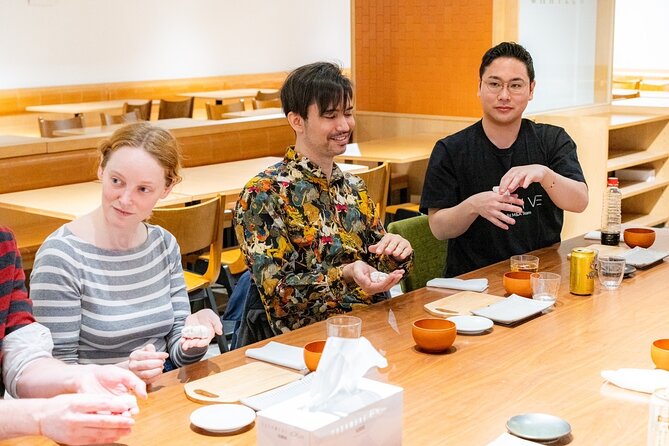
You can join this class even if you do not eat fish. The workshop includes vegan and vegetarian options for non-fish eaters, which is huge in a city known for seafood.
What you want to watch for in any sushi class is whether the substitutes still teach technique. This workshop stays focused on hands-on sushi making, including rolling and learning how to work with rice and sheets of nori.
Even if the exact toppings differ, you still practice the core movements. That is what helps you get confident quickly, and it means you leave with more than a plate of food. You leave with muscle memory you can apply to future meals, vegetarian or not.
Group Size, Duration, and Chiyoda Location: What to Expect in Real Life
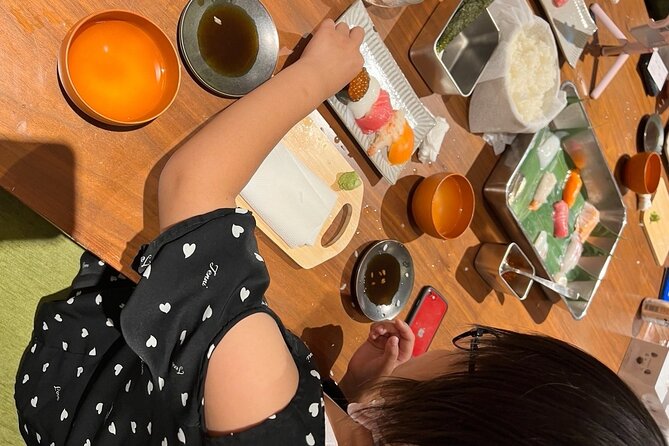
The class runs about 1 hour on the schedule, but the provider describes it as a 90-minute experience. In practice, short culinary classes often flex based on pacing and how quickly groups move through practice and eating. Plan for a compact window either way, and do not schedule something tight right after.
The meeting point is in 1-chōme-4-4 Kōjimachi, Chiyoda City, Tokyo 102-0083. It is noted as near public transportation, which helps if you are balancing this with other Tokyo stops.
You also want to know the group size cap. It can host up to 50 travelers, which sounds big. The experience still feels hands-on because sushi making is difficult to do as a pure demo. But if you prefer very intimate, one-on-one instruction, you should temper expectations. You will get guidance, just not the kind of attention a private class guarantees.
You receive a mobile ticket, and confirmation is sent within 48 hours of booking, subject to availability.
Price and Value: Why $109.01 Can Make Sense Here
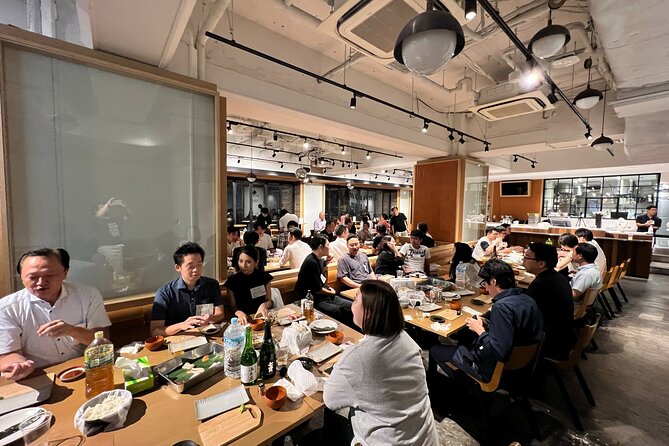
$109.01 per person is not a bargain price, but it can be fair value when you look at what is included.
Here is what you are paying for, based on the details you get before you go:
- all equipment and materials are provided
- real fish and rice are used for the main nigiri practice
- you get practice time before you make with real ingredients
- you get guided instruction on nigiri, gunkan, and nori handling
- the class ends with you eating what you make
The biggest value lever is also the most practical one. You get fish and rice as part of a taught process, not just a tasting flight. Reviews also call out the amount of fish and time provided, which means the class does not feel stingy for the price.
There is also an authenticity angle. The workshop describes its style as similar to sushi chef training schools, which typically charge high tuition. You are not getting a full apprenticeship, but you are getting techniques built from that mindset: practice the hands, then produce.
If your goal is to understand how sushi is made quickly, this price can feel reasonable. If your goal is only to eat as much sushi as possible for the least money, you might find cheaper options outside a classroom. But the learning piece is the point.
Who This Class Suits Best (And Who Might Want Something Else)
I think this class is a great fit if you:
- love sushi and want real technique fast
- want a hands-on food experience without the hassle of sourcing ingredients or tools
- want to eat your creations at the end
- are traveling with family or a small group and want a shared activity that does not require advanced skills
It is also a solid choice for non-fish eaters thanks to vegan and vegetarian options.
You might want to consider a different format if you:
- want a long, slow deep-dive where you practice repeatedly with little time pressure
- expect one-on-one coaching in a large group environment
- dislike model practice steps, because you will spend time rehearsing grip procedures before making with real fish and rice
Should You Book Taisho Sushi Making? My Practical Take
Book it if you want a structured, hands-on way to learn nigiri and gunkan basics in Tokyo. The empty-handed setup, the emphasis on grip practice, and the fact that you eat what you make turn it into more than a souvenir lesson.
If you are on the fence because you are worried about time, focus on this: even with a short session, the class is designed to teach the key movements that matter most. And if you care about value, the reviews highlight you get a good amount of fish and adequate time for the experience.
One last tip: come hungry, and treat the etiquette instruction as part of the technique. Sushi is small, but it is precise. You will get more out of the meal when you use what you learned.
FAQ
How long is the Taisho sushi making class?
The experience is listed at about 1 hour, and the provider describes it as a 90-minute experience. Plan for a short, focused workshop.
Do I need to bring anything?
No. All equipment and materials are provided, so you can come empty-handed.
Are vegan or vegetarian options available?
Yes. Vegan and vegetarian options are available for non-fish eaters.
What will I make during the class?
You will learn to prepare, roll, and eat sushi, including handmade maki and nigiri. The class specifically includes nigiri practice and a lecture on gunkan.
Is there a practice step before using real ingredients?
Yes. You practice grip procedures using models before making sushi with real fish and rice.
How many people are in the group?
The activity has a maximum of 50 travelers.
Where does the class meet?
The meeting point is 1-chōme-4-4 Kōjimachi, Chiyoda City, Tokyo 102-0083, Japan, and the activity ends back at the meeting point.
What is the cancellation policy?
Free cancellation is available. You can cancel up to 24 hours in advance for a full refund, based on local time.
Counters and Courses


Kitchens You Can Book Into

Newest Tokyo write-ups from the Loving Japan desk



Japanese Cooking Classes, side by side.
 ★ 5.0Sushi Making Tokyo Roll and Authentic Japanese Sushi ClassFrom $593,971 reviews
 ★ 4.9Roll and Authentic Sushi Making Class in AsakusaFrom $581,957 reviews
 ★ 5.0Ramen Cooking Class at Ramen Factory in KyotoFrom $1311,937 reviews
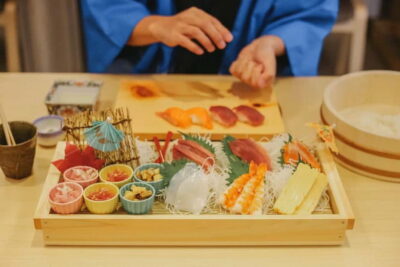 ★ 4.9Sushi Making Class in a Happi Coat near a Famous SpotFrom $421,377 reviews
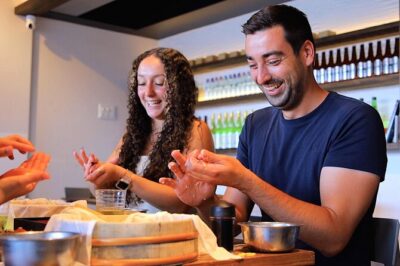 ★ 5.0Sushi Making Osaka Roll and Authentic Japanese Sushi ClassFrom $311,220 reviews
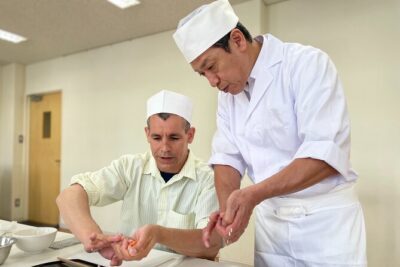 ★ 5.0Tokyo Sushi Making Class in Tsukiji with Professional ChefFrom $491,177 reviews
 ★ 5.0Ramen & Gyoza Cooking Class in Tokyo with Local Supermarket VisitFrom $122823 reviews
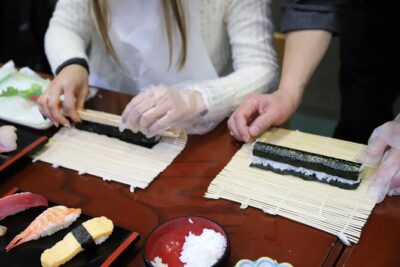 ★ 5.0Tsukiji Fish Market Guided Tour and Sushi Making with Pro ChefFrom $104775 reviews
Filed on these lists too