
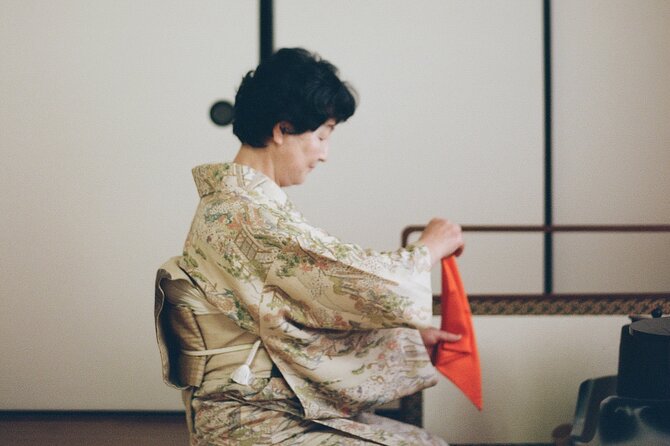
REVIEW · KYOTO TEA CEREMONIES AND MATCHA
Tea ceremony by the tea master in Kyoto SHIUN AN
Matcha becomes a moment of Zen. In north Kyoto, SHIUN AN pairs a calm, small-group tea ceremony with a hands-on lesson that helps you feel the rhythm of traditional matcha. I love how you get to experience the setting up close, then get serious practice making your own bowl.
Second, I like the structure of the class. You start by observing the tea room details, then you learn the steps and utensils, enjoy two bowls of matcha, and finish by whisking and pouring your own. One possible drawback to consider is that the location can be tricky to find, and there may be stairs you need to handle carefully.
The pacing is only about 45 minutes, so you will not get a long, wandering cultural walk. Still, it is a focused experience that trades “big tour energy” for quiet attention and real tea basics.
In This Review
- Key things that make SHIUN AN’s tea ceremony worth your time
- SHIUN AN near Daitoku-ji: a quieter Kyoto tea ceremony scene
- Arriving at 955-1 Idachō: what you should plan for
- Entering the tea room: scrolls, flowers, and why the room matters
- The matcha lesson: utensils, steps, and your turn at the whisk
- Two bowls of matcha and two kinds of sweets
- Comfort and seating reality: what to expect during tatami time
- Time, group size, and the pace of a 45-minute session
- Getting value from $33.03: what you actually receive
- Who should book this Kyoto tea ceremony, and who might not
- Should you book SHIUN AN’s tea ceremony?
- FAQ
- How long is the tea ceremony at SHIUN AN?
- How many people are in each tea ceremony session?
- What is included in the tea ceremony?
- Do I get to make my own matcha?
- How many bowls of matcha and sweets do you get?
- Is pickup or drop-off included?
- Is there anything I should tell the company in advance?
Key things that make SHIUN AN’s tea ceremony worth your time
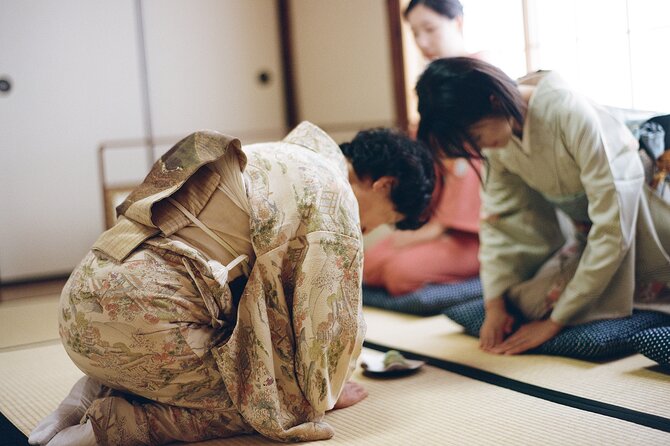
- Tiny group size: max 6 people per session, up to 8 during peak periods
- Tea master credentials: the hosts have a Tea Name and full professor qualification
- Tea room first, lesson second: scrolls and flower arrangements are part of the learning
- Hands-on matcha: you practice, then make your own bowl by the end
- Comfort extras included: white socks and a fold fan for tatami-floor time
- Taste the full set: two matcha bowls plus two kinds of Japanese sweets
Sit down somewhere quieter. Other tea rooms we booked
- Kyoto: Tea Ceremony in a Traditional Tea House in Kiyomizu
★ 4.9 · 3,519 reviews - Kyoto: Tea Ceremony Ju-An at Jotokuji Temple
★ 4.9 · 3,207 reviews - Kyoto: 45-Minute Tea Ceremony Lesson Experience
★ 4.3 · 2,378 reviews - Kyoto: Table-Style Tea Ceremony at a Kyo-Machiya
★ 4.9 · 1,211 reviews
SHIUN AN near Daitoku-ji: a quieter Kyoto tea ceremony scene
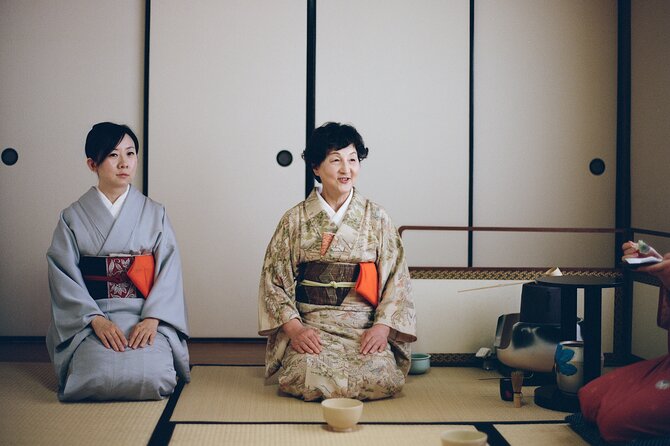
This tea ceremony runs in Kyoto, but it does not feel like the center of the tourist map. SHIUN AN is near the Zen Buddhist monastery Daitoku-ji, a place strongly tied to tea ceremony culture and Japanese cultural history. If you like Kyoto that feels residential and calm, this setting is a big part of the appeal.
You are also not stuck far from major sights. The Golden Pavilion Temple, Kinkaku-ji, is only four bus stops away, so you can pair this with a classic Kyoto temple day. That makes the tea ceremony a smart “slow down” moment rather than a separate half-day mission.
Group size matters here. Each session is capped at 6 people, and only expands to 8 during peak seasons. That smaller number helps keep the room quieter and makes it easier to ask questions or adjust during the process.
Arriving at 955-1 Idachō: what you should plan for
The meeting point is at 955-1 Idachō, Kamigyo Ward, Kyoto. It is near public transportation, but the address is in a residential area, so you should plan to arrive a few minutes early. Leaving extra time also helps if you need a slower approach because you are navigating stairs or a small pathway.
From the practical side, the main challenge is not the tea ceremony itself, it is the “last mile” getting there. People have found it easier to use public transit to get close, then add a short taxi ride from a nearby station. If you are carrying a bag, going this route can keep your evening from turning into a sprint.
Another logistics note: the tour ends back at the meeting point, so build your schedule around that. You will likely want to keep some flexibility after the ceremony, because the experience ends with the hands-on portion and a calm wrap-up, not a fast exit.
Entering the tea room: scrolls, flowers, and why the room matters
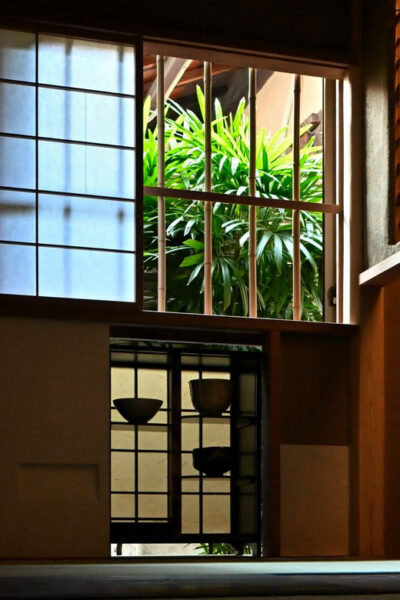
The start is gentle and intentional. Your host takes you into the tea room to admire the hanging scrolls and flower arrangements. This is not decoration for decoration’s sake. In tea ceremony culture, the room’s layout and seasonal details help set the mood for attention and respect.
Before the main service begins, the host explains a little about the steps involved and what each utensil is for. You also get context on why the room matters, including the importance of the arrangement and the atmosphere you are entering.
If you have only seen matcha made quickly at cafes, this part is eye-opening. Tea ceremony is not just about drinking green tea. It is about observing order, using the tools correctly, and treating the space like a small stage for mindfulness.
- PERFECT KYOTO 1-Day Bus Tour★ 5.0 · 13,518 reviews
- Kyoto: Fushimi Inari, Kinkakuji, Bamboo Grove 1 Day Bus Tour★ 4.8 · 4,316 reviews
- Kyoto: Tea Ceremony in a Traditional Tea House in Kiyomizu★ 4.9 · 3,519 reviews
- Kyoto Geisha Walking Tour: Gion District & Hidden Gems★ 4.7 · 3,273 reviews
- Kyoto: Tea Ceremony Ju-An at Jotokuji Temple★ 4.9 · 3,207 reviews
The matcha lesson: utensils, steps, and your turn at the whisk
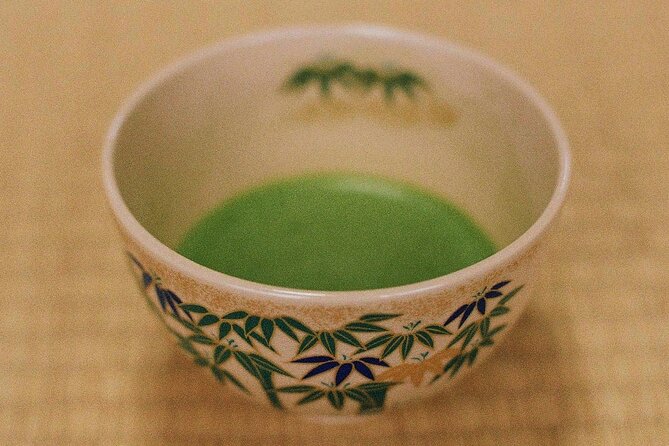
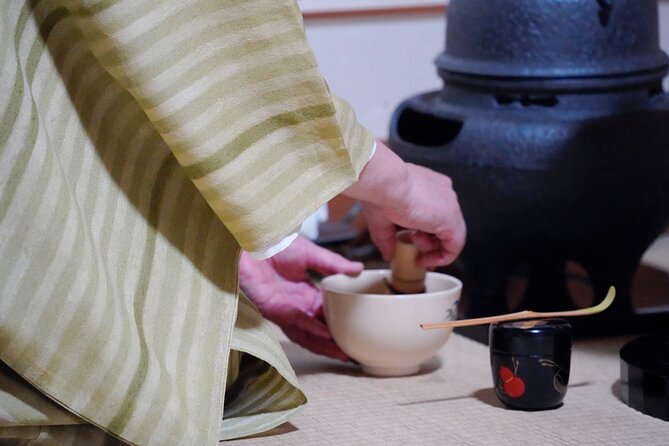
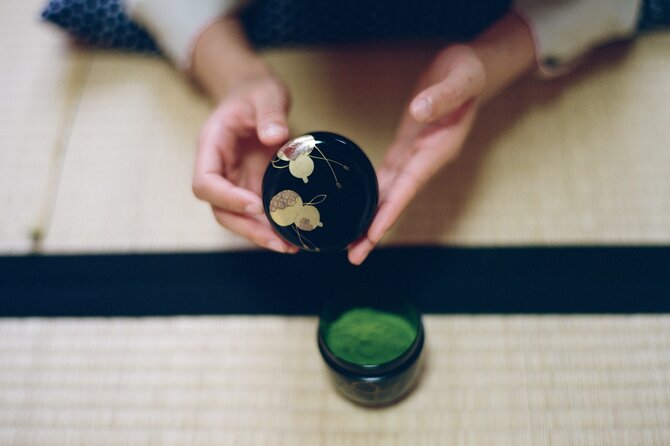
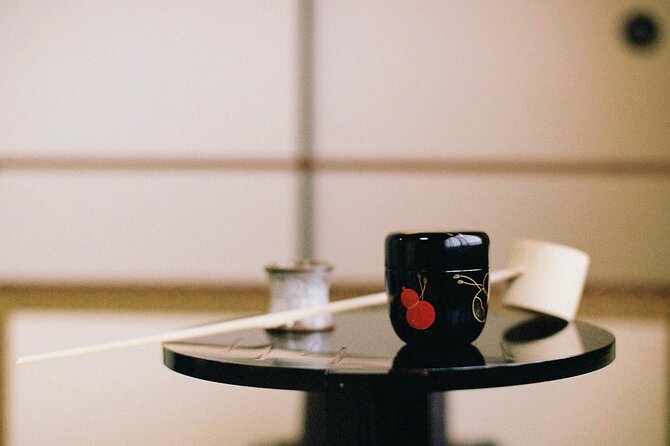
You are provided with the core tools: a tea container, tea bowl, tea scoops, and whisks. During the ceremony, the host walks you through the traditional sequence, so you understand what you are doing before you start doing it.
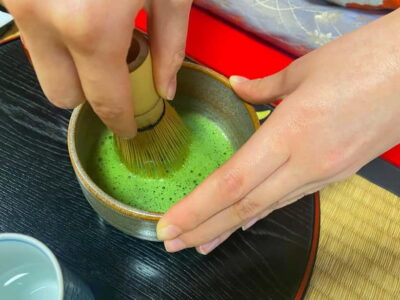
A key detail is that this is designed as a learned experience, not a performance you just watch. You enjoy matcha during the ceremony, and then you get the opportunity to make your own bowl by the end. The goal is basics you can actually carry home, not just a souvenir memory.
The pacing fits the 45-minute format. The host uses the time to show, explain, then guide. You should expect to focus on small movements and on how careful preparation affects the taste and feel of the tea. In other words, this is a short class, but it is not shallow.
Two bowls of matcha and two kinds of sweets
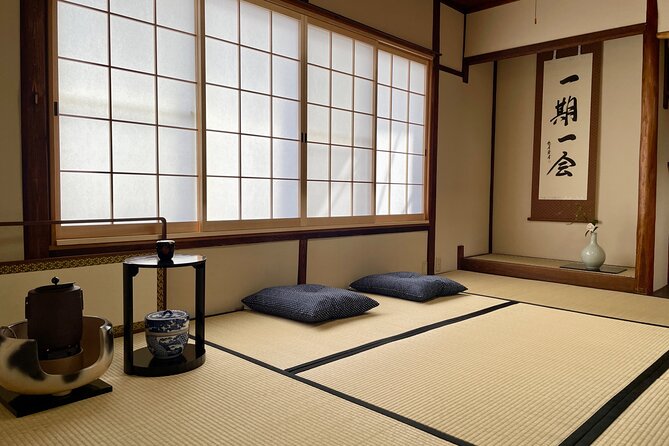
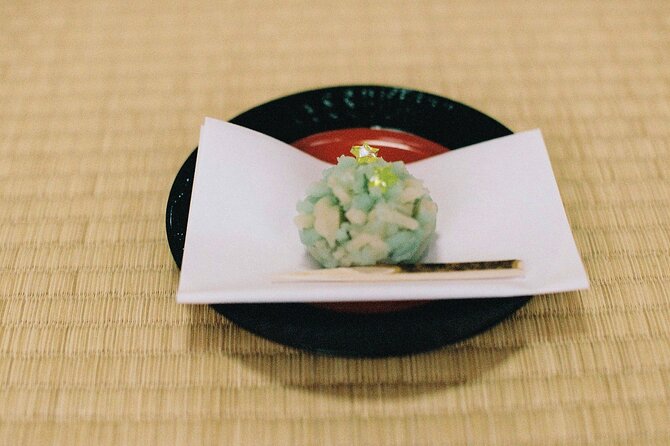
Tea ceremony is usually described as calm and spiritual, but the practical reason people love it is simple: the tea is delicious, and the sweets make it even better. In this experience, you get two bowls of matcha and two kinds of Japanese sweets.
The sweets are part of the ceremony rhythm. You typically start with a seasonal sweet while you watch the process, which sets a pleasant pace for what comes next. Then you enjoy matcha again during the service and after you practice the making steps.
A nice bonus is the included kit for comfort. You get white socks and a fold fan. Even if you already know about tatami etiquette, it is handy to have the basics provided, especially if you are traveling and do not want to hunt for socks that fit.
Comfort and seating reality: what to expect during tatami time
You will be spending time in a traditional setting, and that often means time on the floor. The included white socks are meant for tatami-floor comfort, and that signals the style of seating you should plan for.
One practical consideration from real-world experience is that some locations can involve tricky stairs. This can matter if you have mobility concerns or if you are traveling with limited ability to handle steps. If you need to minimize stair time or kneeling time, it is smart to think ahead and ask questions before you go.
The good news is that the ceremony is structured to include participants. The tea master and team aim to make sure you feel included in the process, especially when people have questions or need guidance during the hands-on part.
Time, group size, and the pace of a 45-minute session
This is about 45 minutes long. That matters because it changes how you experience it. A longer ceremony can feel like a deep day commitment. This one feels like a focused lesson you can slot into a Kyoto itinerary.
The small-group cap supports the pace. With max 6 per session, you are not squeezed into a schedule with a long queue of people moving in and out. If it expands to 8 during peak periods, it can still stay manageable, just with a little less elbow room.
I also like how the ceremony uses the time efficiently. You get the tea room overview, the explanations, the sweets and matcha tastings, then the hands-on matcha making. You end with something done correctly, not just something watched.
Getting value from $33.03: what you actually receive
At $33.03 per person, this tea ceremony is good value if you care about learning, not just checking a box. Many experiences at this price range include a demonstration. Here, you get both the viewing and the practice, which is where the value lives.
You are not only tasting: you are guided through the tools and steps, then you make your own bowl. You also receive included items that support the experience: utensils used during the lesson, plus the white socks and fold fan. That means less shopping on your side and fewer pieces you need to bring.
You also get tangible extras that make the session feel complete: two bowls of matcha and two kinds of Japanese sweets. For a short 45-minute format, that pairing helps you leave feeling like you truly participated.
Who should book this Kyoto tea ceremony, and who might not
This experience fits best if you want authentic Japanese tea ceremony culture without the chaos of a high-volume factory tour. If matcha interests you, and you like thoughtful instruction, you will likely enjoy the structure and the calm atmosphere.
It also suits people who want a break from busier Kyoto neighborhoods. The ceremony is near Daitoku-ji and not far from Kinkaku-ji, but the immediate area feels quieter. If you like residential Kyoto and you appreciate Zen-adjacent settings, this makes sense.
If you have mobility limitations, take the stairs and floor seating seriously. The location can be difficult to find and stairs may be involved. You do not want an hour-long experience to become an endurance test. If that is your situation, it is worth planning a route that minimizes strain and confirming what to expect on arrival.
Should you book SHIUN AN’s tea ceremony?
I would book it if your goal is learning matcha the traditional way with a tea master and actually making your own bowl. The small group size, the hands-on final step, and the full set of tastings (two matcha bowls plus two sweets) make it feel like a real cultural experience, not a rushed stop.
I would pause and plan carefully if you are sensitive to stairs or floor seating, or if you dislike finding places in quieter neighborhoods. If you go in with extra time for navigation and a realistic plan for the physical space, this is a very solid Kyoto choice.
FAQ
How long is the tea ceremony at SHIUN AN?
The experience lasts about 45 minutes.
How many people are in each tea ceremony session?
The group size is capped at 6 travelers, and during peak seasons it can increase to a maximum of 8 people.
What is included in the tea ceremony?
You receive the tea bowls and utensils for the ceremony, plus white socks and a fold fan. You also get matcha tea and Japanese sweets.
Do I get to make my own matcha?
Yes. Each guest has the opportunity to make their own bowl of matcha by the end of the experience.
How many bowls of matcha and sweets do you get?
You can enjoy two bowls of matcha and two kinds of Japanese sweets during the ceremony.
Is pickup or drop-off included?
No. Pickups and drop-offs are not included.
Is there anything I should tell the company in advance?
If you have any food allergies, you should let them know. Confirmation is also received at the time of booking. Service animals are allowed.
Kyoto by the Bowl
Newest Kyoto write-ups from the Loving Japan desk

Kyoto Tea Ceremonies and Matcha, side by side.
 ★ 4.9Tea Ceremony in a Traditional Tea House in KiyomizuFrom $493,519 reviews
 ★ 4.9Tea Ceremony Ju-An at Jotokuji TempleFrom $293,207 reviews
 ★ 4.345-Minute Tea Ceremony Lesson ExperienceFrom $222,378 reviews
 ★ 5.0World Heritage Kyoto & Nara Uji Authentic Matcha ExperienceFrom $1291,573 reviews
 ★ 4.9Tea Ceremony ExperienceFrom $251,426 reviews
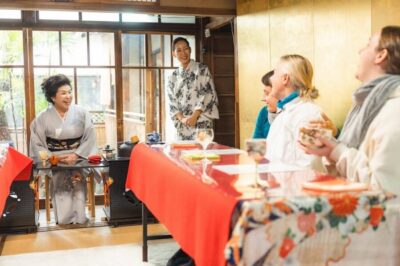 ★ 4.9Table-Style Tea Ceremony at a Kyo-MachiyaFrom $451,211 reviews
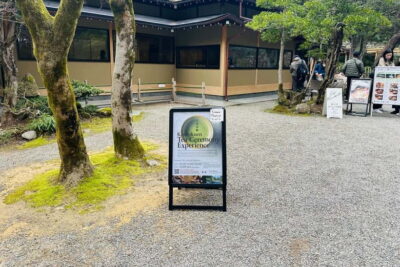 ★ 4.8Kenrokuen Tea Ceremony ExperienceFrom $351,139 reviews
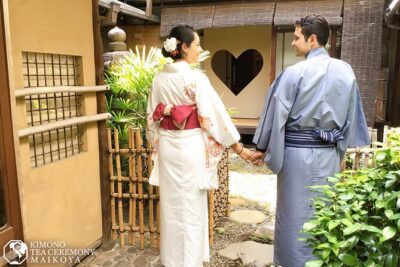 ★ 5.0Kimono Tea Ceremony at Kyoto Maikoya, NISHIKIFrom $65911 reviews
Filed on these lists too