
REVIEW · WALKING TOURS
The Way of Tea: Kyoto Crafts, Hidden Temples & Wabi-Sabi Walk
Kyoto can feel like it’s made of details. This 3.5 hour walk ties tea culture to temple stops, so you’re not just sightseeing, you’re learning why the Japanese do things the way they do. I especially like the small group format, which makes it easier to ask questions without shouting over other people. I also like that you get temple entry handled for you, so you’re spending your time where it matters instead of hunting tickets.
The one thing to watch is guide clarity. In at least one case, the guide’s English was very soft and hard to follow, so if you know you need loud, crisp explanations, aim to stand close and ask questions early rather than waiting.
In This Review
- Tea, Temples, and Wabi Sabi Walking: What You Get in 3.5 Hours
- Quick Key Points to Know Before You Go
- Starting in Gion: Easy Meeting, Right Atmosphere
- Stop in Gion: Matcha Shop Time and Tea Basics
- Kennin-ji Temple: A Real Kyoto Moment, Without the Ticket Hassle
- Crafts and Ceramics in Kyoto Prefecture: Tea Bowls With Character
- Tea Ceremony Chayu: Matcha, Wabi Sabi, and the Real Ritual
- The Price Question: Is $94.45 Good Value?
- How the Logistics Actually Feel on the Ground
- Who This Tour Fits Best
- Final Call: Should You Book The Way of Tea?
- FAQ
- Where does the tour start?
- How long is the tour?
- How much does it cost?
- What is included in the price?
- Are temple admissions included?
- What happens during the tea ceremony?
- Is there an age limit for the tea ceremony?
- How big is the group?
- What should I bring or prepare for?
- Is food included?
Tea, Temples, and Wabi Sabi Walking: What You Get in 3.5 Hours
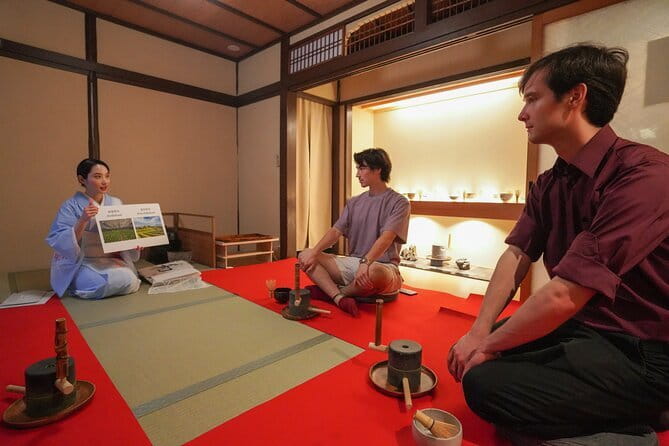
Think of this as a Kyoto sampler with a point of view. You start in Gion, then move into classic temple Kyoto with a crafts detour, then finish with a proper tea ceremony in a traditional Japanese house. The theme is wabi-sabi, meaning the art of appreciating simplicity, age, and everyday beauty. The tour connects that idea to what you see in the streets and objects, then brings it into the tea room.
If you’re short on time but you want more than a checklist photo run, this fits well. The schedule is tight enough to be doable, but it’s not a sprint. Each segment gives you time to look around, absorb the vibe, and hear the guide’s context.
Still weighing up options in Kyoto? These are the ones our reviewers rated highest.
- PERFECT KYOTO 1-Day Bus Tour
★ 5.0 · 13,518 reviews - Kyoto: Fushimi Inari, Kinkakuji, Bamboo Grove 1 Day Bus Tour
★ 4.8 · 4,316 reviews - Kyoto: Tea Ceremony in a Traditional Tea House in Kiyomizu
★ 4.9 · 3,519 reviews - Kyoto Geisha Walking Tour: Gion District & Hidden Gems
★ 4.7 · 3,273 reviews
Quick Key Points to Know Before You Go
- Small-group pace: Maximum 7 travelers, so your guide can actually help you, not just talk at you.
- Temple admission included: You get into two temples without extra ticket stress.
- Tea ceremony in a real house: Matcha is part of the experience, not a quick tasting at a shop.
- Craft stops with meaning: You’ll see ceramics and tea bowl culture, with attention to how objects are valued.
- Wabi-sabi linked to the walk: The tea ceremony is framed by what you learn along the way.
- Photos included: Someone takes photos during the tour, which saves you from constant phone duty.
Starting in Gion: Easy Meeting, Right Atmosphere
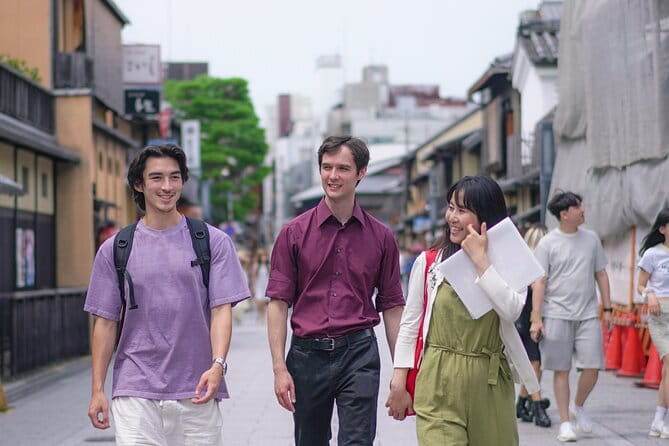
You meet outside Gion Shijo Station, at the Statue of Izumo-no-Okuni. The meeting point is right by Exit 5 of the Keihan Line, and your guide will be holding an orange signboard that says Magical Trip Tour. That’s one of the best parts for first-timers. You get your bearings fast, and you don’t need to do subway gymnastics while you’re already trying to enjoy Kyoto.
From there, you walk into Gion, which is one of those neighborhoods where you can feel how traditions keep moving. You’ll spend about 30 minutes learning about the history of Japanese tea and how it is made. It’s not an abstract lecture. It’s designed to set you up for what you’ll see later, especially the matcha parts and the ceramics story.
Practical tip: Kyoto in summer can hit extreme heat, and winter can be bitter. If you know your body hates long waits, plan to start hydrated and wear something breathable. This tour is short, but you’re still outside for multiple segments.
Stop in Gion: Matcha Shop Time and Tea Basics
Your first real attraction is in Gion, where you learn about tea and then visit a famous matcha shop. You’ll get a chance to see how matcha culture is presented to visitors and how the product is tied to Japanese daily ritual.
This is the moment where the tour’s theme starts making sense. Tea in Japan isn’t just a drink. It’s connected to art, care, and even social manners. Even if you’ve had matcha before, you’ll likely learn small things about preparation and the way tea is discussed and valued.
Drawback to keep in mind: this portion is time-limited (about 30 minutes). If you want to spend extra time browsing or comparing products, you’ll have to do that on your own after the tour ends.
- PERFECT KYOTO 1-Day Bus Tour★ 5.0 · 13,518 reviews
- Kyoto: Fushimi Inari, Kinkakuji, Bamboo Grove 1 Day Bus Tour★ 4.8 · 4,316 reviews
- Kyoto: Tea Ceremony in a Traditional Tea House in Kiyomizu★ 4.9 · 3,519 reviews
- Kyoto Geisha Walking Tour: Gion District & Hidden Gems★ 4.7 · 3,273 reviews
- Kyoto: Tea Ceremony Ju-An at Jotokuji Temple★ 4.9 · 3,207 reviews
Kennin-ji Temple: A Real Kyoto Moment, Without the Ticket Hassle
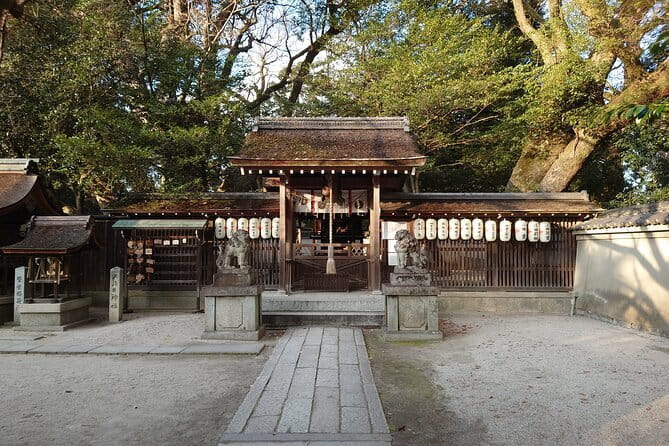
Next comes Kennin-ji Temple, one of Kyoto’s notable historic sites. You get about 30 minutes here, with admission included. The benefit of having the guide connected to your entry is simple: no lines, no detours, no guessing.
Kennin-ji isn’t just a background for pictures. The guide’s job is to point out what you’re seeing and why it matters. You’re not asked to memorize facts. You’re nudged toward noticing details: the feel of the grounds, the age of what you’re walking through, and the sense that temples aren’t frozen museums. They’re living spaces shaped by centuries of use.
One practical thing: temples are quieter and more respectful spaces than street shopping. You’ll want to slow your pace, watch where you step, and keep your voice down. The good news is the tour format helps you do that naturally.
Crafts and Ceramics in Kyoto Prefecture: Tea Bowls With Character
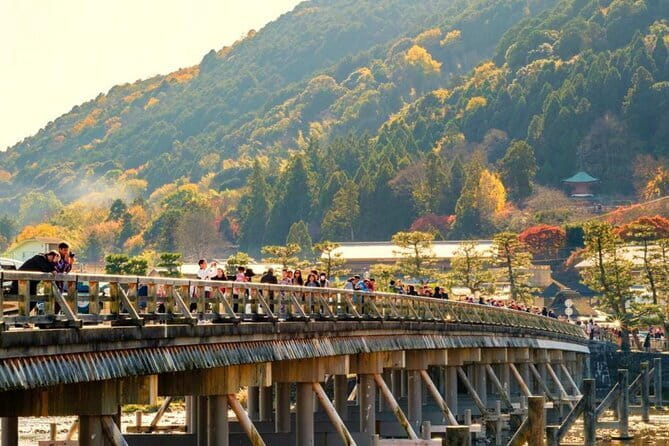
After the temple, you shift into craft territory. You’ll spend time visiting craft shops, again with about 30 minutes for the stop. This part is easy to miss on a typical Kyoto itinerary, but it’s exactly what makes this tour more than temple photos.
Then you move to a hidden temple and garden setting. From there, the tour brings you to a ceramics and tea bowl shop where the raku teacup is the star. Raku is a pottery tradition known for its distinct look and the idea that each cup ends up with its own character. Your guide explains that each piece has history and meaning, not just a clean, identical factory finish.
Here’s the value for you: tea culture makes more sense when you understand the objects involved. A tea bowl is not interchangeable. It’s part of the ritual. When you learn that, the tea ceremony at the end lands harder, because you know what to look for and what to respect.
Possible consideration: shops can tempt you to buy. The tour time doesn’t slow down just because you found something perfect. If you’re the kind of person who likes to linger and bargain, go into the stops knowing you may do most browsing first, then decide later.
Tea Ceremony Chayu: Matcha, Wabi Sabi, and the Real Ritual
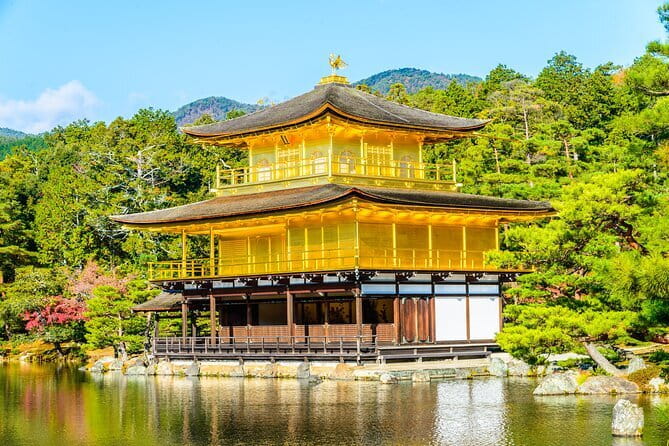
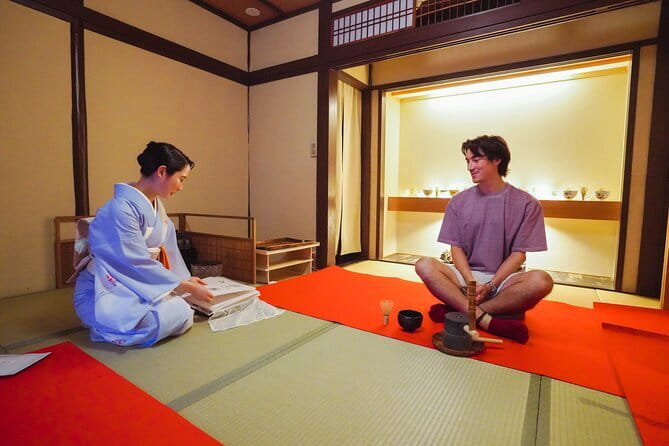
The tour ends at a tea experience called Chayu, where you spend about one hour in an authentic tea-making experience. You’ll have a matcha drinking moment, guided by a tea master instruction style teaching.
The tour also frames the ceremony around wabi-sabi ideas you learn during the walk. That matters because it changes how you experience the room. Instead of just thinking, This is pretty, you start noticing how simplicity, age, and gentle imperfection are treated as virtues. It’s less about flash, more about attention.
One more practical point: this tea ceremony experience has an age rule. It’s for people 6 years old and older inside the facility. If you bring younger kids, one adult needs to accompany them outside during the experience.
If you’re a first-time tea ceremony attendee, here’s a smart way to enjoy it: keep your phone put away until you’re sure you’re allowed to take photos or video. When in doubt, follow what the instructor suggests. You’ll get more out of it, and you won’t feel rushed.
The Price Question: Is $94.45 Good Value?
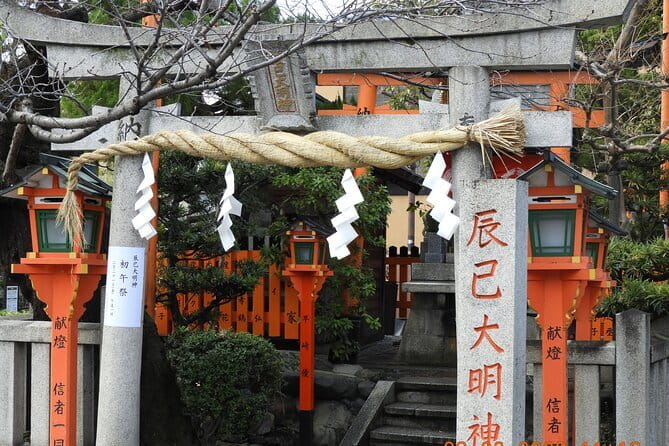
At $94.45 per person for about 3 hours 30 minutes, this tour sits in the mid-range. The main value comes from what’s included, not just the guide.
You get:
- An English-speaking local guide for the full experience
- Entrance fees of 2 temples
- A tea ceremony experience with matcha included
- Photos taken during the tour
- A mobile ticket
If you tried to book the pieces separately, you’d be paying for guide time, temple access, and a structured tea ceremony. This package keeps those parts aligned so you’re not trying to coordinate meeting times across multiple locations.
So the value logic is straightforward: if you want tea plus temples in one smooth arc, and you like the idea of a small group, the price makes sense.
How the Logistics Actually Feel on the Ground
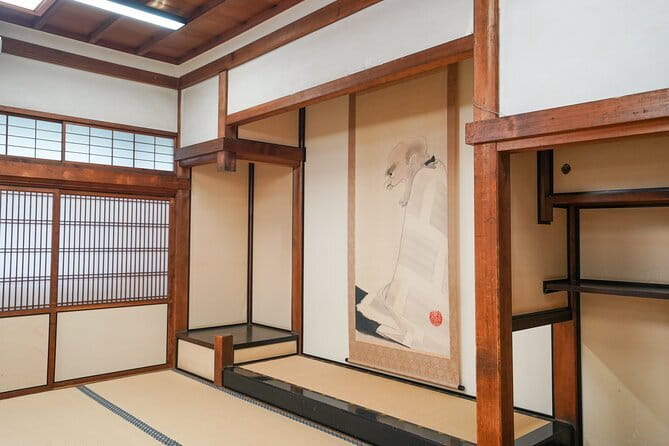
This is designed for “no navigation worries.” Your guide leads the route, and you’re near public transportation. You also travel with a group small enough that you’re not lost inside a crowd.
The itinerary also has built-in stops that are short, roughly 30 minutes at most segments, which helps keep things efficient. But it also means you need to stay engaged. This tour works best if you’re paying attention, asking a question when something clicks, and letting the guide set the pace.
Time matters here. The tour must start on time, and if you’re late, you can’t join and you won’t get a refund or reschedule. So arrive a bit early, especially if you’re trying to find the exact statue and station exit.
Weather can also affect the plan, since it might be canceled in unsuitable conditions for safety reasons. Kyoto can get extreme, with summer highs around 40°C and winter lows around -5°C, so dress for the season and have a backup for rain.
Who This Tour Fits Best
This tour is a great match if you:
- Want tea culture plus Kyoto temples in one outing
- Prefer a guided route over map chasing
- Like craft details, especially ceramics and tea bowls
- Enjoy small-group experiences where questions are welcome
It might be less ideal if you:
- Need very loud, crystal-clear spoken explanations (one soft-English situation has been reported)
- Hate any shopping stop at all, since craft shops are part of the flow
- Are traveling with a group that needs lots of extra time at each stop, since the schedule is intentionally tight
If you’re a solo traveler, this is also a strong option. The structure makes it easy to feel comfortable, and the guide helps you pace yourself.
Final Call: Should You Book The Way of Tea?
I’d book it if your Kyoto trip has room for one guided outing that teaches you how tea culture and temple life connect. The included temple entries and the tea ceremony make the cost easier to justify, and the small-group size keeps it from feeling like mass tourism.
Skip it or plan carefully if you’re sensitive to hearing a guide. Stand closer, ask questions early, and don’t assume every explanation will land perfectly if your hearing is limited.
Overall, this is the kind of tour that helps Kyoto feel human, not just historic. You finish with a matcha ritual you understand better, because you saw the objects and ideas behind it along the way.
FAQ
Where does the tour start?
You meet in front of the Statue of Izumo-no-Okuni, right outside Exit 5 of Gion Shijo Station on the Keihan Line. The guide holds an orange signboard that says Magical Trip Tour.
How long is the tour?
The tour is about 3 hours 30 minutes.
How much does it cost?
It costs $94.45 per person.
What is included in the price?
The price includes an English-speaking local guide, entrance fees for 2 temples, a tea ceremony experience with matcha, photos taken during the tour, and a mobile ticket.
Are temple admissions included?
Yes, entrance fees of 2 temples are included.
What happens during the tea ceremony?
You take part in a tea-making experience with tea master instruction and drink matcha at a traditional Japanese house.
Is there an age limit for the tea ceremony?
Yes. The tea ceremony experience can only accommodate people who are 6 years old and older inside the facility. Children under 6 may join with one adult accompanying them outside during the experience.
How big is the group?
The tour has a maximum of 7 travelers.
What should I bring or prepare for?
You should prepare for Kyoto’s weather extremes, including very hot summers and cold winters, and dress accordingly.
Is food included?
No. Additional food and drinks are not included.
Newest Kyoto write-ups from the Loving Japan desk

Walking Tours, side by side.
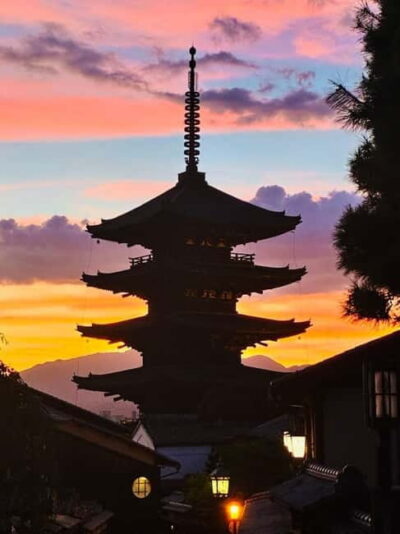 ★ 4.7Kyoto Geisha Walking Tour: Gion District & Hidden GemsFrom $253,273 reviews
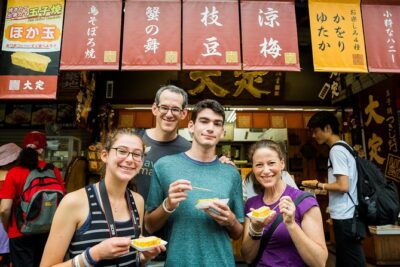 ★ 5.0Tokyo Tsukiji Fish Market Food and Culture Walking TourFrom $993,184 reviews
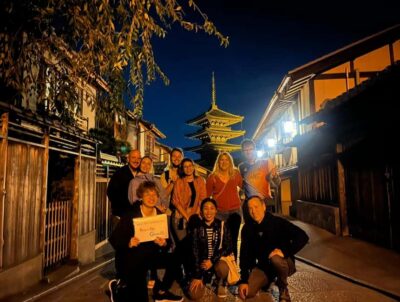 ★ 4.9Gion Magical Night Walking Tour with Geisha TriviaFrom $242,393 reviews
 ★ 5.0Imperial Palace and Shogun Historical Walking TourFrom $222,251 reviews
 ★ 4.7Gion Geisha District Walking Tour – Stories of GeishaFrom $202,187 reviews
 ★ 4.5Night Walk in Gion: Kyoto’s Geisha DistrictFrom $212,003 reviews
 ★ 4.9Shinjuku Local Bar and Izakaya Guided Walking TourFrom $341,794 reviews
 ★ 5.0Tsukiji Fish Market Food and Walking tourFrom $301,724 reviews
Filed on these lists too