
REVIEW · ASAKUSA, SENSO-JI AND TOKYO SKYTREE
Tokyo: Making a Lantern Workshop in Asakusa with a Craftsman
Tokyo lantern craft can change your souvenir game fast. What makes this class worth your time is the chance to learn inside a 100+ year-old lantern atelier and make a real Japanese chochin lantern with a craftsman guiding every step. I love that you use authentic materials like bamboo and washi paper, and that the process is taught in a personal way, not a rushed demo. The one thing to watch is that the meeting place changes during Grand Sumo Tournament dates, so double-check where you need to go based on your booking day.
This workshop runs about 2 hours, with an English-speaking guide or interpreter (Japanese and English are used). You’ll start with the origins and meaning of lanterns, then move into hands-on crafting and decoration, and yes, photos are welcome while you work. Price-wise, $96 sounds like a splurge until you factor in that all materials are included and you get to take your completed lantern home.
In This Review
- Key Things I’d Put on Your Radar
- A 100+ Year Lantern Atelier Near Skytree (Oshiage)
- What You Make: Your Own Japanese Chochin Lantern
- The Two-Hour Flow: From Lantern Meaning to Finished Craft
- Bamboo, Washi Paper, and Ink or Paint
- Guides, Interpreters, and the Human Side of Craft
- Meeting Point Rules During Grand Sumo Tournament Dates
- Price and Value: Why $96 Can Make Sense
- What to Wear and Bring (So You Don’t Stress)
- Photo Opportunities and Souvenir-Quality Packaging
- Who This Workshop Fits Best
- Should You Book This Japanese Chochin Workshop?
- FAQ
- How long is the lantern-making workshop?
- What is the price per person?
- What will I make during the workshop?
- Does the meeting point location change?
- What is the regular workshop location address?
- What is the special venue address during Grand Sumo Tournament periods?
- What materials are included?
- Do I need prior experience?
- What should I bring, and should I wear anything specific?
- Is it suitable for children?
Key Things I’d Put on Your Radar
- A 100+ year-old traditional lantern atelier where craft is the whole point, not a side show
- Authentic materials like bamboo and washi paper, with tools provided
- Guidance from a chochin master, with help from an English-speaking interpreter when needed
- A hands-on product you take home, plus an option to buy a professionally made lantern on-site
- Two hours that fit families and solo travelers, typically starting at an available slot you can choose
Still on the Sumida side? A few more Asakusa options
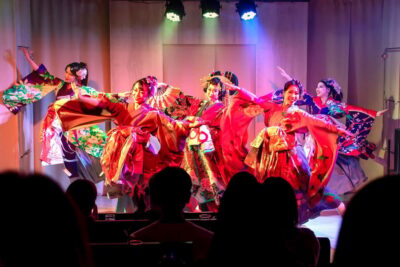
- Tokyo: Japanese Dance Cabaret Theater Asakusa-Kaguwa Ticket
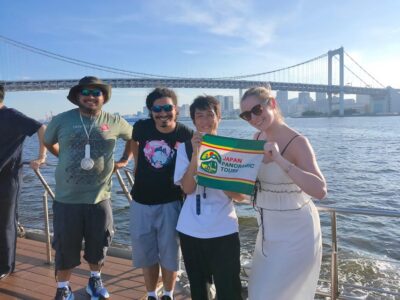
★ 4.8 · 2,270 reviews - Tokyo: Meiji Shrine, Asakusa, Skytree Bus Tour and Cruise
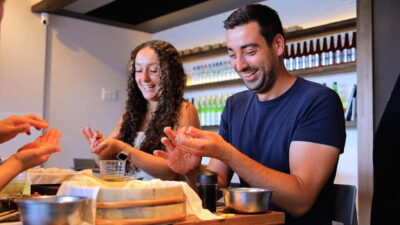
★ 4.7 · 1,986 reviews - Tokyo: Roll and Authentic Sushi Making Class in Asakusa
★ 4.9 · 1,957 reviews - Tokyo: Asakusa Walking Tour with Sensoji Temple Visit
★ 4.8 · 1,583 reviews
A 100+ Year Lantern Atelier Near Skytree (Oshiage)
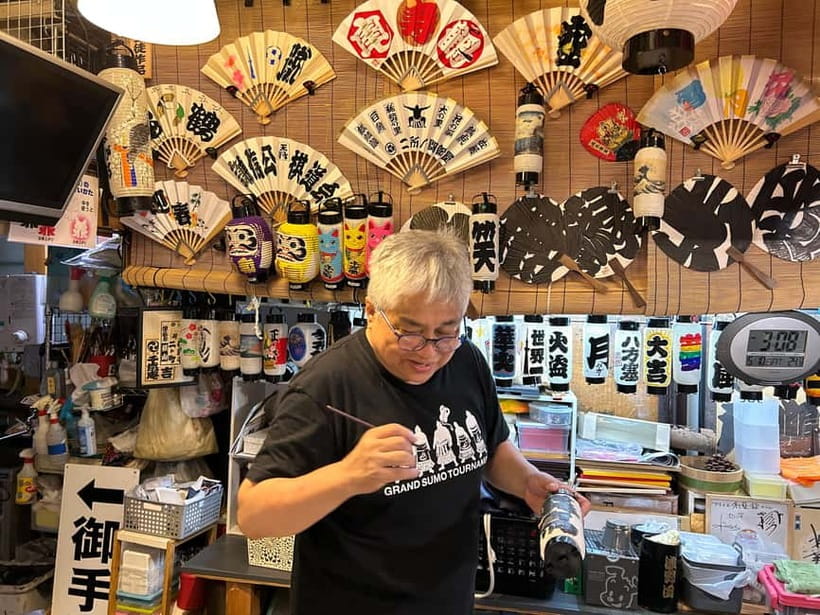
One of the best parts of this experience is where it happens. The workshop is located in Sumida City, and it’s described as being near Tokyo Skytree (Oshiage Station). That matters, because lantern-making is the kind of activity that works even if you’ve already been walking around Asakusa and the surrounding neighborhoods all day.
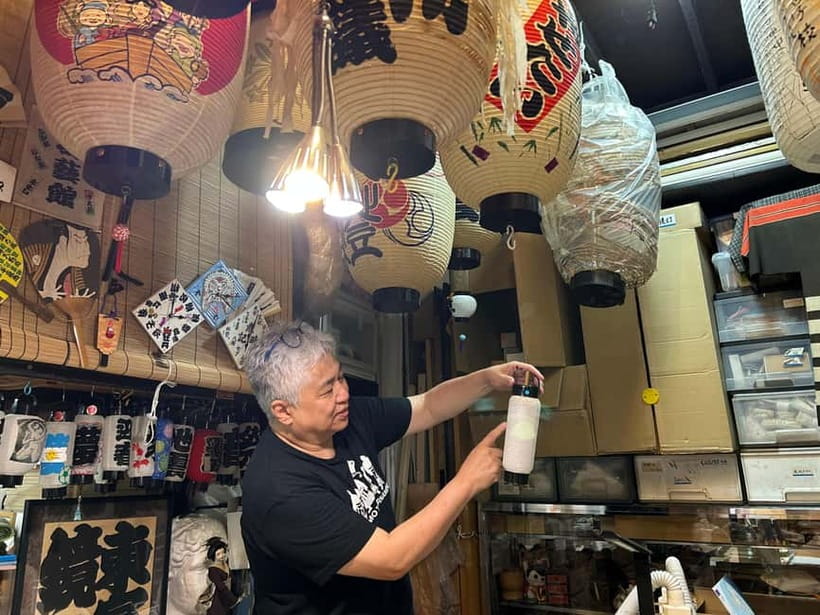
What you’re looking for is a proper craft setting. This isn’t a generic “craft store” vibe. It’s a traditional lantern workshop where you can see lanterns around you, hanging in the studio space. That visual background helps you understand the scale and intent of what you’re making, and it keeps the class feeling grounded in real practice.
What You Make: Your Own Japanese Chochin Lantern
The workshop centers on making a Japanese paper lantern called a chochin. You’re not just decorating a pre-made object. You learn the origins and meaning of Japanese lanterns first, then you make your own lantern using washi paper with traditional tools.
I like that the class gives you context before your hands start moving. When you understand what chochin lanterns represent and why they’re built the way they are, your finished lantern feels more intentional. It turns into a souvenir with a story, not just a pretty object.
Your lantern comes home with you at the end of the session. And if you fall in love with the work even more, there’s an optional chance to purchase a professionally made lantern on-site, which is great if you want a second piece or a gift.
The Two-Hour Flow: From Lantern Meaning to Finished Craft
Because the class is about 2 hours, the pace stays friendly and practical. You won’t be stuck for a whole afternoon trying to learn a new skill from scratch. Here’s the general rhythm you can expect based on how the workshop is described.
First, you’ll get an introduction to chochin lanterns, including the history and meaning of lanterns in Japan. Then you get hands-on instruction from the master or assistant, with guidance from an English-speaking guide or interpreter.
Next comes the making part, where you work with the materials and tools provided. The essentials you’ll use are bamboo and washi paper, along with glue and brushes. This is where you should expect a bit of focus. Even when the steps seem straightforward, paper lantern work is detail work.
Finally, you decorate and finish your lantern. One of the reviews mentions calligraphy taking time during the session, which lines up with the note that you may have ink or paint involved. So plan to use the full time to complete your design rather than assuming the last steps will feel instant.
Make something to take home. Other workshops
- Chopstick Making Workshop in Ginza★ 4.8 · 1,366 reviews
- Tokyo Sumo Experience: Chanko & Mochi with a Former Pro★ 4.8 · 567 reviews
- Kintsugi Experience: Art of Golden Joinery in Tokyo★ 5.0 · 467 reviews
- Tokyo Chopstick Making Workshop with Artisan★ 5.0 · 466 reviews
- Tokyo: Matcha Making Experience with Mochi Sweets in Asakusa★ 4.9 · 388 reviews
Bamboo, Washi Paper, and Ink or Paint
This is a craft class that leans on the real materials. Bamboo and washi paper aren’t there for decoration on a flyer. They’re the foundation of the lantern itself.
Washi paper, in particular, is one of those materials that makes the whole project feel authentic. It has a specific look and texture that you can’t really fake with generic craft paper. When you apply it and work it as part of the lantern, you start to see why traditional workshops build their reputations around paper quality.
Also plan for mess in a normal, controlled way. You might use ink or paint as part of the decorating process. That’s why the workshop notes that you should wear clothes you don’t mind getting stained. I strongly recommend long sleeves if you’re the type who hates even a small spill on your shirt.
Guides, Interpreters, and the Human Side of Craft
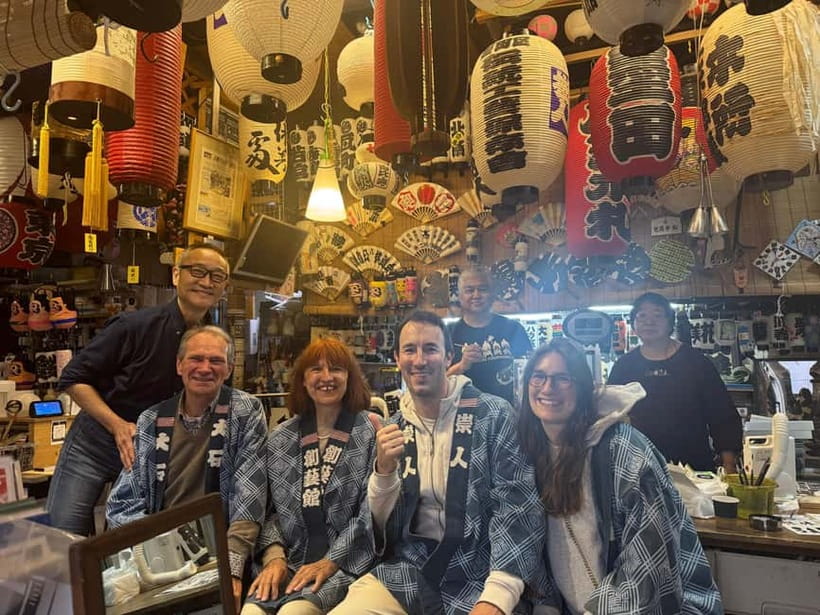
A big reason this class gets strong feedback is the people factor. The workshop pairs craft instruction with translation support if you need it. The activity is set up for Japanese and English communication, and an English-speaking guide or interpreter is included.
In the feedback examples, names like Rinka and Noriko show up as guides. There’s also mention of an interpreter named David Park helping bridge communication with the master artisan. You may or may not have the same individuals, but the lesson here is consistent: you’re not left on your own to figure things out.
You’re also learning directly from the lantern master artisan. One review mentions a master called Oyakata, along with a co-master named Uehala. That kind of multi-person teaching setup usually means you can ask questions without slowing everyone down.
Meeting Point Rules During Grand Sumo Tournament Dates
This is the single biggest logistics detail you should not shrug off. During Grand Sumo Tournament periods in 2026, the workshop is held at a different venue. That means your meeting point can change depending on your booking date.
Here’s how it works:
- Regular workshop location (most dates):
〒130-0003 2-10-8 Yokokawa, Sumida City, Tokyo
- Special venue during official Grand Sumo Tournament periods:
〒130-0015 1-3-20 Yokoami, Sumida City, Tokyo (Ryogoku Kokugikan area), 1st floor
And the 2026 Grand Sumo Tournament dates listed for the special venue are:
- January 11–25, 2026
- May 10–24, 2026
- September 13–27, 2026
The workshop itself still runs, but the atmosphere and setting may differ when it’s held closer to Ryogoku Kokugikan. So, before you plan your day around it, check your exact booking date and match it to the correct meeting point.
Price and Value: Why $96 Can Make Sense
$96 per person is not a low-cost activity. But for this kind of workshop, you’re paying for three things you usually don’t get together.
1) Instruction from a real craftsman
This is guided lantern-making with a chochin master, not a generic craft facilitator.
2) Authentic materials included
Bamboo, washi paper, glue, and brushes are part of the package. You’re not buying a kit and hoping it teaches you the craft.
3) You take home a finished item
Your completed lantern is included, meaning you’re buying a tangible outcome. Plus, it’s the kind of souvenir that works as decoration because it’s crafted with traditional materials.
What’s not included is transportation to and from the venue, meals or drinks, and personal expenses. If you already have a plan to eat nearby, you can keep this as a straightforward add-on rather than a whole-day budget drain.
What to Wear and Bring (So You Don’t Stress)
The workshop asks you to bring a passport or ID card. That’s easy enough, but don’t forget it, especially if you’re moving between multiple activities in Tokyo.
For clothing, follow the clue about ink or paint. Wear something you don’t mind getting stained. If you’re wearing light-colored clothes, consider changing before you go.
Other watch-outs based on the provided rules:
- Pets are not allowed.
- Alcohol and drugs are not allowed.
If you’re traveling with kids, note the age minimum: it’s suitable for ages 6 and up. Children under 6 aren’t suitable.
Photo Opportunities and Souvenir-Quality Packaging
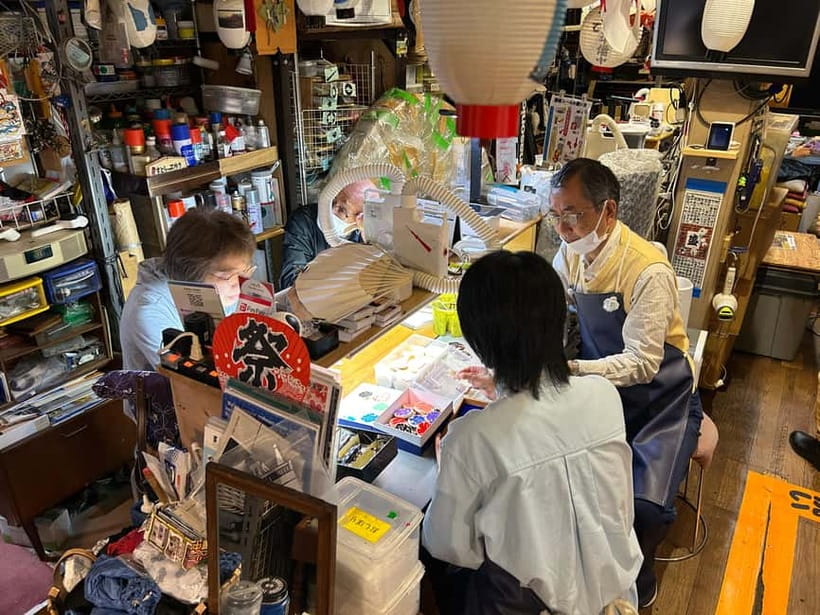
You’ll be able to take photos during the experience. The studio environment is full of colorful lanterns, so you’ll have plenty of visual material for your camera while you’re waiting your turn and while you’re building.
One review also mentions lanterns being packaged safely for travel home. That’s a practical detail that matters. Paper lanterns are delicate, so good packaging can make the difference between enjoying your souvenir at home and worrying about it every step on the way back.
And if you buy a professionally made lantern on-site, you’ll want to treat it as something fragile, too. But if you want something more finished or more traditional in look, it’s a nice option.
Who This Workshop Fits Best
This is a good fit for people who want a hands-on Tokyo memory rather than another photo stop.
I think it’s especially strong for:
- Families with kids age 6 and up, because it’s designed as an activity with a completed take-home craft
- Creative types who like working with materials and want to learn a traditional technique
- Solo travelers who want a structured activity where an interpreter and guide help with communication
- Anyone who wants something more meaningful than a mass-produced souvenir
If you’re the type who gets bored with purely instructional activities, this should work better than many museum-style experiences because you’re working with your hands for much of the session.
The one style of traveler who should be a little cautious is the person who hates any potential mess. Ink and paint can be part of the process, so wear forgiving clothing.
Should You Book This Japanese Chochin Workshop?
If you want a Tokyo souvenir that feels handmade, not bought, I’d book this. The value holds because you get instruction from a master-level craftsman, authentic materials like bamboo and washi paper, and you take home your own lantern after about 2 hours.
I’d especially consider booking if your days include Asakusa and Skytree area walking, because you can fit this into an existing sightseeing route. Just make sure you check the meeting point carefully if you’re traveling during the 2026 Grand Sumo Tournament periods, since the venue changes.
If you’re flexible, this type of experience is also a great “one evening plan” because it converts craft time into an object you’ll actually use and display. And with reserve-now options and the ability to cancel up to 24 hours in advance, you can book without locking yourself into a single rigid schedule.
FAQ
How long is the lantern-making workshop?
The workshop lasts about 2 hours.
What is the price per person?
The price is $96 per person.
What will I make during the workshop?
You will make your own Japanese chochin lantern using washi paper, with instruction from a lantern master or assistant.
Does the meeting point location change?
Yes. The meeting point changes during official Grand Sumo Tournament periods in 2026. Outside those dates, the regular location is in Yokokawa, Sumida City. During tournament dates, it is held in the Ryogoku Kokugikan area.
What is the regular workshop location address?
The regular workshop location address is 〒130-0003 2-10-8 Yokokawa, Sumida City, Tokyo.
What is the special venue address during Grand Sumo Tournament periods?
The special venue is 〒130-0015 1-3-20 Yokoami, Sumida City, Tokyo (Ryogoku Kokugikan area), 1st floor.
What materials are included?
All materials are included, including bamboo, washi paper, glue, and brushes.
Do I need prior experience?
No prior experience is needed.
What should I bring, and should I wear anything specific?
Bring a passport or ID card. Wear clothes you do not mind getting stained, because ink or paint may be involved.
Is it suitable for children?
The workshop is suitable for ages 6 and up. Children under 6 years are not suitable.
Made by Hand, and Yours to Keep



Asakusa and the Skytree, Keep Going




Newest Tokyo write-ups from the Loving Japan desk




Asakusa, Senso-ji and Tokyo Skytree, side by side.
 ★ 4.5TOKYO SKYTREE® Admission ticketFrom $1311,192 reviews
 ★ 4.8Japanese Dance Cabaret Theater Asakusa-Kaguwa TicketFrom $492,270 reviews
 ★ 4.7Meiji Shrine, Asakusa, Skytree Bus Tour and CruiseFrom $1221,986 reviews
 ★ 4.9Roll and Authentic Sushi Making Class in AsakusaFrom $581,957 reviews
 ★ 4.8Asakusa Walking Tour with Sensoji Temple VisitFrom $221,583 reviews
 ★ 5.0Tokyo Asakusa Rickshaw TourFrom $421,375 reviews
 ★ 4.5Tokyo Panoramic 1 Day: Meiji Shrine, Asakusa, Odaiba and SKYTREE®From $851,222 reviews
 ★ 5.0Tokyo Go Kart: Asakusa, Skytree, and Akihabara **IDP MUST**From $99988 reviews
Filed on these lists too