
REVIEW · JAPANESE COOKING CLASSES
Tokyo: Sushi and Ramen Cooking Class with Sake Pairing Set
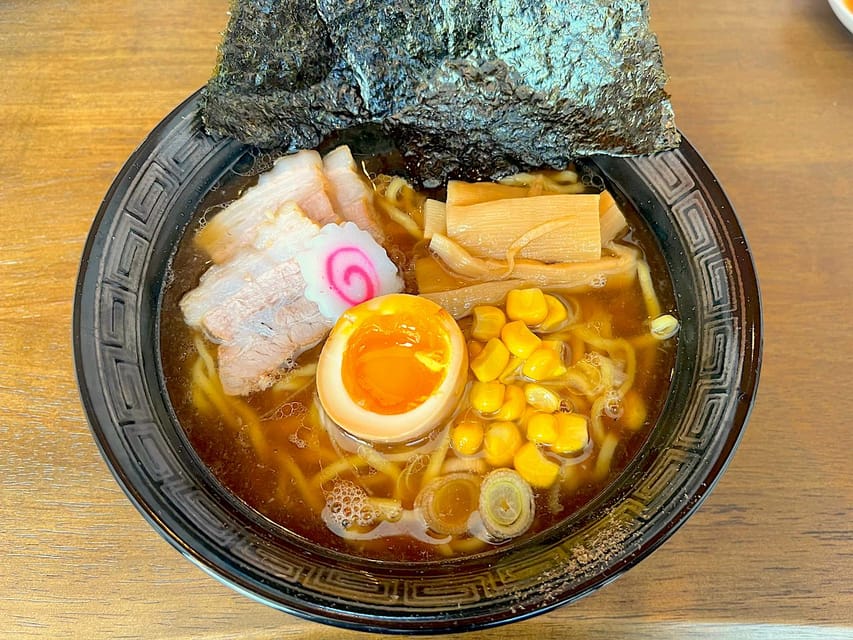
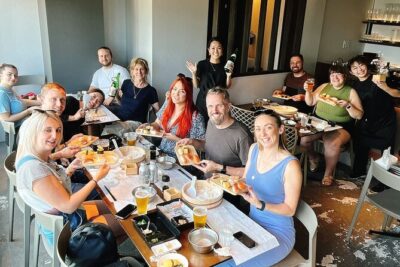
Tokyo gets hands-on with ramen and nigiri. You’ll learn ramen soup and nigiri sushi in a friendly small group at HAUS Tsukishima, with English-speaking Japanese instructors and a sake pairing set that adds an extra layer to the meal. I love that the teaching is practical, not just watch-and-clap, so you come away with skills you can repeat. I also like the mix of technique and culture, including lessons on the origins of sushi and what makes ramen broth taste the way it does.
One thing to consider: this class is not for vegans or vegetarians, and it runs with messy, hands-on cooking, plus there is no hotel pickup. If you want a spotless, hands-off experience, look elsewhere.
In This Review
- Key things to know before you cook
- Finding HAUS Tsukishima and getting ready to cook
- Ramen broth from scratch, plus chashu pork that actually delivers
- Nigiri sushi technique, rice handling, and learning the why
- Sake pairing set with a certified sommelier, and how to taste like you mean it
- What the 3-hour session feels like, from prep to eating together
- The recipe booklet and chopsticks you can use immediately
- Price, value, and who this Tokyo class is best for
- Should you book this sushi and ramen cooking class in Tokyo?
- FAQ
- How long is the Tokyo sushi and ramen cooking class?
- Where does the class meet?
- Is the class a small group?
- What is included in the price?
- Is hotel pickup and drop-off included?
- Is this class suitable for vegans or vegetarians?
- What should I wear to the class?
- Can I cancel or change my booking plans?
- How early should I arrive?
Key things to know before you cook
- Small group size: capped at 8, designed to feel intimate (many sessions run with very few people).
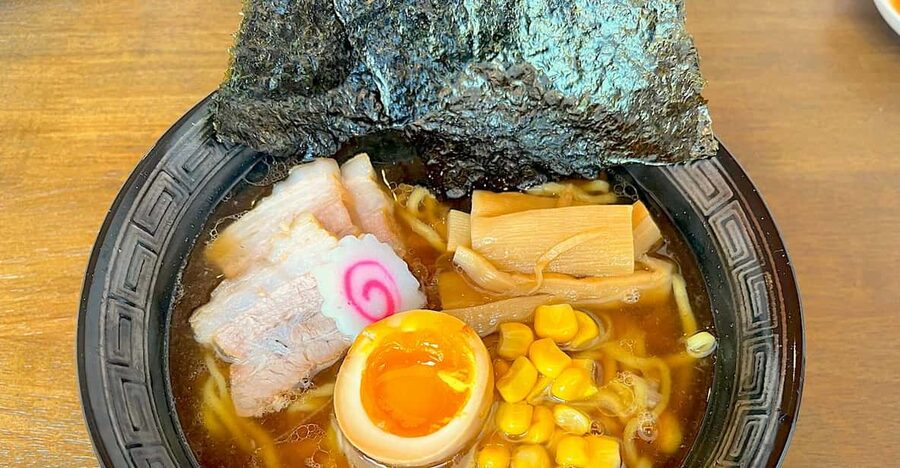
- Two iconic dishes: you make both ramen (including chashu) and nigiri sushi in one 3-hour block.
- Sake pairing included: you taste three premium sakes selected by a certified sake sommelier.
- Real instructions, in English: instructors like Sato, Haruko, Risa, Alisa, Misa, and Luna are mentioned by name in participant notes.
- You leave with tools: a recipe booklet plus souvenir chopsticks, so you can cook again at home.
Cook it yourself instead. Other kitchens in Tokyo
- Tokyo: Roll and Authentic Sushi Making Class in Asakusa
★ 4.9 · 1,957 reviews - Tokyo: Sushi Making Class in a Happi Coat near a Famous Spot
★ 4.9 · 1,377 reviews - Tokyo Sushi Making Class in Tsukiji with Professional Chef
★ 5.0 · 1,177 reviews - Ramen & Gyoza Cooking Class in Tokyo with Local Supermarket Visit
★ 5.0 · 823 reviews
Finding HAUS Tsukishima and getting ready to cook
The class meets at 2nd Floor, HAUS Tsukishima, 2-13-5 Tsukuda, Chuo-ku, Tokyo. It’s about a 5-minute walk from Exit 4 of Tsukishima Station (Y21), so you’re not trekking across town before you even start cooking.
Plan to arrive about 5 minutes early. That buffer matters because cooking classes run on tight timing, and you’ll want time to settle in, put on anything you brought for your apron, and get your station set up.
Wear comfortable clothes you don’t mind getting a bit dirty. You’ll be handling food and equipment, and even careful cooking can mean splashes. If you hate smells or stains, bring an extra layer you can sacrifice to the cause.
The room itself is described as cozy and welcoming, with a small-group feel. That’s a big deal in Japan, where many food experiences can be crowded and fast. Here, you’re set up to learn without feeling like you’re standing on the sidelines.
Ramen broth from scratch, plus chashu pork that actually delivers
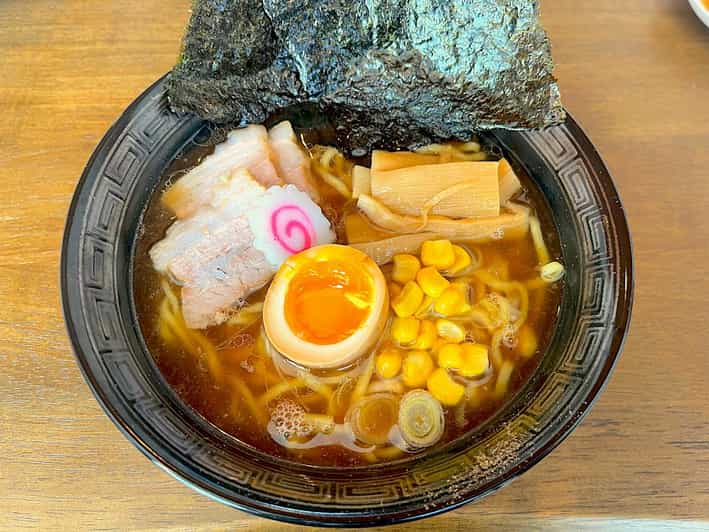
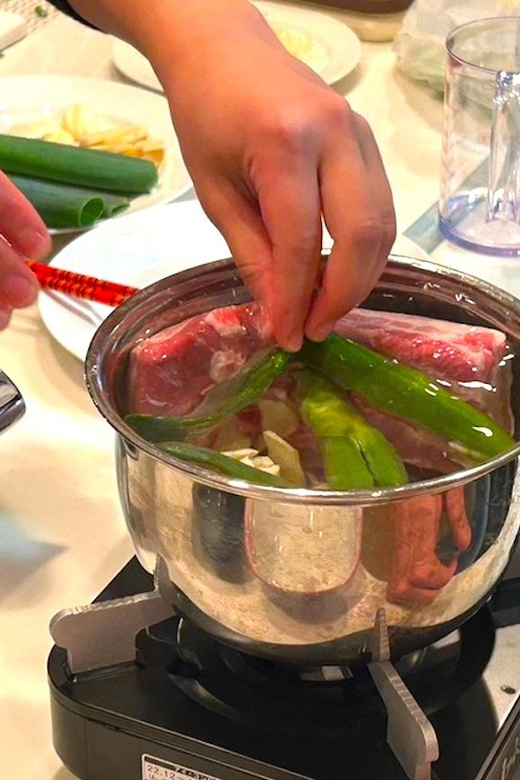
Ramen is the backbone of the class, and you don’t just learn the concept. You get ramen-making guidance from scratch, including building flavorful broth and making chashu (pork belly).
The key value here is that ramen is all about process, not shortcuts. Broth starts with careful ingredients and attention to how heat and timing affect taste. Even if you’ve had ramen in Tokyo before, making it yourself helps you understand why certain bowls feel deeper or cleaner.
Chashu is where a lot of home cooks get stuck. The class is set up to teach you how to prepare it so it turns tender and sliceable. You’ll see how pork belly becomes soft enough to melt, and you’ll get technique you can replicate later instead of guessing.
Timing is part of the experience, too. Some prep may be done ahead to fit everything into a 3-hour window, but that’s not a downgrade. It just means you spend your limited class time on the steps that teach you the most.
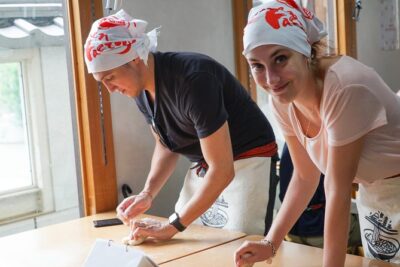
Expect hands-on work and clear explanations in English. The instructor approach is repeatedly described as patient and generous, with lots of support when you’re doing something unfamiliar like handling soup components or shaping pork for cooking.
A practical bonus: you’ll also learn ingredient tips for overseas cooking. If you’re trying to rebuild ramen at home without the exact same products, this is what turns a food memory into a real repeatable meal.
Nigiri sushi technique, rice handling, and learning the why
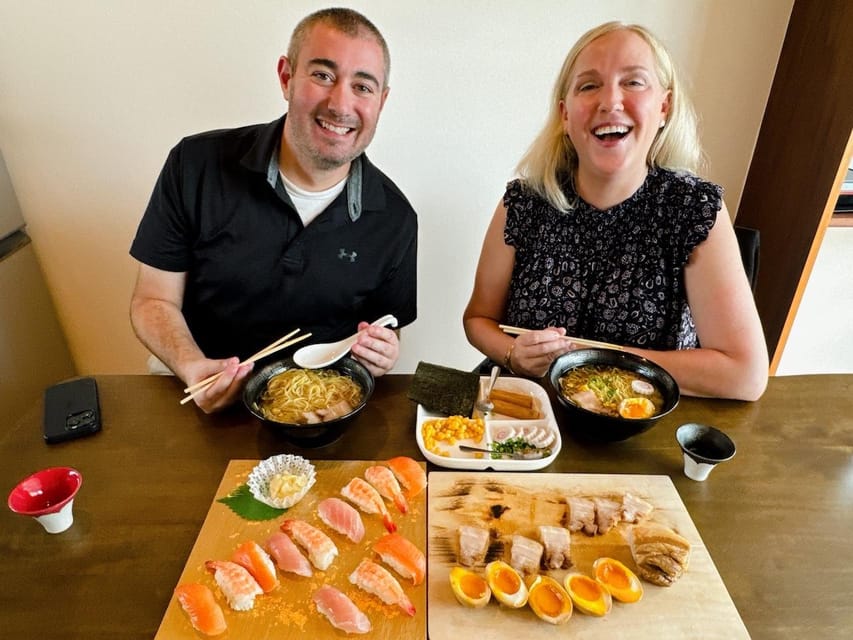
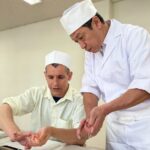
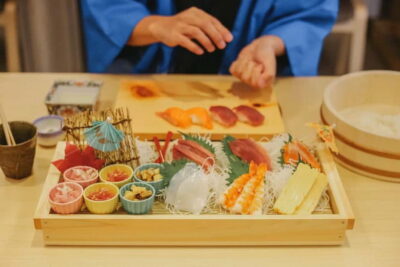
Then you switch gears from the pot to the cutting board. The class guides you through the origins of sushi and how nigiri sushi is made, using provided ingredients and tools.
Nigiri is simple on paper and tricky in practice. The challenge is mostly rice and texture. Rice needs the right seasoning feel and temperature, and the forming needs a light hand so it holds together without getting compressed.
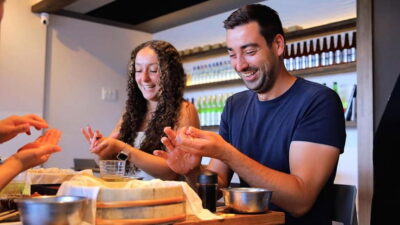
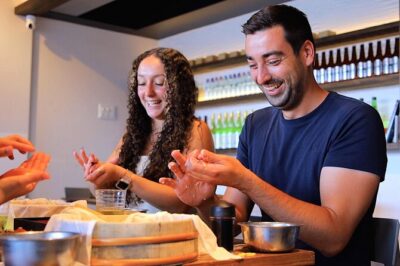
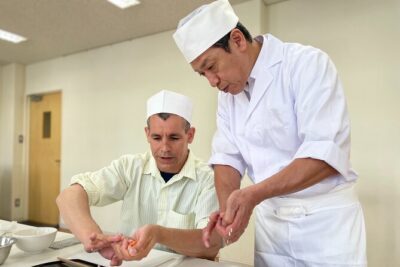
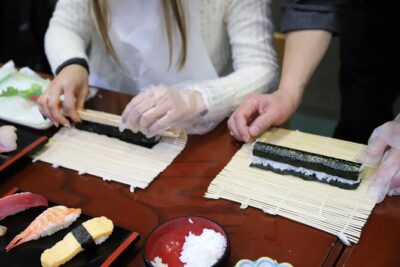
What makes this part valuable is that you’re learning to do it, not just admire it. You’ll hand-form nigiri and build confidence in the steps: portioning the rice, shaping it, and placing fish so the result looks clean and tastes balanced.
You also get cultural context around sushi, including what people mean when they talk about sushi origins and why nigiri developed the way it did. That history piece isn’t just trivia. It helps you understand why sushi often aims for balance, not heavy sauces.
If you’re a beginner, this section is designed to be approachable. Participants repeatedly mention how easy the instructor makes the process, and how patient guidance helps when your first attempts are imperfect.
If you already know sushi basics, you’ll still benefit. The class format forces you to focus on technique you can miss when you’re learning informally, like rice handling and precision in shaping.
Counters and courses we sat at around Tokyo
- Sushi Making Tokyo Roll and Authentic Japanese Sushi Class★ 5.0 · 3,971 reviews
- Make Sushi and Create Unforgettable Memories in Tokyo★ 5.0 · 1,413 reviews
- Tokyo: Sushi Making Class in a Happi Coat near a Famous Spot★ 4.9 · 1,377 reviews
- Tokyo Sushi Making Class in Tsukiji with Professional Chef★ 5.0 · 1,177 reviews
- Tokyo Night Foodie Tour in Shinjuku – Seasonal Sushi, Wagyu Beef★ 5.0 · 1,161 reviews
Sake pairing set with a certified sommelier, and how to taste like you mean it
Food classes in Tokyo are common. What makes this one feel different is the built-in sake tasting set.
You’ll enjoy three premium Japanese sakes selected by a certified sake sommelier. That matters because you’re not just drinking while you cook. You’re tasting with guidance, which helps you notice how flavors interact with ramen and sushi.
A smart way to think about it: sake is part of the flavor map of Japan. Some sakes feel more crisp and bright, others more rounded. When you taste alongside different parts of the meal, you learn what to look for the next time you order.
Recent participant notes also mention an assortment of beer alongside the sake pairings. The formal inclusion is the sake set, but the overall drink experience tends to feel flexible. Either way, you’ll have options during the meal.
Don’t worry if you’re new to sake. The format is set up to be friendly and beginner-safe, and the instructors are there to guide you through what you’re tasting and why it pairs.
What the 3-hour session feels like, from prep to eating together
The whole experience is designed around a 3-hour block, with hands-on time and then a shared meal. The pacing aims to avoid that common cooking-class problem where you feel rushed at the end while your food cools off.
In participant notes, people mention there’s time to cook, then relax and enjoy what you made. That matters because Japanese food is all about attention. When you sit down and taste your own work, you understand the payoff of all the steps.
You’ll be preparing both ramen and nigiri, and that balance keeps the session from feeling repetitive. One minute you’re learning technique for broth and pork belly, the next you’re shaping sushi by hand. It’s a fun switch, and it keeps the learning curve moving.
Food volume is another plus. People describe the ramen and meal as delicious and plentiful, with enough to feel like you ate a proper Tokyo lunch or early dinner, not a snack-based class.
One cultural detail you may notice while you eat is the way the meal comes together as a system. Ramen isn’t just noodles plus soup. Sushi isn’t just fish on rice. When you make both, you start seeing how flavors are organized.
The recipe booklet and chopsticks you can use immediately
When the class ends, you don’t leave empty-handed.
You get a professionally designed recipe booklet with detailed instructions to recreate ramen, gyoza, and sushi at home. It’s not just a list of ingredients. The booklet includes practical ingredient substitution tips, which is the difference between an at-home attempt that works and one that turns into a sad bowl of guesswork.
You also receive a pair of high-quality chopsticks as a souvenir. That sounds small, but it’s a real keepsake from the experience, and it nudges you to actually try the recipes soon after you return.
If you’re the type who brings back food memories but never repeats them, this is where the class earns its value. A good cooking class should give you a path back to the flavors. The booklet is your map.
And since you learn both ramen and nigiri, you’ll likely have more than one skill to practice. That helps when life gets busy, because you can start with the dish that feels easiest that week.
Price, value, and who this Tokyo class is best for

The price is $129 per person for 3 hours, and the value comes from what you get, not just the time.
You’re paying for:
- Ramen cooking and guidance to make broth and chashu
- Nigiri sushi preparation with provided ingredients and tools
- A sake tasting set of three premium sakes
- English-speaking instruction
- A take-home recipe booklet
- Souvenir chopsticks
- Small-group attention (capped at 8)
In a city where food experiences can be either very short and single-dish, or long and heavily guided without much hands-on work, this hits a nice middle. You learn two core dishes and you taste sake as part of the meal story.
Is it a bargain? It’s not priced like a street snack. But for Tokyo, it’s the kind of cost that makes sense when you think of it as a guided cooking session plus a meal plus a sake tasting, all in one package.
Who should book it:
- First-time visitors who want a memorable food skill, not just a meal
- People who enjoy cooking and want step-by-step guidance in English
- Food lovers who like the idea of pairing ramen and sushi with sake
- Small-group travelers who want attention and a comfortable pace
Who might skip it:
- Vegans or vegetarians, since the class is not suitable for them
- Anyone who needs a strict hands-off activity
- Anyone who wants hotel pickup, because there is none
If you’re coming in from Tsukiji Fish Market or Ginza, you can reach the meeting point quickly by taxi as well, but the walk from Tsukishima Station is part of the design. Show up on your own time, then enjoy the class without waiting for transfers.
Should you book this sushi and ramen cooking class in Tokyo?
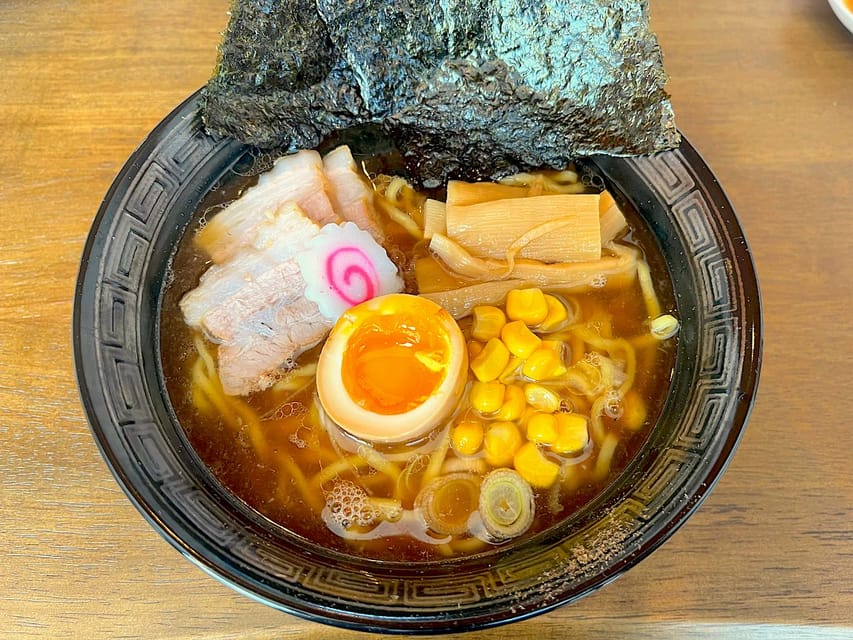
Yes, if you want a real skill session with both ramen and nigiri sushi, plus a sake tasting that comes with guided tasting from a certified sommelier. The small-group format and English instruction make it feel welcoming, even if you’ve never made sushi before.
Book it especially if you’re trying to balance a Tokyo trip between iconic eating and learning something practical. This class is built to give you a memory you can reproduce, not just a photo.
I’d hesitate if you’re vegetarian or vegan, or if you dislike getting a little messy while cooking. Also, go in knowing you need to get yourself to HAUS Tsukishima, because there’s no hotel pickup.
If you want one hands-on food experience that covers two Tokyo legends and ends with you eating what you made, this is a strong match.
FAQ
How long is the Tokyo sushi and ramen cooking class?
The class lasts 3 hours.
Where does the class meet?
It meets at 2nd Floor, HAUS Tsukishima, 2-13-5 Tsukuda, Chuo-ku, Tokyo 104-0051, a 5-minute walk from Exit 4 of Tsukishima Station (Y21).
Is the class a small group?
Yes. It is limited to about four participants and capped at 8 participants.
What is included in the price?
You get a sushi making experience, ramen cooking class, all necessary ingredients, and an English-speaking instructor. The experience also includes a sake tasting set and a recipe booklet.
Is hotel pickup and drop-off included?
No, hotel pickup and drop-off are not included.
Is this class suitable for vegans or vegetarians?
No, it is not suitable for vegans or vegetarians.
What should I wear to the class?
Wear comfortable clothes that you don’t mind getting a bit dirty.
Can I cancel or change my booking plans?
You can cancel up to 24 hours in advance for a full refund, and there is a reserve now, pay later option.
How early should I arrive?
Arrive about 5 minutes before the class starts.
Counters and Courses


Kitchens You Can Book Into

Newest Tokyo write-ups from the Loving Japan desk



Japanese Cooking Classes, side by side.
 ★ 5.0Sushi Making Tokyo Roll and Authentic Japanese Sushi ClassFrom $593,971 reviews
 ★ 4.9Roll and Authentic Sushi Making Class in AsakusaFrom $581,957 reviews
 ★ 5.0Ramen Cooking Class at Ramen Factory in KyotoFrom $1311,937 reviews
 ★ 4.9Sushi Making Class in a Happi Coat near a Famous SpotFrom $421,377 reviews
 ★ 5.0Sushi Making Osaka Roll and Authentic Japanese Sushi ClassFrom $311,220 reviews
 ★ 5.0Tokyo Sushi Making Class in Tsukiji with Professional ChefFrom $491,177 reviews
 ★ 5.0Ramen & Gyoza Cooking Class in Tokyo with Local Supermarket VisitFrom $122823 reviews
 ★ 5.0Tsukiji Fish Market Guided Tour and Sushi Making with Pro ChefFrom $104775 reviews