
REVIEW · JAPANESE COOKING CLASSES
Tokyo: Sushi Making Class
Tokyo sushi turns into a skill fast. This 3-hour workshop at Cooking Sun Tokyo teaches the mechanics of great sushi, especially sushi rice techniques, with English-speaking instructors who explain as they go. I like that the class is built for beginners, not food-writers or home chefs.
My second favorite part is the variety. You do multiple styles, including nigiri hand-pressed sushi and rolled formats, then you sit down and eat what you made with miso soup, wasabi, and pickled ginger. People often praise the patient, step-by-step teaching style seen with instructors such as Mika and Yuko.
One drawback to plan for: the studio is in a residential area and can be tricky to find.
In This Review
- Key things I’d highlight before you book
- Entering The Studio: A 3-Hour, English-Friendly Class That Moves
- Meeting Cooking Sun Tokyo: Residential Building, Second Floor, Right Door
- What You Cook: Nigiri, Inari, Hosomaki, California Roll, and Tamagoyaki
- The Hidden Work: Sushi Rice, Dashi, and Miso Soup Basics
- How Rolling Works Here: Prep, Assembly, and Lots of Hand Guidance
- Your Dinner Results: Miso Soup, Wasabi, Pickled Ginger, and Recipe Cards
- Price and Value at Around $67, and Who This Class Fits
- Should You Book This Tokyo Sushi Making Class?
- FAQ
- How long is the Tokyo sushi making class?
- What sushi dishes will I learn to make?
- Is the class taught in English?
- Does the class include instruction on how to cut raw fish?
- What is included in the price?
- What is not included?
- Where is the meeting point and how do I get there?
Key things I’d highlight before you book
- Sushi rice is the center of the lesson, not an afterthought.
- Small group size (up to 9) means you get real help when your hands get messy.
- You make several sushi types, not just one roll.
- English-friendly instruction keeps the pace comfortable for beginners.
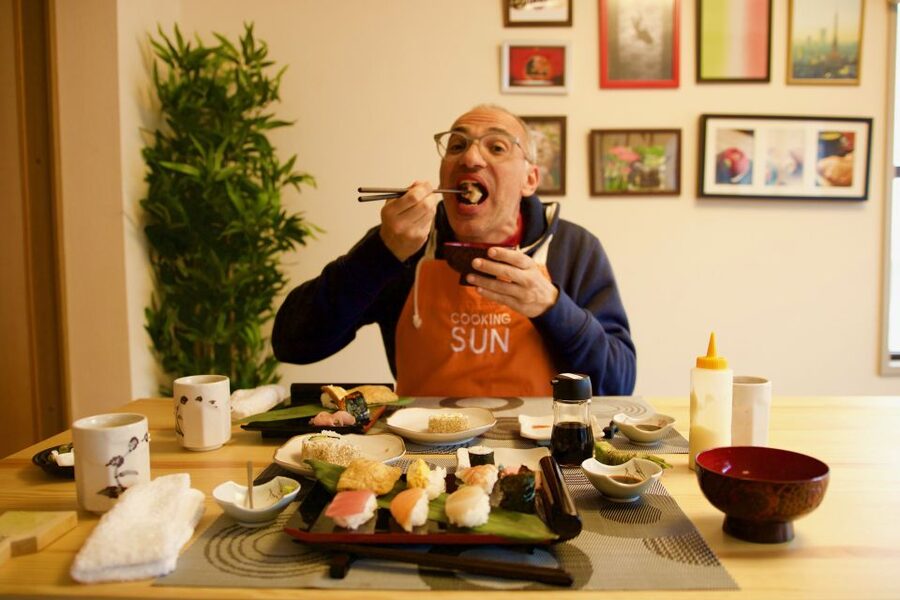
- You eat a full plate at the end, including miso soup.
- Pre-sliced fish is used, and the class does not teach fish cutting.
Cook it yourself instead. Other kitchens in Tokyo
- Tokyo: Roll and Authentic Sushi Making Class in Asakusa
★ 4.9 · 1,957 reviews - Tokyo: Sushi Making Class in a Happi Coat near a Famous Spot
★ 4.9 · 1,377 reviews - Tokyo Sushi Making Class in Tsukiji with Professional Chef
★ 5.0 · 1,177 reviews - Ramen & Gyoza Cooking Class in Tokyo with Local Supermarket Visit
★ 5.0 · 823 reviews
Entering The Studio: A 3-Hour, English-Friendly Class That Moves
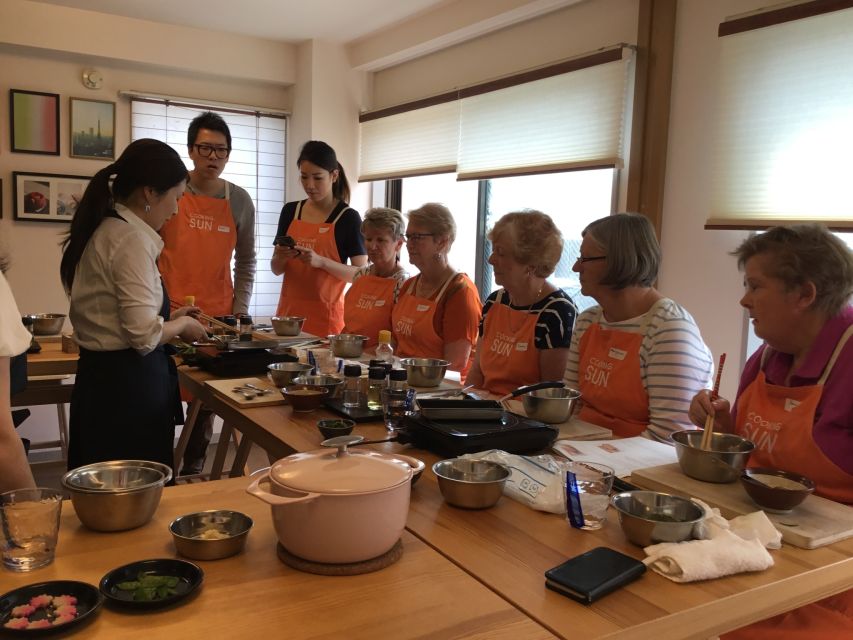
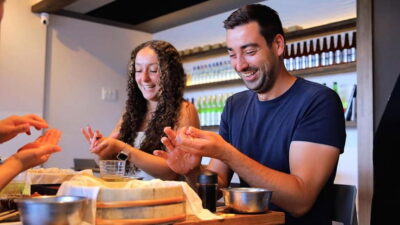
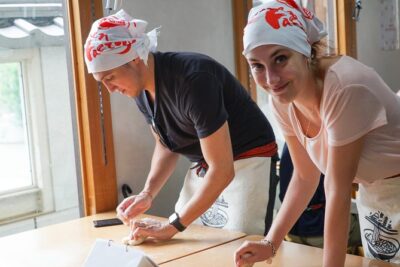
This experience is designed as a hands-on afternoon, not a lecture with props. The whole class runs about 3 hours, and the group is capped at 9 participants, so the kitchen stays calm and the instructors can actually watch what you are doing.
The tone is friendly and informal, which matters in Tokyo where a lot of cooking experiences feel more intimidating than they need to. Here, the goal is simple: teach you the process well enough that your sushi looks good, tastes good, and makes sense at home. Multiple people mention how the teaching breaks the work into steps, with support whenever you get stuck.
It also helps that you are not starting from scratch. The class focuses on foundational sushi skills, like getting sushi rice right, seasoning it properly, and assembling toppings and rolls with confidence. If you have never made sushi before, this is one of the easier ways to get a result you can be proud of.
Meeting Cooking Sun Tokyo: Residential Building, Second Floor, Right Door
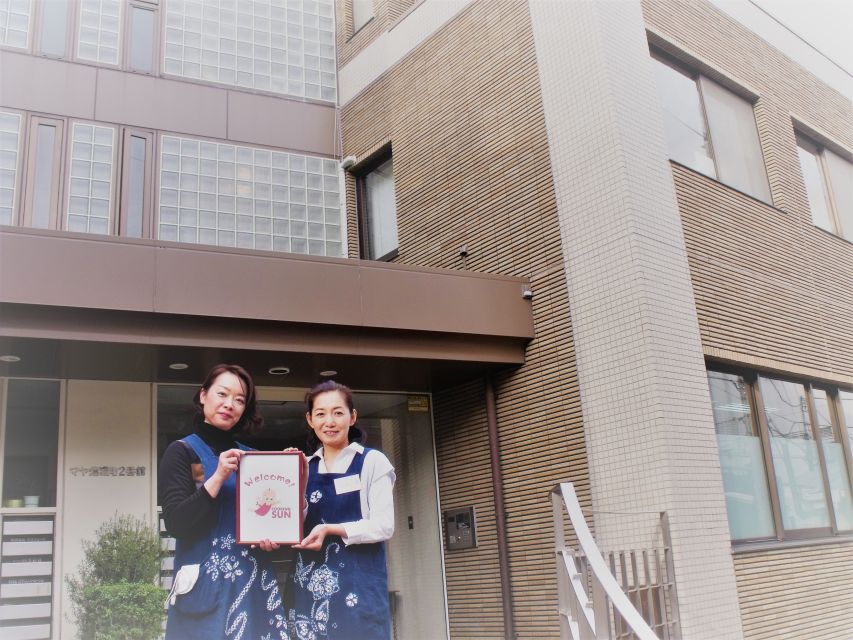
Logistics are part of the experience here, because the studio is not a storefront in a busy street. You are meeting in a quiet residential area in a beige apartment-style building. The location is on the 2nd floor, and there are two doors at the entrance. You should use the right-side door to reach the studio.
If you are using Google Maps, search for Cooking Sun Tokyo (Shinanomachi 18-39, Shinjuku-ku, Tokyo). If you do not have Wi-Fi, check the detailed directions on their website ahead of time so you are not hunting while your phone battery fades.
Also note: there is no hotel pickup or transportation included. That is common for cooking classes, but it does mean you should plan your own timing to arrive a bit early.
What You Cook: Nigiri, Inari, Hosomaki, California Roll, and Tamagoyaki
You will learn a set of dishes that covers both classic and popular Japanese flavors. The menu includes:
- Nigiri (hand-pressed sushi)
- Inari (sweet tofu pouch sushi)
- Thin roll, Hosomaki
- California roll
- Japanese rolled egg, Tamagoyaki
That mix is smart. Nigiri teaches your hands how sushi rice behaves and how to portion it. Rolls teach you structure, not just taste. Inari gives you a sweet-savory counterpoint that shows how wide sushi can be beyond raw fish.
You also start with key building blocks, not just final assembly. The class includes a segment on Japanese ingredients and essential flavors, and it covers dashi and how miso soup fits into Japanese cooking. Even if you only care about sushi rolls, this part helps you understand why the rice and seasonings matter so much.
One more practical note: the class uses pre-sliced fish and does not include instruction on how to cut raw fish. If you were hoping for chef-level sashimi knife skills, adjust your expectations.
Counters and courses we sat at around Tokyo
- Sushi Making Tokyo Roll and Authentic Japanese Sushi Class★ 5.0 · 3,971 reviews
- Make Sushi and Create Unforgettable Memories in Tokyo★ 5.0 · 1,413 reviews
- Tokyo: Sushi Making Class in a Happi Coat near a Famous Spot★ 4.9 · 1,377 reviews
- Tokyo Sushi Making Class in Tsukiji with Professional Chef★ 5.0 · 1,177 reviews
- Tokyo Night Foodie Tour in Shinjuku – Seasonal Sushi, Wagyu Beef★ 5.0 · 1,161 reviews
The Hidden Work: Sushi Rice, Dashi, and Miso Soup Basics
The magic of sushi is mostly in the rice and the seasonings. In this class, that focus shows up early and stays throughout the afternoon.
You learn how to prepare sushi rice correctly, and then you work with toppings and ingredients in the right proportions. Many people call out that the instructors explain the rice and techniques in a way that makes the final sushi actually come together. The method is taught step-by-step, so you are not left guessing when the rice sticks, when the vinegar smell hits, or when your rolls look a little uneven.
You also make a taste-supporting element, miso soup, and you get introduced to Japanese cooking flavor foundations like dashi and traditional seasonings. You then sit down to eat miso soup alongside your sushi. It is not just a side dish, it is part of the lesson: warm, savory broth that rounds out the flavors of rice, vinegar, salt, and sweetness.
This is one of the biggest value points for me. You are not only learning what to assemble, you are learning why it tastes right.
How Rolling Works Here: Prep, Assembly, and Lots of Hand Guidance
The flow is practical and designed to keep you moving. After an introduction to ingredients, you do hands-on prep, then you shift into building your sushi.
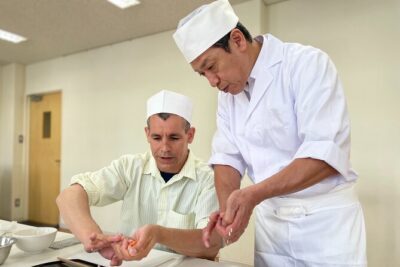
A common pattern is demonstration first, then you do it. That is how the class avoids turning into a stressful mess. People mention the instructors provide support so they never feel lost, and the group size helps with that.
One specific dish that usually teaches technique fast is tamagoyaki, the rolled Japanese omelet. You get step-by-step guidance to make a fluffy result. Even if you do not perfect it on the first attempt, you leave understanding what “proper” looks like: the texture, the folding rhythm, and how to manage the pan.
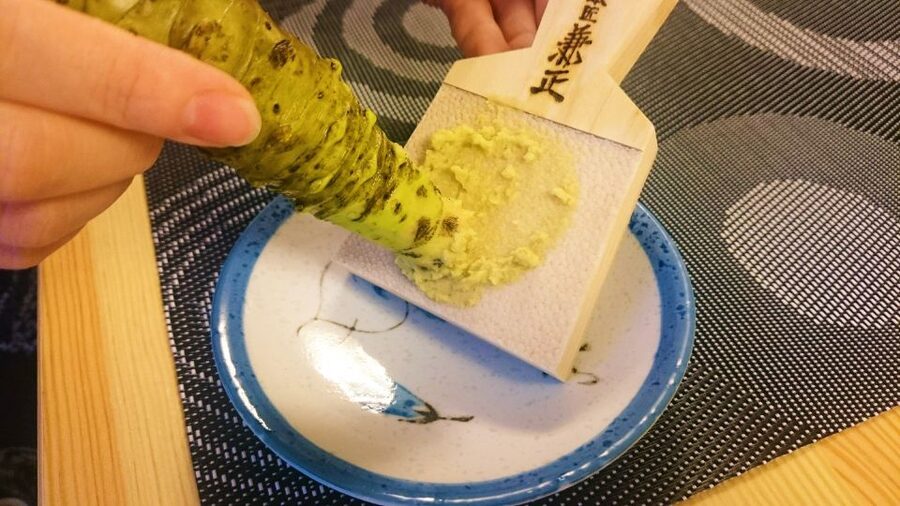
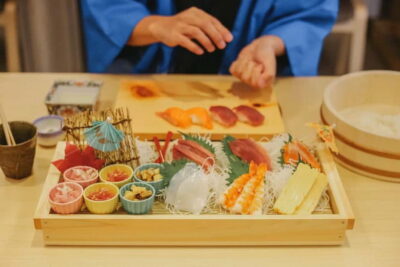
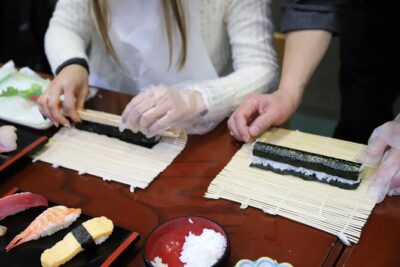
Then comes sushi prep and assembly. You prepare toppings, including items like shrimp, and you roll or shape your sushi pieces. Fresh wasabi and pickled ginger are served on the side for eating. You will likely do multiple styles across the class, so you finish with variety on your plate, not one small roll and a photo.
Also worth mentioning: one review notes there are pauses and hand-washing breaks. In a small cooking class, that kind of rhythm helps keep hygiene and workflow under control.
Your Dinner Results: Miso Soup, Wasabi, Pickled Ginger, and Recipe Cards
The best part of any cooking class is the part where you eat. Here, you sit down after you have made your sushi and you enjoy your creations as a group meal.
Included with the meal:
- Miso soup
- Fresh wasabi (served on the side)
- Pickled ginger
You also get recipes to take home. Multiple people mention receiving recipe cards or a copy of the recipes. For me, that matters because sushi is one of those cuisines where small ratios change everything. The takeaway materials help you recreate what you learned instead of relying on memory.
Some instructors are praised for weaving cultural and language information into the cooking lesson. That does not turn the class into a school lecture. It stays tied to what you are handling, like why certain ingredients are used and how dishes are traditionally understood.
And yes, people repeatedly say it is a lot of food. Come hungry, especially if this is replacing dinner.
Price and Value at Around $67, and Who This Class Fits
At $67 per person for 3 hours, the price lands in the “fair and worth it” range, especially in Tokyo where food and activities can add up quickly. The value is not just that you get to eat sushi. You get ingredient handling, technique coaching, a full meal, and a take-home recipe set.
This works best for:
- Beginners who want sushi skills without fear
- People who like interactive classes more than guided tours
- Food lovers who want a practical meal outcome, not just a tasting
- Families and groups that want a shared activity (the class is small and hands-on)
It might not be ideal if:
- You want a deep focus on knife skills and cutting raw fish (this class does not teach cutting)
- You are looking for a private, fully custom course (the group is limited, but still a group)
Dietary adjustments are also a serious plus. The class says they can substitute ingredients for allergies, gluten-free diets, religious dietary restrictions, vegetarian preferences, and more. One person specifically mentioned accommodations for celiac disease and gluten-free needs. If dietary restrictions apply to you, tell them during booking so the substitutions are planned.
Should You Book This Tokyo Sushi Making Class?
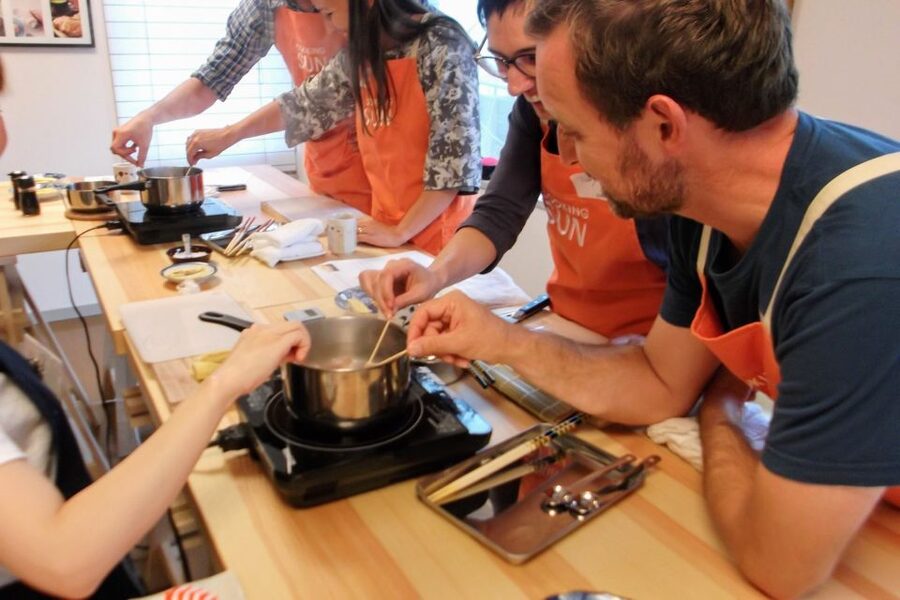
Book it if you want a hands-on sushi lesson that actually produces food you can eat right away. The combination of small group size, English instruction, and a structured step-by-step approach makes it a strong choice for first-timers.
I would also book it if you care about fundamentals like sushi rice. That is the part most people struggle with at home, and it is central here.
Skip it or rethink if your main goal is learning to cut raw fish, because the class uses pre-sliced fish and does not cover cutting instruction. And do plan your arrival carefully, because the studio is in a residential building and the meeting point takes a little attention to find.
If you want an afternoon that gives you both a skill and a meal, this is a very solid way to spend time in Tokyo.
FAQ
How long is the Tokyo sushi making class?
The class lasts about 3 hours. Check availability to see starting times.
What sushi dishes will I learn to make?
You will learn nigiri (hand-pressed sushi), inari (sweet tofu pouch sushi), thin roll (hosomaki), and California roll. You also make Japanese rolled egg (tamagoyaki).
Is the class taught in English?
Yes. The instructor is English-friendly and the class is designed to be easy to follow for beginners.
Does the class include instruction on how to cut raw fish?
No. The class uses pre-sliced fish, and it does not include instruction on cutting raw fish.
What is included in the price?
The class includes recipes, all ingredients and utensils, and towel and apron rental.
What is not included?
Hotel pickup and transportation are not included.
Where is the meeting point and how do I get there?
The studio is on the 2nd floor of a beige residential building. Use the right-side door at the entrance, and press 314 on the intercom to call them. You can search for Cooking Sun Tokyo on Google Maps, or check detailed directions if you do not have Wi-Fi.
Counters and Courses


Kitchens You Can Book Into

Newest Tokyo write-ups from the Loving Japan desk



Japanese Cooking Classes, side by side.
 ★ 5.0Sushi Making Tokyo Roll and Authentic Japanese Sushi ClassFrom $593,971 reviews
 ★ 4.9Roll and Authentic Sushi Making Class in AsakusaFrom $581,957 reviews
 ★ 5.0Ramen Cooking Class at Ramen Factory in KyotoFrom $1311,937 reviews
 ★ 4.9Sushi Making Class in a Happi Coat near a Famous SpotFrom $421,377 reviews
 ★ 5.0Sushi Making Osaka Roll and Authentic Japanese Sushi ClassFrom $311,220 reviews
 ★ 5.0Tokyo Sushi Making Class in Tsukiji with Professional ChefFrom $491,177 reviews
 ★ 5.0Ramen & Gyoza Cooking Class in Tokyo with Local Supermarket VisitFrom $122823 reviews
 ★ 5.0Tsukiji Fish Market Guided Tour and Sushi Making with Pro ChefFrom $104775 reviews
Filed on these lists too