
REVIEW · JAPANESE COOKING CLASSES
Tokyo Sushi Making Experience & Japanese Cooking Class
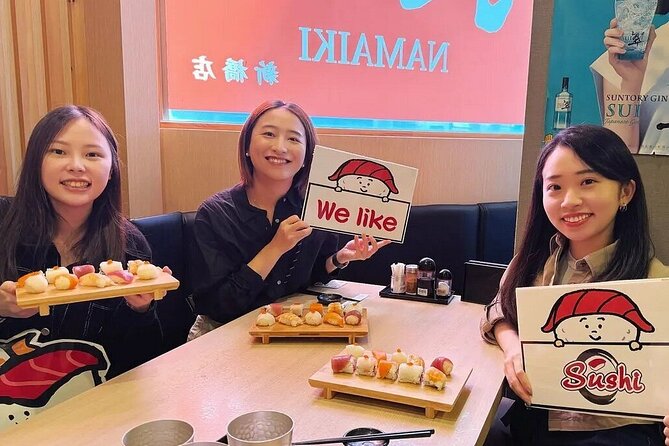
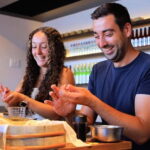
Sushi class beats another souvenir shop stop. I like that you learn the why behind each bite, then get hands-on rolling and shaping maki, temari, and nigiri with fresh tuna, salmon, and flying fish roe. I also love the small-group feel and the supportive help in English or Chinese. One thing to plan for: bottled water and any drinks like sake or shochu are not included, so bring a little extra budget if you want them.
In about 1 hour 30 minutes, you’ll work in a classroom setting near Shinbashi, eat what you make, and leave with commemorative photos. This is a mobile-ticket experience, capped at 15 people, which makes it easier to ask questions without feeling rushed.
In This Review
- Key Things I’d Focus On Before You Go
- Why This Sushi Class Feels Like Tokyo, Not a Theme Park
- Entering the Classroom Near Shinbashi (and Why the Location Helps)
- What You’ll Actually Make: Maki, Temari, and Nigiri
- The Part People Don’t Always Expect: Sushi Etiquette and Culture
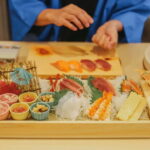
- The Food You Handle: Fresh Fish, Roe, and Seafood Variety
- Drinks, Sake, and Shochu: Optional, But Plan Ahead
- Your 90-Minute Flow: From Instruction to Eating Your Own Sushi
- Small-Group Instruction: Why It’s Better Than You’d Think
- Price and Value: What $59.46 Actually Buys You
- Who This Sushi Class Is Best For
- Tips to Make Your Class Smoother (and More Fun)
- FAQ
- FAQ
- Where does the sushi making experience meet in Tokyo?
- How long is the Tokyo sushi making class?
- What sushi types will I learn to make?
- What’s included in the class price?
- What’s not included?
- Do I need to bring ingredients or cooking tools?
- How old do you need to be to join?
- Can I add sake or shochu, and do I need identification?
- What happens if I cancel or if weather is poor?
- Should You Book This Tokyo Sushi Making Class?
Key Things I’d Focus On Before You Go
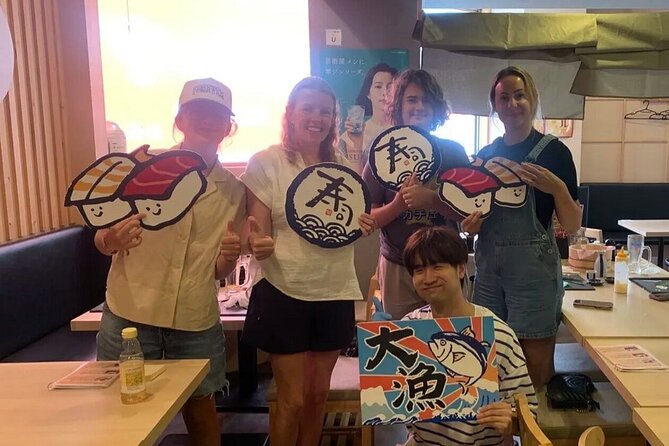
- Small group, max 15 people: you get real attention instead of watching from the sidelines
- Three sushi styles in one session: maki, temari, and nigiri keep the class varied and fun
- Fresh ingredients you handle: tuna, salmon, squid, and flying fish roe are part of the snacks
- Etiquette and culture, not just rolling: you hear about the art and manners behind each bite
- Optional sake or shochu: you can choose the extra, authentic touch, if you’re old enough and want it
Cook it yourself instead. Other kitchens in Tokyo
- Tokyo: Roll and Authentic Sushi Making Class in Asakusa
★ 4.9 · 1,957 reviews - Tokyo: Sushi Making Class in a Happi Coat near a Famous Spot
★ 4.9 · 1,377 reviews - Tokyo Sushi Making Class in Tsukiji with Professional Chef
★ 5.0 · 1,177 reviews - Ramen & Gyoza Cooking Class in Tokyo with Local Supermarket Visit
★ 5.0 · 823 reviews
Why This Sushi Class Feels Like Tokyo, Not a Theme Park
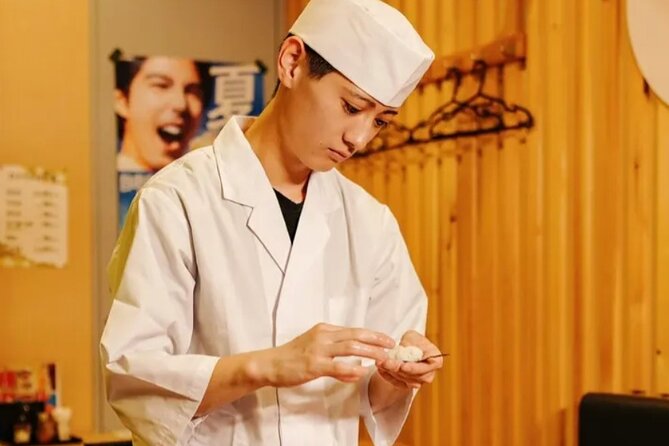
Tokyo sushi workshops can go one of two ways. Either they turn into a fast factory line of rice and tuna, or they slow down just enough to teach you how sushi culture works. This one leans toward the second style. You start with sushi history and culture, and then you practice. That combination makes what you’re doing feel meaningful, not just hands-on entertainment.
I also appreciate the language setup. The class runs with instructors fluent in English and also supports Traditional Chinese and Simplified Chinese. That matters because sushi is detailed work, and you do not want to guess what the instructor means when your fingers are full of rice.
Still, there’s a trade-off. Because the session is only around 1 hour 30 minutes, you won’t get an all-day course. If you want deep, slow mastery of every technique, you’ll likely need more than one class or extra reading afterward. But for most visitors, this length is a sweet spot.
Entering the Classroom Near Shinbashi (and Why the Location Helps)
Your meeting point is in Minato City, in Shinbashi, at Japan, 105-0004 Tokyo, Minato City, Shinbashi, 2-chōme1510 S-PLAZA弥生Ⅱ. The practical win here is that it’s near public transportation. That makes the class easier to plug into your travel day, especially if you’re already exploring around central Tokyo.
You’ll return to the same meeting point when the activity ends. So you are not dealing with a “then transfer to…” situation. That keeps things simple, which I always appreciate with cooking classes, since timing is everything once food is involved.
What You’ll Actually Make: Maki, Temari, and Nigiri
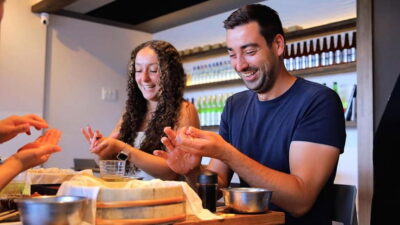
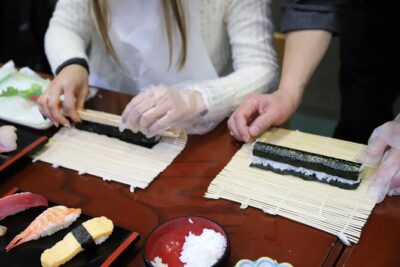
This experience is hands-on from the start. The class focuses on making maki, temari, and nigiri sushi. The big advantage is variety. You get to practice multiple sushi shapes and textures, not just one roll style.
Here’s how that variety helps you as a visitor:
- Maki gives you the classic roll experience, where rice and fillings need to be handled carefully so the roll comes out neat.
- Temari, with its ball-like shaping, is a fun change of pace. It’s also a good way to practice forming rice with confidence rather than relying only on a roll mat.
- Nigiri centers on the fish-on-rice idea, so you learn how ingredients come together in a more direct, “chef’s hands” way.
The class also includes snacks you make along the way, with ingredients such as tuna, salmon, squid, and flying fish roe. So you’re not just learning in theory. You’re producing something you can eat before you leave.
Counters and courses we sat at around Tokyo
- Sushi Making Tokyo Roll and Authentic Japanese Sushi Class★ 5.0 · 3,971 reviews
- Make Sushi and Create Unforgettable Memories in Tokyo★ 5.0 · 1,413 reviews
- Tokyo: Sushi Making Class in a Happi Coat near a Famous Spot★ 4.9 · 1,377 reviews
- Tokyo Sushi Making Class in Tsukiji with Professional Chef★ 5.0 · 1,177 reviews
- Tokyo Night Foodie Tour in Shinjuku – Seasonal Sushi, Wagyu Beef★ 5.0 · 1,161 reviews
The Part People Don’t Always Expect: Sushi Etiquette and Culture
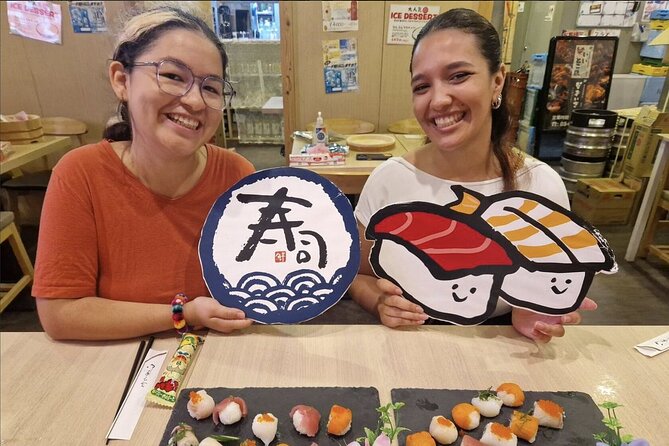
Many sushi workshops focus only on technique. This one explicitly includes sushi history and culture, plus the art and etiquette behind each bite. Even without getting overly formal, etiquette training is surprisingly practical. It can help you avoid common mistakes, like how you should handle soy sauce or how you should eat with respect.
You’ll also get context as you cook. That’s what turns a “cook and forget” class into a “now I understand what I’m tasting” class. And since sushi is all about balance, understanding the thinking behind it makes your finished piece taste better, even if your roll looks a little imperfect.
The Food You Handle: Fresh Fish, Roe, and Seafood Variety
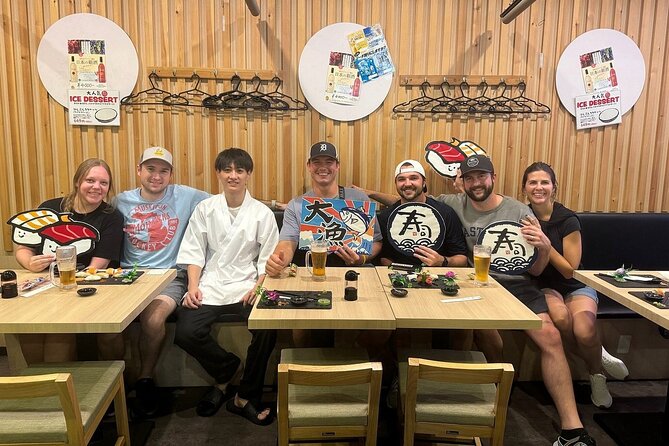
You work with fresh ingredients such as tuna, salmon, and flying fish roe. In addition, the class notes that snacks include maki and temari with items like tuna, salmon, and squid.
Why this matters for value: fish quality is a huge part of sushi flavor. You might eat sushi anywhere in Tokyo, but in a class like this, you’re learning with the real stuff. That gives you a more accurate mental map of what makes a good bite.
Also, because the class is short and structured, you don’t have to manage grocery shopping, prep work, or ingredient shopping on your own. That makes it easier to fit into travel plans without turning your vacation into a cooking chore.
Drinks, Sake, and Shochu: Optional, But Plan Ahead
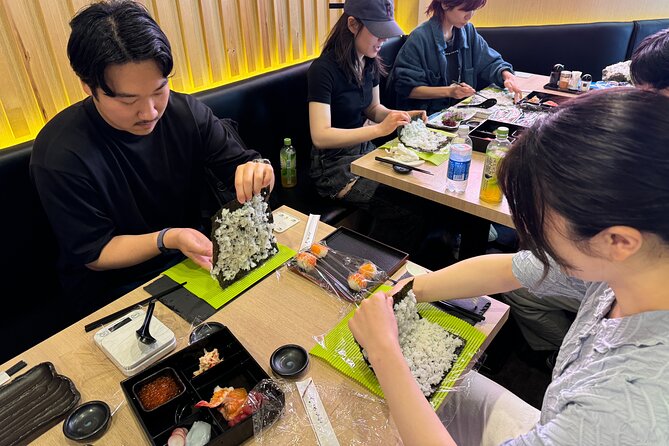
You can add sake or shochu for an authentic Japanese touch. You can also add other drinks, but you should assume you’ll be ordering those separately.
Two practical notes so you do not get surprised:
- Bottled water, juice, and alcoholic beverages are not included.
- Japan’s legal drinking age is 20. If you plan to have sake or shochu, bring valid identification that proves your age.
Even if you don’t drink, the option is still useful. You can experience the full “Japanese cooking class vibe” without being pressured. If you do drink, keep it moderate. You’re working with food, and you want your hands steady when shaping nigiri or finishing a roll.
Your 90-Minute Flow: From Instruction to Eating Your Own Sushi
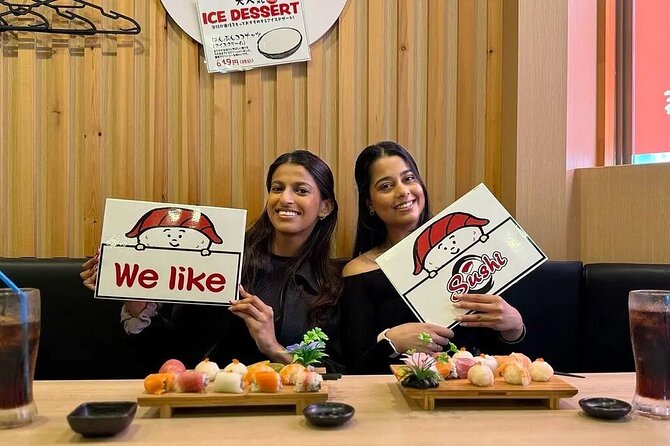
The class runs about 1 hour 30 minutes, and it’s built to keep momentum. Here’s the rhythm you can expect based on what’s included and how these classes typically run with small groups:
- Orientation and sushi background
You start with sushi history and culture, guided by an English-speaking instructor with language support options.
- Hands-on sushi making
You learn how to make maki, temari, and nigiri. Fresh ingredients like tuna, salmon, and flying fish roe are part of the session. The key is that the work is guided, so you’re not guessing.
- Personal instruction in a small group
With a maximum of 15 travelers, you can actually get help when your rice texture or shaping feels off.
- Eat what you make
You savor your creations. This is when the culture lessons connect with taste. Your bite becomes the payoff, not an afterthought.
- Commemorative photos to take away
The staff helps with taking commemorative photos. It’s a nice memory for a class that is otherwise “hands and food and gone.”
Also, the class is described as not requiring you to bring anything. That is a huge practical benefit, especially when you’re already traveling with bags. You show up, cook, and leave.
Small-Group Instruction: Why It’s Better Than You’d Think
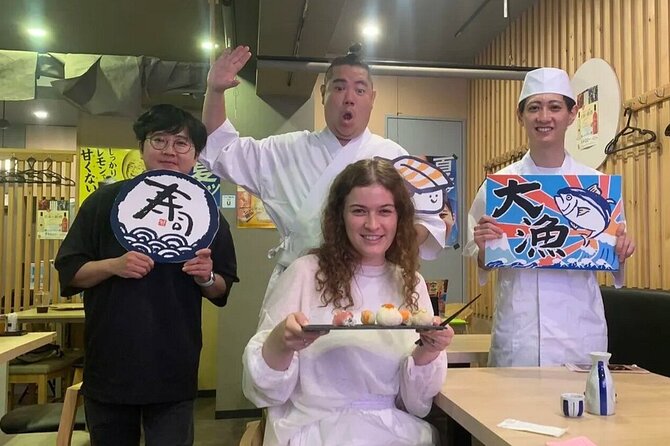
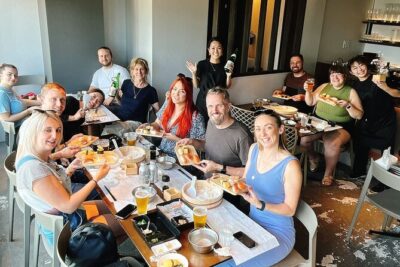
This is capped at 15 people, which is the right size for a cooking class. Big enough that it feels social, small enough that you are not ignored.
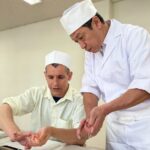
The classroom staff are friendly and will gladly assist you, including with sushi-making and taking commemorative photos. And based on the consistent praise for the hosts, the vibe tends to be patient. That matters if you’re traveling with kids or if you just get nervous when you’re learning a new technique.
If you’re the kind of traveler who likes to do one active thing each day, this is ideal. You get a tangible skill, you eat, and you go back to exploring with your day still intact.
Price and Value: What $59.46 Actually Buys You
At $59.46 per person for about 1.5 hours, the price is reasonable for Tokyo, especially because this is not a demo. You receive:
- A guided class with English support (and Traditional or Simplified Chinese support)
- Hands-on sushi making practice
- Included snacks based on the sushi you make
- Commemorative photos
- Small-group instruction, max 15
What is not included:
- Bottled water
- Juice
- Alcoholic beverages (ordered separately)
So the best way to judge value is like this: you are paying for instruction, ingredients, and the experience of making sushi you can eat, inside a structured class setting. If you were to recreate the same learning at home, you would spend time and money on buying gear, sourcing ingredients, and figuring out technique without expert help. Here, the hard parts are handled for you.
If you want sake or shochu, budget a little extra. But even without alcohol, you get a full, satisfying session.
Who This Sushi Class Is Best For
This is a good fit if you want:
- A short, hands-on activity that doesn’t steal half your day
- A beginner-friendly introduction to sushi types beyond just ordering at a restaurant
- English or Chinese language support
- A small-group class where you can ask questions
It’s also age-flexible, with eligibility for age 4 and above. If you’re traveling with a family, the patient hosting style is the kind of detail that can make or break a class experience.
If you are a serious sushi enthusiast looking for highly technical training, you might want a longer course. But for most visitors, this hits a great balance of learning, eating, and leaving with photos.
Tips to Make Your Class Smoother (and More Fun)
A few practical tips based on what the experience emphasizes:
- Bring your ID if you might drink sake or shochu. The legal drinking age is 20 in Japan.
- Plan to buy drinks separately. Bottled water and juice are not included.
- Wear something comfortable for food work. Rice can get sticky, and you want to move freely.
- Take a moment to watch before you start. The class includes etiquette and culture, and paying attention early helps you execute better later.
- Ask questions while you’re still making. The value of a small group is getting real-time correction.
And if you’re the type who forgets details after a trip, the photo keepsake helps. You’ll have a reminder that you did more than eat, you learned.
FAQ
FAQ
Where does the sushi making experience meet in Tokyo?
It meets at Japan, 105-0004 Tokyo, Minato City, Shinbashi, 2-chōme1510 S-PLAZA弥生Ⅱ. The activity ends back at the same meeting point.
How long is the Tokyo sushi making class?
The duration is about 1 hour 30 minutes.
What sushi types will I learn to make?
You will learn to make maki, temari, and nigiri sushi.
What’s included in the class price?
The included items are snacks (maki sushi and temari sushi, with options like tuna, salmon, squid, etc.) and a guide who speaks English, Traditional Chinese, or Simplified Chinese.
What’s not included?
Bottled water is not included. Juice and alcoholic beverages need to be ordered separately.
Do I need to bring ingredients or cooking tools?
You can enjoy learning without bringing anything, and the class provides what you need for the hands-on session.
How old do you need to be to join?
The eligible age is 4 years old and above.
Can I add sake or shochu, and do I need identification?
You can add sake or shochu as an option. The legal drinking age in Japan is 20, so you should bring a valid form of identification that proves your age.
What happens if I cancel or if weather is poor?
You can cancel for a full refund up to 24 hours before the experience’s start time. If it’s canceled due to poor weather, you’ll be offered a different date or a full refund. It can also be canceled if a minimum number of travelers is not met, with an alternative date or full refund.
Should You Book This Tokyo Sushi Making Class?
Yes, if you want a hands-on Tokyo experience that’s short, structured, and beginner-friendly. I’d especially recommend it if you like the idea of learning maki, temari, and nigiri in one go, with English or Chinese support and photo keepsakes.
Book it sooner if you can, since it’s commonly scheduled about 54 days in advance on average. And if you plan to drink sake or shochu, pack your ID and a little extra cash for drinks and water. Overall, this is the kind of activity that gives you a skill, a meal, and a memory in about 90 minutes.
Counters and Courses


Kitchens You Can Book Into

Newest Tokyo write-ups from the Loving Japan desk



Japanese Cooking Classes, side by side.
 ★ 5.0Sushi Making Tokyo Roll and Authentic Japanese Sushi ClassFrom $593,971 reviews
 ★ 4.9Roll and Authentic Sushi Making Class in AsakusaFrom $581,957 reviews
 ★ 5.0Ramen Cooking Class at Ramen Factory in KyotoFrom $1311,937 reviews
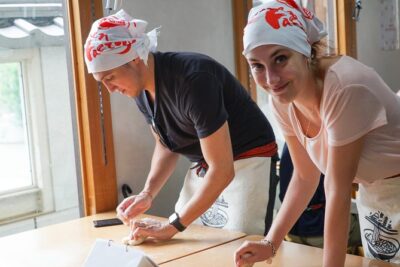
 ★ 4.9Sushi Making Class in a Happi Coat near a Famous SpotFrom $421,377 reviews
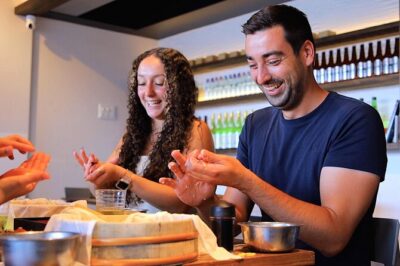 ★ 5.0Sushi Making Osaka Roll and Authentic Japanese Sushi ClassFrom $311,220 reviews
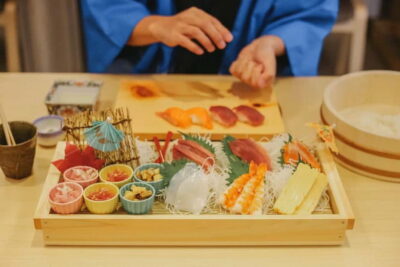
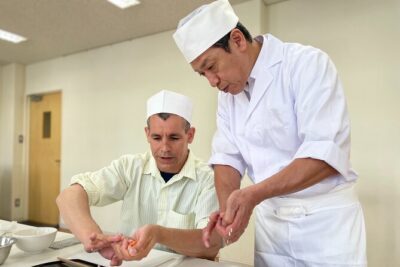 ★ 5.0Tokyo Sushi Making Class in Tsukiji with Professional ChefFrom $491,177 reviews
 ★ 5.0Ramen & Gyoza Cooking Class in Tokyo with Local Supermarket VisitFrom $122823 reviews
 ★ 5.0Tsukiji Fish Market Guided Tour and Sushi Making with Pro ChefFrom $104775 reviews
Filed on these lists too