
REVIEW · ASAKUSA, SENSO-JI AND TOKYO SKYTREE
Tokyo Ueno Food Tour Sushi Ramen and Local Favorites
Ameyoko already smells like dinner. This 3-hour Ueno food tour is built for people who want real local meals fast, with tastings that tend to cover sushi and ramen, plus a guide to handle the ordering and pacing. I love the tasting-focused format, so you sample more than one style of food without spending hours figuring it out. I also like the small-group feel, with guides such as Kaho, Nana, Nobutane, and Kana steering you to places with a local vibe. One drawback: it is not for vegetarians, vegans, pescatarians, or anyone allergic to gluten.
The alcohol part is another big decision point. An alcohol package is available, and in Japan the legal drinking age is 20, so you will want to plan around that. Keep in mind that one restaurant stop allows smoking, which can matter if you are sensitive to smoke or you do not want to sit in it.
Logistically, it is straightforward: you start at Andersen Atre Ueno Japan, 7-chome, 1F and the activity ends back at the same meeting point. You get a mobile ticket, and the tour is designed around easy access near public transportation.
In This Review
- Key highlights worth circling
- Where the tour starts, and why that matters in Ueno
- Ameyoko Shopping Street: the 400-shop lane for snackers
- Sushi and ramen tastings: how the tour keeps the variety manageable
- Izakaya stops and the alcohol package choice
- The guides make or break it, and the names behind the praise
- Value check: is $89.17 worth it for Ueno food?
- Smoking and allergies: the practical reality to plan around
- A smart way to use this tour in your Tokyo plan
- Should you book Tokyo Ueno Food Tour Sushi Ramen and Local Favorites?
- FAQ
- How long is the Tokyo Ueno Food Tour Sushi Ramen and Local Favorites?
- Where do I meet for the tour?
- What food is included during the tour?
- Is an alcohol package included?
- Are there dietary restrictions?
- Will I be in a place where smoking is allowed?
Key highlights worth circling
- Ameyoko market energy, with 400 small shops: a classic Ueno lane with post-WWII black market roots
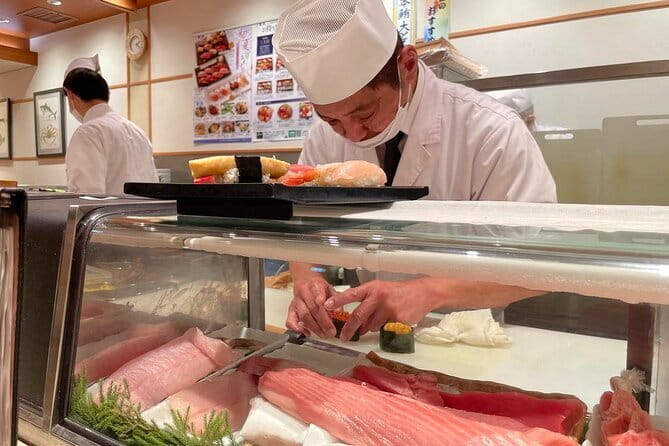
- Sushi and ramen tastings without guesswork: multiple bites at multiple spots
- Izakaya-style stops and seating taken care of: you do not have to hunt for a table
- Small group up to 5 people: more time for questions and food explanations
- Optional alcohol package for 20+: adds a social element if you want it
- Local guiding that goes beyond food: Ueno shopping district context and how to order
Still on the Sumida side? A few more Asakusa options
- Tokyo: Japanese Dance Cabaret Theater Asakusa-Kaguwa Ticket
★ 4.8 · 2,270 reviews - Tokyo: Meiji Shrine, Asakusa, Skytree Bus Tour and Cruise
★ 4.7 · 1,986 reviews - Tokyo: Roll and Authentic Sushi Making Class in Asakusa
★ 4.9 · 1,957 reviews - Tokyo: Asakusa Walking Tour with Sensoji Temple Visit
★ 4.8 · 1,583 reviews
Where the tour starts, and why that matters in Ueno
You begin at Andersen Atre Ueno Japan, in Ueno, at the 7-chome area on the first floor. That matters because it puts you in the right zone from the start, instead of starting far away and spending your appetite-building time in transit. Ueno can feel like a maze if you are new, and this tour keeps the movement tight and purposeful.
The tour is about a 3-hour evening experience with a mobile ticket. A short window like that is a feature, not a flaw, because you are not trying to cram an entire day of eating into a schedule. You are getting a guided run through a few key moments: market atmosphere first, then restaurant tastings.
I like that it ends back at the meeting point. You keep your bearings fast. If you want to continue your own night afterward, you can do it from a known location instead of wandering without a plan.
Ameyoko Shopping Street: the 400-shop lane for snackers
The first stop is Ameyoko Shopping Street, the famous Ueno market corridor. It is lively, crowded with shops, and known for its history as a black market after World War II. The scale is part of the point: around 400 small shops sit in a relatively tight space, so it feels like a food and shopping world all at once.
What you get from this opening stop is not just scenery. It sets the mood and it also helps you understand the area. Ueno is not only temples and museums. It is also everyday food culture, with small shops and casual dining that locals treat as normal life, not an attraction.
A practical consideration: Ameyoko is the kind of place where you will see lots of tempting items, and it can be easy to overbuy snacks before the restaurant tastings begin. The guide helps you avoid that trap by steering you toward the stops where you will actually sit, taste, and compare different styles.
Also, because the tour is small group sized (maximum 5), your guide can keep the group moving at a pace that works in tight market lanes. That is a big deal in Tokyo, where slow groups often turn into navigation stress.
Sushi and ramen tastings: how the tour keeps the variety manageable
The tour is designed for classic Japanese comfort foods, with tastings that include sushi, ramen, and more. Reviews also point to foods like gyoza, yakitori, and chicken ramen, which tells you the tour is not stuck on only one category of eating. You get variety without needing to make separate reservations.
Here is what that means for you on the ground. If you try to DIY an eating plan in Ueno, you usually face two problems: first, it takes time to find places that will seat you; second, it is hard to order confidently when you do not know what you are looking at. This tour reduces both problems by combining seating, ordering help, and small tasting portions across several stops.
Sushi on a walking food tour might sound like a strange pairing, but it works because you are sampling rather than planning a full meal. You get the sense of what a sushi stop does well, while still keeping your appetite for the next thing, especially noodles.
Ramen is where the tour often feels most satisfying. A good ramen stop is not just about flavor, it is about context. A guide can explain what makes one style different from another, what to expect in texture and broth, and why locals choose certain spots in the Ueno area. That kind of explanation turns ramen from food into understanding.
And yes, there is a common theme in the best feedback: the food selection feels local and varied, not like a tourist shortcut. Guides such as Nobutane, Kana, Kaho, and Nana are praised for linking the dish to the neighborhood culture, which is exactly what helps first-time visitors make better food decisions later.
Counters and courses we sat at around Tokyo
- Sushi Making Tokyo Roll and Authentic Japanese Sushi Class★ 5.0 · 3,971 reviews
- Make Sushi and Create Unforgettable Memories in Tokyo★ 5.0 · 1,413 reviews
- Tokyo: Sushi Making Class in a Happi Coat near a Famous Spot★ 4.9 · 1,377 reviews
- Tokyo Sushi Making Class in Tsukiji with Professional Chef★ 5.0 · 1,177 reviews
- Tokyo Night Foodie Tour in Shinjuku – Seasonal Sushi, Wagyu Beef★ 5.0 · 1,161 reviews
Izakaya stops and the alcohol package choice
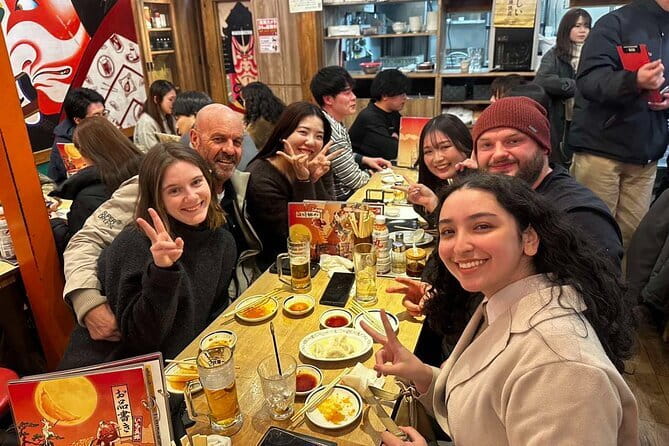
After the market entrance, the tour leans into local restaurants and izakayas. The stops include seating at multiple places, so you are not stuck eating everything standing up. That is a comfort upgrade, especially if you want to enjoy the food rather than just power through.
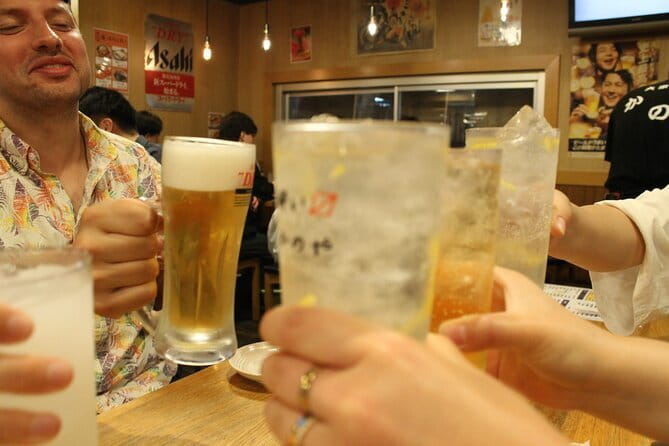
Alcohol is available, but it depends on what you purchase. The tour offers an alcohol package with alcoholic beverages, and the legal drinking age is 20 in Japan. If you are under 20, skip that part entirely. If you are 20 or older, the package can make the evening feel more like a shared night out than a checklist of meals.
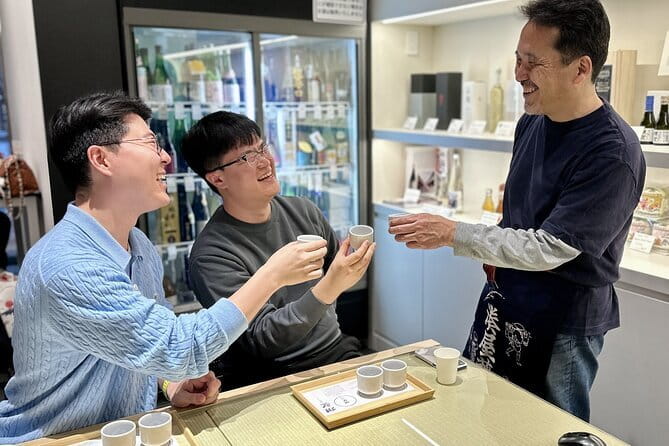
One detail that can help you decide: reviews mention drinks like sake on at least some departures. Even if your specific timing differs, it signals that the alcohol part is not only about generic beer sipping. It is tied into the pacing of the food stops.
If you prefer to keep it light, you still get the main value from the tastings and the guided ordering help. Think of alcohol as a bonus layer, not the core product.
One caution: one of the restaurants allows smoking. In practice, that means you might spend part of your sitting time in a smoking-permitted space. If that bothers you, tell your guide or operator ahead of time when possible, and choose to be mindful about where you sit during that stop.
The guides make or break it, and the names behind the praise
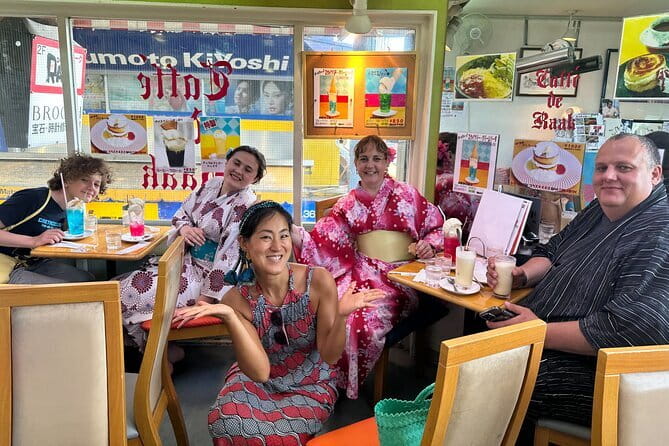
The guide experience is a major reason this tour earns a 5-star average. The standout pattern in the feedback is how guides mix food with real neighborhood context and clear explanations. It is not just, here is a dish, enjoy. It is, this is why locals like it, and this is what you should notice as you eat.
Several guide names appear again and again: Kaho is praised for being friendly and knowledgeable about the local food culture and the Ueno shopping district. Nana gets credit for being kind and for knowing the go-to spots, especially when it comes to ramen choices like chicken ramen. Nobutane is highlighted for recommending food and drinks, plus giving strong context about food culture. Kana is praised for being accommodating, informative, and for having very good English, while also answering questions and giving practical guidance even after the tour ends.
That last part matters more than it sounds. A good food guide helps you understand not only what you ordered, but what you can order next time, and where you can repeat the experience on your own. When your guide also offers directions, like helping you get to the station or pointing you to favorite local areas, you leave with momentum instead of ending the evening still unsure what you should do next.
Small group size, up to 5 travelers, supports this style of guiding. It is easier for a guide to keep the tone friendly, ask if you have questions, and adjust pacing if someone needs a slower step through a crowded lane.
Value check: is $89.17 worth it for Ueno food?
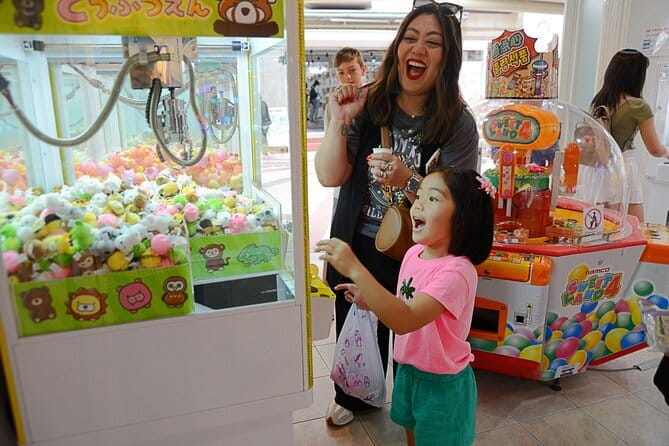
At $89.17 per person for about 3 hours, the price looks like a splurge until you break down what it actually covers. Your payment supports:
- a guided run through a major eating area
- tastings at multiple restaurants and izakayas
- seating handled for you across stops
- cultural insights and stories so the food makes sense
- optional alcoholic beverages if you add the alcohol package
- a small group format that keeps the experience from feeling rushed
If you tried to replicate this yourself, you would pay in time and uncertainty. You might spend a lot of that 3-hour window just figuring out where to go, standing in line, or waiting to be seated. You would also likely order fewer items, because sampling multiple styles across multiple places usually takes more coordination than people expect.
So for me, the value logic is simple: you are paying for convenience plus choice. You get to eat in a neighborhood way, not a tourist way, and you get help that reduces friction, especially when language or menu reading is a barrier.
The fact that the tour is frequently booked about 51 days in advance suggests people plan early for a reason. In a city like Tokyo, popular guides and compact itineraries can fill quickly.
Smoking and allergies: the practical reality to plan around

This tour is not for everyone, and that is worth respecting.
It is listed as not suitable if you are vegetarian, vegan, pescatarian, or allergic to gluten. That is a hard constraint. Since the tastings are focused on classic Japanese dishes including sushi and ramen, you should treat the dietary limits as a sign to look for a different tour if your needs are strict.
There is also the smoking note. One restaurant allows smoking, and that can affect your comfort level. If you have asthma, strong sensitivities, or you simply hate being in smoke, this is the kind of detail you should weigh before you commit.
If none of those issues apply, the rest feels designed to be friendly and straightforward. There is no dress code, and you can wear whatever you are comfortable in. The tour is also described as near public transportation, which helps if you want to build the rest of your day around it.
A smart way to use this tour in your Tokyo plan
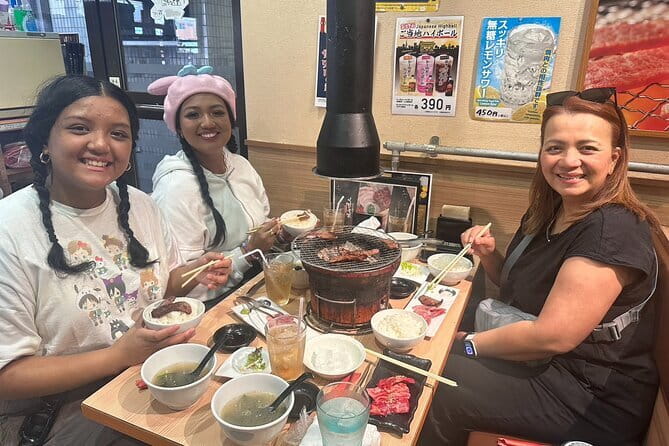
This is one of those experiences that works best early in your trip. Why? Because it gives you a working knowledge of Ueno’s food rhythm, and you can use that on later nights.
You get two immediate benefits. First, you learn the types of foods that feel right in this neighborhood, including sushi and ramen, plus izakaya classics like gyoza and yakitori. Second, you learn how to think like a local eater: not which attraction to hit, but which kind of shop to trust, and how to order so you get what you actually want.
After the tour, you are likely to feel confident returning to the area on your own. You already have a mental map built from walking Ameyoko and visiting multiple local dining spots. If you want dessert, a second round of drinks, or one more snack, you can extend your night from the same general zone.
Should you book Tokyo Ueno Food Tour Sushi Ramen and Local Favorites?
Book it if you want a high-efficiency food evening in Ueno. The combination of Ameyoko market atmosphere, sushi and ramen tastings, izakaya stops, and a small group guide like Kaho, Nana, Nobutane, or Kana is a strong match for first-time visitors who do not want to stress about where to eat or how to order.
Skip it if you are any of the following: vegetarian, vegan, pescatarian, gluten allergic, or especially sensitive to smoking. Those constraints are real, not minor preferences.
If your main goal is to eat well in Ueno without wasting time, this tour is the kind of plan that makes Tokyo easier. You trade some independent freedom for guidance, seating, and tastings, and you leave with a better sense of how locals actually eat in this part of town.
FAQ
How long is the Tokyo Ueno Food Tour Sushi Ramen and Local Favorites?
It runs for about 3 hours.
Where do I meet for the tour?
You meet at Andersen Atre Ueno Japan, 7-chome area, 1F in Ueno, and the tour ends back at the same meeting point.
What food is included during the tour?
The tour includes tastings of classic Japanese dishes, including sushi and ramen, plus other local foods.
Is an alcohol package included?
Alcoholic beverages are included only if you purchase the alcohol package. The legal drinking age in Japan is 20.
Are there dietary restrictions?
Yes. The tour is not for vegetarians, vegans, pescatarians, or anyone allergic to gluten.
Will I be in a place where smoking is allowed?
One of the restaurants on the tour allows smoking, which is common in many local eateries in Japan. If you have concerns, you can let the operator know so they can help make the experience more comfortable.
Counters and Courses

Asakusa and the Skytree, Keep Going

Newest Tokyo write-ups from the Loving Japan desk

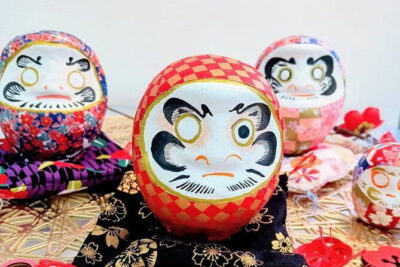

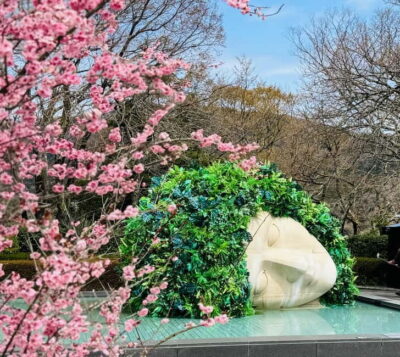
Asakusa, Senso-ji and Tokyo Skytree, side by side.
 ★ 4.5TOKYO SKYTREE® Admission ticketFrom $1311,192 reviews
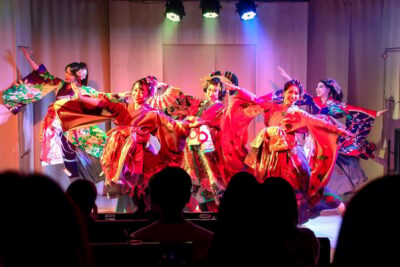 ★ 4.8Japanese Dance Cabaret Theater Asakusa-Kaguwa TicketFrom $492,270 reviews
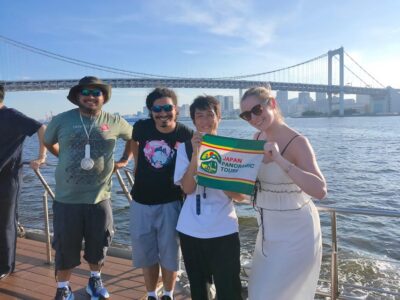 ★ 4.7Meiji Shrine, Asakusa, Skytree Bus Tour and CruiseFrom $1221,986 reviews
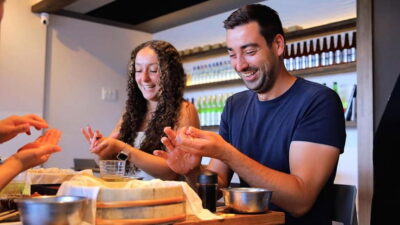 ★ 4.9Roll and Authentic Sushi Making Class in AsakusaFrom $581,957 reviews
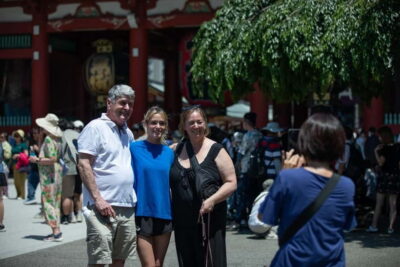 ★ 4.8Asakusa Walking Tour with Sensoji Temple VisitFrom $221,583 reviews
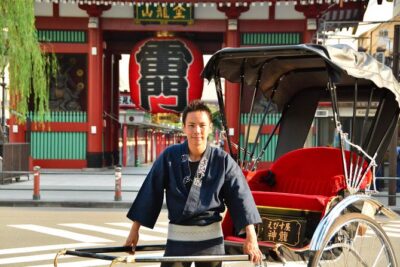 ★ 5.0Tokyo Asakusa Rickshaw TourFrom $421,375 reviews
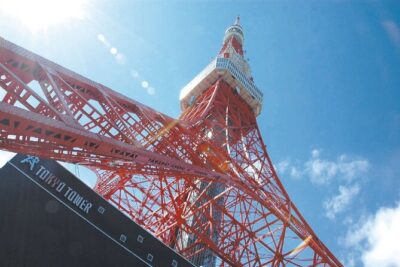 ★ 4.5Tokyo Panoramic 1 Day: Meiji Shrine, Asakusa, Odaiba and SKYTREE®From $851,222 reviews
 ★ 5.0Tokyo Go Kart: Asakusa, Skytree, and Akihabara **IDP MUST**From $99988 reviews