
REVIEW · SAMURAI, NINJA AND SWORD EXPERIENCES
Tokyo:Samurai sword and archery class from a samurai descendant
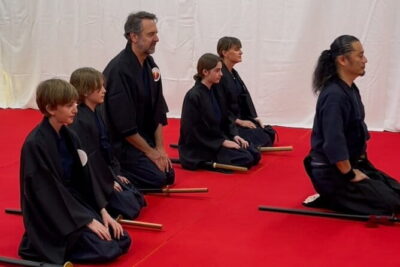
A real dojo lesson, not a cosplay show. In Machida, you learn samurai sword basics and Japanese archery from Toyama-ryu Bizen-kai instructors in a small group format. You’ll train with a mock sword first, then move on to timing, sparring practice, and bow-and-arrow skills.
Two things I like a lot: the class is hands-on from the first minute, and the instruction feels safety-focused and detail-driven. You also get cultural context along the way, with a live Toyama-ryu 7th grade demonstration mentioned in the program.
One drawback to consider is the physical side. This is training, so your body should expect to feel it for a couple of days, especially if you are not used to repetitive swings and stance work.
In This Review
- Key things to know before you go
- A Samurai dojo lesson in Machida, just outside central Tokyo
- How your 2.5-hour session actually runs step by step
- From history talk to training wear: the setup that makes it feel real
- Iai lessons with a mock sword: where technique starts
- KATA slashing and moving targets: the part that feels harder than it looks
- Gekken timing and sparring practice: attack, defense, then controlled contact
- Blade-line check and test cutting with a mock sword
- Bow-and-arrow practice: a weapon role that lasts far longer than people expect
- Live Toyama-ryu demonstration: seeing difficult technique, not just simple moves
- Who the instructors are and why their teaching style matters
- Value check: is $198.20 worth it for Tokyo samurai sword and archery?
- What to bring, and what to expect from the physical side
- Who should book this, and who should think twice
- Booking advice: best ways to make the most of your session
- Should you book this Tokyo samurai sword and archery class?
- FAQ
- How long is the Tokyo samurai sword and archery class?
- Where does the class meet and where does it end?
- What is the group size limit?
- What’s included in the lesson?
- Do I need to bring my own equipment?
- Do I need to share my height and weight?
- What do you learn during the sword and archery training?
- Is there sparring in the class?
- Is the class affected by weather?
- What is the cancellation policy?
Key things to know before you go
- Small group class (maximum 15 travelers) for more direct coaching
- Toyama-ryu Bizen-kai instruction, led by Yoshioki Sumida and supported by Harry
- Iai and gekken lessons with mock sword handling, then timing and defense work
- Moving slashes and sparring practice to test real coordination, not just standing forms
- Real bow and arrow practice tied to the samurai role of archery
- Try test cutting using a mock sword setup, plus a blade-line check activity
Blade work and stagecraft, other sessions
- Tokyo: Samurai Ninja Museum Guided tour and Experience
★ 4.6 · 1,010 reviews - Tokyo: Samurai Sword & Archery Class from Samurai Descendant
★ 5.0 · 603 reviews - Best Samurai Experience in Tokyo
★ 5.0 · 458 reviews - Ninja Experience (Family Friendly) at Samurai Ninja Museum TOKYO
★ 5.0 · 441 reviews
A Samurai dojo lesson in Machida, just outside central Tokyo
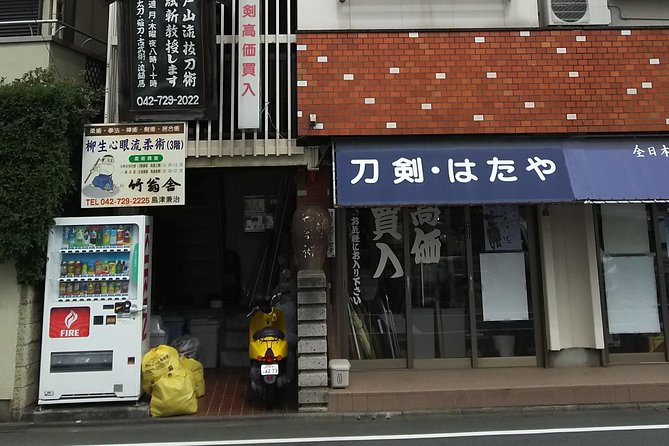
If you want a break from packaged sightseeing, this class has the right vibe. The training happens at a dojo in Machida, on the outskirts of Tokyo (the meeting point is 3-chōme-14-14 Haramachida, Machida). It’s near public transportation, but you should still plan extra time to get there, especially if you are staying far from Machida.
The best part is the teaching style. This is not set up like entertainment, and the program is built around instruction and practice. The provider is Toyama-Ryu BIZENKAI, and the instructor team includes master sword teacher Yoshioki Sumida, with Harry helping support the class.
Another plus is the small group size. With a maximum of 15 people, you’re less likely to feel like a spectator, and you get more chances to correct your form. That matters a lot with sword and bow training, where tiny changes in grip and posture can make the whole movement safer and cleaner.
How your 2.5-hour session actually runs step by step
The class is about 2 hours 30 minutes. You start and end back at the meeting point, and you get a mobile ticket for easy access on arrival.
Here’s the typical flow you can expect, based on how the sessions are described:
- You arrive at the dojo, get a short orientation lecture, and change into training wear.
- You move into sword training sections, including iai (mock sword handling and swinging) and gekken (timing, attack and defense, then sparring practice).
- You also practice KATA slashing forms, plus more dynamic work like slashing targets while moving.
- You finish with bow practice and a test cutting type activity using a mock sword setup.
The tempo is tight. The class is designed to reduce downtime between activities, so you stay active throughout. If you like structured classes that keep moving, you’ll probably enjoy this more than a slow demo.
From history talk to training wear: the setup that makes it feel real
You don’t just show up and grab gear. At the dojo, you get a short lecture and guidance before training starts. The program talks about Japanese swords, including how to handle the blade properly and the kind of samurai culture that surrounds sword technique.
Then comes the change into traditional training clothes. The class requests your height and weight when booking so the team can prepare the uniform clothing that fits you. That small step matters because sword training requires stable posture and unrestricted movement, so you’ll feel the benefit immediately when you start stance work.
This is also where the class sets expectations. The training is not presented as a one-time photo opportunity. You’re asked to focus, learn technique, and keep safety in mind through each section.
Loud rooms and quiet stages around Tokyo
- Mt Fuji & Hakone Cruise, Drum Show Bullet Train 1 Day from Tokyo★ 4.0 · 7,413 reviews
- Mt Fuji & Hakone Cruise, Drum Show Bus 1 Day from Tokyo★ 4.0 · 1,287 reviews
- Mt Fuji & Hakone Cruise, Drum Show Bus 1 Day from Tokyo Sta. Area★ 5.0 · 295 reviews
- Tokyo: KABUKI Show at Kabukiza Theatre Admission Ticket★ 4.8 · 152 reviews
- Tokyo: KABUKI, BUNRAKU, etc. presented by National Theatre★ 4.6 · 135 reviews
Iai lessons with a mock sword: where technique starts
Iai training is usually where beginners feel both excited and awkward. That’s normal. In this class, you learn how to handle and swing the mock sword during the iai lesson.
The big value here is that you get the mechanics early:
- How to hold and move the sword safely
- How to control your cuts with proper timing
- How your body should coordinate with your hands
Even if you have never done martial arts before, the structure helps. You start learning the motion patterns before moving into contact or sparring practice. That’s also why this class works as a first sword experience for many people, even those who are not athletes.
One more detail that’s worth noting: the description emphasizes that you’ll practice multiple kata slashing forms. So you are not only learning a single “swing,” you’re learning sequences that build control.
KATA slashing and moving targets: the part that feels harder than it looks
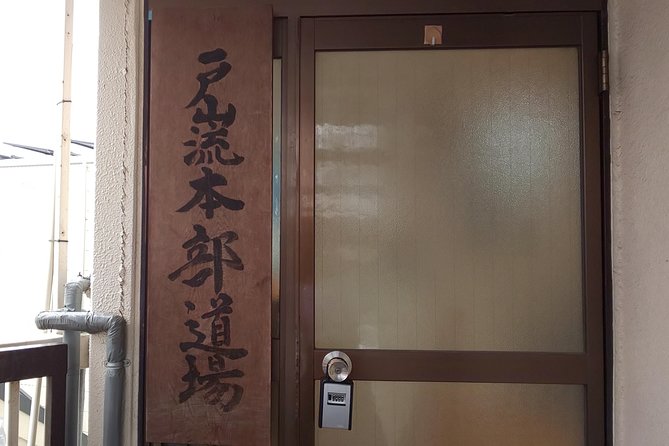
This class doesn’t stop at “stand here and cut.” You slash multiple targets while moving, and the program specifically calls out how difficult that is. That’s the real skill test, because sword cuts look easy until you have to manage footwork, distance, and timing at the same time.
If you want a training experience that challenges your coordination, this is where you’ll feel it. You’re basically forced to learn the rhythm of the movement, not just the arm swing.
Also, because the class uses mock swords and training tools, you can focus on technique without the fear factor that comes with a real blade. You still learn real body mechanics, but within a controlled training environment.
Gekken timing and sparring practice: attack, defense, then controlled contact
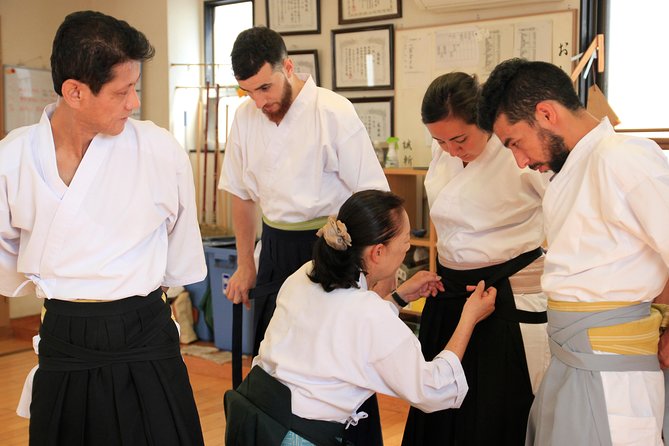
Next comes gekken. In the program, you learn the timing of attack and defense, then you spar using a moch sword setup.
The main idea is not “win a fight.” It’s learn timing and distance, and how defense works against a real opponent-like rhythm. You practice both offense and defense so you understand why the same stance can look different depending on what you are responding to.
This section is also where a good teacher makes the difference. Yoshioki Sumida’s instruction style comes across as focused on both safety and encouragement. Harry also supports the class, and that extra help helps keep the training organized when you’re moving quickly through stations and drills.
In other words, you’ll likely get more than one chance to correct your technique. That’s key when you are learning something as technical as how to protect yourself while responding to an opponent.
Blade-line check and test cutting with a mock sword
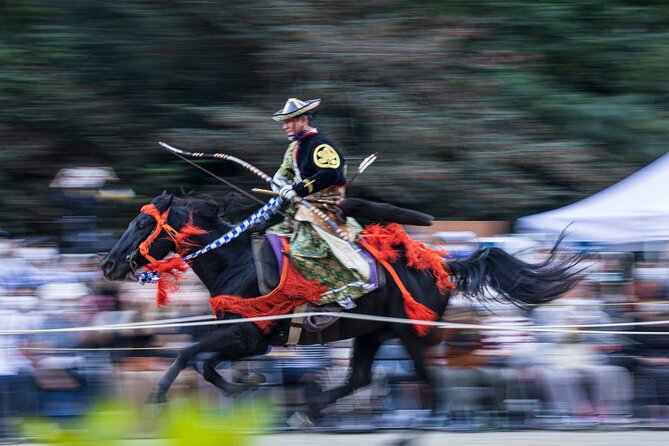
One activity in the program involves checking the blade line with a mock sword. It’s a smart inclusion because your cut quality comes from the angle and line of the blade, not just the force you apply.
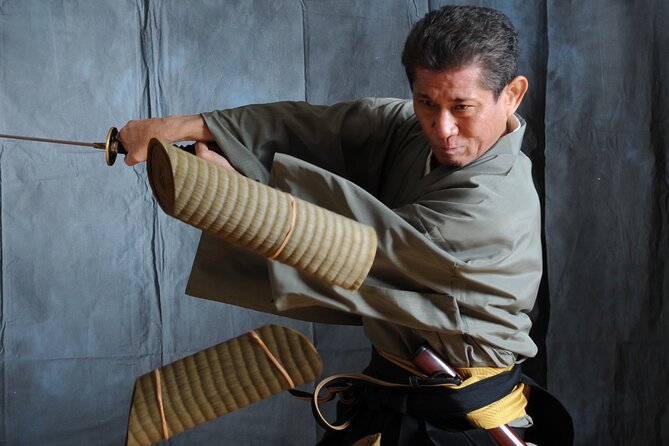
Then you get a try test cutting component. In practice, this is the moment most people remember most clearly. It turns training into a physical result you can understand, even as a beginner.
If you like measurable progress, this part does that. You learn what a “good cut” feels like and how the movement affects the target outcome. You also learn humility fast, because it’s harder to cut well than it looks from the outside.
Bow-and-arrow practice: a weapon role that lasts far longer than people expect
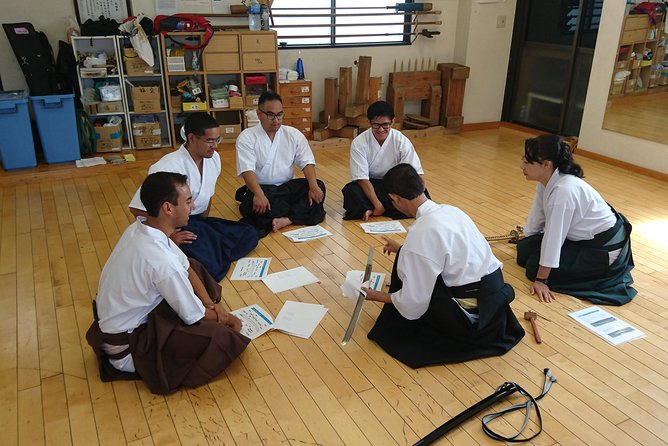
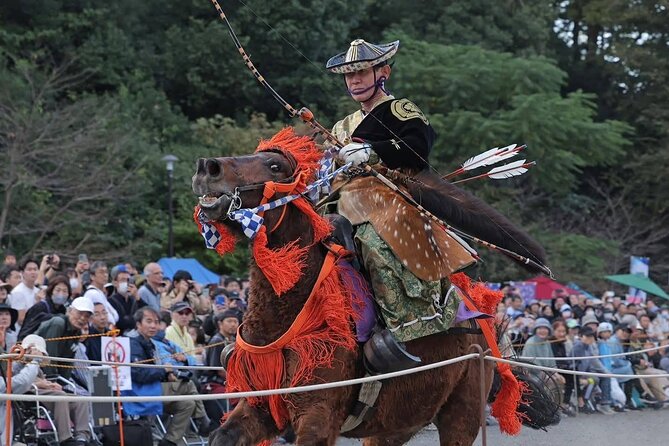
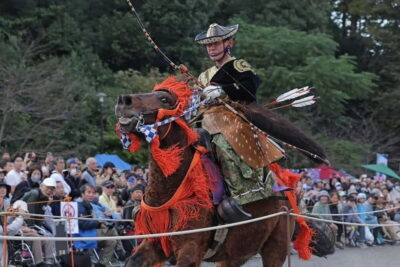
The class includes bow practice, and it’s tied to the samurai story you came for. The program points out that the bow was the main weapon of the samurai about a thousand years ago, which is a useful correction if you only think of katana duels.
What matters for your experience is the hands-on portion:
- You try the bow
- Real bow and arrow equipment is provided during class
This is not just “watch an archery demo.” You get to handle and shoot. Even if your first shots are imperfect, you’ll leave with a new understanding of how archery timing and stance control work.
Also, bow practice tends to change how you think about spacing. With the sword, distance collapses. With the bow, distance forces discipline.
Live Toyama-ryu demonstration: seeing difficult technique, not just simple moves
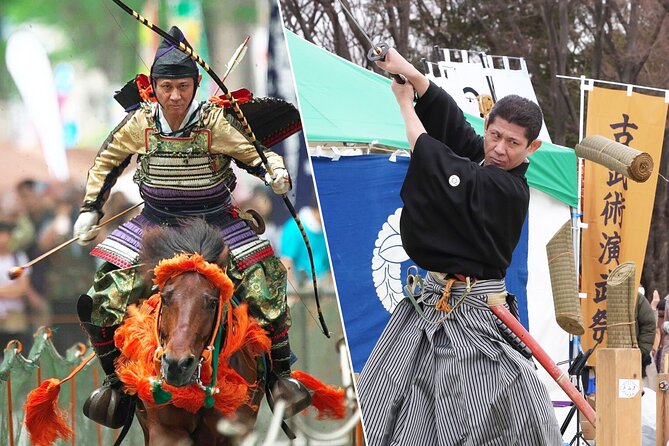
The program mentions an opportunity to see a live demonstration of Toyama-ryu, with the note that it’s Toyama-ryu 7th grade. The training is not framed as entertainment, and the description explicitly says you’ll see a range of difficult techniques.
That matters because it gives context. You learn basic forms and drills, then you watch what the technique looks like when it’s executed at a high level. Even if you cannot copy it, you get a reality check for what practice builds over time.
It also helps you understand that sword and bow practice are not random tricks. They are shaped by a system and a lineage, which is what Toyama-ryu Bizen-kai is about.
Who the instructors are and why their teaching style matters
From the class experience details, Yoshioki Sumida is the main guiding force. The teaching approach is described as patient, encouraging, and focused on safety and clear understanding of technique. People also mention that Sumida sensei explains things in a way that helps you follow each step without getting lost.
Harry shows up as supporting staff in the class. That kind of additional coaching helps when you are doing repeated drills and quick transitions between sections.
One of the best signs of a solid instructor is how they handle safety and pacing. The program emphasizes safety throughout training, and the structure of mock swords, training wear, and controlled practice is clearly designed to keep learning productive.
Value check: is $198.20 worth it for Tokyo samurai sword and archery?
At $198.20 per person, you should think of this as a skill-training class, not a quick tourist attraction. For the price, you get:
- A small-group lesson format (up to 15 people)
- Traditional training wear and equipment provided
- Mock sword training plus real bow and arrow practice
- Sword sections (including iai and gekken) plus kata and dynamic slashing drills
- A blade-line check and test cutting activity
- A live Toyama-ryu demonstration
For Tokyo, the value comes from what is included. Many “samurai experience” options stop at a short demo, or you try one thing and spend the rest of the time watching. Here, the class is structured so you actively practice multiple disciplines in the same session.
The other value factor is instruction time. Small-group coaching is where your form can actually improve, and safety can be managed properly. If you want authentic technique, you’re paying for teaching plus equipment plus practice time, all in one 2.5-hour block.
What to bring, and what to expect from the physical side
The class provides the training uniform and equipment. You are still responsible for showing up ready to move.
You should plan for:
- Stances, swings, and slashing practice
- Sparring-type drills (with training swords)
- Bow practice after sword work
Your arms and legs may feel it later. The program has a clear warning tone that you will work hard, and the physical difficulty shows up in the moving-target slashing portion. If you’re coming straight from a long day walking around Tokyo, consider taking it easy right beforehand so you can actually learn and enjoy the training.
Also, the class asks for your height and weight for uniform preparation. If you want the uniform to fit well, complete that info at booking.
Who should book this, and who should think twice
This class is a great fit if you:
- Want real technique coaching, not a staged show
- Like hands-on challenges and can follow safety instructions
- Are interested in samurai culture and want it connected to sword and archery practice
- Enjoy structured instruction even when it’s physically demanding
You may also like it if you travel with a teen or an older kid who can focus and handle active training. The program is designed for many skill levels, and people have described it as rewarding even for those not used to sports.
Think twice if you:
- Hate physically active classes
- Need a totally relaxed, low effort activity for the day
- Are traveling with an injury or limitation that could worsen with stance work and repeated swings
Booking advice: best ways to make the most of your session
To get the best experience, show up early enough to settle in. The dojo is not described as hard to reach, but Machida is outside central Tokyo, and you’ll want a buffer so you are not rushed when it’s time to change.
Then, treat this like training. Listen closely during the short lecture. When the instructor corrects your grip or timing, apply the feedback quickly. Sword and bow work reward fast adjustments.
Finally, don’t compare yourself to what you see during the demonstration. The demo shows difficult technique. Your job is to learn the basics with good form and safe control.
Should you book this Tokyo samurai sword and archery class?
If you want an authentic, practice-heavy class in Tokyo, I think this is an easy yes. It combines sword technique (iai and gekken), moving-target slashing, sparring practice, and bow-and-arrow shooting in one focused 2.5-hour session, with a small group size that keeps you in the learning loop.
Book it if you are ready to work, listen, and accept that you will likely be sore afterward. Skip it if you want a passive experience, or if you need a fully gentle day.
If your goal is to understand samurai culture through the tools samurai used, the class has the right mix of technique and context.
FAQ
How long is the Tokyo samurai sword and archery class?
The experience lasts about 2 hours 30 minutes.
Where does the class meet and where does it end?
It starts at 3-chōme-14-14 Haramachida, Machida, Tokyo 194-0013, Japan and ends back at the meeting point.
What is the group size limit?
The class has a maximum of 15 travelers.
What’s included in the lesson?
Included are the practice uniform, practice sword/bokken, and real bow and arrow equipment for use during class.
Do I need to bring my own equipment?
No. The class provides the training uniform and the equipment used in the lesson.
Do I need to share my height and weight?
Yes. You are asked to let the organizer know your height and weight so they can prepare the clothes for the lesson.
What do you learn during the sword and archery training?
You get a lecture, learn iai handling with a mock sword, learn gekken timing with attack and defense practice, do KATA slashing forms, try moving target slashes, and practice bow and arrow.
Is there sparring in the class?
Yes. The program includes sparring with a moch sword as part of the gekken section.
Is the class affected by weather?
Yes. The experience requires good weather. If it is canceled due to poor weather, you will be offered a different date or a full refund.
What is the cancellation policy?
You can cancel for a full refund up to 24 hours in advance. If you cancel less than 24 hours before the start time, the amount paid is not refunded.
Stages, Loud and Quiet



Blade Work and Stagecraft


Newest Tokyo write-ups from the Loving Japan desk



Samurai, Ninja and Sword Experiences, side by side.
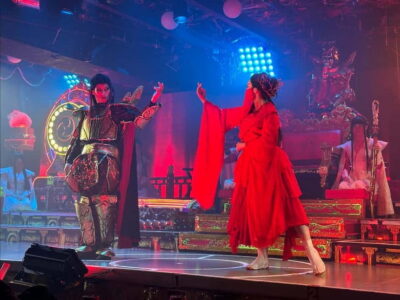 ★ 4.5Samurai Restaurant Show Ticket with 2 DrinksFrom $551,307 reviews
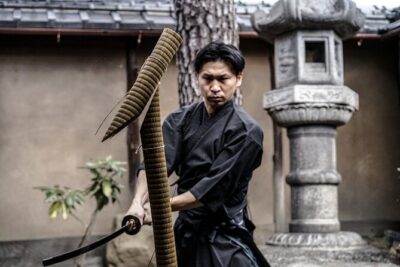 ★ 5.0Kyoto Samurai ExperienceFrom $1191,294 reviews
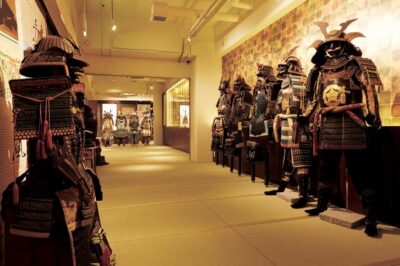 ★ 4.6Samurai Ninja Museum Guided tour and ExperienceFrom $271,010 reviews
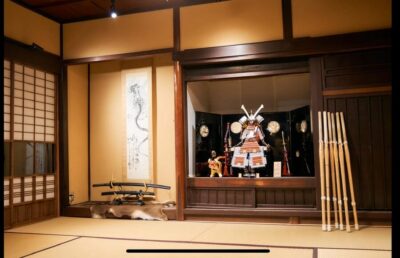 ★ 4.9Kendo and Samurai Experience with Uniform and GearFrom $103815 reviews
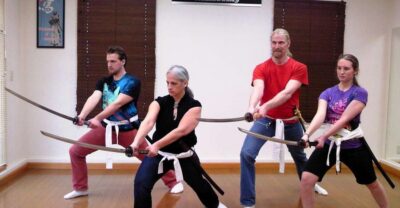 ★ 4.9Samurai Sword Class by Experts in Traditional ArtsFrom $64657 reviews
 ★ 4.5Skip the lines Basic Ticket at SAMURAI NINJA MUSEUM KYOTOFrom $28632 reviews
 ★ 5.0Samurai Sword & Archery Class from Samurai DescendantFrom $193603 reviews
 ★ 5.0Samurai Training Experience KENDO in OsakaFrom $131515 reviews