
REVIEW · KYOTO TEA CEREMONIES AND MATCHA
Traditional Tea Ceremony Experience in Kyoto
Kyoto matcha hits different after you learn it. In a short 30-minute session, you’ll taste single-origin matcha and get coached through the movements that make a tea ceremony feel calm, deliberate, and real.
I also like that the experience includes OHIGASHI (Japanese dried sweets), so you get the full flavor arc, not just green tea. The main downside to consider is that this is a compact session, and in a crowded room it can be hard to hear every detail, especially if translation is limited.
In This Review
- Key highlights worth showing up for
- 30 minutes of OTE-MAE: what this short tea ceremony includes
- Getting there near Gojo Station: simple, but don’t show up late
- Seated at tables and chairs: easier than you might fear
- The matcha and sweets part: what you taste and why it’s not an afterthought
- Learning the movements: why OTE-MAE feels calming
- Language reality check: English is helped, but plan for limits
- Price and value: about $7 for matcha plus instruction
- Who this fits best in Kyoto
- Should you book this Kyoto tea ceremony?
- FAQ
- How long is the Kyoto tea ceremony experience?
- How much does it cost per person?
- What is included in the experience?
- Is a completion certificate included?
- Where do I meet the group?
- What language is the instruction in?
- Is the experience wheelchair accessible?
- What are the operating hours?
- Is there free cancellation?
Key highlights worth showing up for
- Single-origin matcha served for the ceremony taste, not an anonymous blend
- OHIGASHI included, so you experience the classic matcha pairing
- OTE-MAE tea ceremony set guidance, with an instructor leading each step
- Tables and chairs seating, easier for many people than floor seating
- Matcha-making demo, including how the tea is prepared
- Gojo Station area location with a simple, walkable meeting point
Sit down somewhere quieter. Other tea rooms we booked
- Kyoto: Tea Ceremony in a Traditional Tea House in Kiyomizu
★ 4.9 · 3,519 reviews - Kyoto: Tea Ceremony Ju-An at Jotokuji Temple
★ 4.9 · 3,207 reviews - Kyoto: 45-Minute Tea Ceremony Lesson Experience
★ 4.3 · 2,378 reviews - Kyoto: Table-Style Tea Ceremony at a Kyo-Machiya
★ 4.9 · 1,211 reviews
30 minutes of OTE-MAE: what this short tea ceremony includes
This is a traditional Kyoto tea ceremony experience that runs about 30 minutes, built around the OTE-MAE set. You’re not signing up for a half-day cultural performance. You’re getting a focused lesson and tasting, which is great when your Kyoto schedule is tight.
You can expect to learn the sequence of what happens, why it happens, and how to handle the utensils correctly. Even if you only catch part of the reasoning, the structure makes the whole thing feel easy to follow and surprisingly relaxing.
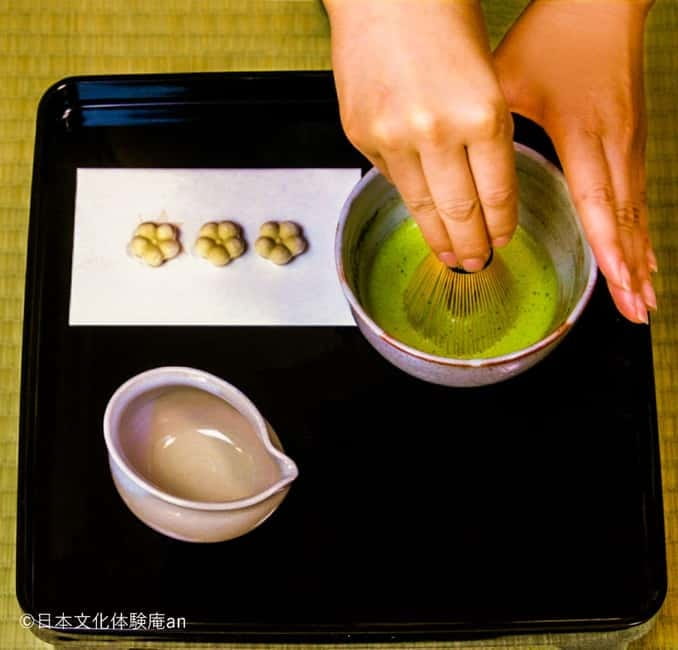
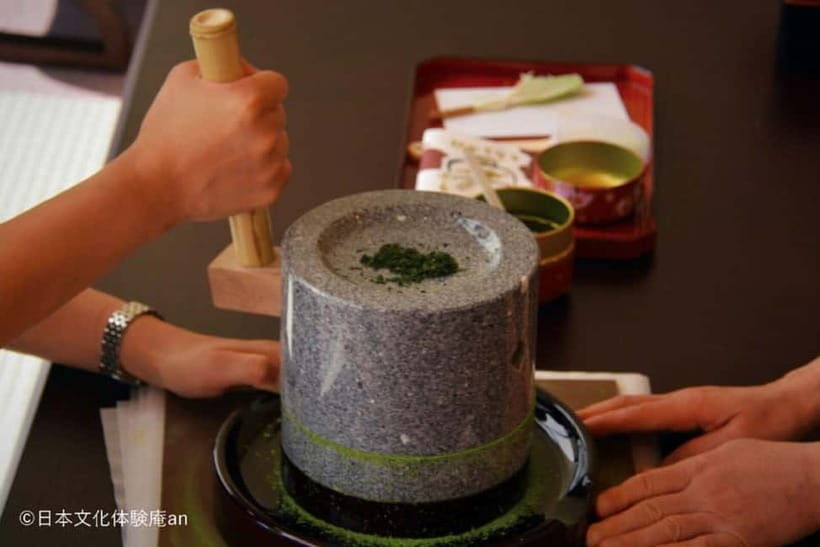
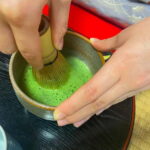
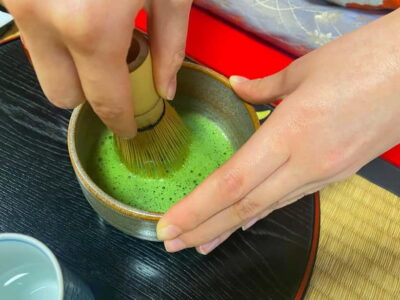
The experience also includes a demonstration of how matcha is made into the tea you drink. That matters because matcha is not just a color. It changes with the steps, water temperature, and the way it’s whisked.
Getting there near Gojo Station: simple, but don’t show up late
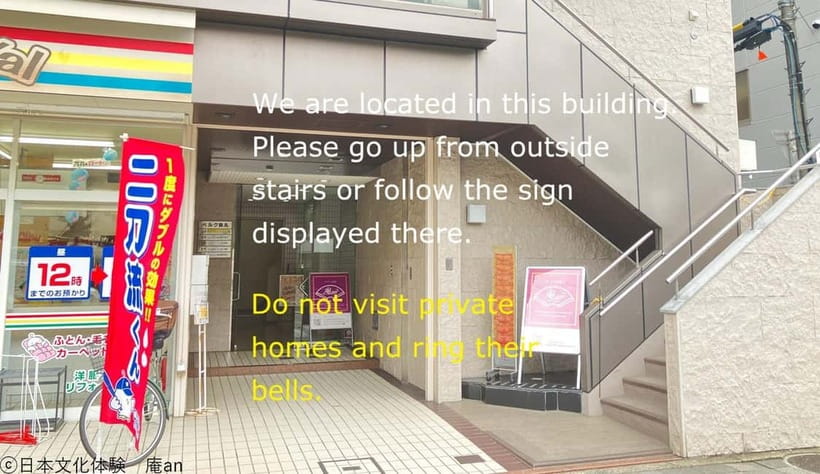
The meeting point is 1 minute on foot from Exit 1 of Subway Karasuma Line Gojo Station. The store entrance faces Gojo-dori, so you can aim your phone there and then just walk the last little bit.
One practical thing to keep in mind: the experience won’t be held for delays. Tea ceremony timing is part of the vibe, and your safest move is to arrive early, not just on time.
Also note the building setup. It is wheelchair accessible, but there is no elevator, and you need to take stairs to reach each venue. If mobility is a factor, I’d plan extra time and go in prepared for stairs.
Seated at tables and chairs: easier than you might fear
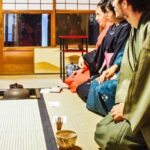
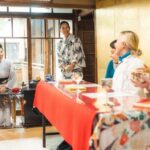
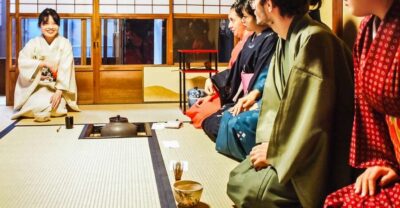
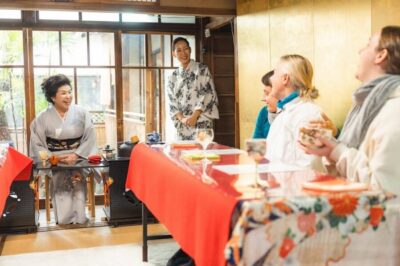
Unlike some Kyoto tea experiences that use floor seating, this one has guests seated at tables and chairs. That’s a big deal for comfort. You can focus on learning the steps without fighting for posture or leg comfort.
In a 30-minute format, those small comfort wins add up. You’ll be able to watch the utensils and the movements more clearly, which helps you understand the rhythm of the ceremony.
There is one less-comfortable reality to consider: if the room is crowded, you may have trouble hearing all the details. When you book, I’d assume it’s a shared group setting, not a private lesson.
- PERFECT KYOTO 1-Day Bus Tour★ 5.0 · 13,518 reviews
- Kyoto: Fushimi Inari, Kinkakuji, Bamboo Grove 1 Day Bus Tour★ 4.8 · 4,316 reviews
- Kyoto: Tea Ceremony in a Traditional Tea House in Kiyomizu★ 4.9 · 3,519 reviews
- Kyoto Geisha Walking Tour: Gion District & Hidden Gems★ 4.7 · 3,273 reviews
- Kyoto: Tea Ceremony Ju-An at Jotokuji Temple★ 4.9 · 3,207 reviews
The matcha and sweets part: what you taste and why it’s not an afterthought
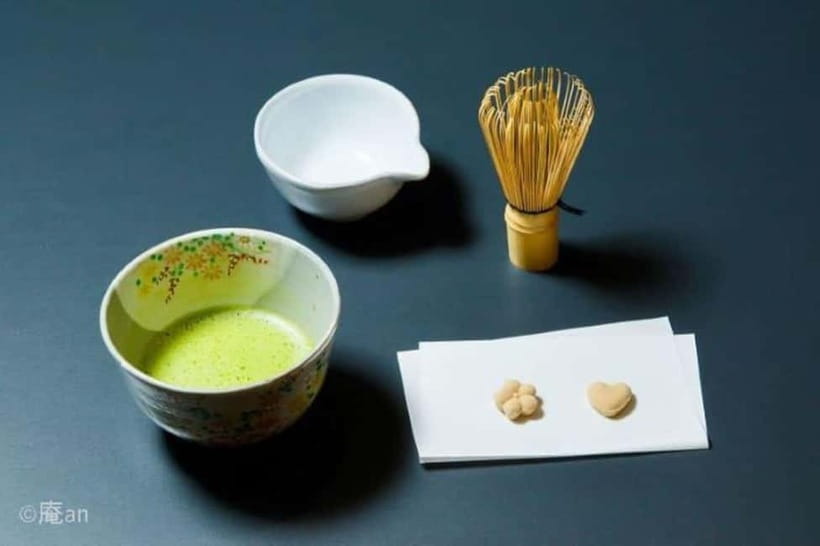
You’ll be served single-origin matcha during the ceremony. Single-origin matters because it hints at a more specific quality profile than generic matcha. Even if you don’t know what to look for yet, you’ll likely notice a more distinct character in the flavor.
Alongside the matcha, you’ll receive OHIGASHI, Japanese dried sweets. This pairing is more than a snack break. Sweetness helps balance the bitterness and earthiness that matcha often carries, and it changes how the tea tastes in your mouth.
Some people walk in expecting a tea tasting only. The inclusion of sweets makes it feel more like a complete ritual. It also gives you an easy moment to slow down before the whisked tea comes around.
Learning the movements: why OTE-MAE feels calming
The heart of the experience is the OTE-MAE set instruction. You’re guided through each step, and the lesson focuses on the significance of movements, utensils, and the philosophy behind the ceremony.
The calm part is not just the tea. It’s the pace. The ceremony is methodical, and the repeated actions encourage you to slow your own timing down. That’s why many people find these sessions peaceful rather than awkward.
This is also where the matcha-making demonstration helps. Seeing how matcha turns into the tea you drink gives context to what you’re doing and tasting. It turns a moment you might otherwise experience passively into something you understand.
Language reality check: English is helped, but plan for limits
The instructor is Japanese, and the languages offered are Japanese. English translation is provided as much as possible, if you would like to add it please contact us.
In practice, this means you should be ready for a mix of explanation and demonstration. The ceremony itself is visual, so you can still follow the core steps even when you don’t catch every word. But if you want detailed historical context in English, you may have less than you hope for.
If the group is crowded, hearing can get tricky. Bring patience, and do what works best for you: watch closely, and treat the tasting as part of the learning, not the finish line.
Price and value: about $7 for matcha plus instruction
At $7 per person for a roughly 30-minute session, this is priced like an affordable cultural add-on. The value comes from what’s included: the guided OTE-MAE set, the single-origin matcha tasting, and OHIGASHI.
Where the value gets stronger is if you’re the type who likes hands-on explanation. You don’t just watch someone pour tea. You learn the sequence and meaning of the steps, and you get a matcha-making demo too.
Where the value might feel weaker is if you’re expecting a long, deeply narrated lesson. The session is short, and the information you hear may be basic depending on group size and how much translation can be provided in the moment.
Who this fits best in Kyoto
I think this tea ceremony suits you if you want an authentic Kyoto activity without committing half a day. It’s also a smart pick if matcha is on your food list and you want more than a generic souvenir tasting.
It’s especially friendly if you prefer seated-at-a-table experiences. And if you’re traveling with mixed comfort levels, chairs can reduce the friction that floor seating can cause.
If your top priority is a long English lecture about matcha culture, you might prefer a longer ceremony option. For a quick, structured introduction, this one hits the sweet spot.
One more practical note: those who do not participate will not be allowed to enter. So if you’re running on tight timing, commit to showing up ready to join.
Should you book this Kyoto tea ceremony?
Book it if you want a short, low-stress way to experience a traditional tea ceremony in Kyoto, with single-origin matcha, OHIGASHI, and an OTE-MAE guided set. It’s also a good fit when your schedule is packed and you still want something real, hands-on, and calm.
Skip or reconsider if you need very detailed English explanations, or if you strongly dislike crowded group settings. In that case, the 30-minute format plus possible hearing and translation limits might leave you feeling you didn’t get the depth you wanted.
FAQ
How long is the Kyoto tea ceremony experience?
The duration is 30 minutes.
How much does it cost per person?
The price is listed as $7 per person.
What is included in the experience?
It includes a set of experience of OTE-MAE (Japanese tea ceremony), single-origin matcha tea, and OHIGASHI.
Is a completion certificate included?
No, a completion certificate is not included. The certificate costs 300 JPY.
Where do I meet the group?
Meet 1 minute walk from Exit 1 of Subway Karasuma Line Gojo Station. The store entrance faces Gojo-dori.
What language is the instruction in?
Languages are Japanese. English translation is provided as much as possible, and you can contact in advance if you want to add it.
Is the experience wheelchair accessible?
Yes, it is wheelchair accessible, but there is no elevator, and you need to take stairs to reach each venue.
What are the operating hours?
Operation hours are from 10:00 to 17:00. Reservations received after 17:00 will be processed next day.
Is there free cancellation?
Yes. Free cancellation is available, with a full refund if you cancel up to 24 hours in advance.
Kyoto by the Bowl
Newest Kyoto write-ups from the Loving Japan desk
Kyoto Tea Ceremonies and Matcha, side by side.
 ★ 4.9Tea Ceremony in a Traditional Tea House in KiyomizuFrom $493,519 reviews
 ★ 4.9Tea Ceremony Ju-An at Jotokuji TempleFrom $293,207 reviews
 ★ 4.345-Minute Tea Ceremony Lesson ExperienceFrom $222,378 reviews
 ★ 5.0World Heritage Kyoto & Nara Uji Authentic Matcha ExperienceFrom $1291,573 reviews
 ★ 4.9Tea Ceremony ExperienceFrom $251,426 reviews
 ★ 4.9Table-Style Tea Ceremony at a Kyo-MachiyaFrom $451,211 reviews
 ★ 4.8Kenrokuen Tea Ceremony ExperienceFrom $351,139 reviews
 ★ 5.0Kimono Tea Ceremony at Kyoto Maikoya, NISHIKIFrom $65911 reviews
Filed on these lists too