
REVIEW · TOKYO TOWER, GINZA AND THE IMPERIAL PALACE
【SUMO FESTIVAL】Tokyo Ginza: Sumo Show & Photo Experience
Two hours, one close-up sumo world in Ginza. I like the English-forward MC and the fact that you step into the ring for interactive drills plus a lottery chance to challenge a retired wrestler. The tradeoff to plan for: the pacing leans on the host’s talk, and if the crowd is big, your ring challenge isn’t guaranteed.
If you love watching technique and want something more than just sitting still, this Ginza event is made for you. You start with morning-style training, then move into hands-on sumo basics like stomping (shiko), salt throwing, and body-collision practice, and you end with a mikoshi ritual. It’s also set in a practical, central address at Ginza INZ 1 B1, and the closest seats are set up for ring views and photos.
In This Review
- Key things to know before you go
- Morning Sumo Training, Then the Show Moves Fast
- The 2-hour Ginza schedule, step by step
- Close-up seats in the ring area (and why that matters)
- Your interactive sumo checklist: shiko, salt, collisions
- The retired wrestler challenge: great if you get it
- The MC in English (and how it shapes your experience)
- Mikoshi ritual experience after the sumo
- Where it is in Ginza, and how to avoid getting lost
- Price and value: is $63.41 worth it?
- Who should book this sumo festival?
- Should you book Tokyo Sumo Festival in Ginza?
- FAQ
- What is the duration of the Tokyo Ginza Sumo show?
- What language will you hear during the event?
- Where does the experience take place?
- Is the retired wrestler challenge guaranteed?
- What activities are included besides the show?
- Are meals included?
- What is the cancellation window?
Key things to know before you go
- Central Ginza location (Ginza INZ 1 B1), right by public transit, but the venue can be tricky to spot at first.
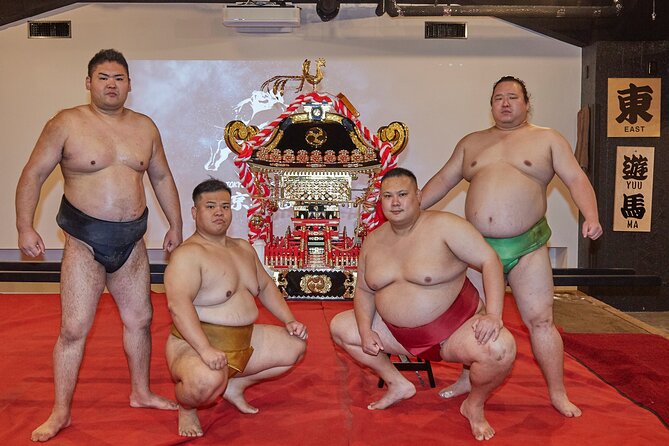
- Close-up ring viewing from every seat, with a front-row upgrade if you want the most intensity.
- English and Japanese commentary led by an MC, with clear explanations built into the show.
- Hands-on sumo drills: shiko stomping, salt throwing, and practice body collisions.
- Retired wrestler challenge can be lottery-based when demand is high.
- Mikoshi experience after the sumo show, plus a welcome drink included.
The central Tokyo landmarks, reviewed one by one
- Flagship 2-Hours Official Street Go-Kart Tour – Tokyo Bay Shop
★ 5.0 · 4,974 reviews - Tokyo: Imperial Palace and Shogun Historical Walking Tour
★ 5.0 · 2,251 reviews - Tokyo: Meiji Shrine, Asakusa, Skytree Bus Tour and Cruise
★ 4.7 · 1,986 reviews - Tokyo Panoramic 1 Day: Meiji Shrine, Asakusa, Odaiba and SKYTREE®
★ 4.5 · 1,222 reviews
Morning Sumo Training, Then the Show Moves Fast
This is not a full tournament day at Ryogoku. It’s a compact, scripted sumo experience in Ginza that tries to teach you the sport while putting you near the action.
You’ll see a morning-style training moment first. That matters because sumo is not just the final push at the final moment. Watching training helps you understand why wrestlers obsess over balance, stance, and timing. Then the program shifts from watching to learning, with the MC guiding you through simple “here’s how it works” technique ideas you can actually use later in the ring.
One more smart design choice: you’re not stuck waiting for one or two dramatic bouts. The flow includes repeated chances to participate, so you’re actively involved during the show rather than only spectating.
The 2-hour Ginza schedule, step by step
The whole thing runs about two hours, and the pacing is designed around an energetic, interactive crowd.
Here’s the order you can expect in plain terms:
- Arrive at TokyoSumoFestival (Ginza INZ 1 B1) and settle in for the opening portion.
- Morning training viewing where you get to see wrestlers demonstrate fundamentals.
- Technique talk and demonstrations focused on how wrestlers aim to win, explained by the MC.
- Live entertainment sumo action staged for the audience, not a long tournament format.
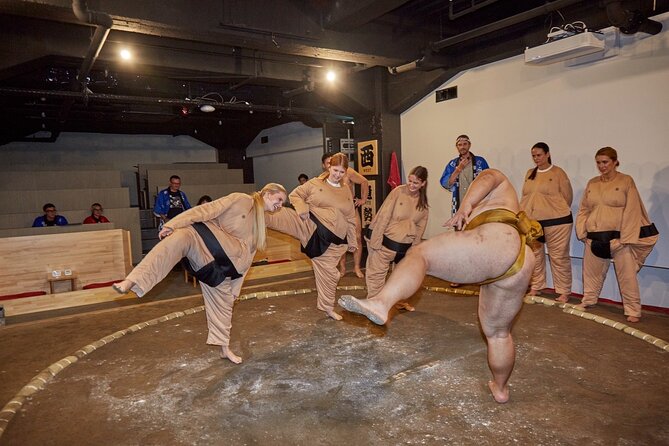
- Your hands-on sumo moments, including shiko stomping and other basic drills.
- Ring challenge opportunity against a retired wrestler, with lottery rules if it’s crowded.
- Salt-throwing and collision practice elements integrated into the interactive portion.
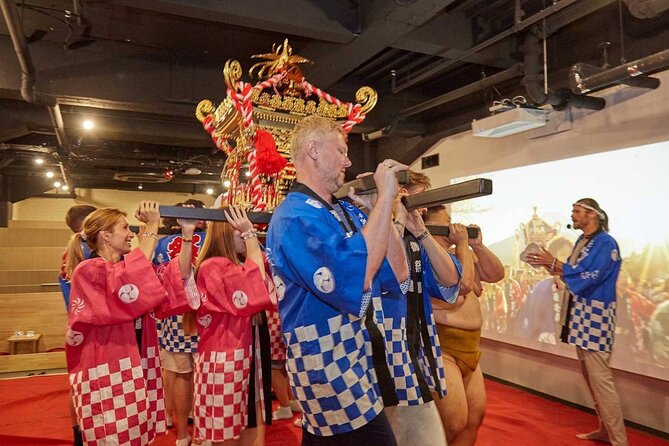
- Mikoshi experience to wrap up, a traditional portable shrine ritual tied to Japanese festival culture.
- You leave with photos and memories, and the whole event is mobile-ticket friendly.
If you’re the type who likes to know what comes next, you’ll appreciate how the program keeps moving. If you hate talking-heavy shows, that’s the one area where expectations should be set early, because the MC does a lot of the communication during the sessions.
Close-up seats in the ring area (and why that matters)
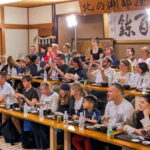
This event is set up so you can see the ring clearly from the start. The key detail is that all seats offer close-up view of the sumo ring, and you can upgrade to the front row if you want to feel the action more directly.
That’s a big deal in Tokyo. Ginza is not a place where you can easily find casual, up-close cultural performances. Here, the layout tries to make sure you aren’t far away watching tiny figures in motion. Even if you never challenge the retired wrestler, you still get the visual impact of sumo basics done close to your seat.
And yes, that close ring access makes photos easier. You’ll get more usable shots than you would if you were watching from the far side of a stadium.
Morning practice or an evening show. Both reviewed
- Tokyo: Sumo Show and Dining Experience★ 4.8 · 2,742 reviews
- the SUMO show★ 5.0 · 1,960 reviews
- Tokyo: Sumo Show and Experience in Shinjuku★ 4.8 · 1,001 reviews
- Tokyo:Luxury Sumo Show Experience & Japanese cuisine & Drink★ 4.7 · 577 reviews
- Tokyo: Sumo Morning Practice Viewing Tour★ 4.8 · 570 reviews
Your interactive sumo checklist: shiko, salt, collisions
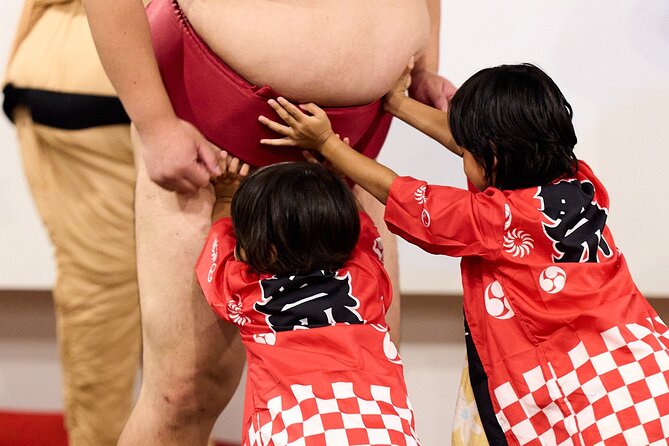
The heart of the value is that you do more than watch. The included activities are built around a classic “learn and try” format.
You’ll practice:
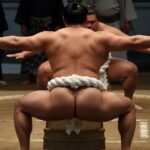
- Shiko stomping (the big stomps wrestlers do in the ring)
- Salt throwing (the purification ritual concept you see in sumo culture)
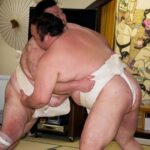
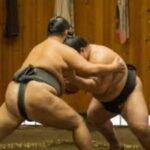
- Body collision practice so you get a feel for how wrestlers engage in contact
Why I like this for visitors: it turns a sport that can look mysterious from afar into something you can picture and even feel in your body. And it helps you appreciate why sumo is about more than pure strength. Stance and timing show up fast once you try the basics.
There’s also a challenge element. You may get the chance to step into the ring and fight a retired wrestler. That part is the big “I did it” memory, and it’s also the part with lottery uncertainty when demand is high.
The retired wrestler challenge: great if you get it
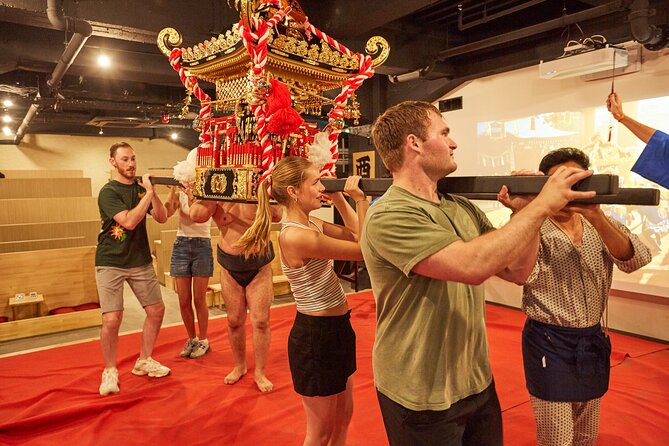
One of the biggest draws is stepping into the ring for a challenge against a retired sumo wrestler. The event keeps it inclusive by making it clear that participation is limited, and if there are many applicants, the challenge may be decided by lottery.
So go in with a balanced mindset. If you do get selected, it’s the headline moment. If you don’t, you still have plenty of included participation through the drills and demonstrations.
This is also where your expectations should match the format. Some people go wanting more actual wrestling bouts like a tournament match. What you’re getting instead is closer to a performance plus training lesson, with wrestling action staged for an interactive crowd.
The MC in English (and how it shapes your experience)
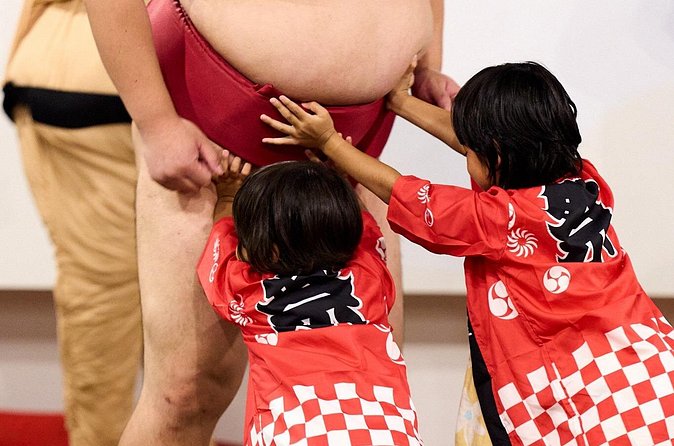
The show is guided by a master of ceremonies with English and Japanese commentary. Many people specifically praise how easy the English explanations are to follow, which is a huge plus because sumo terms and routines can sound like a puzzle if you only hear Japanese.
I see this as practical value, not just a convenience. When someone explains what you’re about to do, you participate with confidence instead of feeling lost. And when they explain why wrestlers do certain moves, the sport starts to make sense even if you’re new to sumo.
There’s also a downside to note. A few people felt the MC talk took up more time than they wanted, and they wished there was more actual wrestling action on the mat.
If you enjoy learning while you watch, that talk becomes part of the fun. If you only want sparring and bouts, you might find the pace a little talk-forward.
Mikoshi ritual experience after the sumo
After the sumo show portion, you’ll experience a mikoshi, a traditional portable shrine used in Japanese festivals. This segment gives the evening a cultural extra layer, so it doesn’t feel like sumo is floating alone as a performance.
In simple terms, the mikoshi element connects the sport to festival energy. Even if you don’t know the details ahead of time, you’ll feel that it’s part of a living tradition rather than just a staged prop.
A couple of people also mention trying carrying a mikoshi. The exact way it’s handled can vary by moment and participant, but the important point is that you’ll get a real feel for the ritual rather than just watching a photo moment.
Where it is in Ginza, and how to avoid getting lost
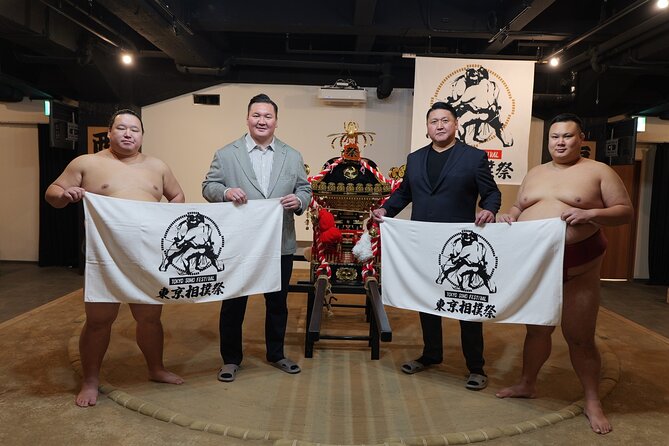
Ginza is easy to reach and hard to navigate if you’re relying on the wrong pin in Google Maps. The venue address is listed as 1-3-1 Ginza, Chuo City, Tokyo, and the location is Ginza INZ 1 B1.
The single best advice is this: search in Google Maps for TokyoSumoFestival. Some people said the map location from the ticket address can be off and that they couldn’t easily confirm the exact spot.
Plan to arrive a little early. Not because it’s far, but because it helps you handle the “wait, is this the right building?” moment that can happen in Ginza.
Price and value: is $63.41 worth it?
At $63.41 per person for an about two-hour experience, this sits in the “not cheap, but not insane” zone. What makes it worth it is the mix:
- up-close ring seating
- English commentary
- hands-on drills (shiko, salt, collision practice)
- a mikoshi ritual
- a chance to challenge a retired wrestler
What keeps it from being pure bargain value is exactly what some people call out: it’s not a long, match-heavy tournament session. You’re paying for interaction, not for a full schedule of bouts.
So here’s the honest math:
- If you want a taste of sumo plus participation, it’s strong value for Tokyo.
- If you want nonstop matches like you see during a real tournament, you may feel shortchanged because the format spends time explaining and staging.
Who should book this sumo festival?
This works especially well if you:
- want a hands-on intro to sumo without needing tournament tickets
- care about clear English explanations
- like participatory cultural shows, not only sitting and watching
- are traveling as a family or in a small group and want something active and memorable
It may be less ideal if you:
- only want long wrestling sequences and minimal talking
- get frustrated when a big participation moment depends on lottery selection
- dislike venues that are tricky to locate on your first try, unless you’re willing to search TokyoSumoFestival on maps and arrive early
In short, it’s a fun, structured event for learning and participation. It’s not pretending to be a full tournament day.
Should you book Tokyo Sumo Festival in Ginza?
If you’re the type who likes to participate, you should book. The included drills, close ring visibility, English MC guidance, and mikoshi ritual give you more than a simple “watch sumo” evening.
Book with two realistic expectations. First, the show is talk-and-demo heavy compared to a tournament broadcast, so you’ll get the most out of it if you enjoy learning as it happens. Second, the ring challenge against a retired wrestler can be lottery-based when demand is high, so think of it as a bonus if selected, not the only reason to go.
Overall, for a first sumo experience in Tokyo, especially outside a tournament setting, this is a practical, hands-on way to get close to the sport.
FAQ
What is the duration of the Tokyo Ginza Sumo show?
The experience lasts about 2 hours.
What language will you hear during the event?
There is English and Japanese commentary from the MC included.
Where does the experience take place?
It’s in Ginza, at Ginza INZ 1 B1 (Tokyo, Japan). The address provided is 1-3-1 Ginza, Chuo City, Tokyo, and you can search for TokyoSumoFestival on Google Maps.
Is the retired wrestler challenge guaranteed?
Participation is limited, and if there are many applicants, the chance to challenge a retired sumo wrestler may be decided by lottery.
What activities are included besides the show?
Included activities are shiko stomping, salt throwing, and practice sumo body collision, plus the sumo show and the mikoshi experience.
Are meals included?
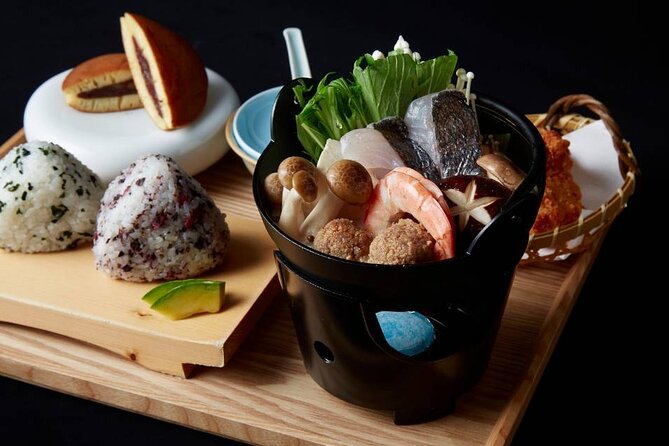
Meals are not included. You can order food for an additional charge, and a welcome drink is included.
What is the cancellation window?
You can cancel for a full refund if you cancel at least 24 hours before the experience starts.
Practice Rooms and Show Nights
Central Tokyo Landmarks


Newest Tokyo write-ups from the Loving Japan desk

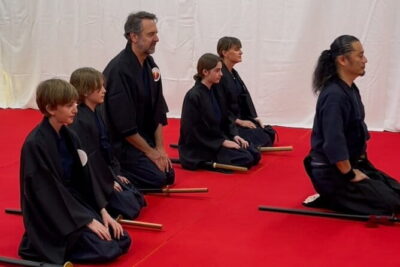
Tokyo Tower, Ginza and the Imperial Palace, side by side.
 ★ 5.0Flagship 2-Hours Official Street Go-Kart Tour – Tokyo Bay ShopFrom $644,974 reviews
 ★ 4.6Tokyo Tower: Admission TicketFrom $93,661 reviews
 ★ 5.0Imperial Palace and Shogun Historical Walking TourFrom $222,251 reviews
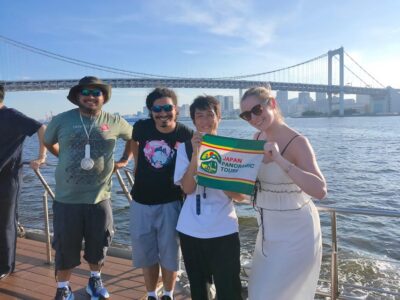 ★ 4.7Meiji Shrine, Asakusa, Skytree Bus Tour and CruiseFrom $1221,986 reviews
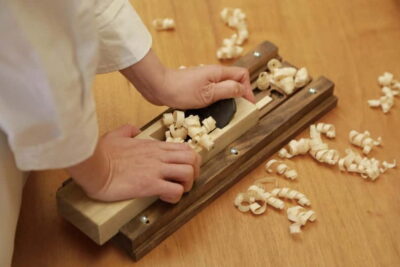 ★ 4.8Chopstick Making Workshop in GinzaFrom $251,366 reviews
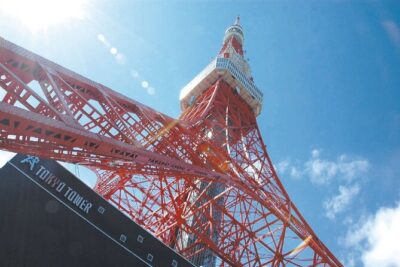 ★ 4.5Tokyo Panoramic 1 Day: Meiji Shrine, Asakusa, Odaiba and SKYTREE®From $851,222 reviews
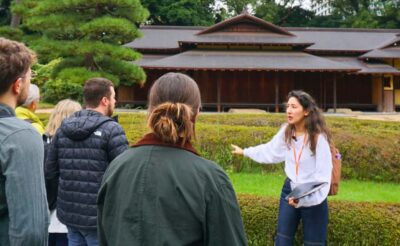 ★ 4.9Imperial Palace Japanese History Walking TourFrom $32987 reviews
 ★ 4.9Imperial Palace and Shogun Walking TourFrom $16935 reviews
Filed on these lists too