
REVIEW · SUSHI AND SASHIMI EXPERIENCES
2 hours sushi class
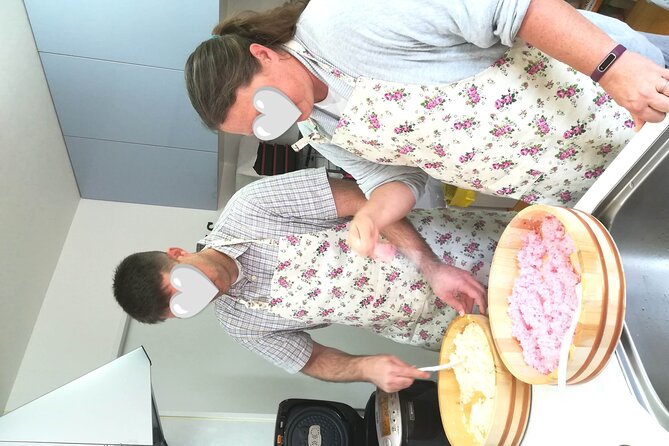
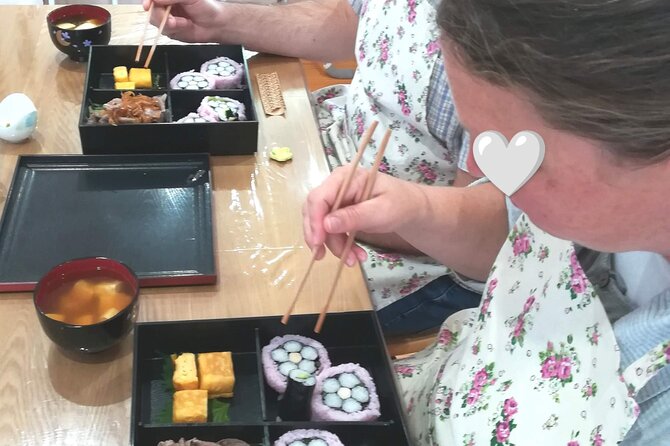
Sapporo sushi can be art class. I like this experience because it is hands-on and designed to be beginner-friendly, with English help from Yuki. You also get real take-home value, you make sushi rolls during the 2 hours and bring them with you, plus you receive recipes in English. The main thing to consider is that this is not a private session, it runs as a small group (up to 12), so your attention is shared.
If you care about the food side of Japan, there is a deeper context here. Washoku, Japanese cuisine, was added to the UNESCO heritage list, and the class is built around that tradition through carefully taught techniques and presentation. Yuki is an experienced decorative sushi roll instructor who has appeared on TV, and her local credibility runs deep, including a sister city celebration where decorative rolls were made and served for officials from Sapporo and Portland, Oregon.
Plan for a cozy, home-based workshop rhythm. The class is about 2 hours, with ingredients and apron rental included, and English instruction on the steps. If you want it, pickup is offered at Makomanai subway station, but you will still meet at the workshop address in Minami Ward.
In This Review
- Key highlights worth planning around
- Entering Yuki’s sushi roll design workshop in Minami Ward
- What you actually do: decorative sushi rolls in 2 hours
- The teaching style that makes beginners succeed
- Pickup at Makomanai and how to avoid arrival stress
- Value check: $20.08 for ingredients, apron, English recipes, and take-home sushi
- Optional add-ons for more Hokkaido flavor and more than just sushi
- Who this class is best for in Sapporo
- Should you book this sushi class with Yuki?
- FAQ
- How long is the sushi class?
- What will I make during the workshop?
- Is pickup available?
- What language will the instruction be in?
- Does the class include ingredients and an apron?
- How large is the group?
- Can I cancel for a full refund?
Key highlights worth planning around
- English instruction plus English recipes, so you can repeat the technique at home
- Take-home decorative sushi rolls, meaning your work becomes lunch or dinner later
- Small group size (maximum 12), which helps keep the teaching practical
- Free apron rental and ingredients provided, so you are not shopping first
- Pickup available at Makomanai subway station, useful if you are moving around Hokkaido
- Optional add-ons for extra dishes, miso soup, or bento decoration
Still weighing up options in Sapporo? These are the ones our reviewers rated highest.
- Sapporo Bar Hopping Food Tour
★ 5.0 · 232 reviews - Hokkaido Seasonal: Lake Toya & Noboribetsu Jigokudani Valley
★ 4.7 · 173 reviews - Sapporo Private Tour with a Local – Highlights & Hidden Gems
★ 5.0 · 91 reviews - Sapporo: Sumo Show Experience with Japanese food & Photo
★ 4.9 · 81 reviews
Entering Yuki’s sushi roll design workshop in Minami Ward
This class takes place in Sapporo, and it is set up like a real workshop, not a factory line. You start at the meeting point in Minami Ward (7 Chome Ishiyamahigashi, Sapporo). It is near public transportation, and the activity ends back at that same meeting point.
What makes that matter is simple. When food classes are on a tourist schedule, you often lose time to transfers. Here, you are mostly anchored around one place. If you choose the optional pickup, it gets easier still, because the pickup is specifically tied to Makomanai subway station. That is a big deal in Sapporo, where weather and short daylight can make “just walk it” plans less fun.
Also, the group max is 12. That tends to keep the pace steady. You still share space and conversation, but you should expect hands-on correction and clear guidance at key steps, which is what you want if sushi decoration is new to you.
What you actually do: decorative sushi rolls in 2 hours
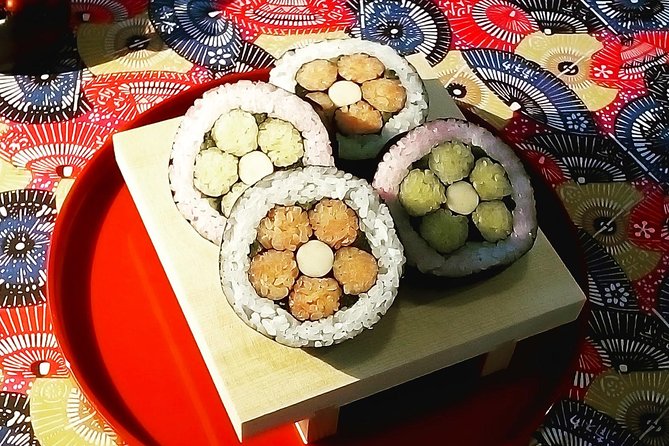
The core promise is straightforward: in about 2 hours, you will learn how to cook decorative sushi rolls. The workshop is hands-on, and the result is not theoretical. You make the rolls in class, then you can take them home.
Even if sushi seems intimidating, the structure is built to reduce guesswork. You get English instruction and ingredients, and you also receive recipes in English in your class. In other words, you are not just learning technique in the moment, you are leaving with a guide you can follow later.
A useful detail is the way the instruction is framed around design. Decorative sushi rolls are not only about taste, they are about shaping and presentation. The teaching style you can expect, based on how Yuki teaches, focuses on patience and step-by-step clarity. People who are new to sushi making typically benefit, because you will usually be corrected on the steps where texture and shape make the biggest difference.
And yes, you should expect to eat the room’s atmosphere too. Several class experiences include tea before or during the session, with green tea being part of the welcome vibe at times. It is a small touch, but it helps the class feel like a real host experience rather than a timed presentation.
The teaching style that makes beginners succeed
The biggest reason this workshop earns such strong feedback is the teacher. Yuki is repeatedly described as kind, patient, and extremely clear while examining steps and explaining why things are made a certain way.
That last bit matters because sushi decoration is mostly about control. Control of rice consistency. Control of rolling pressure. Control of spacing so the decoration shows up the way it should. If you only learn the final shape, your results can be random. If you learn the reasons behind the steps, you can reproduce the look with better odds.
In a group workshop, you also want feedback that is immediate. The class format is small enough that it is not all lectures. You get hands-on checks along the way. That is also where the “design” part becomes doable. When you are guided through the sequence, the roll starts to make sense as a craft.
One charming extra, worth noting, is that Yuki’s home environment comes through in the experience. Some descriptions include meeting her cat during the session. That sounds like a silly detail, but in practice it signals something important: you are entering a personal space, and the mood is friendly. That usually makes it easier to ask questions when you get stuck.
- Popular in SapporoExperience authentic hand-made soba at a real soba shop!★ 5.0 · 77 reviews
- Mondo’s most popular plan! Experience making soba noodles and the king of Japanese cuisine, tempura, in Sapporo!★ 5.0 · 71 reviews
- Sapporo 6hr Private Tour with Government Licensed Guide★ 5.0 · 57 reviews
- From Sapporo: Hokkaido Highlights Day Trip★ 4.6 · 56 reviews
- Wagashi traditional japanese sweets class★ 5.0 · 49 reviews
Pickup at Makomanai and how to avoid arrival stress
If you want pickup, it is offered at Makomanai subway station when required. If you do not need it, you still meet at the workshop address in Minami Ward.
Here is my practical advice. Pick one arrival plan and commit. The experience is not a “show up whenever” kind of thing. Even with pickup options, you should confirm the meeting details after booking so you do not end up searching in the rain, which is exactly the kind of chaos that can ruin a short class day.
Also, keep your day schedule flexible around a small-group home workshop. You are traveling in Sapporo, you might be juggling hotel transfers, and winter days can move fast. Give yourself a buffer so the class start feels calm, not rushed.
Value check: $20.08 for ingredients, apron, English recipes, and take-home sushi
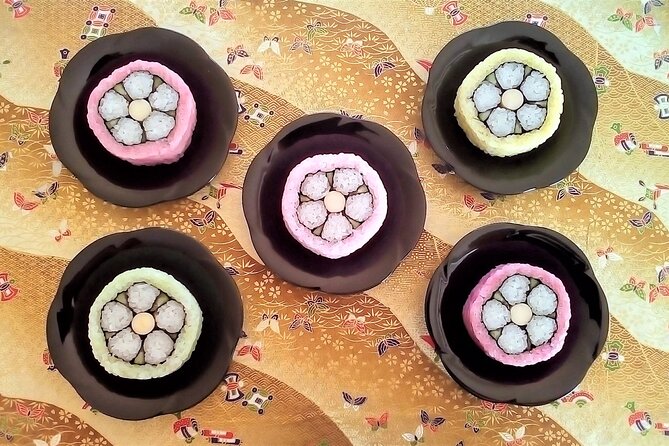
At $20.08 per person for about 2 hours, this is priced in the “good deal” zone, especially because it includes more than a lecture.
Here is what you get that turns the price into actual value:
- Ingredients provided, so you do not need to buy sushi supplies
- Apron rental free, which keeps the mess and logistics manageable
- English instruction and English recipes, which matters if you want to remake the rolls later
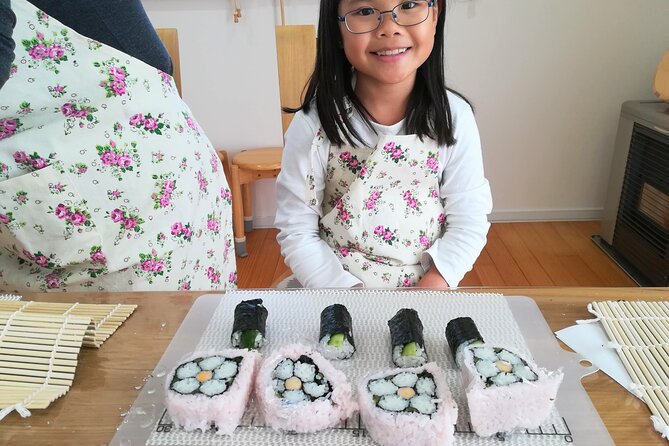
- Take-home sushi rolls, meaning you get a tangible output, not just a memory
- A small group format (up to 12), which supports teaching time per person
- Optional pickup at Makomanai subway station, if that helps your route
The only trade-off is the class is not private. If you want a one-on-one pace, this format may feel a bit busy. But if you are okay sharing attention in a small group, the structure is the whole point. You are there to learn by doing, not to watch someone else do it.
Optional add-ons for more Hokkaido flavor and more than just sushi
The base workshop is decorative sushi rolls. But there are add-on options if you want to go beyond and make your day longer in the food sense.
Here are the listed possibilities:
- Decorate bento in a traditional Syokado style, then enjoy your own bento after the class
- Hokkaido branded beef options, including things like Biratori Wagyu and Shiraoi Gyu
- Rice ball (and steam rice) with instruction on making steam rice without a rice cooker
- Miso soup, starting with how to make dashi (soup stock), then how to make soup with homemade miso
- Additional dish bundles paired with miso soup, with choices for different quantities (1 other dish, 2 other dishes, or 3 other dishes)
What I like about these options is how they connect back to Washoku habits. Even if you are a sushi beginner, learning steam rice basics or dashi and miso can upgrade your ability to cook Japanese food at home. Sushi is one skill. Dashi and rice are foundational.
Dietary planning is also on the list. You are asked to inform the host in advance about special dietary concerns like food allergies, vegan, or vegetarian. That is the smart move. Sushi classes often hinge on how ingredients are sourced and prepared, so early communication helps you avoid unpleasant surprises.
Who this class is best for in Sapporo
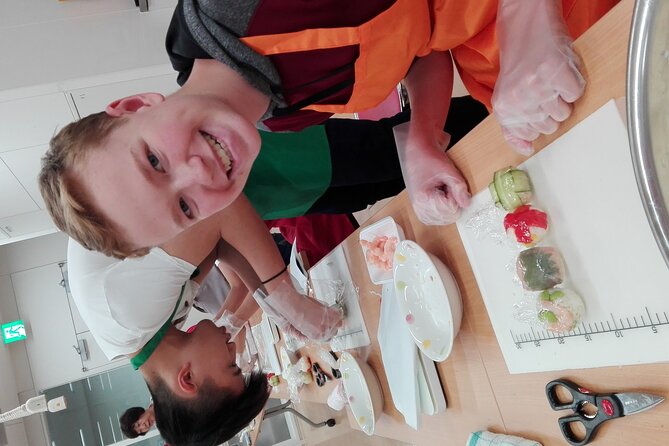
This workshop is a good fit if you want one of your Sapporo days to be tactile, not just sightseeing. It works especially well if:
- You want an authentic Japanese food experience in a smaller setting
- You like learning by doing, with step-by-step help in English
- You are traveling with kids or family members who will enjoy making something and taking it home
- You want a practical souvenir that you can eat later and recreate later
Because the class is hands-on and in a home setting, it can also be a nice reset day between busier Hokkaido activities. If you are doing ramen stops and market wandering, this gives you a different kind of memory, one you can literally bring back to your plate at home.
If you are the kind of traveler who wants a big group party vibe, you might find the class more calm and focused. This is not built as nightlife. It is built as food craft.
Should you book this sushi class with Yuki?
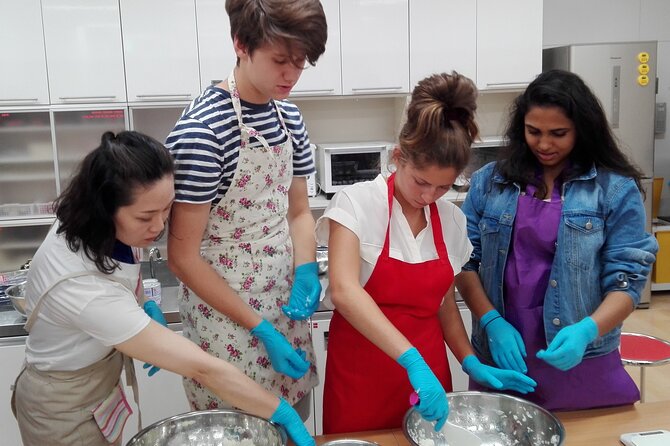
I would book it if you want a compact, high-satisfaction experience that turns into a real takeaway. The combination of English instruction, clear teaching, and take-home sushi makes it unusually practical for the time.
I would think twice only if you absolutely need a private class or you know you want your full attention without any group format. This workshop is designed for small groups, and that is part of its charm and value.
If you want a Sapporo experience that is both culturally grounded and genuinely fun, this is one of the easier “yes” decisions. You leave with sushi you made, recipes in English, and a craft skill you can use again.
FAQ
How long is the sushi class?
The class is about 2 hours.
What will I make during the workshop?
You will learn how to cook decorative sushi rolls, and you can take the sushi you make home.
Is pickup available?
Yes. Free pickup is offered at Makomanai subway station if required.
What language will the instruction be in?
You get English instruction, and you also receive recipes in English during the class.
Does the class include ingredients and an apron?
Yes. Ingredients and apron rental are included (apron rental is free).
How large is the group?
The workshop has a maximum of 12 travelers.
Can I cancel for a full refund?
Yes. You can cancel up to 24 hours in advance for a full refund. If you cancel less than 24 hours before the experience start time, the amount paid will not be refunded.
Newest Sapporo write-ups from the Loving Japan desk




Sushi and Sashimi Experiences, side by side.
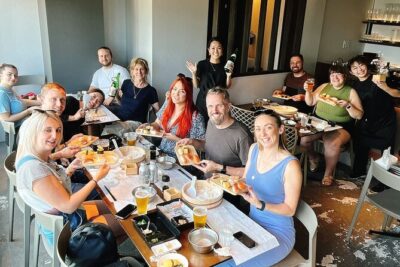 ★ 5.0Sushi Making Tokyo Roll and Authentic Japanese Sushi ClassFrom $593,971 reviews
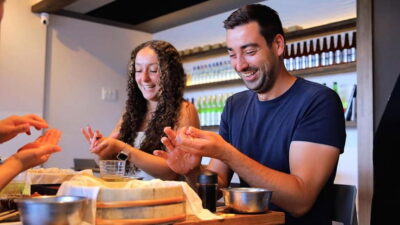 ★ 4.9Roll and Authentic Sushi Making Class in AsakusaFrom $581,957 reviews
 ★ 5.0Make Sushi and Create Unforgettable Memories in TokyoFrom $791,413 reviews
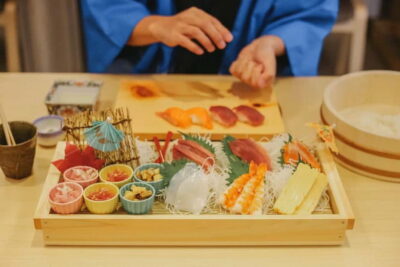 ★ 4.9Sushi Making Class in a Happi Coat near a Famous SpotFrom $421,377 reviews
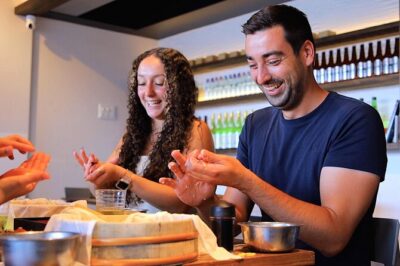 ★ 5.0Sushi Making Osaka Roll and Authentic Japanese Sushi ClassFrom $311,220 reviews
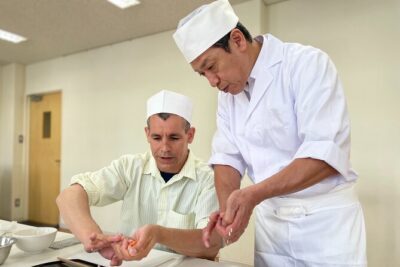 ★ 5.0Tokyo Sushi Making Class in Tsukiji with Professional ChefFrom $491,177 reviews
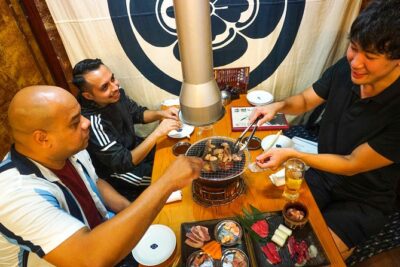 ★ 5.0Tokyo Night Foodie Tour in Shinjuku – Seasonal Sushi, Wagyu BeefFrom $1111,161 reviews
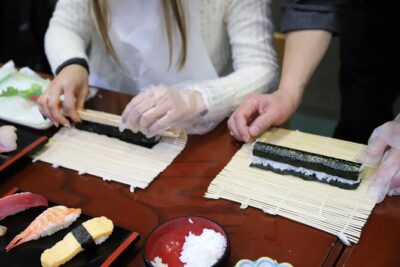 ★ 5.0Tsukiji Fish Market Guided Tour and Sushi Making with Pro ChefFrom $104775 reviews
Filed on these lists too