
REVIEW · NARA DEER PARK AND TODAI-JI
Ancient Capital Tour: Kyoto and Nara Highlights from Kyoto/Osaka
Kyoto and Nara in one guided sweep is efficient. You get Arashiyama atmosphere, Kinkaku-ji Golden Pavilion views, and then Nara’s deer and the Great Buddha without wrestling with transfers or buying tickets on the fly. I especially like the convenience of a ready-made route with an air-conditioned bus and Wi-Fi, and I like that Kinkaku-ji and Todaiji tickets are included on many options. The main drawback to plan for is the pace, because it is a lot packed into a 9-hour day with walking.
If you pick the right departure point, this kind of tour is great for first-timers. Just be ready for early check-in, a set schedule that follows the bus timing, and seasonal crowds around the big sights.
In This Review
- Key highlights in plain terms
- Kyoto and Nara in One Easy Day, with a Bus You Do Not Have to Map
- Meeting Points, Timing, and Why the Schedule Feels Like a Real Plan
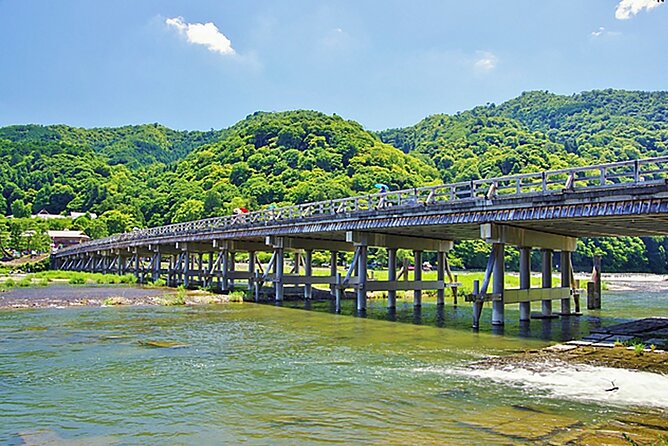
- Arashiyama: Bamboo Paths, Togetsukyo, and Seasonal Kyoto Mood
- Kinkaku-ji Golden Pavilion: Tickets, Garden Time, and Photo Reality
- Nara Park Deer and Todaiji Great Buddha: The Famous Pair, Managed Well
- Guides, Group Size, and What Makes the Day Feel Smooth
- Tickets and the Lunch Options: Where Value Comes From
- What to Expect on Foot: Pacing, Crowds, and How to Avoid Frustration
- Value Check: Is This $90.75 a Good Deal?
- Should You Book This Kyoto and Nara Highlights Day Trip?
- FAQ
- Where is the meeting point if I start from Osaka?
- Where is the meeting point if I start from Kyoto?
- How long is the tour?
- What stops does the tour include?
- Is lunch included?
- Are temple entry tickets included?
- Does the tour include an English-speaking guide and transportation?
- Is the tour ticket mobile?
- What dietary options are available for lunch?
- How many people are on the tour?
- Is cancellation free?
Key highlights in plain terms
- Arashiyama time for bamboo walking, Tenryuji-area vibes, and Togetsukyo by Katsura River
- Kinkaku-ji entry handled on most options, with time to roam its garden and pond views
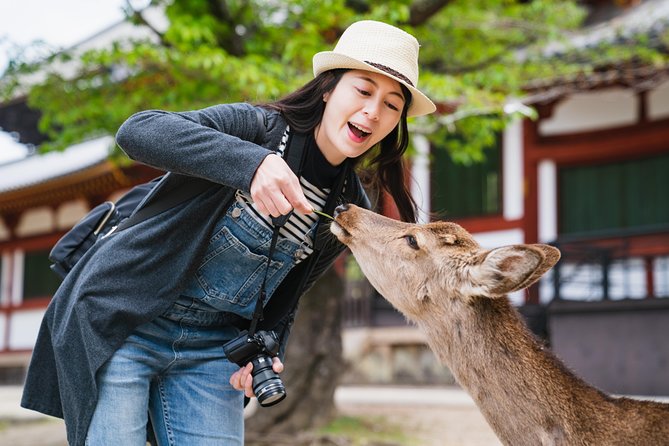
- Nara Park deer feeding with senbei snacks and the bowing behavior
- Todaiji Great Buddha visit bundled into the Nara portion
- Small-group feel is possible, with one reported group size of about 12 and a stated max of 42
- English speaking guide and Wi-Fi bus so you can focus on sights, not logistics
A half day in Nara goes several ways
- Ancient Capital Tour: Kyoto and Nara Highlights from Kyoto/Osaka
★ 4.5 · 332 reviews - Kyoto and Nara Day Trip from Osaka
★ 4.0 · 175 reviews - Discover Himeji, Kobe and Nara from Osaka
★ 5.0 · 101 reviews - Kyoto & Nara Private customized tour with English speaking Guide
★ 4.5 · 99 reviews
Kyoto and Nara in One Easy Day, with a Bus You Do Not Have to Map
This is built for people who want the headline Kyoto and Nara moments in a single day, without doing rail math. You board at a central meeting point, get guided between Kyoto and Nara by bus, and then return to where you started. For many visitors, that is the whole point. Kyoto can be a maze if you are moving fast, and Nara can be its own puzzle once you factor in crowds, deer crossings, and the flow inside the park.
The best part is how the tour groups themes. In Kyoto, you move from a nature-feeling district (Arashiyama) to one of Japan’s most iconic temple images (Kinkaku-ji). Then you shift to Nara, where you get wildlife energy (deer in a park) right next to a major Buddhist landmark (Todaiji and the Great Buddha). It is a clean contrast day, and it works even if your schedule is tight.
You will see a lot, but you will not be stuck learning transit. That trade-off is worth it if you have limited time. It is less ideal if you want slow, deep temple study and long, unhurried wandering.
Meeting Points, Timing, and Why the Schedule Feels Like a Real Plan
The tour runs about 9 hours and uses multiple departure dates, depending on whether you leave from Osaka or Kyoto. In Osaka, meeting time is 8:50 AM at Namba, OCAT 1F near Daiso. In Kyoto, meeting time is 9:05 AM at Kyoto Station, Hachijo Exit, in the tourist bus parking area. Check in about 10 minutes early.
The bus departs on schedule, and late arrivals are not refundable. That is not there to be strict, it is there because the itinerary is timed around temple entry and day-light for photos. Traffic and weather can also shift the schedule for safety, but the plan is meant to be followed.
One practical lesson from real start-of-day confusion: pay attention to exactly where the group forms. Some meeting points can be visually busy, with wide building fronts and small signage. If you arrive early, you will have time to spot guides and confirm you are at the correct pickup spot. In at least one case, people said the guide clothing helped, with guides in yellow. Arrive prepared to look for that visual cue.
Also, plan for walking. Feedback on this tour includes notes that the day can feel like a steady walk between stops. Comfortable shoes are not optional, they are the difference between enjoying it and grumbling quietly.
Arashiyama: Bamboo Paths, Togetsukyo, and Seasonal Kyoto Mood
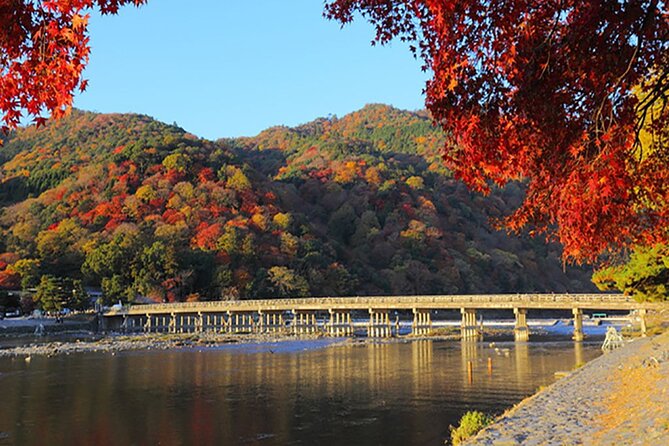
Arashiyama is a smart first stop because it sets the tone fast. You start in a district that feels older than the clock, with a river-side atmosphere and that classic Kyoto nature-meets-temple feel. If you go in April, you might catch cherry blossoms. November can bring deep fall color. In summer, there is mention of locals doing cormorant fishing, which adds a unique local texture beyond temples and photos.
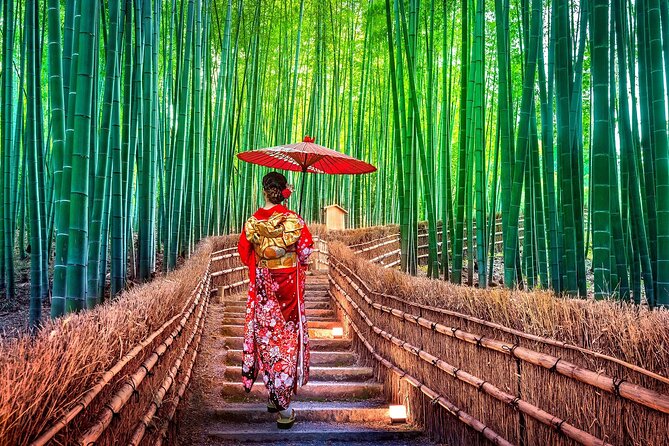
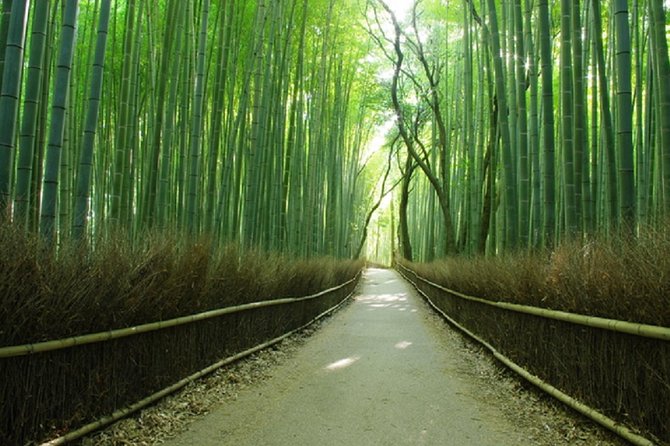
You have time to enjoy the Sagano Bamboo Forest area, including the distinct rustle of bamboo leaves as you walk along the path near Tenryuji. This is the kind of place where a short stroll can feel like a reset button. You will also get views connected to the river, including Togetsukyo, the moon-crossing bridge.
If you select the lunch option, there is a mid-day meal built into the Arashiyama portion. The lunch is described as a traditional Kyoto-style meal of seasonal specialties. Some people suggest skipping the lunch option because there are plenty of food choices nearby, but the included meal can still be convenient if you do not want to hunt for a restaurant right before your next temple stop.
A key dietary note: the tour says they cannot provide vegan or halal meals. Vegetarian requests are possible if you contact the operator at least 3 days before the tour. If food is a big deal for you, choose your lunch option carefully or plan to eat on your own.
- Osaka Go Karting Tour with Funny Costume★ 5.0 · 2,658 reviews
- Osaka Castle: Museum and Tower Entry Ticket★ 4.5 · 2,380 reviews
- Osaka: Shinsekai Food Tour with 13-15 Dishes at 5 Eateries★ 4.8 · 2,204 reviews
- Osaka Food Tour: 13 Dishes at 5 Local Eateries★ 5.0 · 2,149 reviews
- Hungry Osaka Street Food Tour:15 Tastings & 3 Drinks with a Local★ 5.0 · 1,727 reviews
Kinkaku-ji Golden Pavilion: Tickets, Garden Time, and Photo Reality
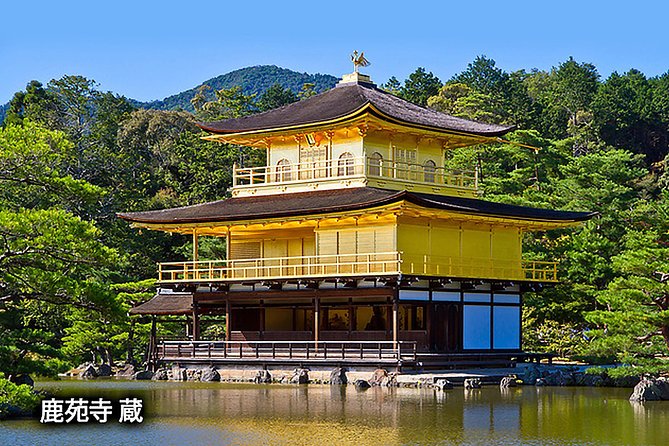
Kinkaku-ji, the Golden Pavilion, is the iconic reason many people book this day trip. The tour includes access on most options (but not on last-minute options). When you arrive, you will see the gold-leaf covered temple image that people come for, including its reflection in the pond. The effect is best when the sunlight hits, so if weather cooperates, you will get that classic look.
After you take photos, you will have time to wander the temple complex grounds, including a garden layout that is described as retaining its original 14th-century design. That garden walk is where the visit gets less like a selfie stop and more like a calm temple circuit. You still need to manage your time because the day is structured, but you will not feel like you are rushed through without any viewing.
Kinkaku-ji is also one of those places where crowds can shape your experience. Even with a guided group, you still have to work around foot traffic and photo lines. The guide helps here by keeping you on track and pointing you to efficient viewing angles.
A practical tip from the way guides are described across feedback: guides like Maria are said to show photos ahead of time and provide maps for each stop. That kind of prep helps you know what you are looking at immediately when you arrive, which makes your temple time more enjoyable.
Nara Park Deer and Todaiji Great Buddha: The Famous Pair, Managed Well
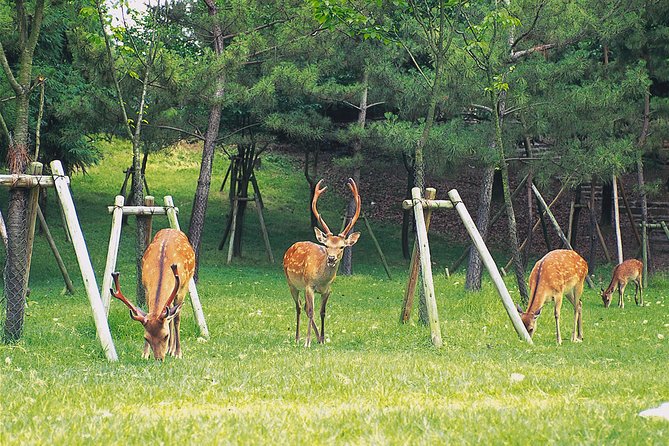
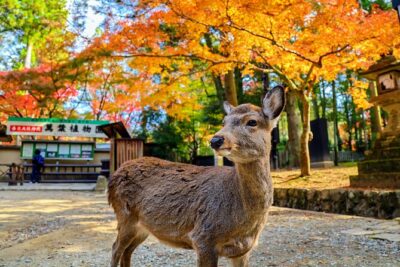
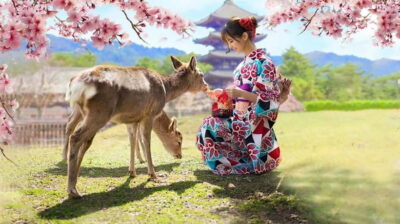
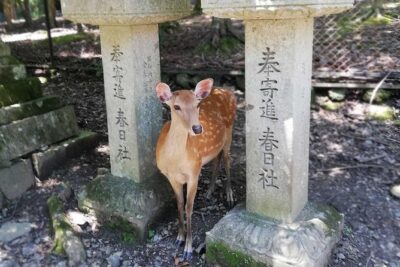
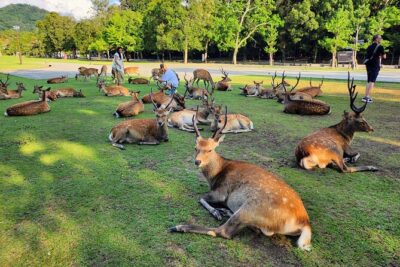
Nara is the second major emotional shift of the day. You enter Nara Park, where around 1,200 wild deer roam freely. The tour includes time for a walk through the park, and you can buy senbei snacks specifically for feeding. The deer are known for the bowing behavior, so this is not just watching animals. It is also a small interaction that feels very local.
That said, deer can be bold if you are holding snacks, and this portion of the day can feel chaotic if you are not comfortable navigating around animals. The good news is you are not out there alone. A guide can help you read the flow and keep you pointed where you should go next.
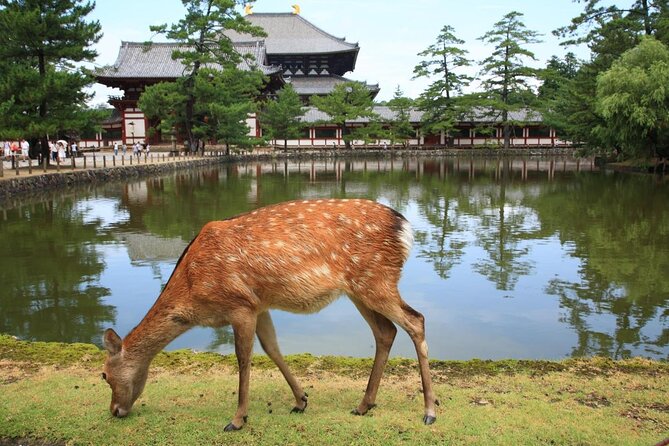
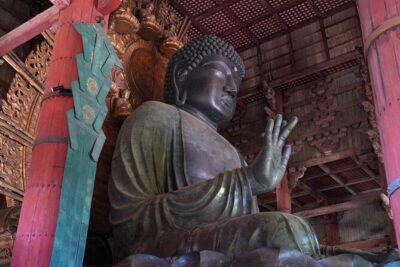
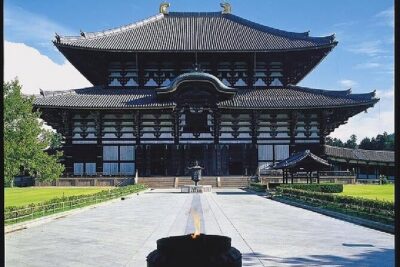
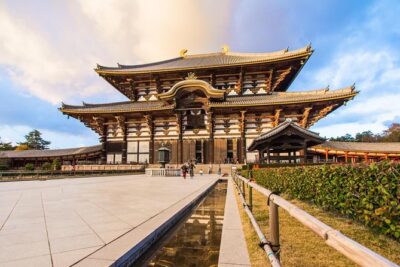
After the deer and park walk, you continue to Todaiji Temple, home to one of the world-scale Great Buddha statues. This is the stop that turns the animal park visit into something weightier. You get the big moment of Buddhist architecture and a major historical landmark in the same block of time.
One pace note to take seriously: some feedback calls the tour rushed, while other feedback says it felt well paced. The truth is the itinerary is designed for highlights, not lingering. If you want to study the Great Buddha slowly or you want a long deer hangout without moving, you might feel shorted here.
Guides, Group Size, and What Makes the Day Feel Smooth
The tour is led by an English speaking guide and uses an air-conditioned vehicle with free Wi-Fi. In a day trip, those small comfort details matter, because you are spending hours moving between sights. Multiple review comments highlight guides who kept things organized and helped with timing and tips.
You will see guide names like Yuki, Haru, Maria, Riku, Josh, Hama, Michiko, and Ko mentioned in feedback. What shows up repeatedly is that the guide does more than read facts. People appreciated practical advice, like what to do after the tour, and how to handle the next steps once you are back on your own.
Group size is a real factor. The tour has a maximum stated cap of 42 travelers, but one review mentions a smaller group of about 12. Smaller groups usually mean less waiting, more room to move at each stop, and easier photo timing. Even if you end up in a larger group, a good guide can keep the movement smooth.
Also, the tour includes a mobile ticket. That helps reduce hassle on arrival, especially when you are scanning entry points and coordinating a group.
Tickets and the Lunch Options: Where Value Comes From
This trip has a clear value story, especially when ticket inclusion applies to your booking option.
Entry tickets to Kinkaku-ji and Todai-ji are included on many package options. The tour specifically notes that those tickets are not included if you choose the last-minute option. That changes the math. If you are booking with ticket inclusion, you are paying mostly for the transport, guiding, and the structured day. If you are booking last minute without tickets included, you should expect to add those costs yourself.
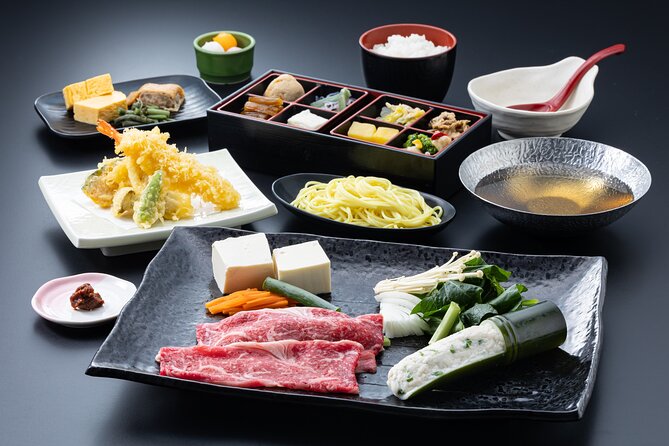
Lunch is another fork in the road. If you choose the lunch option, it is included during the day. The lunch is described as traditional and Kyoto-style. But the tour also says they cannot do vegan or halal meals, and vegetarian requests require advance contact.
One review suggestion was to skip lunch because there are many places to eat around major streets. That is not a universal rule, but it is a good way to think: the lunch option is convenience, while skipping can be flexibility. If you are picky about where you eat, or if you want to follow your own cravings, you may prefer eating on your own.
What to Expect on Foot: Pacing, Crowds, and How to Avoid Frustration
This is a highlights tour, and the schedule reflects that. Some people said there was lots of walking. Others said it still felt fine and well timed. So your best strategy is to treat the day like a guided “greatest hits” route and dress for movement.
Wear comfortable walking shoes. Bring a small bag you can keep close, because deer interactions in Nara can get attention if snacks are visible. Also, keep your phone charged for photo-heavy moments at Kinkaku-ji and along the bamboo/riverside areas.
If you are the kind of person who likes lots of detailed commentary at each stop, you may feel the day is too quick. A couple of reviews mention wanting more history earlier in the trip, and others mention that photo opportunities can make timing feel stressful. That is normal on a packed day trip. The fix is mindset: decide ahead of time what your “must photos” are, and do not try to capture everything at once.
If you like to ask questions, talk to your guide during transitions. That is often when you get the most useful context, and it saves you from feeling like you are missing the story while you are trying to photograph.
Value Check: Is This $90.75 a Good Deal?
At $90.75 per person, you are paying for a guided combo day with bus transport and (on many options) temple entry tickets to Kinkaku-ji and Todaiji. You are also paying for convenience: centralized pick-up, an organized route, and Wi-Fi on the bus.
Where it becomes a good value:
- If your booking includes both Kinkaku-ji and Todaiji tickets
- If you want Kyoto and Nara highlights without planning transit
- If you like the idea of a guided route with an English speaking guide who can help you navigate crowds
Where it may not feel like a bargain:
- If you book the last-minute ticket-excluded option and then still need to pay entrance fees yourself
- If you want long, unhurried time at each major stop
- If your food needs do not match the stated lunch limits, you might end up skipping lunch and eating on your own anyway
One interesting detail: the tour is commonly booked around 39 days in advance on average. That hints that people plan this early, probably because it is an easy way to fit Kyoto and Nara into a short itinerary.
Should You Book This Kyoto and Nara Highlights Day Trip?
I would book this if you want the big Kyoto and Nara name-brand experiences in one day, with a guide and bus doing the heavy lifting. It is especially good for first-timers who feel overwhelmed by transport or time management.
I would skip or look for a slower option if you hate rushed pacing, you want deep temple history and long stays, or you know you will need very specific dietary accommodations. The day is designed for highlights, not for long, sit-down time.
If you do book it, do two things and you will enjoy the day more:
1) Choose the correct departure point, Osaka or Kyoto, and show up early enough to spot the group.
2) Wear shoes for walking and decide what you want most, bamboo and river views, Golden Pavilion gardens, deer feeding, or the Great Buddha moment.
FAQ
Where is the meeting point if I start from Osaka?
The Osaka meeting time is 8:50 AM at Namba, OCAT 1F, near Daiso.
Where is the meeting point if I start from Kyoto?
The Kyoto meeting time is 9:05 AM at Kyoto Station, Hachijo Exit, in the tourist bus parking area.
How long is the tour?
It runs for approximately 9 hours.
What stops does the tour include?
You will visit Arashiyama, Kinkaku-ji (Golden Pavilion), and Nara Park and Todai-ji (home of the Great Buddha).
Is lunch included?
Lunch is included only if you select the lunch option. If you choose no lunch option, you will eat on your own.
Are temple entry tickets included?
Entry tickets to Kinkaku-ji and Todai-ji are included on most tour options, but they are not included if you choose the last minute option.
Does the tour include an English-speaking guide and transportation?
Yes. The tour includes an English speaking guide, plus an air-conditioned vehicle with free Wi-Fi.
Is the tour ticket mobile?
Yes, it uses a mobile ticket.
What dietary options are available for lunch?
The tour states it cannot provide vegan or halal meals. For vegetarian requests, you need to contact the operator at least 3 days before the tour.
How many people are on the tour?
The tour lists a maximum of 42 travelers.
Is cancellation free?
Yes. Free cancellation is available up to 24 hours before the experience start time for a full refund.
Half a Day in Nara

Newest Osaka write-ups from the Loving Japan desk



Nara Deer Park and Todai-ji, side by side.
 ★ 5.0World Heritage Kyoto & Nara Uji Authentic Matcha ExperienceFrom $1291,573 reviews
 ★ 4.7Kyoto/Osaka: Nara, Fushimi Inari Taisha, Arashiyama Bus TourFrom $521,275 reviews
 ★ 5.0Nara Half Day Trip Walking Tour (Private Option Available)From $105937 reviews
 ★ 4.4Osaka/Kyoto: Arashiyama, Nara & Fushimi Inari Shrine w/LunchFrom $61754 reviews
 ★ 5.0Nara Early Morning Tour (Kyoto or Osaka Departure Available)From $61676 reviews
 ★ 4.5Kyoto and Nara Day Trip from KyotoFrom $194445 reviews
 ★ 5.0Full Day Guided Tour to Kyoto and Nara from Osaka by VanFrom $106420 reviews
 ★ 4.5Nara Afternoon Tour from Kyoto or OsakaFrom $102390 reviews
Filed on these lists too